Vienna Day Tour Operators Compared: Who Actually Runs the Excursions
Who really owns the coach, who is just a reseller, and what a day trip from Vienna should cost. Operators, tiers, prices and the routes you should do by train instead.

Photo by Laura Chouette
- Vienna Day Tours at a Glance: The Market in One Table
- Who Actually Runs the Coaches
- Resellers: Viator, GetYourGuide and the Rest
- What the Big Routes Actually Cost
- Private Tours and Driver-Guides
- How to Read a Day Tour Listing
- What a Coach Day Actually Feels Like
- Booking Timing, Seasons and Cancellations
- The Honest Verdict
- Frequently Asked Questions
- Related Vienna Guides
- Photo Credits
This article contains advertising. Our booking links are routed through a partner that adds commission tracking automatically, so if you book through one we earn a commission from the provider, at no extra cost to you. It never affects what we recommend. Affiliate disclosure
Stand on the Opernring at a quarter past seven on a summer morning and you will watch four coaches load in the space of twenty minutes. They carry different logos. They were sold to their passengers by at least a dozen different brand names, at prices that differ by fifty euros or more for the same seat. Vienna day tours are one of the least transparent corners of the city’s tourism economy, not because anyone is doing anything illegal, but because the industry is built on layers of resale that nobody bothers to explain at checkout.
This page is about the companies, not the destinations. Who actually owns the coach, employs the guide and decides how long you get in Hallstatt; which booking sites are shopfronts for those companies rather than operators in their own right; what the different tiers of product genuinely cost; and which excursions are worth handing to an operator at all rather than doing yourself on a train ticket. Prices and departure details were checked in September 2026 and shift with season and demand — treat every figure here as the right order of magnitude, not a quote. If you want the destinations themselves compared, the full guide to day trips from Vienna does that job; this one tells you who to buy from.
Vienna Day Tours at a Glance: The Market in One Table
Four broad tiers exist. Almost every excursion sold in Vienna sits in one of them, and knowing which tier you are buying tells you more about the day than any amount of reading reviews.
| Tier | Group size | Typical price per person | What you are actually buying |
|---|---|---|---|
| Large-coach scheduled tour | 40–55 | €60–135 | A seat on a fixed timetable with a fixed itinerary |
| Minibus small-group tour | 7–18 | €110–220 | The same route with more stops and a talking guide |
| Private car or minivan | 1–7 (your party) | €450–900 per vehicle | A driver-guide and a schedule you set |
| Self-guided by rail | You | €20–70 in tickets | Total freedom and no commentary |
The tiers are not a quality ladder. A good large-coach operator on the Wachau run beats a mediocre minibus, and there are destinations — Melk, Krems, Baden — where the self-guided option is so easy that paying anybody is close to lighting money on fire. What the tiers do predict reliably is time: how much of the day you spend moving, and how much of it you spend standing still in the place you came to see.
Who Actually Runs the Coaches
Vienna’s day-excursion market has a small number of principals — companies that own or charter the vehicles, employ or contract the guides, and set the timetable — and a very large number of resellers who take a commission for putting a booking form in front of you. The distinction matters because when a tour is cancelled, delayed or oversold, the principal is the party that can actually fix it.
Vienna Sightseeing Tours
The biggest name in the market and the one whose vehicles you will see most often. Vienna Sightseeing runs the yellow-and-green hop-on hop-off buses around the Ringstrasse and the largest scheduled day-tour programme out of the city: Salzburg, Hallstatt, the Wachau with Melk, Bratislava and Budapest. Full-day products run roughly 12 to 13 hours and a quarter door to door. On the Hallstatt run the package typically includes a guided walk in the village and, in the warmer months, a short boat leg on the lake; the Wachau products bundle a Melk photo stop. Commentary is delivered by onboard audio guide in a spread of languages rather than by a single guide talking in one.
That audio-guide model is the fair criticism and the fair defence at once. It means nobody is monopolising the microphone in a language you do not speak, and it also means the person at the front of the coach is a tour manager keeping the schedule rather than a historian. If you want somebody you can ask questions of, this is the wrong tier.
Panorama Tours
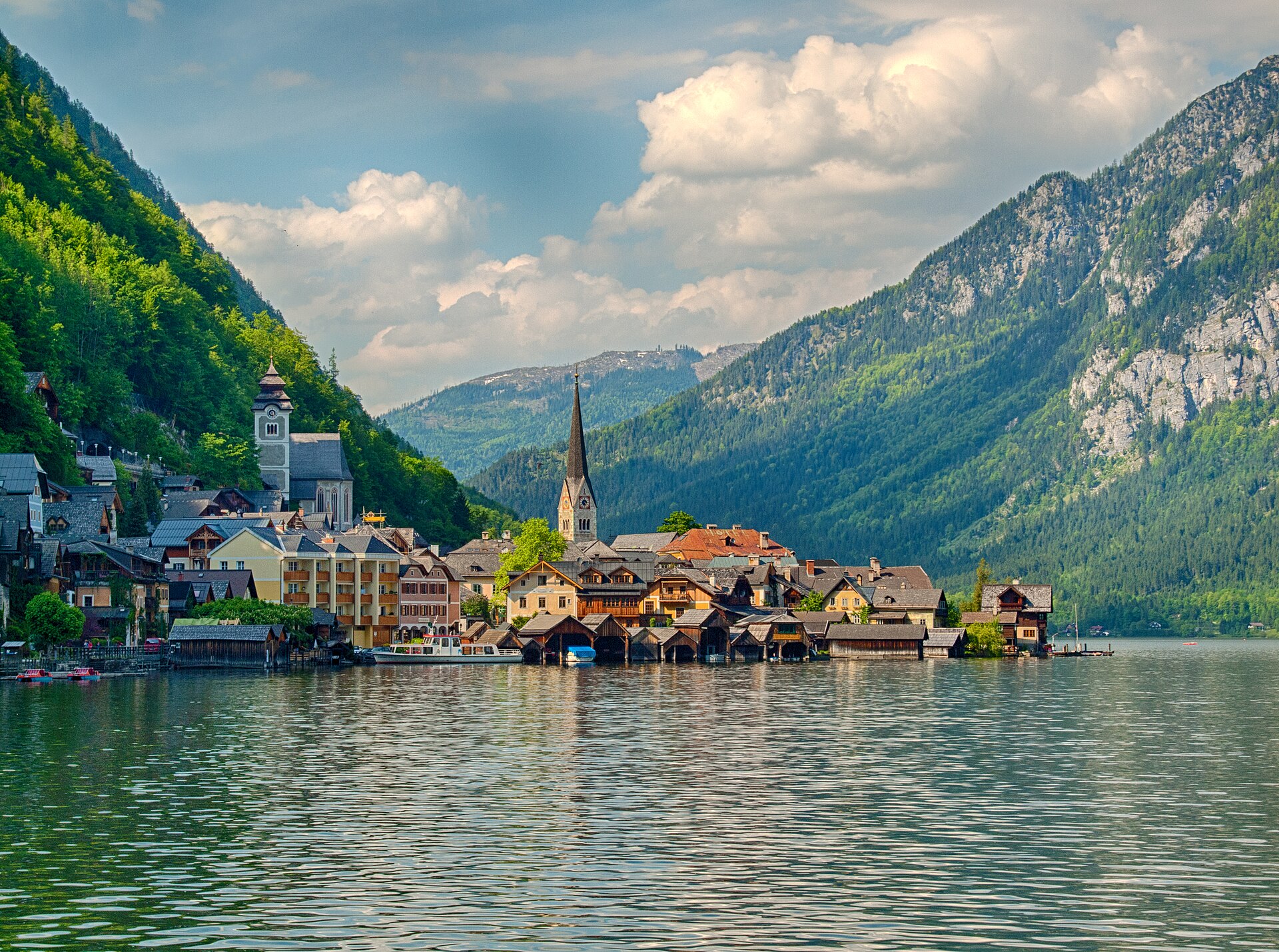
Salzburg-based, roughly seventy years in the business, best known west of here for the Sound of Music circuit — but it also sells a Vienna departure. The Vienna to Hallstatt day tour runs approximately 13 hours, leaving from the State Opera at Opernring 2, 1010, at 07:15. It operates Mondays, Wednesdays, Fridays and Saturdays for most of the year and goes daily from mid-May to mid-September. Included: the drive through the Salzkammergut, a guided walk in Hallstatt, the bone house in winter, and a twenty-minute boat ride on Lake Hallstatt in summer.
Neither Vienna Sightseeing nor Panorama Tours publishes a headline price on its own website — both push you into a date picker or out to a resale platform before showing a figure. That is worth naming plainly, because it is the reason so many travellers end up buying from Viator or GetYourGuide without ever realising there was a direct option.
The small-group and specialist operators
Below the two big names sits a long tail of Vienna-registered outfits running minibuses with between seven and eighteen seats: outdoor and adventure specialists who add a hike or a bike leg, wine-focused operators doing the Wachau properly with two or three tastings, and a handful of single-guide businesses running one vehicle. These are the operators most likely to give you a real guide for the whole day, most likely to adjust for weather, and most likely to be sold out three weeks ahead in July.
They are also the hardest to research, because their online presence is often thinner than their reputation. The reliable tell is whether the company has a physical Vienna address and an Austrian company registration on its site. If the operator page names a marketplace and nothing else, you are looking at a reseller.
Gray Line, Cityrama and the franchise names
Global sightseeing franchise brands appear on Vienna listings and cause a lot of confusion. Gray Line is a worldwide network of independently owned local operators, not a single company — the Vienna licensee and the Budapest licensee are different businesses that happen to share a logo. The Cityrama name likewise belongs to a Hungarian operator running excursions into Austria, not to a Vienna house. None of this makes them bad; it does mean the brand tells you almost nothing about who will be driving, and you should read the small print for the operating company’s actual name.
Resellers: Viator, GetYourGuide and the Rest
Viator, GetYourGuide, Klook and a dozen smaller marketplaces sell almost every scheduled Vienna excursion that exists. They are not operators. They take a commission — commonly in the range of a fifth to a third of the ticket price — and pass the booking to whoever is actually running the coach.
This has three practical consequences worth knowing before you book:
- The same seat appears many times. One coach can be listed under four or five product names at four or five prices, because different resellers dress the same departure differently. If two listings share a departure time, a duration and a stop list, assume they are the same vehicle.
- The cancellation policy you see is the reseller’s, not the operator’s. Free cancellation until 24 hours before is the common marketplace term and it is genuinely useful in a city where the weather decides whether Hallstatt is worth going to. Booking direct sometimes gets you a worse cancellation window.
- Reviews are attached to the listing, not the operator. A new listing for a long-established coach starts at zero reviews; a heavily reviewed listing may be a reseller product that changed operators last season.
Booking direct is not automatically cheaper. Where the operator publishes a price at all, it is frequently identical to the marketplace price — the commission is absorbed rather than added. Direct booking wins on flexibility and on having somebody to phone; the marketplace wins on cancellation terms and on being able to compare four operators in one tab. Neither wins outright, which is a duller answer than most guides give but a truer one.
What the Big Routes Actually Cost
These are the going rates on the resale platforms in September 2026, per person, for scheduled departures. Private tours are priced per vehicle and quoted separately below.
| Destination | Large coach | Small group | Day length | Doable by train? |
|---|---|---|---|---|
| Hallstatt | €95–135 | €140–220 | 12–13.5 hrs | Yes, but a punishing day |
| Salzburg | €85–130 | €150–220 | 12–13 hrs | Yes — and better |
| Wachau & Melk | €60–110 | €110–170 | 8–10 hrs | Yes, easily |
| Bratislava | €60–95 | €95–150 | 8–10 hrs | Yes, trivially |
| Budapest | €110–160 | €170–250 | 13–15 hrs | Yes, but not in a day |
| Vienna Woods & Mayerling | €55–80 | €90–140 | 4–5 hrs | Awkwardly |
Read that last column carefully, because it is where most of the money in this article is saved.
Where the coach earns its fee
Hallstatt is the strongest case for buying a tour. The public-transport route involves a train to Attnang-Puchheim, a change, a slow regional line and either a ferry across the lake or a bus, and the connections are unforgiving of a single delay. A coach makes it a long but simple day. It is also the destination where operator choice matters most, because the difference between two hours in the village and three and a half is the difference between a photograph and a visit. Check the stated time in Hallstatt before you check the price. Our Hallstatt day trip guide goes into whether the round trip is worth making at all.
Budapest is the other case, and a reluctant one. A coach day trip gives you roughly four hours in a city that deserves three days, plus eight hours of motorway. It is only defensible if Budapest is the thing you will regret not seeing and you genuinely have one day.
Where it does not
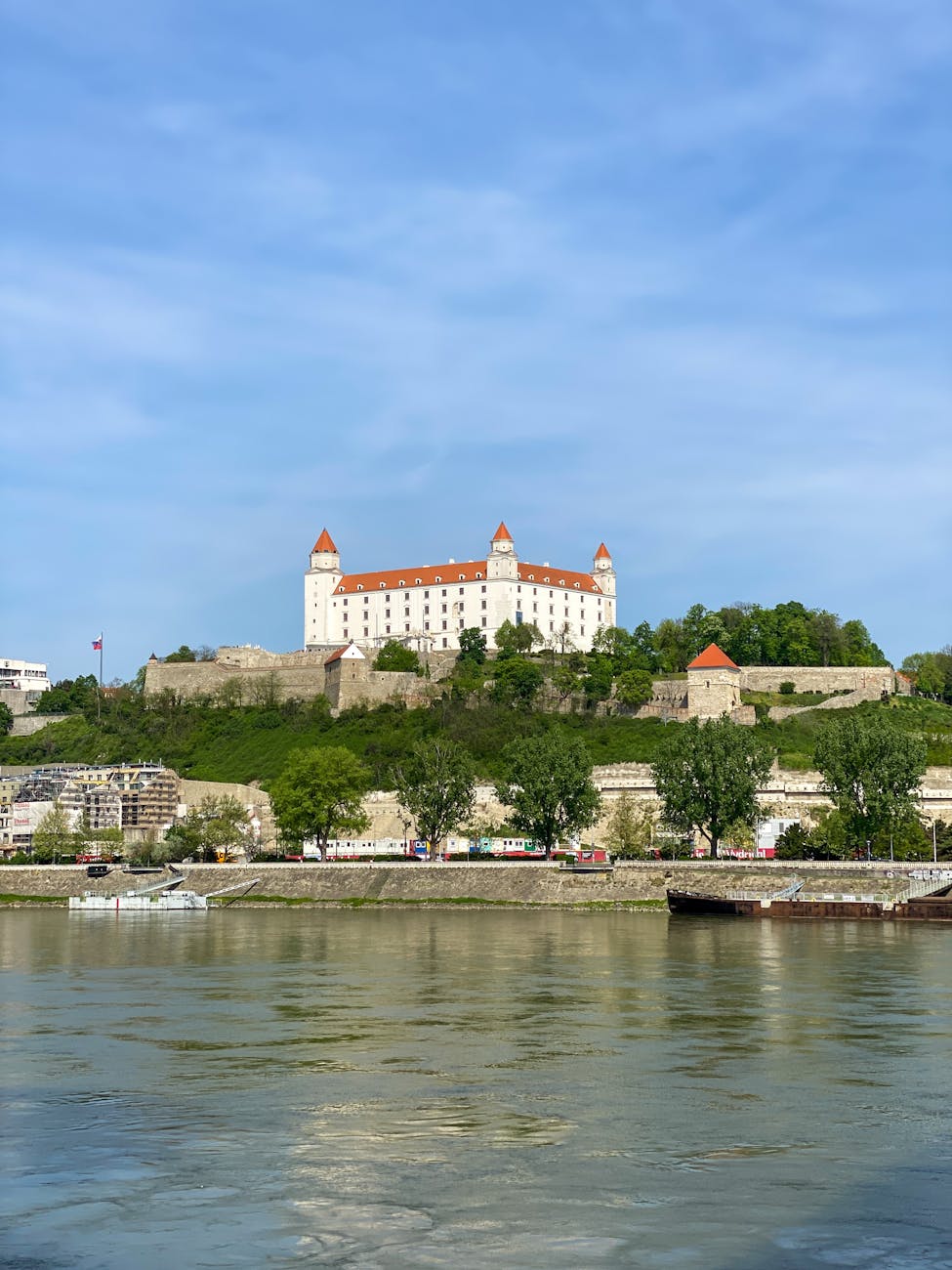
Bratislava is an hour by train from Wien Hauptbahnhof and the tickets are cheap; the boat is slower but far more enjoyable. Paying eighty euros for a coach seat to a city you can reach on a single fare is the clearest bad deal in the Vienna excursion market. Read the transport options to Bratislava and go on your own.
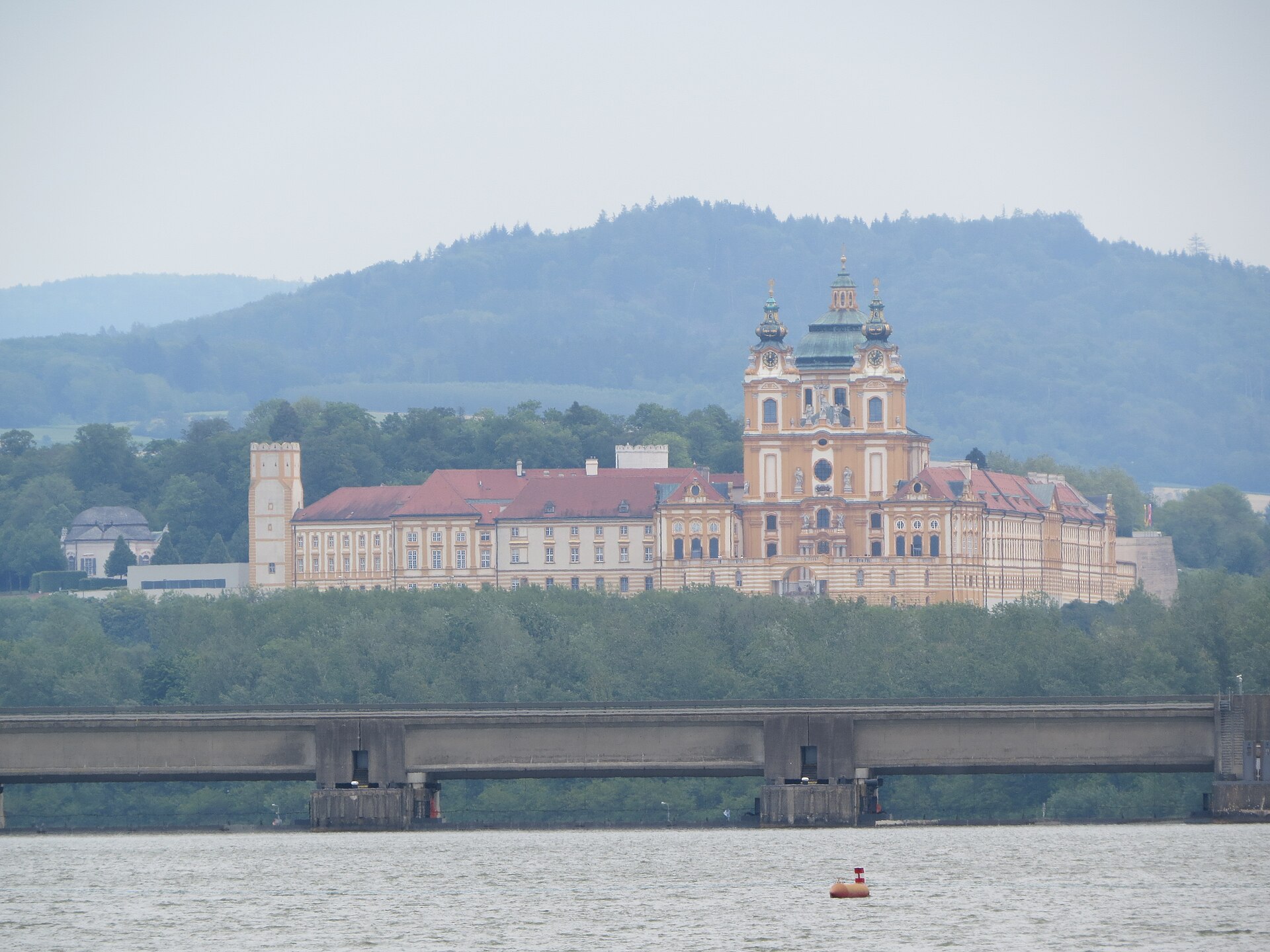
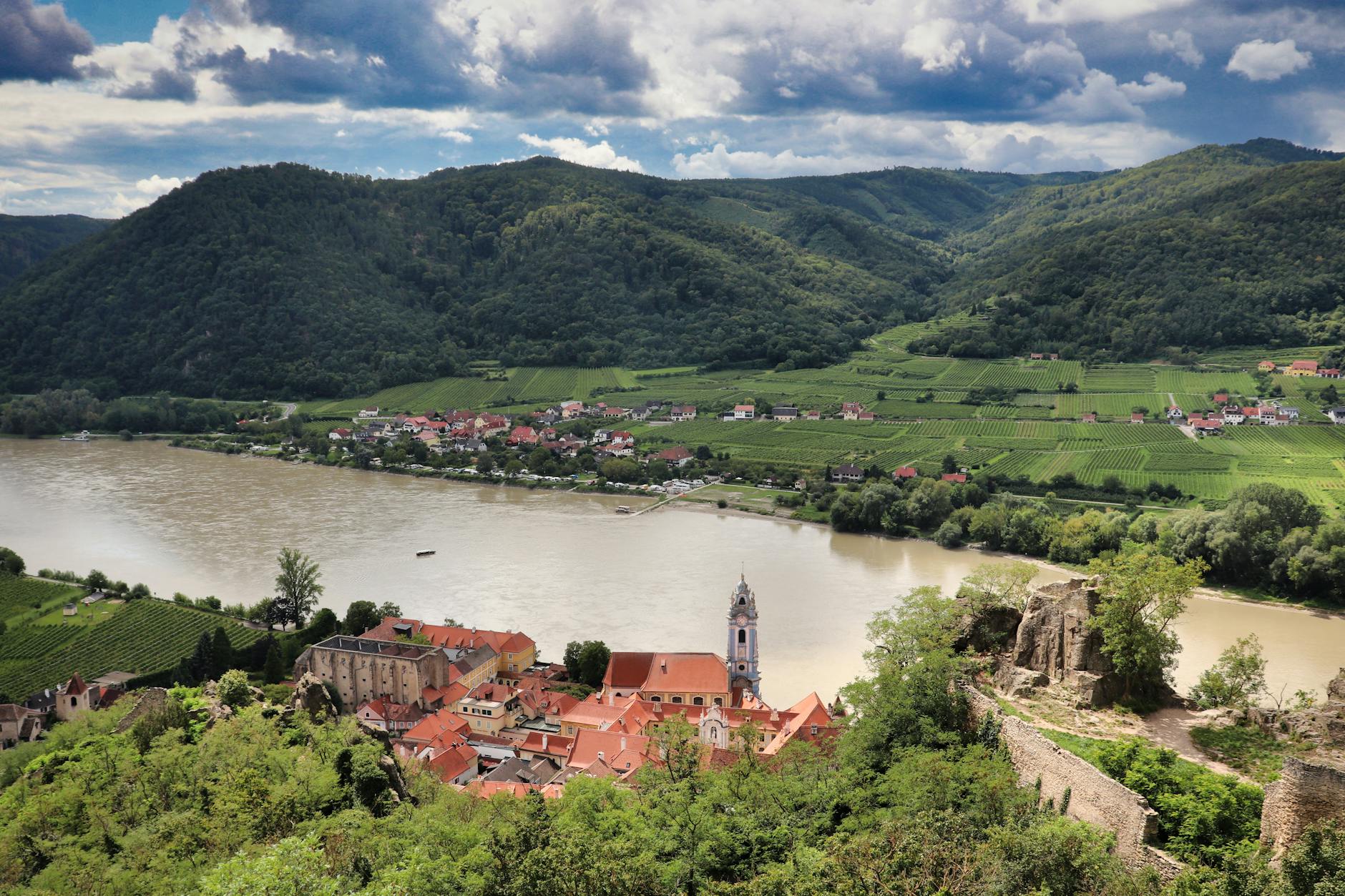
Melk and Krems sit on a direct rail line with frequent services, and the Wachau boat between them is one of the great cheap pleasures of Austrian travel. A coach tour delivers you to a Melk car park for a photo, gives you an hour in Dürnstein and calls it the Wachau. Doing it yourself takes marginally more planning and gives you three times the day. The Wachau valley guide lays out the timings; the Melk Abbey page covers the abbey itself.
Salzburg is the one people argue about. The railjet takes under two and a half hours each way and runs frequently; a self-guided day gives you six hours in the city against the coach tour’s four, at a lower cost. The coach wins only if you specifically want the Salzkammergut lakes scenery on the way, which some products include and others do not. See Vienna to Salzburg by train before you book anything.
Private Tours and Driver-Guides
Private day excursions from Vienna are priced per vehicle, not per head, which changes the arithmetic entirely once there are four of you. Expect roughly €450–650 for a full day within Lower Austria — the Wachau, the Vienna Woods, Semmering — and €650–900 for Hallstatt or Salzburg, where the driving alone is seven hours. Prices generally cover the vehicle, the driver and fuel; entrance tickets, lunch and any city guide at the far end are usually extra, and Austrian licensing rules mean your driver frequently cannot guide you inside monuments even if they know them well.
Two things make a private day worth the money. The first is a party of four or more, where the per-person cost lands close to the small-group price with none of the compromises. The second is a specific need a scheduled coach cannot meet: mobility limits, a very early start to beat the Hallstatt crowds, small children who need the day broken up, or an itinerary that simply is not sold — two abbeys and a vineyard, say.
What makes it not worth the money is buying a private car for a route the railways serve well. A private transfer to Melk is a comfortable way to spend six hundred euros reaching a place a fourteen-euro ticket also reaches.
Understanding the Fremdenführer system
Austria licenses tour guides properly. A Fremdenführer completes a multi-year course and passes a state examination, and only licensed guides may guide commercially inside many museums and monuments. This is why day-tour products so often say “guided walk” in one place and “audio guide” in another: the operator has a licensed guide at the destination but not on the coach, or the reverse.
When a listing promises a guide, check what is guided and where. An English-speaking driver is not a guide. A local licensed guide in Hallstatt is a specific, verifiable promise. If a product is vague about it in the description, it is usually vague because the answer is the first thing rather than the second.
How to Read a Day Tour Listing
Five fields decide whether a tour is good, and price is not one of them.
- Time at the destination, stated in hours. Not “explore Hallstatt at your leisure”. A number. Anything under two hours at a headline destination six hours’ driving away is a photo run.
- The stop list, in full. Coach tours pay for their fuel with shopping and refreshment stops. Two comfort breaks on a thirteen-hour day is normal; four is a sales operation.
- Group size, stated as a maximum. Small group is unregulated marketing. A number under eighteen is meaningful; the phrase alone is not.
- What the price excludes. Abbey admission, the Hallstatt salt mine funicular, the lake boat, lunch. On several Wachau products the Melk Abbey ticket is not included and the coach waits while you buy it.
- The pick-up point and time. Central departures from the State Opera or Morzinplatz are the norm. Hotel pick-up sounds like a bonus and often means an extra forty minutes circling the Ringstrasse collecting other people.
What a Coach Day Actually Feels Like
Listings sell the destination. They do not sell the eleven hours of logistics wrapped around it, and that is the part travellers report back on most bitterly, so here it is honestly.
You will be told to arrive fifteen minutes before departure, and you should, because seats are not allocated and the coach leaves on time whether or not everyone is aboard. The first two hours are motorway. Somewhere around the ninety-minute mark there is a service-station stop of twenty minutes that feels longer. On the Salzkammergut runs the scenery genuinely improves after Amstetten and stays good; on the Bratislava run it never does.
Lunch is rarely included and is usually a forty-five minute window in a town where every other coach has also just arrived. The practical move is to bring something and eat it while everyone else queues, buying yourself most of an extra hour on foot. The same trick applies to coffee at the service stop.
Return legs are quieter and slower than the outbound — Friday and Sunday evenings on the A1 into Vienna can add forty minutes. If you have booked a concert or a restaurant table for the evening of a Hallstatt or Salzburg day, do not book it before nine.
Accessibility and travelling with children
Large coaches vary enormously in step height and almost none have a lift; operators will usually carry a folding wheelchair in the hold but cannot help a passenger who cannot manage the steps unaided, and they are obliged to say so if you ask directly. Ask before booking rather than at the kerb. Hallstatt itself is steep and cobbled, and the village path from the coach park is not flat.
For children, the honest calculation is the drive. A four- or five-hour half-day to the Vienna Woods works at almost any age. A thirteen-hour Hallstatt day with a five-year-old is a long time in a seat for ninety minutes of lake. Small-group minibuses tend to break the journey more often, which is worth the premium here even when it is not elsewhere.
Booking Timing, Seasons and Cancellations
Scheduled coach tours to Salzburg and Hallstatt sell out in July and August and around the Christmas market weeks; a fortnight ahead is comfortable, three days ahead is a gamble. Small-group minibuses sell out considerably earlier — three to four weeks in high season is realistic, because there are eleven seats rather than fifty.
Winter changes the products rather than stopping them. The Lake Hallstatt boat leg disappears; the bone house often replaces it. Wachau vineyard products thin out from November. Several operators run reduced timetables between January and March, which is also when prices are at their lowest and Hallstatt is at its most photogenic and least crowded.
On cancellations, the practical advice is unromantic: book the version with free cancellation until 24 hours before, then check the forecast the evening before. Hallstatt and the Wachau in heavy rain are a long way to travel to look at cloud. Nobody refunds you for weather, so the 24-hour window is the only weather insurance available.
The Honest Verdict
Most visitors to Vienna should buy exactly one day tour, or none. The city itself supports four or five days of unhurried sightseeing before anybody needs to leave it, and the excursion market is priced on the assumption that you have not checked what a train ticket costs.
If you buy one, make it Hallstatt, buy it from a principal rather than the cheapest listing, and choose on stated time in the village rather than on price. If you have four people and a specific itinerary, price a private vehicle before dismissing it — the per-head figure surprises people. And if the destination on your list is Bratislava, Melk, Krems, Baden or Eisenstadt, close the booking tab. Those are train journeys, and pleasant ones. Our Vienna money-saving guide covers the same principle across the rest of the city’s tourist economy.
Frequently Asked Questions
Are Vienna day tours worth the money?
For Hallstatt and Budapest, usually yes — the public-transport alternatives are genuinely hard. For Bratislava, Melk, Krems, Baden and the Lake Neusiedl towns, usually no; they are simple rail journeys costing a fraction of a tour seat. Salzburg sits in between and depends on whether you want the scenic route or more hours in the city.
Is it cheaper to book direct with the operator?
Rarely, and not by much. Most Vienna operators price identically direct and through Viator or GetYourGuide, absorbing the commission rather than adding it. Book direct for flexibility and a phone number; book through a marketplace for the 24-hour free cancellation and easier comparison.
Which company runs the most day tours from Vienna?
Vienna Sightseeing Tours operates the largest scheduled programme, covering Salzburg, Hallstatt, the Wachau, Bratislava and Budapest, and also runs the yellow-and-green hop-on hop-off buses. Panorama Tours, based in Salzburg, is the other established name with a Vienna departure, notably its 07:15 Hallstatt tour from the State Opera.
How long is a typical day trip from Vienna?
Salzburg and Hallstatt run 12 to 13.5 hours door to door. The Wachau with Melk is 8 to 10. Bratislava is 8 to 10. Budapest can stretch to 15. Half-day products — the Vienna Woods, Mayerling, Baden — run 4 to 5 hours.
Do day tours include entrance tickets and lunch?
Often not, and the exclusions are where budgets break. Melk Abbey admission, the Hallstatt salt mine, the lake boat in some seasons and lunch everywhere are commonly extra. Read the excluded list before comparing two prices, because a cheaper tour with three exclusions is not cheaper.
What time do Vienna day tours leave, and from where?
Long-distance departures cluster between 06:45 and 08:00. The two standard central pick-up points are the State Opera on the Opernring and Morzinplatz near Schwedenplatz. Panorama Tours’ Hallstatt departure, for example, leaves the State Opera at 07:15.
Can I do Hallstatt and Salzburg in one day from Vienna?
Products exist that combine Melk, Hallstatt and Salzburg in a single day. They are roughly fifteen hours long and give you about ninety minutes in each place. If your goal is to have stood in three UNESCO sites, they work. If your goal is to have seen them, they do not.
Are small-group tours worth the extra cost?
When the premium is thirty to fifty euros, usually yes — you get a guide who talks to you rather than an audio track, fewer comfort stops and faster loading, which typically buys back thirty to sixty minutes at the destination. When the premium doubles the price, only if the itinerary is genuinely different.
Related Vienna Guides
- Day Trips from Vienna: Every Destination Compared
- Vienna Tours & Experiences: Every Tour Type Compared
- Hallstatt Day Trip from Vienna
- Salzburg Day Trip from Vienna
- Wachau Valley Day Trip
- Bratislava Day Trip from Vienna
- Melk Abbey Day Trip
- Vienna Free Walking Tours
- Vienna Money-Saving Tips
Photo Credits
Hallstatt across the lake: Hallstatt – 8856135370 by Kevin Poh, CC BY 2.0, via Wikimedia Commons.
Melk Abbey from the Danube: 2019-05-19 (331) Melk Abbey, Austria by GT1976, CC BY-SA 4.0, via Wikimedia Commons.