Bratislava Day Trip from Vienna: 1-Day Guide (2026)
Bratislava day trip from Vienna 2026. The easiest international day trip in Europe with one-day itinerary, transport, and old town highlights.
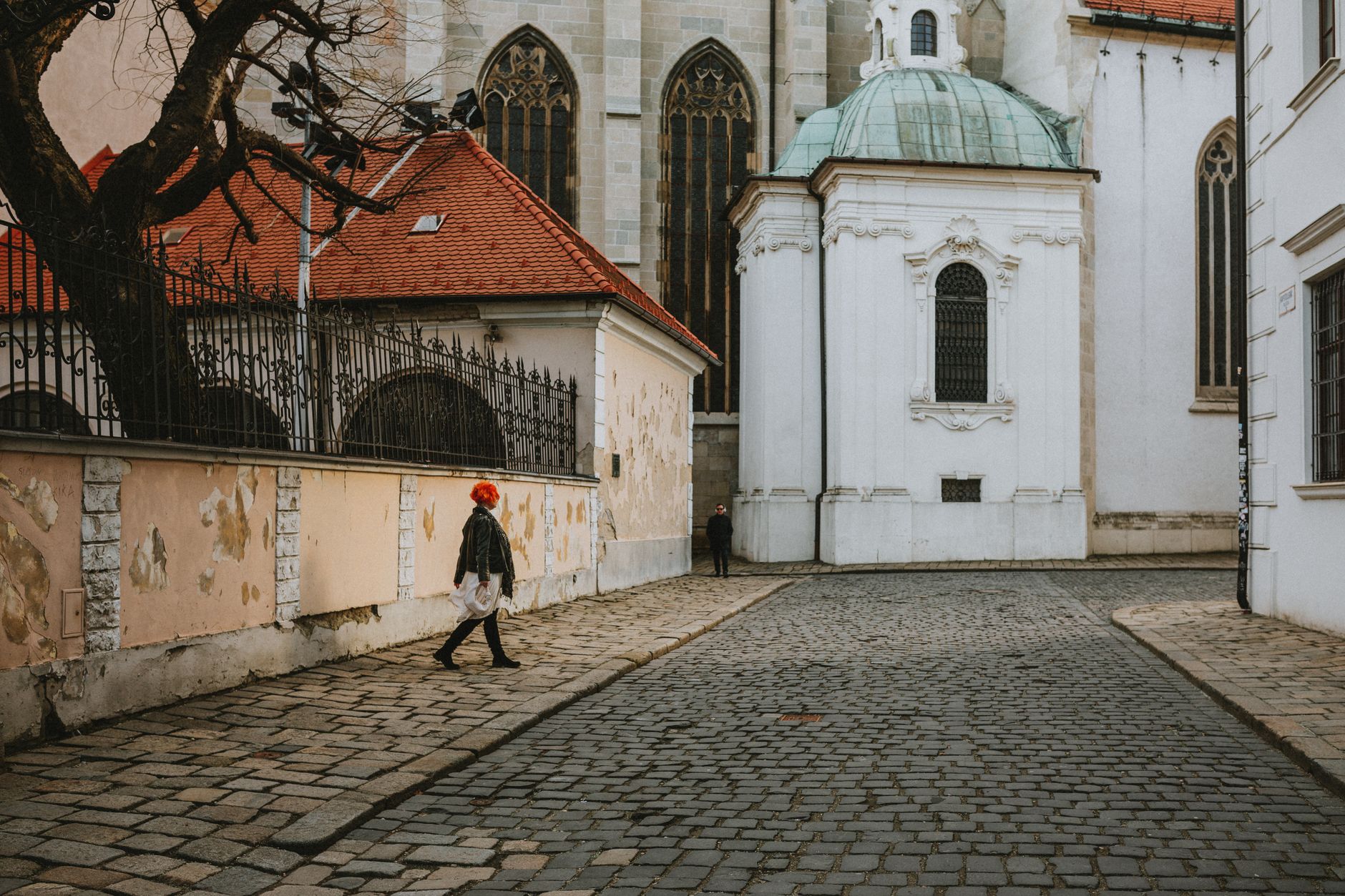
Photo by Helena Jankovičová Kováčová
- Why Bratislava makes the easiest day trip
- How to get to Bratislava from Vienna
- Classic Bratislava one-day itinerary
- Bratislava highlights in detail
- Eating in Bratislava on a day trip
- Bratislava with kids
- Shopping in Bratislava
- Currency in Bratislava
- Border crossing
- Language in Bratislava
- Common Bratislava day trip mistakes
- Sample variations on the standard itinerary
- Day trip vs. overnight
- Bratislava restaurants for special occasions
- Bratislava cafes worth visiting
- Bratislava day trip FAQ
- Related Vienna Guides
This article contains advertising. Our booking links are routed through a partner that adds commission tracking automatically, so if you book through one we earn a commission from the provider, at no extra cost to you. It never affects what we recommend. Affiliate disclosure
Bratislava is the easiest international day trip in Europe. The Slovak capital sits just 80 kilometres east of Vienna, connected by hourly trains, buses, and a seasonal Danube catamaran. With a compact UNESCO-listed old town, a hilltop castle, beer at half Vienna prices, and a distinctively Central European post-communist character, Bratislava rewards even a 5-6 hour visit with memorable stories. This complete 2026 itinerary covers transport options, hour-by-hour planning, the essential sights, and why even committed Vienna-loyalists should make the trip.
Why Bratislava makes the easiest day trip
Bratislava-Vienna is one of the world’s tightest international city pairings. Driving distance is 80 km; train journey 1 hour; bus 75-90 minutes; Danube catamaran 75 minutes. Both cities sit on the Danube, with Bratislava downstream of Vienna. The proximity means you can leave Vienna at 9 a.m., explore Bratislava’s old town and castle from late morning until late afternoon, and return for dinner in Vienna.
Beyond logistics, the experience itself rewards the trip. Adding a second European capital and a second country to your trip costs almost nothing in time but multiplies the trip’s geographic richness. Slovak food is cheaper, the old town is genuinely beautiful, and the contrast with Vienna’s imperial grandeur shows you a different side of Central Europe.
How to get to Bratislava from Vienna
By train (most popular)
OeBB and Slovak Railways jointly run hourly REX trains from Vienna Hauptbahnhof to Bratislava-Petrzalka or Bratislava Hlavna Stanica (main station). Journey time is 59 minutes via Petrzalka, 1h05 via Hlavna. Tickets cost approximately 17 euros single, 18-22 euros round-trip.
The most useful ticket is the EUREGIO Bratislava-Ticket at 18 euros, which combines a one-way train journey plus a 1-day Bratislava public transport pass. Buy from any OeBB ticket machine at Vienna Hauptbahnhof or via the OeBB app.
Bratislava-Petrzalka station is south of the Danube; a 15-minute walk over the New Bridge brings you into the old town. Bratislava Hlavna Stanica is north of the old town; a 15-minute walk down a wide boulevard. Either works.
By bus
Slovak Lines and FlixBus run hourly services from Vienna International Busterminal (VIB) at Erdberg (U3 Erdberg). Journey time 75-90 minutes, fares 10-15 euros round-trip. Drop-off at Most SNP in central Bratislava is closer to the old town than either train station.
By Twin City Liner boat
The high-speed catamaran runs April-October, 3 daily sailings each direction. Journey time 75-90 minutes, fares 30-45 one-way or 50-70 round-trip. Departure from Vienna’s Schwedenplatz, arrival at Most SNP. Scenic but expensive vs. train.
By car or guided tour
Car drive 60-75 minutes; guided day tours 60-120 euros per person including transport, walking tour, and sometimes lunch.
For the full comparison see our complete Vienna-to-Bratislava transport guide.
Classic Bratislava one-day itinerary
9:00 a.m.: Coffee at Vienna Hauptbahnhof.
9:30 a.m.: Board REX train to Bratislava-Petrzalka.
10:30 a.m.: Arrive Bratislava-Petrzalka. Walk over the New Bridge into the old town (15 minutes). Stop on the bridge for views.
10:45 a.m.: Coffee at a cafe on Hviezdoslavovo Namestie (the main square). Recommended: Cafe Antik or Konditorei Kormuth (the latter is gloriously over-the-top baroque inside).
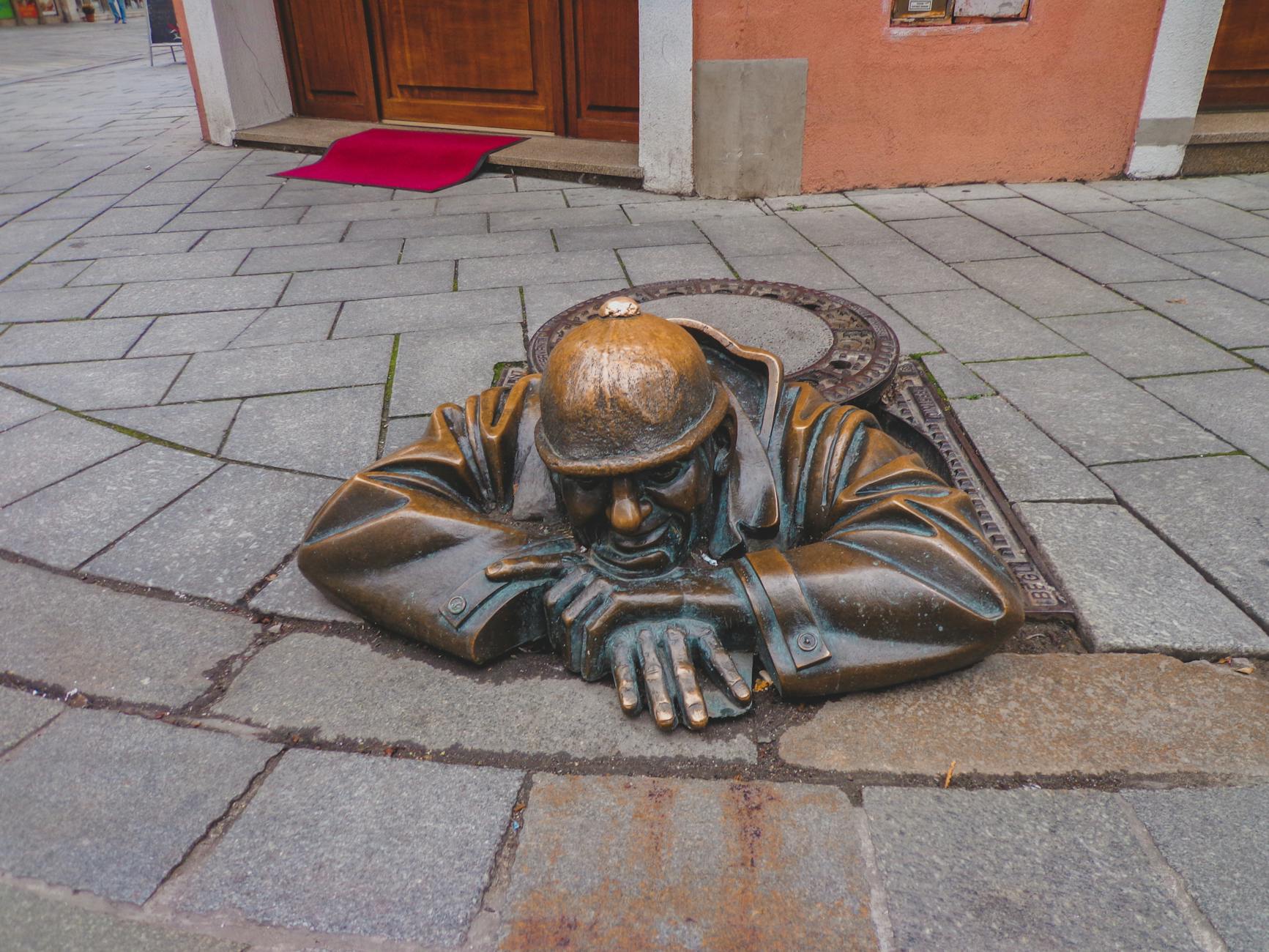
11:00 a.m.: Walk Hlavne Namestie (main square) and Frantiskanska Street. Find Cumil the sewer worker statue (Slovakia’s most-photographed bronze).
11:30 a.m.: Visit the Old Town Hall and its tower (4 euros, climb for old town views).
12:00 p.m.: Walk to Michalska Brana (St. Michael’s Gate), the only surviving medieval city gate. Climb the tower (4 euros) for 360-degree views over Bratislava.
12:30 p.m.: Lunch at a Slovak restaurant in the old town. Try bryndzove halusky (potato dumplings with sheep cheese and bacon) and a Zlaty Bazant beer. 12-18 euros for a full meal.
1:30 p.m.: Walk up to Bratislava Castle. The path starts behind the Cathedral; it’s a 15-minute uphill walk with stops at scenic viewpoints.
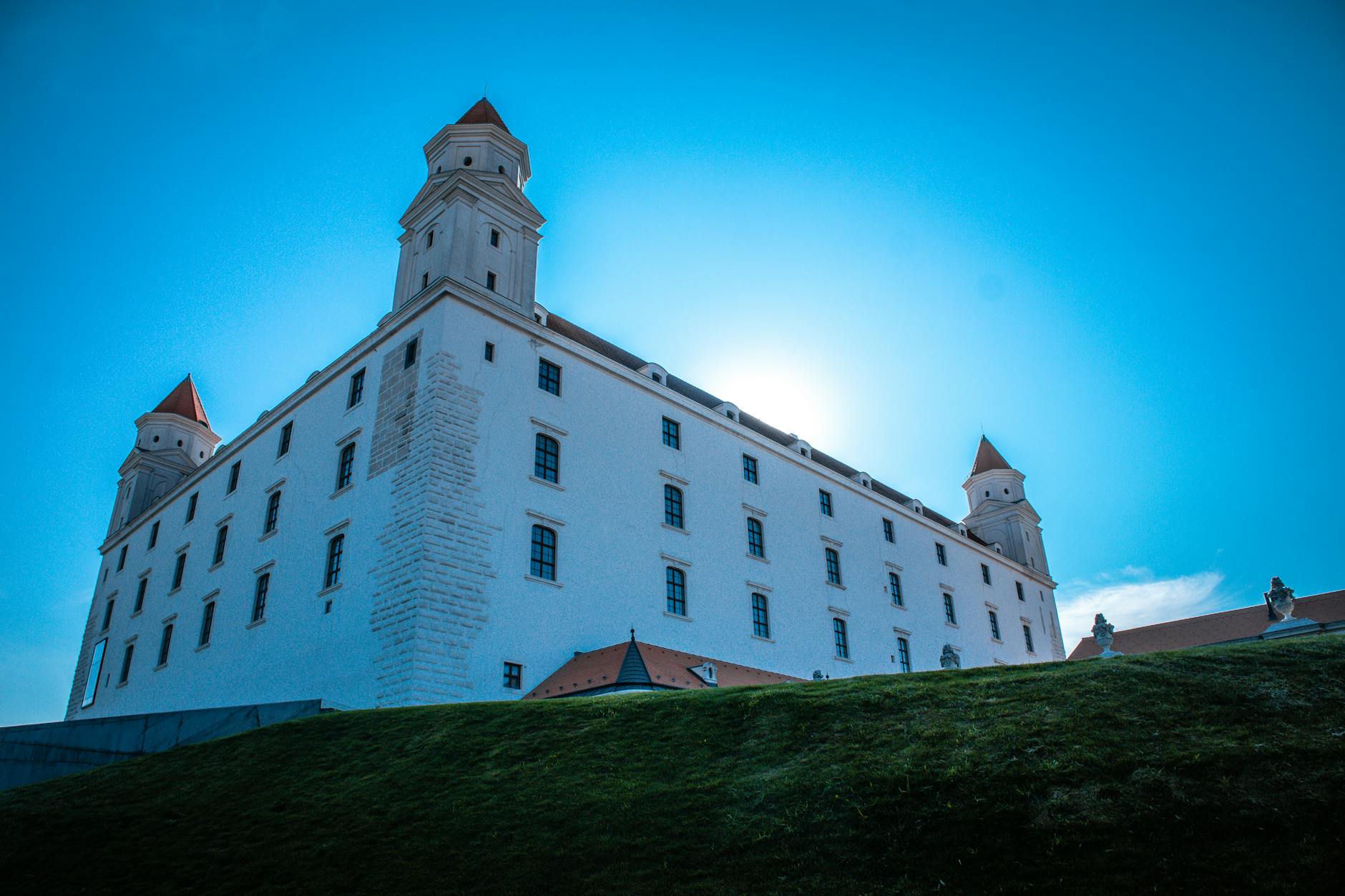
2:00 p.m.: Tour Bratislava Castle exterior (free) and Slovak National Museum inside (5 euros, optional). Spectacular views over the Danube and into Hungary from the castle terraces.
3:30 p.m.: Walk back down to old town. Stop at St. Martin’s Cathedral (free; the church where ten Habsburg kings and one reigning queen were crowned).
4:00 p.m.: Coffee and cake at Bratislavska Mestianska Kaviaren or Konditorei Kormuth. Slovak desserts are excellent and 30-50% cheaper than Vienna.
5:00 p.m.: Cross the New Bridge (Most SNP) and take the elevator up the UFO observation tower. Tower entry 14.50 euros; the views over the city center are spectacular. Drink at the bar before descending.
6:30 p.m.: Walk or short tram ride back to Bratislava-Petrzalka station.
7:00 p.m.: Board REX train back to Vienna.
8:00 p.m.: Arrive Vienna Hauptbahnhof. Late dinner if you like, or relaxed evening.
Bratislava highlights in detail
The Old Town (Stare Mesto)
Bratislava’s UNESCO old town is small but packed with character. The pedestrianized core is about 1 km in any direction, easily walkable in 90 minutes if you don’t enter buildings. Key streets and squares:
Hlavne Namestie: The main square with the Maximilian Fountain (1572) and the Old Town Hall.
Frantiskanska, Panska, and Michalska streets: Three converging medieval streets lined with shops, cafes, and bronze statues.
Hviezdoslavovo Namestie: A long pedestrian square named for the Slovak poet, lined with restaurants and the Slovak National Theatre.
The bronze statues
Bratislava has dozens of quirky bronze street statues, several of which have become Slovak icons:
Cumil: The “Sewer Worker” peeking out of a manhole on Panska/Rybarska corner. Most photographed.
Schoene Naci: A real Bratislava character (1900-1967) who greeted passers-by with a tip of his top hat. Bronze on Hlavne Namestie.
Paparazzo: Photographer peeking around a corner on Lavricerova Street.
Napoleon: Statue commemorating Napoleon’s 1809 occupation of Bratislava on Hlavne Namestie.
Hans Christian Andersen: The Danish writer who visited Bratislava in 1841, sculpted on Hviezdoslavovo Namestie.
Bratislava Castle
The castle’s location on a hilltop above the Danube has been continuously occupied since the Bronze Age. The current rectangular structure with four corner towers (sometimes called the “upturned table”) was largely rebuilt 1953-1968 after a 1811 fire devastated the original.
The castle interior houses the Slovak National Museum (Slovenske Narodne Muzeum), with collections on Slovak history and prehistory. 5-10 euros entry. The castle terraces are free and offer the best Bratislava views.
St. Martin’s Cathedral
Bratislava’s coronation cathedral, where ten Habsburg kings and one reigning queen were crowned between 1563 and 1830. Gothic and baroque elements blend beautifully. Free entry to the main nave; the small museum costs 5 euros.
UFO Tower (Novy most observation deck)
The Soviet-era New Bridge (1972) has a UFO-shaped observation deck and restaurant 95 metres above the Danube. The elevator costs 14.50 euros; if you eat at the restaurant the elevator fee is included. The views over the city center and into Austria/Hungary are spectacular.
Modra and Slovak wine country
For wine enthusiasts, the Small Carpathian wine region begins just 30 minutes north of Bratislava in towns like Modra and Pezinok. Day-trippers without their own car can take a tour or bus. Slovak wines (especially Frankovka, Veltlinske Zelene) are excellent and undervalued internationally.
Eating in Bratislava on a day trip
Bratislava food prices run 30-50% below Vienna for similar quality. A typical day-trip meal budget of 25-35 euros covers lunch, coffee, and a beer.
Slovak national dishes to try:
Bryndzove halusky: Potato dumplings with sheep cheese (bryndza) and bacon.
Kapustnica: Sauerkraut soup with smoked meat (winter favorite).
Pirohy: Slovak dumplings filled with cheese, sauerkraut, or potato.
Schnitzel and goulash variations (similar to Austrian).
Recommended restaurants:
Slovak Pub (multiple locations): Authentic Slovak dishes and beers, casual.
Modra Hviezda: Traditional Slovak in old town. Reservations help.
Tri Musketieri: Mediterranean-Slovak fusion near the castle.
Cervena Hviezda: Reliable Slovak/Czech beers and food.
Verne: Modern Slovak bistro on Hviezdoslavovo Namestie.
For drinks specifically:
Apollon: Cocktail bar with Slovak gins and ryes.
Stupavar: Craft beer pub.
UFO Bar: Cocktails with city views.
Bratislava with kids
Bratislava works well for families. Children enjoy the bronze statues (especially Cumil), the castle hill climb-up, the UFO Tower elevator, and the various small squares with playgrounds. The compact old town minimizes walking distance, and Slovak food is generally kid-friendly with simple pastas, potato dishes, and meat options.
Pack snacks because food gaps in tourist areas can stretch longer than in Vienna.
Shopping in Bratislava
Slovak handicrafts cost 30-50% less than equivalent Austrian goods:
Modra ceramics: Hand-painted blue-and-white folk pottery. 20-80 euros for typical pieces.
Slovak amber and glass: Distinctive jewelry.
Folk crafts: Embroidered table linens, wooden toys.
Slovak Slivovica (plum brandy): 12-30 euros per bottle.
Tatra Tea (herbal liqueur): 15-25 euros.
Shopping streets include Michalska, Panska, and Frantiskanska. Skip the touristy chain shops near the cathedral; head into the smaller cross-streets.
Currency in Bratislava
Slovakia uses the euro, so no currency exchange is needed if you’re coming from Austria. Cards are accepted at most restaurants, shops, and attractions. Bring 20-50 euros cash for small purchases at markets and smaller cafes.
Border crossing
Both countries are in the Schengen Zone; border checks are typically absent. EU citizens need only a national ID card; non-EU citizens (US, UK, Canada, Australia) need a passport. Always carry your passport even though you’re rarely asked.
Language in Bratislava
Slovak is the official language, but English is widely spoken in tourist-facing businesses, restaurants, and at major attractions. German is also commonly understood. Basic Slovak phrases:
Dakujem: Thank you
Prosim: Please / you’re welcome
Ahoj: Hello / goodbye (informal)
Dobry den: Good day
Common Bratislava day trip mistakes
Mistake 1: Buying separate train and Bratislava transport tickets. The EUREGIO Bratislava-Ticket includes both at one combined price.
Mistake 2: Showing up at the wrong Vienna station. Trains depart Vienna Hauptbahnhof, not Westbahnhof.
Mistake 3: Trying to see Devin Castle in a day trip. Devin Castle (10 km west of the city) requires bus 29 from Most SNP and 2-3 hours total. Tight to fit with old town exploration.
Mistake 4: Underestimating the castle hill climb. It’s only 15 minutes but the gradient is real. Wear comfortable shoes.
Mistake 5: Skipping lunch in Bratislava to save time. Slovak food at 30-50% Vienna prices is one of the trip’s best parts.
Mistake 6: Returning on the same train that left 30 minutes ago. Trains can fill up on summer weekends; reserve seats on Railjet connecting services.
Sample variations on the standard itinerary
Romance variation: Arrive late morning. Coffee at Konditorei Kormuth (the most opulent cafe interior in Bratislava). Long lunch at Modra Hviezda. Castle in the afternoon. Sunset cocktails at the UFO Tower. Return on a late train.
Architecture variation: Focus on the contrast between baroque old town and Soviet-era brutalist housing estates. Take Tram 9 to Petrzalka district to see the famous Soviet-era housing blocks, then return to old town for the medieval contrast.
Family variation: Statue scavenger hunt (find Cumil, Schoene Naci, Paparazzo, Napoleon). UFO Tower elevator. Slovak Pub for lunch. Free castle terraces in afternoon. Return on early evening train.
Wine variation: Direct to Modra by guided tour or local bus. Cellar visits and tastings at family wineries. Slovak wine country lunch. Return to Bratislava for late afternoon and evening train to Vienna.
Day trip vs. overnight
An overnight stay in Bratislava extends the experience meaningfully:
Evening atmosphere in the old town (much quieter than day).
Slovak Carpathian wine country excursion (Modra, Pezinok).
Devin Castle visit (the ruined castle 10 km west).
Slovak dinner at Modra Hviezda or Carnevalle.
Hotel costs 70-150 euros per night, 25-40% below Vienna for equivalent quality.
Bratislava restaurants for special occasions
If you’re combining your day trip with a special occasion or want a memorable Slovak meal:
Modra Hviezda: Considered one of Slovakia’s top restaurants. Traditional Slovak elevated to fine dining. 35-60 euros per person.
Carnevalle: Mediterranean-Slovak fusion. 30-50 euros per person.
UFO Bar Restaurant: Atop the New Bridge with panoramic views. 25-50 euros.
Au Cafe: French-Slovak in old town. Long brunch is excellent.
Most require reservations on weekends; book a few days ahead.
Bratislava cafes worth visiting
Konditorei Kormuth: The most opulent cafe interior in Slovakia. Gold ceilings, marble counters, baroque excess. Coffee and cake 8-15 euros.
Cafe Antik: Antiques-themed cafe on Hlavne Namestie. Cozy and authentic.
Cafe Mayer: Historic cafe near the Slovak National Theatre.
Mondieu Lab: Modern third-wave coffee on Frantiskanska. Pour-overs and Slovak roasts.
Bratislava day trip FAQ
Is Bratislava worth visiting from Vienna? Yes, especially as a day trip. The compact old town and castle, plus the cost savings, make it one of the best-value day trips in Europe.
How long do I need in Bratislava? 5-7 hours is sufficient for the highlights. A full day with a relaxed pace works well.
Is Bratislava safe? Yes, central Bratislava is safe by European standards. Standard pickpocket precautions apply in tourist areas.
What’s the best transport option? The train with EUREGIO ticket is the best balance of cost, speed, and convenience.
Can I do Vienna-Bratislava-Budapest in one day? Technically possible (5+ hours total transit) but exhausting. Plan an overnight at minimum if combining.
Are there guided tours from Vienna? Yes, many operators run guided Bratislava day tours from 60-120 euros including transport, walking tour, and sometimes lunch.
Is the Twin City Liner boat worth the extra cost? If you have the time and budget, yes. The Danube cruise is memorable. For pure efficiency, the train wins.
Bratislava is one of the highest-value day trips in Europe. The combination of proximity, distinct cultural identity, lower prices, and genuinely beautiful old town rewards even minimal time investment. Whether you’re a culture enthusiast, a budget traveler, or just a Vienna visitor looking for variety, an afternoon in Bratislava adds a second country and a different perspective to your trip. Combine with our complete day trips from Vienna guide for full day-trip planning.
If you are flying Ryanair, you may find yourself in Bratislava before you ever reach Vienna. Ryanair has moved capacity from Schwechat to Bratislava’s airport, and on routes like London Stansted, Manchester and Dublin the cheaper fare often lands at BTS. A night in the old town at the start or end of the trip turns the transfer into part of the holiday; our guide to getting from Bratislava Airport to Vienna covers the buses, the last departures and whether the saving is real.
Bratislava makes a pleasant afternoon, but it is a day out rather than an alternative to Vienna. For how the two capitals — and Vienna’s bigger rivals, Prague and Budapest — really compare, see our guide to Vienna compared with every rival city.