Wachau Valley Day Trip from Vienna: Complete Guide (2026)
Wachau Valley day trip from Vienna 2026. Train, boat, and bike options. Durnstein, Melk Abbey, Spitz, wine tasting, and the best itinerary.
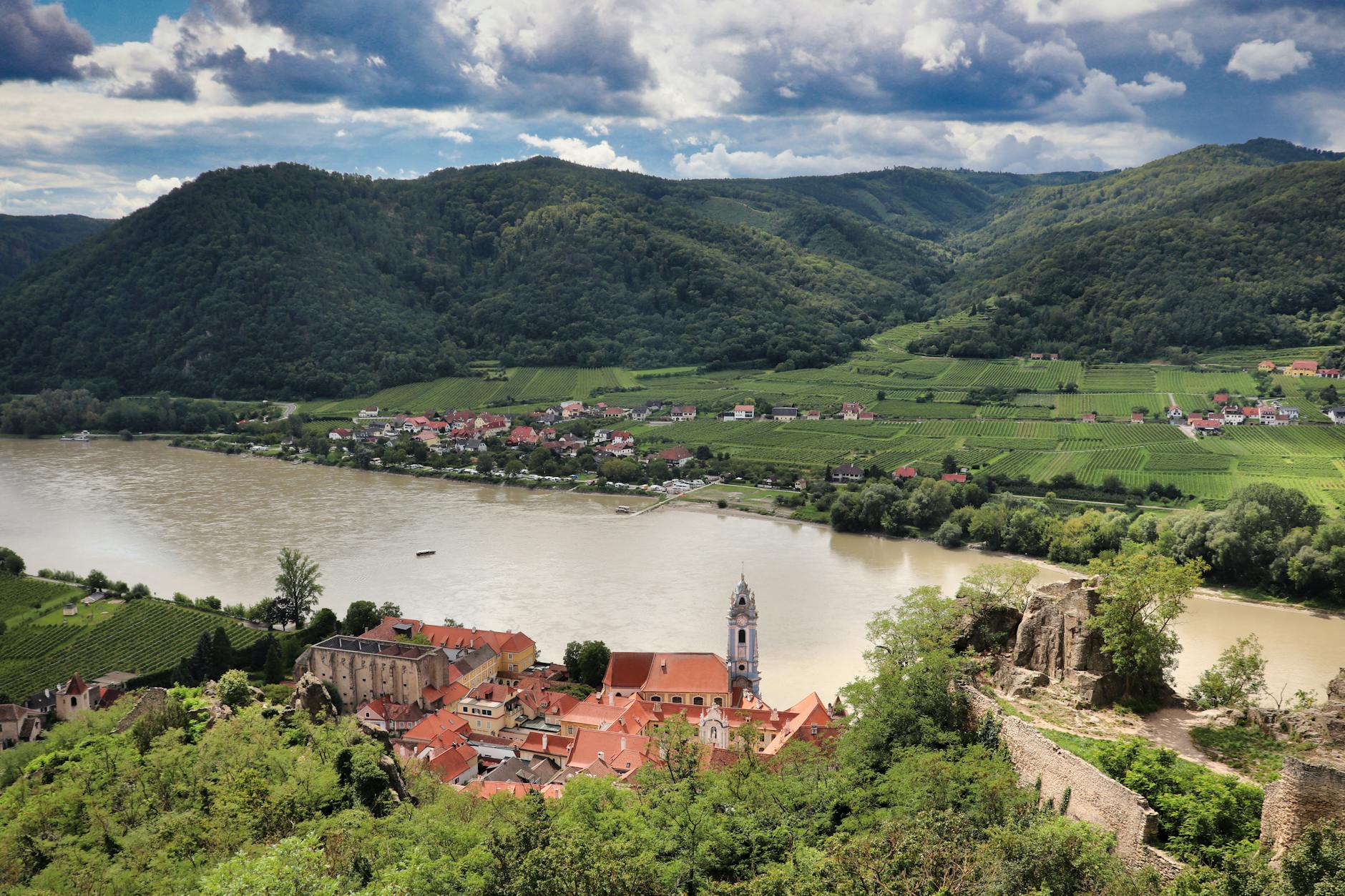
Photo by Mario Schenk
- Wachau Valley day trip: the essentials
- How to get to Wachau Valley from Vienna
- Classic Wachau day trip itinerary
- What to see in Durnstein
- What to see in Spitz an der Donau
- What to see in Krems and Stein
- Wine tasting in the Wachau
- The Danube River cruise experience
- Combining Wachau with Melk Abbey
- Best time to visit the Wachau
- Sample 1-day Wachau itinerary options
- Where to eat in the Wachau
- Common Wachau day trip mistakes
- Wachau Valley seasonal calendar
- Apricot products in the Wachau
- Wachau Valley overnight options
- Wachau cycling logistics
- Wachau day trip FAQ
- Related Vienna Guides
This article contains advertising. Our booking links are routed through a partner that adds commission tracking automatically, so if you book through one we earn a commission from the provider, at no extra cost to you. It never affects what we recommend. Affiliate disclosure
The Wachau Valley is Austria’s most celebrated wine region and one of the most beautiful stretches of the Danube River. Roughly 70-85 kilometres west of Vienna, this 36-km UNESCO-listed valley packs together medieval villages, terraced vineyards, baroque abbeys, and castle ruins along a navigable river. It’s the perfect day trip for Vienna visitors wanting countryside, wine, history, and Alpine foothill scenery without overnighting. This complete 2026 guide covers every transport option, the best villages to stop in, when to visit, and how to combine Wachau with Melk Abbey for a truly memorable Austria experience.
Wachau Valley day trip: the essentials
The Wachau Valley stretches from Melk (the upstream gateway) to Krems (the downstream gateway), with charming villages including Durnstein, Spitz, and Weissenkirchen in between. Most day-trippers from Vienna combine train and Danube boat into a loop: train one direction, boat the other. The boat ride is the heart of the experience and operates May through September only.
A full Wachau day trip from Vienna runs 8-10 hours door-to-door and costs 40-90 euros per person depending on transport mix. The classic route is train from Vienna to Melk, tour Melk Abbey, boat downstream to Krems with stops at Spitz and Durnstein, train back to Vienna from Krems.
How to get to Wachau Valley from Vienna
By train
OeBB trains run hourly from Vienna Hauptbahnhof or Wien Westbahnhof to Melk (gateway to Wachau) and Krems (other gateway). The journey takes about an hour to Melk and a little longer to Krems on the regional trains.
Round-trip train tickets cost approximately 40-50 euros; fares vary, so check the OeBB app before you go. For a bundle, OeBB’s Wachau-Ticket combines a second-class return train from Vienna, a DDSG scheduled cruise and a visit to Melk Abbey.
By boat from Vienna
There is no regular scheduled boat from Vienna to the Wachau: the valley’s boats sail between Melk and Krems. Most “boat to Wachau” tours actually start with a bus or train transfer to one of those ports and take the boat for the scenic segment only.
By guided day tour from Vienna
Several operators (GetYourGuide, Viator, Pannonia, Vienna Sightseeing) run guided full-day Wachau tours from 60-130 euros per person. These include round-trip transport, often a wine tasting, and time in Melk + Durnstein. Convenient if you want zero planning, but inflexible about timings.
Self-drive
The drive from Vienna to Melk via the A1 takes about an hour. From Melk, the Wachau riverside road gets you to Krems in under an hour, through the vineyards the whole way. Self-driving allows maximum flexibility but means a designated driver if you’re wine-tasting.
By bike
The Donauradweg cycle path runs the entire Wachau Valley alongside the river. A classic plan is to take the train to Melk, rent bikes there, and cycle downstream to Krems (about 36 km, flat and downstream). One-way bike rental is widely available. This is one of the most rewarding day-trip experiences in all of Austria.
Classic Wachau day trip itinerary
The classic Wachau day trip from Vienna looks like this (for a May-September departure):
7:00 a.m.: Coffee at Vienna Hauptbahnhof, board the 7:30 OeBB InterCity to Melk.
8:30 a.m.: Arrive Melk. Walk 10-15 minutes to Melk Abbey.
9:00 a.m.: Tour Melk Abbey (allow 2-2.5 hours including the library, abbey church, gardens, and viewpoints).
11:30 a.m.: Lunch in Melk old town at a riverside restaurant.
12:30 p.m.: Walk to the Melk pier and board the DDSG Blue Danube boat downstream.
1:00 p.m.: Boat departs (typical schedule).
1:30 p.m.: Pass through the Wachau Valley scenery: terraced vineyards, river bends, ruined castles.
2:30 p.m.: Arrive Spitz or Durnstein. Disembark for a 90-minute exploration of the village.
4:00 p.m.: Re-board the boat (or take a smaller connecting boat) to Krems.
5:30 p.m.: Arrive Krems. The train station is a short walk or bus ride from the boat pier.
6:00 p.m.: Board OeBB regional train back to Vienna.
7:30 p.m.: Arrive Vienna Hauptbahnhof.
This itinerary is paced for one Wachau stop (Durnstein typically). If you want to see more villages, allocate more time or shorter abbey time.
What to see in Durnstein
Durnstein is the iconic Wachau village, instantly recognizable by its blue baroque church tower along the Danube. Its historic old town, part of the UNESCO-listed Wachau, is small enough to explore on foot.

Stiftskirche Durnstein: The famous baroque church with the blue tower.
Durnstein Castle ruins: A steep uphill walk from the village center to the ruins where Richard the Lionheart was imprisoned. The views over the Danube are spectacular. Bring water and good shoes.
Wine cellars and tasting rooms: Multiple family wineries offer tastings from 5-15 euros. Top recommendations: Domaene Wachau, Kellerschloessl, Weingut Tegernseerhof.
Pichl Gasse: The main cobblestoned shopping street with souvenir shops and traditional Austrian crafts.
Stiftsplatz: The main square with a cluster of restaurants and the church.
What to see in Spitz an der Donau
Spitz is quieter than Durnstein, with 1,545 residents on the 2025 civil register, and its landmark “Thousand-Bucket Mountain” (Tausendeimerberg), a vineyard-covered hill, rises dramatically above the village. Worth a stop if you have time for a second village.
Pfarrkirche Spitz: 15th-century gothic church with notable interior carvings.
Thousand-Bucket Mountain hike: A steep climb up the vineyard terraces to panoramic views; the shortest approach starts from the cemetery. Named because in good years it yielded 1,000 buckets of wine.
Schiffahrtsmuseum: A small Danube shipping museum showing the river’s historic importance.
Local Heuriger taverns: Spitz has several family-run wine taverns serving cold cuts, local cheese, and Wachau wines.
What to see in Krems and Stein
Krems (and its connected old town Stein) had 25,840 residents with their main home there in January 2026. Worth a brief stop if you have time before the return train.
Krems old town: Walk through Obere and Untere Landstraße, the medieval main streets with baroque facades.
Karikaturmuseum (Caricature Museum): A museum devoted entirely to caricature. 14 euros adult.
Kunsthalle Krems: Contemporary art exhibitions. 14 euros adult.
Steiner Tor: The 15th-century city gate, a Krems landmark.
Weinkolleg Kloster Und: Comprehensive Wachau wine tasting venue.
Wine tasting in the Wachau
The Wachau Valley produces some of Austria’s most celebrated white wines, particularly Gruner Veltliner and Riesling. The region’s terraced vineyards along south-facing Danube banks produce wines with distinctive minerality and elegance.
Top Wachau wineries open to visitors:
Domaene Wachau (Durnstein): The valley’s winegrowers’ cooperative, based in Durnstein.
Weingut Hirtzberger (Spitz): Top-tier producer with reservations recommended.
Weingut Knoll (Unterloiben): Cult Riesling and Gruner producer.
Weingut Pichler (Loiben): Multiple Pichler family wineries, all excellent.
Nikolaihof (Mautern): Biodynamic pioneer, beautiful tasting room.
Tastings typically cost 10-25 euros. Many wineries also offer cold platters with cheese, sausage, and bread to pair.
For more on Austrian wine culture, see our complete Vienna food guide guide.
The Danube River cruise experience
The DDSG Blue Danube boat company operates the classic Wachau cruise from May through October. The full Melk-to-Krems boat ride takes about 1h40 to 1h50 downstream and roughly 2h55 to 3h50 upstream (against the current), depending on the sailing. In the late season, from 5 October to 1 November 2026, one boat a day leaves Krems at 10:15 and Melk at 13:50, with an extra sailing on weekends and public holidays. Low water can change the service, so check the day’s departures on the DDSG site.
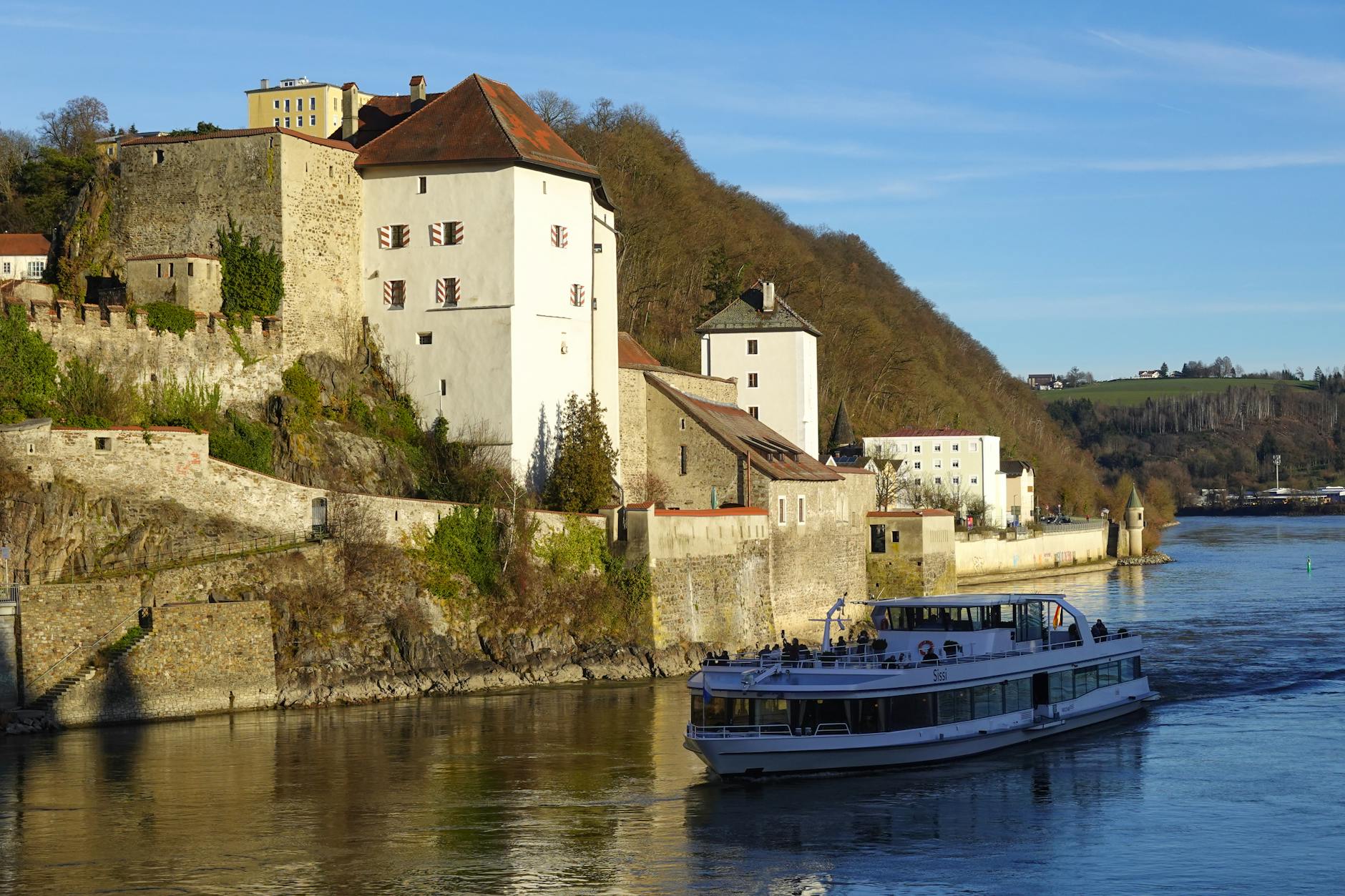
Boats have outdoor upper decks with great viewing, indoor lower decks with cafe service, and bathrooms. DDSG tickets start from 25 euros, and the fare depends on the route you pick. For train and boat together, OeBB’s Wachau-Ticket bundles both.
Best photography: outdoor upper deck, port side (south-facing) when going downstream. The views shift constantly as the boat winds through the valley.
Combining Wachau with Melk Abbey
Melk Abbey (Stift Melk) is the dramatic Benedictine monastery perched on a hill above the Danube at the western entrance to the Wachau Valley. Most day-trippers visit Melk before boarding the boat downstream.
Melk Abbey tickets cost 16 euros self-guided or 20 euros guided. The classic guided tour takes about 50 minutes and covers the imperial rooms, the Marble Hall, the baroque library (currently under restoration) and the panoramic terrace; you can visit the abbey church and park afterwards. Photography is not permitted inside the library or church but is welcome elsewhere.
For a deeper guide, see our complete Melk Abbey day trip article.
Best time to visit the Wachau
The Wachau Valley has distinct seasonal characters:
Late April to mid-May: The famous apricot blossom season (Marillenbluete). The valley’s apricot orchards bloom pink-white. Stunning photography. Wachau-grown apricots are a regional specialty.
Late May to September: Peak season with boats running, vineyards green, comfortable temperatures. Most visitor amenities open.
September to mid-October: Wine harvest (Weinlese). Tastings of the new vintage. Sturm (partially fermented young wine) at Heuriger taverns. Crowds thin out.
Mid-October to late October: Autumn foliage on the terraced vineyards. Spectacular photography. Last weekends of boat service.
November to April: Boats not running. Smaller villages have limited restaurant openings. The valley is quiet and beautiful but car or train is essential.
Sample 1-day Wachau itinerary options
Option A: Classic Melk + Durnstein: Train to Melk, abbey tour, lunch, boat to Durnstein, wine tasting + castle hike, boat or train to Krems, train back to Vienna.
Option B: Cycling-focused: Train to Melk, abbey morning, rent bike at Melk, cycle about 36 km to Krems with stops at Spitz, Weissenkirchen, and Durnstein. Return train from Krems.
Option C: Multi-stop boat: Train to Melk, boat downstream with disembarkations at Spitz, Weissenkirchen, and Durnstein. Tight timing but maximum village variety.
Option D: Wine-focused: Direct train to Krems, taxi or local bus to a top winery for guided tour and tasting (Domaene Wachau or Hirtzberger). Lunch at Heuriger. Boat or taxi back to Krems for return train.
Option E: Guided day tour: Book a Vienna-based tour including transport, lunch, and 2-3 stops. From 65 euros for budget tours, 130 euros for boutique experiences.
Where to eat in the Wachau
The Wachau has excellent regional cuisine emphasizing river fish, vineyard produce, apricots, and traditional Austrian dishes:
Loibnerhof (Unterloiben): Michelin-recognized restaurant on the riverside. Reservations essential.
Restaurant Saenger Blondel (Durnstein): Local favorite for traditional Austrian cooking.
Aubergine (Krems): Modern cuisine with Wachau wine focus.
Hofmeisterei Hirtzberger (Spitz): Wine tavern attached to one of the region’s top wineries.
Various Heuriger taverns: Family-run cold-buffet venues serving cheese, cold cuts, bread, and house wine. Casual and authentic.
Common Wachau day trip mistakes
Mistake 1: Trying to see all villages. 2 villages is the realistic maximum for a day trip. Choose Durnstein + one other.
Mistake 2: Going in winter expecting boats. Boats stop November-April. Plan accordingly or visit in summer.
Mistake 3: Driving and drinking too much. If wine tasting is the goal, take the train. Multiple Wachau wineries report tourists getting pulled over for DUI on the return drive.
Mistake 4: Skipping Melk Abbey. Even if you’re not religious, the abbey is one of Austria’s architectural masterpieces and worth the 2-hour visit.
Mistake 5: Buying generic guided tours. Specialty tours focused on wine, cycling, or Melk Abbey usually offer better experiences than catch-all bus tours.
Wachau Valley seasonal calendar
April: Apricot blossom season (late April typically). Stunning photography. Wachau Marillenfest celebrations.
May: Spring greenery. Wineries reopening for tastings after winter.
June-August: Peak season. Long days. Boat departures vary by season and weekday, and low water can disrupt the timetable. Heavier crowds at Durnstein.
September: Harvest begins. Sturm wine available. Vineyards beginning to turn.
October: Wine harvest in full. Spectacular vineyard colors. Best photography light. Pleasant temperatures.
November-March: Off-season. Boats stop. Smaller wineries close. Quiet villages.
Apricot products in the Wachau
The Wachau is famous for its Marillen (apricots). Products to look for:
Marillenmarmelade: Apricot jam, exported throughout Austria.
Marillenschnaps: Apricot schnapps, served as digestif.
Marillenknoedel: Apricot dumplings, a regional dessert specialty.
Fresh apricots in late June through early August: buy at roadside stands.
Wachau Valley overnight options
If your itinerary allows an overnight in the Wachau, you’ll discover the valley at its most magical: evening light on the river, quiet villages after day-trippers leave, and dinner at vineyard restaurants.
Recommended accommodations:
Hotel Restaurant Schloss Duernstein: 5-star castle hotel in Duernstein. 220-380 euros per night.
Hotel Sanger Blondel: Family-run pension in Duernstein. 100-160 euros.
Steigenberger Hotel and Spa Krems: Modern hotel in Krems. 140-220 euros.
Hotel zur Post Melk: Traditional hotel in Melk old town. 90-140 euros.
Pension Schmidl in Spitz: Quiet village stay. 80-130 euros.
Wachau cycling logistics
If you choose the cycling option, here are practical details:
Bike rental in Melk: Several outlets near the train station and abbey. 20-30 euros per day.
Bike rental in Krems: Multiple outlets near the station and old town.
One-way rental: Wachau Touristik lets you rent a bike in Spitz and return it in Krems or Melk for a 6-euro collection surcharge; ask other rental shops about their own one-way terms.
The cycling route: Follow the Donauradweg signs along the south bank of the Danube. The route is paved and flat. Melk to Krems is about 36 km, and how long it takes depends on your pace and how often you stop.
E-bikes: Available at most rental shops for 40-55 euros per day. Recommended if you’re not a regular cyclist.
Wachau day trip FAQ
Is the Wachau Valley worth a day trip from Vienna? Yes, absolutely. The combination of scenery, wine, history, and food packs into a comfortable 9-hour day.
Can I do Wachau in winter? Yes but with significant limitations. Boats don’t run, some restaurants are closed, and the scenery is bare. Spring through autumn is much better.
How much wine can I taste in a day? Less than you might plan for. Pace yourself; the wines are higher alcohol than expected.
Can I bring back wine? Yes, many wineries ship within Austria. International shipping varies by country. In cabin baggage, EU security rules generally limit liquids to containers of 100 ml or less in a single one-litre bag, so bottles belong in checked luggage. Duty-free purchases follow separate sealed-bag rules, and customs allowances depend on your destination.
Is Wachau family-friendly? Yes, kids enjoy the boat ride and the small villages. The Durnstein castle hike is moderate exercise. Some wineries are adult-only but most are family-friendly with juice or non-alcoholic options.
Is it crowded? Durnstein gets busy with day-trippers on summer Saturdays. Other villages are quieter. Weekdays are calmer than weekends.
Should I overnight in the Wachau? An overnight stay turns a packed day into a relaxed weekend with evening dinners at wineries and morning quiet at villages. Hotels in Krems, Durnstein, and Melk run 100-200 euros per night.
The Wachau Valley is one of Austria’s signature experiences and an ideal day trip from Vienna. Whether you choose the train + boat combination, a guided tour, or a cycle adventure, the valley rewards visitors with scenery, history, and some of Europe’s most distinctive white wines. Combine this with our complete day trips from Vienna guide and the Melk Abbey deep-dive for full day-trip planning.
Worth saying plainly: the vineyard-and-castle river scenery people picture when they book a “Danube cruise” is this stretch, not the one in Vienna. Our guide to Danube boat trips from Vienna explains what the city sailings actually show you, and why we would send you here instead if you only have time for one.
One of the best-known prehistoric finds from the Wachau is not in the valley at all: the Venus of Willendorf, discovered here in 1908, now has her own Venus Cabinet in the Natural History Museum on the Ringstraße. Our Natural History Museum guide covers her, and the older Galgenberg figure found nearby that almost nobody stops for.