Vienna Wine Guide: Heurigen Taverns & Wine Tasting (2026)
Explore Vienna's unique wine culture from traditional Heurigen taverns in Grinzing, Nussdorf, and Stammersdorf to urban wine bars (Mast, Wein & Co, Heunisch & Erben). Austrian wine basics (Grüner Veltliner, Riesling, Gemischter Satz, Zweigelt), tasting tips, vineyard walks, the Wachau Valley day trip, and the Sturm autumn ritual.
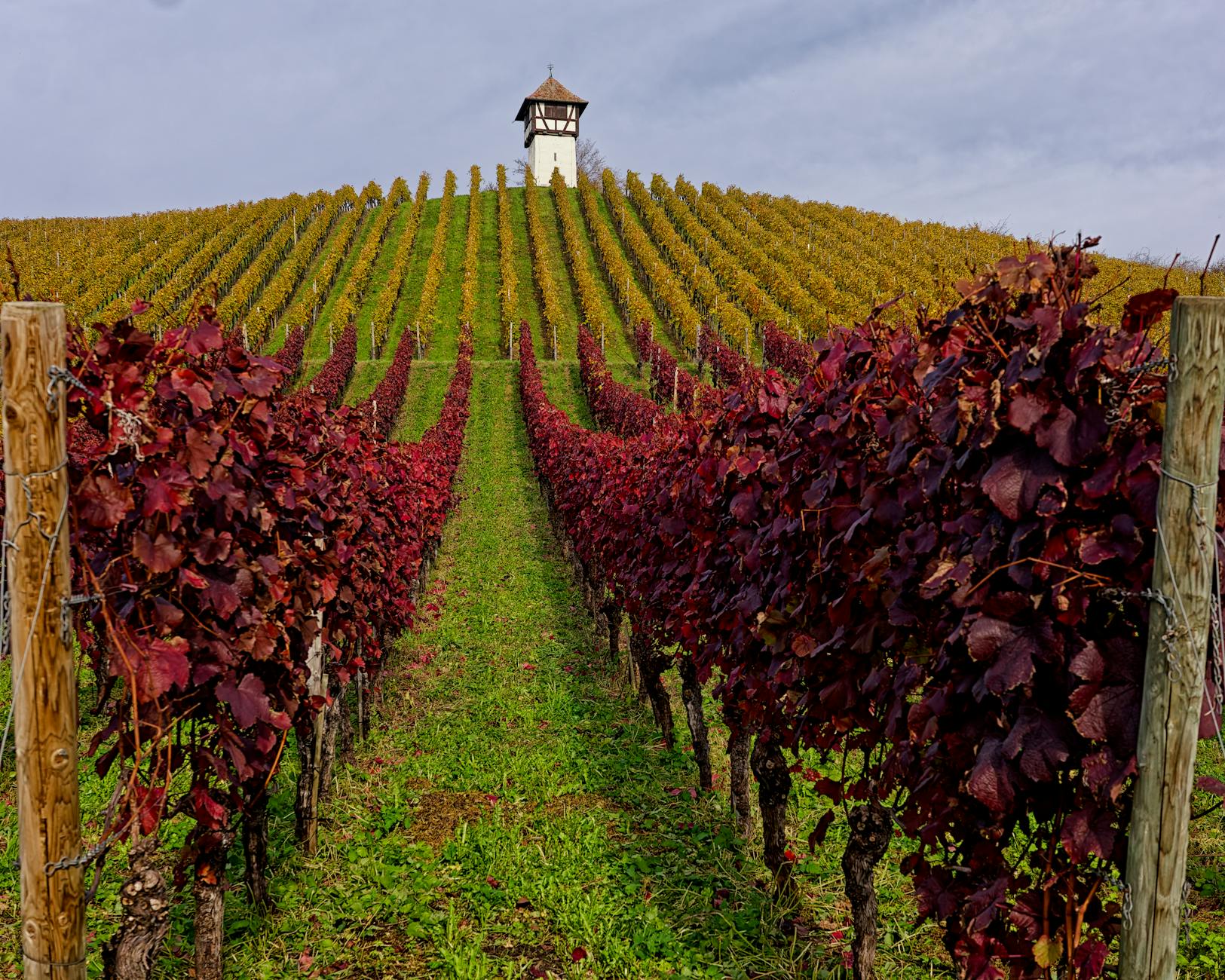
Photo by Carsten Ruthemann
- Why Vienna Is a Wine City
- Austrian Wine 101
- The Vienna Heuriger Tradition
- The Best Vienna Heurigen
- Vienna Wine Walks
- The Wachau Valley (Day Trip)
- Vienna’s Modern Wine Bars
- Vienna Wine Etiquette
- Vienna Wine by Season
- What Is Sturm?
- A Vienna Wine Evening Itinerary
- Heuriger Food Glossary
- Practical Tips
- Vienna Wine Production: The Surprising Numbers
- Top Vienna Wine Producers Worth Knowing
- Detailed Heuriger Etiquette
- The Stadtwanderweg Trail Network Detailed
- Wachau Day Trip Wine-Tasting Strategy
- One Final Tip on Vienna Wine
- FAQ
- Final Thought: Vienna Drinks Like Vienna Eats
- Related Vienna Guides
This article contains advertising. Our booking links are routed through a partner that adds commission tracking automatically, so if you book through one we earn a commission from the provider, at no extra cost to you. It never affects what we recommend. Affiliate disclosure
Vienna is the only major world capital with significant working vineyards inside its city limits. About 700 hectares of vineyards still produce wine in the 19th and 21st districts — the legacy of more than a thousand years of Vienna winemaking. The combination of urban vineyards, a Habsburg-era Heuriger tavern tradition, the proximity to the Wachau Valley (one of Europe’s great wine regions), and a strong modern wine-bar scene makes Vienna one of the easiest European cities to drink Austrian wine well.
This is the complete Vienna wine guide: heuriger taverns, the local indigenous Gemischter Satz, the Wachau Valley day trips, modern wine bars, and how to plan a Vienna wine evening. Pair with our Vienna food guide and our Vienna nightlife.
Why Vienna Is a Wine City
Three things make Vienna unusual:
- Working vineyards inside the city — about 700 hectares in the 19th, 21st, and 23rd districts, mostly in Grinzing, Nussdorf, Sievering, Stammersdorf, and Mauer
- Heuriger taverns — wine producers’ family-run taverns where they sell their newest wines with simple buffet food; protected as cultural heritage
- The Wachau Valley — one hour west, one of Europe’s great wine regions producing Grüner Veltliner and Riesling
Austrian Wine 101
The Major Grapes
- Grüner Veltliner — Austria’s signature white grape; crisp, peppery, herbal. Best from the Wachau, Kamptal, and Kremstal.
- Riesling — drier than the German style; mineral and structured. Wachau is the showcase region.
- Gemischter Satz — Vienna’s indigenous “field blend” — multiple grape varieties planted, harvested, and fermented together. DAC-protected since 2013. Vienna’s distinctive contribution to wine history.
- Welschriesling — light, drinkable summer white
- Zweigelt — Austria’s most-planted red, fruity and approachable
- Blaufränkisch — the country’s most-acclaimed red, ageable, peppery
- St. Laurent — silky red, less common
Reading Austrian Wine Labels
- Qualitätswein — basic quality wine
- Kabinett — light, off-dry
- DAC — Districtus Austriae Controllatus, regional protected appellation (Wachau, Kamptal, Kremstal, Wien-Gemischter Satz, etc.)
- Wachau levels: Steinfeder (light), Federspiel (medium), Smaragd (full-bodied)
- Trocken — dry; halbtrocken — off-dry; süß — sweet
The Vienna Heuriger Tradition
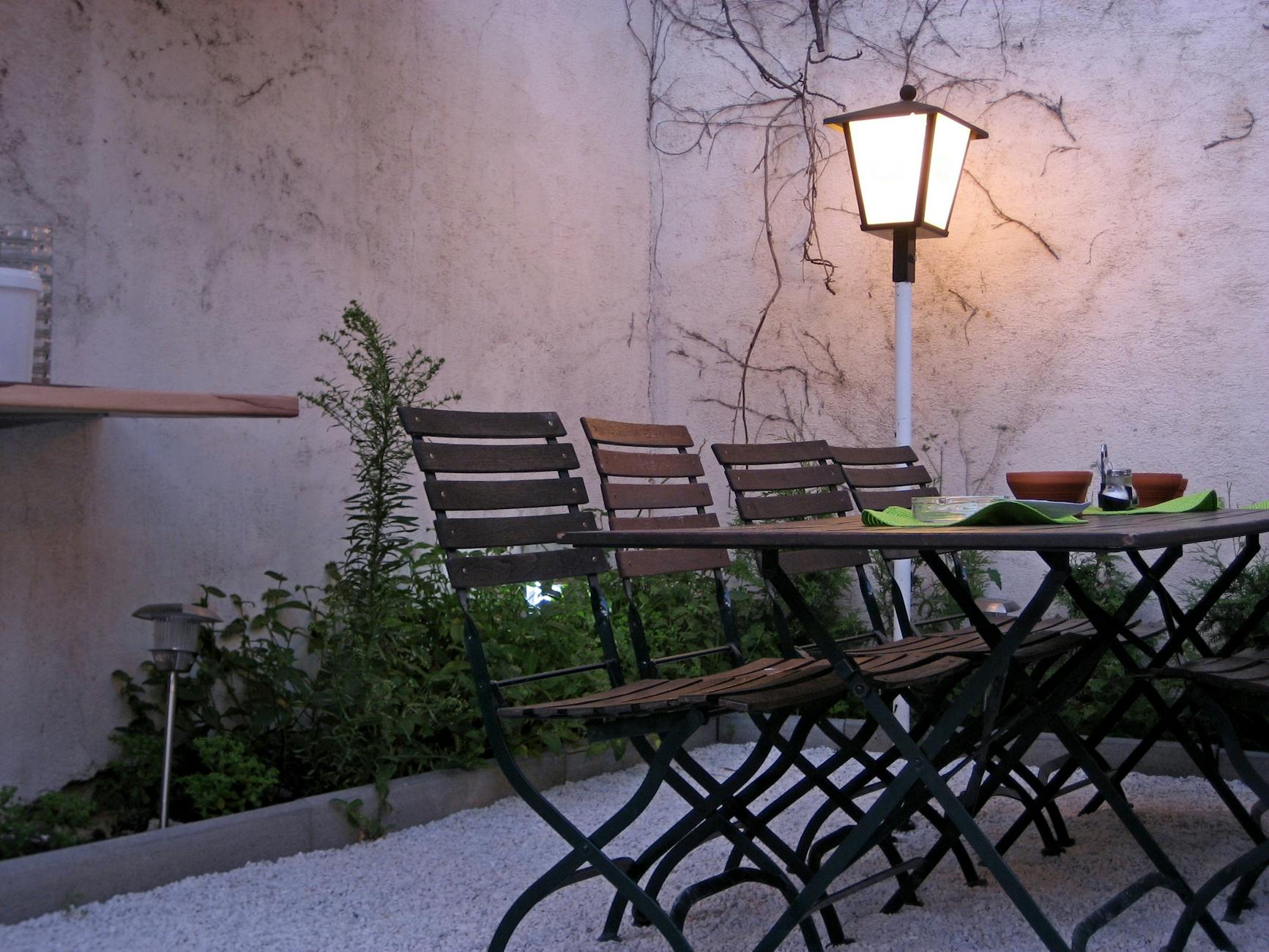
A Heuriger is a Vienna wine producer’s tavern where they sell their newest vintage and serve simple cold buffet food. The name comes from “heurig” (this year’s), referring to the new wine. Heurigen have a centuries-old history protected by Joseph II’s 1784 decree allowing winegrowers to sell their own wine without restaurant licenses.
The Heuriger Atmosphere
- Family-run, often in the producer’s own home or barn
- Buffet-style food — cold cuts, cheeses, pickled vegetables, sausages, hot mains like Schweinsbraten and Bratl
- Glasses of wine sold by the Achterl (1/8 liter) or Viertel (1/4 liter)
- Communal tables; conversations with strangers normal
- Live music sometimes (especially Schrammelmusik, Vienna’s traditional folk music)
- Open seasonally — most are ausgsteckt (open) only certain weeks per year, indicated by a pine branch hanging by the door
How to Eat at a Heuriger
- Sit at any open table
- Approach the buffet, fill your plate (food is paid by weight)
- Order wine at the same buffet counter
- Carry food and drinks to your table
- Pay at the buffet counter when you leave
The Best Vienna Heurigen
Grinzing (19th)
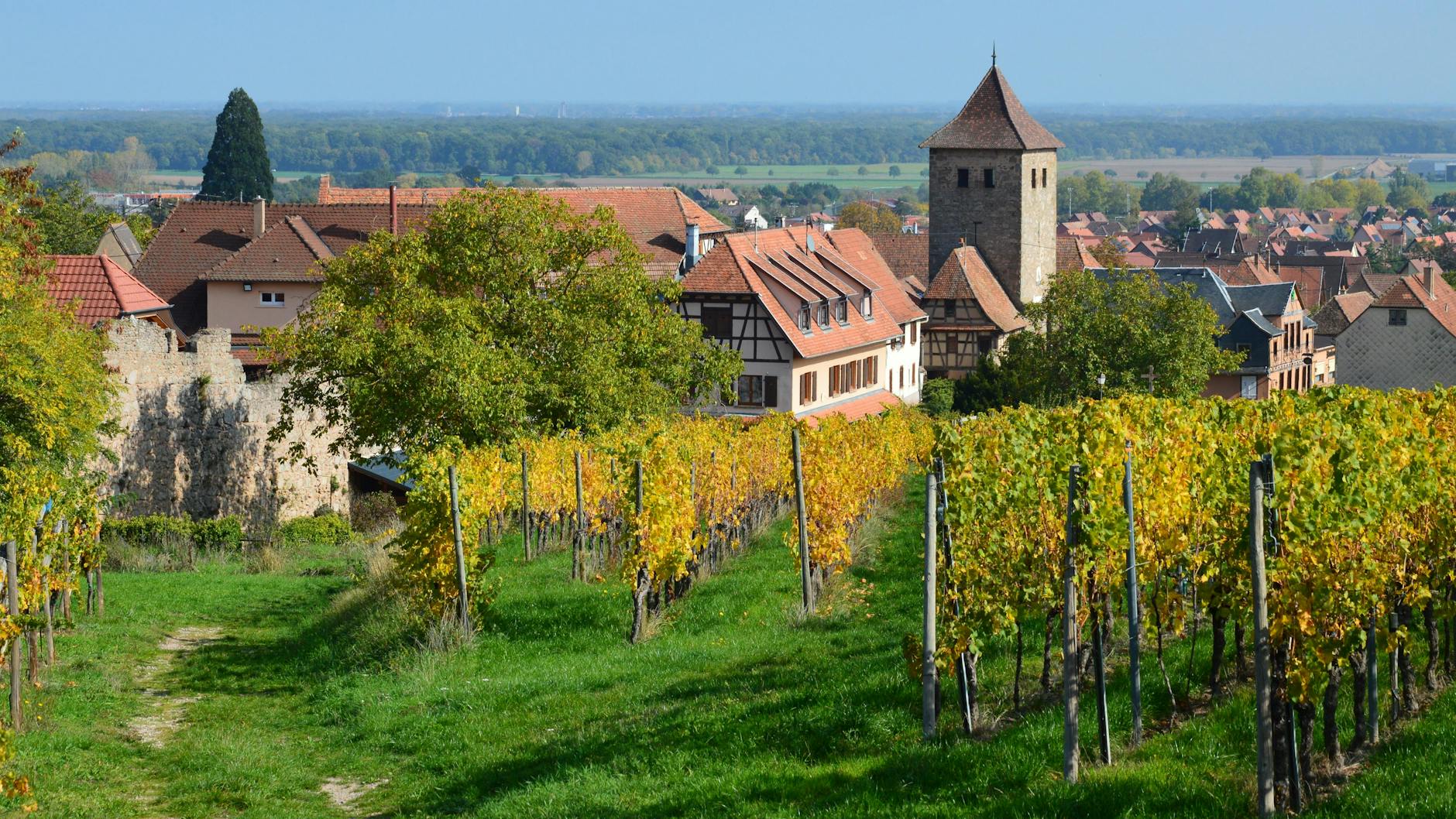
The most-visited heuriger village. Touristier than the others but legitimately atmospheric.
- Mayer am Pfarrplatz — Beethoven once lived in this house; one of Vienna’s most famous heurigen, full restaurant + buffet, beautiful courtyard. Reservations recommended.
- Sirbu — perched on the Kahlenberg hill with panoramic Vienna views; only open weekends in summer
- Reinprecht — large, popular, open year-round
Nussdorf (19th)
Quieter than Grinzing, more local feel. Walking distance from the U4 Heiligenstadt.
- Wieninger — top-quality wine producer; their heuriger has refined food and Vienna’s strongest Gemischter Satz selection
- Schreiberhaus — Beethoven walked here daily during his summers
Stammersdorf (21st, north of the Danube)
Local-favorite heuriger village; less touristed. Reach by tram 31.
- Helm — small, family-run, exceptional wines
- Wieninger Stammersdorf — sister property of the Nussdorf Wieninger
Mauer (23rd, south)
Vienna’s quietest wine village; very local, almost no tourists.
Wieninger am Nussberg (Outdoor)
An outdoor heuriger on the Nussberg hill — picnic tables, self-service buffet, glasses of crisp Gemischter Satz, panoramic views back to the city. Open weekends in summer; reach via tram 38 + 25-minute uphill walk.
Vienna Wine Walks
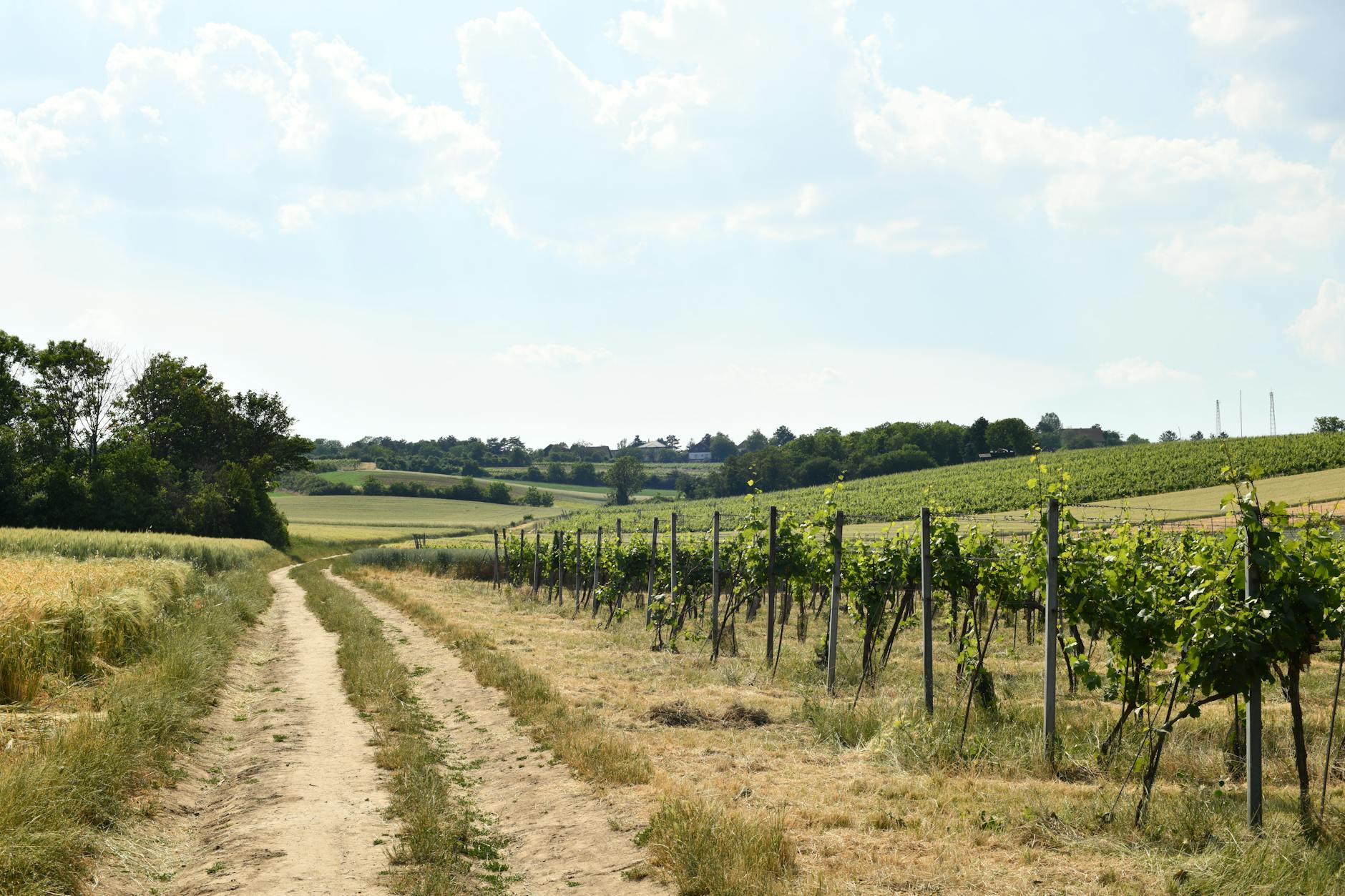
The Stadtwanderweg trails (City Hiking Trails) connect Vienna’s vineyard villages through working vineyards. The most popular:
- Stadtwanderweg 1 — Heiligenstadt → Beethovengang → Kahlenberg (3.5 hours)
- Stadtwanderweg 2 — Sievering → Nussdorf via vineyards (2 hours)
- Stadtwanderweg 5 — Stammersdorf area trails (1.5–2 hours)
Most end at heuriger taverns — the perfect afternoon pairing.
The Wachau Valley (Day Trip)
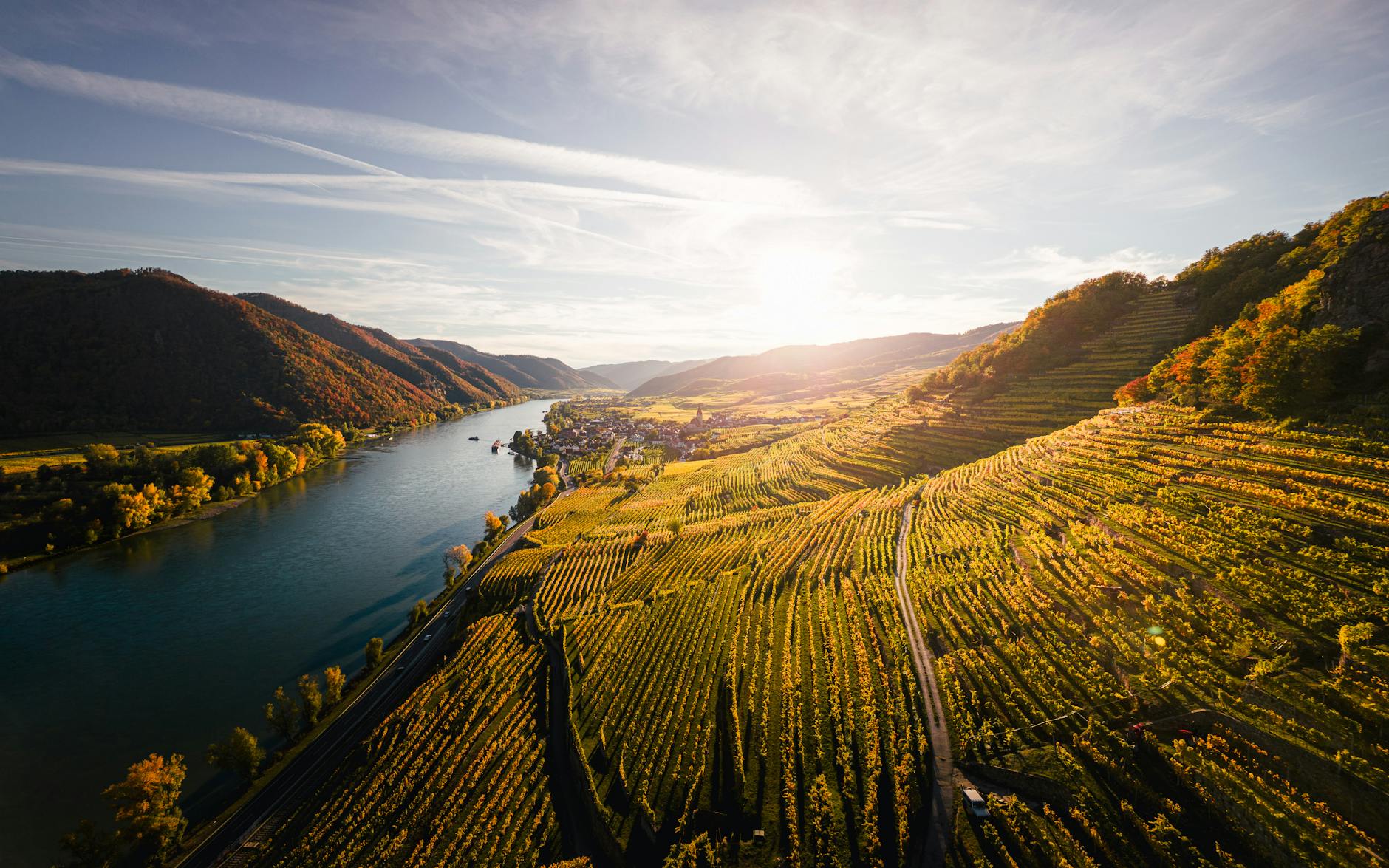
The Wachau Valley, an hour west of Vienna, is one of Europe’s great wine regions. UNESCO-listed terraced vineyards along the Danube produce world-class Grüner Veltliner and Riesling. Top wineries:
- Domäne Wachau — major cooperative, accessible tastings
- F.X. Pichler — world-renowned Smaragd Rieslings
- Knoll — distinctive labels, intense wines
- Rudi Pichler — small, exceptional
- Loibner Hof — restaurant + winery
Wachau day trip: train to Krems, cycle the Donauradweg through Dürnstein and Spitz, end at Melk Abbey. Cellar tours and tastings at Domäne Wachau or smaller producers. See our day trips from Vienna.
Vienna’s Modern Wine Bars
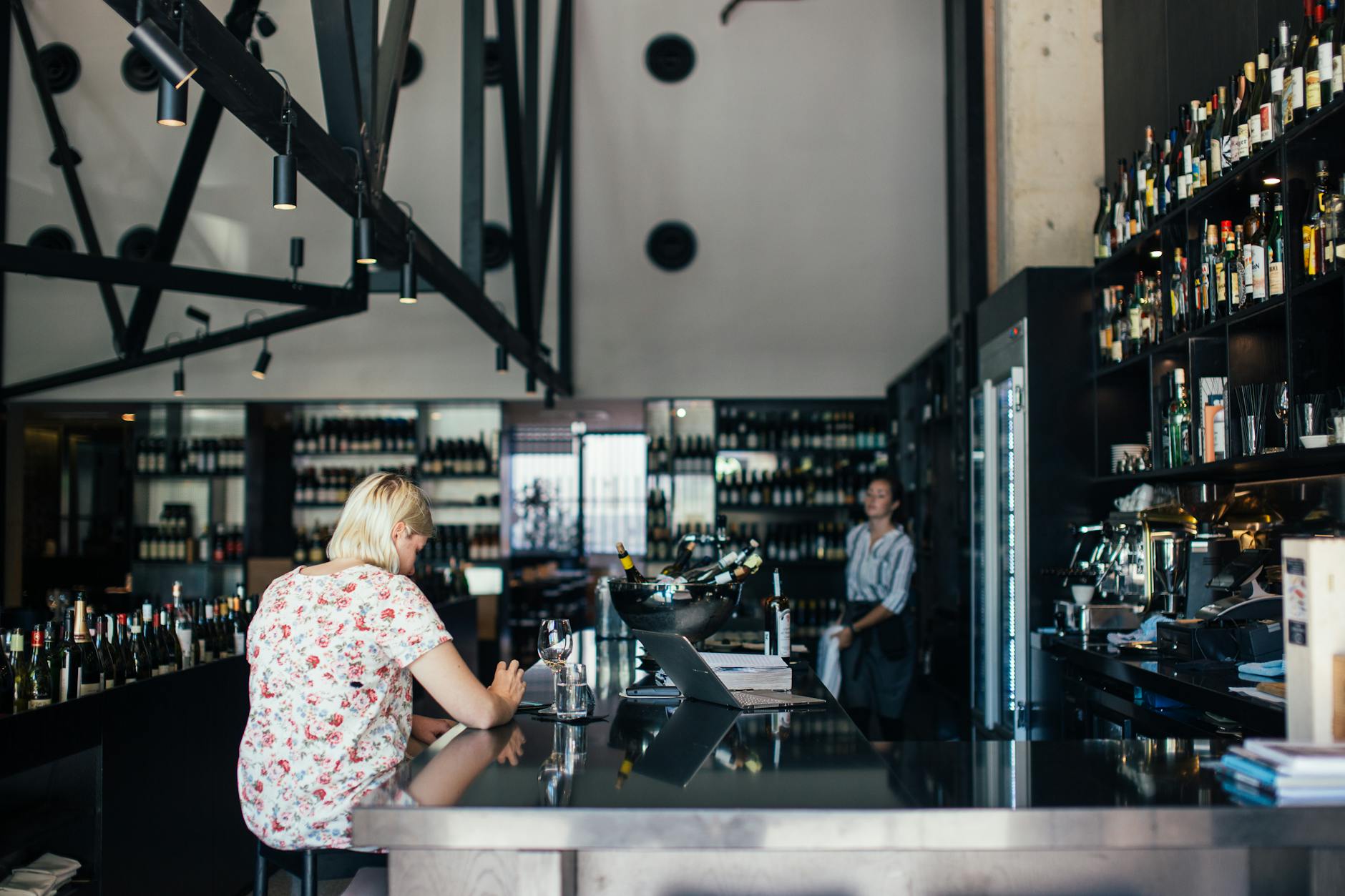
Vienna’s traditional wine culture pairs with a strong modern wine-bar scene since 2010:
- Mast (4th) — natural wine bar with a long bar perfect for solo wine flights and small plates
- Wein & Co (multiple) — wine shop + bar; free Friday tastings; large selection of Austrian wines
- Heunisch & Erben — beloved cellar wine bar in the 4th
- Pub Klemo — Israeli-run wine bar with strong Austrian and natural-wine selection
- Wieser im Schubertparkviertel — small, modern, locals-only feel
- Vinothek W-EINKEHR at Naschmarkt — wine bar with strong food
Vienna Wine Etiquette
- Toast with eye contact — saying “Prost” without making eye contact is considered rude
- Don’t drink before everyone is toasted — wait for the full table
- Order an Achterl (1/8 liter) for tasting, a Viertel (1/4) for sustained drinking
- The Spritzer — wine + sparkling water — is a legitimate Vienna drink, not just summer kitsch
- White wine is the default in Vienna — Austria’s heavy lean is white (~70% of production)
- Tip 5–10% in cash, stated aloud — see our first time visiting Vienna tips
Vienna Wine by Season
| Season | What to Drink | Where |
|---|---|---|
| Spring (April–May) | Last of last year’s Grüner Veltliner; new Welschriesling | Heuriger reopenings |
| Summer (June–August) | Crisp Gemischter Satz, Welschriesling, Spritzer | Wieninger am Nussberg, outdoor terraces |
| Autumn (September–October) | Sturm (partially fermented new wine), early-vintage Grüner Veltliner | Heuriger peak season |
| Winter (Nov–March) | Aged Wachau Smaragd, Blaufränkisch, Glühwein at markets | Wine bars, Christmas markets |
What Is Sturm?
Sturm is partially fermented new wine — sweet, fizzy, low alcohol, available only late September through October. It’s a Vienna autumn ritual: have a glass at a heuriger or buy a bottle from the Naschmarkt and drink within days (Sturm doesn’t keep). Cloudy and unpredictable; that’s the point.
A Vienna Wine Evening Itinerary
Late Afternoon (4 pm)
Take the U4 to Heiligenstadt, walk the Stadtwanderweg 1 trail through the Beethovengang and Nussberg vineyards (90 minutes). End at Wieninger am Nussberg for a glass of Gemischter Satz with the city view.
Early Evening (6 pm)
Walk down to Grinzing for proper dinner at Mayer am Pfarrplatz — Beethoven’s former house, classic heuriger food, broad wine list.
Late Evening (9 pm)
U4 back to the city. End at Mast (4th) or Heunisch & Erben for a final glass of natural wine.
Heuriger Food Glossary
- Schweinsbraten — roast pork with crackling
- Bratl — slow-roasted pork shoulder
- Liptauer — soft cheese spread with paprika and capers
- Schmalzbrot — bread with rendered pork fat
- Stelze — pork knuckle
- Verhackerts — minced spread of bacon
- Kümmelbraten — caraway-roasted pork
- Krautsalat — cabbage salad
- Erdäpfelsalat — Vienna’s vinegar potato salad
- Salzstangerl — salt sticks
Practical Tips
- Most heurigen are open evenings only (4 pm–midnight); some lunch hours on weekends
- Check ausgsteckt schedules — many are only open 2–3 weeks per month
- The Stadtwanderwege trails close at dark — start early afternoon
- Wear comfortable shoes — vineyard paths are uneven
- Tram 38 to the Nussberg; bus 38A to Kahlenberg; tram 31 to Stammersdorf
- Carry cash — many heurigen are cash-only or have €15+ card minimums
- Order an Achterl first (1/8 L) before committing to a Viertel (1/4 L)
Vienna Wine Production: The Surprising Numbers
Vienna’s wine industry is unique among major capitals. Some context:
- ~700 hectares of working vineyards inside Vienna’s city limits
- ~190 producers registered as Vienna wineries
- 2.5 million bottles produced annually within the city
- ~32% of Vienna’s wine is the indigenous Gemischter Satz (DAC-protected since 2013)
- ~58% total is white wine; ~42% red
- The 19th, 21st, and 23rd districts contain most of the vineyard area
- Heuriger taverns — over 60 registered in the city, with seasonal opening signs (ausgsteckt branches)
Top Vienna Wine Producers Worth Knowing
The headline names of Vienna’s modern wine scene:
- Wieninger — the most internationally recognized Vienna producer, particularly for Gemischter Satz; estates in Nussdorf and Stammersdorf
- Mayer am Pfarrplatz — historic Grinzing estate, Beethoven’s house
- Cobenzl — large Nussberg estate with city-view tasting room
- Helm — small Stammersdorf producer, excellent rieslings
- Sirbu — Kahlenberg estate, summer-weekend heuriger
- Edlmoser — Mauer (23rd district), serious wines
- Stadt Wien (city-owned vineyard) — produces Wien Wein, sold at supermarkets and wine shops
Detailed Heuriger Etiquette
The Ausgsteckt System
Vienna heuriger taverns aren’t open year-round — they signal their availability by hanging a small pine branch at the door (the “ausgsteckt” sign). When the pine branch is down, the heuriger is open. Most operate 2-4 weeks per month; some are only open weekends; some run year-round.
Buffet Mechanics
Heuriger food is buffet-style: you approach the cold buffet counter, fill your plate, and pay by weight at the counter. Wine is ordered at the same counter — typically by the Achterl (1/8 liter) for tastings or Viertel (1/4 liter) for sustained drinking. Carry your plate and glass to any open table.
Table-Sharing
Heurigen typically have long communal tables. Sitting next to strangers is normal; conversations with neighbors are common. Don’t feel obligated to talk if you want to read or work, but a “Grüß Gott” greeting when sitting down is expected.
Tipping
5-10% rounded up at the buffet counter when paying. Cash preferred; some heurigen are cash-only.
Pacing
A typical heuriger evening lasts 2-3 hours — start with Liptauer + bread + Schmalzbrot, move to a small main (Schweinsbraten or cold cuts), finish with a slice of strudel. Drink slowly; the new wine often hides higher alcohol content than expected.
The Stadtwanderweg Trail Network Detailed
Vienna’s official city hiking trails (Stadtwanderwege) connect the major wine areas. The five trails most useful for wine tourism:
- Stadtwanderweg 1 — Heiligenstadt → Kahlenberg → Cobenzl → Grinzing (3.5 hours, vineyard-heavy)
- Stadtwanderweg 2 — Sievering → Nussdorf via Nussberg vineyards (2 hours)
- Stadtwanderweg 3 — Hütteldorf → Vienna Woods loops (4 hours, less vineyard focus)
- Stadtwanderweg 4 — Mauerbach → 14th district (3 hours, woodland)
- Stadtwanderweg 5 — Stammersdorf vineyard loops (1.5-2 hours)
All trails are clearly marked with the official Stadtwanderweg signs (yellow with the trail number). Maps are downloadable from Vienna’s tourism portal. Best season is September-October for vineyard color and full heuriger options at trail ends.
Wachau Day Trip Wine-Tasting Strategy
The most rewarding Vienna wine day trip is to the Wachau Valley. The tactical version that maximizes wine learning:
- Train to Krems (1 hour from Wien Hauptbahnhof), pickup at the Domäne Wachau winery for a guided tasting (€20-€35 per person, advance reservation)
- Cycle the Donauradweg from Krems through Dürnstein (medieval walled village with hilltop ruined castle) to Spitz (about 25 km, mostly flat)
- Stop for lunch at Loibner Hof in Loiben — restaurant + winery combination, schnitzel + estate Grüner Veltliner pairing
- Continue to Spitz or back to Krems; smaller producer tastings available at Knoll, F.X. Pichler, or Rudi Pichler with advance booking
- Return train to Vienna via Westbahn — fastest option, 90 minutes from Krems
Allow a full day. Best season is September-October for harvest atmosphere; April-May for spring vines.
One Final Tip on Vienna Wine
The single most distinctive Vienna wine experience is the Wieninger am Nussberg sunset. From May through October on weekends, the open-air Nussberg vineyard heuriger fills with a mix of Vienna locals and serious wine travelers. The Wieninger family produces some of Austria’s most-respected Gemischter Satz wines; their Nussberg outpost serves the wines with buffet food on picnic tables among the actual vines, with panoramic views back to the Danube and the city skyline. Tram 38 to the terminus + 25-minute uphill walk through the vineyards. The single most photogenic, atmospheric, and quintessentially Vienna wine experience.
FAQ
Does Vienna make its own wine?
Yes — Vienna is the only major capital with significant working vineyards inside city limits, about 700 hectares mostly in the 19th, 21st, and 23rd districts. Vienna’s signature wine is the indigenous Gemischter Satz, a DAC-protected field blend.
What is a Heuriger?
A wine producer’s family-run tavern where they sell their newest wine with simple buffet food. Joseph II legalized them in 1784. They’re seasonal — open by an “ausgsteckt” pine branch sign at the door.
What’s the best Vienna heuriger?
Mayer am Pfarrplatz (Grinzing) is the iconic choice; Wieninger am Nussberg has the best views; Sirbu Kahlenberg is summer weekends only. Stammersdorf options (Helm, Wieninger Stammersdorf) are quieter and more local.
Can I visit Vienna’s vineyards?
Yes — the Stadtwanderwege trails go directly through working vineyards. Tram 38 to the Nussberg; U4 to Heiligenstadt for the Beethoven Walk and Stadtwanderweg 1.
What’s Gemischter Satz?
Vienna’s indigenous wine — a field blend of multiple grape varieties planted, harvested, and fermented together. DAC-protected since 2013. Distinctive, approachable, deeply Vienna.
What’s the best time of year for Vienna heurigen?
September and October — the new vintage is bottled, the buffets are at peak, and the autumn vineyards are gorgeous. Sturm season in late September is its own ritual.
Are Vienna heurigen kid-friendly?
Most are — they’re family-run businesses. The buffet and the outdoor settings work well with kids; some have small playgrounds.
Can I do a Wachau Valley wine day trip?
Yes — train to Krems, cycle the Wachau cycling path through Dürnstein to Melk, return by train. Wineries open for tastings; Domäne Wachau is the easiest. See our day trips from Vienna.
Final Thought: Vienna Drinks Like Vienna Eats
Of all the things that distinguish Vienna from other European capitals, the in-city vineyards and heuriger tradition are among the most distinctive. A heuriger evening in Grinzing, a Wieninger am Nussberg sunset, or a Wachau day-cycle all give you a different Vienna than the Schönbrunn-Hofburg-Stephansdom version. Build at least one wine experience into your trip — the city’s drinking culture is as serious as its eating.
For more, see our Vienna food guide, our Vienna nightlife, and our day trips from Vienna.