Vienna Coffee House Guide: History, Etiquette & 15 Best Cafés
Discover Vienna's UNESCO-listed coffee house culture. Complete guide to the 15 best traditional cafés (Central, Sperl, Hawelka, Sacher, Demel, Bräunerhof), ordering etiquette, the Vienna coffee menu (Melange, Einspänner, Maria Theresia), the 1685 history, and the difference between traditional coffeehouses and modern third-wave cafés.
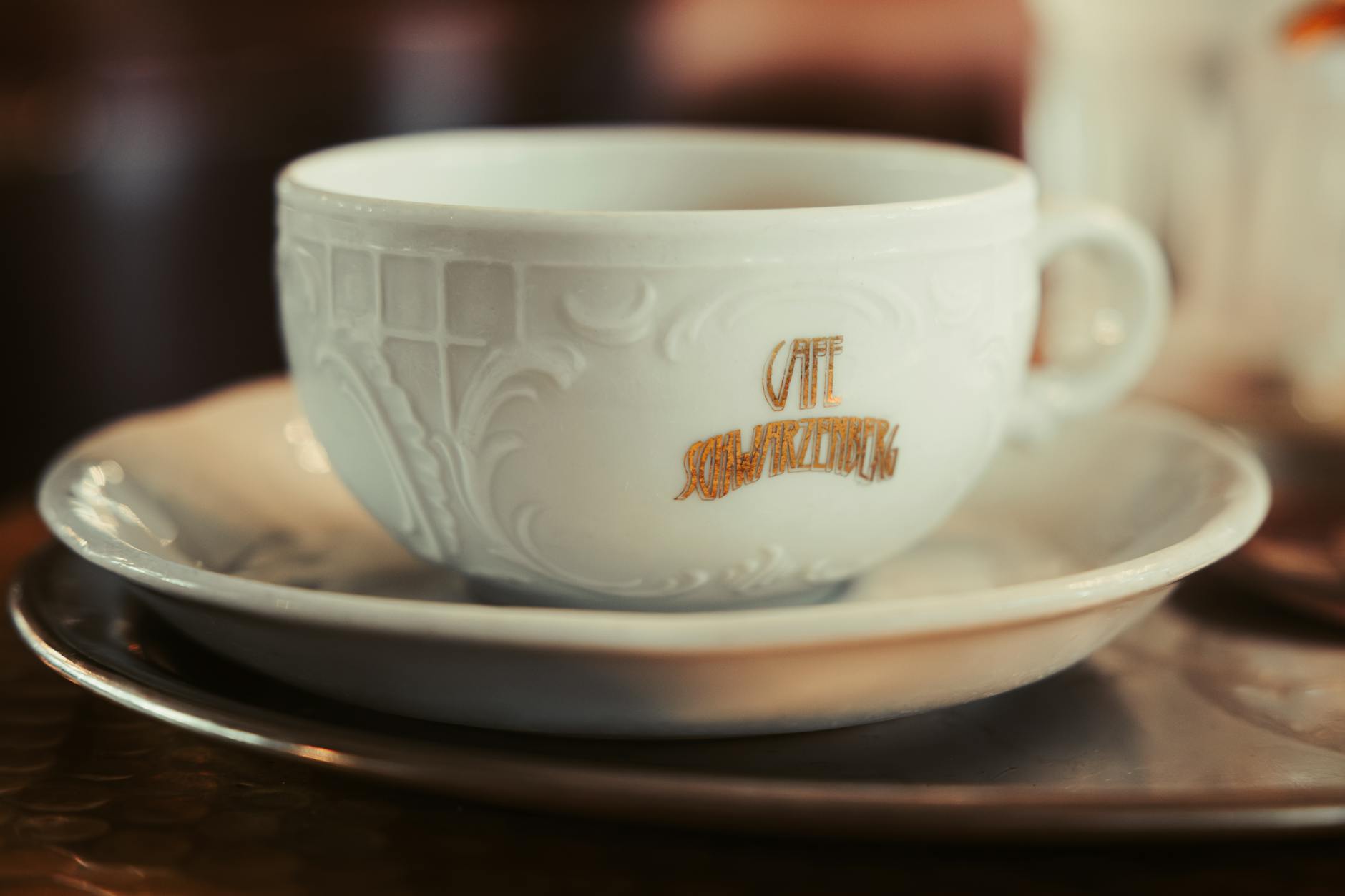
Photo by Jonas Horsch
- Why Vienna Coffee Houses Are UNESCO-Listed
- Vienna Coffee House History (Quick Version)
- Vienna Coffee House Etiquette
- The Vienna Coffee Drinks Menu
- The 15 Best Traditional Vienna Coffee Houses
- Best Vienna Coffeehouses by Mood
- Vienna Coffee Houses vs Modern Cafés
- A Coffee House Day in Vienna
- Coffee House Tips
- Coffee House Insider Knowledge
- Tipping Specifically at a Vienna Coffeehouse
- FAQ
- Final Thought: The Coffee House Is Vienna
- Related Vienna Guides
This article contains advertising. Our booking links are routed through a partner that adds commission tracking automatically, so if you book through one we earn a commission from the provider, at no extra cost to you. It never affects what we recommend. Affiliate disclosure
Vienna’s coffee houses are not coffee shops. They are listed as UNESCO Intangible Cultural Heritage (since October 2011). Inside one, you order a single drink for €5–€8, the waiter brings it on a silver tray with a glass of water, you take a newspaper from the wooden rack, and you stay for two or three hours without anyone urging you to leave. The local saying captures it: “the coffeehouse is a place in which time and space are consumed, but only the coffee is listed on the bill.”
This is the complete Vienna coffee houses guide: history, etiquette, the 15 best traditional cafés, what to order, the famous drinks (Melange, Einspänner, Maria Theresia), and the difference between a coffeehouse afternoon and the modern Vienna third-wave coffee scene. Pair with our Vienna food guide.
Why Vienna Coffee Houses Are UNESCO-Listed
The Viennese coffeehouse — Wiener Kaffeehaus — became culturally significant in the late 19th and early 20th centuries when writers, artists, and intellectuals adopted them as their workspaces and meeting rooms. Stefan Zweig, Peter Altenberg, Egon Schiele, Gustav Klimt, Adolf Loos, Theodor Herzl, Alfred Adler, and Sigmund Freud all spent significant working hours in specific Vienna coffeehouses. The phrase “coffee house literature” emerged for novels and articles literally written at café tables.
UNESCO recognized this in 2011, listing Viennese Coffee House Culture as Intangible Cultural Heritage of Austria. The recognition is for the entire institution — the social structure, the unhurried pace, the marble-and-Thonet aesthetic, the offered newspapers, the silver tray service, the implicit right to occupy a table for hours on a single drink.
Vienna Coffee House History (Quick Version)
Vienna’s first coffeehouse was opened in 1685 by Johannes Theodat (Johannes Diodato), an Armenian businessman granted the right to brew and serve coffee in the city. Legend ties the origin to Turkish coffee beans abandoned during the 1683 siege of Vienna, but historians credit Theodat as the actual first licensed Vienna café operator.
By the early 1800s, Vienna had hundreds of coffeehouses. The 19th-century Ringstrasse construction added grand new boulevard cafés (Café Landtmann, Café Schwarzenberg). The early 20th century — the so-called Kaffeehausliteratur period — produced the cultural mythology that survives today.
The mid-20th century nearly killed coffeehouse culture (espresso bars and home espresso machines threatened the model), but a 1990s revival restored most of the major Vienna cafés to their pre-war state. The UNESCO listing in 2011 sealed the cultural protection.
Vienna Coffee House Etiquette
How to Order
- Sit at any open table; the waiter (called Herr Ober formally) will come to you
- Order one drink — that’s enough to claim a table for hours
- Coffee comes on a silver tray with a small glass of water (Verlängerter styles get a larger glass)
- Don’t expect quick service or check-ins; the waiter comes when you wave
- Ask “Zahlen, bitte” (the bill, please) when you’re ready to leave
- Tip 5–10% in cash, stated aloud — see our first time visiting Vienna tips for tipping mechanics
How Long Can You Stay?
Anywhere from 30 minutes to three hours on one drink is completely normal. The unwritten rule: don’t bring a laptop and treat it as a coworking space (Vienna’s coffeehouses are for reading, conversation, and slow time — not for typing into a screen for two hours). Otherwise, stay as long as you want.
What Newspapers Are Available?
Major Vienna and Austrian newspapers (Der Standard, Die Presse, Kurier, Heute) plus international papers (FAZ, Le Monde, NYT, Guardian) are typically available on wooden racks. Take any one to your table; return it to the rack when you leave.
Smoking Rules
Most coffeehouses are now smoke-free since Austria’s 2019 indoor smoking ban. Some have small smoking sections; verify if it matters to you.
The Vienna Coffee Drinks Menu
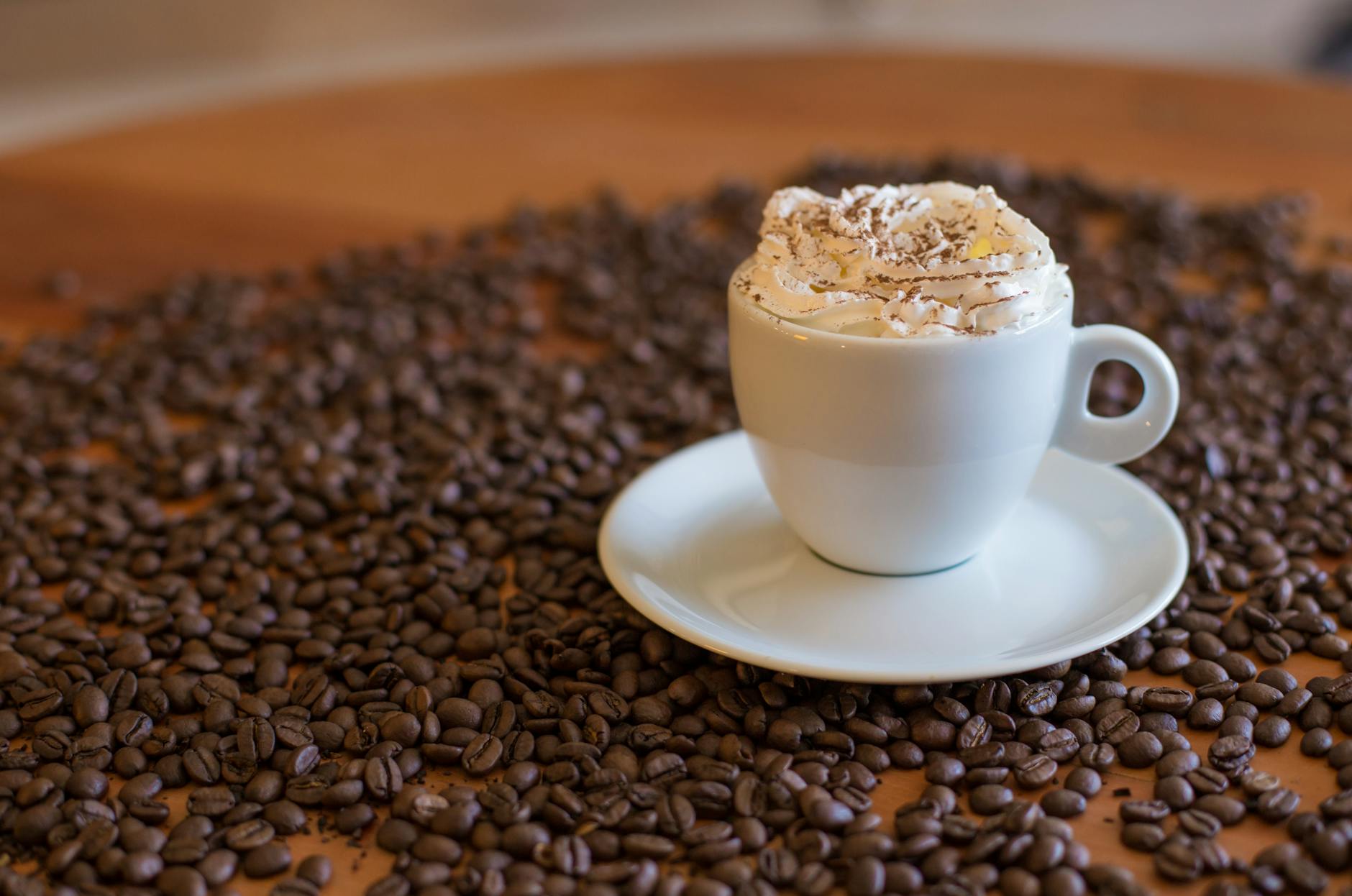
The Vienna coffee menu is more elaborate than most. Key drinks:
| Drink | What It Is | Vienna Default? |
|---|---|---|
| Melange | Espresso with frothed milk (cappuccino-like) | Yes — local default |
| Großer / Kleiner Brauner | Large/small black coffee with a dash of milk | Yes |
| Großer / Kleiner Schwarzer | Large/small straight black coffee | Yes |
| Verlängerter | Espresso lengthened with hot water (Americano-like) | Yes |
| Einspänner | Strong black coffee in a tall glass with whipped cream on top | Yes |
| Maria Theresia | Coffee with orange liqueur and whipped cream | Specialty |
| Mozart | Coffee with Mozart liqueur and whipped cream | Specialty |
| Fiaker | Black coffee with rum and whipped cream | Specialty |
| Kapuziner | Small black coffee with a dollop of cream | Yes |
| Eiskaffee | Cold coffee with vanilla ice cream and whipped cream | Summer favorite |
| Wiener Eiskaffee | Same, with chocolate sauce drizzle | Summer favorite |
Most travelers order a Melange first — it’s the safe local default. Adventurous travelers should try a Maria Theresia (orange liqueur) or an Einspänner (visually iconic).
The 15 Best Traditional Vienna Coffee Houses
1. Café Central (1st)
The most photographed coffeehouse in Vienna. Café Central opened in 1876 in the Palais Ferstel, with Gothic-vault interiors, the Peter Altenberg papier-mâché statue at the entrance, and a literary history that includes Trotsky and Lenin. Touristy and busy, but legitimately beautiful — go for breakfast (8–9 am) before the queues form. €5–€10 for coffee + cake.
2. Café Sperl (6th)
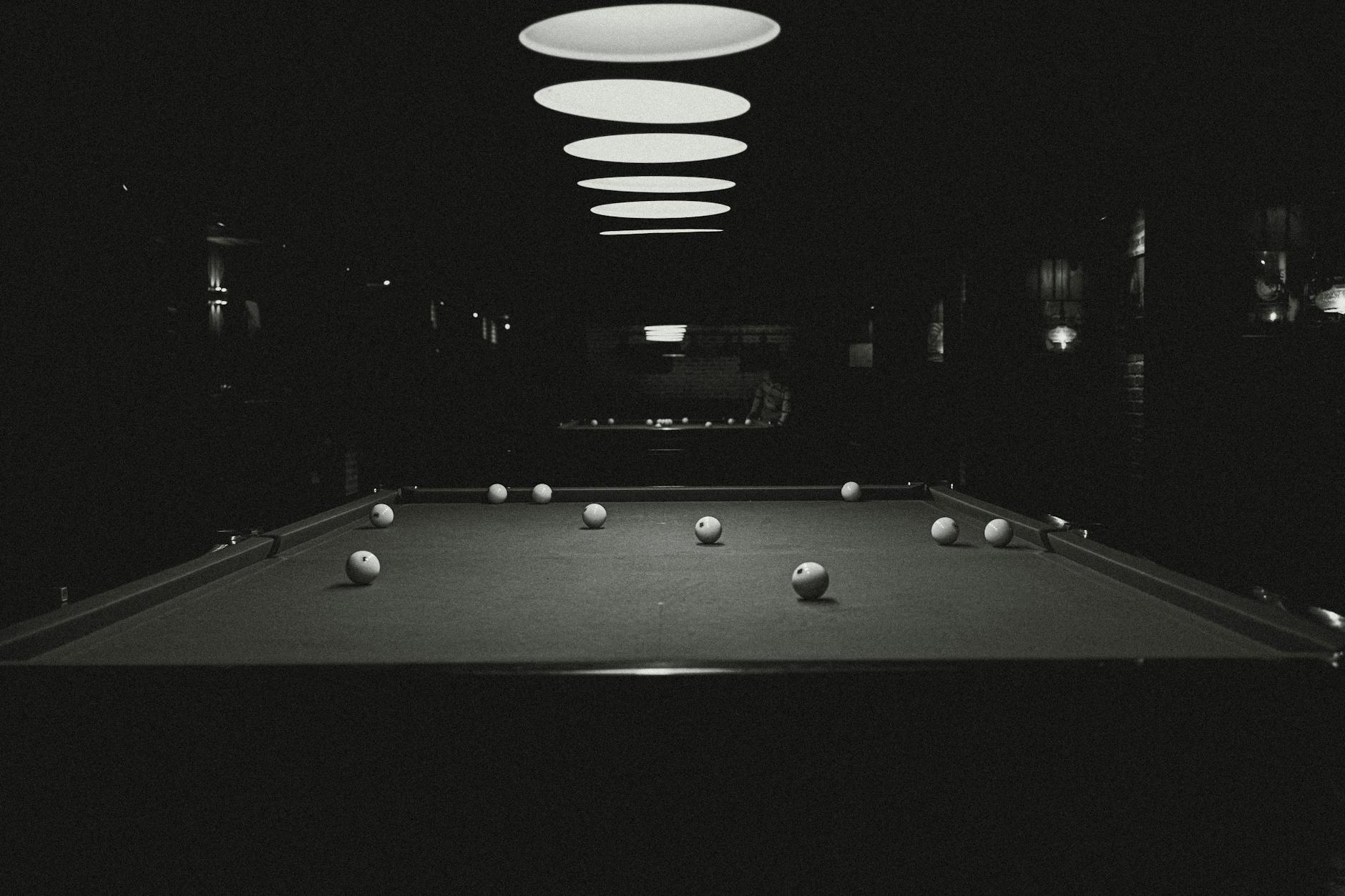
Vienna’s most atmospheric historic coffeehouse. Café Sperl, founded 1880 on Gumpendorfer Straße, has billiard tables, marble countertops, golden Belle Époque interiors, and a residential Vienna feel that Café Central lost decades ago. Far less touristy. €4–€8.
3. Café Hawelka (1st)
Tiny, dim, intimate — the Bohemian poets’ coffeehouse. Café Hawelka opened in 1939 and was beloved by post-war Vienna writers. The famous Buchteln (sweet yeast buns) are served fresh from 10 pm onwards. €4–€7.
4. Café Bräunerhof (1st)
Thomas Bernhard’s regular coffeehouse — the Austrian author wrote at the same table here for decades. Café Bräunerhof on Stallburggasse has a quieter, more local atmosphere than Café Central. €4–€8.
5. Café Sacher (1st)
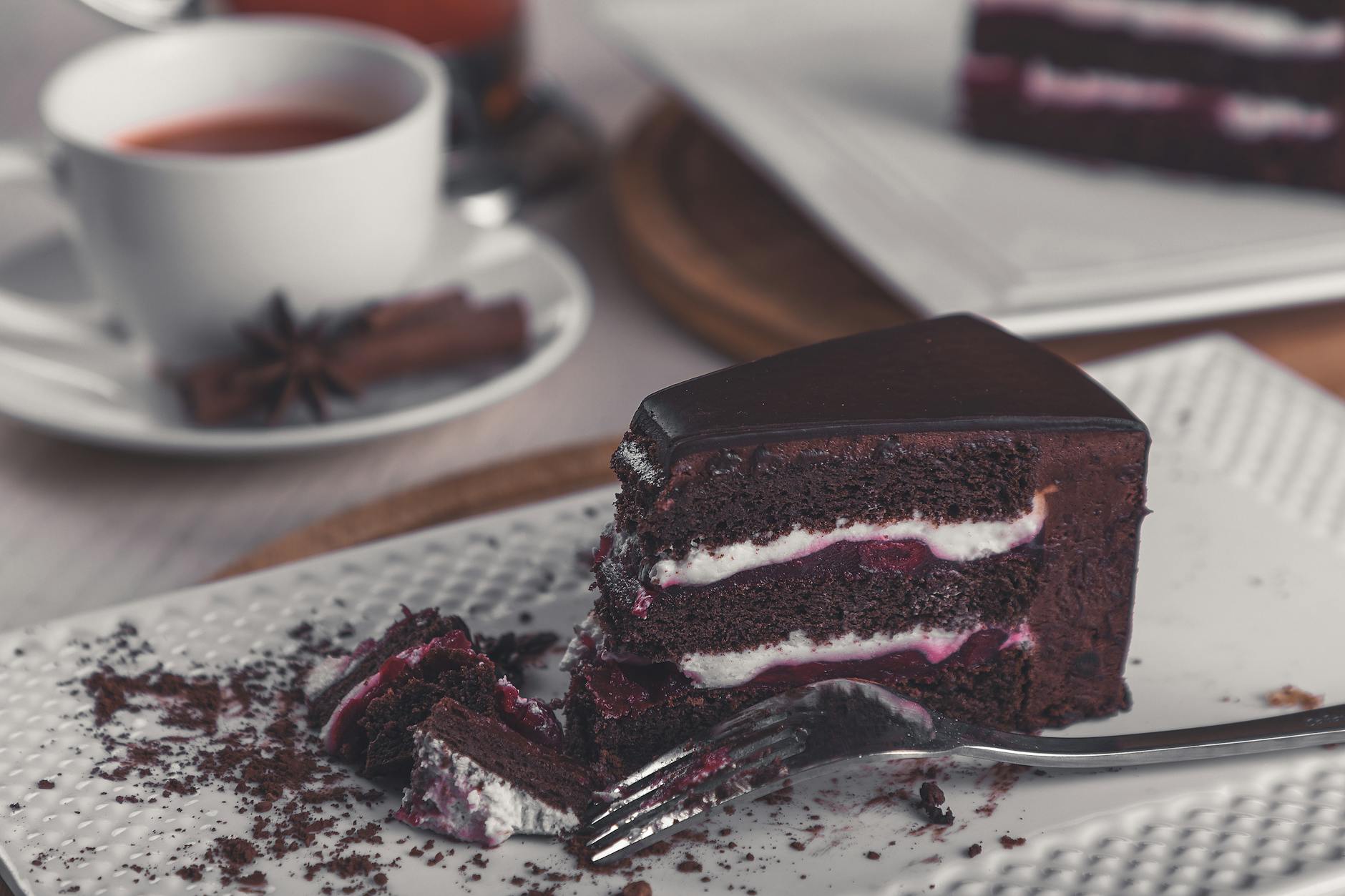
The home of the original Sachertorte, served since 1832 (when 16-year-old Franz Sacher invented it for Prince Metternich). Café Sacher, attached to Hotel Sacher across from the State Opera, is touristy and pricey but ceremonial. €15+ for the original Sachertorte slice.
6. Demel (1st)
The k.u.k. court confectioner since 1786. Demel on Kohlmarkt fights Sacher over which makes the “real” Sachertorte (a famous 7-year court case in the 1950s). The window display, ceiling, and original 19th-century interiors are extraordinary. €15+ for cake; €5+ for coffee. Worth a visit even just to see the pastry kitchen behind glass.
7. Café Landtmann (1st)
Founded 1873, on the Ringstrasse next to the Burgtheater. Café Landtmann was Sigmund Freud’s regular and remains Vienna’s “political” coffeehouse — politicians, journalists, and Burgtheater actors all gather here. €5–€10.
8. Café Schwarzenberg (1st)
One of the original 27 Ringstrasse cafes, opened 1861. Café Schwarzenberg retains the Belle Époque atmosphere with red leather banquettes, marble tables, and live piano on weekends. €5–€10.
9. Café Mozart (1st)
Behind the State Opera — Mozart-themed, atmospheric, made famous as a setting in The Third Man film. €5–€10.
10. Café Diglas (1st)
Wollzeile coffeehouse, less famous but excellent — strong cake selection, classic Vienna atmosphere, fewer tourists than Café Central. €4–€8.
11. Café Korb (1st)
Sigmund Freud’s other regular. Café Korb on Brandstätte has retro 1950s booths, an attached bowling alley (yes, really), and a strong literary crowd. €4–€8.
12. Café Jelinek (6th)
Quiet, residential 6th-district coffeehouse. Café Jelinek has the historic atmosphere with very few tourists — locals, neighborhood regulars, and the kind of unhurried pace that’s harder to find at the central cafes. €4–€7.
13. Café Goldegg (4th)
One of Vienna’s best-kept secrets. Café Goldegg in the 4th has the same Belle Époque atmosphere as Café Central with almost no tourist traffic. €4–€7.
14. Café Anzengruber (4th)
Counter-style coffeehouse with the working-class character of pre-war Vienna. €4–€7.
15. Café Rüdigerhof (5th)
Jugendstil interior, bohemian crowd, late-night hours. Café Rüdigerhof attracts a younger, more alternative Vienna than the formal 1st-district coffeehouses. €4–€8.
Best Vienna Coffeehouses by Mood
Most Atmospheric (Worth the Tourist Crowds)
- Café Central
- Café Hawelka
- Demel
- Café Sacher
Best Local Vibe (Less Touristy)
- Café Sperl
- Café Bräunerhof
- Café Goldegg
- Café Jelinek
- Café Anzengruber
Best for Cake
- Demel (window display + Sachertorte battle)
- Café Sacher (original Sachertorte)
- Café Diglas (excellent cake selection)
Best for Long Reading Sessions
- Café Sperl
- Café Bräunerhof
- Café Hawelka
- Café Rüdigerhof
Best for First-Time Visitors
- Café Central (the iconic experience)
- Café Sperl (the local-feeling alternative)
- Demel (for cake culture)
Vienna Coffee Houses vs Modern Cafés
A new wave of third-wave coffee shops has emerged in Vienna in the last decade — Süssi, POC Cafe, Jonas Reindl, Balthasar Kaffee Bar, Coffee Pirates. These are excellent coffee shops but are not Wiener Kaffeehäuser — they don’t follow the slow-pace, marble-table, newspaper-rack model. Both have their place; choose based on what you want.
| Element | Traditional Coffeehouse | Modern Café |
|---|---|---|
| Coffee quality | Solid; not specialty-grade | Specialty-grade single-origin |
| Pace | Slow; stay for hours | Faster turnover expected |
| Atmosphere | Marble, Thonet, golden lighting | Minimalist, design-forward |
| Drinks | Melange, Einspänner, Maria Theresia | Pour-over, flat white, cortado |
| Best for | Reading, slow conversation, classic Vienna | Coffee tasting, takeaway, modern Vienna |
A Coffee House Day in Vienna
Morning
Café Central or Demel for a Melange + Sachertorte breakfast (open 8–9 am for the lowest crowds).
Mid-Morning
Walk to Café Sperl in the 6th for a slow second coffee with newspapers.
Lunch
Coffeehouse lunches are typical — most serve simple Viennese plates (goulash, schnitzel, frittatensuppe).
Afternoon
Café Hawelka for an atmospheric mid-afternoon stop. Order a Buchtel (after 4 pm) for the famous yeast bun.
Late Afternoon / Evening
Café Bräunerhof or Café Korb for a quieter pre-dinner stop. Bring a book.
Coffee House Tips
- Order one drink, stay as long as you like — the local rule
- Cash tips, stated aloud — Vienna’s tipping etiquette is specific
- Take a newspaper from the rack — it’s expected, return when leaving
- Try at least two cafés — the touristy iconic ones AND a quieter local one
- Avoid weekends 11 am – 2 pm at Café Central — peak queues
- Sachertorte at Demel vs Sacher — Sacher’s is the original (richer chocolate, drier crumb); Demel’s is moister and many locals prefer it
- Don’t tip the coffeehouse server with a credit card — leave cash on the saucer when you leave
- The bill comes only when you ask — say “Zahlen, bitte”
Coffee House Insider Knowledge
The Ober System
The waiter at a Vienna coffeehouse — addressed as Herr Ober formally, or just der Ober in conversation — has a specific cultural status. They’ve often worked at the same coffeehouse for decades. They expect tips in cash and remember regulars’ orders. They do not check in on tables; they appear when you wave. They will not push for your departure. The proper protocol: gesture clearly, say “Zahlen, bitte” when ready to leave, tip 5-10% in cash placed on the saucer.
Where to Sit
Most coffeehouses have several seating tiers: window seats (slightly more atmospheric), booth seats (most intimate), back-room tables (quieter, more private), and the standing-only counter (cheapest, quickest). Solo travelers gravitate to window or back-room; couples to booths; groups to the back tables. Don’t sit at marked “Stammtisch” (regulars’ tables — usually in the back) unless invited.
The Newspaper Rack Etiquette
The wooden newspaper holders are free for any guest. Take one to your table; return it to the rack when leaving. Most major Austrian and German papers (Der Standard, Die Presse, Kurier, FAZ, Süddeutsche), plus often the New York Times, Le Monde, and a UK paper.
Tipping Specifically at a Vienna Coffeehouse
The coffeehouse tipping protocol is more specific than at restaurants. The base: 5-10% rounded up. For a €4.80 melange, tip would be €0.50-€1; for a €15 coffee-and-cake combination, tip €1-€2. The mechanics: when the waiter brings the bill, say the rounded-up total (“Sechs Euro” for a €4.80 melange) and hand over a banknote. The waiter returns change minus the rounded total. Never leave the tip on the table after the waiter has left — that’s considered insulting. Never tip the coffeehouse server with a credit card; cash on the saucer is the rule.
FAQ
What is a Viennese coffee house?
A traditional 19th-century Vienna café where guests order one drink, stay for hours, read newspapers, and converse — a UNESCO-listed Intangible Cultural Heritage institution since 2011.
What’s the most famous coffee house in Vienna?
Café Central is the most photographed and most-visited. Café Sperl is the most atmospheric local choice. Demel and Café Sacher are the legendary cake establishments.
What’s the best coffee to order in Vienna?
The Melange (espresso with frothed milk) is the local default. For something distinctive, try a Maria Theresia (with orange liqueur) or an Einspänner (with whipped cream).
How long can you stay at a Vienna coffee house?
One drink earns you the table for as long as you want — 30 minutes to several hours is completely normal. No staff will rush you.
What’s the difference between Café Sacher and Demel?
Both serve Sachertorte; both claim to make the “original.” Sacher’s version is the legally protected “Original Sachertorte” (Franz Sacher invented it in 1832). Demel calls theirs “Demel’s Torte” (the historic court confectioner). Many Vienna locals prefer Demel’s slightly moister version; tourists tend to choose Sacher.
How much does coffee cost at a Vienna coffee house?
€4–€8 for a coffee at most traditional cafés; €5–€15 for coffee + cake. Café Sacher and Demel run higher (€15+ for cake). Tap water comes free with every coffee.
Are Vienna coffee houses kid-friendly?
Generally yes — kids are welcome at most coffeehouses. Hot chocolate (heiße Schokolade) is excellent. Bring a quiet activity for kids; coffeehouses run on slow conversation, not noisy energy.
Is laptop work okay at Vienna coffee houses?
It varies. Some allow it, but the cultural norm is reading and slow conversation, not coworking. For laptop work, use the modern third-wave cafés (Süssi, POC, Jonas Reindl).
Final Thought: The Coffee House Is Vienna
Of all Vienna’s institutions — palaces, museums, opera, Christmas markets — the coffeehouse is the one that defines daily life for actual Viennese. It’s where Stefan Zweig wrote, where Klimt sketched, where Sigmund Freud thought through papers, where modern Viennese still argue, read, drink, and rest. Don’t visit Vienna without spending at least one slow afternoon in a coffeehouse with a Melange, a Sachertorte, and a book or a newspaper. It’s the most quintessentially Vienna thing you can do.
For more, see our Vienna food guide, our first time visiting Vienna tips, and our romantic Vienna for couples.
A note on the most famous of them all. Café Central in the Palais Ferstel closed on 16 March 2026 for a general renovation, with its reopening scheduled for autumn 2026. While it is shut, its pop-up DECENTRAL at the Freyung serves the kitchen’s cakes. Our guide to Café Central in Vienna tracks the reopening and covers queue times, reservations, what to order and whether it is worth the wait.
The menu is the first hurdle. Viennese coffee comes in dozens of named styles, from the Kleiner Brauner and the Verlängerter to the Einspänner in its glass of whipped cream and the rum-laced Fiaker, and very few of them translate. Our guide to Viennese coffee types decodes every one, with 2026 prices and the German you need to order.
Coffee houses are also where most Viennese breakfasts happen, and the ritual is simpler than visitors expect: a Melange, a Kaisersemmel, butter and apricot jam, and as long as you like at the table. If you want the meal rather than the history — which cafés are good in the morning, where to go for a proper weekend brunch and what to do when everything shuts on Sunday — see our guide to breakfast and brunch in Vienna.
One honest caveat: the historic coffee houses are about the room and the ritual more than the beans, and most serve a traditional dark-roasted house blend. If what you want is an exceptional cup, the city’s specialty roasters are as good as any in Europe. Our guide to Vienna’s third-wave coffee scene covers Gota, Jonas Reindl, Kaffemik and the rest, district by district.