Is Vienna Worth Visiting? Vienna Compared to Every Rival City
An honest answer to whether Vienna is worth your time: what it does better than anywhere, where it falls short, and how it stacks up against Prague, Budapest, Salzburg, Munich, Berlin and Paris.
- The Short Answer
- Vienna and Its Rivals at a Glance
- What Vienna Does Better Than Anywhere Else
- What a Good Day in Vienna Actually Feels Like
- Where Vienna Falls Short
- Vienna vs Prague
- Vienna vs Budapest
- Vienna, Prague and Budapest: The Scorecard
- Vienna vs Salzburg
- Vienna vs Munich
- Vienna vs Berlin
- Vienna vs Paris
- Vienna vs Bratislava
- The Other Rivals in Brief
- Combining Vienna with Its Rivals
- Making Vienna Worth It on Any Budget
- Getting Between the Cities: Practical Tips
- Who Will Love Vienna — and Who Will Not
- How Long Vienna Needs
- When Vienna Is Most Worth It
- Why Some Visitors Are Disappointed
- Frequently Asked Questions
- Related Vienna Guides
- Photo Credits
This article contains advertising. Our booking links are routed through a partner that adds commission tracking automatically, so if you book through one we earn a commission from the provider, at no extra cost to you. It never affects what we recommend. Affiliate disclosure
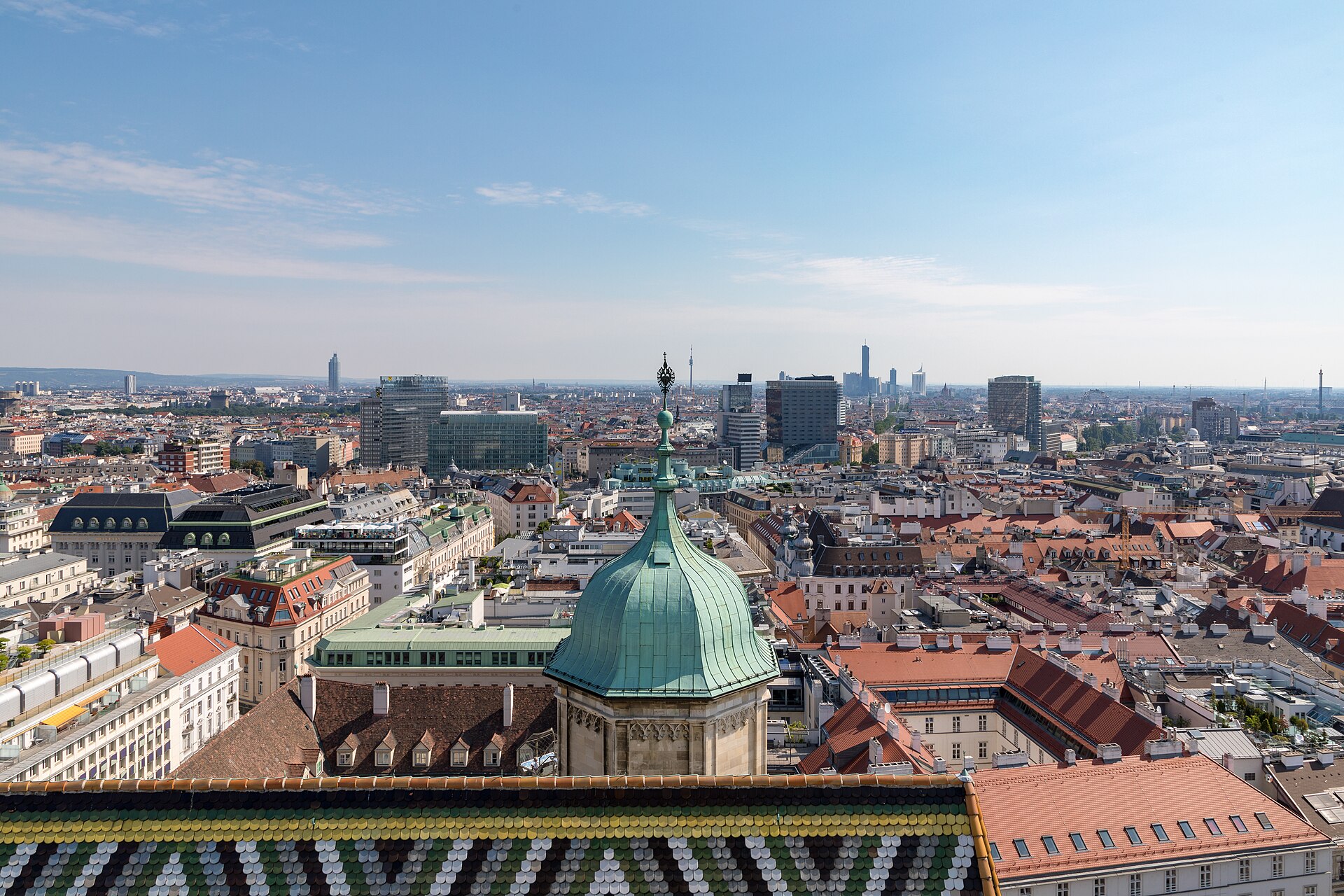
Stand at the top of the south tower of Stephansdom, 343 steps up, and the case for Vienna is laid out in front of you: copper domes and tiled roofs, the green ring of the Vienna Woods on the horizon, the Riesenrad turning in the Prater, a skyline that has barely needed to change in a century because it got things right the first time. The case against is down at street level — the queue at Schönbrunn, the waiter who has not looked at you in ten minutes, the bill. So: is Vienna worth visiting, and is it worth visiting instead of Prague, Budapest, Munich, Berlin, Paris or Salzburg?
This guide gives an honest answer. It covers what Vienna does better than anywhere else in Europe and where it falls short, then sets it head to head against each of its rivals with a verdict for every pairing, the train times for combining them, and a plain list of who will love the city and who will not. Prices and journey times were checked in October 2026; treat them as the right order of magnitude. If you have already decided to come, our complete Vienna travel guide is where to start planning.
The Short Answer
Yes — for most travellers, Vienna is worth visiting, and for anyone who cares about classical music, art, architecture, coffee or cake it is one of the best cities in Europe. It is safe, clean, easy to get around and unusually rewarding to do slowly. It is not the cheapest city in the region, its nightlife is good rather than legendary, and its charm is grand and orderly rather than wild. Visitors who want a party, a bargain or a beach will be happier elsewhere. Everyone else should come, and should probably stay longer than they planned.
Vienna and Its Rivals at a Glance
| City | Best for | Feel | Cost compared with Vienna | By train from Vienna |
|---|---|---|---|---|
| Vienna | Music, museums, coffee houses, imperial grandeur | Elegant, orderly, slow-paced | — | — |
| Prague | Medieval old town, beer, compact sightseeing | Fairy-tale, crowded at the centre | Cheaper | About 4 hours by Railjet; check ÖBB |
| Budapest | Thermal baths, river views, ruin bars | Grand but grittier, livelier at night | Cheaper | About 2½ hours |
| Salzburg | Mozart, the festival, Alpine scenery | Small, pretty, intensely touristy at midday | Similar, pricier in festival season | About 2½ hours |
| Munich | Beer gardens, Bavarian culture, the Alps nearby | Prosperous, outdoorsy, very German | Similar to pricier, especially hotels | About 4 to 4½ hours; longer from 8 February to 9 July 2027 |
| Berlin | Modern history, nightlife, street art | Edgy, sprawling, informal | Similar, cheaper for food and drink | About 8½ hours |
| Paris | Art, food, fashion, the classic big-city break | Iconic, intense, crowded | Pricier | A two-hour flight |
| Bratislava | A compact old town and an easy day out | Small, relaxed, a little quirky | Cheaper | About 1 hour |
Read the table as a starting point, not a verdict. The real question is never “which city is best?” but “which city suits what I want from this trip?” — and Vienna wins that argument more often than its reputation for stiffness would suggest.
What Vienna Does Better Than Anywhere Else
Classical music, every night, for the price of a sandwich
No other city has music woven so deeply into daily life. The Vienna State Opera’s standing-room places cost €13 to €18, sold on the day. The Musikverein, the Konzerthaus and a dozen churches fill the rest of the calendar, and the Vienna Philharmonic, the Vienna Boys’ Choir and the city’s opera houses make it the capital of the art form. The one trap is the costumed sellers on Kärntner Straße pushing “Mozart concerts” at tourist prices — ignore them, and use our guide to buying concert tickets and our State Opera guide instead.
The coffee house
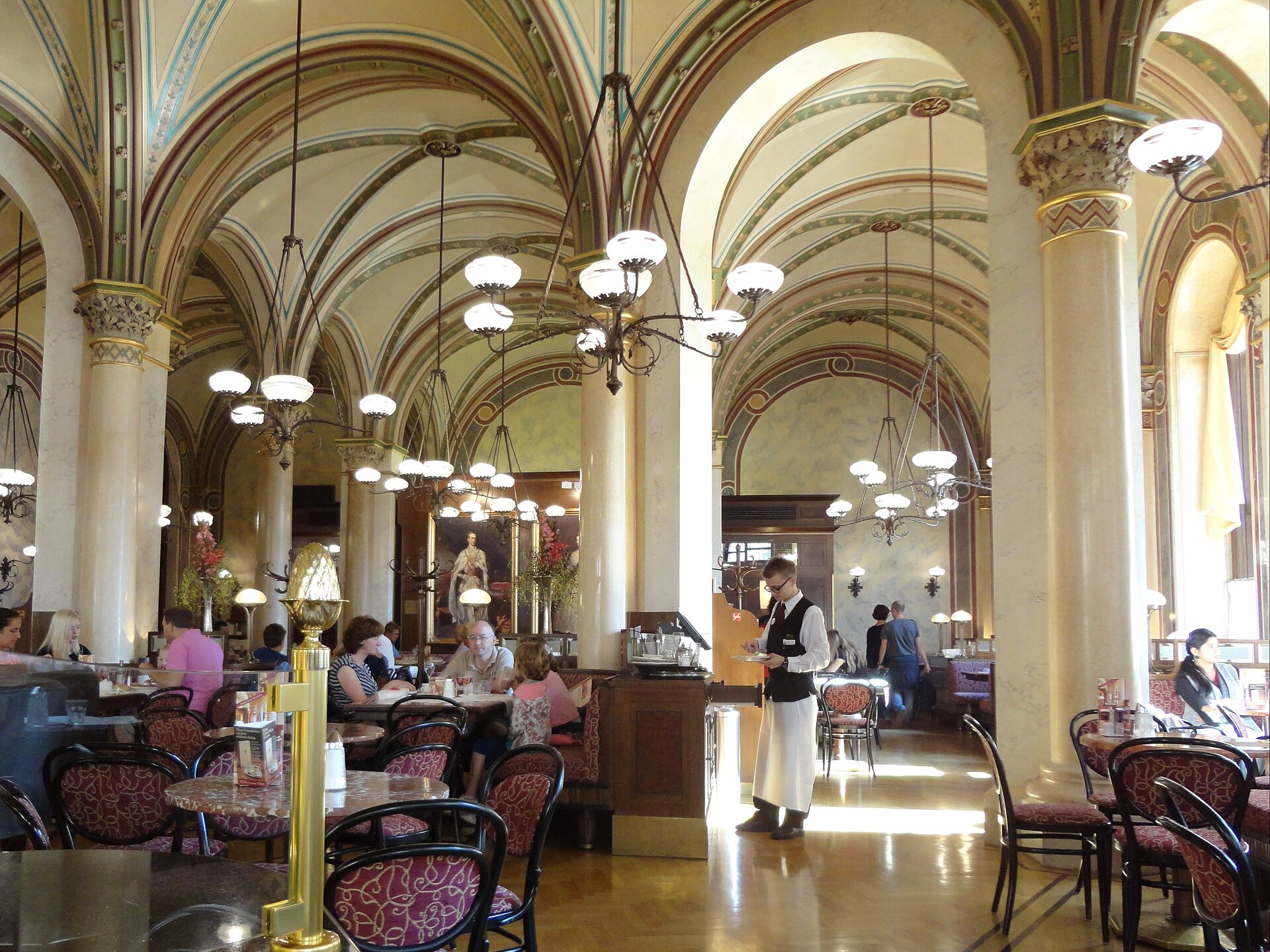
Viennese coffee-house culture is recognised as intangible cultural heritage on Austria’s UNESCO list, and with good reason. The great cafés — Central, Landtmann, Sperl, Hawelka — are not coffee shops but public living rooms, where a single Melange (around €6.90 at a grand Ringstraße café) buys you a marble table, the newspapers and as long as you like. Café Central is closed for renovation until its reopening, scheduled for winter 2026, and its temporary DECENTRAL operates at Freyung. Prague and Budapest have beautiful cafés, but Vienna’s coffee-house culture is a deeply established civic institution built around sitting still. Our coffee house guide picks the best.
Museums and imperial grandeur
Six centuries of Habsburg collecting left Vienna with one of the great art museums of the world in the Kunsthistorisches Museum, the largest collection of Klimt paintings anywhere at the Belvedere, the Albertina’s graphic art, Schönbrunn, the Hofburg and the imperial treasury. Prague and Budapest have fine museums; Vienna has a museum quarter the size of a small town. If art is why you travel, only Paris, London, Rome and Florence are serious competition.
A city that works
Vienna was ranked the second most liveable city in the world in the Economist Intelligence Unit’s 2026 index, behind only Copenhagen, after topping the list five times between 2018 and 2024. Visitors feel the reasons within a day. Public transport is frequent, clean and simple, with a digital 24-hour pass costing €9.70 (€10.20 on paper); the streets are generally safe at night; the tap water comes from Alpine springs; and the parks and woods reach right into the city. Our guide to getting around Vienna and our safety guide fill in the detail.
Wine inside the city limits
Vienna is one of very few capitals with a serious wine industry inside its own borders. Hundreds of hectares of vineyards climb the hills on the northern and southern edges of the city, and the Heurigen — wine taverns serving the growers’ own wine with cold cuts and spreads — are a short tram ride from the city centre. No rival comes close.
What a Good Day in Vienna Actually Feels Like
Lists of strengths only go so far. This is what a well-planned day here looks like, and why people who give the city time tend to fall for it.
- Morning: coffee and the newspapers. Breakfast at a traditional coffee house, a Melange served on a silver tray with a glass of water, and nobody hurrying you out. It sets the pace for the day, and the pace is the point.
- Late morning: one great museum, not three. The Kunsthistorisches Museum’s Bruegel room, or the Klimts at the Belvedere. Vienna’s museums are big enough to exhaust you, so choose one and do it properly.
- Lunch: a set menu in a Beisl. Neighbourhood inns serve a Mittagsmenü of soup and a main course at a fraction of dinner prices, and this is where the Viennese actually eat.
- Afternoon: palace gardens or a market. The main park at Schönbrunn is free, and so is wandering the Naschmarkt; or ride a tram round the Ringstraße and get off wherever looks interesting.
- Early evening: music. Standing room at the State Opera for €13 to €18, or a concert at the Musikverein, one of Vienna’s most celebrated concert halls.
- Late evening: wine. In summer, a Heuriger on the edge of the vineyards or a bar on the Danube Canal; in winter, a glass of Grüner Veltliner in a wood-panelled wine bar in the Innere Stadt.
Nothing on that list is exotic, and that is the secret. Vienna is not a city of a single unmissable sight; it is a city where the ordinary rhythm of the day — coffee, culture, lunch, music, wine — is done better than almost anywhere else. If that sounds like your kind of holiday, it is worth visiting. Our three-day itinerary turns the idea into a plan.
Where Vienna Falls Short
Being honest about the downsides is the best way to make sure you enjoy the upsides.
- It is not cheap. Vienna costs noticeably more than Prague, Budapest or Bratislava, though it is usually cheaper than Paris, London, Munich or Zürich. Our trip cost guide builds a realistic budget.
- The service can be gruff. The Viennese even have a word for it, Grant, a kind of habitual grumpiness that waiters in the old cafés wear like a uniform. It is rarely personal, and it softens with a greeting and a little patience.
- The nightlife is good, not legendary. There are excellent bars, clubs and a lively summer scene along the Danube Canal, but Berlin and Budapest are better if the night is the point. See our nightlife guide for the best of it.
- Sundays are quiet. Almost all shops close, which some visitors love and others find maddening.
- The headline sights get crowded. Schönbrunn, the Hofburg and Stephansdom draw big crowds, and Schönbrunn’s Palace Ticket costs €42.
- Some of it is a tourist trap. The touts, the tourist-menu schnitzels and the overpriced carriage rides are covered in our guide to Vienna’s tourist traps.
- Winter can be grey. January and February bring short days and low cloud — though also the ball season and empty museums.
Vienna vs Prague
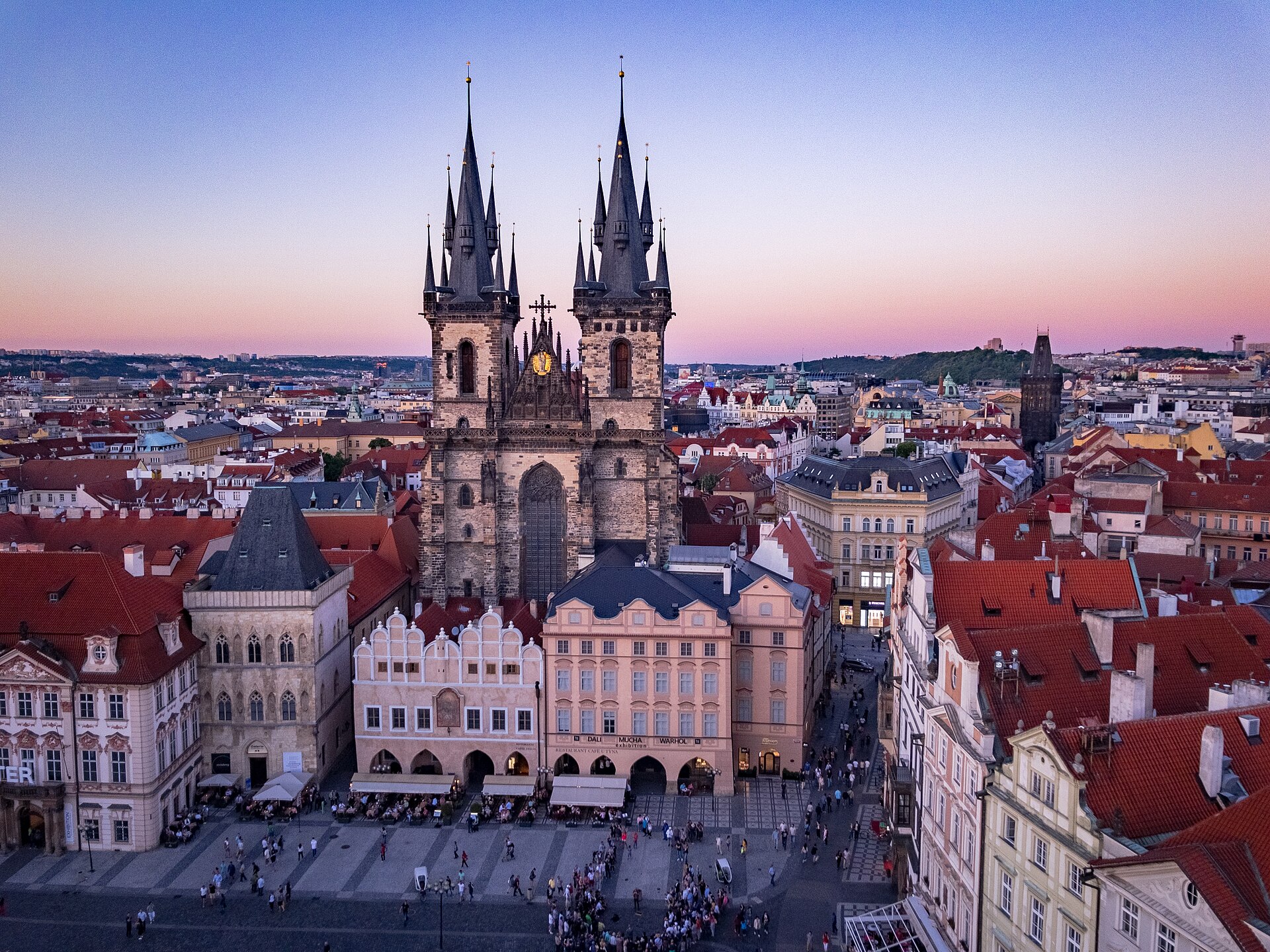
This is the comparison most people are really making, and the two cities could hardly be more different despite four hours and a shared Habsburg history between them. Prague is medieval and Gothic, a tangle of lanes, spires and bridges that survived the twentieth century almost intact; the Charles Bridge, the castle and the Old Town Square are among the most romantic sights in Europe. It is compact, walkable and cheaper than Vienna, and its beer is famous for good reason.
Vienna is imperial and Baroque, grand rather than quaint, laid out on boulevards rather than lanes. It has the better museums, the far better music, the coffee houses and the wine, and its centre is less crushed by crowds. Prague’s historic core can feel like a theme park at midday in summer, and its reputation for stag weekends is earned; Vienna is calmer and more grown-up.
Where Prague wins
- The old town. Prague’s medieval core is more complete and more atmospheric than Vienna’s, especially across the river in the Lesser Town below the castle.
- Beer. Czech lager is among the best in the world and often costs less than a coffee in Vienna.
- Value. Hotels, meals and drinks are noticeably cheaper, which matters on a longer trip.
- Compactness. Almost everything a first-timer wants is within a half-hour walk.
Where Vienna wins
- Music, by a distance — in quantity, quality and price.
- Museums, with collections that Prague cannot begin to match.
- Coffee houses and pastry, an institution rather than a trend.
- Breathing space. Vienna’s centre is busy in summer, but rarely as crushed as the Charles Bridge at noon.
- Everyday quality. Public transport, cleanliness, and the sense of a city that works for the people who live in it.
Choose Prague if you want fairy-tale scenery, beer and a cheaper weekend. Choose Vienna if you want culture, comfort and a city that rewards a longer stay. Better still, do both: the direct Railjet between them takes about four hours.
Vienna vs Budapest
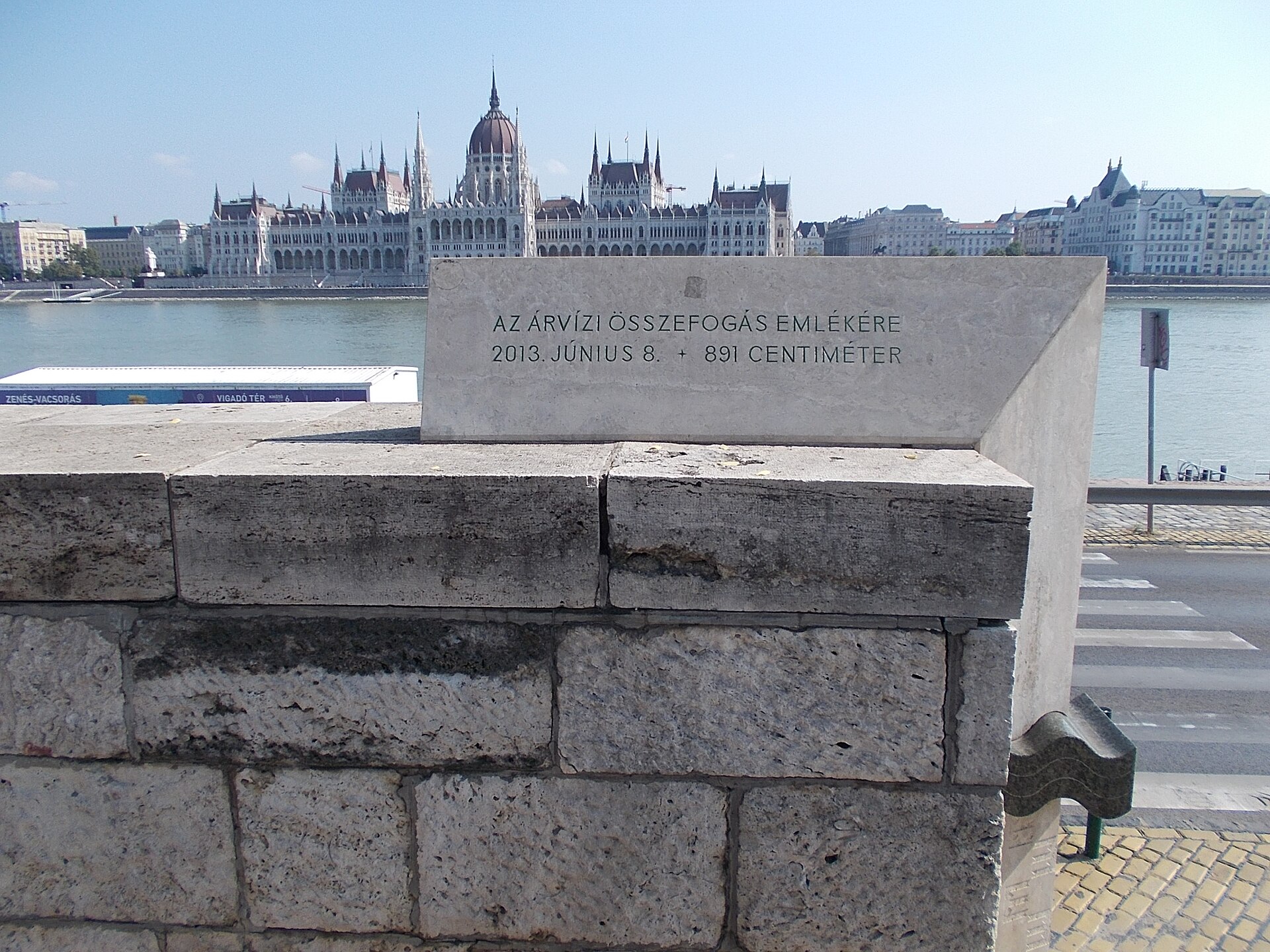
Budapest has the most dramatic setting of any city in the region: the Danube runs right through the middle, with the castle hill of Buda on one bank and the domes and spires of Pest on the other, and the bridges between them lit up at night. It has the thermal baths, the ruin bars in the old Jewish quarter, a grittier, more spontaneous energy than Vienna, and noticeably lower prices.
Vienna, by contrast, keeps the Danube at arm’s length — the old centre sits back from the main river, along a canal — and its pleasures are more refined: better museums, better music, better coffee and cake, cleaner streets and smoother service. Budapest can feel tired in places and more chaotic to navigate; Vienna can feel buttoned-up.
Where Budapest wins
- The setting. The Danube panorama between Buda and Pest is one of the great city views of Europe, and it is free.
- The baths. Soaking in an outdoor thermal pool in January is an experience Vienna simply does not offer in its centre.
- Nightlife. The ruin bars and the late-night scene are looser and cheaper than anything in Vienna.
- Value. Eating out and drinking cost markedly less.
Where Vienna wins
- Culture, from the opera to the museums.
- Polish. Cleaner streets, smoother transport and more consistent service.
- Cafés and cake. Budapest has grand cafés too, but Vienna’s coffee-house culture is a way of life.
- Ease. Vienna is simpler to navigate on a first visit, and its sights are better signposted and explained in English.
Choose Budapest for the river, the baths, the nightlife and the price. Choose Vienna for culture and polish. They are about two and a half hours apart by train, which makes the pair the easiest two-city trip in Central Europe.
Vienna, Prague and Budapest: The Scorecard
Because the three capitals are so often visited together, here is how they compare category by category. It is opinion, but it is informed opinion.
| Category | Vienna | Prague | Budapest |
|---|---|---|---|
| Historic centre | Grand, imperial, spacious | The most atmospheric of the three | Dramatic on the river, patchier away from it |
| Museums | World-class | Good | Good |
| Classical music | The best in the world | Very good | Very good |
| Food | Hearty classics, superb pastry | Hearty, cheap, improving fast | Rich and paprika-red, great value |
| Coffee houses | On Austria’s UNESCO intangible heritage inventory | Some beautiful survivors | Grand cafés, fewer of them |
| Nightlife | Good | Lively, with a stag-party element | The liveliest of the three |
| Value for money | The most expensive | Cheaper | Cheaper |
| Crowds in the centre | Busy in summer | Very busy | Busy around the river and the baths |
| Ease for first-timers | The easiest | Easy | Easy, a little more chaotic |
The pattern is clear enough. Vienna wins on culture, comfort and ease; Prague on atmosphere; Budapest on setting, nightlife and value. Visiting all three in ten days is one of the great rail trips of Europe.
Vienna vs Salzburg
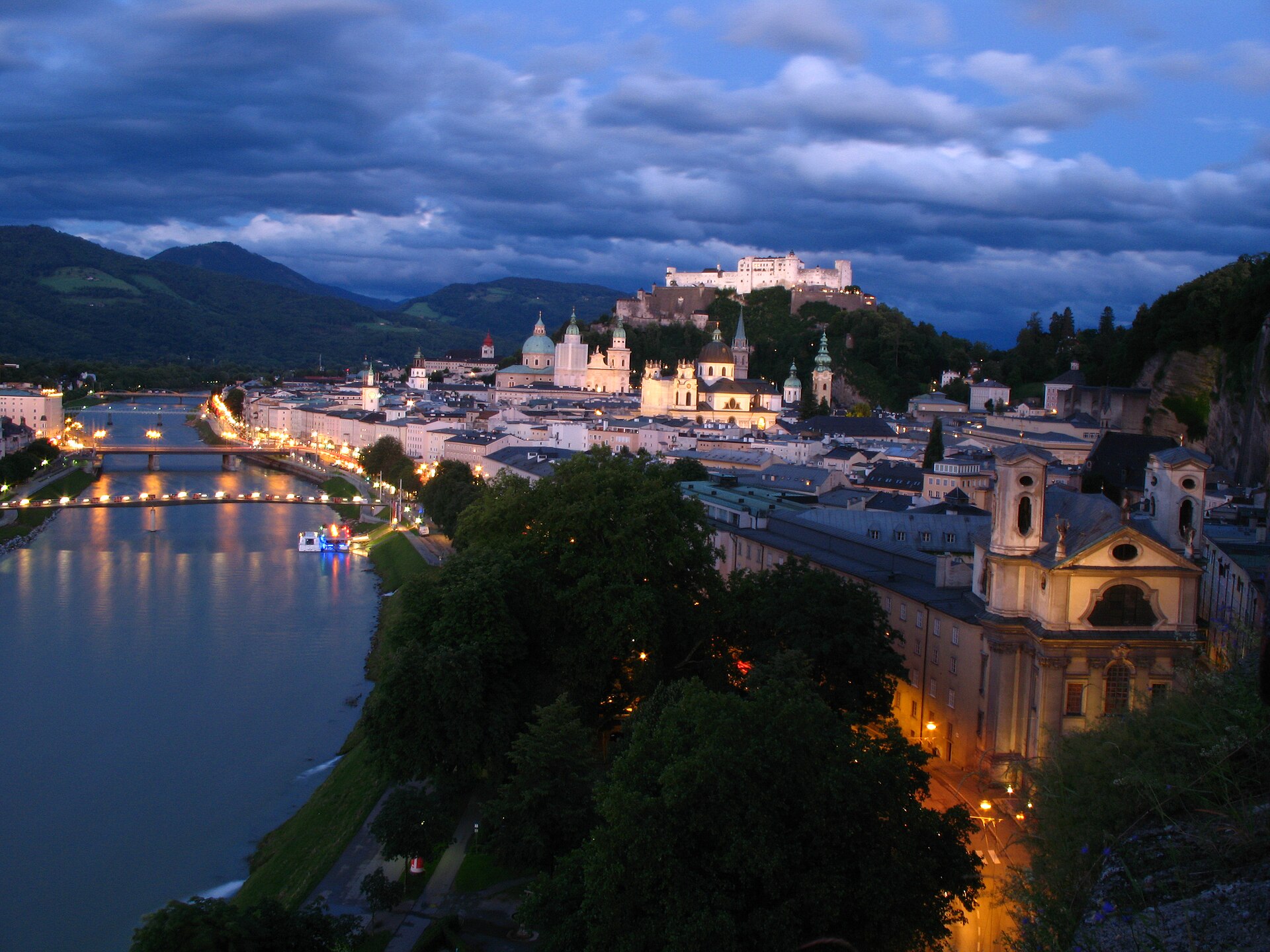
This is not really a contest between equals. Salzburg is a small, perfectly formed Baroque town with a fortress, Mozart’s birthplace, a world-famous summer festival and the Alps on its doorstep; you can see the essentials in a day and love it for two. Vienna is a capital of two million people with the depth to fill a week. Salzburg wins on scenery and compactness; Vienna wins on almost everything else.
The answer for most travellers is both, in that order: Vienna as the base, Salzburg as a long day trip or, better, two nights on the way west. Our Salzburg day trip guide covers the same-day version, and our guide to Austria beyond Vienna shows how to build a longer route.
Vienna vs Munich
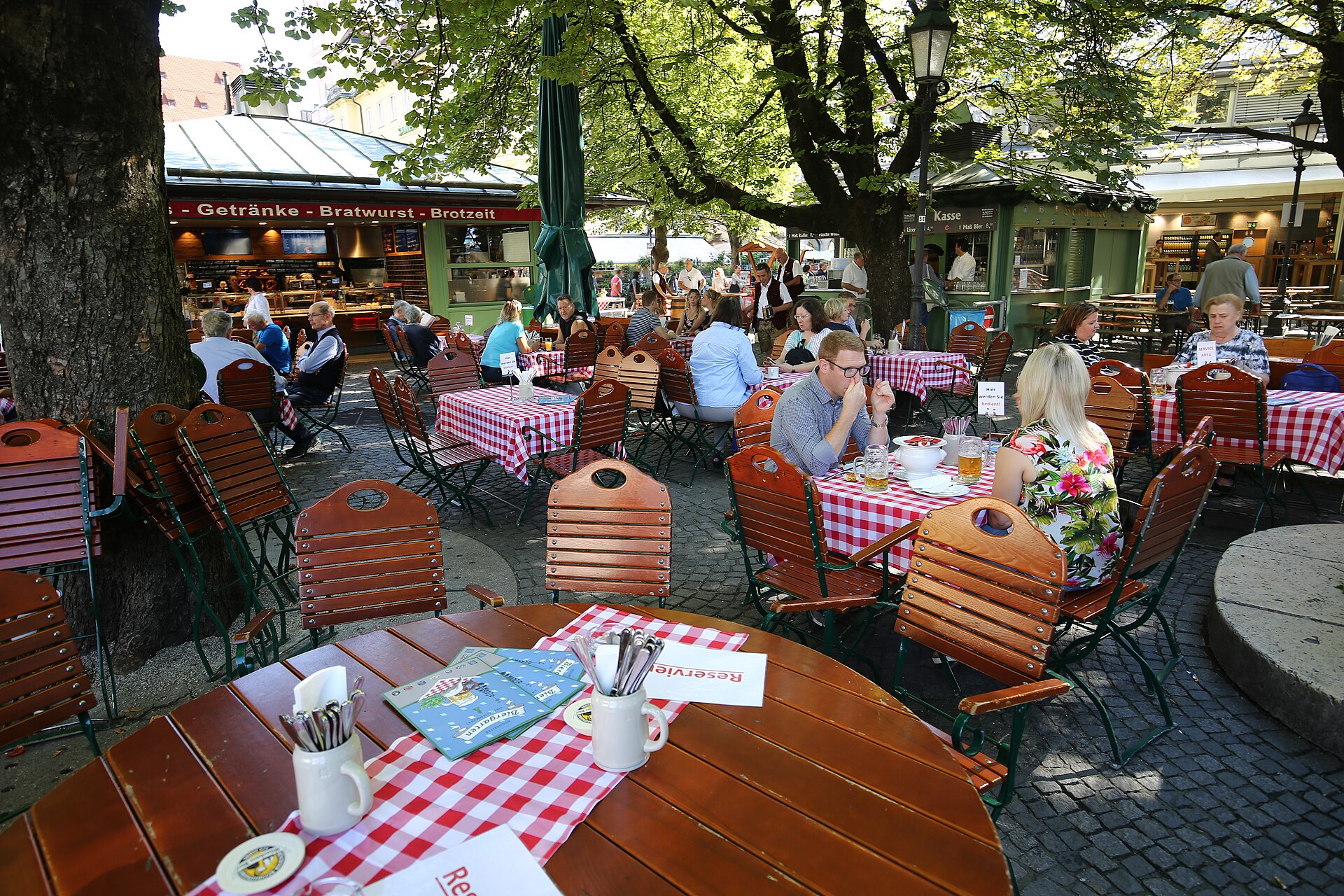
Beer halls or coffee houses — that is the short version. Munich is prosperous, sporty and proudly Bavarian, with world-class beer gardens, the Englischer Garten, excellent galleries and the Alps a train ride away. It is also one of the more expensive cities in Germany, particularly for hotels and especially during Oktoberfest.
Vienna is the more beautiful city, with a richer historic centre, more and better music, and a gentler pace. Munich is better for beer and for using a city as a base for mountain days; Vienna is better for culture and for wandering. If beer is your priority, our Vienna beer guide shows the city holds its own better than you might think. The fastest trains between the two take a little over four hours.
- Munich wins on beer gardens, summer outdoor life by the Isar and in the Englischer Garten, and easy access to the Bavarian Alps.
- Vienna wins on architecture, music, museums, coffee houses and wine — and, usually, on the price of a hotel room.
- It is a draw on food, which in both cities is hearty, meaty and best eaten at lunchtime, and on safety and public transport, which are excellent in both.
Vienna vs Berlin
The two great German-speaking capitals are almost opposites. Berlin is sprawling, informal and restless, a city shaped by the twentieth century — the Wall, the Cold War, reunification — with the best nightlife in Europe, a huge alternative culture and street art on every second wall. Vienna is compact, polished and continuous, a city where the nineteenth century still sets the tone.
Choose Berlin for modern history, clubs and creative energy. Choose Vienna for beauty, music and comfort. Vienna has its own contemporary side, covered in our guide to street art and contemporary Vienna, but nobody comes here for the techno. Direct trains take around eight and a half hours, so most people fly or take the night train.
- Berlin wins on clubs and late nights, modern and Cold War history, contemporary art and the sheer variety of its neighbourhoods.
- Vienna wins on beauty, classical music, museums of older art, cafés and cake, and a compact centre you can walk in a day.
- Choose by temperament. If you want a city that is still making itself up, go to Berlin; if you want one that perfected itself a century ago and has been enjoying it ever since, come to Vienna.
Vienna vs Paris
Paris is bigger, more iconic and more varied: the Louvre and the Musée d’Orsay, the food, the fashion, the river and the grand boulevards that Vienna’s Ringstraße is so often compared with. It is also more expensive, more crowded and more tiring. Vienna offers much of what people love about Paris — grand architecture, great art, café culture — in a calmer, cleaner, cheaper and more manageable package, plus the music that Paris cannot match.
Choose Paris for a first big European city break or for food above all. Choose Vienna if you have done Paris, or if the crowds and prices put you off. Couples will find Vienna every bit as romantic, as our guide to romantic Vienna argues. The two are about two hours apart by air.
- Paris wins on sheer scale, iconic landmarks, art from the Impressionists onwards, food, shopping and fashion.
- Vienna wins on music, calm, cleanliness, value and how little queuing you do for world-class culture.
- The tie-breaker is usually experience: Paris for a first big European city, Vienna for the traveller who has done the obvious capitals and wants something gentler and deeper.
Vienna vs Bratislava
Slovakia’s capital is only about an hour from Vienna by train or seventy-five minutes by catamaran down the Danube, which makes it less a rival than a day out. Bratislava has a small, pretty old town, a hill-top castle, a quirky collection of street sculptures and a lower price level, and it is pleasant for an afternoon. It is not a substitute for Vienna, and it does not pretend to be. See our Bratislava day trip guide and our guide to getting from Vienna to Bratislava.
The Other Rivals in Brief
- Copenhagen edged Vienna for the title of the world’s most liveable city in 2025 and 2026, and shares its cleanliness, cycling and design sense. It is far more expensive and has nothing like Vienna’s musical or imperial heritage.
- Zürich has the lake, the Alps on the horizon and Swiss efficiency, at prices that make Vienna look like a bargain. Vienna has far more to see.
- Rome and Florence beat Vienna for ancient and Renaissance art and for food. Vienna is easier, calmer and cooler in summer.
- Amsterdam has the canals and a famous nightlife; Vienna has more space, better music and fewer crowds per square metre.
- Kraków is the budget alternative: a beautiful old town and a fraction of the price, but a much smaller city with less to do.
- Venice is around seven hours from Vienna by direct Railjet, a scenic way to combine the two. It is unique, but in summer it is a lesson in crowds that makes Vienna feel spacious.
Combining Vienna with Its Rivals
Vienna is the natural hub of Central European rail, and several of its rivals pair with it easily. Typical fastest times from Wien Hauptbahnhof:
| Route | Fastest train | Good for |
|---|---|---|
| Vienna – Bratislava | About 1 hour | A day trip |
| Vienna – Budapest | About 2½ hours | A two-city trip, two or three nights in each |
| Vienna – Salzburg | About 2½ hours | A long day trip or a two-night stop |
| Vienna – Prague | About 4 hours by Railjet | The classic three-capital route |
| Vienna – Munich | About 4 to 4½ hours; about 4½ to 5 hours from 8 February to 9 July 2027 | A west-bound journey via Salzburg; from 8 February to 9 July 2027 the direct Railjets run via Passau |
| Vienna – Venice | About 7 hours | A scenic day across the Alps |
| Vienna – Berlin | About 8½ hours | A long day, or the night train |
The classic combination is Prague, Vienna and Budapest in that order, with three nights in each; it flows south-east by train with no backtracking. A gentler version swaps Prague for Salzburg and the lakes. If you have only one week and must choose two cities, Vienna and Budapest make the most complementary pair: refinement and river, coffee and baths.
Making Vienna Worth It on Any Budget
Vienna’s prices put some travellers off before they arrive, which is a shame, because the city is unusually generous to people who know where to look. A trip that would cost a fortune done carelessly can be very reasonable done well:
- Free culture. The permanent exhibition of the Wien Museum on Karlsplatz is free, every Wien Museum site is free on the first Sunday of the month, and under-19s go free at the federal museums. Our guide to the Wien Museum and the Technisches Museum covers two of the best.
- Free green space. Schönbrunn’s main park, the Prater, the Danube Island and the Vienna Woods cost nothing and can fill a day each.
- Cheap music. Opera standing room at €13 to €18 is hard to beat for value.
- Cheap lunches. The set lunch menu in a neighbourhood inn, or a sausage at a Würstelstand counter, keeps food costs down without sacrificing anything Viennese.
- Cheap transport. A digital 24-hour pass costs €9.70 (€10.20 on paper) and covers the U-Bahn, trams and buses in the core zone, so you rarely need a taxi.
Our guides to free things to do in Vienna and Vienna on a budget go further.
Getting Between the Cities: Practical Tips
- Take the train, not a plane. For Bratislava, Budapest, Salzburg, Prague and Munich, the train is faster door to door than flying once you add airport transfers and security, and it drops you in the city centre.
- Book early on the busy routes. ÖBB’s Sparschiene advance fares on oebb.at are far cheaper than walk-up tickets, and the Railjets to Budapest and Prague fill up on Friday and Sunday afternoons and in summer. A seat reservation costs a few euros and is worth it at those times.
- Consider the bus for short hops. Long-distance coaches to Bratislava and Budapest are cheap and not much slower than the train; to Prague they lose more time.
- Use the night trains for the long legs. ÖBB’s Nightjet sleepers link Vienna with cities including Berlin, Hamburg, Zürich, Venice and Rome, saving a hotel night and a day of travelling.
- Plan a one-way route. A Prague–Vienna–Budapest trip flows naturally with no backtracking, and open-jaw flights — into one city, out of another — usually cost little more than a return.
For the Slovak leg, our guide to getting from Vienna to Bratislava compares the train, the bus and the boat.
Who Will Love Vienna — and Who Will Not
Vienna is perfect for
- Music lovers, at every budget from standing room to the Philharmonic.
- Art and architecture lovers, from Gothic to Jugendstil to Red Vienna’s social housing.
- Food and coffee lovers, especially anyone with a sweet tooth.
- First-time visitors to Central Europe, who will find it easy, safe and well signposted.
- Couples, for the cafés, the music and the Christmas markets.
- Families, thanks to safe streets, excellent public transport and child-friendly museums; see our guide to Vienna with kids.
- Solo travellers, who can eat, drink coffee and go to concerts alone without a second glance; our solo travel guide has more.
Vienna is probably not for you if
- You want a cheap party weekend — Budapest, Prague or Kraków will suit you better.
- You find museums, palaces and classical music boring, and are not interested in coffee houses.
- You want a beach or a big-river promenade at the centre of things.
- You travel to be surprised by chaos and spontaneity; Vienna’s charm is its order.
The verdict by traveller type
| Traveller | Is Vienna worth it? | If not Vienna, try |
|---|---|---|
| Classical music fan | Absolutely — the best city in the world for it | — |
| Art lover | Yes | Paris or Florence for a different era |
| First-time European traveller | Yes — easy, safe and rewarding | Combine it with Prague or Budapest |
| Couple on a romantic break | Yes, especially in December | Prague for a cheaper version |
| Family with children | Yes | — |
| Backpacker on a tight budget | Yes, for a few days, with care | Budapest or Kraków for longer stays |
| Party-focused group | Probably not | Budapest or Berlin |
| Outdoor and mountain lover | Yes, as a base or a starting point | Innsbruck or Salzburg |
How Long Vienna Needs
Two days is enough to see the headline sights at a run, three days is the sweet spot for a first visit, and four or five days lets you add the Vienna Woods, a Heuriger evening, a concert and a day trip. People who leave disappointed have usually tried to do it in a day on the way somewhere else.
| Time in Vienna | What fits |
|---|---|
| 1 day | The Innere Stadt, Stephansdom, one palace or museum, and a coffee house |
| 2 days | Add Schönbrunn and either the Belvedere or the Kunsthistorisches Museum, plus an evening of music |
| 3 days | Add the Naschmarkt, the MuseumsQuartier and a Heuriger evening on the edge of the vineyards |
| 4–5 days | Add the Vienna Woods, the Prater and the Danube, and a day trip to the Wachau or Bratislava |
The longer you stay, the more Vienna rewards you, because its best experiences are unhurried ones. Our guide to how many days to spend in Vienna sets out each option.
When Vienna Is Most Worth It
- Late November to Christmas: the Christmas markets, the lights and mulled wine make December the most atmospheric month. See our Christmas markets guide.
- January and February: the ball season, with hundreds of formal balls, and empty museums — if you can handle the grey skies. Our ball season guide explains how to go.
- April to June: blossom, café terraces and the opera season in full swing.
- September and October: the wine harvest, new wine in the Heurigen, golden light in the Vienna Woods and fewer crowds.
- July and August: hot, busy and quieter for classical music, with the opera houses closed for the summer — but the Danube and the open-air festivals make up for a lot.
The full month-by-month picture is in our guide to the best time to visit Vienna.
Why Some Visitors Are Disappointed
Almost every unhappy review of Vienna comes down to one of these:
- Trying to see it in a day. It is a city for slowing down, not ticking off.
- Buying concerts from costumed street sellers. The cheapest real music in Vienna is better than the most expensive tourist concert.
- Eating only on the tourist strips. The schnitzel on Kärntner Straße is not the schnitzel that made Vienna famous; our schnitzel guide shows where to find the real thing.
- Visiting Schönbrunn at midday in August. Book a morning slot.
- Expecting Berlin. Vienna has a nightlife, but it is not why people fall for the city.
- Brusque service. It is a house style, not a verdict on you.
Our first-time tips cover the rest.
Frequently Asked Questions
Is Vienna worth visiting?
Yes. It is one of Europe’s great cultural capitals, with world-class music, museums and architecture, a unique coffee-house culture and a quality of life that rivals any city in the world. It suits travellers who enjoy culture and comfort better than those looking for a cheap party.
Is Vienna boring?
Only if you dislike museums, music and long lunches. Vienna is calm rather than wild, and its pleasures are slow ones, but between the opera, the Heurigen, the Prater, the Danube and the bars along the canal, there is plenty to do from morning to late at night.
Is Vienna better than Prague?
Neither is better; they are different. Prague is more medieval, more compact and cheaper; Vienna is grander, calmer and far stronger on music, museums and coffee houses. They are four hours apart by train, so many people visit both.
Should I visit Vienna or Budapest?
Budapest for the river setting, the baths, the nightlife and lower prices; Vienna for culture, polish and comfort. If you have a week, do both — the train between them takes about two and a half hours.
Is Vienna expensive?
It is pricier than Prague, Budapest or Bratislava, similar to Munich or Berlin, and cheaper than Paris, London or Zürich. Free museums, standing-room opera tickets at €13–18 and lunch menus keep costs down; see our Vienna on a budget guide.
Is two days in Vienna enough?
Two days covers the essentials — the centre, Schönbrunn, one major museum and a coffee house — but three days is far better for a first visit, and four or five lets you slow down to the city’s pace.
Is Vienna worth visiting in winter?
Very much so. December brings the Christmas markets, and January and February the ball season, quiet museums and lower hotel prices. Dress warmly, plan for short days and use the coffee houses as your heating.
Is Vienna good for young travellers?
Yes, though it is a city for culture and good food more than for wild nights. Students and under-26s get discounts at many museums, standing-room opera is cheap, and the summer scene along the Danube Canal and on the Danube Island is relaxed and sociable.
Is one day in Vienna worth it?
One day is better than none, especially as a stop between Prague and Budapest, but it only scratches the surface. Concentrate on the Innere Stadt, one museum or palace and a coffee house, and plan to come back. Our one-day itinerary makes the most of it.
Is Vienna safe for tourists?
Vienna is generally safe for visitors. Pickpockets work the busiest tourist areas and transport hubs, as everywhere, so take the usual precautions in crowds.
Vienna or Salzburg for Christmas markets?
Vienna has more markets and more variety, from the big one on Rathausplatz to smaller, more local ones at Spittelberg and Schönbrunn. Salzburg’s markets are fewer but sit in a more fairy-tale setting. With two and a half hours between them by train, you can enjoy both.
Related Vienna Guides
- The Complete Vienna Travel Guide
- First-Time Vienna Tips
- How Many Days in Vienna?
- What a Vienna Trip Costs
- Austria Beyond Vienna
- Bratislava Day Trip from Vienna
- Vienna Coffee Houses
- Vienna Classical Music Guide
Photo Credits
Vienna’s rooftops from the south tower of Stephansdom: Wien, Stephansdom, Blick vom Südturm — 2018 — 3268 by Dietmar Rabich, CC BY-SA 4.0, via Wikimedia Commons.
The Týn Church and Old Town Square, Prague: Church of Our Lady Before Tyn in Old Town Square Prague (34349652964) by Nan Palmero from San Antonio, TX, USA, CC BY 2.0, via Wikimedia Commons.
The Hungarian Parliament across the Danube: Bem Kai, Hochwasser-Mahnmal, Parlamentsgebäude, 2023 Víziváros by Globetrotter19, CC BY-SA 4.0, via Wikimedia Commons.
The Viktualienmarkt beer garden, Munich: Viktualienmarkt 2018-09-12 8723 by Henning Schlottmann (User:H-stt), CC BY-SA 4.0, via Wikimedia Commons.