The Perfect 3-Day Vienna Itinerary: Day-by-Day Guide
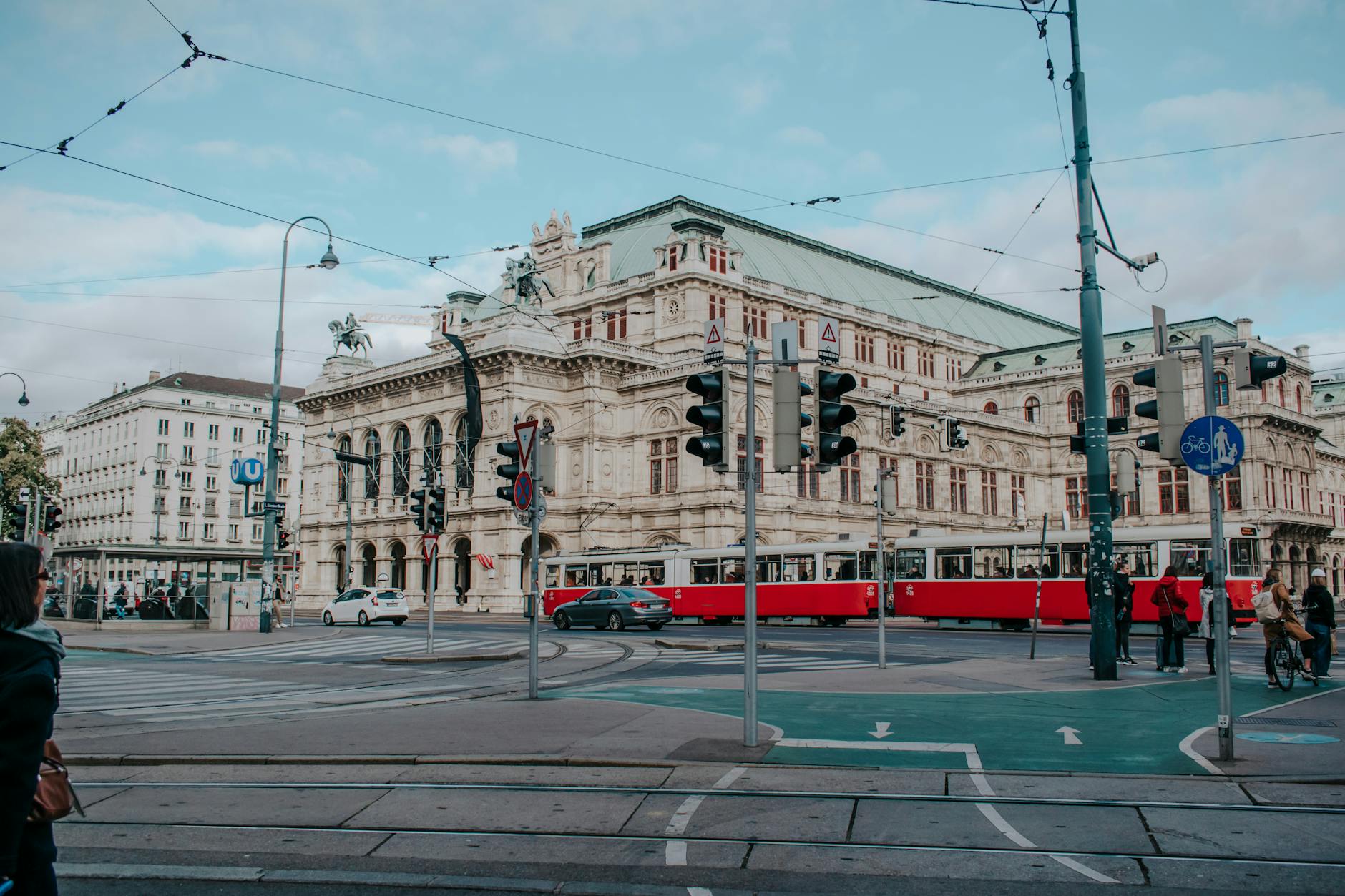
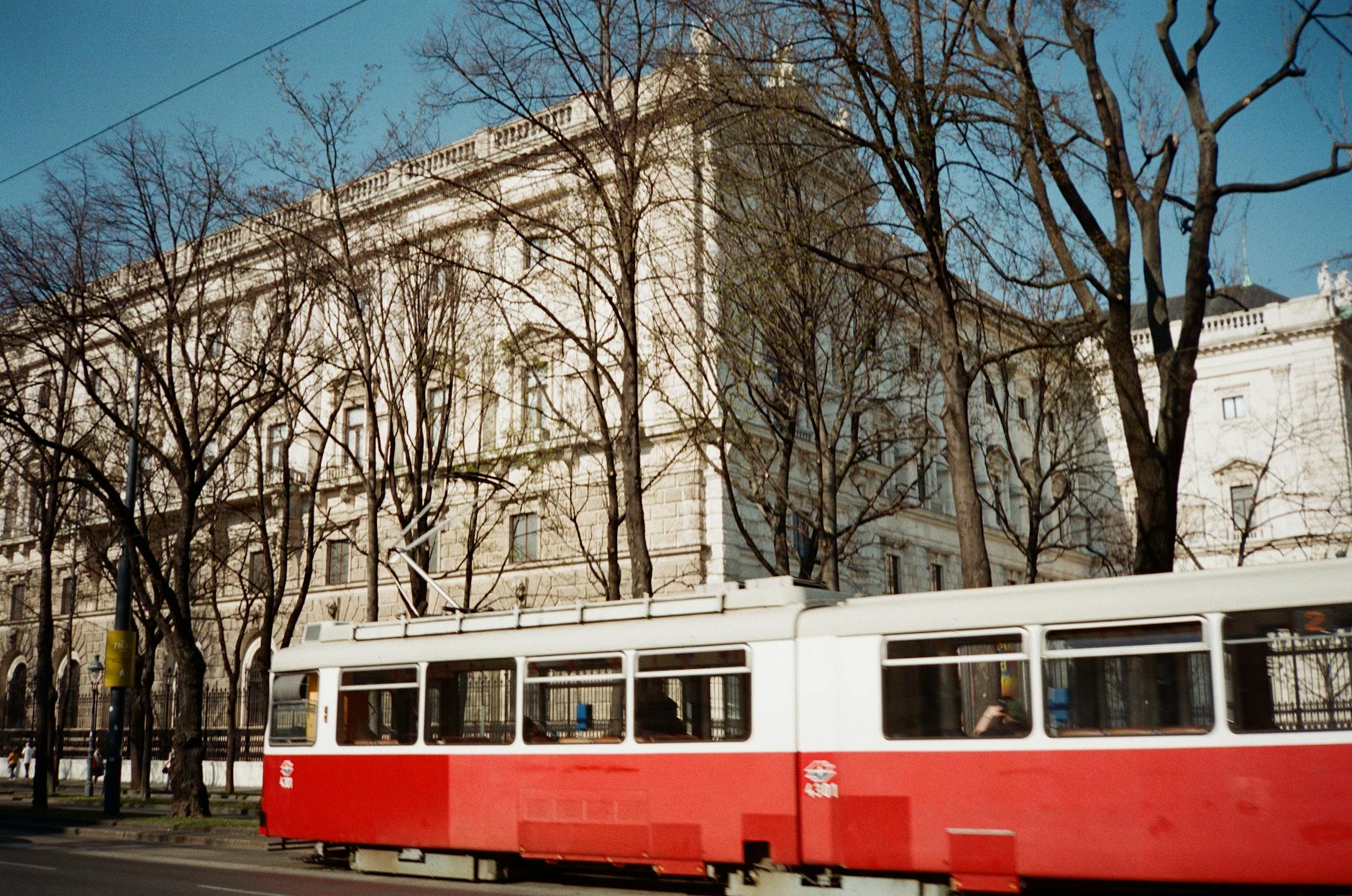
Vienna's iconic trams glide past the State Opera — the Ringstraße is a sightseeing route in itself
- Before You Go: 3-Day Planning Essentials
- Day 1: Vienna’s Historic Heart
- Day 2: Palaces, Markets, and Local Life
- Day 3: Art, Neighborhoods, and Authentic Vienna
- Where to Stay for a 3-Day Trip
- 3-Day Vienna Budget Breakdown
- How to Customize This Itinerary
- Practical Tips for 3 Days in Vienna
- Related Vienna Guides
This article contains advertising. Our booking links are routed through a partner that adds commission tracking automatically, so if you book through one we earn a commission from the provider, at no extra cost to you. It never affects what we recommend. Affiliate disclosure
Three days is the sweet spot for a first visit to Vienna. It’s long enough to see all the major highlights — the imperial palaces, world-class museums, and grand coffeehouses — while leaving room for the slower, more authentic experiences that make Vienna truly special. This 3-day Vienna itinerary takes you from the Gothic splendor of Stephansdom to the Baroque magnificence of Schönbrunn, through bustling food markets and quiet neighborhood streets, with evenings spent at the opera, in wine taverns, and along the illuminated Ringstraße.
We’ve organized each day geographically to minimize backtracking, included timing estimates and cost breakdowns, and built in enough flexibility that you can swap attractions based on your interests. Whether you’re visiting Vienna for a long weekend, as part of a larger European trip, or as a dedicated city break, this day-by-day guide ensures you won’t miss anything essential.
Before You Go: 3-Day Planning Essentials
Getting around: Vienna’s public transport is excellent. Wiener Linien no longer sells 48- or 72-hour tickets, so buy a 7-day ticket (€28.90, or €25.20 in the WienMobil app) for unlimited travel on all U-Bahn, tram, and bus lines. For three days it costs less than three 24-hour passes at €10.20 each, and it saves time buying individual tickets (€3.20 each, €3.00 in the app).
Vienna PASS: If you plan to enter multiple paid attractions, the 3-day Vienna PASS (€135) includes entry to 60+ attractions plus hop-on hop-off buses. It’s worthwhile if you visit Schönbrunn Palace, Hofburg Imperial Apartments, the Belvedere, the Kunsthistorisches Museum, and at least one more attraction.
Timing tips: Book Schönbrunn Palace tickets online in advance to skip the queue. Visit popular museums early in the morning or late in the afternoon to avoid peak crowds. Many museums are closed on Mondays, so plan accordingly.
Where to stay: The 1st District (Innere Stadt) puts you closest to everything but at premium prices. The 7th District (Neubau) and 4th District (Wieden) offer the best balance of location, atmosphere, and value — both are walkable to the center and near the U-Bahn.
Day 1: Vienna’s Historic Heart
Vienna’s first impression is its grandest. The Inner City — barely 3 square kilometers enclosed within the Ringstraße — contains more world-class landmarks per square meter than almost anywhere else in Europe. Today you’ll walk through streets that have been at the center of European history for centuries, from the medieval cathedral where Habsburg emperors were crowned to the imperial palace complex that governed an empire of 50 million people. The distances are short (nothing is more than a 20-minute walk from Stephansdom), but the density of history and beauty at every turn means you’ll want to take your time.
Your first day focuses on the Inner City — the compact historic center within the Ringstraße that contains Vienna’s most iconic landmarks. Everything today is walkable, so comfortable shoes are your most important accessory.
Morning: Stephansdom and the Old Town (8:30–12:00)
The old town walk from Stephansdom to the Hofburg covers barely one kilometer, but you could spend a lifetime exploring the side streets, courtyards, and hidden details along the way. Vienna’s 1st District is essentially a open-air museum of European architecture — every building tells a story, from the narrow medieval lanes near Blutgasse to the grand imperial avenues that radiate from the Hofburg.
Start at Stephansdom (St. Stephen’s Cathedral), the spiritual heart of Vienna since the 14th century. The main nave is free to enter — take in the stunning Gothic architecture, the carved stone pulpit, and the Baroque high altar. Climb the South Tower (343 steps, €6) for the best panoramic views in Vienna — the rooftop mosaic of the double-headed eagle and the city stretching to the Vienna Woods are unforgettable from this height.
From Stephansdom, walk west through the Graben — one of Vienna’s most beautiful streets, with the ornate Baroque Plague Column (Pestsäule) at its center. Continue along Kohlmarkt, Vienna’s most exclusive shopping street, pausing at Demel (the former imperial confectioner, since 1786) for an Apfelstrudel or a box of handmade chocolates.
Kohlmarkt leads directly to the Michaelerplatz entrance of the Hofburg. Walk through the imperial courtyards — the grand In der Burg square, through the medieval Schweizertor (Swiss Gate), and out to Heldenplatz with its sweeping views. If you want to go inside, the Imperial Apartments (€15 for adults until 18 November 2026) provide a fascinating window into Habsburg daily life. The Sisi Museum is closed until its redesign opens on 19 November 2026, when the ticket price changes.
Lunch: A Classic Coffeehouse (12:00–13:30)
Café Central (Herrengasse 14), one of the world’s most famous coffeehouses, where Freud, Trotsky, and Peter Altenberg once held court, has been closed for renovation since 16 March 2026 and is scheduled to reopen in winter 2026. While it is shut, its temporary DECENTRAL operates at Freyung, a few steps from Herrengasse. When the main café reopens, its vaulted ceilings and marble columns create an atmosphere that hasn’t changed much in over a century. Order a classic Wiener Schnitzel (€18–€22) or Tafelspitz (boiled beef, Emperor Franz Joseph’s daily lunch, €20–€24), followed by a melange (the Viennese equivalent of a cappuccino, served in a glass) (Viennese coffee) and a slice of cake. Budget €25–€35 per person.
Afternoon: World-Class Art (14:00–17:00)
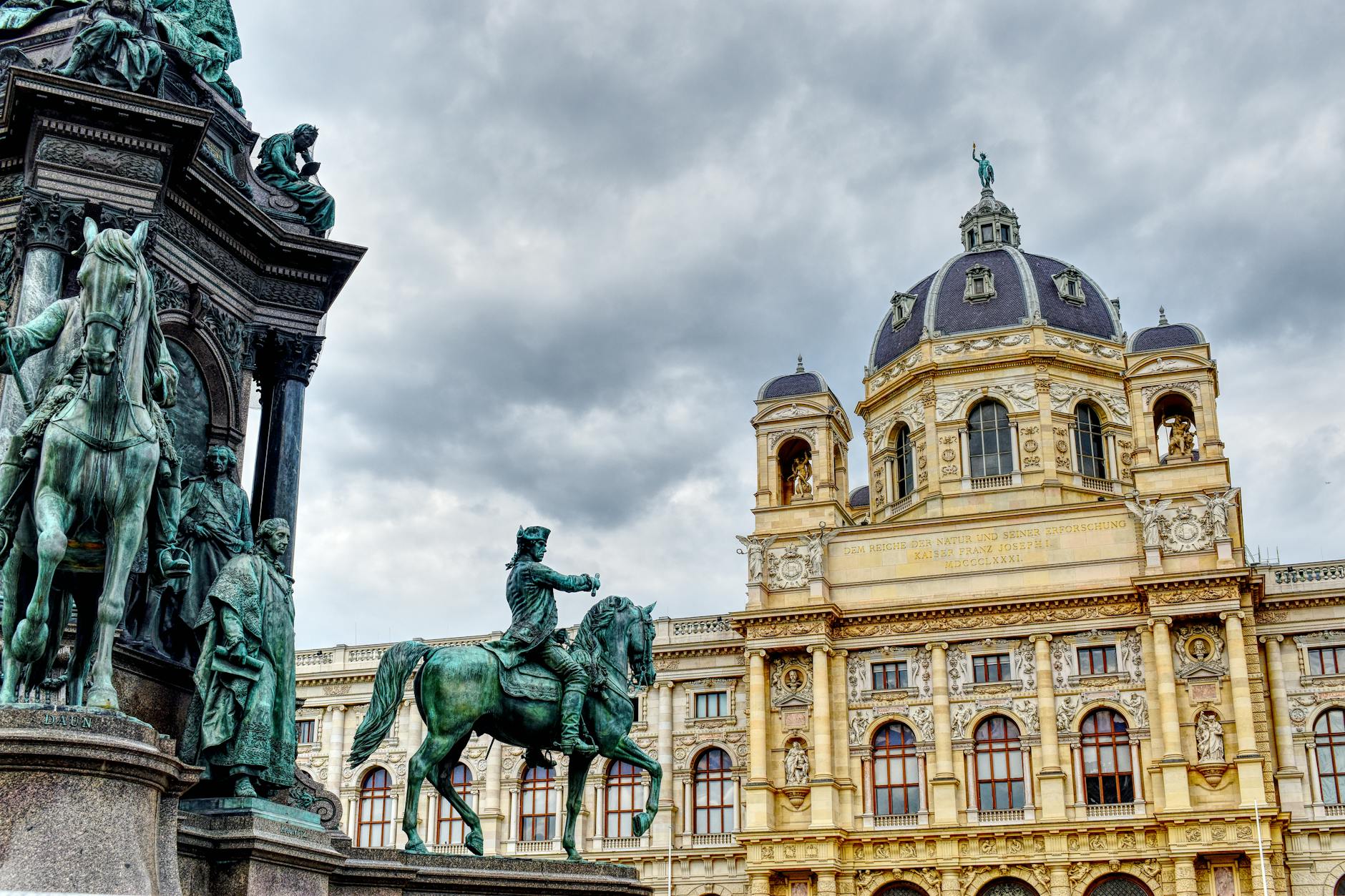
Head to Maria-Theresien-Platz for the Kunsthistorisches Museum (€22 online, €24 at the museum, free under 19) — one of the world’s great art museums. The building itself is a masterpiece, with Klimt-decorated ceilings and a grand marble staircase. The collection includes Bruegel’s extraordinary paintings (the world’s finest collection of his work), Vermeer’s “The Art of Painting,” and major works by Raphael, Titian, Caravaggio, and Velázquez. Allow 2–3 hours for a focused visit.
Afterward, cross the plaza to the MuseumsQuartier (MQ) — one of the world’s largest cultural complexes. Even if you don’t enter another museum, the MQ’s courtyard is a wonderful place to relax with a drink from one of the cafés, sitting on the colorful “Enzis” furniture alongside locals.
Evening: Ringstraße Walk and Opera (17:30–22:00)
Take an evening stroll along the Ringstraße — the magnificent boulevard lined with Vienna’s greatest 19th-century buildings. Walk from the Parliament (Greek Revival) past the Rathaus (Neo-Gothic City Hall) to the Burgtheater (National Theater). Each building was designed in a historical style chosen to reflect its purpose.
End your evening at the Vienna State Opera. Standing-room tickets go on sale 80 minutes before each performance for just €13–€15 — one of the world’s greatest cultural bargains. Queue 45–60 minutes before sale time for the best spots. Even non-opera fans are moved by the experience of being in one of the world’s most beautiful performing arts venues.
Day 2: Palaces, Markets, and Local Life
Today you’ll venture beyond the tourist center to discover two sides of Vienna that first-time visitors often miss: the vibrant food culture centered on the Naschmarkt, and the imperial scale of Schönbrunn Palace on the city’s western edge. You’ll also get your first taste of “local Vienna” in the creative 7th District, where the atmosphere shifts from tourist grandeur to genuine neighborhood life. This day requires the most transit travel, so your 7-day ticket starts earning its keep.
Day 2 takes you from the colorful chaos of Vienna’s best food market to the imperial splendor of Schönbrunn Palace, with a deep dive into a neighborhood that shows you Vienna beyond the tourist center.
Morning: Naschmarkt and Secession (9:00–11:30)
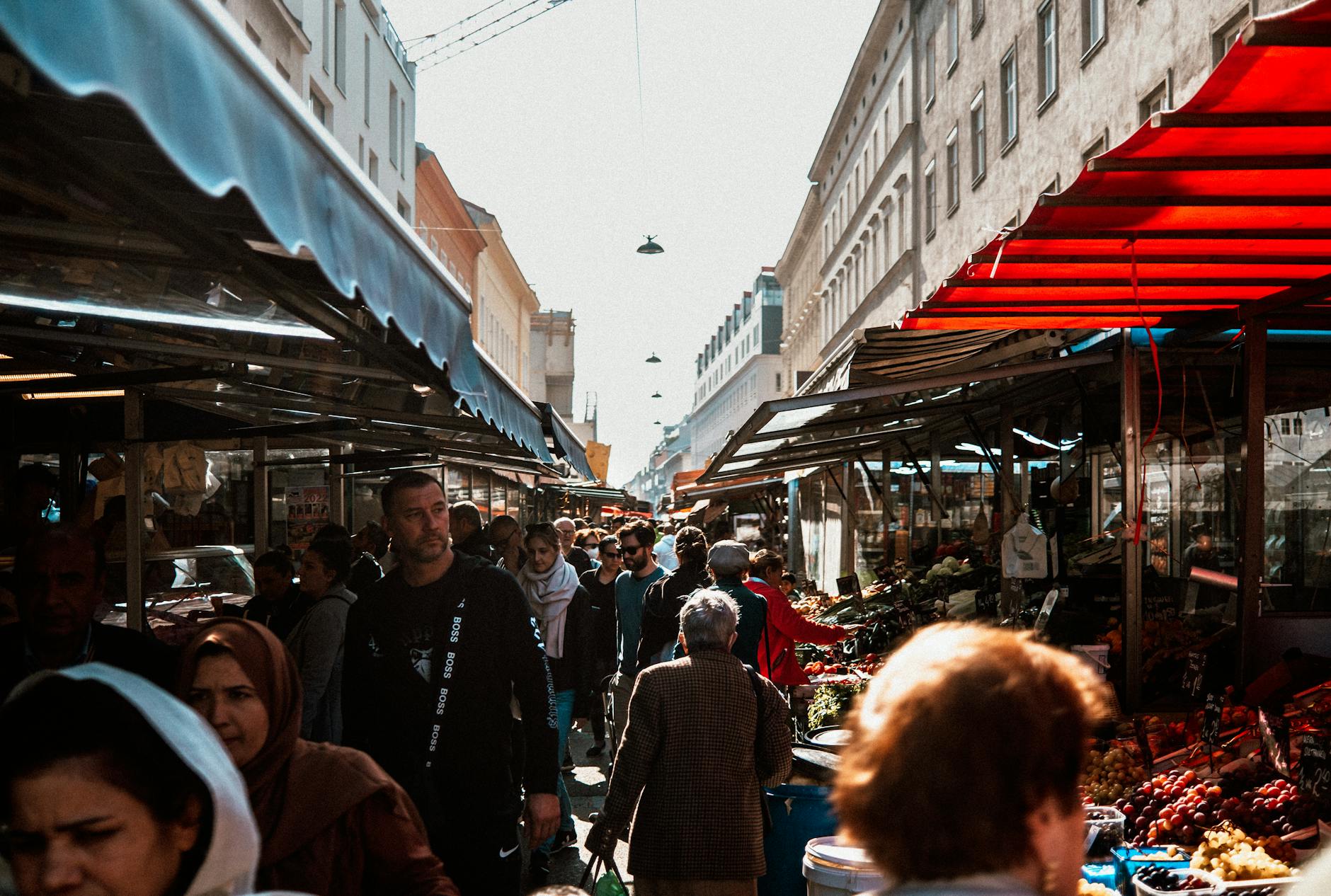
The Naschmarkt has been feeding Vienna since the 16th century, when it served as a milk market (the name likely derives from “Asch,” meaning water channel). Today it’s a multicultural food paradise stretching for 1.5 kilometers — a sensory experience that perfectly captures Vienna’s position as a crossroads between East and West. The market is divided roughly between permanent shops (cheese, wine, spices, meat) and restaurant stalls, with the western end being more authentic and the eastern end more tourist-oriented.
Start your day at the Naschmarkt — Vienna’s most famous food market, stretching for over a kilometer along the Wienzeile. Browse stalls selling Austrian cheeses, Turkish spices, Italian olives, fresh seafood, and prepared foods from around the world. Have breakfast at one of the market’s restaurants — Neni (Middle Eastern brunch) or Urbanek (Austrian deli) are excellent choices.
On Saturdays, the adjacent flea market adds vintage furniture, old records, antique jewelry, and fascinating curiosities. Even on weekdays, the market buzzes with energy from early morning.
Before leaving the area, visit the Secession Building (€13, 10 minutes from Naschmarkt) — the Art Nouveau landmark built in 1898 with its famous golden “cabbage” dome. Inside, Gustav Klimt’s monumental Beethoven Frieze (34 meters long) is alone worth the visit. Across the street, admire Karlskirche (St. Charles’s Church) with its striking dome and twin columns; admission is €9.50 for adults. The church was built after a plague epidemic in 1713 and is one of Vienna’s most distinctive landmarks — its twin columns modeled on Trajan’s Column in Rome are unique in church architecture.
Architecture note: While in the Naschmarkt area, look for the beautiful Art Nouveau apartment buildings designed by Otto Wagner along the Linke Wienzeile — particularly the stunning Majolikahaus (No. 40, decorated with floral tiles) and the Medallionhaus (No. 38). These are masterpieces of Jugendstil architecture and worth a few minutes of admiration.
Late Morning–Afternoon: Schönbrunn Palace (11:30–16:00)
Take the U4 from Karlsplatz to Schönbrunn (15 minutes). The former summer residence of the Habsburgs is Vienna’s most visited attraction — a 1,441-room palace that rivals Versailles. The Grand Tour covers 40 rooms in about an hour (€42) and includes the private apartments of Franz Joseph and Empress Elisabeth, the lavish Mirror Room where the young Mozart performed, and the stunning Great Gallery.
The palace’s history brings every room to life: this is where six-year-old Mozart performed for Empress Maria Theresa, where Napoleon slept during his occupation of Vienna, where Emperor Karl I signed his abdication in 1918, and where Kennedy and Khrushchev held their tense Cold War summit in 1961. After the palace tour, explore the magnificent gardens. The main park is free to enter; the Privy Garden, Orangery Garden and Maze are ticketed. Walk up to the Gloriette hilltop pavilion for sweeping views over the palace, the city skyline, and the Vienna Woods beyond. If you have time and interest, the Tiergarten Schönbrunn (the world’s oldest zoo, founded 1752, €29) is set within the palace grounds and is genuinely excellent — nothing like a typical zoo.
Lunch option: The Café Gloriette at the hilltop pavilion serves Austrian cuisine with a view, or grab a quick bite at the palace café near the entrance.
Late Afternoon: Prater and the Riesenrad (16:30–18:00)
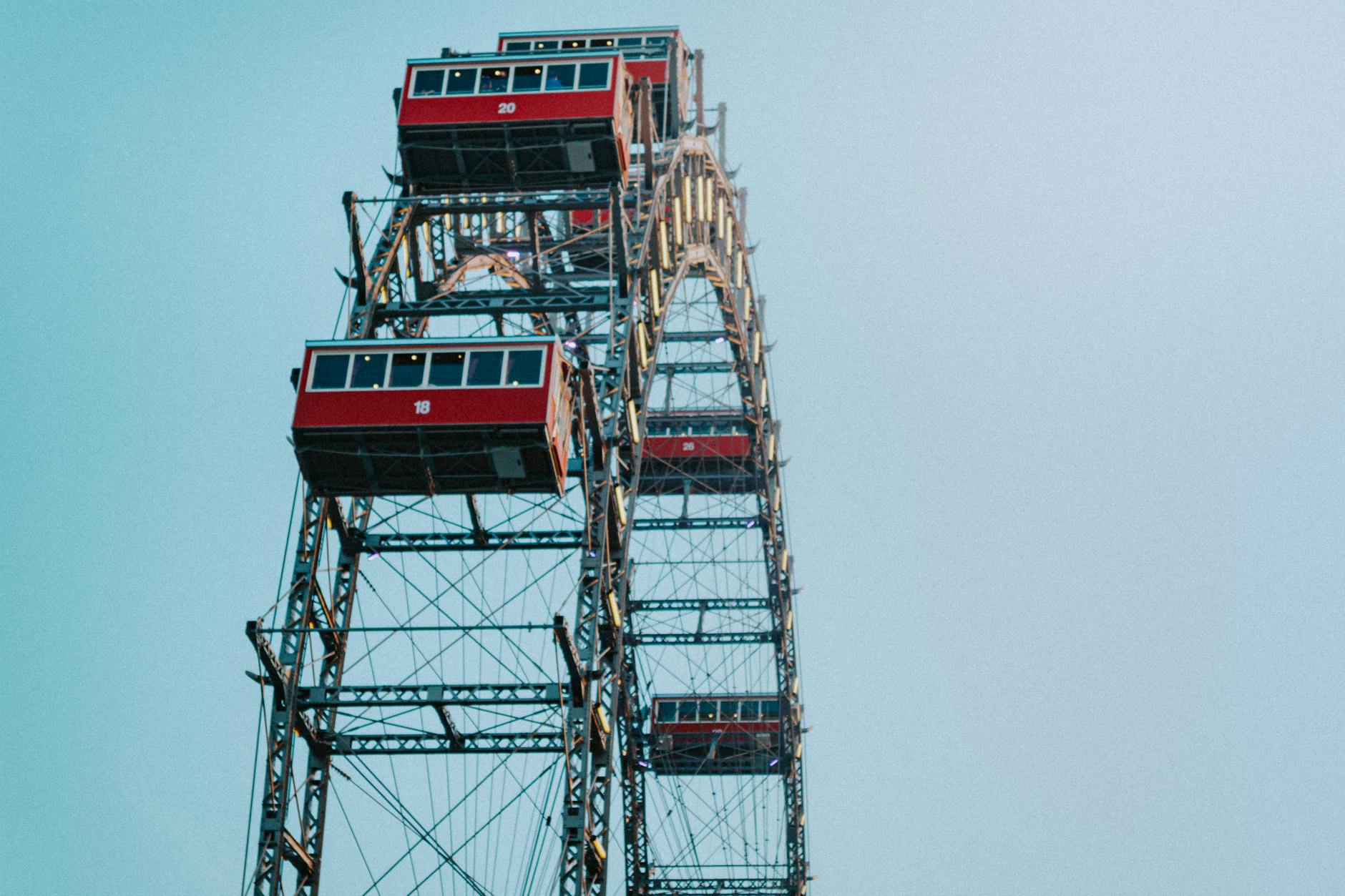
Take the U4 to Praterstern for a visit to the Prater. Ride the iconic Riesenrad (Giant Ferris Wheel) — operating since 1897 and immortalized in the film “The Third Man.” The 15-minute ride (€13.50) offers panoramic views over the city, the Danube, and the vast Prater parklands. Originally built for the 1897 World Exhibition, the Riesenrad is one of Vienna’s most enduring symbols — featured in the climactic scene of “The Third Man” and still operating with its original structure. The wheel turns slowly, so there’s plenty of time for photos.
If you have extra time, stroll along the Hauptallee — the Prater’s long, tree-lined main avenue, a beloved walking and cycling route for Viennese locals since the 18th century.
Afternoon Addition: The Wien Museum (Optional)
If you finish at Schönbrunn earlier than expected, consider a quick stop at the newly renovated Wien Museum at Karlsplatz (free entry). This completely reimagined museum tells the story of Vienna from its Roman origins through the Ottoman sieges, the Habsburg golden age, the coffeehouses of 1900, the horrors of fascism, and the vibrant present. It’s the best single place to understand how Vienna became Vienna, and the free entry makes it a no-brainer.
Evening: Dinner in the 7th District (19:00–22:00)
For dinner, head to the 7th District (Neubau) — Vienna’s most creative and vibrant neighborhood. The area around Spittelberg and Kirchengasse is packed with excellent restaurants ranging from traditional Beisl to modern Austrian cuisine.
Restaurant picks: Glacis Beisl (at the MuseumsQuartier, modern Austrian in a beautiful courtyard), Amerlingbeisl (hidden courtyard restaurant in Spittelberg, classic Viennese food), or Silberwirt (authentic neighborhood Beisl with outstanding Schnitzel). Budget €20–€30 for dinner with a drink. After dinner, the Spittelberg area is lovely for an evening stroll — narrow cobblestone lanes, Biedermeier-era houses, and a village-like atmosphere just steps from the museum district.
Day 3: Art, Neighborhoods, and Authentic Vienna
Your final day brings together the best of Vienna’s art scene with the kind of genuine local experiences that transform a good trip into an unforgettable one. The Belvedere offers a quieter, more intimate palace experience than Schönbrunn, with an art collection that includes Austria’s most famous painting. The afternoon is yours to customize — go deeper into museums, explore neighborhoods most tourists never see, or head for the hills above the city. And the evening? That’s for the Heurigen — Vienna’s most beloved tradition and a fitting farewell to a city that rewards those who slow down.
Your third day is about going deeper — seeing world-class art at the Belvedere, exploring neighborhoods that most tourists miss, and ending with one of Vienna’s most authentic experiences.
Morning: The Belvedere (9:30–12:00)
The Belvedere is often compared unfavorably to Schönbrunn in terms of sheer size, but in many ways it’s the more rewarding visit. The palace is more intimate, the gardens more beautiful, and the art collection — focused on Austrian art from the medieval period to the present — tells a more coherent story. It’s also far less crowded than Schönbrunn, making for a more contemplative experience.
Take tram D to the Upper Belvedere (€23), the stunning Baroque palace built for Prince Eugene of Savoy. The collection centers on Austrian art, with Gustav Klimt’s iconic “The Kiss” as the star attraction — seeing it in person, its gold leaf shimmering, is genuinely breathtaking. The museum also holds important works by Egon Schiele, Oskar Kokoschka, and French Impressionists.
Walk through the elegant French-style gardens connecting the Upper and Lower Belvedere — the view of the Upper Belvedere reflected in the ornamental lake, with the city skyline behind it, is one of Vienna’s most photographed scenes. The Lower Belvedere hosts rotating exhibitions (included in some tickets) and is worth checking if the current show interests you.
Lunch and Afternoon: Choose Your Path (12:30–17:00)
This is where you customize your final day based on what excites you most. We’ve designed three paths with very different characters — each equally rewarding, each showing you a side of Vienna the others miss. The beauty of having three days is that you’ve already covered the essentials, so today is about depth and personal discovery.
Path A — Museum Deep Dive: If you’re an art and culture enthusiast, spend the afternoon at the Albertina (€20.90, near the Opera) — outstanding collections of Monet, Renoir, Picasso, and one of the world’s finest collections of graphic art. Or visit the Leopold Museum (€19, in the MuseumsQuartier) for the world’s greatest collection of Egon Schiele paintings.
Path B — Neighborhood Exploration: For a different perspective on Vienna, explore neighborhoods that most tourists never see. Start in the 2nd District (Leopoldstadt) — historically Vienna’s Jewish quarter and now one of the city’s most diverse and interesting neighborhoods. Explore the 2nd District (Leopoldstadt) — Vienna’s former Jewish quarter, now one of the city’s most interesting neighborhoods. Browse the Karmelitermarkt (a more local, less touristy alternative to Naschmarkt), walk through the Augarten (Baroque gardens with WWII flak towers looming above), Have lunch at Skopik & Lohn (creative Austrian cuisine under a famous ceiling scrawled with black marker) or Tewa (Ethiopian/Eritrean restaurant — excellent and affordable). Then walk through the Stuwerviertel, a formerly rough neighborhood now transformed into one of Vienna’s most up-and-coming areas with street art, independent shops, and multicultural restaurants.
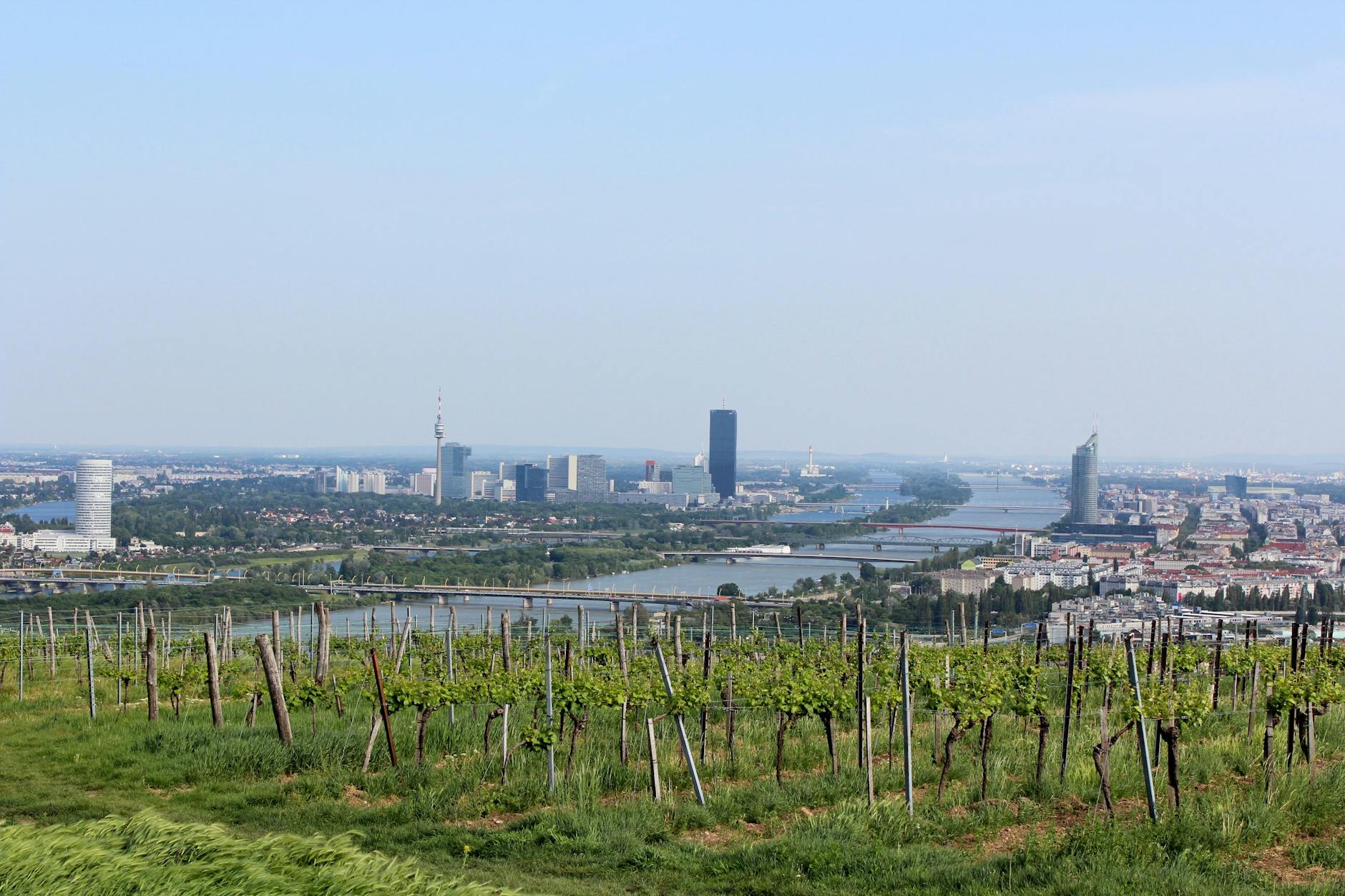
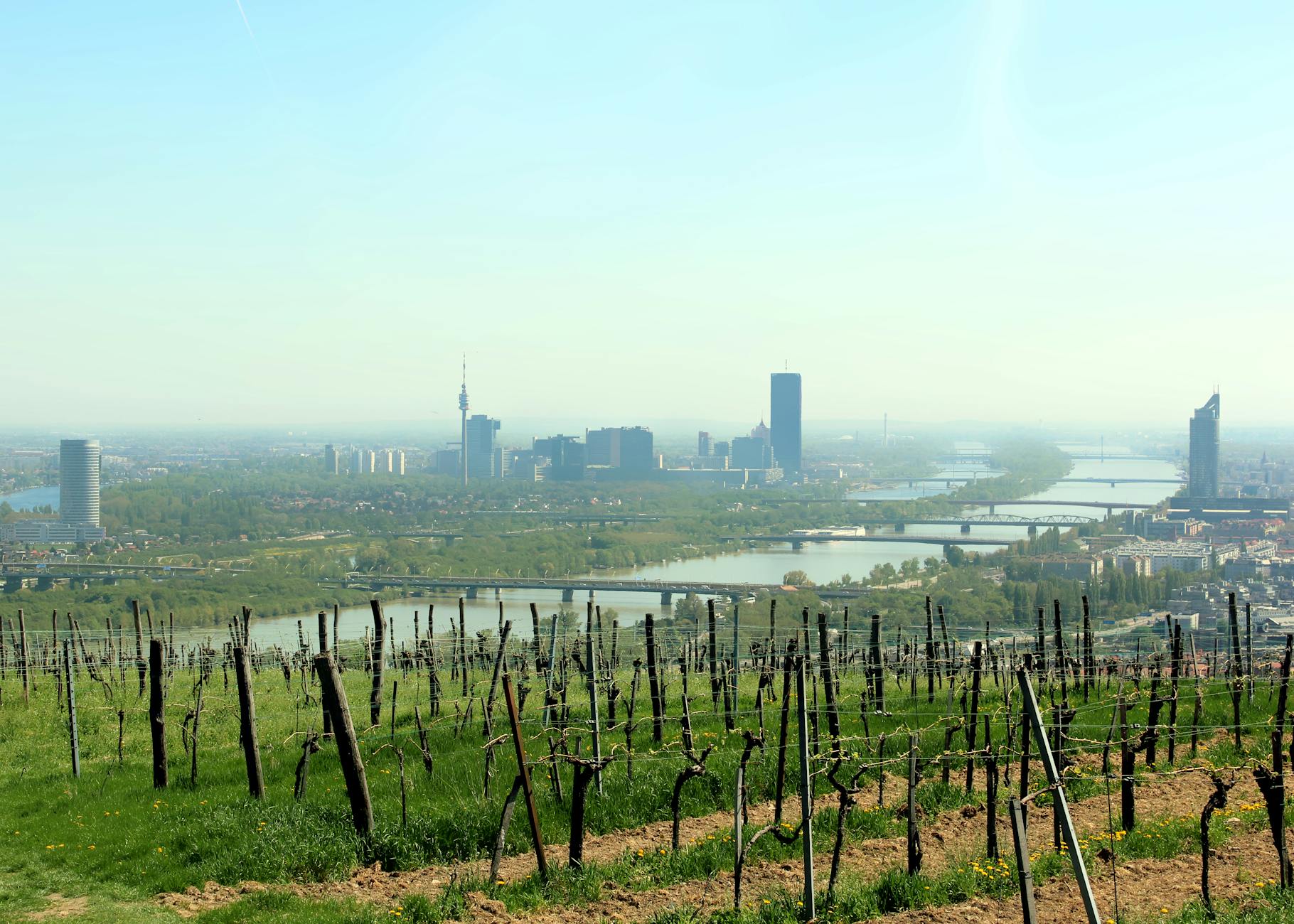
Path C — Outdoor Vienna: Vienna is surprisingly green — over 50% of the city area is parks, gardens, and green spaces, and the Vienna Woods begin literally at the city’s western edge. For nature lovers, take bus 38A to Kahlenberg — the hilltop viewpoint overlooking Vienna, the Danube, and on clear days, the distant Carpathian Mountains. The views are spectacular in every season — green vineyards in summer, golden foliage in autumn, snow-dusted hills in winter. Walk down through vineyards to Nussdorf or Grinzing, where you’ll find Heurigen wine taverns (the perfect afternoon activity).
Evening: The Ultimate Viennese Farewell (18:00–22:00+)
End your three days in Vienna with one of the city’s most authentic experiences:
Option A — Heuriger Evening (Recommended): Take tram 38 to Grinzing or bus 35A to Neustift am Walde for an evening at a traditional Heuriger wine tavern. These are wine taverns serving the current vintage from their own vineyards, with cold buffet food (Liptauer cheese spread, cold cuts, Schmalzbrot) and often live Schrammelmusik (traditional Viennese folk music). A quarter-liter of local wine costs just €3–€5. It’s the most relaxed, most authentic, and most Viennese way to spend your final evening.
Top Heurigen picks: Mayer am Pfarrplatz (Beethoven lived here while composing parts of his 9th Symphony), Fuhrgassl-Huber (stunning terraced garden with city views in Neustift am Walde), or Schübel-Auer (excellent wines and a beautiful hillside setting).
Option B — Classical Concert: Book tickets for a concert at the Musikverein (the Golden Hall, home of the New Year’s Concert) or the Konzerthaus. Standing-room at the Musikverein starts at just €6–€8 for a world-class classical music experience in one of the planet’s finest acoustic spaces.
Option C — Danube Canal Evening: In warmer months (May–September), end your trip along the Donaukanal — the canal banks are lined with pop-up bars, street art, and a young local crowd. Strandbar Herrmann (sand, loungers, DJ sets) or Tel Aviv Beach (cocktails and Israeli food) provide the perfect sunset farewell.
Where to Stay for a 3-Day Trip
Your accommodation choice significantly impacts your 3-day experience. Here are our recommendations by budget level:
Budget (€60–€100/night): The 7th District (Neubau) offers the best value — affordable hotels and guesthouses within walking distance of the MuseumsQuartier and Naschmarkt. The 15th District (Rudolfsheim-Fünfhaus) near Westbahnhof has budget-friendly options with excellent U-Bahn connections.
Mid-range (€100–€200/night): The 4th District (Wieden) and 6th District (Mariahilf) combine central location with reasonable prices. You’re steps from the Naschmarkt, Karlskirche, and the MuseumsQuartier, with easy access to the rest of the city.
Luxury (€200+/night): The 1st District puts you in the heart of everything — Hotel Sacher (famous for its Sachertorte), the Park Hyatt (in a former bank), or the boutique Hotel Topazz near Schwedenplatz are all excellent choices.
3-Day Vienna Budget Breakdown
Here’s what three days in Vienna typically costs per person, based on moderate spending:
Transport: 7-day Vienna ticket — €28.90 (€25.20 in the WienMobil app)
Attractions (moderate): Stephansdom tower (€6) + Hofburg (€15) + Kunsthistorisches Museum (€22 online) + Schönbrunn Grand Tour (€42) + Riesenrad (€13.50) + Belvedere (€23) + Secession (€13) = approximately €135
Food: Mix of coffeehouses, restaurants, and casual eating — roughly €40–€60/day = €120–€180
Evening activities: Opera standing room (€15) + Heuriger evening (€15–€25) = €30–€40
Total estimate: €312.60–€382.60 per person (excluding accommodation)
Budget option: Skip the Vienna PASS, prioritize free attractions (Hofburg courtyards, Schönbrunn gardens, Ringstraße walk, MuseumsQuartier courtyard), eat at Würstelstände and bakeries, and enjoy free evening walks. Sightseeing inside the Stephansdom costs €8 for adults, so set that aside if the cathedral is on your list. A budget 3-day Vienna trip can be done for under €100 per person excluding accommodation.
How to Customize This Itinerary
For Art Lovers
Swap the Prater visit on Day 2 for extra time at the Kunsthistorisches Museum — you could easily spend an entire day here. On Day 3, replace the neighborhood walk with the Leopold Museum (Schiele) and MUMOK (contemporary art) in the MuseumsQuartier. Consider the Albertina for its Impressionist collection and rotating exhibitions. Vienna has over 100 museums — three days lets you visit the best 4–5 properly rather than rushing through more.
For Families with Kids
Replace the Kunsthistorisches Museum on Day 1 with the Natural History Museum (across the plaza — kids love the dinosaur exhibits and meteorite collection). Add Schönbrunn Zoo after the palace tour on Day 2. Swap the Belvedere on Day 3 for the Haus der Musik (interactive sound museum where kids can conduct a virtual orchestra) and extra time at the Prater amusement park. The Technisches Museum near Schönbrunn is another excellent option with hands-on exhibits.
For Food and Wine Enthusiasts
Start Day 2 with a food tour of the Naschmarkt instead of browsing solo — guided tours provide context and tastings you wouldn’t find alone. Replace the Prater visit with a wine bar crawl in the Freihausviertel (around Schleifmühlgasse). On Day 3, skip the museum in favor of a Vienna cooking class (learn to make proper Schnitzel and Apfelstrudel) and extend your Heuriger evening with visits to 2–3 different wine taverns in Neustift am Walde.
For History Buffs
Add the Kaisergruft (Imperial Crypt beneath the Kapuzinerkirche, €15) to Day 1 — the final resting place of 149 Habsburgs, including Maria Theresa and Franz Joseph, in ornate sarcophagi. On Day 2, visit the Wien Museum (newly renovated, free entry) for the complete history of the city from Roman Vindobona to the present. On Day 3, explore the Jewish Museum and Judenplatz memorial, or visit the Military History Museum — housed in the Arsenal and covering Austrian military history with the car in which Archduke Franz Ferdinand was assassinated in 1914.
Practical Tips for 3 Days in Vienna
Book these in advance: Schönbrunn Palace tour (to skip the queue), Opera or Musikverein tickets (popular performances sell out), and your preferred restaurant for a special dinner.
Best days to start: Starting on a Thursday or Friday gives you the weekend for the Saturday Naschmarkt flea market and Sunday morning quiet in the city. Avoid starting on a Sunday if possible, as some shops and restaurants close.
Download these apps: WienMobil (transit), wien.info (events and attractions), and Google Maps offline (download the Vienna area for navigation without data).
Dress in layers: Vienna’s weather can shift quickly, especially in spring and autumn. A light jacket and layers work best. For the opera or a classical concert, smart casual is appropriate — no need for formal wear unless you’re attending a ball.
Coffee protocol: In a traditional Viennese coffeehouse, you order at your table (never at a counter), your coffee comes on a small silver tray with a glass of water, and you’re welcome to sit as long as you like — even hours — without ordering anything else. The waiter will never rush you. This is not a Starbucks; it’s a living room. Act accordingly.
Tipping: In restaurants, round up to the nearest euro for small bills, or tip 5–10% for larger ones. Tell the waiter the total you’d like to pay when they bring the bill (e.g., “Stimmt so” means “keep the change,” or say the total amount). Don’t leave cash on the table.
The most important tip: Don’t try to squeeze in one more museum. The best moments in Vienna come when you’re not rushing — sitting in a coffeehouse watching the world go by, stumbling upon a courtyard concert, or watching the sunset from a Heuriger garden. Leave room for these moments. They’re what you’ll remember long after the palace rooms blur together.