Vienna 1-Day Itinerary: How to See the Best of Vienna in 24 Hours
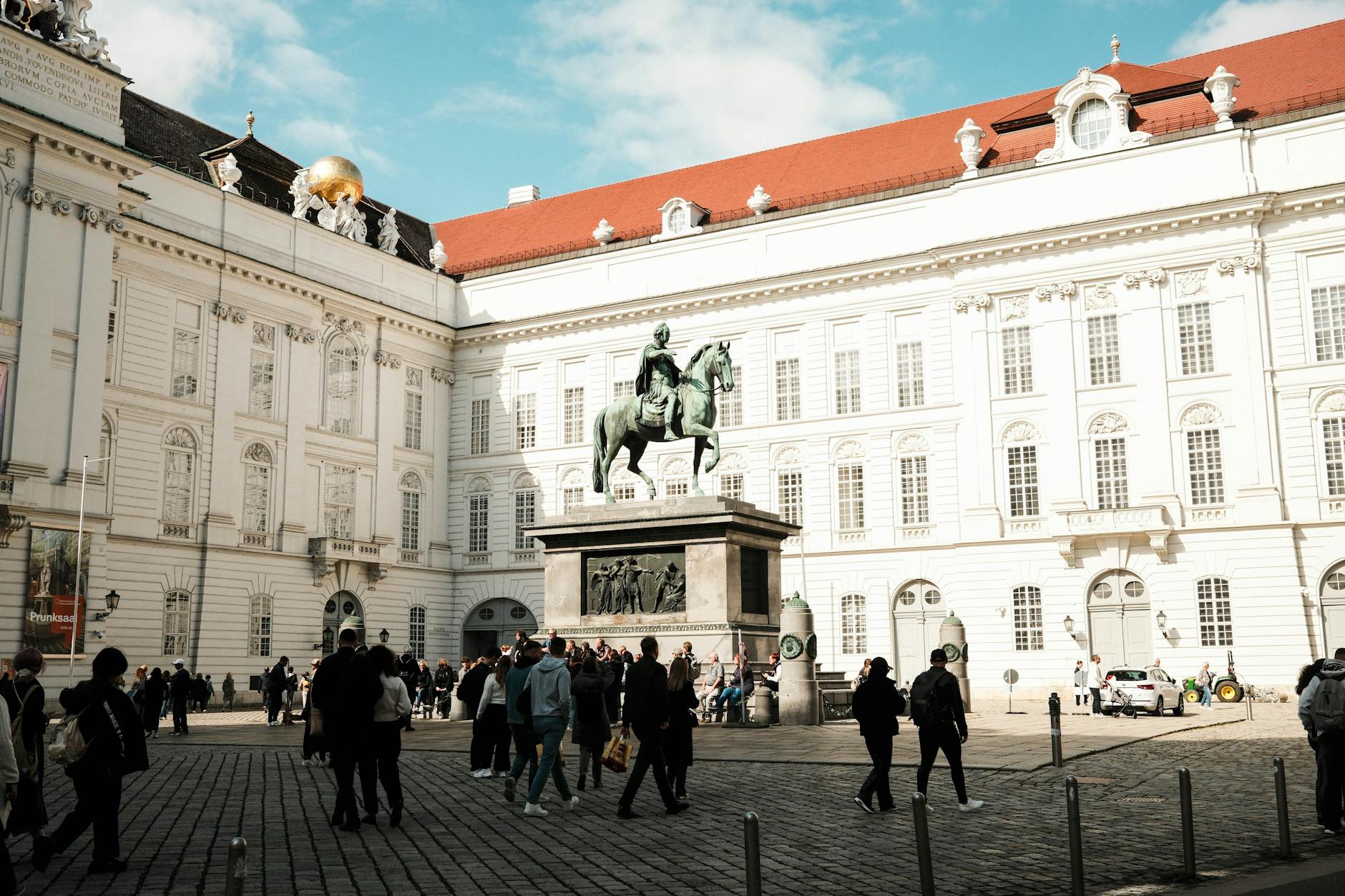
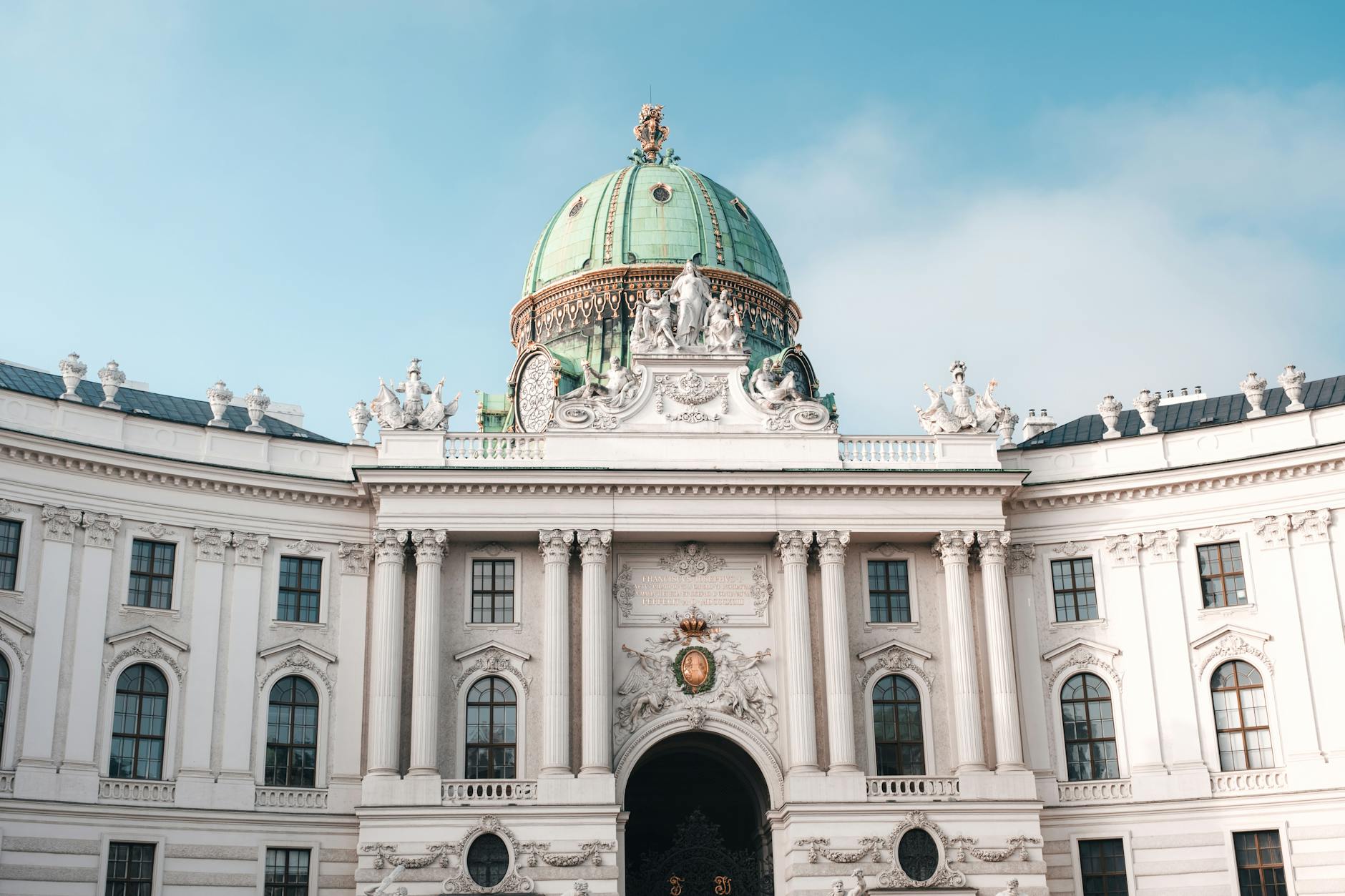
The Hofburg — six centuries of Habsburg history in one grand complex
- Before You Start: Practical Essentials
- 8:30 AM — Start at Stephansdom (St. Stephen’s Cathedral)
- 9:30 AM — Walk Through the Graben and Kohlmarkt
- 10:15 AM — The Hofburg Imperial Palace
- 12:00 PM — Lunch: A Proper Viennese Experience
- 1:30 PM — Afternoon: Choose Your Highlight
- 4:30 PM — Ringstraße Walk and Coffee Break
- 6:00 PM — Evening: Dinner and Culture
- What to Skip (and Why)
- Alternative 1-Day Routes
- Best Time of Year for a 1-Day Visit
- Practical Tips for Your Vienna Day
- Sample Budget Breakdown
- Related Vienna Guides
This article contains advertising. Our booking links are routed through a partner that adds commission tracking automatically, so if you book through one we earn a commission from the provider, at no extra cost to you. It never affects what we recommend. Affiliate disclosure
Only have 1 day in Vienna? Don’t worry — while Vienna is a city that rewards long stays, its remarkably compact historic center means you can experience an impressive amount in just 24 hours. The key is smart planning: knowing which highlights to prioritize, the most efficient walking route between them, and where to stop for the essential Viennese experiences that make the city unforgettable.
This hour-by-hour Vienna 1-day itinerary is designed for first-time visitors who want to see the best of the city without wasting time backtracking. Everything on this route is within the Ringstraße — the grand boulevard encircling Vienna’s Inner City — making it entirely walkable. We’ve included timing estimates, insider tips, costs, and alternative suggestions so you can customize the day to your interests.
Before You Start: Practical Essentials
A successful one-day Vienna visit requires some advance preparation. Unlike cities where you can wing it, Vienna’s major attractions — particularly palace tours — benefit from advance ticket purchases that let you skip potentially long queues. Here’s everything you need to know before setting out.
Getting oriented: Vienna’s historic center (1st District, Innere Stadt) is surrounded by the Ringstraße, a circular boulevard built where the medieval city walls once stood. Almost everything you’ll visit today is within this ring, and the distances are short — you can walk from one end of the center to the other in about 20 minutes.
Transportation: You won’t need public transport for most of this itinerary since it’s designed as a walking route. However, if you’re visiting Schönbrunn (afternoon option), you’ll need the U4 metro. A single ticket costs €3.20 from a machine or €3.00 in the WienMobil app, or consider a 24-hour pass (€10.20, or €9.70 digital) if you plan to use transit more than three times.
Timing: Start early — 8:00 or 8:30 AM if possible. Vienna’s major attractions open between 9:00 and 10:00 AM, and starting early lets you beat the crowds at popular sites. This itinerary runs from approximately 8:30 AM to 10:00 PM.
Money-saving tip: The Vienna PASS (from €109 for 1 day) covers up to 90 attractions plus hop-on hop-off buses, but for this itinerary it does not pay for itself. The Hofburg Imperial Apartments (€15 until 18 November 2026), the Stephansdom tower climb (€8) and either the Belvedere (€23) or Kunsthistorisches Museum (€22 online) come to €45–€46, less than half the pass price. Buy individual tickets, and keep the pass for days with a much heavier list of paid sights.
8:30 AM — Start at Stephansdom (St. Stephen’s Cathedral)
There’s a reason every Vienna itinerary starts here. Stephansdom isn’t just a cathedral — it’s the emotional and geographic center of the city, a Gothic masterpiece that has witnessed eight centuries of Viennese history from coronations to bombardments. The cathedral survived Allied bombing in 1945 only to be badly damaged by fire during the Soviet liberation — the restoration took years and the Viennese contributed personally to the effort. This shared history makes the cathedral far more than a tourist sight; it’s a symbol of Vienna’s resilience.
Begin your day at the spiritual and geographical heart of Vienna. Stephansdom has dominated the city’s skyline since the 14th century, and its soaring Gothic spire (136 meters) is visible from across the city. Entry to the main nave is free, so you can admire the stunning interior — the carved stone pulpit, the Baroque high altar, and the beautiful stained glass — without spending a euro.
Time allocation: 30–45 minutes for the interior. Add 20 minutes if you climb the South Tower (343 steps, €8) for panoramic views over the rooftops — absolutely worth it on a clear day, and less crowded early in the morning. The North Tower (elevator, €8) offers a different angle and a close-up view of the massive Pummerin bell.
Insider tip: Look for the “05” symbol scratched into the cathedral wall near the main entrance — a secret code used by the Austrian resistance during WWII. The catacombs (€8, with guided tours several times a day) hold the remains of Habsburg rulers’ organs and thousands of plague victims.
9:30 AM — Walk Through the Graben and Kohlmarkt
The walk from Stephansdom to the Hofburg through the Graben and Kohlmarkt is one of the most beautiful urban strolls in Europe. These pedestrian streets follow routes that have been commercial thoroughfares since Roman times — the Graben was originally a moat outside the Roman military camp of Vindobona. Today, the street is a showcase of architectural styles spanning several centuries, from Baroque palaces to Jugendstil (Art Nouveau) buildings, with upscale shops, street performers, and café terraces lining both sides.
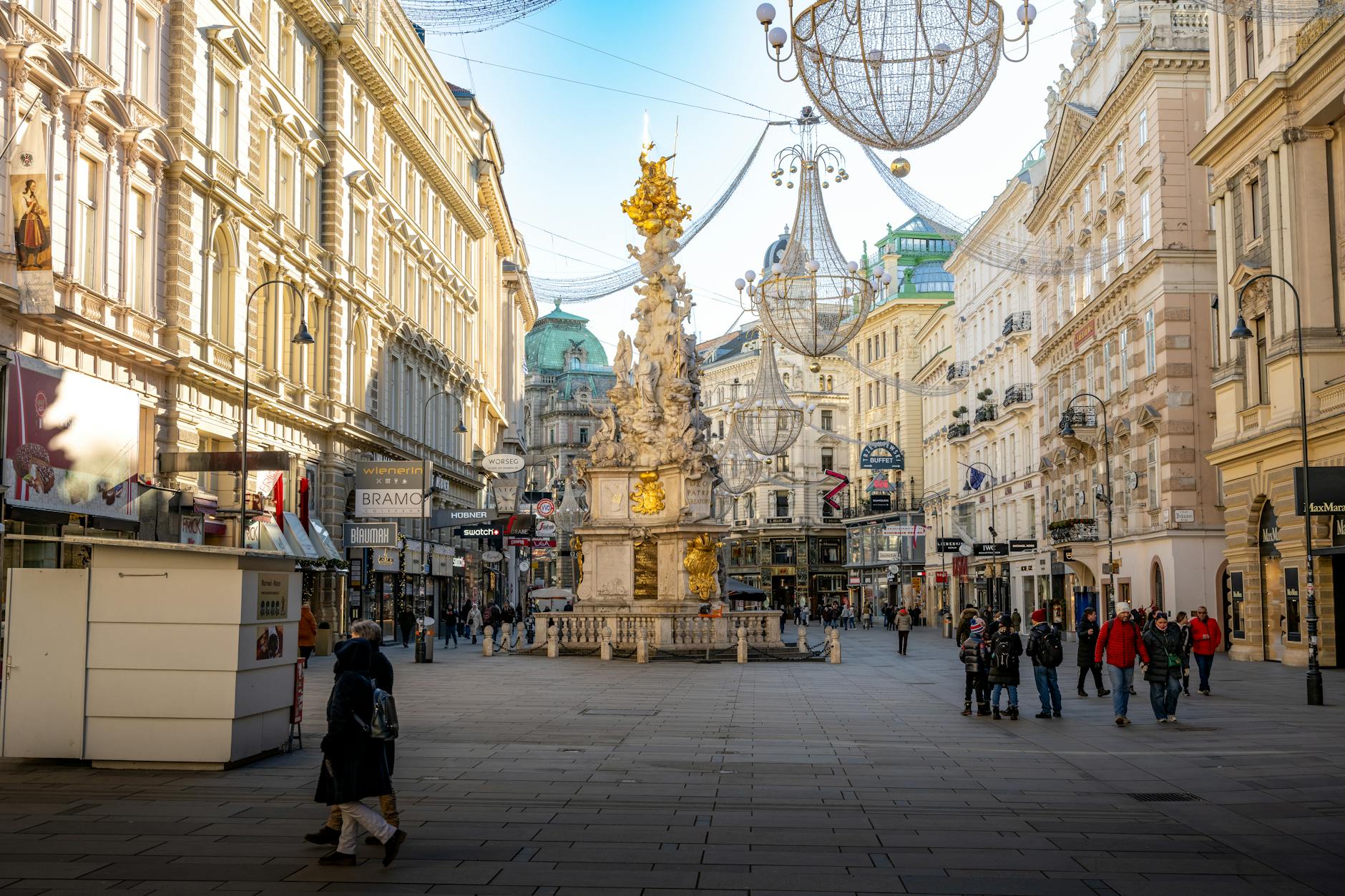
From Stephansdom, walk west along the Graben — one of Vienna’s most beautiful and historic streets. This broad pedestrian boulevard is lined with stunning Baroque and Art Nouveau facades, upscale shops, and the dramatic Pestsäule (Plague Column), erected in 1693 by Emperor Leopold I to thank God for ending a devastating plague epidemic.
The Graben leads into Kohlmarkt, Vienna’s most exclusive shopping street. Even if high fashion isn’t your thing, the architecture is magnificent. At the end of Kohlmarkt, stop at Demel — the former imperial confectioner, operating since 1786. Their window displays of handmade chocolates and pastries are a work of art. If the queue isn’t too long, step in for a quick coffee and their famous Apfelstrudel (around €6) — many consider it Vienna’s best.
Time allocation: 30–45 minutes for the walk and a brief Demel stop.
10:15 AM — The Hofburg Imperial Palace
Kohlmarkt leads directly to the Michaelertor, the grand entrance to the Hofburg — the sprawling imperial palace complex that served as the seat of Habsburg power for over 600 years. The Hofburg is enormous (it covers 59 acres and has 2,600 rooms), so you’ll need to be selective.
Must-see (free): Walk through the courtyards — In der Burg (the main courtyard with its monument to Emperor Franz I), through the Schweizertor (Swiss Gate, the oldest part of the palace, dating to the 13th century), and out to Heldenplatz (Heroes’ Square) with its sweeping views of the Neue Burg wing and the Ringstraße beyond.
If you have time for one paid attraction: The Imperial Apartments give you a fascinating look at how the Habsburgs lived, and until 18 November 2026 the ticket is reduced to €15 while the Sisi Museum is closed. The redesigned Sisi Museum, with additional rooms, opens on 19 November 2026, when prices change, so check the current price on the Sisi Museum’s ticket page before you go. Once it reopens, the museum dedicated to Empress Elisabeth is particularly engaging — her story of beauty, rebellion, and tragedy is one of history’s most compelling.
Alternative: If the weather is nice, walk through the Burggarten (Imperial Garden) behind the Hofburg — a beautiful green space with the famous Mozart statue and the art nouveau Palmenhaus (Palm House), now a stylish café and bar.
12:00 PM — Lunch: A Proper Viennese Experience
Now it’s time for the quintessential Viennese lunch experience. You have two excellent options:
Option A — Traditional coffeehouse lunch: Café Central (Herrengasse 14, 5 minutes from the Hofburg), the legendary coffeehouse once frequented by Freud, Trotsky, and countless writers, has been closed for renovation since 16 March 2026, with its reopening scheduled for winter 2026. Until then its temporary DECENTRAL serves guests at Freyung. Order a Wiener Schnitzel (€18–€22) or the daily special, plus a melange (Viennese coffee, €5.50). Once Café Central reopens, its vaulted ceilings and marble columns make every meal feel special.
Option B — Quick and local: For something faster and more affordable, head to a Würstelstand (sausage stand). The classic Viennese street food experience — try a Käsekrainer (cheese-filled sausage, €4–€5) with mustard and a Pfiff (small beer). Bitzinger at the Albertina is the most famous, but any stand near the center will do. This leaves more time for afternoon sightseeing.
Time allocation: 45–90 minutes depending on your choice.
1:30 PM — Afternoon: Choose Your Highlight
This is where you customize your day based on your interests. Pick ONE of these three options — trying to do more than one will leave you rushing through everything.
Option A: The Belvedere (Art Lovers’ Choice)
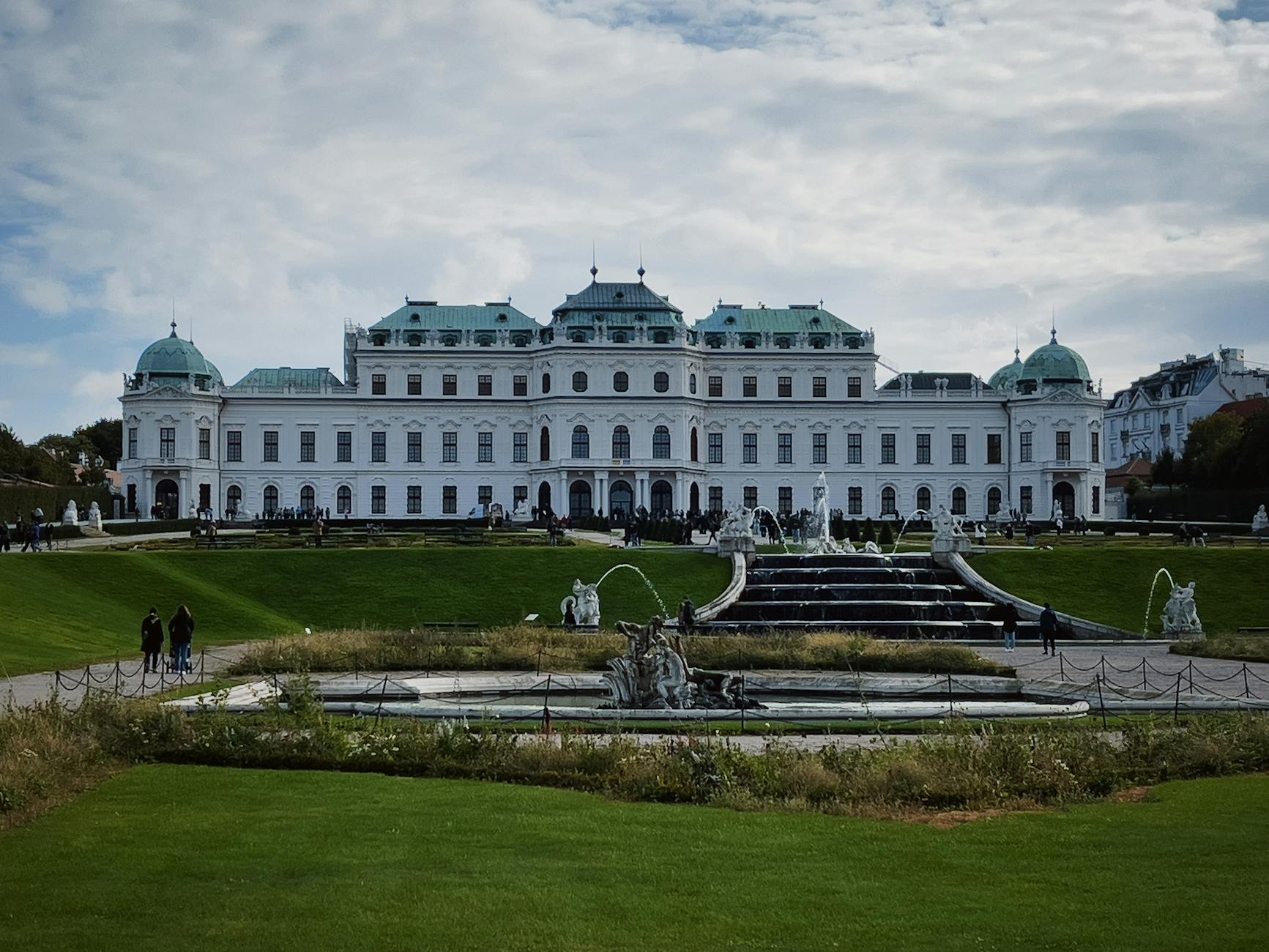
The Belvedere is our top recommendation for a one-day visit because it delivers the perfect combination of world-class art, stunning architecture, and beautiful gardens — all in a manageable timeframe. Built as the summer residence of Prince Eugene of Savoy in the early 18th century, the palace complex is a masterpiece of Baroque architecture that rivals Versailles in elegance if not in scale.
Take tram D from the Ring to the Upper Belvedere (10 minutes). This stunning Baroque palace houses Austria’s most important art collection, including Gustav Klimt’s iconic “The Kiss” — one of the world’s most recognized paintings. The collection also features works by Egon Schiele, Oskar Kokoschka, and Claude Monet. After the galleries, walk through the beautiful French-style gardens connecting the Upper and Lower Belvedere — the view of the Upper Belvedere reflected in the ornamental lake is one of Vienna’s most photographed scenes.
Time needed: 2–2.5 hours. Cost: €23 for the Upper Belvedere.
Option B: Kunsthistorisches Museum (Culture Enthusiasts’ Choice)
If you’re a serious art lover, the Kunsthistorisches Museum may be an even better choice than the Belvedere. This is not a museum you “do” — it’s a museum that does something to you. The building alone, with its grand marble staircase, Klimt-painted lunettes, and octagonal domed hall, would be worth visiting even if the galleries were empty.
Walk to Maria-Theresien-Platz (10 minutes from the center) to visit the Kunsthistorisches Museum — one of the world’s greatest art museums. The building itself is a masterpiece, with its grand staircase and Klimt-decorated ceiling. The collection includes Bruegel’s extraordinary series of paintings (the finest collection of his work anywhere), Vermeer’s “The Art of Painting,” works by Raphael, Titian, and Caravaggio, and a remarkable Egyptian collection.
Time needed: 2–3 hours minimum. Cost: €22 online.
Option C: Schönbrunn Palace (Palace and Gardens Choice)
Schönbrunn is Vienna’s most visited single attraction, and with good reason — the 1,441-room palace is to Austria what Versailles is to France. If palaces are your thing and you don’t mind the 15-minute metro ride out of the center, this is a magnificent choice. The palace’s history as the summer residence of the Habsburgs — from Maria Theresa’s 16 children growing up here to the last emperor Karl I signing his abdication in the Blue Chinese Salon — brings every room to life.
Take the U4 metro from Karlsplatz to Schönbrunn (15 minutes). The former summer residence of the Habsburgs is Vienna’s most visited attraction. The Imperial Tour covers 22 rooms in about 40 minutes (€30); the Grand Tour covers 40 rooms in about an hour (€42). The main palace park is free and magnificent, though the Privy Garden, Orangery Garden and Maze need tickets — walk up to the Gloriette hilltop pavilion for sweeping views over the palace and the city. If you have time, the world’s oldest zoo (Tiergarten Schönbrunn, founded 1752, €29) is right in the grounds.
Time needed: 2.5–3.5 hours including gardens. Note: This option takes you outside the Ring, so factor in travel time.
4:30 PM — Ringstraße Walk and Coffee Break
The Ringstraße is one of the great urban achievements of the 19th century. When Emperor Franz Joseph ordered the medieval walls demolished in 1857, he commissioned a monumental boulevard lined with grand public buildings — each in a different historical style chosen to reflect the building’s purpose. The Parliament is in Greek Revival (democracy), the University in Renaissance (learning), the Rathaus in Gothic (civic pride), and the Burgtheater in Baroque (drama). Walking the Ring is like walking through a textbook of European architectural history, and it’s free.
Back in the center, take a leisurely walk along a section of the Ringstraße — the magnificent 5.3-kilometer boulevard that Emperor Franz Joseph I ordered built in the 1860s to replace the medieval city walls. Along it, you’ll pass a parade of monumental buildings: the Vienna State Opera, Parliament (with its Athena fountain), the Rathaus (City Hall, a spectacular Neo-Gothic building), the Burgtheater (National Theater), and the University of Vienna.
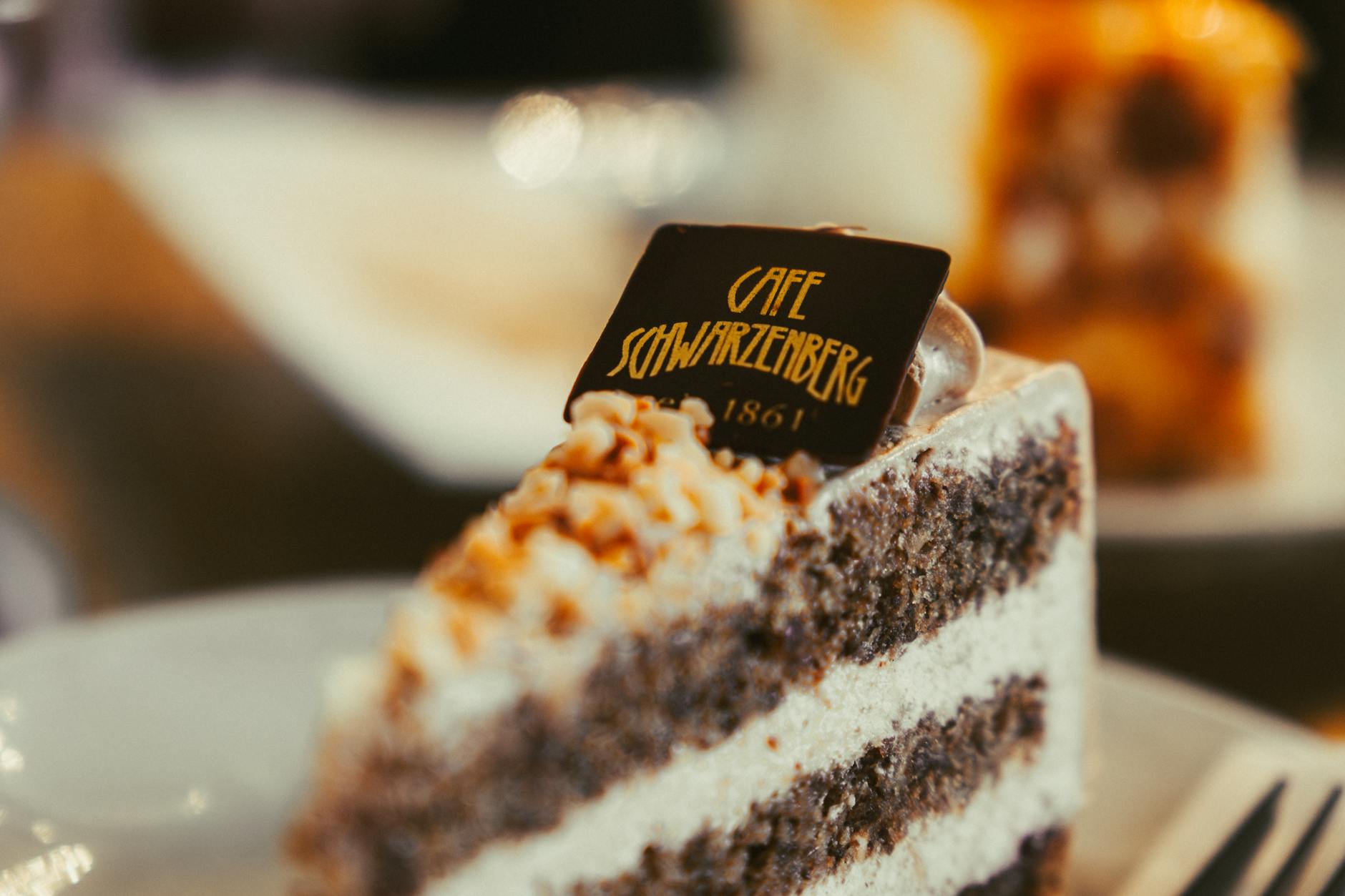
Coffee stop: Duck into Café Sperl (Gumpendorfer Straße 11) — a classic Viennese coffeehouse since 1880, less touristy than Café Central but equally atmospheric with its billiard tables, bentwood chairs, and newspaper racks. Order a Einspänner (strong black coffee topped with whipped cream) and a slice of Sachertorte — it’s obligatory at least once. Budget €8–€12 for coffee and cake.
Time allocation: 1–1.5 hours for the walk and coffee.
6:00 PM — Evening: Dinner and Culture
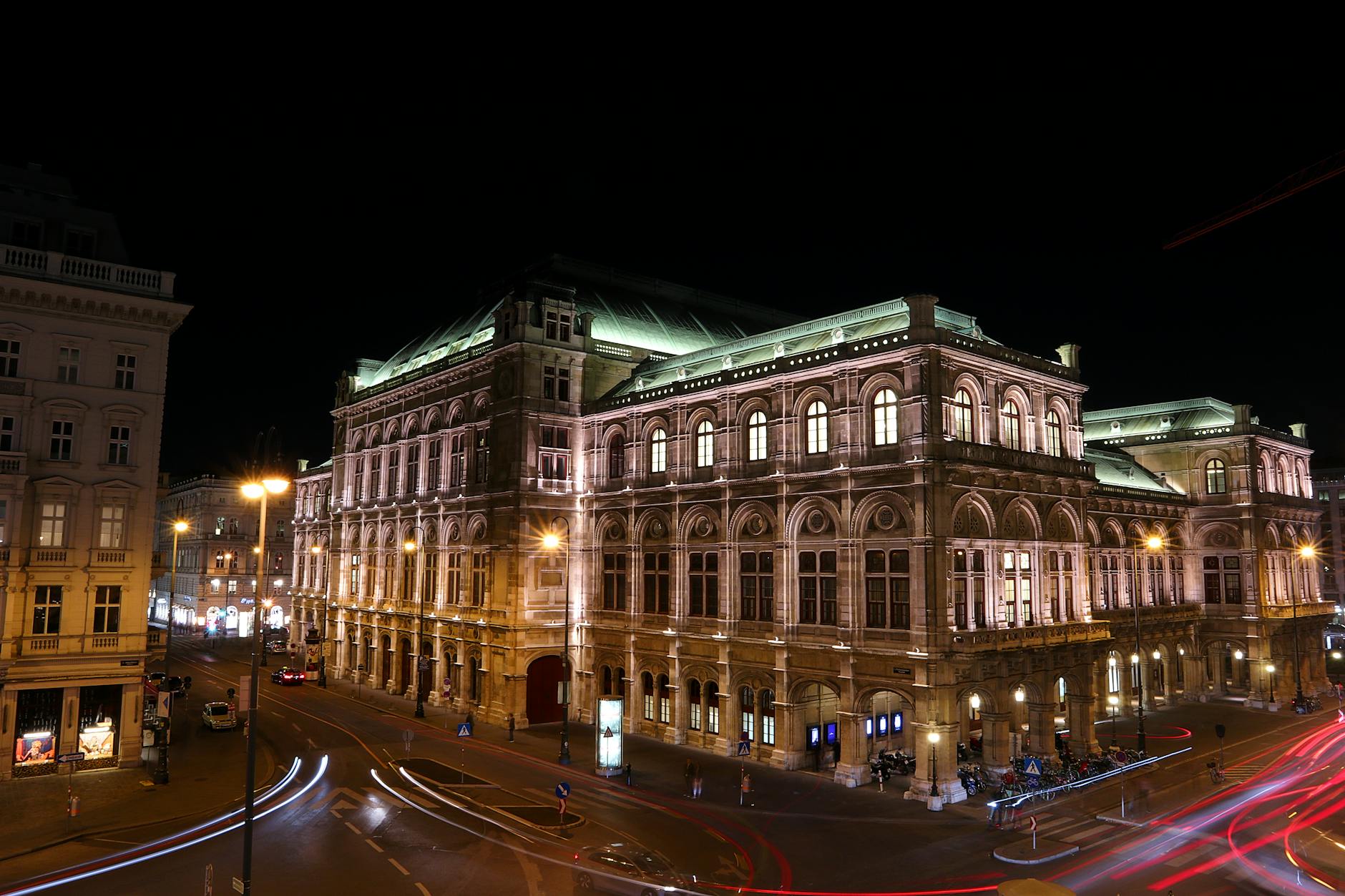
As daylight fades, Vienna transforms. The monuments light up along the Ringstraße, the coffeehouses glow with warm interiors, and the city’s world-class performing arts venues come to life. Your evening is a chance to experience a completely different dimension of Vienna — one defined by gastronomy, music, and the particular atmosphere of a city that takes its evenings seriously. The Viennese concept of Gemütlichkeit — a warm, convivial coziness — is at its best after dark.
For dinner, head to the area around Spittelberg (7th District) or Neubau — both within walking distance of the MuseumsQuartier and packed with restaurants ranging from traditional Beisl to modern Austrian cuisine. For a classic experience, try Glacis Beisl (at the MuseumsQuartier) or Amerlingbeisl (hidden courtyard restaurant in Spittelberg).
Must-try dishes: Wiener Schnitzel (if you didn’t have it at lunch), Tafelspitz (boiled beef — Emperor Franz Joseph’s favorite), or Kaiserschmarrn (shredded pancake with plum compote) for dessert. Budget €15–€25 for a main course at a mid-range restaurant.
Evening Options
The Opera (best evening option): If there’s a performance at the Vienna State Opera tonight, standing-room tickets go on sale 80 minutes before curtain for just €13–€15. Queue at least 45–60 minutes before sale time for the best spots. Even if you’re not an opera fan, the experience of standing in one of the world’s most beautiful opera houses is extraordinary.
Evening walk: If opera isn’t your thing, an evening walk through the illuminated center is magical. Stephansdom lit up at night, the glowing facades along the Ringstraße, and the atmospheric side streets of the old town are stunning after dark. End at a wine bar near Schwedenplatz for a glass of Grüner Veltliner.
Danube Canal walk: In warmer months (May–September), a stroll along the Donaukanal is a wonderful way to end the day. The canal banks are lined with street art, pop-up bars, and a young, local crowd. Grab a drink at Strandbar Herrmann or Tel Aviv Beach and watch the city lights reflect on the water.
Concert alternative: The Musikverein and Konzerthaus offer classical concerts most evenings. While some are tourist-oriented “Mozart and Strauss” concerts, the programming by the Vienna Philharmonic and resident orchestras is world-class. Standing-room at the Musikverein starts at €6–€8.
What to Skip (and Why)
With only one day, knowing what to skip is as important as knowing what to see. Here are our honest recommendations for what to leave for a longer visit:
Skip the Schönbrunn Palace interior if you’re choosing between palaces — the Hofburg gives you the Habsburg experience within the walking route, while Schönbrunn requires a metro ride and 2–3 hours minimum. The gardens, however, are free and can be enjoyed with a quick visit.
Skip the Prater unless you’re traveling with children. The Riesenrad (Giant Ferris Wheel) is iconic but takes you away from the center for a relatively brief experience. Save it for a longer trip.
Skip sit-down restaurant lunches if time is tight. A Würstelstand sausage or Naschmarkt bite gets you fed in 15 minutes instead of 90, leaving more time for sightseeing.
Don’t skip the coffeehouse experience. Even if you skip everything else, sitting in a grand Viennese coffeehouse with a melange and a newspaper is the single most authentically Viennese thing you can do. It’s not just coffee — it’s participating in a UNESCO-listed cultural tradition.
Alternative 1-Day Routes
The Art Lover’s Day
If museums are your priority: Start at the Albertina (opens 10 AM, Monet to Picasso plus rotating exhibitions), then walk to the Kunsthistorisches Museum for the afternoon, and finish at the Leopold Museum in the MuseumsQuartier (strongest Schiele collection in the world). Skip the palace interiors and focus on art.
The Music Lover’s Day
Start at the Haus der Musik (interactive sound museum), walk through the Musikverein (tour at 1 PM), visit the Mozart House on Domgasse, browse the music shops on Kärntner Straße, and end with a performance at the State Opera or Konzerthaus. Vienna’s musical heritage spans from Haydn to contemporary electronic — this route celebrates all of it.
The Architecture Walk
Vienna’s architectural range is extraordinary: start with the Gothic Stephansdom, see the Baroque Karlskirche, admire the Ringstraße’s historicism, visit the Art Nouveau Secession Building (with Klimt’s Beethoven Frieze), and end at the quirky Hundertwasserhaus. The contrast across centuries of design is remarkable.
The Foodie’s Day
Start with breakfast at a coffeehouse (try the Viennese breakfast at Café Sperl — eggs, cold cuts, cheese, bread, and coffee), browse Naschmarkt (Vienna’s best food market, with over 120 stalls selling everything from Austrian cheeses to Middle Eastern spices),
Start with breakfast at a coffeehouse, browse Naschmarkt (Vienna’s best food market), lunch at a market restaurant, afternoon Sachertorte tasting (compare Café Sacher vs. Demel — the rivalry dates to 1832), and evening Heuriger visit in Grinzing for local wine. Focus on flavor rather than sightseeing. This is the itinerary for people who believe food is culture.
Best Time of Year for a 1-Day Visit
If you can choose when to visit, the ideal months for a single-day Vienna trip are May, June, September, or October. These months offer the best combination of long daylight hours, pleasant walking weather, and manageable tourist crowds. Summer (July–August) has the longest days but the biggest crowds and occasional heat. Winter days are short (sunset by 4:30 PM in December) but the Christmas market atmosphere makes up for it if you visit in late November or December.
Regardless of season, avoid Mondays for a Vienna day trip — many museums are closed, which severely limits your afternoon options. Tuesday through Saturday offer the widest range of open attractions.
Practical Tips for Your Vienna Day
Wear comfortable shoes. You’ll walk 15,000–20,000 steps (10–14 km) on this route. Vienna’s center has cobblestone streets, so proper walking shoes are essential.
Carry cash. While cards are accepted at most attractions and restaurants, some smaller cafés, market stalls, and Würstelstände are cash-only. An ATM withdrawal of €50–€100 should cover incidentals.
Download the WienMobil app. It covers all public transit, shows real-time departures, and lets you buy tickets on your phone. Useful if you decide to add Schönbrunn to your route.
Book ahead for popular spots. The Hofburg Imperial Apartments and Schönbrunn can have long queues, especially in summer. Online tickets let you skip the line and save time — critical when you only have one day.
Don’t try to do everything. The biggest mistake one-day visitors make is cramming in too many attractions and spending the whole day rushing between them. Choose your highlights, give yourself permission to skip things, and build in time for spontaneous moments — sitting in a park, browsing a bookshop, watching street musicians. These unplanned moments are often what you remember most.
Sample Budget Breakdown
Here’s what a typical one-day Vienna visit costs per person, based on moderate spending:
Transport: 24-hour Vienna transit pass — €10.20, or €9.70 in the WienMobil app (or single tickets at €3.20 each)
Stephansdom tower climb: €8
Hofburg Imperial Apartments: €15 (or skip for free courtyard exploration)
Afternoon attraction: €22–€23 (Kunsthistorisches Museum or Belvedere)
Coffeehouse (coffee + cake): €8–€12
Lunch: €5–€22 (Würstelstand to sit-down restaurant)
Dinner: €15–€25
Opera standing room (optional): €13–€15
Total estimate: €83.50–€125.20 per person (excluding hotel)
Budget travelers who stick to free attractions (Hofburg courtyards, Ringstraße walk, gardens), eat at Würstelstände, and skip the opera can experience Vienna for under €30 in a day. The Stephansdom interior is not on that list: independent sightseeing inside the cathedral costs €8 for adults.
If your day in Vienna is a connection rather than a visit, this itinerary is too ambitious — the fixed overhead of a layover runs to three and a half hours before you see anything, and the useful rule is one destination per two hours in the city. Our guide to the Vienna airport layover has worked timelines for six and ten-hour gaps, including which half of this itinerary still fits.
If you can stay a second day, the plan changes shape rather than just getting longer: the old centre and the Hofburg get a full day of their own, and Schönbrunn, the Belvedere and an evening at the Prater or a Heuriger fill the next. Our 2-day Vienna itinerary lays it out hour by hour, with a Saturday-and-Sunday version for weekend visitors.