Vienna Safety Guide: Scams to Avoid & Staying Safe (2026)
Vienna safety guide for 2026. Pickpocket hotspots, common tourist scams, safe neighborhoods, emergency numbers, and practical safety tips.

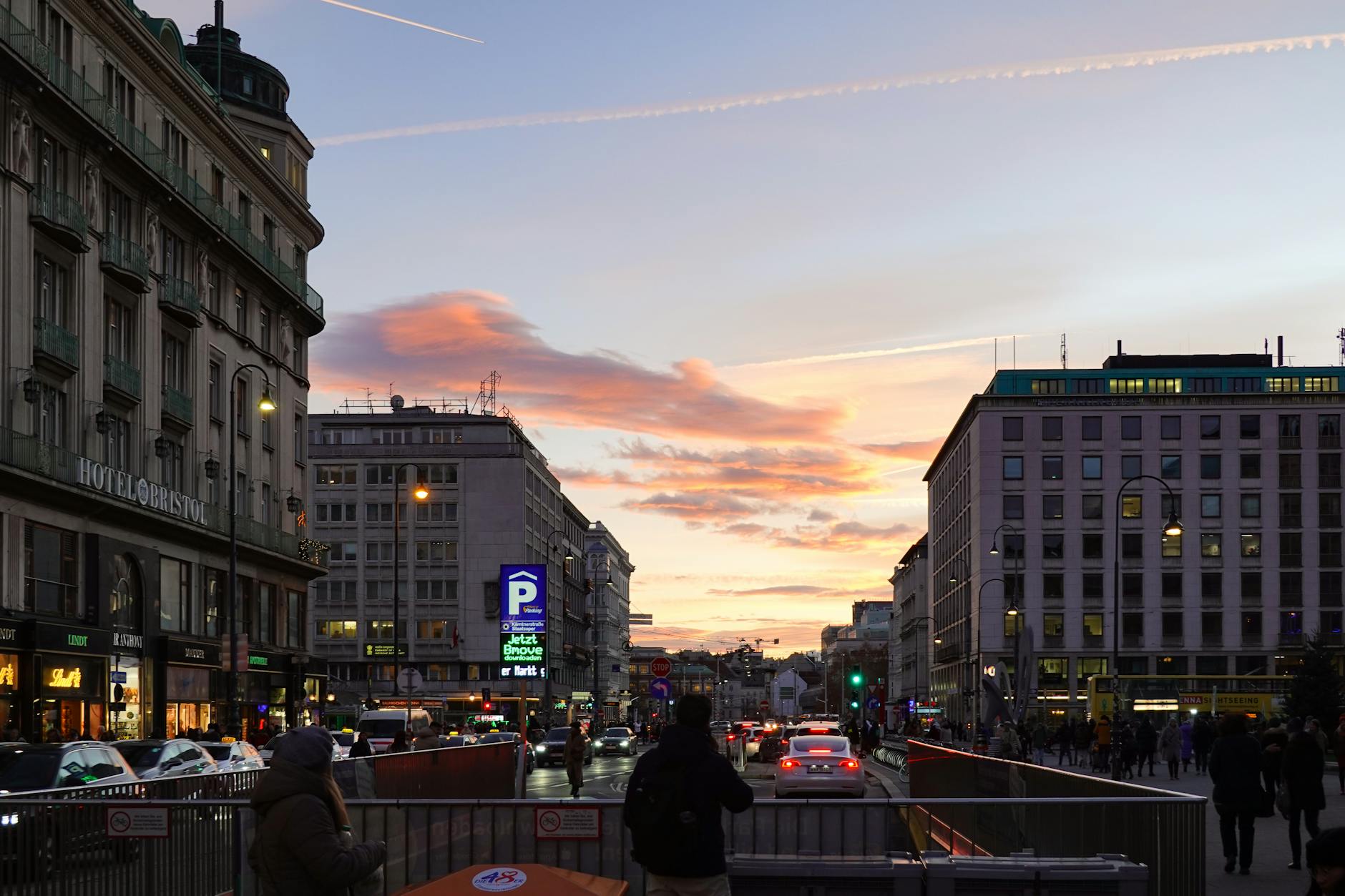
Photo by Magda Ehlers
- Is Vienna safe? The honest answer
- Pickpocketing hotspots in Vienna
- Common Vienna tourist scams
- Bag and pocket safety habits
- Safe Vienna neighborhoods
- Areas requiring extra awareness
- Solo female travel safety in Vienna
- Family safety in Vienna
- LGBTQ+ safety in Vienna
- Health and medical safety
- Vienna emergency numbers
- Traffic and transport safety
- Drug and alcohol safety
- What to do if you’re victimized
- Common Vienna safety mistakes
- What to do if you experience pickpocketing
- Embassy and consulate contacts
- Vienna safety FAQ
- Related Vienna Guides
This article contains advertising. Our booking links are routed through a partner that adds commission tracking automatically, so if you book through one we earn a commission from the provider, at no extra cost to you. It never affects what we recommend. Affiliate disclosure
Vienna is consistently ranked among the world’s safest large cities, with crime rates well below those of most American urban centers and lower than London, Paris, or Rome. But “very safe” doesn’t mean “no precautions needed.” Vienna logs around 5,300 pickpocketing cases annually, with the Innere Stadt and major U-Bahn corridors accounting for the bulk. This 2026 safety guide gives you real-world precautions, the specific scams to watch for, the safest neighborhoods, emergency contacts, and the practical habits that distinguish savvy travelers from easy targets.
Is Vienna safe? The honest answer
Yes. Vienna is genuinely one of the safest major cities in Europe. Violent crime against tourists is rare. The 2026 Mercer Quality of Living Survey continues to rank Vienna among the top cities globally for personal safety. Walking alone at night, including for women travelers, feels and is genuinely safe in the central districts.
The real Vienna safety concerns are property crime (pickpocketing and bag theft) and tourist-specific scams designed to extract money through deception rather than threat. These risks are real but easily managed with basic awareness and habits described in this guide.
Pickpocketing hotspots in Vienna
Vienna police data identifies the following as pickpocket concentration zones in 2026:
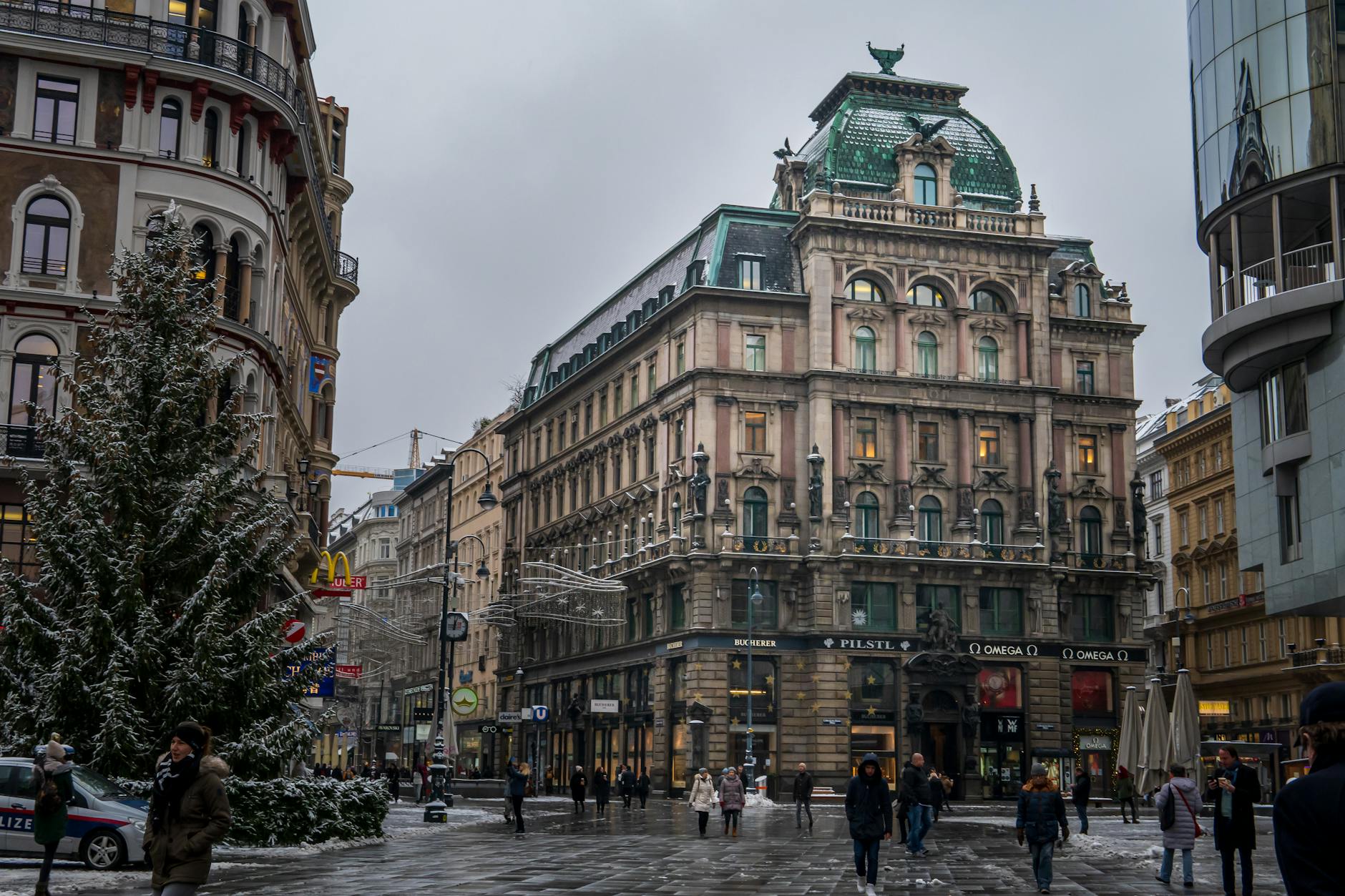
Mariahilfer Strasse: Vienna’s main shopping street, especially the densely crowded section between Westbahnhof and Babenbergerstrasse.
Stephansplatz: The cathedral square, particularly during peak tourist hours and around the historic carriage stand.
Graben and Kärntner Strasse: The pedestrian shopping streets connecting Stephansplatz to the Opera. Heavy crowds make picking easier.
State Opera area (Albertinaplatz): Tourists distracted by sight-seeing, easy targets.
Naschmarkt: Especially the Saturday flea market and tourist-heavy weekend hours.
U-Bahn line U1 between Stephansplatz and Reumannplatz: The corridor most frequently flagged by Vienna police as active for pickpocket crews.
U-Bahn line U3 in tourist hours: Routes touching Westbahnhof, Stephansplatz, and Karlsplatz.
Praterstern (U1/U2 station): A general concentration of street crime, including some non-pickpocket issues like petty theft and harassment.
Karlsplatz (U1/U2/U4): Particularly the underground passages at night.
Schwedenplatz: Pickpocket activity around the U-Bahn entrances and Bermudadreieck bar area.
None of these areas are “dangerous” in the sense of avoid-at-night zones. They’re simply where pickpocket crews work because the crowds and tourist behavior provide opportunity.
Common Vienna tourist scams
The flower or bracelet scam
A stranger approaches you on a tourist street and presses a flower, friendship bracelet, or small item into your hand. Once the item is in your hand, they demand 5-20 euros. The psychological trick is making you feel the item is now “yours” and refusing creates confrontation.
How to handle: Don’t accept anything offered by strangers on tourist streets. If something is pushed into your hand, drop it back or place it on the ground. Walk away firmly. Do not engage in conversation.
The petition scam
A young person approaches you with a clipboard claiming to collect signatures for a deaf charity, environmental cause, or other emotional appeal. They press the clipboard at you while a partner picks your pocket or unzips your bag from behind.
How to handle: Decline all clipboard interactions. Real charities use registered fundraisers wearing visible ID; scammers use sketchy clipboards. Keep walking.
The “lost tourist asking for help” scam
A friendly stranger asks for directions or help with a map. Once you’re engaged and looking down at their map, an accomplice picks your pocket or unzips your bag.
How to handle: Be cautious about prolonged engagement with strangers asking for help in tourist areas. Help briefly and keep your hands on your bags.
The bird droppings scam
A stranger points out a “stain” on your clothes (sometimes actually a fake stain placed by an accomplice with a syringe of dyed liquid). They offer to help wipe it off, distracting you while picking your pocket.
How to handle: If someone points out a stain, step away from them first before checking. Don’t accept their help.
The “free champagne” or “Mozart concert” upsell
Performers in Mozart costumes near major tourist sites sell concert tickets at inflated prices, sometimes for performances that are subpar or even non-existent. Some venues legitimately use costumed sellers, but quality varies wildly.
How to handle: Buy concert tickets from official venue websites, not street vendors. The Vienna State Opera, Musikverein, and Konzerthaus all sell direct.
The taxi overcharge
While regulated, some taxi drivers exploit tourists by taking longer routes, refusing to use the meter for short rides, or charging “fixed rates” inflated above the standard meter.
How to handle: Use Uber, Bolt, FREE NOW, or pre-booked transfers when possible. For taxis, request the meter (“Mit dem Zähler bitte”) and know typical route prices in advance.
The currency exchange trap
Currency exchange booths near tourist areas offer terrible rates and high “no commission” claims that hide the markup in the exchange rate itself.
How to handle: Skip cash exchanges entirely. Use bank-branded ATMs for euros.
Bag and pocket safety habits
The single most effective anti-pickpocket habit is simple: keep your valuables in your front pockets or in a zipped, cross-body bag in front of you. The following practical habits make you a far less attractive target:
Use a cross-body bag, not a shoulder bag. Cross-body straps make snatch-and-run theft much harder. Wear it in front of you in crowded spaces.
Wear front pockets for phones and wallets. Back pocket theft is the easiest pickpocket technique. Always front.
Use a money belt or hidden pouch for passports and bulk cash. Worn under clothing, these are essentially theft-proof.
Lock zips together with small carabiners or locks on bag zippers. Adds 2 seconds of attempted access; pickpockets give up.
Carry minimal cash and one card on you. Leave most cash and backup cards in the hotel safe.
Don’t put your bag on chair backs or floor in restaurants. Place between your feet or on your lap.
Keep your phone in your hand only when actively using it. Pocketed phones disappear less often than hand-held phones.
Safe Vienna neighborhoods
All central Vienna districts are safe for visitors. The following are particularly worry-free:
1st (Innere Stadt): Densest tourist area; pickpocket-aware but otherwise extremely safe.
3rd (Landstraße): Embassies, Belvedere area; very safe and quiet.
4th (Wieden): Naschmarkt-adjacent, quiet residential and cafe district.
7th (Neubau): Hip but calm. Galleries, cafes, and boutiques.
8th (Josefstadt): Quiet residential with theater and bookshop atmosphere.
9th (Alsergrund): University district, lively but very safe.
19th (Döbling): Affluent residential with Heuriger wine taverns.
Less central but still safe districts include 2nd (Leopoldstadt, mostly safe with some Praterstern caution), 6th (Mariahilf, lively), and 15th (Rudolfsheim, working-class with diverse populations).
Areas requiring extra awareness
A few specific Vienna locations warrant extra alertness, though none are “dangerous” by international standards:
Praterstern (U1/U2 station): Vienna’s most-reported area for street issues including drug-related petty crime, occasional harassment, and concentrated homelessness. The station itself is safe; the surrounding plaza area sees more incidents than typical Vienna. Walk through purposefully rather than lingering after dark.
Karlsplatz underground passages: Late at night, the underground passages between U1/U2/U4 platforms have had occasional incidents. Use the main exits and avoid the deepest corridors very late.
The Westbahnhof area very late at night: The station itself is safe, but the surrounding blocks have some late-night issues with intoxication and panhandling.
Some Donaukanal sections after midnight: The canal is wonderful by day and early evening. Very late at night, certain isolated stretches see drug activity and occasional confrontations.
None of these areas are off-limits. Standard urban precautions apply.
Solo female travel safety in Vienna
Vienna is one of the safest European capitals for solo female travelers. Walking alone at night in the Innere Stadt feels comfortable. Late-night U-Bahn journeys are well-lit and reasonably populated. Cafes and bars are easy to enter solo without unwanted attention.
Specific tips for solo women travelers:
Trust your instincts about which streets feel busy enough to walk through and which feel too empty.
Use Uber, Bolt, or FREE NOW for late-night returns instead of walking long distances.
Stay in central districts (1st, 7th, 8th, 9th) for the easiest mix of safety and walkability.
Frauen-Taxi (women-only taxi service) is available if you prefer female drivers.
Praterstern and Karlsplatz are the two areas where additional awareness helps; avoid lingering there late.
Most solo women travelers report Vienna as one of the easiest European capitals to visit alone.
Family safety in Vienna
Vienna is overwhelmingly family-friendly with low crime against children and excellent public infrastructure. Practical tips:
Keep kids visible at major attractions (Schoenbrunn gardens, Prater) where they can wander.
Teach children basic phrases like “Help” (“Hilfe!”) and your hotel name.
Give older children small backup cash and a hotel business card.
Most attractions have visible security and information staff who help reunite separated families.
The main risk to children is the same as adults: pickpocket distraction. Strollers are a particular target since attention is divided between child and bag.
LGBTQ+ safety in Vienna
Vienna is LGBTQ+ friendly. Same-sex couples can express affection in public without typically attracting negative attention. The annual Vienna Pride (June) is one of central Europe’s largest. Most central districts have LGBTQ+ friendly bars and restaurants.
Some outlying suburban districts may be less progressive, but tourists rarely venture into these areas. The central tourist experience is unambiguously welcoming.
Health and medical safety
Vienna’s healthcare system is excellent. EU citizens with EHIC cards access public healthcare at standard rates; non-EU visitors should carry comprehensive travel insurance.
Emergency hospital: Allgemeines Krankenhaus (AKH) at Spitalgasse – the city’s main hospital.
Tourist-friendly clinics: Centrum Wien Mitte (24/7), several international clinics in central districts.
Pharmacies (Apotheke): Open Mon-Fri 8-6 and Saturday mornings. Emergency rotating pharmacies open 24/7; locations posted on every pharmacy door.
Drinking water: Vienna tap water comes from Alpine springs and is excellent. No need to buy bottled water.
Vienna emergency numbers
Key numbers to save in your phone before arriving:
112: Universal European emergency number (English-speaking operators).
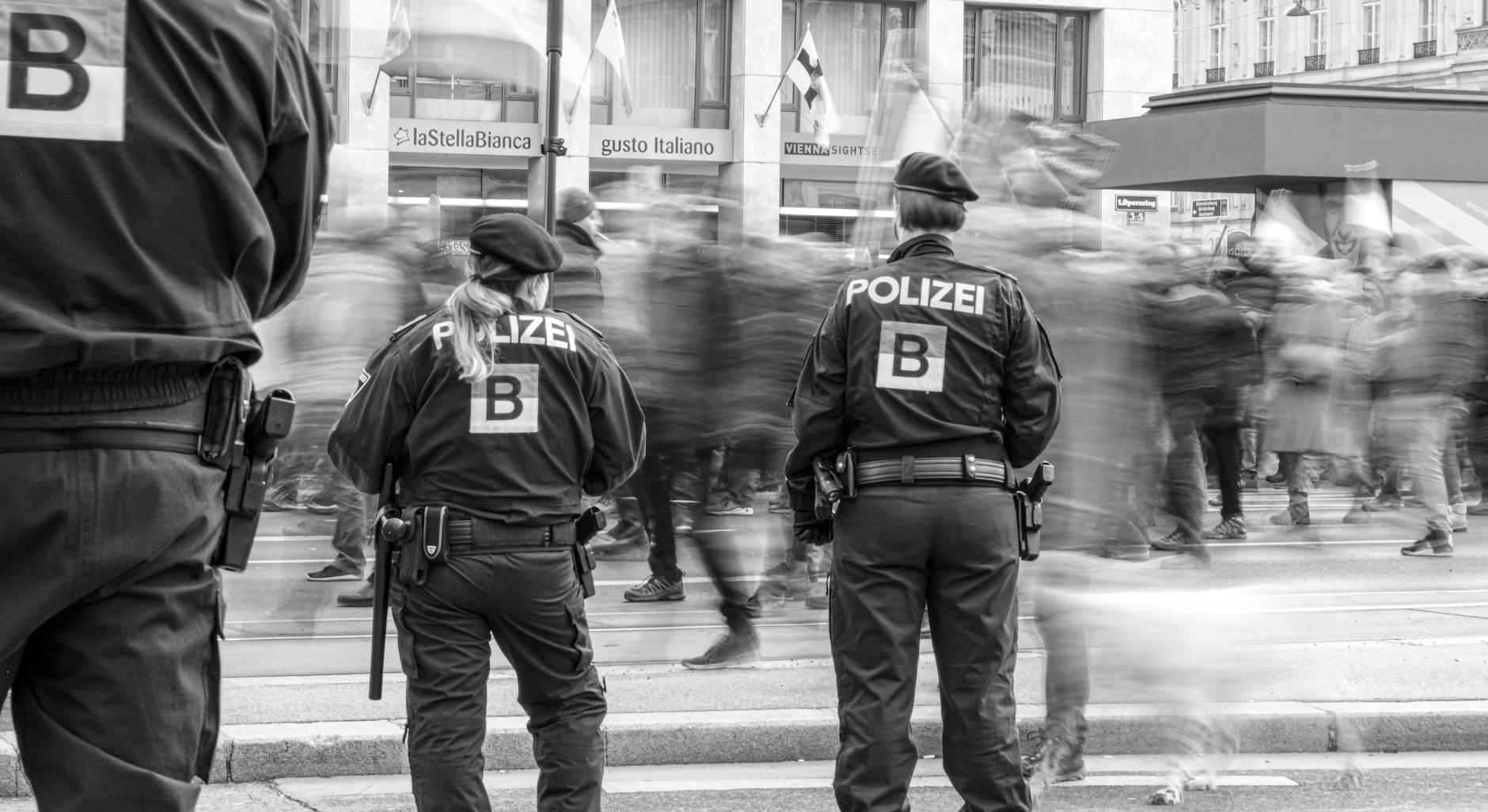
133: Police (Polizei) direct line.
144: Ambulance (Rettung).
122: Fire department.
147: Vienna helpline for tourists (Rat auf Draht).
Tourist Police office (Schottenring 11): For non-emergency tourist incidents like lost passports.
Many police officers speak English; in emergencies, ask for English-speaking assistance.
Traffic and transport safety
Vienna traffic is calm by international standards. Tram tracks pose the biggest cyclist hazard. Pedestrian crossings give walkers right-of-way, but always make eye contact before stepping out.
The U-Bahn runs 24 hours Friday and Saturday nights and until approximately midnight other nights. Night buses (Nachtbusse) cover gaps. All transport is reasonably safe; the most reported incidents are pickpocketing rather than violence.
Cyclists must use bike lanes where present. Pedestrians should look both ways even on car-free streets where trams may run.
Drug and alcohol safety
Austria’s drinking age is 16 for beer and wine, 18 for spirits. Drinking in public is legal in most parks and at the Donaukanal, though authorities can ask groups to disperse if disturbing residents.
Recreational drug use is illegal and enforced. Avoid any offers of drugs from strangers, particularly in nightlife areas.
Date-rape drugs (“knockout drops”) have been reported occasionally in Vienna nightlife, like in any large city. Watch your drink, don’t accept drinks from strangers, and stay with friends.
What to do if you’re victimized
If you’re pickpocketed or robbed in Vienna:
Cancel any lost cards immediately by calling your bank’s international hotline or via your bank app.
File a police report at any Polizei station (you’ll need this for insurance and travel-document replacement). The central station at Schottenring 11 has English-speaking officers.
If your passport was lost, contact your embassy. The US, UK, Canadian, and Australian embassies are all in central Vienna.
Notify your travel insurance provider promptly to start any claims.
Most pickpocket reports yield small or no recovery, but filing is needed for insurance.
Common Vienna safety mistakes
Mistake 1: Putting wallet in back pocket. The easiest target for pickpockets. Always front pockets.
Mistake 2: Carrying passport in daily-use bag. Lock the passport in the hotel safe and carry a photocopy or photo on your phone.
Mistake 3: Engaging with clipboard or flower scammers. Walk away firmly without making eye contact.
Mistake 4: Drinking heavily then walking to the hotel. Use a taxi or ride-share after a long night out.
Mistake 5: Leaving bags unattended at cafes. Even in Vienna’s safe atmosphere, bags can vanish in 30 seconds.
Mistake 6: Sharing hotel room number openly. Privacy keeps you safer.
Mistake 7: Posting real-time location on social media. Wait until after returning home.
What to do if you experience pickpocketing
If you realize you’ve been pickpocketed in Vienna, act fast:
Step 1 (within minutes): Cancel any lost cards immediately via your bank’s app or international hotline. The longer you wait, the more transactions can occur.
Step 2 (within 1 hour): File a police report at any Polizei station. The central station at Schottenring 11 has English-speaking officers. You’ll need the report for insurance claims and travel-document replacement.
Step 3 (within 24 hours): Contact your embassy if your passport was lost. The US, UK, Canadian, and Australian embassies are all in central Vienna.
Step 4 (when possible): Notify your travel insurance company to begin claims processing.
Embassy and consulate contacts
US Embassy Vienna: Boltzmanngasse 16, 1090 Vienna. 24-hour emergency line for US citizens.
UK Embassy Vienna: Jaurèsgasse 12, 1030 Vienna.
Canadian Embassy Vienna: Laurenzerberg 2, 1010 Vienna.
Australian Embassy Vienna: Mattiellistrasse 2, 1040 Vienna.
Irish Embassy Vienna: Rotenturmstrasse 16-18, 1010 Vienna.
Save the relevant embassy details on your phone before departure. Emergency lines provide help with lost passports, arrests, hospitalization, or death of a companion.
Vienna safety FAQ
Is Vienna safe at night? Yes, including central districts, even very late. The U-Bahn runs 24 hours on Friday and Saturday nights.
Is the Vienna airport safe? Yes, very safe. Standard precautions for any major airport apply.
Are Vienna parks safe? Yes during the day. Most central parks are also safe at night, though specific Praterstern and parts of Wiener Wald (Vienna Woods) have isolated incidents.
Is it safe to take the U-Bahn alone? Yes. Standard pickpocket awareness applies, particularly on U1 and U3 corridors during peak hours.
What’s the most dangerous area in Vienna? “Dangerous” is relative; Vienna has no genuinely dangerous tourist areas. Praterstern is the most-reported for incidents and may warrant extra awareness at night.
Should I be worried about terrorism? Austria’s terrorism risk is rated low. Recent incidents have been isolated and addressed quickly by Austrian security.
Is Vienna safe for cycling? Yes. The main risks are tram tracks (causing falls) and right-turning trucks at intersections. Wear a helmet even though not legally required for adults.
What’s the right travel insurance level for Vienna? Standard travel insurance covering medical (200,000+ euros), trip cancellation, baggage, and personal liability is plenty. Premium “cancel for any reason” coverage is unnecessary for most Vienna trips.
Vienna’s safety reputation is well-earned, but smart travelers still take basic precautions, especially in pickpocket hotspots like Stephansplatz and the U1 corridor. Apply the habits in this guide and you’ll experience Vienna as it is: one of Europe’s most rewarding and worry-free destinations. Combine with our complete first time visiting Vienna tips and Vienna transport guide guides for full Vienna planning.