Where to Stay in Vienna: Complete Neighborhood & Hotel Guide (2026)
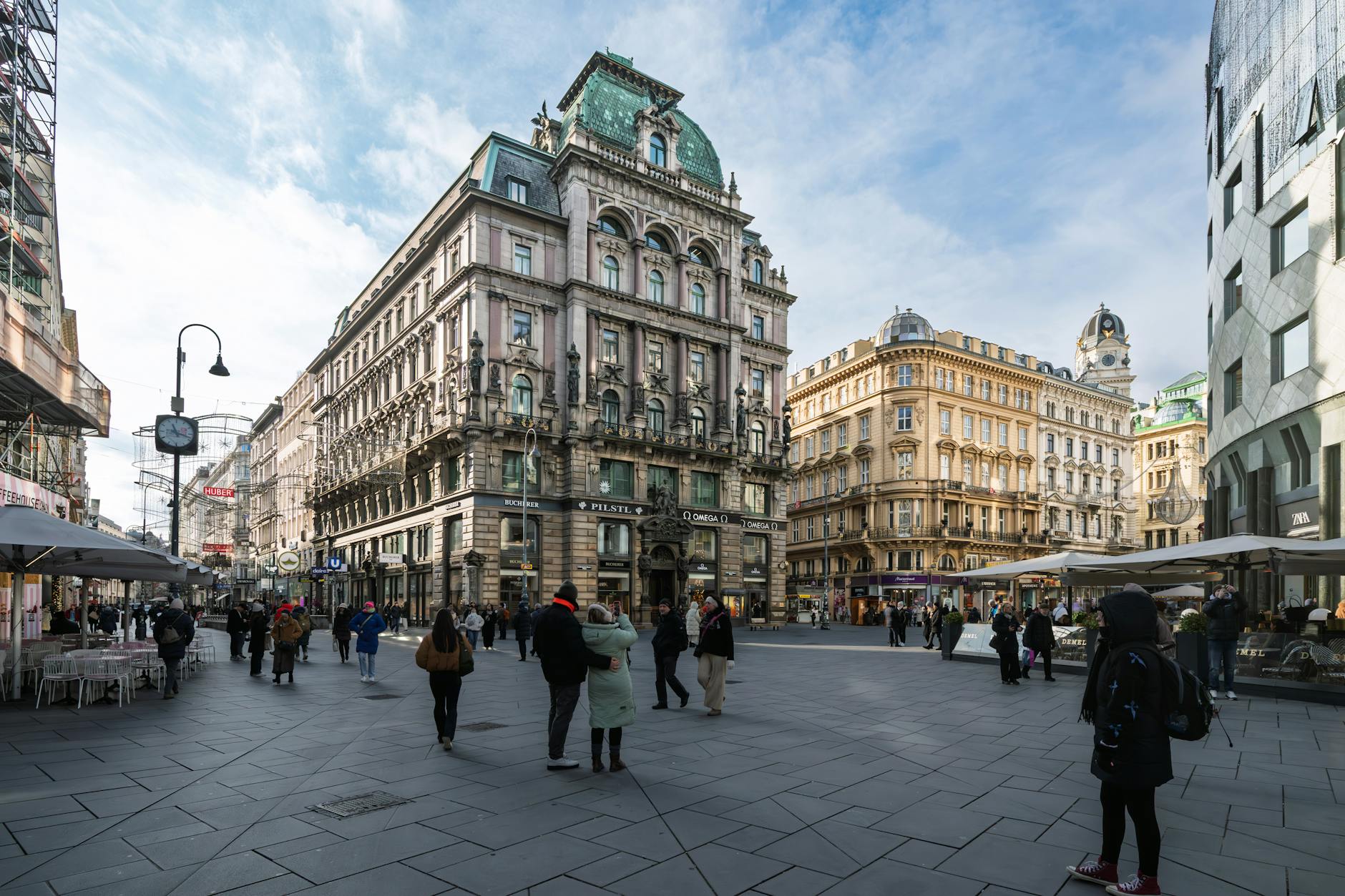
- Quick Answer: Best Areas to Stay in Vienna
- 1st District — Innere Stadt (City Center)
- 2nd District — Leopoldstadt (Prater & Danube Canal)
- 3rd District — Landstraße (Belvedere & Diplomatic Quarter)
- 4th & 5th Districts — Wieden & Margareten (The Creative South)
- 6th District — Mariahilf (Naschmarkt & Shopping)
- 7th District — Neubau (The Creative Quarter)
- 8th & 9th Districts — Josefstadt & Alsergrund (University Quarter)
- Beyond the Inner Districts: Wien Hauptbahnhof & Budget Options
- Safety by District: What You Need to Know
- Hotels vs. Apartments: Which Is Right for You?
- When to Book & Seasonal Pricing
- Getting Around from Your Hotel
- District Comparison: At a Glance
- Practical Booking Tips for Vienna Hotels
- Frequently Asked Questions
- Final Recommendation
- Related Vienna Guides
This article contains advertising. Our booking links are routed through a partner that adds commission tracking automatically, so if you book through one we earn a commission from the provider, at no extra cost to you. It never affects what we recommend. Affiliate disclosure
Choosing where to stay in Vienna can make or break your trip. Vienna’s 23 districts each have their own personality, price point, and proximity to the sights that matter most. This guide breaks down the best neighborhoods for every type of traveler — from first-timers wanting to be steps from Stephansdom to budget-conscious visitors seeking authentic local atmosphere at half the price.
Vienna consistently ranks among the world’s most livable cities, and that quality of life extends to its accommodation options. Whether you’re booking a grand hotel on the Ringstraße, a design apartment in a creative district, or a well-run hostel near the Naschmarkt, you’ll find Vienna’s transport network makes everywhere feel central. We’ve organized this guide by district so you can match your interests, budget, and travel style to the perfect neighborhood.
Quick Answer: Best Areas to Stay in Vienna
In a hurry? Here’s the short version. First-time visitors should stay in the 1st district (Innere Stadt) for walkability to every major landmark, or the 6th/7th district (Mariahilf/Neubau) for the best balance of price, atmosphere, and location. Repeat visitors should explore Leopoldstadt (2nd) for its emerging creative scene or Josefstadt (8th) for quiet elegance. Budget travelers get the most value in Margareten (5th) or Favoriten (10th) near the main train station.
Average nightly rates in 2026 range from €30–50 for hostels, €90–130 for mid-range hotels, and €250–500+ for luxury properties. Prices climb in December, when the Christmas markets draw crowds, and around big events such as the Eurovision Song Contest, which Vienna hosted in May 2026. Book well ahead for these periods.
1st District — Innere Stadt (City Center)
Best for: First-time visitors, luxury travelers, history lovers
Average nightly rate: €180–350 (mid-range to luxury)
U-Bahn stations: Stephansplatz (U1/U3), Karlsplatz (U1/U2/U4), Herrengasse (U3)
The Innere Stadt is Vienna’s historic heart, encircled by the Ringstraße boulevard. Every major landmark is within walking distance — Stephansdom, the Hofburg Imperial Palace, the Albertina, Graben, and Kohlmarkt shopping street. If this is your first time in Vienna and you want to wake up surrounded by Habsburg grandeur, this is where to be.
The trade-off is price, and the atmosphere is undeniably touristy. You won’t find many locals eating on Kärntner Straße. But the convenience is unmatched — many of Vienna’s best-known sights are within walking distance of a hotel in the 1st district.
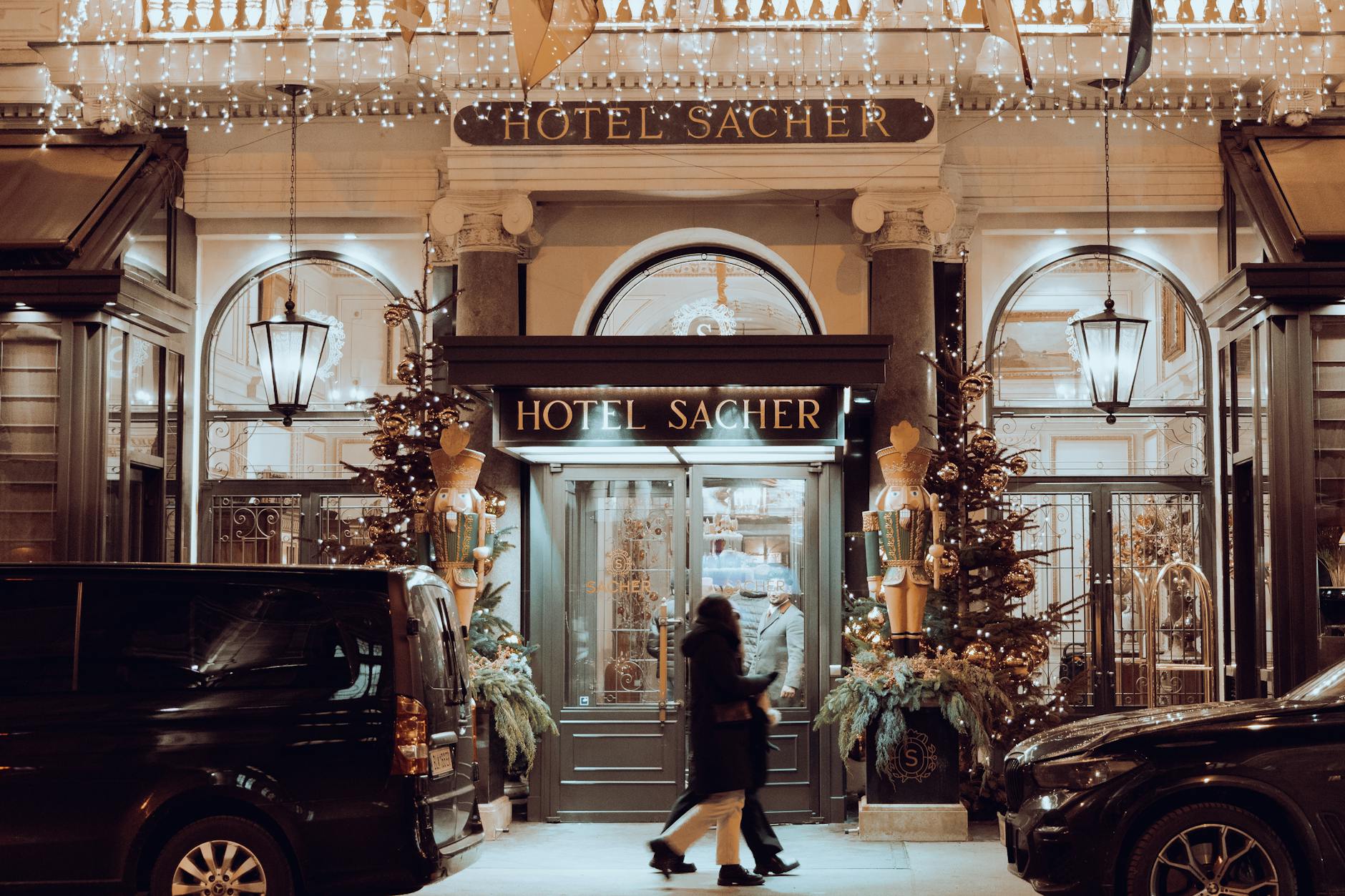
Top hotel picks by budget:
- Luxury (€300+): Hotel Sacher, Park Hyatt Vienna, The Amauris (Relais & Châteaux)
- Mid-range (€150–250): Hotel Topazz, Pension Nossek, Hotel Am Stephansplatz
- Budget-friendly (€80–130): Motel One Wien-Staatsoper, Boutique Hotel Stadthalle
Insider tip: Hotels on the quieter side streets between Graben and Am Hof offer the same central location without the noise of Kärntner Straße. Ask for a courtyard-facing room if you’re a light sleeper.
What to expect at night: Shops usually close at 6:30pm on weekdays and at 5pm or 6pm on Saturdays. After that, Kärntner Straße transforms from bustling shopping street to elegant promenade, and the area around Stephansdom becomes genuinely peaceful. The main late-night activity centers around the Bermuda Triangle bar area near Schwedenplatz, in the 1st district around Seitenstettengasse, Rabensteig and Judengasse, where a cluster of bars stays lively late on weekends.
Dining in the district: Skip the restaurants directly on Stephansplatz and Graben — these are tourist traps with inflated prices. Instead, walk 2–3 blocks to Bäckerstraße, Wollzeile, or the streets near Franziskanerplatz for authentic Viennese restaurants at reasonable prices. For Wiener Schnitzel, Figlmüller’s original restaurant is at Wollzeile 5; reserve ahead, as walk-ins may have to wait.
2nd District — Leopoldstadt (Prater & Danube Canal)
Best for: Families, repeat visitors, nightlife seekers
Average nightly rate: €90–160
U-Bahn stations: Praterstern (U1/U2), Taborstraße (U2), Nestroyplatz (U1)
Leopoldstadt has transformed from a working-class district into one of Vienna’s most exciting neighborhoods. The Danube Canal’s street art, waterfront bars, and summer pop-up restaurants have made this the go-to area for travelers who’ve already seen the palaces and want something more authentic.
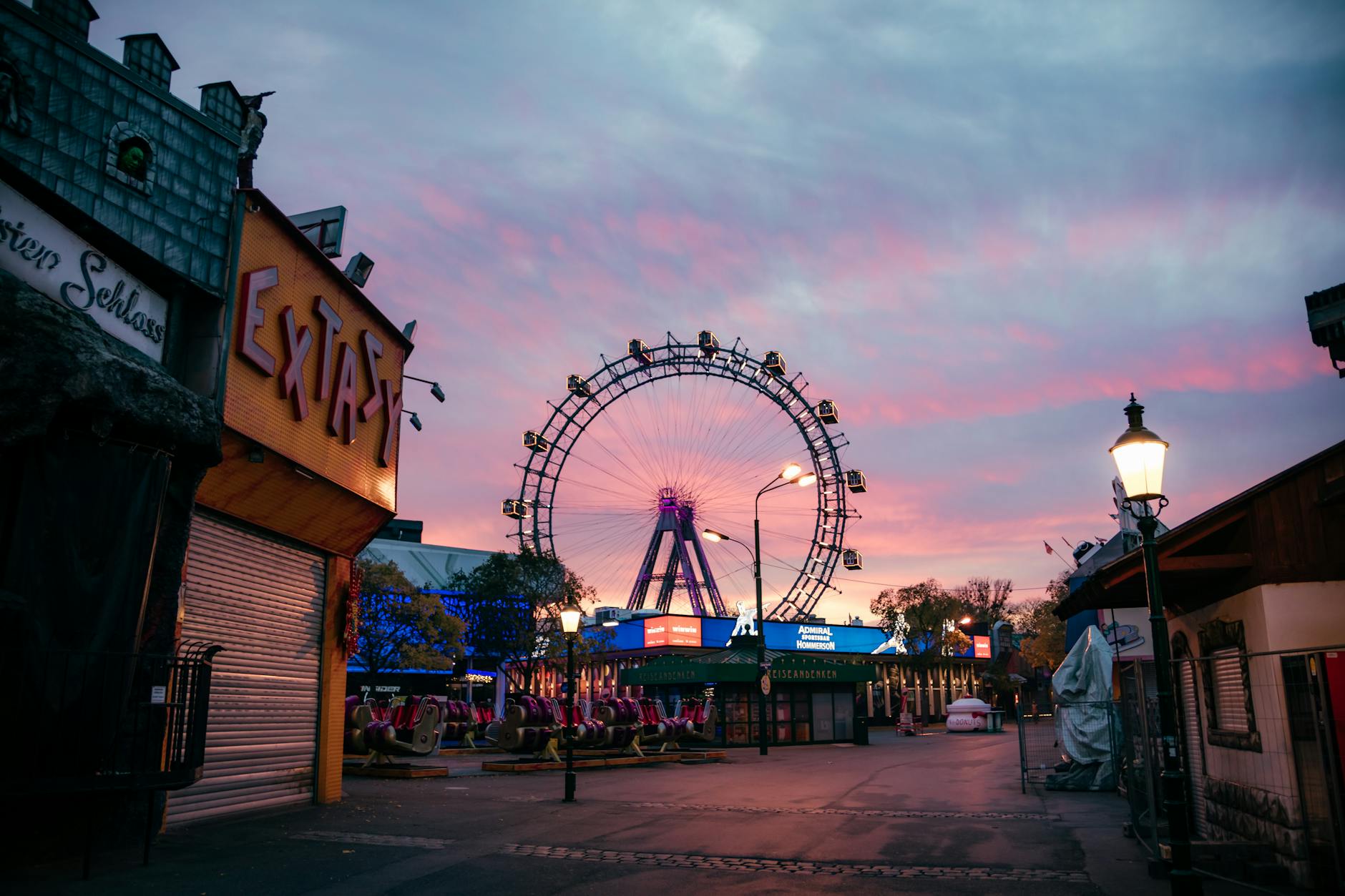
The Prater amusement park and its surrounding green spaces make Leopoldstadt particularly appealing for families. The park is twice the size of New York’s Central Park, with playgrounds, cycling paths, and the iconic Riesenrad Ferris wheel. Hotels here tend to cost less than in the 1st district, and the center is a short U-Bahn ride away.
Top hotel picks by budget:
- Mid-range (€120–180): Hotel & Palais Strudlhof, BASSENA Wien Messe Prater
- Budget (€70–110): Motel One Wien-Prater
Insider tip: The stretch along the Danube Canal between Schwedenplatz and Urania is Vienna’s best after-dark scene in summer — waterfront bars, food trucks, and DJs every weekend from May through September.
The Karmelitermarkt experience: While tourists flock to the Naschmarkt, locals love the Karmelitermarkt in Leopoldstadt. This smaller, more intimate market has outstanding cheese shops, a beloved fish stand, and some of the best brunch spots in Vienna. Saturday morning at the Karmelitermarkt is quintessential Viennese life — grab a Melange (Vienna’s signature coffee) at one of the market cafes and watch the neighborhood come alive.
Family logistics: Beyond the Prater, Leopoldstadt offers the Augarten park (free entry, beautiful Baroque gardens), the Augarten Porcelain Manufactory tours, and in summer, the Donauinsel (Danube Island) — a 21-kilometer recreational area with free swimming, cycling paths, and picnic spots. The district has excellent playgrounds and the U2 line connects directly to the city center.
3rd District — Landstraße (Belvedere & Diplomatic Quarter)
Best for: Art lovers, quiet luxury, couples
Average nightly rate: €100–180
U-Bahn stations: Wien Mitte/Landstraße (U3/U4), Rochusgasse (U3)
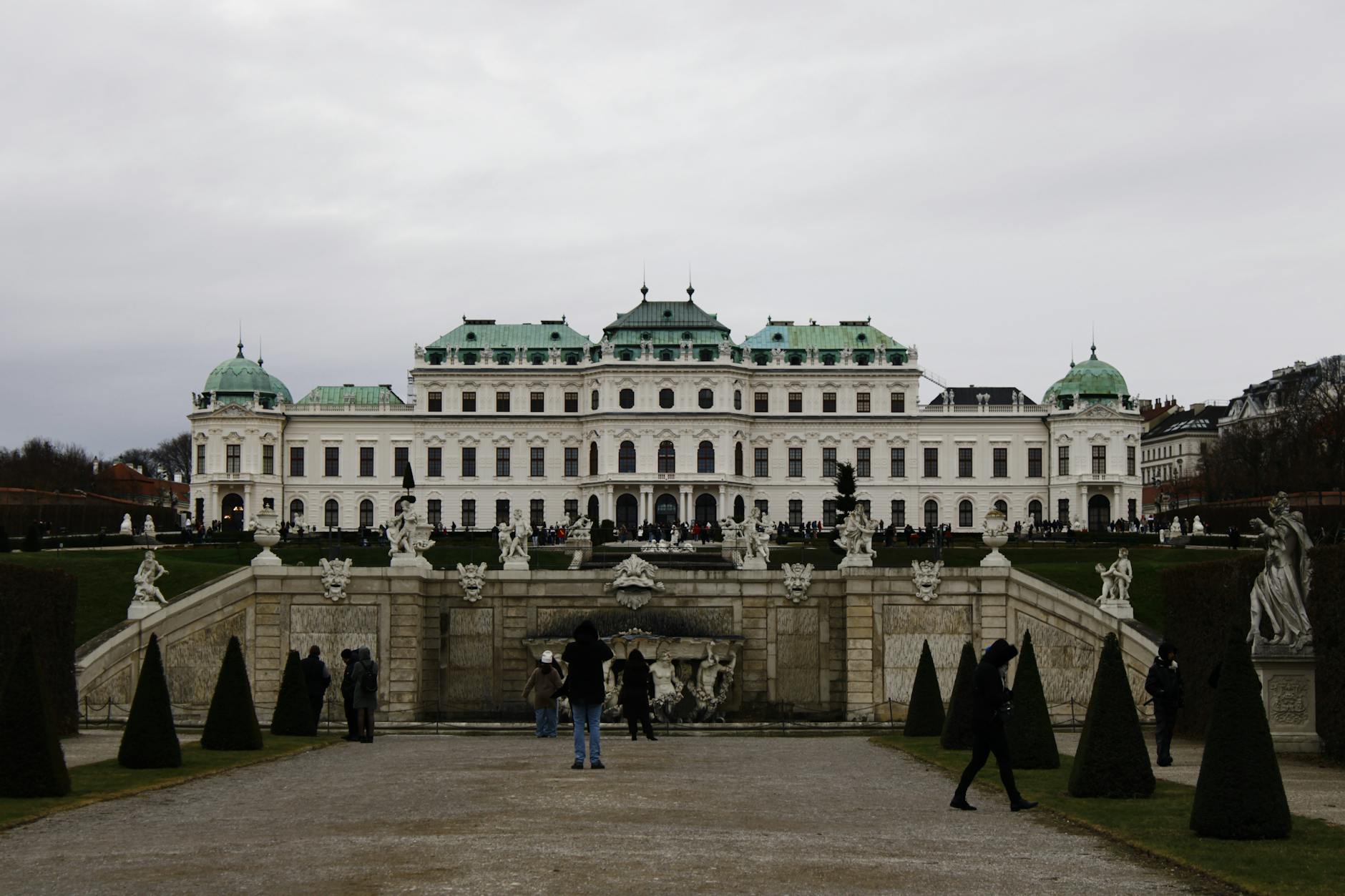
The 3rd district revolves around the magnificent Belvedere Palace and its gardens, home to Klimt’s “The Kiss.” This is Vienna’s diplomatic quarter — embassies line tree-shaded boulevards, and the atmosphere is refined without being stuffy. It’s noticeably quieter than the 1st district but still within walking distance of the center.
The area around Wien Mitte/Landstraße station is a practical hub with direct airport connections (the CAT currently runs as a nonstop bus, advertised at 21 minutes, expected until October 2027) and shopping at The Mall Wien Mitte. Hotels here offer genuine value — elegant surroundings at prices well below the city center.
Top hotel picks:
- Upscale (€150–250): Imperial Riding School (Autograph Collection), Hotel Daniel Vienna
- Mid-range (€90–140): Mercure Grand Hotel Biedermeier, ibis Wien Mariahilf
The Wien Mitte advantage: If you’re flying into Vienna International Airport, staying near Wien Mitte station is the smartest logistical choice. CAT by bus runs nonstop from the airport to Wien Mitte in an advertised 21 minutes, stopping at Marxergasse 1b, and from there you walk or take the U-Bahn to your hotel. The station also connects to the U3 and U4 metro lines, making every corner of Vienna accessible.
Evening atmosphere: The 3rd district comes alive around Rochusmarkt (a small daily market) and the streets between Landstraßer Hauptstraße and the Belvedere. This area has seen a wave of new wine bars and restaurants in recent years, driven by young Viennese priced out of the trendier 6th and 7th districts. It’s less scene-y and more genuine — dinner conversations at the next table are in German, not English.
4th & 5th Districts — Wieden & Margareten (The Creative South)
Best for: Budget travelers, students, creative types
Average nightly rate: €70–120
U-Bahn stations: Karlsplatz (U1/U2/U4), Kettenbrückengasse (U4), Pilgramgasse (U4)
These two neighboring districts south of the center offer Vienna’s best value-for-location ratio. Wieden (4th) borders the 1st district and includes the Karlsplatz area, Karlskirche, and the southern edge of the Naschmarkt. Margareten (5th) is grittier and more residential, with a growing cafe and gallery scene that locals love.
The Freihausviertel in the 4th district has become a design and dining destination, with independent restaurants, vintage shops, and the Secession building. Both districts are served by the U4 line, a direct ride to Schwedenplatz or Schönbrunn.
Top hotel picks:
- Mid-range (€100–160): The Harmonie Vienna, Hotel Erzherzog Rainer
- Budget (€60–90): A&O Wien Hauptbahnhof, wombat’s CITY Hostel Vienna – Naschmarkt
The Freihausviertel effect: The small neighborhood around Schleifmühlgasse in the 4th district has become Vienna’s most concentrated dining destination. Restaurants and bars fill the surrounding streets, and Café Anzengruber is at Schleifmühlgasse 19. Monthly art walks on the first Thursday draw crowds to the neighborhood’s galleries and pop-up exhibitions.
Why Margareten is rising: The 5th district was historically overlooked by tourists but has become more fashionable in recent years. Former workshops are now coffee roasters and coworking spaces. The Schlossquadrat complex hosts a weekend farmers’ market, and the Bacherplatz area has excellent Turkish and Middle Eastern restaurants reflecting the district’s diverse community. Hostels and budget hotels near the Hauptbahnhof frequently have Margareten addresses, giving budget travelers unexpected access to one of Vienna’s most interesting emerging neighborhoods.
6th District — Mariahilf (Naschmarkt & Shopping)
Best for: Foodies, shoppers, nightlife, first-time visitors on a budget
Average nightly rate: €90–150
U-Bahn stations: Museumsquartier (U2), Neubaugasse (U3), Kettenbrückengasse (U4)
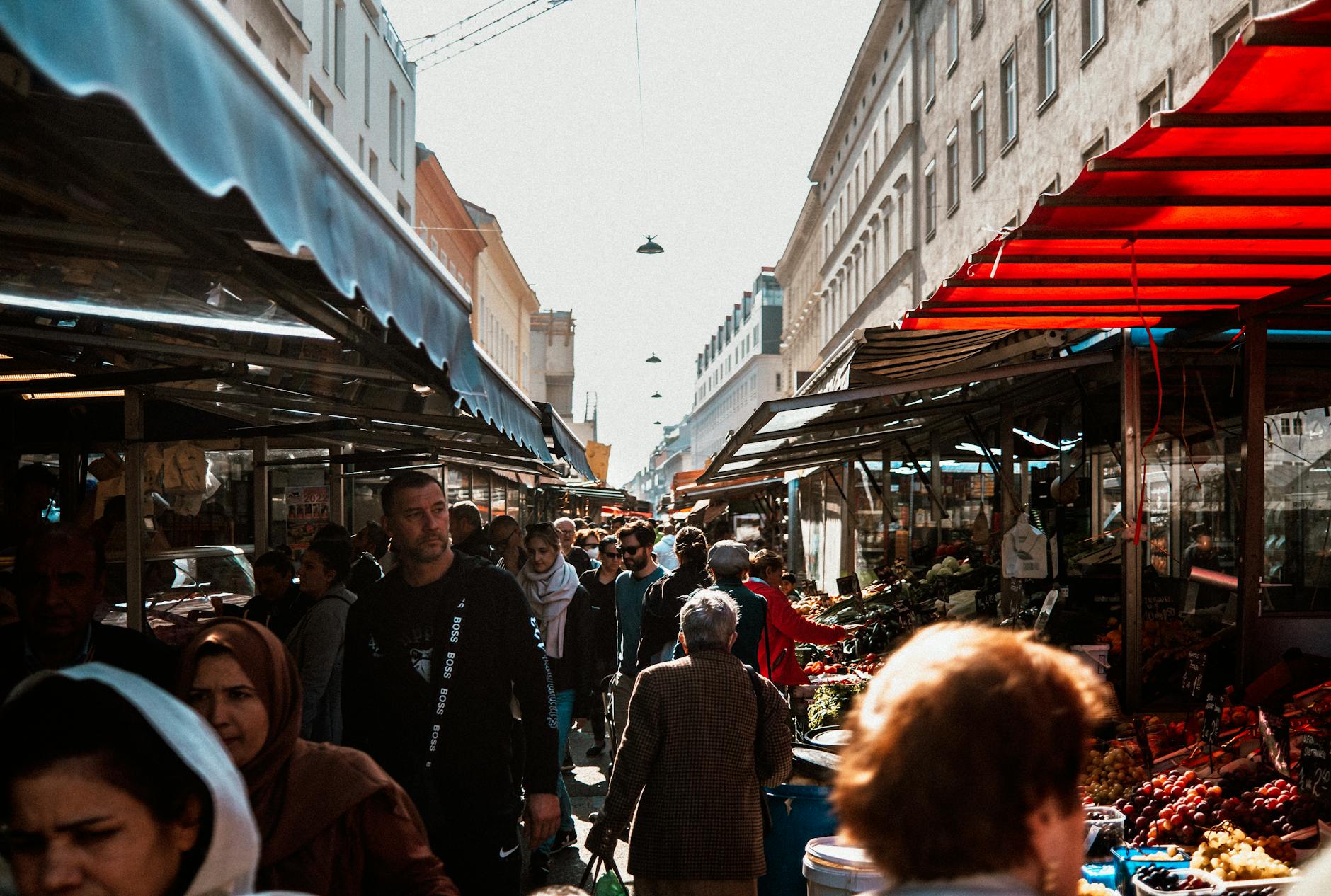
Mariahilf is the sweet spot that savvy travelers discover on their second visit — then never leave. The district is anchored by the Naschmarkt, Vienna’s most famous market, where around 130 stalls sell everything from Styrian pumpkin seed oil to Vietnamese street food. Mariahilfer Straße, Vienna’s largest and liveliest shopping street, forms the northern border.
What makes Mariahilf special is its nightlife and dining density. The streets south of the Naschmarkt (Gumpendorfer Straße, Schmalzhofgasse) are packed with independent restaurants, cocktail bars, and wine bars that locals actually frequent. Rooms tend to cost less than in the 1st district, which is a walk away across Karlsplatz.
Top hotel picks:
- Mid-range (€100–160): Hotel Beethoven Wien, Ruby Marie Hotel Vienna
- Budget (€60–90): wombat’s CITY Hostel Vienna – The Lounge, Hostel Ruthensteiner
Insider tip: The Saturday flea market beside the western end of the Naschmarkt is an established Vienna fixture, with antiques, used books, records and vintage pieces. Get there before 9am for the best finds.
7th District — Neubau (The Creative Quarter)
Best for: Repeat visitors, design lovers, young travelers
Average nightly rate: €100–170
U-Bahn stations: Museumsquartier (U2), Volkstheater (U2/U3), Neubaugasse (U3)
Neubau is Vienna’s answer to Williamsburg or Shoreditch — a compact neighborhood packed with concept stores, third-wave coffee roasters, vegan restaurants, and independent galleries. The MuseumsQuartier, one of the world’s largest cultural complexes, sits at its eastern edge.
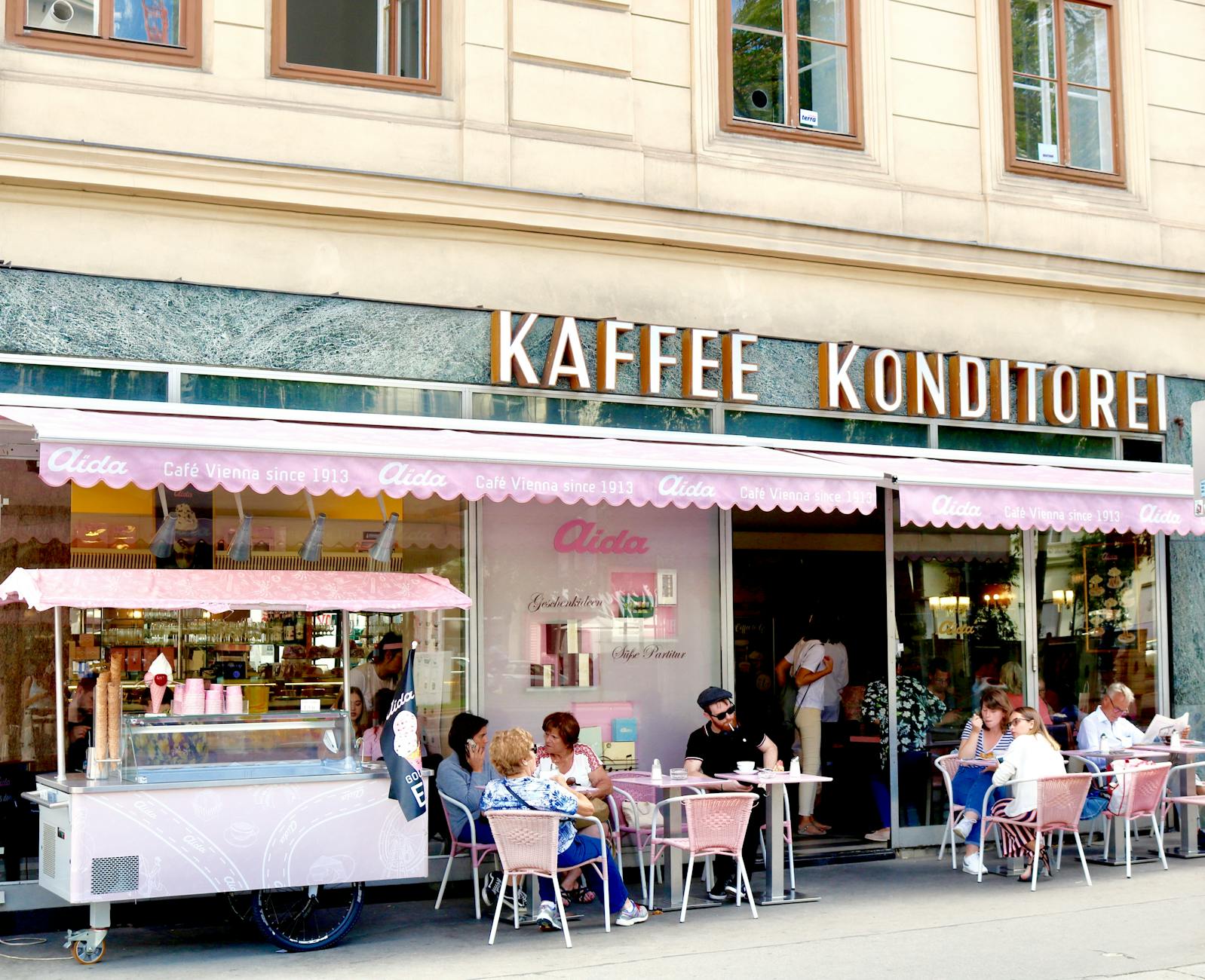
Kirchengasse and Neubaugasse are the main arteries, lined with boutiques that feel distinctly non-chain. The 7th district attracts university students and creative professionals, giving it an energy that the historic center lacks. It’s also immediately adjacent to the 1st district — a short walk through the Museumsquartier puts you at the Hofburg.
Top hotel picks:
- Boutique (€130–200): Hotel Altstadt Vienna, 25hours Hotel Wien
- Mid-range (€90–130): Hotel Kugel, K+K Hotel Maria Theresia
The Spittelberg quarter: Tucked beside the MuseumsQuartier, the Spittelberg’s narrow lanes are lined with Biedermeier buildings. This picturesque quarter comes alive during the Christmas market season (November 13 to December 23 in 2026) with handmade crafts, mulled wine, and candlelit courtyards. Year-round, the quarter has excellent independent restaurants and wine bars — Amerlingbeisl, set in a hidden courtyard garden, is a local institution.
Neubau shopping: Kirchengasse, Lindengasse, and Neubaugasse form a triangle of independent retail that rivals any European capital’s cool district. Expect concept stores like Park (menswear and café combined), vintage shops with curated 1960s-70s fashion, Austrian design studios, and specialty food shops. The absence of chain stores is deliberate — the district association actively promotes independent retail, making this the antithesis of Mariahilfer Straße’s mainstream shopping.
8th & 9th Districts — Josefstadt & Alsergrund (University Quarter)
Best for: Repeat visitors, quiet stays, academic travelers
Average nightly rate: €80–140
U-Bahn stations: Rathaus (U2), Josefstädter Straße (U6), Schottentor (U2)
These two northern inner districts are Vienna’s best-kept accommodation secret. Josefstadt (8th) is the city’s smallest district and arguably its most charming — Biedermeier-era townhouses, the Theater in der Josefstadt, and a village-like atmosphere just minutes from the Ringstraße. Alsergrund (9th) is the university district, home to Sigmund Freud’s former office (now a museum) and the historic General Hospital campus.
Hotels here cost significantly less than the center, yet the Rathaus, Burgtheater, and Volksgarten are within walking distance. The U2 and U6 lines connect you to the rest of Vienna in minutes. These districts reward travelers who enjoy wandering quiet streets and discovering neighborhood cafes rather than following guided tours.
Top hotel picks:
- Mid-range (€90–150): Hotel Rathauspark, Hotel Josefshof am Rathaus
- Budget (€60–90): Hotel Zipser, myNext – Johannesgasse (student-style)
Josefstadt’s theater district: The 8th district punches above its weight culturally. Founded in 1788, the Theater in der Josefstadt is Vienna’s oldest surviving theater and hosts high-quality German-language drama and comedy. The Volkstheater, on the district’s southern border, offers a more contemporary program. Several smaller fringe theaters and cabarets make Josefstadt the go-to district for Vienna’s performing arts scene beyond the big State Opera and Musikverein.
Alsergrund’s Freud connection: Sigmund Freud lived and worked at Berggasse 19 for nearly half a century, and the building is now a fascinating museum. The broader Alsergrund has a distinctly intellectual atmosphere — the University of Vienna’s main campus, the old AKH hospital (now a university campus with excellent courtyard cafes and bars), and the Liechtenstein Palace garden all contribute to a neighborhood that feels scholarly without being stuffy. The Strudlhofstiege staircase, an Art Nouveau masterpiece connecting two street levels, is one of Vienna’s most underappreciated architectural gems.
Beyond the Inner Districts: Wien Hauptbahnhof & Budget Options
Best for: Transit-focused travelers, tight budgets, train connections
Average nightly rate: €50–90
U-Bahn stations: Hauptbahnhof (U1), Südtiroler Platz (U1)

Vienna’s Hauptbahnhof (main train station) area in the 10th district has seen massive development since the station was formally opened in October 2014. Several modern budget and mid-range hotel chains have set up here, offering clean, efficient rooms at prices that undercut the inner districts significantly. The U1 line runs directly to Stephansplatz; allow a few minutes for the walk from the train platforms to the U-Bahn.
The area is practical rather than atmospheric — you won’t find cobblestone charm, but you’ll find reliable accommodation with excellent rail connections to Bratislava (about an hour), Budapest and Salzburg. For travelers arriving late or departing early, the station location is unbeatable.
Top hotel picks:
- Budget chains (€60–100): Motel One Wien-Hauptbahnhof, Leonardo Hotel Vienna Hauptbahnhof, MEININGER Wien Hauptbahnhof
- Hostels (€25–45): a&o Wien Hauptbahnhof, wombat’s CITY Hostel – The Base
Safety by District: What You Need to Know
Vienna is generally a safe city for visitors; the main thing to guard against is pickpocketing in crowded areas. That said, there are practical differences between districts that are worth understanding.
Inner districts: Districts 1, 3, 4, 7, 8, 9 — generally safe, with the usual watch for pickpockets in busy spots.
Generally safe with normal precautions: Districts 2, 5, 6, 10, 15, 16, 20 — busy, diverse neighborhoods; keep an eye on your belongings on crowded trams and at markets. The area around Praterstern station (2nd district) can feel somewhat sketchy after midnight but is not genuinely dangerous. Standard city awareness is sufficient.
Areas tourists rarely need to visit: Districts 10 (Favoriten, beyond the Hauptbahnhof area), 11 (Simmering), and parts of 16 (Ottakring) and 20 (Brigittenau) are mostly residential, with fewer sights. They’re not dangerous, but they lack the charm and convenience of the inner districts.
Pickpocket hotspots: Be alert on the U-Bahn (especially U1 and U3 during rush hour), at Schwedenplatz, around Stephansdom, on crowded trams along the Ring, and at the Naschmarkt during Saturday morning peak hours. Keep valuables in front pockets or a cross-body bag.
Hotels vs. Apartments: Which Is Right for You?
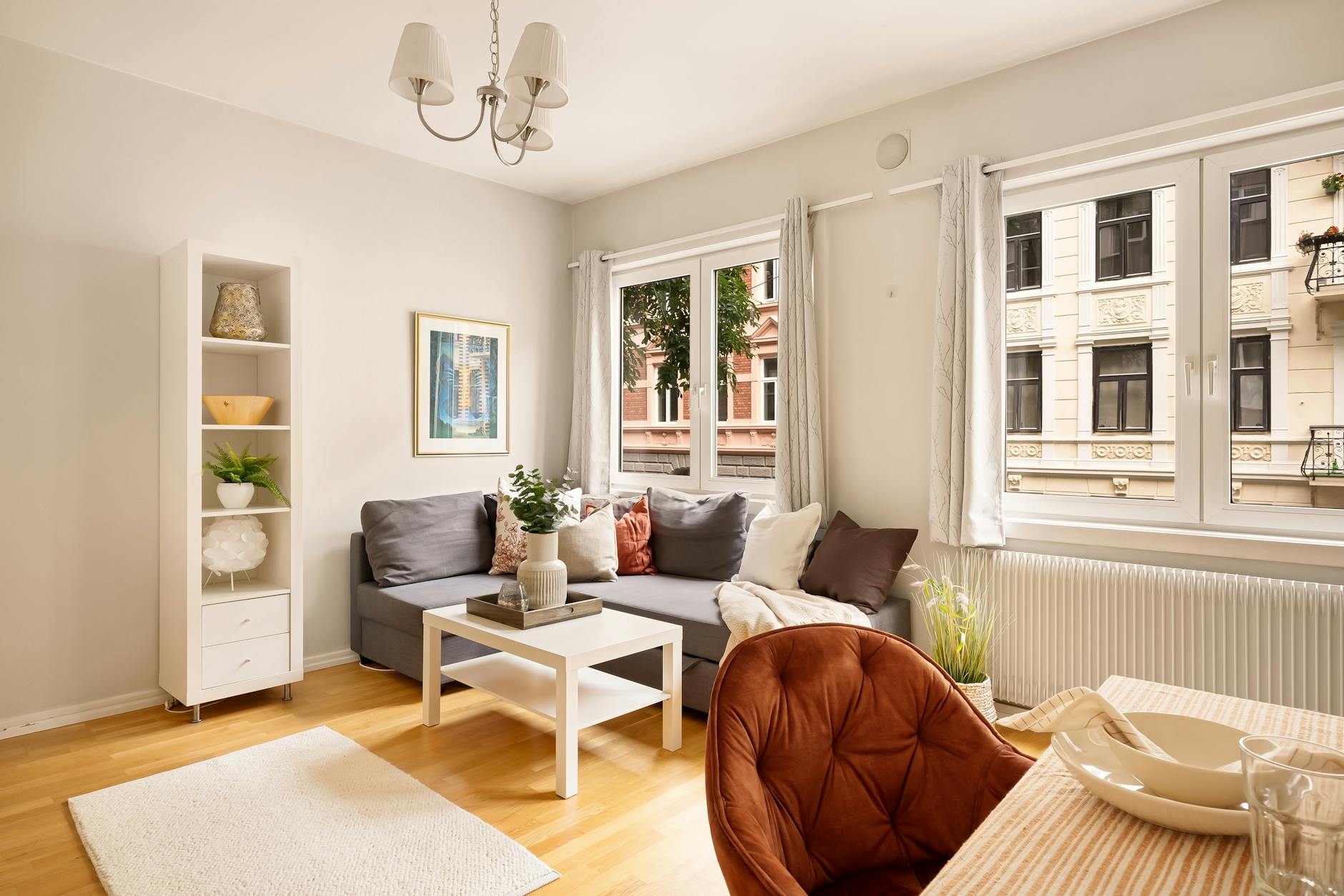
Vienna has a thriving short-term rental market, and apartments can be a smart choice in certain situations. A one-bedroom apartment in the 6th or 7th district typically costs €80–120/night — comparable to a mid-range hotel but with a kitchen, washing machine, and more space.
Choose an apartment if: You’re staying 4+ nights, traveling with family, want to cook some meals, or prefer living like a local. The savings on eating out alone can be €30–50/day for a family.
Choose a hotel if: You’re staying 1–3 nights, want daily housekeeping, need a concierge for restaurant reservations and tickets, or prefer the security of a staffed reception. Hotels also offer breakfast — a substantial Viennese hotel breakfast buffet (€15–25) can fuel you until late afternoon.
Booking platforms: For apartments, booking.com and Airbnb both have strong Vienna inventory. For hotels, booking.com dominates the Austrian market, but direct hotel websites often match or beat prices and include perks like room upgrades or late checkout.
When to Book & Seasonal Pricing
Vienna’s hotel prices follow predictable seasonal patterns, and timing your booking can make a real difference to what you pay for the same room.
Peak season (highest prices):
- December: Christmas market season drives average rates to €200–450/night in central districts. Book by September.
- May–June: Spring peak with pleasant weather. Vienna hosted the Eurovision Song Contest in May 2026; big events like that push demand up, so check what’s on before you book.
- New Year’s Eve: Vienna’s famous Silvesterpfad street party fills every hotel. Book by October.
Shoulder season (best value):
- March–April: Excellent weather, fewer crowds, prices below peak.
- October–November: Autumn colors in the Vienna Woods, pre-Christmas calm, good rates.
Low season (cheapest):
- January–February: Cold but atmospheric. Opera and concert season in full swing. Hotel rates usually well below December peaks.
Booking tip: For the best rates, book 6–8 weeks ahead for shoulder season, 2–3 months for peak season. Many rates allow free cancellation, so book early and cancel if plans change; check the cancellation deadline for the rate you book.
Getting Around from Your Hotel
No matter where you stay in Vienna, the city’s public transport system makes everywhere accessible. The U-Bahn (metro) runs 5 lines, and trams and buses extend coverage across the city. A 24-hour ticket costs €9.70 in the WienMobil app or online, or €10.20 on paper, with unlimited travel on all modes. Wiener Linien withdrew its 48-hour and 72-hour tickets at the start of 2026, so for longer stays the 7-day ticket is the one to buy.
How to reach Stephansplatz (city center) from popular hotel districts:
- From Mariahilf (6th): a few stops via U3
- From Leopoldstadt (2nd): a few minutes via U1
- From Josefstadt (8th): U2, then a short walk
- From Hauptbahnhof (10th): direct via U1, plus the walk from the train platforms
- From Landstraße (3rd): a short hop on the U3
For airport transfers, the City Airport Train (CAT) currently runs as a nonstop bus to Wien Mitte (3rd district) for €14.90 one-way, advertised at 21 minutes, and Vienna’s tourist board still rates it the fastest link to the city center. The cheaper option is the S7 train: €5.50 for adults (€2.30 for the stretch outside Vienna plus €3.20 within the city), or just the €2.30 supplement if you hold a valid Vienna City Card or Wiener Linien multi-day ticket. Until the end of October 2027 the S7 runs between the airport and St. Marx instead of Wien Mitte, taking about 18 minutes, so allow time for an onward connection. Both are fast and reliable.
District Comparison: At a Glance
| District | Avg. €/Night | Best For | Vibe |
|---|---|---|---|
| 1st — Innere Stadt | €180–350 | First-timers, luxury | Imperial, touristy |
| 2nd — Leopoldstadt | €90–160 | Families, nightlife | Creative, canalside |
| 3rd — Landstraße | €100–180 | Art lovers, couples | Elegant, diplomatic |
| 4th/5th — Wieden/Margareten | €70–120 | Budget, creatives | Local, emerging |
| 6th — Mariahilf | €90–150 | Foodies, shoppers | Lively, market-driven |
| 7th — Neubau | €100–170 | Design lovers, young | Hipster, boutique |
| 8th/9th — Josefstadt/Alsergrund | €80–140 | Repeat visitors, quiet | Academic, charming |
| 10th — Hauptbahnhof area | €50–90 | Budget, transit hub | Modern, practical |
Practical Booking Tips for Vienna Hotels
Best booking platforms for Vienna: Booking.com dominates the Austrian hotel market with the widest inventory and competitive prices. HotelsCombined and Trivago are useful for price comparison. For luxury properties, consider booking directly with the hotel — most Vienna luxury hotels offer best-rate guarantees on their websites, often with added perks like welcome drinks, room upgrades, or late checkout.
Vienna City Card vs. regular transport pass: The Vienna City Card (€19 for 24 hours, €31 for 48 hours, €37 for 72 hours, €39 for 7 days) includes unlimited public transport plus discounts at partner attractions, restaurants, and shops. Wiener Linien’s own 24-hour ticket (€9.70 digital, €10.20 paper) or 7-day ticket (€25.20 digital, €28.90 paper) is cheaper if you won’t use many discounts. For most tourists, the Vienna City Card pays for itself if you visit 3+ paid attractions.
Breakfast strategy: Many budget and mid-range Vienna hotels offer breakfast for an additional €12–20/person. Compare this with the bakeries and cafes near your hotel — a Viennese bakery breakfast (semmel rolls, butter, jam, coffee) costs €5–8 and is often more authentic. Save the hotel breakfast for days when you need to fuel up early for a full sightseeing day.
Check-in and luggage storage: Check-in is usually in the afternoon and check-out in the late morning, but times vary, so confirm them with your hotel. If you arrive early, most hotels will store your luggage. The Hauptbahnhof has multifunctional lockers (€3.50–€5.50 per locker per day) for travelers between hotels. Apps like LuggageHero and Bounce also partner with shops near major tourist areas: LuggageHero charges from €1/hour plus a €1.60 service fee per bag, and Bounce advertises Vienna storage from €3.25/day.
Noise considerations: Viennese buildings are old and walls can be thin. Hotels on tram lines (Ringstraße, Mariahilfer Straße) may have noise from early-morning trams. Always request a courtyard-facing or upper-floor room if you’re a light sleeper. Double-glazed windows are standard in most renovated properties but ask when booking older or budget establishments.
Wi-Fi and connectivity: Free Wi-Fi is standard in virtually all Vienna hotels, including budget options and hostels. Speed is generally excellent — Austria has strong broadband infrastructure. Many hotels also offer free city maps, walking tour suggestions, and will print boarding passes at reception. Power outlets use the European two-pin standard (Type C/F), and some newer hotels add USB charging ports by the bed.
Frequently Asked Questions
What is the best area to stay in Vienna for the first time?
The 1st district (Innere Stadt) puts you within walking distance of every major sight and is the most convenient for first-time visitors. If you want better value with almost equal convenience, the 6th district (Mariahilf) near the Naschmarkt offers a more local atmosphere at lower prices, with the city center a short walk or U-Bahn ride away.
Is Vienna safe for tourists?
Vienna is generally safe for tourists, the inner districts (1–9) included. The 10th district (Favoriten) and 16th district (Ottakring) have slightly higher petty crime rates but are still safe by international standards. Normal big-city precautions apply — watch for pickpockets on crowded trams and at tourist hotspots.
How much should I budget for accommodation in Vienna?
Budget travelers can find hostels for €25–45/night and basic hotels for €60–80/night. Mid-range travelers should budget €100–160/night for a comfortable 3–4 star hotel. Luxury properties range from €250–500+/night. These prices apply to shoulder season — expect to pay more in December and peak summer.
Should I stay near the Hauptbahnhof?
The Hauptbahnhof area is excellent for budget travelers, those arriving by train, or travelers planning day trips. Modern hotels here are clean and well-connected, with the U1 running direct to the center. However, the area lacks the atmospheric charm of the inner districts — it feels more like a transit hub than a neighborhood.
Do I need a car in Vienna?
Absolutely not. Vienna’s public transport system is comprehensive, affordable, and runs frequently. Parking in central districts is expensive (€2–4/hour, resident permit zones) and unnecessary. If you’re planning day trips, trains are faster and easier than driving for destinations like the Wachau Valley, Salzburg, and Bratislava.
Final Recommendation
For most visitors, the sweet spot lies in Vienna’s 6th and 7th districts — Mariahilf and Neubau. You’ll get the best combination of authentic atmosphere, walkable access to the center, excellent restaurant and cafe scenes, and prices that leave room in your budget for Vienna’s incredible activities and world-class dining. Pair your stay with Vienna’s efficient public transport and you’ll feel like a local by day two.
For a complete overview of planning your trip, see our Ultimate Vienna Travel Guide, and check our guides to Vienna’s top attractions and visiting Vienna on a budget.