The Ultimate Vienna Travel Guide (2026): Everything You Need to Plan Your Perfect Trip
Your complete guide to visiting Vienna — from Schönbrunn Palace and the State Opera to coffee house culture and Wiener Schnitzel. Includes current prices, neighborhood guides, itineraries for 1-7 days, transport tips, and insider advice for making the most of Austria's imperial capital.
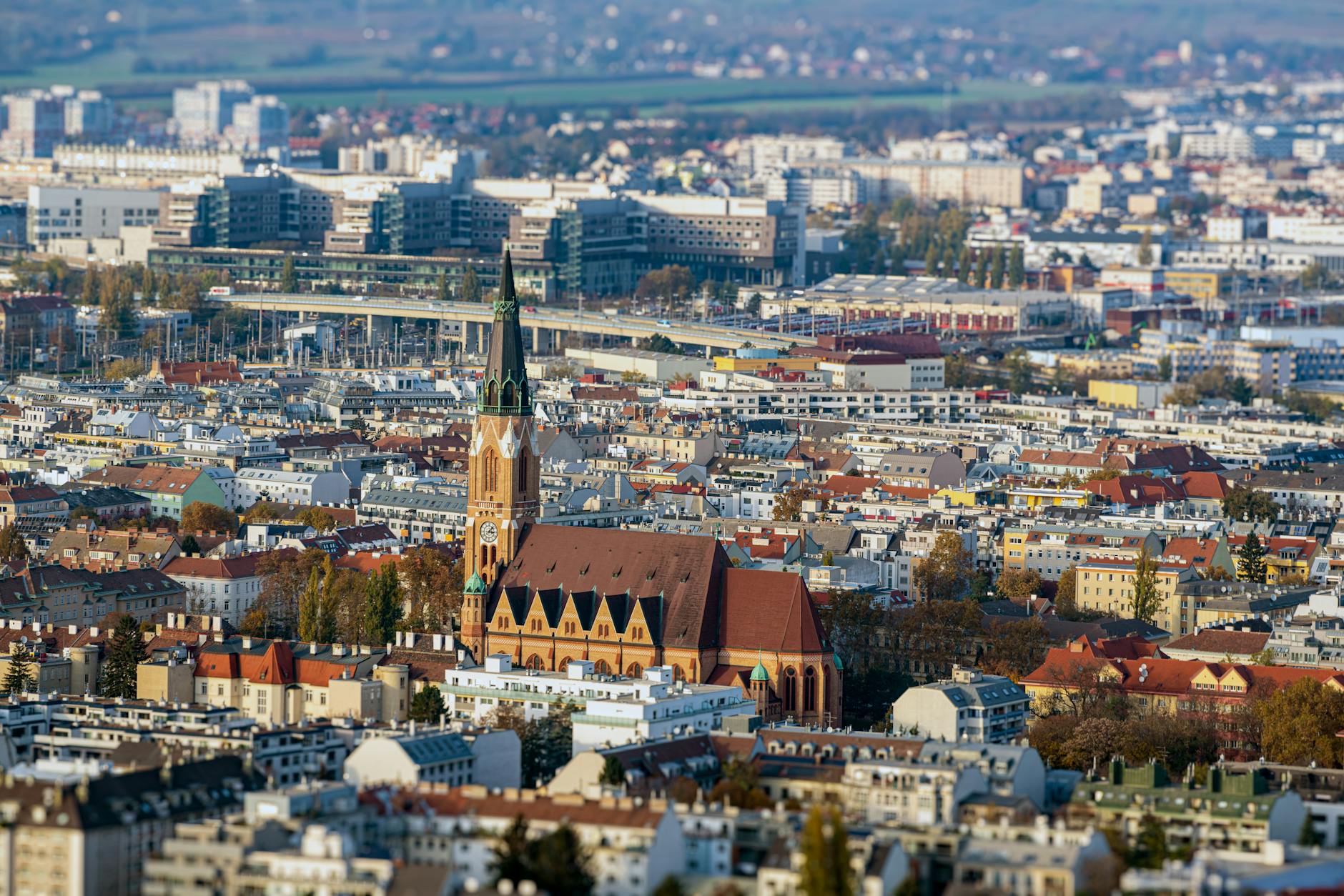
Vienna's stunning skyline — a city where imperial grandeur meets modern sophistication. Photo by Ghassan Alkhatib.
- Quick Facts & Planning Essentials
- Vienna’s Neighborhoods: Where to Stay and Explore
- Must-See Attractions and Landmarks
- Museums and Cultural Institutions
- Viennese Food and Dining Culture
- Classical Music and Performing Arts
- Suggested Itineraries
- Getting Around Vienna
- Day Trips from Vienna
- Budget Guide: What Vienna Really Costs
- Seasonal Highlights and Events
- Practical Tips for a Smooth Trip
- Frequently Asked Questions About Visiting Vienna
- Related Vienna Guides
- Start Planning Your Vienna Trip
This article contains advertising. Our booking links are routed through a partner that adds commission tracking automatically, so if you book through one we earn a commission from the provider, at no extra cost to you. It never affects what we recommend. Affiliate disclosure
Vienna isn’t just another European capital — it’s a city that has shaped the course of Western civilization. From the Habsburg dynasty that ruled much of Europe for over six centuries to the composers who defined classical music, from revolutionary coffee house culture to cutting-edge contemporary art, Vienna offers an experience that few cities on earth can match. Ranked the world’s most livable city for more than a decade running, this Austrian gem on the Danube combines imperial grandeur with a quality of life that visitors feel the moment they arrive.
Whether you’re planning your first trip or returning to discover new corners of this extraordinary city, this comprehensive guide covers everything you need: from navigating Vienna’s efficient public transport system and finding the best traditional Beisl restaurants, to securing standing-room tickets at the State Opera for just a few euros and exploring neighborhoods that most tourists never see. Drawing on the latest visitor information and local insights, we’ve created the definitive resource for making the most of your time in the City of Music.
Quick Facts & Planning Essentials
Before diving into everything Vienna has to offer, here are the essential details that will help you plan a smooth and enjoyable trip.
Location & Geography: Vienna sits in northeastern Austria along the Danube River, just 60 kilometers from the Slovakian border. The city covers 415 square kilometers and is surrounded by the Vienna Woods (Wienerwald) to the west and rolling vineyards to the north, making it one of the few world capitals with significant wine production within city limits.
Language: German is the official language, but English is widely spoken in hotels, restaurants, tourist areas, and by younger Viennese. Learning a few basics — Grüß Gott (hello), Bitte (please), and Danke (thank you) — goes a long way and is appreciated by locals.
Currency: Austria uses the Euro (€). Credit cards (Visa and Mastercard) are widely accepted, though some smaller shops, market stalls, and traditional Heurigen (wine taverns) may be cash-only. ATMs (called Bankomats) are readily available throughout the city.
Best Time to Visit: Vienna is a year-round destination, each season offering a distinct experience. Spring (April–May) brings mild temperatures around 15–20°C with blooming gardens and fewer crowds. Summer (June–August) is warm (25–35°C) and filled with outdoor festivals, though tourist numbers peak. Autumn (September–October) offers pleasant weather, wine harvest festivals, and the start of the cultural season. Winter (November–March) transforms the city with enchanting Christmas markets, ball season, and the chance to experience Vienna’s famous café culture at its coziest — temperatures hover around 0–5°C.
How Long to Stay: While you can hit the major highlights in 2–3 days, we recommend 4–5 days to properly experience Vienna without rushing. A full week allows you to include day trips to the Wachau Valley or Bratislava and truly soak in the Viennese way of life.
Visa & Entry: Austria is part of the Schengen Area. EU/EEA citizens need only an ID card. Citizens of the US, UK, Canada, Australia, and many other countries can visit visa-free for up to 90 days within any 180-day period. Note that the new ETIAS (European Travel Information and Authorization System) is expected to launch in late 2026, requiring travelers from visa-exempt countries to obtain an online authorization before arrival (approximately €7, valid for three years).
Vienna’s Neighborhoods: Where to Stay and Explore
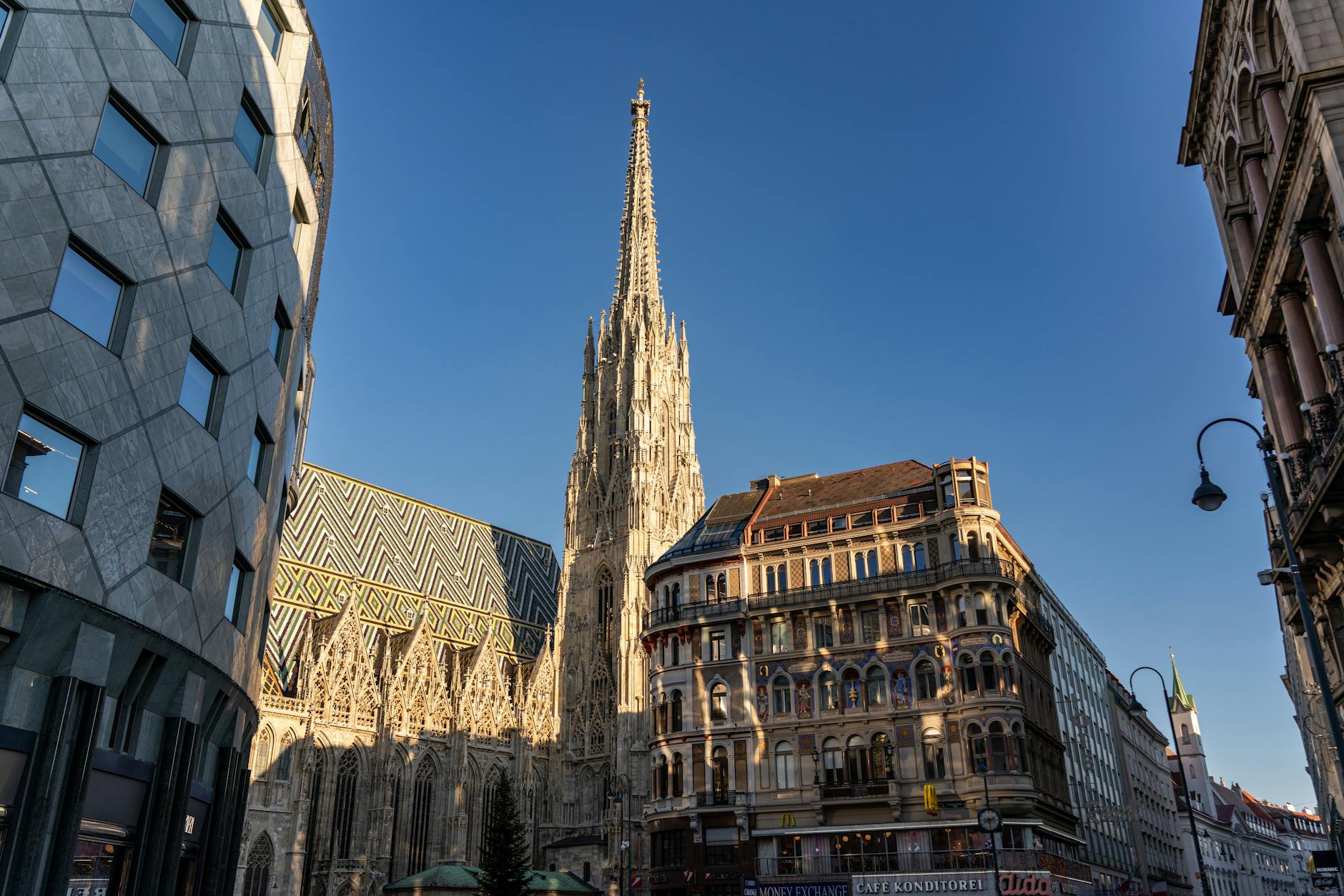
Vienna is divided into 23 districts (Bezirke), numbered outward from the historic center. The most relevant for visitors are concentrated in the first ten districts, each with its own distinct personality.
Innere Stadt (1st District) — The Historic Heart
The 1st District is where most visitors begin, and for good reason. Enclosed within the Ringstrasse — the grand circular boulevard that replaced the medieval city walls — the Innere Stadt packs an astonishing concentration of history into a compact, walkable area. St. Stephen’s Cathedral (Stephansdom) anchors the neighborhood, its 136-meter Gothic spire visible from across the city. From here, the elegant Graben and Kärntner Straße pedestrian streets branch out past luxury boutiques, historic cafés, and hidden courtyards. The Hofburg Imperial Palace occupies the western edge, while the Vienna State Opera marks the southern boundary on the Ring. Expect to pay premium prices for accommodation here, but the location is unbeatable for first-time visitors.
Leopoldstadt (2nd District) — The Prater and Beyond
Across the Danube Canal from the old town, Leopoldstadt has transformed from a historically working-class area into one of Vienna’s most dynamic neighborhoods. The famous Prater park dominates the district, home to the iconic Riesenrad (Giant Ferris Wheel, €14.50) and miles of tree-lined paths perfect for jogging and cycling. The Karmelitermarkt offers a more local alternative to the Naschmarkt, and the area around the Augarten is increasingly popular with young families and creative professionals. It’s also home to an emerging restaurant scene and significantly lower accommodation prices than the 1st District.
Landstraße (3rd District) — Belvedere and Embassies
The elegant 3rd District is best known for the Belvedere Palace and its world-class art collection. The area around Rochusmarkt has excellent restaurants, while the embassy quarter gives the district a refined, international atmosphere. Hundertwasserhaus, the famously colorful apartment building designed by artist Friedensreich Hundertwasser, is another major draw. Hotels here offer good value with easy access to the center.
Wieden (4th District) — The Naschmarkt Quarter
Directly south of the old town, Wieden revolves around the vibrant Naschmarkt, Vienna’s most famous open-air market. The district has a wonderful mix of independent boutiques, ethnic restaurants, and the magnificent Karlskirche (St. Charles’s Church). The area along Freihausviertel has become a gallery and café hotspot, making this an excellent base for travelers who want character and convenience without 1st District prices.
Neubau (7th District) — Creative and Contemporary
If the 1st District is imperial Vienna, the 7th is its creative counterpart. The area around the MuseumsQuartier — one of the world’s largest cultural complexes — buzzes with independent galleries, vintage shops, third-wave coffee roasters, and innovative restaurants. Burggasse and Kirchengasse are particularly rewarding streets for aimless exploration. This is where younger, design-conscious travelers tend to base themselves, with plenty of boutique hotels and stylish apartments.
Josefstadt (8th District) — Charming and Local
The smallest and arguably most charming district, Josefstadt feels like a village within the city. Tree-lined streets, traditional Beisl restaurants, the historic Theater in der Josefstadt, and a genuine neighborhood atmosphere make this a favorite among repeat visitors. It’s well-connected by tram and within easy walking distance of the Ringstrasse, yet refreshingly free of tourist crowds.
Alsergrund (9th District) — University Quarter
Home to the University of Vienna and the Sigmund Freud Museum, the 9th District has an intellectual, slightly bohemian character. The Votivkirche is a stunning neo-Gothic landmark, and Servitenviertel is one of the city’s most picturesque corners, with cobblestone streets and hidden gardens. The area offers some of the best-value accommodation within walking distance of the center.
Must-See Attractions and Landmarks
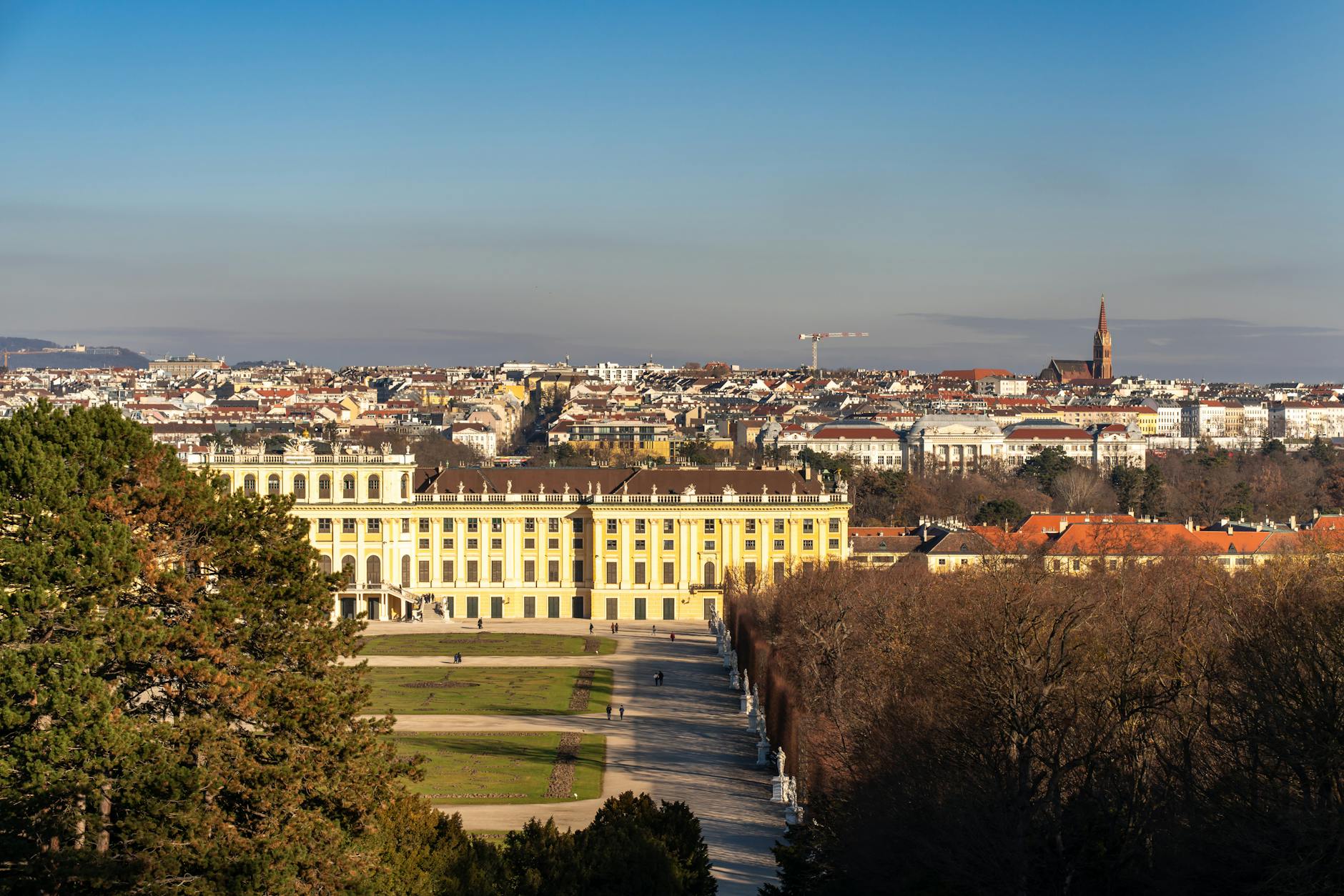
Vienna’s concentration of world-class attractions is staggering. Here are the essential sites, organized to help you plan efficiently, with current admission prices and practical visiting tips.
Schönbrunn Palace
The magnificent summer residence of the Habsburg dynasty is Vienna’s most-visited attraction, and rightfully so. This UNESCO World Heritage Site features 1,441 rooms, though visitors can tour either 22 rooms (Imperial Tour, approximately €28) or 40 rooms (Grand Tour, approximately €36). The Sisi Ticket (approximately €44) combines Schönbrunn with the Hofburg Imperial Apartments and the Imperial Furniture Collection — it’s the best value if you plan to visit all three. The palace gardens are free to enter and absolutely worth exploring, including the Gloriette hilltop structure with panoramic city views. The world’s oldest zoo (Tiergarten Schönbrunn, founded 1752) is also located in the grounds. Allow at least 3–4 hours for a thorough visit. Arrive early (before 9:30 AM) or after 3 PM to avoid the worst crowds.
Hofburg Imperial Palace
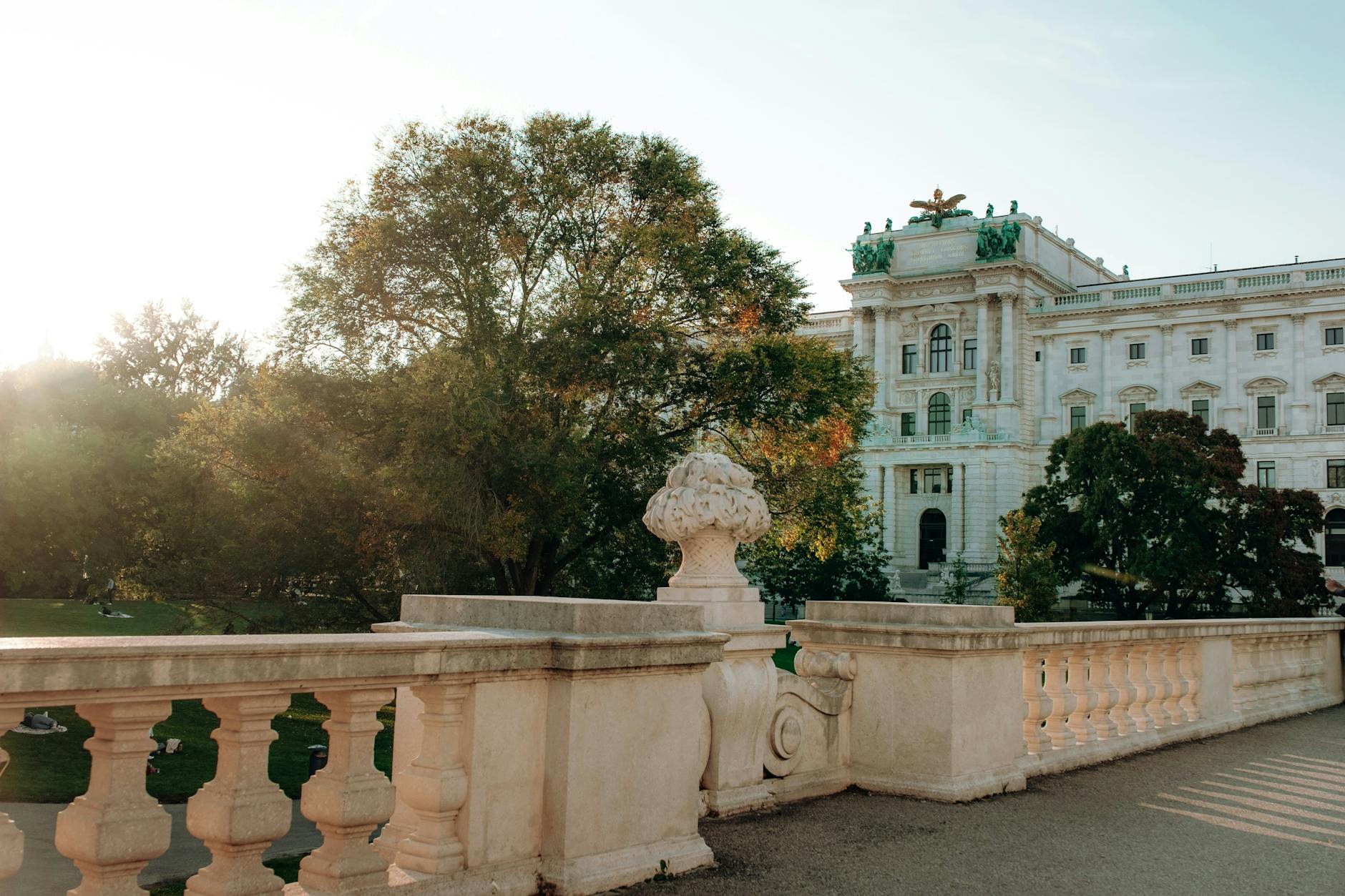
For over 600 years the seat of Habsburg power, the Hofburg is a sprawling palace complex in the heart of Vienna that could easily consume an entire day. The must-see Imperial Apartments give you an intimate look at how Emperor Franz Joseph and Empress Elisabeth (Sisi) lived. The Sisi Museum within the same ticket (approximately €17.50) provides fascinating context about the beloved empress. Don’t miss the Imperial Silver Collection, included in the same admission, which displays an astounding collection of tableware and ceremonial objects. The adjacent Spanish Riding School (performances from approximately €30–185, standing room from €15) showcases the legendary Lipizzaner stallions in the world’s most beautiful riding hall, built in 1735. The Imperial Treasury (Kaiserliche Schatzkammer, approximately €16) houses the Imperial Crown of the Holy Roman Empire and other priceless artifacts.
St. Stephen’s Cathedral (Stephansdom)
Vienna’s most iconic landmark stands at the literal and spiritual center of the city. Entering the main nave is free, allowing you to marvel at the Gothic architecture, the ornate pulpit, and the catacombs below (guided tours approximately €6.50). For the best views in Vienna, climb the 343 steps of the South Tower (approximately €8) — the panorama over the rooftops is unforgettable. The North Tower, accessible by elevator (approximately €7), brings you to the Pummerin, Austria’s largest bell, cast from Ottoman cannonballs captured during the 1683 siege of Vienna. The cathedral’s distinctive multi-colored chevron-patterned roof, covered in 230,000 glazed tiles, is best appreciated from elevated viewpoints around the city.
Belvedere Palace
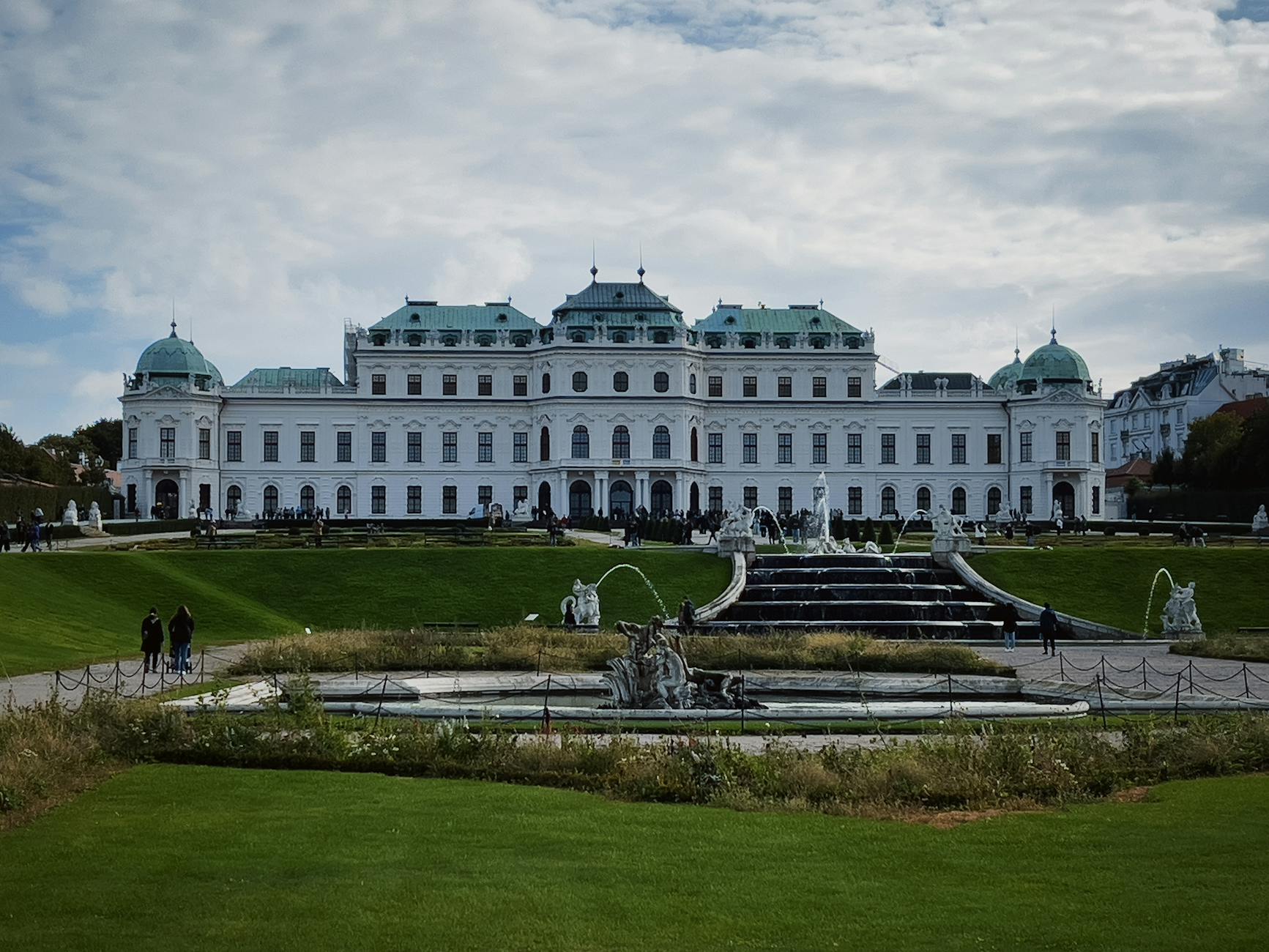
Built as the summer residence of Prince Eugene of Savoy in the early 18th century, the Belvedere is actually two palaces — Upper and Lower — connected by a magnificent terraced garden. The Upper Belvedere (approximately €24) houses one of Austria’s most important art collections, including Gustav Klimt’s world-famous “The Kiss” and other masterpieces of Austrian art from the Middle Ages to the present day. The Lower Belvedere (approximately €18) hosts excellent temporary exhibitions. A combined ticket covers both (approximately €30). The gardens between the two palaces are free to enjoy and offer one of Vienna’s most photographed views: the Upper Belvedere reflected in the ornamental pond with the city skyline beyond.
Kunsthistorisches Museum (Museum of Art History)
One of the world’s great art museums, the KHM (approximately €23) sits in a palatial building on the Ringstrasse. The picture gallery alone — featuring works by Bruegel, Vermeer, Raphael, Caravaggio, and Velázquez — would rank among Europe’s finest. But the museum also encompasses the Egyptian and Near Eastern Collection, Greek and Roman Antiquities, and the spectacular Kunstkammer (Chamber of Art and Wonders), including the famous Saliera by Benvenuto Cellini. Plan at least 2–3 hours, and don’t miss the ornate café under the dome — it’s an experience in itself.
Vienna State Opera (Wiener Staatsoper)
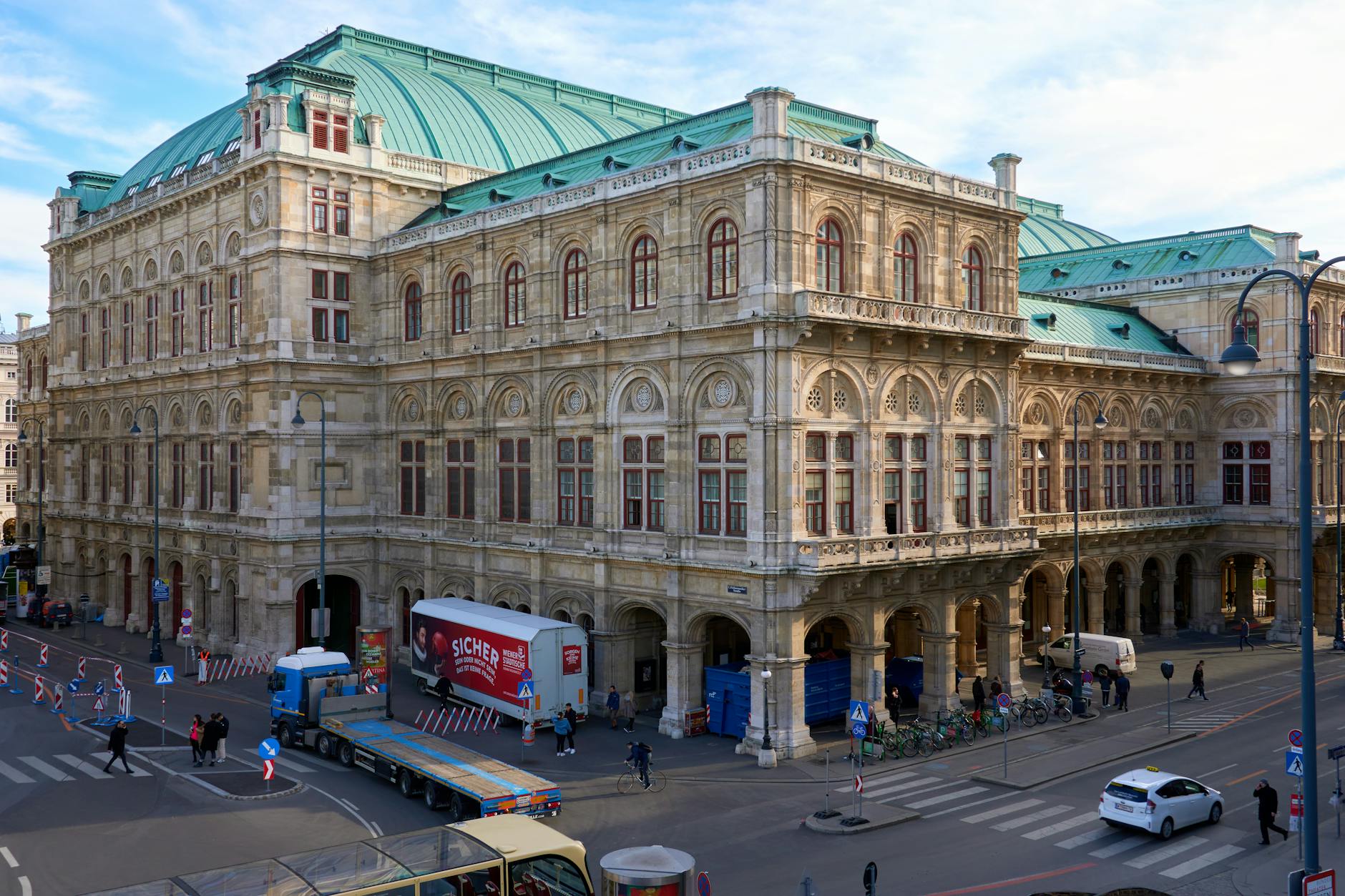
One of the world’s premier opera houses has been the beating heart of Vienna’s music scene since 1869. Even if opera isn’t your thing, the building itself is architecturally stunning. Guided tours (approximately €13) run daily when there’s no rehearsal. For an authentic experience, the best-kept secret in Vienna is standing-room tickets: available for just €3–15, they go on sale approximately 80 minutes before each performance. Simply queue at the dedicated standing-room entrance on Operngasse. The standing areas offer surprisingly good acoustics, and many regulars prefer them to some of the more distant seated positions.
Prater and the Riesenrad
The Prater is two things in one: the Wurstelprater, a traditional amusement park (free entry, pay per ride), and the vast green Prater park, a former imperial hunting ground stretching 6 kilometers with its magnificent tree-lined Hauptallee. The Giant Ferris Wheel (Riesenrad, approximately €14.50), built in 1897, offers slowly revolving panoramic views and has become one of Vienna’s most recognized symbols. The surrounding amusement park has a nostalgic, old-world charm that modern theme parks simply can’t replicate.
MuseumsQuartier (MQ)
One of the world’s ten largest cultural complexes, the MQ occupies the former Imperial Stables and encompasses several major institutions. The Leopold Museum (approximately €17) houses the world’s largest collection of Egon Schiele works alongside masterpieces by Gustav Klimt. MUMOK (Museum of Modern Art, approximately €15) covers 20th and 21st-century art from Pop Art to contemporary. The Kunsthalle Wien hosts rotating contemporary exhibitions. Beyond the museums, the MQ’s central courtyard is one of Vienna’s favorite gathering spots, especially in summer when colorful “MQ furniture” appears and the space transforms into an outdoor living room.
Museums and Cultural Institutions
Beyond the major attractions, Vienna’s museum landscape is remarkably deep. The Albertina (approximately €19.90) features one of the world’s most important graphic art collections, with masterworks by Dürer, Monet, and Picasso, plus excellent temporary exhibitions in a stunning palace setting. The Natural History Museum (approximately €18) mirrors the KHM across Maria-Theresien-Platz and houses everything from dinosaur skeletons to the 25,000-year-old Venus of Willendorf. For something more unusual, the Sigmund Freud Museum (approximately €16) at Berggasse 19 lets you visit the actual apartment where psychoanalysis was born — Freud lived and worked here for 47 years.
Music lovers should not miss the Haus der Musik (approximately €16), an interactive sound museum spread over five floors that makes music history approachable and fun (you can even conduct a virtual Vienna Philharmonic). The Wien Museum (recently reopened after a major renovation, approximately €15) tells Vienna’s story from its Roman origins through the Ottoman sieges to the present day, with an outstanding collection of Klimt, Schiele, and urban artifacts. The Mozarthaus Vienna (approximately €14), the composer’s only surviving Viennese residence, is where he wrote “The Marriage of Figaro.”
For contemporary art, the Secession Building (approximately €11) is a must — this striking Art Nouveau pavilion, topped by its famous golden “cabbage” dome, houses Klimt’s Beethoven Frieze. The Belvedere 21 (approximately €10) showcases Austrian contemporary art in a sleek modernist building, while the independent gallery scene in the 4th and 7th districts offers cutting-edge work in more intimate settings.
Viennese Food and Dining Culture
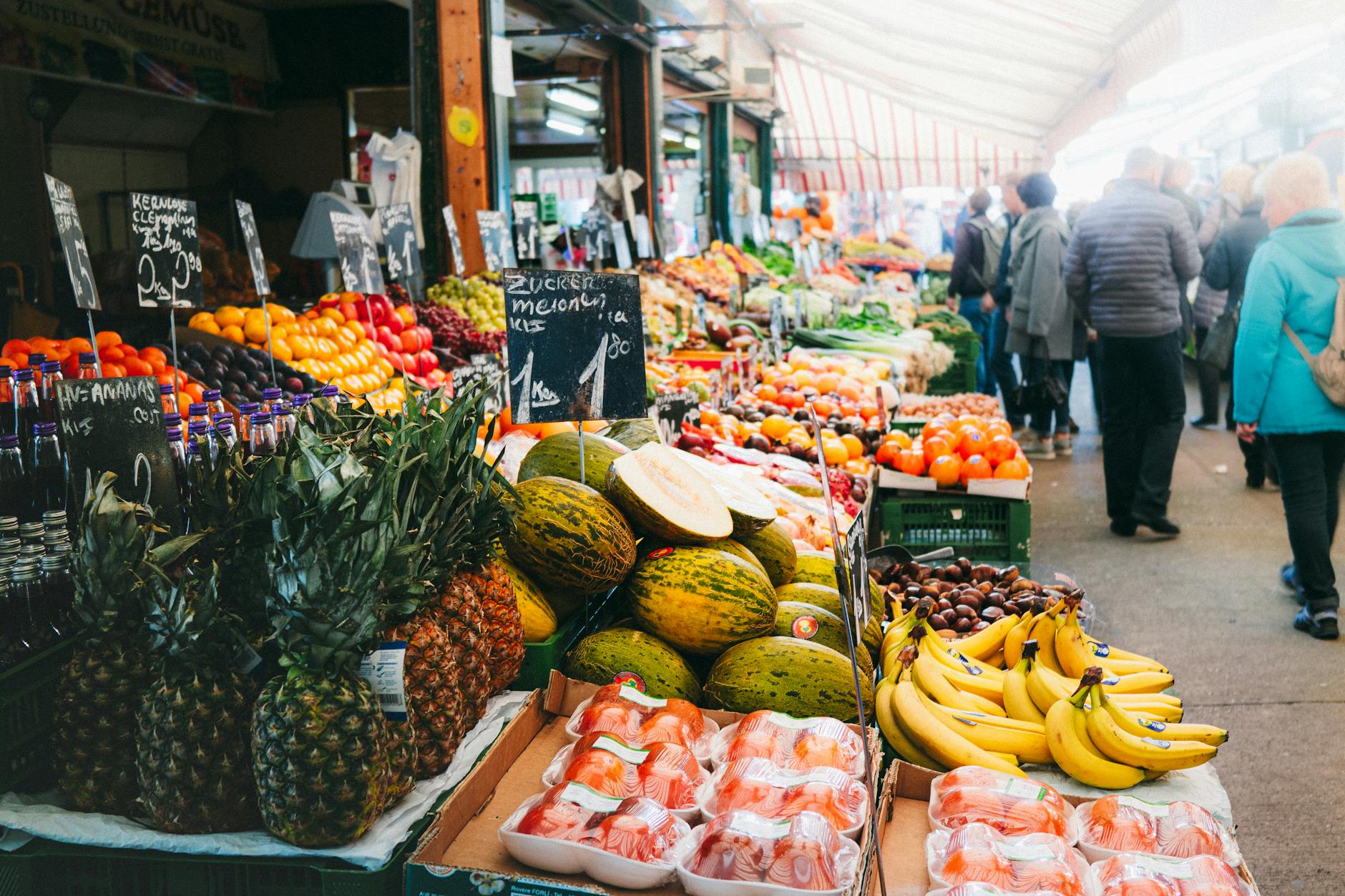
Viennese cuisine is one of the great pleasures of visiting the city. Shaped by centuries of Habsburg-era influence from across Central Europe — Hungarian, Czech, Italian, and Balkan flavors all left their mark — the result is a culinary tradition that is both refined and deeply satisfying.
Essential Viennese Dishes
Wiener Schnitzel: The city’s signature dish — a thin cutlet of veal, pounded, breaded in flour, egg, and breadcrumbs, then fried to a golden, ruffled perfection. Authentic Wiener Schnitzel is always veal (vom Kalb); pork versions exist but should be labeled “Wiener Art.” Served with a lemon wedge, lingonberry jam, and typically a potato salad or parsley potatoes. For the gold standard, try Figlmüller (since 1905) on Wollzeile, where schnitzels famously overflow the plate, or Plachutta Gasthaus for an equally excellent but less touristy experience.
Tafelspitz: Emperor Franz Joseph’s favorite dish, this is prime boiled beef served in its aromatic broth with apple-horseradish sauce (Apfelkren), chive cream sauce (Schnittlauchsauce), and roasted potatoes. The preparation looks simple but requires exceptional-quality beef and careful technique. Plachutta on Wollzeile has built its entire reputation around this dish, offering 10 different cuts.
Sachertorte: The world’s most famous chocolate cake was created by 16-year-old Franz Sacher in 1832 for Prince Metternich. Dense chocolate sponge, a thin layer of apricot jam, and a rich chocolate glaze make up this Viennese icon. The Hotel Sacher and Demel have waged a legal battle over the “Original” recipe for decades — both versions are excellent. Visit both and decide for yourself.
Apfelstrudel: Layers of paper-thin pastry wrapped around spiced apples, raisins, and cinnamon, often served warm with vanilla sauce or a dusting of powdered sugar. The Schauküche (demonstration kitchen) at the Schönbrunn Palace Café offers strudel-making demonstrations. Café Residenz also serves a memorable version.
Kaiserschmarrn: A “torn” or shredded fluffy pancake, caramelized in butter and sugar, served with plum compote or applesauce. Legend has it that Emperor Franz Joseph loved this humble dish, giving it its name (“Emperor’s Mess”). You’ll find it on dessert menus across the city, but Café Landtmann and Skopik & Lohn both serve outstanding versions.
Other dishes to seek out include Gulasch (rich beef and paprika stew, reflecting Hungarian influence), Beuschel (a traditional offal ragout in cream sauce), Zwiebelrostbraten (roast beef smothered in crispy fried onions), Käsekrainer (cheese-filled sausages from the city’s legendary Würstelstände), and Palatschinken (thin crêpes filled with apricot jam, Nutella, or curd cheese).
Vienna’s Coffee House Culture (UNESCO Intangible Heritage)
Viennese coffee house culture was inscribed on UNESCO’s Intangible Cultural Heritage list in 2011, and experiencing it firsthand is essential to understanding the city. These aren’t mere cafés — they’re institutions where philosophers, writers, and revolutionaries have debated ideas for over 300 years, where you’re expected to linger for hours over a single Melange, and where the waiter’s mild gruffness is part of the charm.
Understanding the menu is half the experience. A Melange is Vienna’s answer to the cappuccino — espresso topped with steamed, frothy milk. A Großer Brauner is a large black coffee with a small jug of cream on the side. Einspänner is a strong black coffee in a glass topped with a generous dollop of whipped cream (Schlagobers). Verlängerter is a “lengthened” espresso, similar to an Americano. Wiener Eiskaffee is cold coffee with vanilla ice cream and whipped cream — perfect in summer. Türkischer is traditional Turkish coffee, a nod to the 1683 siege after which Vienna’s coffee culture supposedly began.
The most celebrated coffee houses each have their own character. Café Central (Herrengasse 14) occupies a stunning vaulted palace and was once the haunt of Freud, Trotsky, and countless writers — arrive early to avoid queues. Café Hawelka (Dorotheergasse 6) has a wonderfully bohemian atmosphere and is famous for its Buchteln (sweet filled buns) served after 10 PM. Café Sperl (Gumpendorfer Straße 11), dating to 1880, has a beautifully preserved interior and a loyal local following. Café Landtmann (Dr.-Karl-Lueger-Ring 4) is the city’s “power café,” frequented by politicians from the nearby Parliament and Rathaus. Demel (Kohlmarkt 14) is the former Imperial confectioner, where cakes are works of art and staff address you in the third person. Café Prückel (Stubenring 24) offers a wonderfully unrenovated 1950s atmosphere and one of the best Apfelstrudels in the city.
Coffee house etiquette is simple: take your time (there’s no rush), order from the waiter (table service is the norm), and embrace the tradition of reading newspapers provided on wooden holders. Tipping 5–10% is customary.
Where to Eat: Beyond the Coffee House
For everyday Viennese cooking, seek out a traditional Beisl — the Viennese equivalent of a French bistro. These unpretentious neighborhood restaurants serve hearty classics at fair prices. Excellent examples include Zum Alten Fassl (5th District), Silberwirt (5th District), and Gasthaus Pöschl (1st District).
Vienna’s Heurigen (wine taverns) offer a uniquely Viennese experience. Found primarily in the vineyard suburbs of Grinzing, Nussdorf, Neustift am Walde, and Stammersdorf, these traditional taverns serve new wine (Heuriger means “this year’s”) along with cold buffets of meats, cheeses, spreads, and salads. Look for the pine branch (Buschen) hung above the door — it signals that the Heuriger is currently open and serving their own wine. Mayer am Pfarrplatz (where Beethoven once lived) and Wieninger are both excellent choices.
The Naschmarkt, Vienna’s largest and most famous market, stretches for over a kilometer along the Wienzeile. More than 120 stalls and restaurants offer everything from fresh produce and spices to sushi, Vietnamese pho, and Middle Eastern meze. Saturday mornings, when the adjacent flea market operates, are particularly atmospheric. The Würstelstand (sausage stand), a UNESCO-recognized Viennese tradition since December 2024, is where locals grab a quick Käsekrainer with mustard and a bread roll at any hour. Bitzinger near the Opera is perhaps the most famous, serving sausages with champagne to opera-goers in evening dress.
Classical Music and Performing Arts
Vienna’s relationship with music runs deeper than any other city on earth. Mozart, Beethoven, Schubert, Brahms, Strauss, Mahler, and Schönberg all lived and worked here, and the city’s musical institutions continue to operate at the highest international level.
The Vienna Philharmonic, widely considered the world’s finest orchestra, performs primarily at the Musikverein — a concert hall renowned for its extraordinary acoustics. Tickets for regular concerts can be expensive (€60–200+), but standing-room tickets (approximately €8–10) are available before performances. The annual New Year’s Concert is broadcast globally, but regular-season performances are equally spectacular and far easier to attend.
The Vienna State Opera stages over 300 performances each season, making it one of the world’s busiest opera houses. As mentioned above, standing-room tickets (€3–15) are the city’s best cultural bargain. Guided tours are available daily. The Volksoper, Vienna’s second opera house, specializes in operetta, musicals, and accessible productions — a great option for families or those new to opera (tickets from approximately €12).
The Vienna Boys’ Choir (Wiener Sängerknaben) performs at the Imperial Chapel (Hofburgkapelle) during Sunday Mass at 9:15 AM from September to June. Tickets (approximately €12–40) should be reserved weeks in advance through their website. Alternatively, they sometimes perform at the MuTh concert hall in the Augarten, where tickets are more readily available.
Vienna’s ball season runs from November to Carnival (February/March), with over 450 balls held each winter. The most famous is the Vienna Opera Ball in February, a televised social event that’s nearly impossible to attend without connections. However, dozens of other balls welcome visitors — the Kaffeesiederball (Coffee Makers’ Ball), Jägerball (Hunters’ Ball), and various student balls are all accessible and provide an unforgettable glimpse into a living Viennese tradition. Formal attire is required (ball gown and tuxedo), and many hotels can arrange rentals.
Suggested Itineraries
Vienna rewards both structured sightseeing and aimless wandering. Here are some flexible itinerary suggestions based on trip length.
One Day in Vienna
If you have only one day, focus on the Innere Stadt. Start at St. Stephen’s Cathedral (climb the South Tower for views), walk through the Graben to the Hofburg, then stroll down the Ringstrasse past the Opera, Parliament, and Rathaus. Have lunch at a traditional Beisl, spend the afternoon at either the Kunsthistorisches Museum or Belvedere, then enjoy Sachertorte at Café Sacher or Demel. End with a standing-room ticket at the State Opera or a meal in the 1st District.
Three Days in Vienna
Day 1: Innere Stadt — Stephansdom, Hofburg Palace (Imperial Apartments + Treasury), Graben and Kärntner Straße, Café Central. Evening at the State Opera.
Day 2: Schönbrunn Palace (morning, arrive early), then the Naschmarkt for lunch. Afternoon at the MuseumsQuartier (Leopold Museum or MUMOK). Explore the 7th District for dinner.
Day 3: Belvedere Palace (morning), then Hundertwasserhaus. Lunch in the 3rd District. Afternoon at the Kunsthistorisches Museum. Evening at a Heuriger in Grinzing or Neustift am Walde.
Five Days in Vienna
Add to the three-day itinerary: Day 4: The Prater (Riesenrad, walk the Hauptallee), then explore Leopoldstadt and the Karmelitermarkt. Visit the Haus der Musik or Mozarthaus Vienna. Day 5: Day trip to the Wachau Valley or Bratislava (details below), or dedicate the day to a deep dive — Albertina + Secession Building, or the MuseumsQuartier in depth, followed by a relaxed evening at a Heuriger.
One Week in Vienna
A full week lets you experience Vienna like a local. Add: the Zentralfriedhof (Central Cemetery, where Beethoven, Schubert, Brahms, and Strauss are buried), the Augarten porcelain factory, a morning at one of the city’s outdoor swimming pools along the Alte Donau, shopping on Mariahilfer Straße, and a thorough exploration of the neighborhoods beyond the Ring. Consider a day trip to both the Wachau and Bratislava, and allow at least one completely unstructured day for serendipitous discovery.
Getting Around Vienna
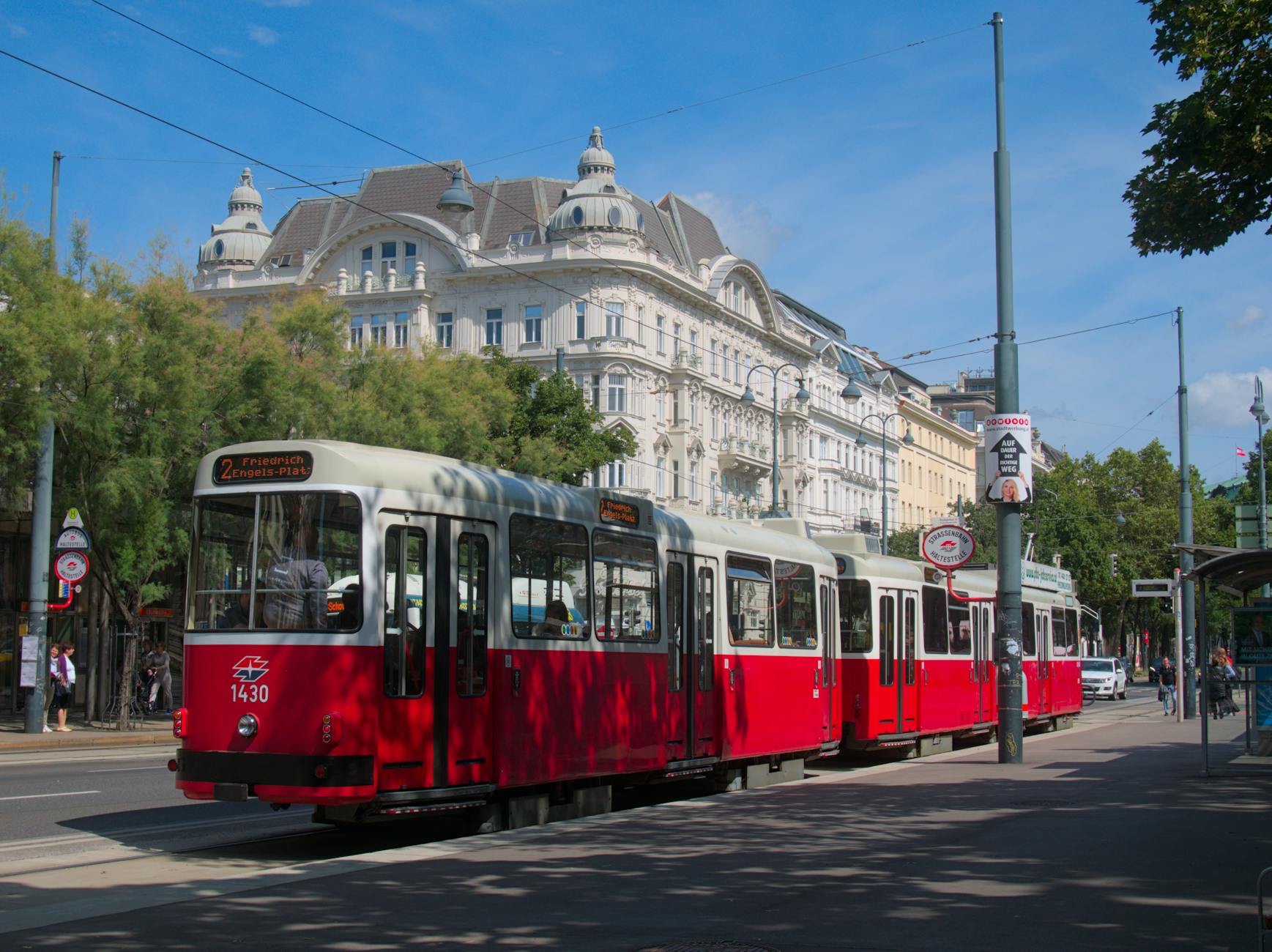
Vienna’s public transport system is one of Europe’s best — clean, reliable, affordable, and comprehensive. The Wiener Linien network includes the U-Bahn (metro, 5 lines), trams (28 lines, one of the world’s largest tram networks), buses, and regional trains (S-Bahn), all operating on a unified ticket system.
Tickets and Passes
A single ticket costs €2.40 and is valid for one journey in one direction, including transfers, within the core zone (Zone 100, which covers all of Vienna). A 24-hour pass is €8, a 48-hour pass is €14.10, and a 72-hour pass is €17.10 — all offering unlimited travel from first validation. The weekly pass (€17.10, valid Monday to the following Monday at 9 AM) is excellent value if your trip spans a work week. Children under 6 ride free, and children under 15 ride free on Sundays, public holidays, and during Vienna school holidays.
The Vienna City Card (from approximately €17 for 24 hours to €25 for 72 hours) combines unlimited public transport with modest discounts (typically 10–25%) at museums, restaurants, and shops. It can be worthwhile if you plan to visit many attractions and use the transport heavily. The Vienna Pass (from approximately €87 for 1 day to €151 for 3 days) includes free entry to 90+ attractions plus a hop-on/hop-off bus — it pays for itself quickly if you’re sightseeing intensively, but requires a packed schedule to justify the cost.
Getting from the Airport
Vienna International Airport (VIE) is approximately 18 kilometers southeast of the city center. You have several options. The City Airport Train (CAT) is the fastest at 16 minutes non-stop to Wien Mitte (approximately €14.90 one-way, €24.90 return). The S7 regional train takes about 25 minutes to Wien Mitte for just €2.40 if you already have a Wiener Linien pass, or approximately €5.40 for a combined airport + city ticket — it’s the best-value option by far. The Vienna Airport Lines bus runs multiple routes to different parts of the city (approximately €9.50). A taxi or ride-share to the center costs approximately €36–40 (fixed price from the airport taxi stand).
Navigating the City
Vienna’s center is compact and wonderfully walkable. Most attractions in the Innere Stadt are within 15 minutes of each other on foot. Tram lines 1 and 2 circle the Ringstrasse and are a scenic way to get an overview of the city. The U-Bahn is fastest for longer distances — the U1 line connects key spots from Stephansplatz to the Prater to the Danube recreational area. Cycling is increasingly popular, with an extensive network of bike lanes; the WienMobil Rad bike-sharing system costs just €0.60 per 30 minutes. Walking along the Donaukanal (Danube Canal), especially in summer, is one of the most pleasant ways to experience the city’s contemporary side, with street art, pop-up bars, and waterside restaurants.
Day Trips from Vienna
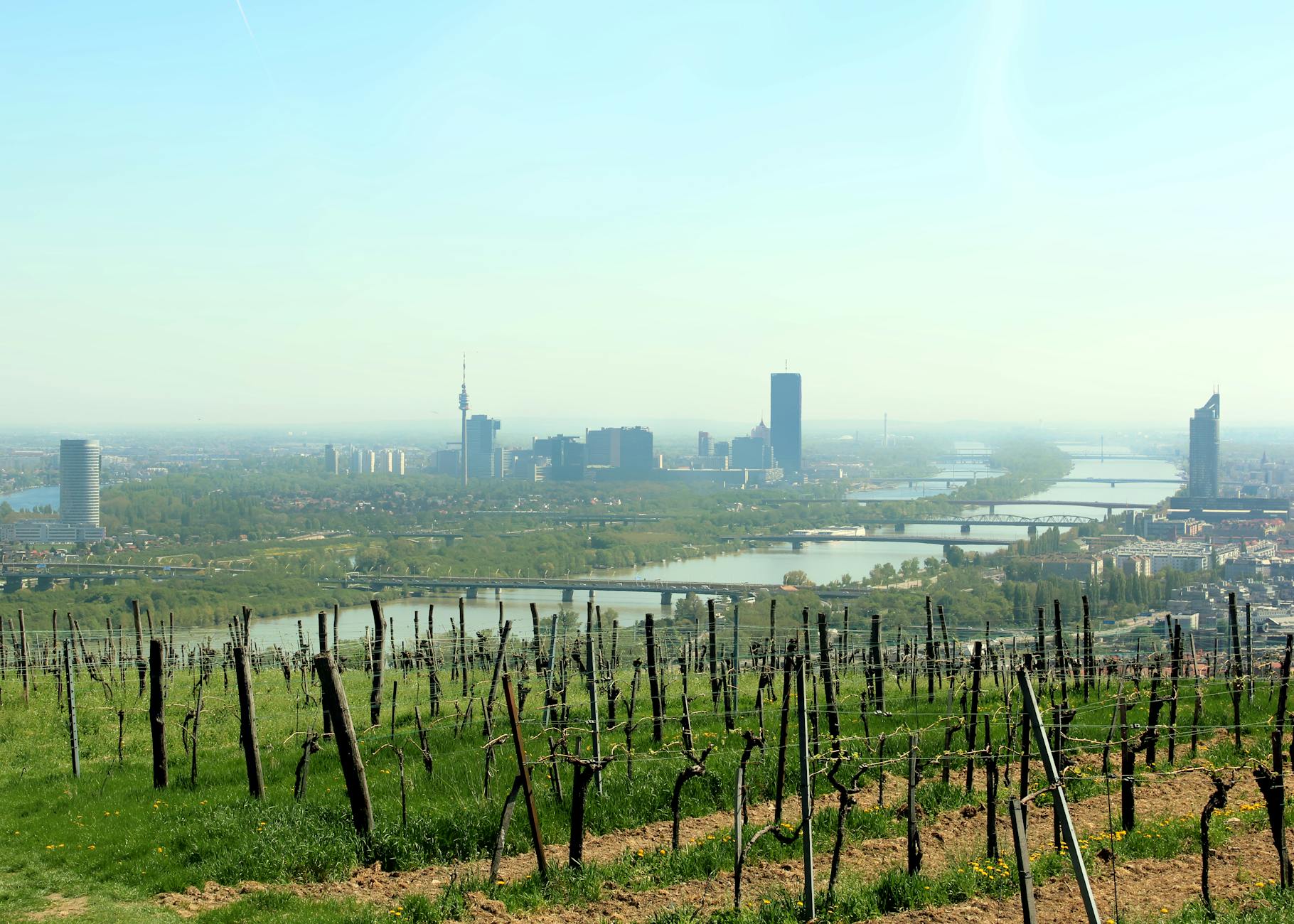
Vienna’s central location makes it an ideal base for exploring the surrounding region. Several outstanding day trips are reachable within one to two hours.
Wachau Valley
This UNESCO World Heritage stretch of the Danube Valley between Melk and Krems (about 80 km west of Vienna) is one of Austria’s most beautiful landscapes. The magnificent Melk Abbey, a Baroque masterpiece perched on a cliff above the river, is the star attraction (approximately €15 with guided tour). The valley is studded with medieval castles, terraced vineyards, and charming towns like Dürnstein (where Richard the Lionheart was imprisoned) and Spitz. DDSG boat cruises run from Krems to Melk from April to October (approximately €30–50). Trains run from Wien Franz-Josefs-Bahnhof to Krems in about an hour (approximately €18 return). Combine a morning at Melk Abbey with an afternoon boat ride and wine tasting for a perfect day.
Bratislava, Slovakia
The world’s closest pair of capital cities are just 65 kilometers apart. A day trip to Bratislava offers a fascinating contrast — a compact old town that has been beautifully restored, the UFO-shaped observation tower, quirky street sculptures, and excellent Slovak cuisine at a fraction of Viennese prices. The Twin City Liner catamaran takes 75 minutes and offers scenic Danube views (approximately €25–35 one-way). Trains run roughly every hour and take about an hour (approximately €14 return with ÖBB). FlixBus is the cheapest option (from approximately €5 one-way).
Hallstatt and the Salzkammergut
The picture-perfect lakeside village of Hallstatt (UNESCO World Heritage, approximately 3.5–4 hours by train) is doable as a long day trip but better as an overnight. The Salzkammergut lake district offers stunning Alpine scenery, salt mines, and charming towns like St. Wolfgang and Bad Ischl (the Emperor’s summer retreat). ÖBB trains connect Vienna to Hallstatt station (change at Attnang-Puchheim), plus a short ferry across the lake.
Baden bei Wien
Just 30 minutes south by S-Bahn, this elegant spa town was the Habsburg summer retreat. Thermal baths (the Römertherme and Thermalstrandbad), beautiful gardens, a compact old town with a casino, and surrounding vineyards and hiking trails make it an easy half-day or full-day excursion. The Baden wine route through the surrounding hills is particularly rewarding in autumn.
Semmeringbahn
The world’s first mountain railway, built in the 1850s and now a UNESCO World Heritage Site, traverses spectacular Alpine scenery between Gloggnitz and Mürzzuschlag (about 1.5 hours from Vienna). The journey itself is the attraction — 16 viaducts, 15 tunnels, and breathtaking mountain views. Combine with hiking around the Semmering Pass for an active day away from the city.
Budget Guide: What Vienna Really Costs
Vienna has a reputation as an expensive city, but smart travelers can experience world-class culture and cuisine without breaking the bank. Here’s a realistic breakdown of daily costs for different budget levels.
Budget travelers (€70–85/day): Stay in a well-located hostel (€25–40/night), use public transport passes (€8/day), eat at Würstelstände, Beisl lunch specials (Mittagsmenü, typically €8–12), and self-catering from markets. Take advantage of free attractions (Stephansdom, Schönbrunn gardens, Prater park, Rathaus area, Danube Canal walks) and standing-room concert/opera tickets (€3–15). Many museums are free on the first Sunday of the month or have reduced evening rates.
Mid-range travelers (€120–180/day): A comfortable 3-star hotel or well-reviewed apartment (€70–120/night), mix of restaurant meals and casual dining (€30–50/day for food), targeted museum visits (€15–25 per museum), occasional taxi rides, and proper concert or opera seats for special evenings. The Vienna City Card helps manage costs at this level.
Luxury travelers (€300+/day): A 4–5 star hotel like the Sacher, Imperial, or Bristol (€200–500+/night), fine dining at Michelin-starred restaurants like Steirereck or Silvio Nickol (€100–200 per meal), premium opera and Philharmonic tickets (€100–200), private guided tours, and spa experiences. Vienna delivers exceptional luxury value compared to London or Paris.
Money-saving tips: Purchase the 72-hour Vienna City Card for concentrated sightseeing. Many museums offer combo tickets (e.g., the Sisi Ticket, KHM + Neue Burg). Eat your main meal at lunch when restaurants offer significantly cheaper Mittagsmenü set menus. Fill your water bottle at any tap — Vienna’s water comes directly from Alpine springs and is among the best in Europe. The U-Bahn runs until approximately 12:30 AM on weeknights and 24 hours on Friday and Saturday nights, making late outings easy and affordable.
Seasonal Highlights and Events
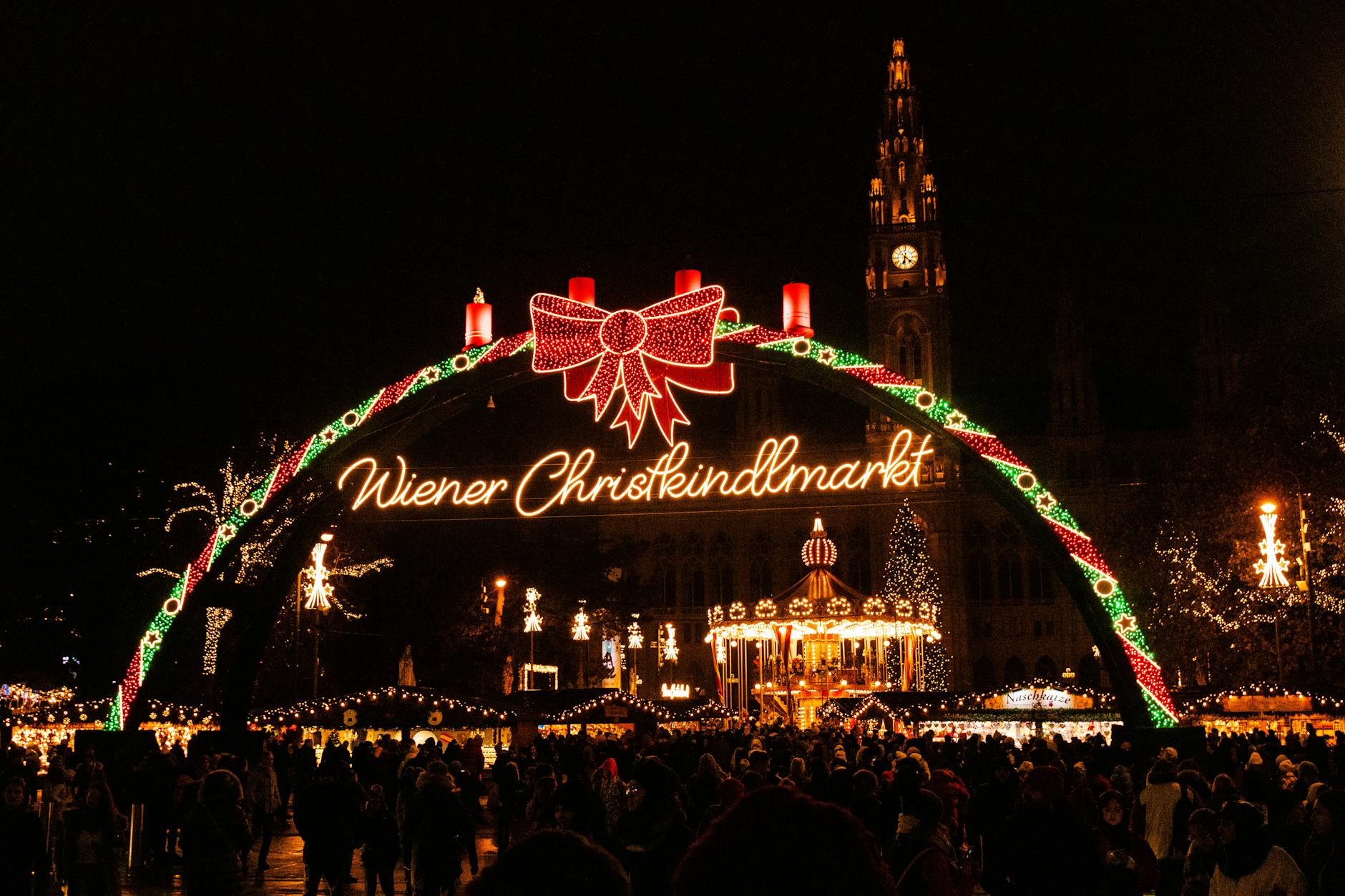
Vienna’s calendar is packed with events that can shape the entire character of your visit.
Spring (April–May): The Prater comes alive with the annual Wiesenfest. Gardens at Schönbrunn and the Volksgarten burst into bloom. The Vienna Festival (Wiener Festwochen) launches in mid-May with weeks of theater, music, and performance art across the city.
Summer (June–August): The Donauinselfest (Danube Island Festival) in late June is one of Europe’s largest open-air music festivals — and it’s completely free. Film festivals screen movies at outdoor venues (the Rathausplatz turns into a massive open-air cinema). The MuseumsQuartier courtyard becomes the city’s social hub. The Alte Donau and Neue Donau offer swimming, sailing, and water sports.
Autumn (September–October): The Vienna Wine Hiking Day (Wiener Weinwandertag) in late September lets you hike through the city’s vineyards with wine tastings along the way. The Viennale Film Festival in October is the country’s premier cinema event. The cultural season launches with new programs at the opera, Musikverein, and Konzerthaus.
Winter (November–March): This is when Vienna truly shines. From mid-November, Christmas markets (Christkindlmärkte) pop up across the city — the most famous at Rathausplatz (in front of City Hall) features over 150 stalls, an ice skating rink, and a magical light display. Other notable markets include those at Schönbrunn, Belvedere, Karlsplatz (artisanal and design-focused), and the charming Spittelberg quarter. Ball season begins in November and reaches its crescendo with the Opera Ball in February. The New Year’s Concert at the Musikverein is broadcast to over 90 countries, and on New Year’s Eve, the Innere Stadt transforms into a massive party with live music stages and waltz floors at every turn.
Practical Tips for a Smooth Trip
Tipping: Service charge is included in restaurant prices by law, but it’s customary to round up or add 5–10% for good service. Tell your server the total amount you’d like to pay when handing over cash (e.g., if the bill is €27, say “dreißig” for €30). At coffee houses, round up to the nearest euro. Taxi drivers expect a similar 5–10% tip.
Safety: Vienna is exceptionally safe for a major European capital, consistently ranking among the world’s safest cities. Normal city precautions apply — watch for pickpockets around Stephansplatz, the U-Bahn, and tourist hotspots. The police (Polizei) are professional and many speak English. Emergency number: 112 (EU-wide) or 133 (Austrian police).
Shopping Hours: Most shops open Monday to Friday 9/10 AM to 6/7 PM, Saturday until 5/6 PM. Almost everything is closed on Sundays except shops at major train stations (Wien Hauptbahnhof has extensive Sunday shopping). Supermarkets typically close by 8 PM (some 24-hour exceptions exist at stations).
Water: Vienna’s tap water is famously excellent — it’s piped directly from Alpine springs in Styria and Lower Austria via two historic aqueducts. Drink freely from any tap, and refill bottles at the public drinking fountains found throughout the city. There’s no need to buy bottled water.
Electricity: Austria uses Type C and F plugs (standard European, 230V/50Hz). UK and US visitors will need an adapter.
Connectivity: Free WiFi is available in most hotels, cafés, and at over 400 hotspots across the city (look for “freewave” or “A1 free Wi-Fi” networks). EU residents benefit from free roaming. Non-EU visitors can pick up a local SIM card or eSIM at the airport or from shops like A1, Magenta, or Drei for affordable data.
Frequently Asked Questions About Visiting Vienna
Is Vienna expensive to visit?
Vienna is comparable to other major Western European capitals. While hotel and attraction prices are significant, the city offers excellent value through affordable public transport, free attractions (Stephansdom, Schönbrunn gardens, Prater park), cheap standing-room concert tickets, and reasonable dining at traditional Beisl restaurants and market stalls. Budget travelers can have a rich experience on €70–85 per day.
How many days do you need in Vienna?
Three days is the minimum to see the major highlights comfortably. Four to five days is ideal, giving you time to explore neighborhoods, enjoy long coffee house sessions, and visit museums without rushing. A full week allows day trips to the Wachau Valley and Bratislava plus a more relaxed, immersive experience.
Is Vienna walkable?
Absolutely. The historic center (Innere Stadt) is compact and entirely pedestrian-friendly, with most major attractions within a 15-minute walk of each other. Beyond the center, the excellent tram and U-Bahn network makes the entire city accessible. Many visitors find they walk 15,000–20,000 steps daily exploring Vienna’s streets and parks.
What is the best area to stay in Vienna?
For first-time visitors, the 1st District (Innere Stadt) puts you at the center of everything but at premium prices. The 4th (Wieden), 7th (Neubau), and 8th (Josefstadt) Districts offer character, excellent restaurants, and easy access to the center at significantly lower prices. The 2nd District (Leopoldstadt) provides budget-friendly options near the Prater.
Do I need to speak German in Vienna?
No — English is widely spoken in hotels, restaurants, tourist attractions, and by most younger Viennese. That said, learning a few phrases in German (Grüß Gott, Bitte, Danke, Die Rechnung bitte) is appreciated and adds warmth to interactions. Menus in tourist areas are almost always available in English.
When is the cheapest time to visit Vienna?
January through March (excluding New Year’s) offers the lowest hotel prices and fewest tourists, while still providing a rich cultural experience with ball season, opera performances, and cozy coffee house weather. Shoulder seasons (late March–April and late October–November) also offer good value with pleasant weather.
Is the Vienna Pass worth it?
The Vienna Pass (from approximately €87/day) includes entry to 90+ attractions. It pays for itself if you visit 3–4 major paid attractions per day. However, if you prefer a more relaxed pace with 1–2 attractions daily, the Vienna City Card (with discounts and transport) or individual tickets may be more economical.
Can you drink the tap water in Vienna?
Yes — Vienna’s tap water is sourced from Alpine springs and is among the best-tasting water in the world. You’ll find public drinking fountains throughout the city. There’s no need to purchase bottled water.
Related Vienna Guides
- How Many Days Do You Need in Vienna? The Perfect Trip Length
- Vienna 1-Day Itinerary
- The Perfect 3-Day Vienna Itinerary
- Vienna 5-Day Itinerary
- Vienna Packing List
- First Time in Vienna
- Vienna for Couples
- Vienna with Kids
- Solo Travel in Vienna
- Vienna History & Architecture
Start Planning Your Vienna Trip
Vienna is a city that reveals itself in layers. The imperial grandeur is obvious from the moment you arrive, but it’s the quieter discoveries — a hidden courtyard in the 8th District, the perfect Melange at a neighborhood coffee house, the sound of a string quartet drifting from an open window on a summer evening — that make Vienna truly unforgettable. With world-class museums, a living musical tradition, a food scene that honors centuries of culinary heritage, and a quality of life that consistently leads global rankings, Vienna offers an experience that few cities on earth can rival.
This guide is part of our comprehensive Vienna travel resource. Explore our detailed guides on things to do in Vienna, where to stay, Viennese food and dining, top attractions, and visiting Vienna on a budget for even deeper coverage of everything this remarkable city has to offer.