Heurigen Vienna Guide: Best Traditional Wine Taverns (2026)
Vienna Heurigen guide 2026. Best traditional wine taverns in Grinzing, Nussdorf, Heiligenstadt, and Stammersdorf with etiquette and seasonal tips.
Photo by Inna Rabotyagina
- What is a Heuriger?
- How Heurigen work
- Vienna’s Heuriger villages
- Best Heurigen by experience type
- What to order at a Heuriger
- How to get to Vienna Heurigen
- Best season for Heurigen
- Heuriger etiquette and tips
- Sample Heuriger evening itinerary
- Heurigen with kids
- Heuriger seasonal specialties
- Modern Heuriger variations
- Combining Heurigen with other Vienna activities
- Common Heuriger mistakes
- Heurigen seasonal calendar
- Buying wine to take home
- Heurigen for visitors with disabilities
- Combining Heurigen with Vienna Woods
- Heurigen language tips
- Heurigen ordering complete guide
- Heurigen for Beethoven enthusiasts
- Heurigen night transport
- Heurigen booking and walk-in
- Vienna Heurigen FAQ
- Heurigen vs Stadtheuriger comparison
- Heurigen as cultural heritage
- Heuriger producers to seek out
- Heuriger wine education
- Related Vienna Guides
- Heuriger conclusion
This article contains advertising. Our booking links are routed through a partner that adds commission tracking automatically, so if you book through one we earn a commission from the provider, at no extra cost to you. It never affects what we recommend. Affiliate disclosure
The Heuriger is one of Vienna’s most distinctive cultural traditions: a wine tavern where producers serve their own wine straight from the cellar alongside a self-service cold buffet of meats, cheeses, breads, and salads. The concept dates to 1784 when Emperor Joseph II decreed that wine growers could sell their own product on-site without restaurant licensing. Today over 100 Heurigen operate around Vienna, concentrated in the wine villages of Grinzing, Nussdorf, Heiligenstadt, and Stammersdorf. This 2026 guide covers how Heurigen work, the best ones to visit, what to order, and the etiquette that separates tourists from locals.
What is a Heuriger?
The word “Heuriger” comes from “heuer” (this year), originally meaning “this year’s wine.” A Heuriger is technically a wine tavern operated by a wine producer, serving their own product. The distinction matters: a regular restaurant cannot call itself a Heuriger because the wine wouldn’t be from the producer.
The defining Heuriger features:
The Buschen sign: A pine branch (or modern equivalent) hung over the doorway. When the branch is up, the Heuriger is open and serving wine. When down, the wine has run out or the producer is closed.
Producer’s wine only: Each Heuriger serves only wines produced by the family. No imported wines, no other Austrian producers.
Cold buffet (Buschenschank): Self-service food: cold meats, cheeses, breads, pickles, salads. You order by weight or by plate.
Casual atmosphere: Shared tables, often outdoors in summer, communal seating in winter.
Long hours: Most open from 4 p.m. until late, some weekday lunch service.
How Heurigen work
First-time visitors find Heurigen slightly confusing because the format differs from a regular restaurant.
Step 1: Find a Heuriger with the Buschen sign up. This means open.
Step 2: Walk in and find a table. No host seats you. Take any available table; sharing with strangers is standard at busy Heurigen.
Step 3: Order wine. At your table, a server will come for wine orders. Typical order is “ein Achtel Gruner” (a 1/8 litre of Gruner Veltliner) at 3-5 euros, or “ein Viertel” (1/4 litre) at 5-8 euros.
Step 4: Visit the food buffet. Take your plate to the self-service buffet station. Choose cold meats, cheeses, breads, salads. Plates are weighed and you pay accordingly.
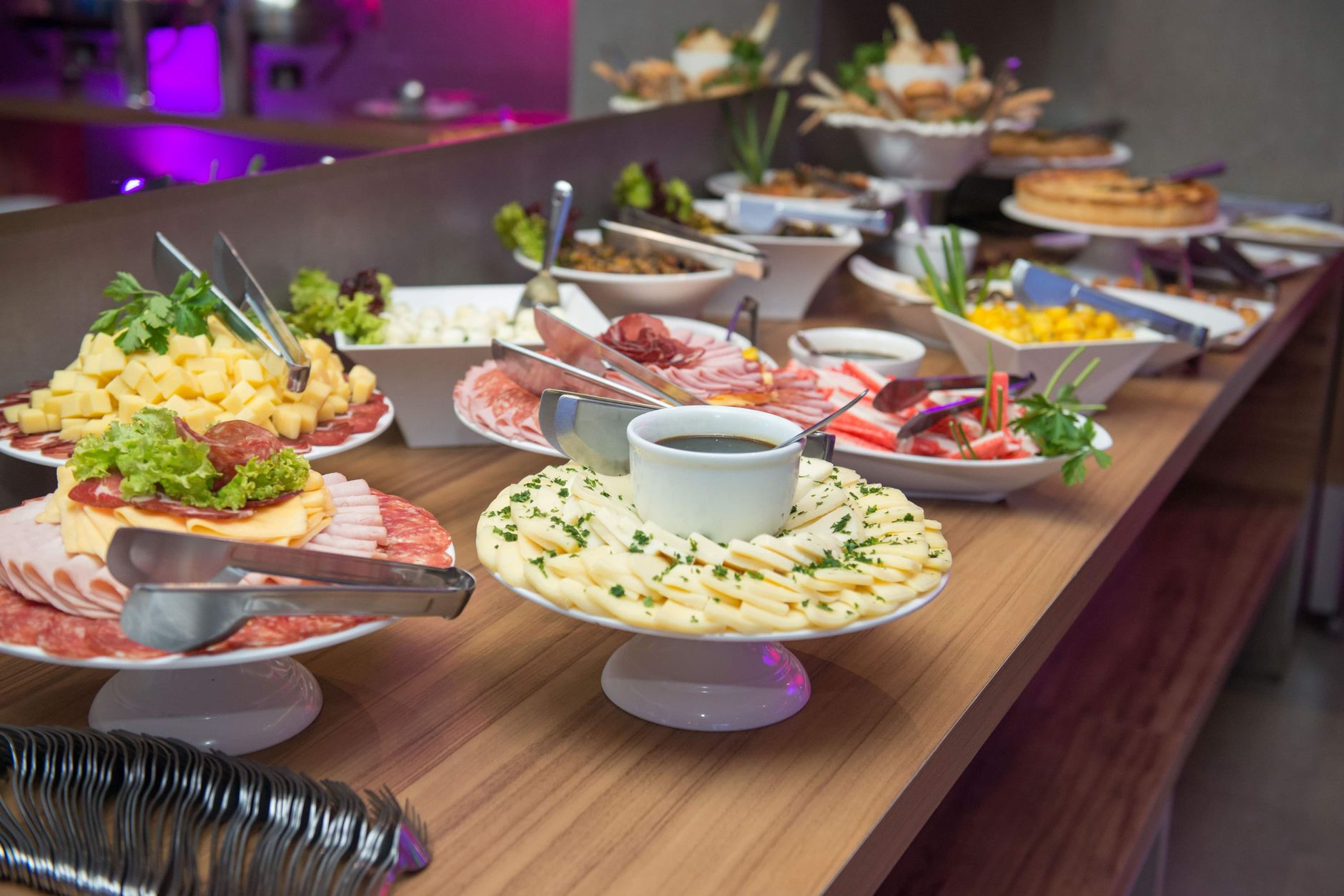
Step 5: Pay at the buffet or by table. At some Heurigen, you settle the food bill at the buffet station; at others, the waiter brings the total bill at the end including drinks and food.
Step 6: Enjoy. Heurigen are for lingering. Order a second carafe, enjoy the atmosphere, watch the sunset over the vineyards if you’re in Grinzing.
Vienna’s Heuriger villages
Grinzing
The most famous and popular Heuriger village. Located in the 19th district (Doebling), 20 minutes by tram 38 from Schottentor.
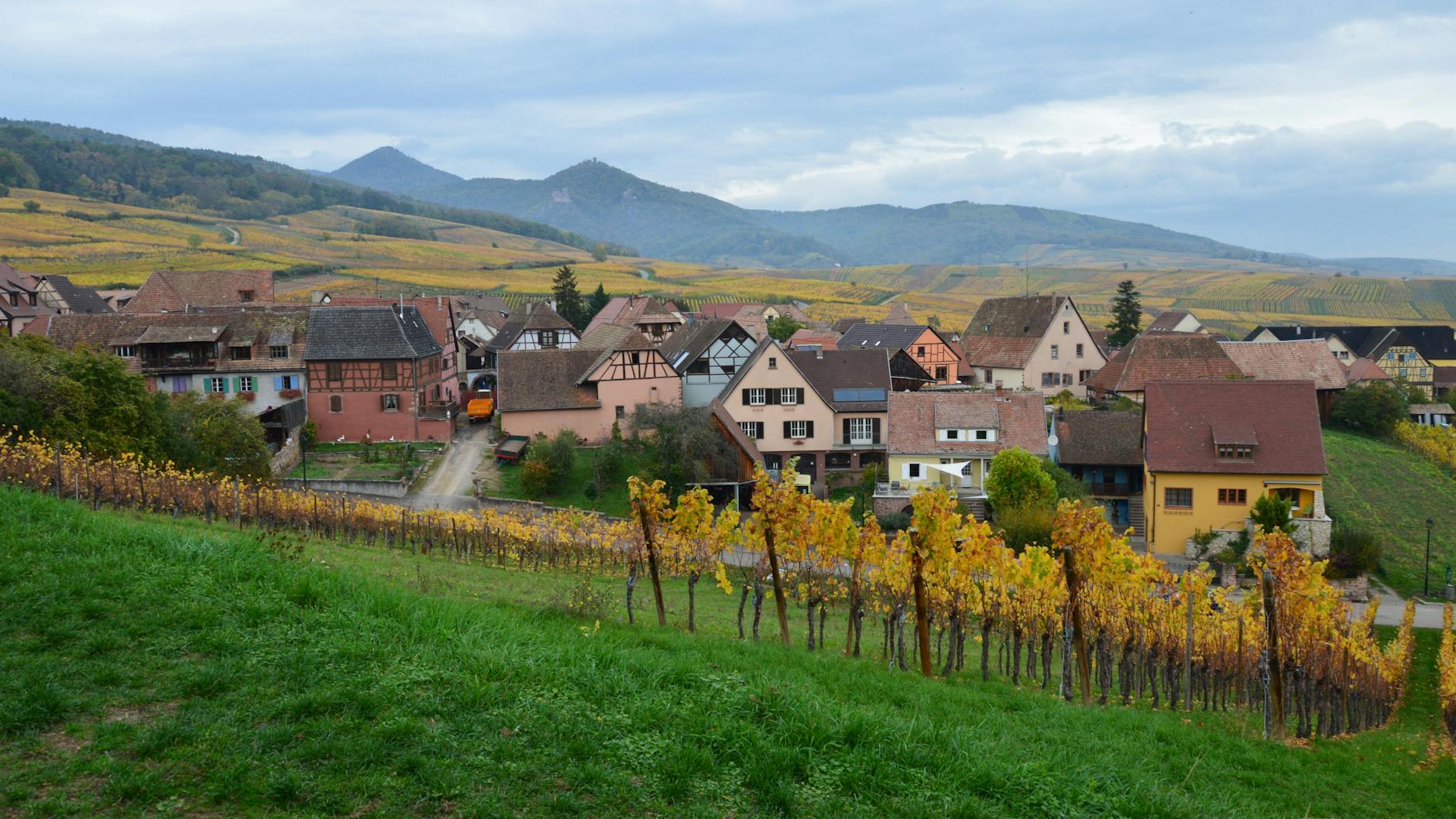
Grinzing is the classic Heuriger destination with multiple producers along the main streets. Some venues are tourist-heavy with traditional folk music, while others remain genuinely local. The cobblestone village has 18th-century architecture and old wine cellars.
Recommended Grinzing Heurigen:
Mayer am Pfarrplatz: Located in Beethoven’s former apartment building, this Heuriger combines wine tradition with composer history. Plates 12-22 euros, wine 4-6 euros per Achtel.
Bio-Weinbau Obermann: Organic Grinzing producer with quiet garden. Hand-crafted wines from organic grapes.
Heuriger Schübel-Auer: Family-run since the 19th century. Garden adorned with grapevines. Authentic atmosphere.
Mayer am Nussberg: Hillside Heuriger with vineyard views. Rustic charcuterie boards. One of the best Grinzing experiences.
Heuriger Wieninger: Modern, with great views. Quality wines.
Nussdorf
Smaller village 30 minutes by tram 37 from Schottentor. Less touristy than Grinzing.
Recommended Nussdorf Heurigen:
Mayer am Nussberg: One of the best in all Vienna, hillside location.
Sirbu Familienheuriger: Family-run with quality wines.
Hengl-Haselbrunner: Larger Heuriger with multiple seating areas.
Heiligenstadt
Adjacent to Grinzing/Nussdorf, 19th district. Less commercial than Grinzing.
Recommended Heiligenstadt Heurigen:
Beethoven Wohnhaus area: Several smaller producers near Beethoven’s actual residence.
Heuriger Wallner: Family operation with strong reputation.
Stammersdorf
21st district, accessible by tram 31. Authentic and underrated; locals’ choice.
Recommended Stammersdorf Heurigen:
Christof Hubert: Modern Heuriger with serious wine focus.
Heuriger Wieninger: Different from Grinzing branch. Family run.
Various smaller producers: Walk the Stammersdorfer Strasse for variety.
Mauer
Southern Vienna’s wine quarter, 23rd district. Quiet residential area with several Heurigen.
Best Heurigen by experience type
Most authentic local atmosphere
Stammersdorf and Mauer; small family Heurigen in Heiligenstadt; smaller Grinzing producers away from the main tourist street.
Best wines
Mayer am Nussberg; Bio-Weinbau Obermann; Christof Hubert; Hengl-Haselbrunner.
Best views
Mayer am Nussberg (vineyard hillside); Beethoven Wohnhaus area; many Grinzing hill locations.
Most romantic for couples
Smaller Heurigen with quiet gardens. Reservations advisable on weekend evenings.
Best for groups
Larger Heurigen like Heuriger Schübel-Auer in Grinzing or Hengl-Haselbrunner in Nussdorf.
Best with kids
Most Heurigen welcome families. Garden settings work well; children can run around while parents drink wine.
What to order at a Heuriger
Wine
Standard Heuriger wines:
Gruner Veltliner: Austria’s signature white. Crisp, peppery. Most common at Heurigen.
Welschriesling: Light fruity white. Easy drinking.
Riesling: More elegant than Gruner. Some Heurigen specialize.
Gemischter Satz: Vienna’s traditional field blend (UNESCO-recognized). Order if available.
Zweigelt: The main red. Soft, cherry-fruited.
Blaufrankisch: Bigger red, food-friendly.
Sturm (autumn only): Partially fermented young wine. Available September-October. Tart, fizzy, refreshing.
Sizes:
Achtel: 1/8 litre. 3-5 euros typically.
Viertel: 1/4 litre. 5-8 euros.
Carafe: 1/2 litre or 1 litre for groups.
Food
The cold buffet typically includes:
Cold meats: Speck (smoked ham), various sausages, smoked beef, pâté.
Cheeses: Mountain cheese (Bergkaese), feta-style cheese (Liptauer), Camembert variants.
Salads: Cucumber, beet, pickled vegetables, sauerkraut.
Spreads: Liptauer (paprika cheese), Aufstrich (various Austrian spreads).
Bread: Multiple varieties including rye and pumpkin seed.
Pickles: Cucumbers, peppers, beetroot.
A typical buffet plate for two people costs 15-25 euros total.
Hot dishes when available:
Stelze: Roasted pork knuckle. Order ahead at some Heurigen.
Gulasch: Beef stew.
Schinkenfleckerl: Pasta with ham.
Schweinsbraten: Roast pork.
Note: Hot dishes aren’t always available; cold buffet is the standard offering.
How to get to Vienna Heurigen
Tram 38: From Schottentor in the city center to Grinzing. 20 minutes.
Tram 37: From Schottentor to Hohe Warte, then walk to Nussdorf/Heiligenstadt.
Bus 38A: From Heiligenstadt to deeper Grinzing.
Tram 31: To Stammersdorf (21st district).
Tram 60: To Mauer/Rodaun (23rd district).
Taxi: 12-18 euros from central Vienna to Grinzing.
Uber/Bolt: 10-15 euros to most Heuriger destinations.
Don’t drive after wine tasting. Public transport is the standard approach.
Best season for Heurigen
September-October: Wine harvest. Sturm available. Best season overall.
April-June: Spring opening. Mild weather. Outdoor gardens.
July-August: Summer evenings. Long daylight. Outdoor seating.
November-March: Many Heurigen close or have reduced hours. Some remain open; verify before visiting.
The Heuriger season is traditionally tied to the wine harvest, with the cycle being: late September Sturm, fall harvest wines, winter aged wines (some Heurigen close), spring reopening with new vintages.
Heuriger etiquette and tips
Reservations: Larger Heurigen often accept reservations; smaller family operations rarely do. Walk-in standard.
Sharing tables: Common practice at busy Heurigen. Don’t be surprised by strangers joining your table.
Toasting: Make eye contact while clinking glasses (“Prost”).
Hours: Most open 4 p.m. until late. Some have weekend lunch.
Cash vs card: Many Heurigen are cash-preferred, especially smaller family operations. Bring 50-80 euros.
Tipping: 5-10% standard. Round up the bill.
Cellar tours: Some Heurigen offer cellar visits during quiet hours. Ask politely.
Buying wine to take home: Most Heurigen sell bottles for takeaway. Typically 8-20 euros per bottle.
Children welcome: Most Heurigen welcome families. Some have playgrounds.
Dress code: Casual smart. Sneakers and jeans acceptable; flip-flops less so.
Sample Heuriger evening itinerary
6:00 p.m.: Take tram 38 from Schottentor toward Grinzing.
6:30 p.m.: Arrive Grinzing. Walk through village to Mayer am Pfarrplatz.
7:00 p.m.: Settle at a table. Order Gruner Veltliner and visit the buffet.
8:30 p.m.: Walk to a second Heuriger (15 minutes between most Grinzing venues).
9:00 p.m.: Try a different wine variety. Live music in many Heurigen.
10:30 p.m.: Take tram 38 back to Schottentor.
11:00 p.m.: Arrive central Vienna.
Typical cost for two adults: 70-100 euros including wine, food, and transport.
Heurigen with kids
Most Heurigen welcome families. Practical tips:
Outdoor gardens give kids space to play.
Non-alcoholic options for children: juice, soft drinks, mineral water.
Kid-friendly buffet items: bread, cheese, smoked ham.
Children’s portions sometimes available for hot dishes.
Bathroom access varies; ask before settling.
Younger children may be bored after an hour; build in walking time between Heurigen.
Heuriger seasonal specialties
September-October: Sturm (partially fermented wine), new wine vintages, pumpkin dishes.
November-December: Wild game (Reh, Wildschwein), aged red wines.
March-May: Spring vegetables, new whites.
June-August: Light salads, summer dishes, chilled white wines.
Modern Heuriger variations
While traditional Heurigen dominate, modern variations exist:
Stadtheuriger: Heuriger-style restaurants in central Vienna (not actual wineries, but Heuriger atmosphere). Less authentic.
Wine bars with Heuriger atmosphere: Modern bars channeling Heuriger character.
Upscale Heurigen: Some producers have evolved into wine destinations with finer dining elements. Wines remain producer-only.
For true Heuriger experience, prioritize the actual wine-village locations.
Combining Heurigen with other Vienna activities
Heuriger evenings combine well with:
Vienna Woods walks: The wine villages are on the edge of Vienna Woods. Walk through vineyards before dinner.
Beethoven sites: Many wine villages have Beethoven history (he composed several works in Heiligenstadt).
Imperial garden afternoons: Schoenbrunn afternoon, Heuriger evening.
State Opera evenings: Pre-show drinks at a Heuriger, then dinner in town before performance.
Vienna in spring: Cherry blossom viewing in afternoon, Heuriger evening for warm weather.
Common Heuriger mistakes
Mistake 1: Going to commercial tourist Heurigen. The largest Grinzing venues with folk music can be overpriced and inauthentic. Walk further to find smaller producers.
Mistake 2: Driving to Heurigen. If wine tasting is the point, take the tram. Austrian police enforce DUI strictly.
Mistake 3: Going in winter without checking opening. Many Heurigen close November-March. Verify before traveling.
Mistake 4: Eating too much before arriving. The cold buffet is part of the experience.
Mistake 5: Treating it like a restaurant. Heurigen are for lingering. Don’t rush.
Mistake 6: Drinking too fast. The wines are typically lower in alcohol but the rhythm is meant to be slow.
Heurigen seasonal calendar
Heurigen operate by season:
March-May: Spring opening with previous year’s wines. Easter atmosphere.
June-August: Summer evenings, outdoor gardens, peak attendance.
September-October: Wine harvest, Sturm season, the prime Heuriger time.
November-December: Some open for winter wines; Christmas season programming.
January-February: Most closed; small operations may have weekend hours.
Buying wine to take home
Most Heurigen sell bottles for takeaway. Typical bottle prices 8-25 euros direct from producer (significantly below restaurant or shop pricing). Many producers ship within Austria; international shipping less common. Carry-on luggage on European flights allows up to 2 liters of wine.
Heurigen for visitors with disabilities
Most Heurigen are partially accessible. Outdoor gardens generally walkable; some historic cellars have steps. Call ahead for accessibility confirmation.
Combining Heurigen with Vienna Woods
The wine villages of the 19th district sit at the edge of Vienna Woods. Combine Heuriger evenings with afternoon hikes for ideal autumn or spring days. Multiple marked trails from Grinzing through vineyards to forest paths.
Heurigen language tips
Useful German phrases at Heurigen: ‘Ein Achtel Gruner bitte’ (a 1/8 of Gruner please); ‘Ein Viertel Riesling’ (1/4 of Riesling); ‘Eine Brettljause bitte’ (a cold platter please); ‘Die Rechnung bitte’ (the bill please); ‘Stimmt so’ (keep the change).
Heurigen ordering complete guide
Heuriger ordering format:
Wine: ‘Ein Achtel’ (1/8 litre, 3-5 euros), ‘Ein Viertel’ (1/4 litre, 5-8 euros), ‘Eine Halbe Flasche’ (1/2 bottle 12-18), ‘Eine Flasche’ (full bottle 18-30).
Food: ‘Eine Brettljause’ (cold plate, 12-18 euros depending on size); ‘Eine grosse Brettljause’ (large platter, 18-25 euros); individual items 4-8 euros each.
Beer (yes, available at most Heurigen): ‘Ein kleines Bier’ (small beer, 3-4 euros), ‘Ein grosses Bier’ (large beer, 5-6 euros).
Heurigen for Beethoven enthusiasts
Heuriger Mayer am Pfarrplatz is located in Beethoven’s actual apartment building in Heiligenstadt. He composed parts of the Ninth Symphony here. Visit the building, see the Beethoven plaque, then settle for wine in the Heuriger garden. One of Vienna’s most memorable wine + history combinations.
Heurigen night transport
For Heuriger evenings: Tram 38 to Grinzing (last around midnight); Tram 37 to Hohe Warte; Tram 31 to Stammersdorf; taxis 12-18 euros to central Vienna; Uber/Bolt comparable. Don’t drive after wine tasting.
Heurigen booking and walk-in
Most Heurigen welcome walk-ins. Larger Grinzing venues may take reservations on weekends. Smaller family operations are walk-in only. For weekend evenings (Friday-Saturday), arriving at 6-7 p.m. ensures you get a table.
Vienna Heurigen FAQ
Are Heurigen the same as wine bars? No. Heurigen serve only the producer’s own wine; wine bars serve multiple producers.
How much does a Heuriger cost? 20-40 euros per person typical with wine and food.
Do I need reservations? Larger Heurigen yes; smaller family operations usually walk-in.
Are Heurigen open year-round? Many close November-March. Verify before visiting.
Can I drive to Heurigen? Yes, but don’t drink and drive. Use public transport.
What’s the best Vienna Heuriger? Subjective; Mayer am Nussberg is consistently highly rated.
Are Heurigen tourist traps? Some larger Grinzing venues yes. Smaller family operations and Stammersdorf are authentic.
Can I buy wine to take home? Yes, most sell bottles for takeaway.
Heurigen offer one of Vienna’s most distinctive cultural experiences. Whether you visit the famous Grinzing wine village or seek out smaller producers in Stammersdorf or Mauer, an evening at a Heuriger combines wine, food, atmosphere, and tradition in a way no other Vienna experience matches. Combine with our complete Vienna nightlife pillar and Vienna food guide guides for full planning.
Heurigen vs Stadtheuriger comparison
Authentic Heurigen vs city Stadtheuriger (Heuriger-style restaurants in central Vienna):
Authentic Heurigen: Produce their own wine; wine villages in 19th, 21st districts; seasonal opening; atmospheric historic settings.
Stadtheuriger: Located in central Vienna; resell wines from various producers; year-round operation; less authentic atmosphere but more convenient.
For genuine Heuriger experience, prioritize 19th district (Grinzing, Nussdorf, Heiligenstadt) or 21st district (Stammersdorf).
Heurigen as cultural heritage
The Heuriger tradition was added to UNESCO’s intangible cultural heritage list in 2019. The list recognizes Vienna’s unique combination of:
Producer-direct wine service.
Cold buffet self-service tradition.
Communal seating culture.
Historical roots from 1784 imperial decree.
Continued family-run operations across multiple generations.
Heuriger producers to seek out
Beyond the famous Grinzing names, lesser-known top Vienna wine producers worth visiting at Heurigen: Christof Hubert in Stammersdorf; Sirbu Familienheuriger in Nussdorf; Bio-Weinbau Obermann in Grinzing (organic); Wieninger family operations across districts; various small Mauer producers. Quality often beats brand recognition.
Heuriger wine education
Visiting Heurigen is excellent wine education: try multiple producers in single visit for comparison; ask producers about their wines; learn about Austrian grape varieties; understand UNESCO Gemischter Satz; experience different vineyard origins. Many Heurigen welcome visitors who want to learn.
If you can choose your month, choose October. The new wine is in, Sturm is being poured by the glass, and the vineyards behind the courtyards are turning gold. Our guide to Vienna in October explains what Sturm actually is, why it is stronger than it tastes, and how to time a Heurigen afternoon before the light goes.
Related Vienna Guides
Heuriger conclusion
Heurigen offer one of Vienna’s most distinctive cultural experiences. Whether you visit the famous Grinzing wine village or seek out smaller producers in Stammersdorf or Mauer, an evening at a Heuriger combines wine, food, atmosphere, and tradition unmatched anywhere else in Vienna.