Vienna Tourist Traps & Mistakes to Avoid
The Vienna tourist traps that waste money and time — costumed ticket sellers, picture-menu schnitzel, passes that never pay back, café queues — and exactly what to do instead.
- The Short Version
- 1. The Costumed Concert Ticket Sellers
- 2. Restaurants with Picture Menus and a Man at the Door
- 3. The Vienna Pass, Bought Without Arithmetic
- 4. Queuing for the Famous Coffee House
- 5. Sachertorte, and the Great Cake Argument
- 6. The Hop-On Hop-Off Bus as a Way of Getting Around
- 7. The Fiaker, if You Do Not Know the Price
- 8. The “Apple Strudel Cooking Class” That Is a Demonstration
- 9. Souvenirs That Are Not Viennese
- 10. Smaller Traps and Mistakes
- Seasonal Traps: Christmas, New Year and Ball Season
- Things That Look Like Traps but Are Not
- How to Avoid Traps in General
- Frequently Asked Questions
- Related Vienna Guides
- Photo Credits
This article contains advertising. Our booking links are routed through a partner that adds commission tracking automatically, so if you book through one we earn a commission from the provider, at no extra cost to you. It never affects what we recommend. Affiliate disclosure
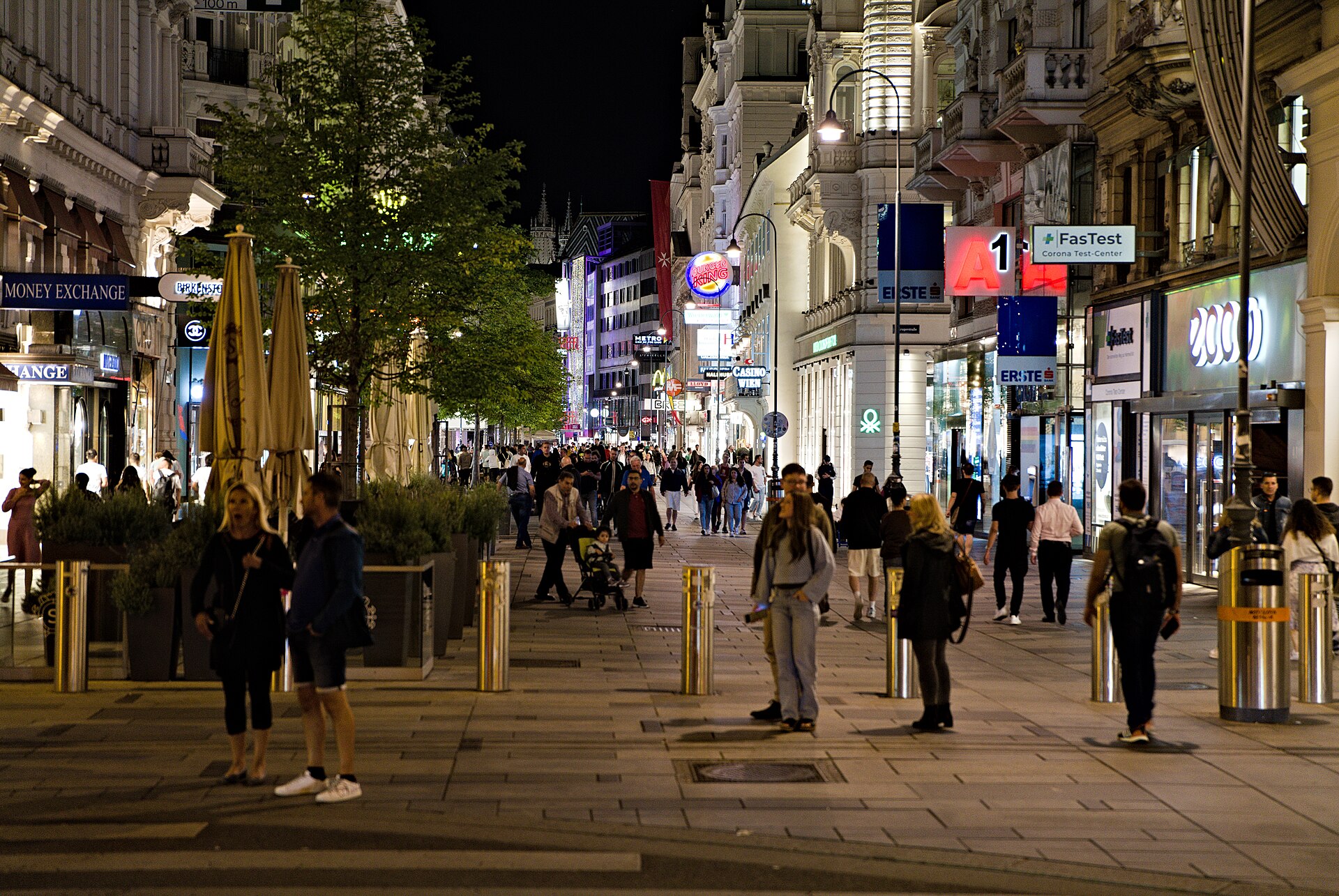
Nobody in Vienna is going to rob you. The city is consistently one of the safest capitals in Europe, and the risk on an ordinary trip is not that somebody takes your wallet but that you open it in the wrong places. The classic Vienna tourist traps are not crimes at all: they are a concert ticket sold by a man in a wig and buckled shoes, a schnitzel from a picture menu fifty metres from the cathedral, a sightseeing pass that would have needed you to visit nine museums in two days to break even, and a forty-minute queue for a coffee you could have had, better, around the corner.
This guide is about money and time rather than safety: the overpriced, the overrated and the badly timed, with what to do instead in each case and the real 2026 prices. If you are worried about pickpockets, scams or personal safety, that is a different subject and our Vienna safety guide covers it. Prices were checked in September 2026 against operators’ own sites; check them again before you travel.
The Short Version
| The trap | What it costs | Do this instead |
|---|---|---|
| Costumed concert ticket sellers | €70–120 for a tourist-grade concert | State Opera standing room, €13–18, or Musikverein standing, about €12 |
| Picture-menu restaurants near Stephansplatz | Inflated prices, frozen schnitzel | Walk two streets; eat a weekday Mittagsmenü |
| Buying the Vienna Pass without doing the maths | Often more than the tickets you would actually buy | Individual tickets plus a 24-hour or 7-day transport ticket |
| Queuing an hour for a famous coffee house | An hour of a short trip | Any of a dozen equally good cafés nearby |
| Hop-on hop-off bus as transport | From about €37 for 24 hours | Ring trams and the U-Bahn on a €10.20 24-hour ticket |
| Taxi from the airport without a fixed price | Variable, often €40+ | Train or bus; see our airport guide |
| Bottled water in restaurants | €3–5 a bottle | Vienna’s tap water, which comes from the Alps and is excellent |
| Souvenir shops on Kärntner Straße | Mozart-branded everything | Augarten porcelain, Lobmeyr glass, coffee beans, Wachau apricot jam |
1. The Costumed Concert Ticket Sellers
This is the single biggest money trap in Vienna, and the most visible. Young men and women dressed as Mozart — knee breeches, wigs, buckled shoes — work Kärntner Straße, the Graben, Stephansplatz and the pavement outside the State Opera, selling tickets to classical concerts. They are persuasive, they are everywhere, and the concerts they sell are typically €70–120 for tourist-grade performances in minor venues.
What you are buying is rarely what you think you are buying. The orchestra may be a small ensemble assembled for the tourist trade, the venue may be a hall you have never heard of, and the programme will be the same dozen crowd-pleasers.
What to do instead
- State Opera standing room: €13 on the balcony, €15 in the gallery, €18 in the parterre, sold on the day of the performance only, online from 10:00 Vienna time. A world-class production for the price of two coffees. See our State Opera guide.
- Musikverein standing places in the Golden Hall: usually about €12, set per concert. The best-value seat-less ticket in classical music.
- If you want the costumed Mozart concert — and plenty of people enjoy them — buy it from the organiser rather than the street. The Wiener Mozart Konzert, in real venues including the Musikverein and the State Opera, costs €69 in category C, €89 in B, €109 in A and €139 superior.
Our concert tickets guide explains how to buy from every venue in the city.
2. Restaurants with Picture Menus and a Man at the Door
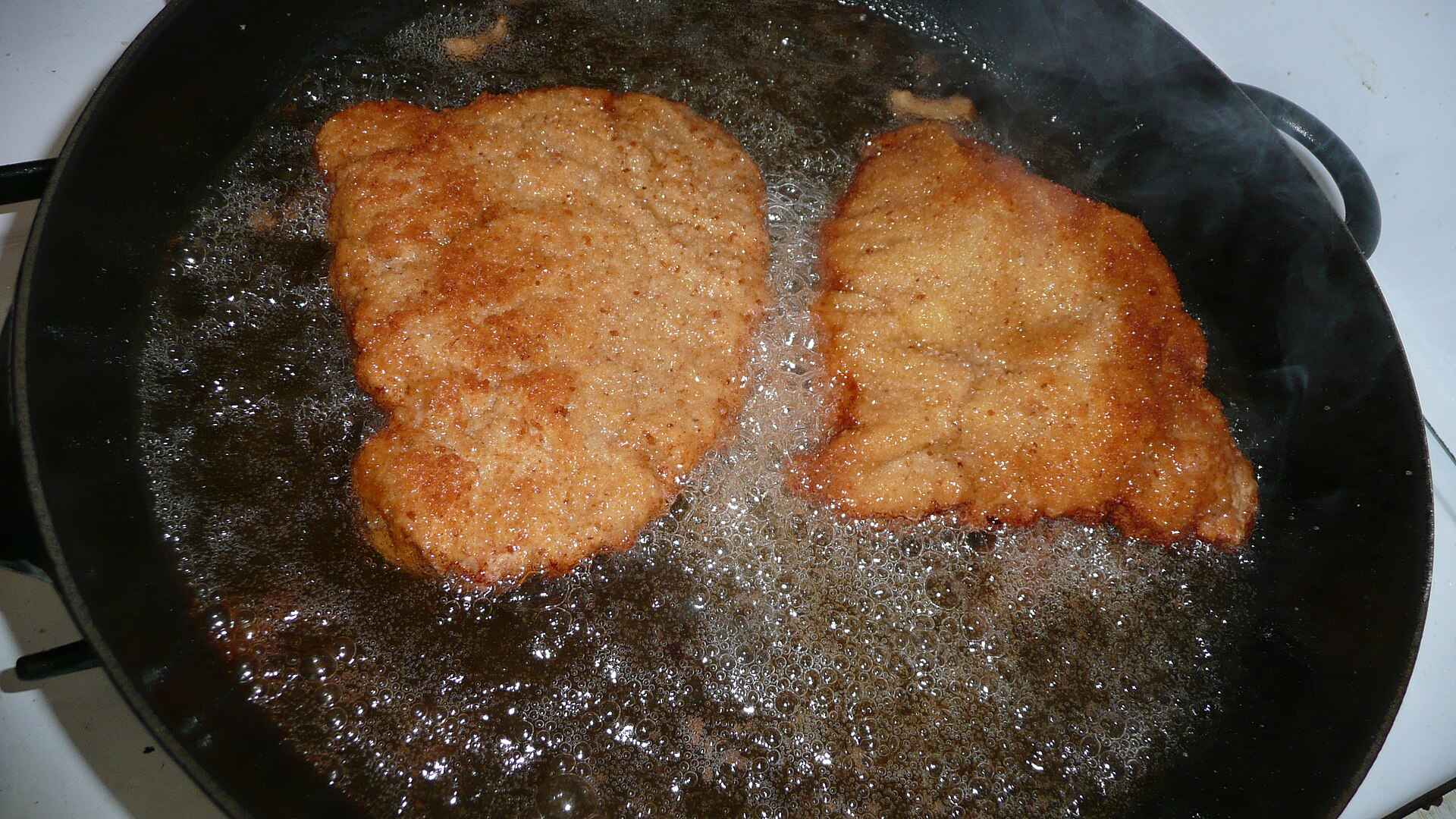
Around Stephansplatz, along Kärntner Straße and on the streets immediately off the Graben, you will find restaurants with laminated menus in six languages, photographs of the food, and someone outside inviting you in. The schnitzel will be large, thin, pale and often pork rather than veal; the prices will be high for what arrives; and the experience will be the same in any European capital.
This is a trap of geography rather than dishonesty. Rents in the 1st district are enormous, and the restaurants that pay them by catching passing trade have no reason to cook well, because you will never come back.
What to do instead
- Walk two or three streets away from the main tourist axis. Prices fall and quality rises very quickly.
- Eat your main meal at lunchtime on a weekday, when many restaurants serve a set Mittagsmenü at a fraction of evening prices. See our cheap eats guide.
- Look for a Beisl, the traditional Viennese neighbourhood inn, where the locals eat.
- Learn what a proper schnitzel is. A real Wiener Schnitzel is veal; pork versions must be labelled differently, usually as “Schnitzel Wiener Art”. Our Wiener Schnitzel guide explains where to eat one.
3. The Vienna Pass, Bought Without Arithmetic
Sightseeing passes are not scams, but they are sold on an optimistic assumption: that you will visit enough attractions, fast enough, to beat the price. Most visitors do not. To make a multi-day pass pay you typically need to visit several paid attractions every day, which is an exhausting way to see a city that rewards sitting still.
Be clear about the difference between the two products, because the names confuse people:
- Vienna City Card (€19 for 24 hours, €31 for 48, €37 for 72, €39 for 7 days) is essentially a transport ticket with discounts attached.
- Vienna Pass is an all-inclusive attractions pass, much more expensive, which includes entry to a long list of sights and the hop-on hop-off buses.
For a typical two- or three-day trip, a 24-hour transport ticket at €10.20 for each day, or a 7-day ticket at €28.90 (€25.20 in the WienMobil app), plus individual entry tickets usually costs less. Our City Card vs Vienna Pass comparison and our Vienna Pass break-even analysis do the sums for different itineraries. Work out what you actually intend to visit, add it up, and buy the pass only if it wins.
4. Queuing for the Famous Coffee House
Vienna has hundreds of coffee houses. Three or four of them appear in every guidebook and on every social media feed, and people queue outside them for an hour, sometimes in the rain, to drink a coffee that is no better than the one being served to half-empty tables two streets away.
Note also that Café Central has been closed since 16 March 2026 for a general renovation, with reopening scheduled for winter 2026 — so the most photographed café in the city may not be open at all when you visit. In the meantime it runs a temporary café, DECENTRAL, on the Freyung. Check our Café Central guide for the current status.
What to do instead
- Go to a famous café at opening time on a weekday, when there is no queue at all.
- Or go somewhere else: Café Sperl in the 6th district, Café Hawelka off the Graben, Café Prückel on the Stubenring, Café Landtmann on the Ring — all historic, none with an hour-long queue.
- Understand what you are paying for: a marble table for as long as you want it. Our coffee houses guide explains the etiquette.
5. Sachertorte, and the Great Cake Argument
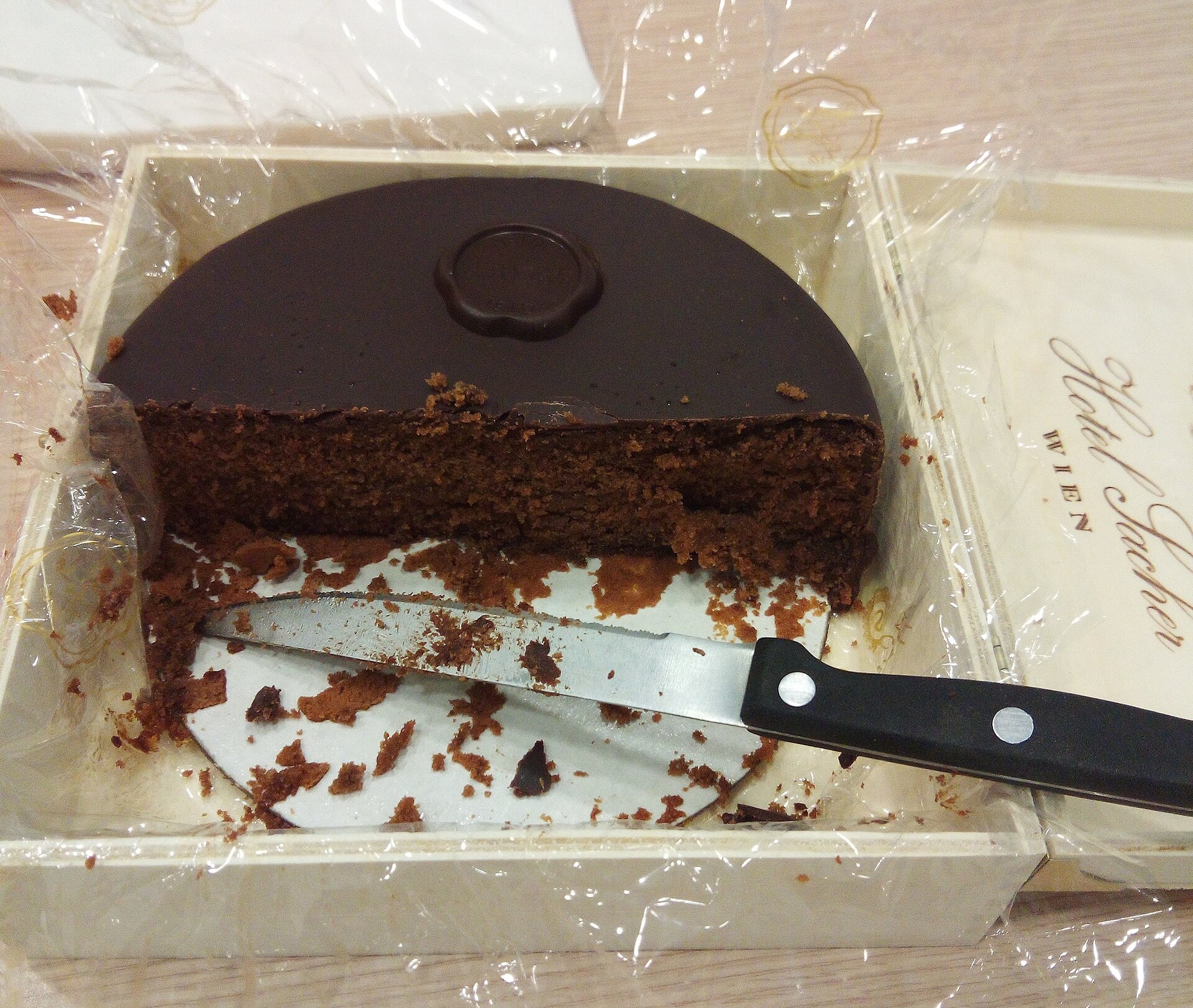
Whether the Sachertorte is a tourist trap depends entirely on your expectations. It is a fairly dry chocolate cake with a layer of apricot jam, served with unsweetened whipped cream, and it has been the subject of a genuine legal battle between Hotel Sacher and Demel over who may call theirs the original. A slice with cream costs €11.50 at Café Sacher (€16.60 with a Kleiner Brauner) and about €8 at Demel, plus a coffee, plus the queue at the Sacher.
It is worth doing once, because it is part of the city’s story. It is not worth queuing forty minutes for, and it is not the best cake in Vienna. If you want the finest thing on a Viennese cake counter, order an Esterházy torte, a Cremeschnitte, a warm apple strudel or a Topfenstrudel instead. Our comparison of Sacher and Demel settles the argument, and our desserts and pastries guide covers the rest.
6. The Hop-On Hop-Off Bus as a Way of Getting Around
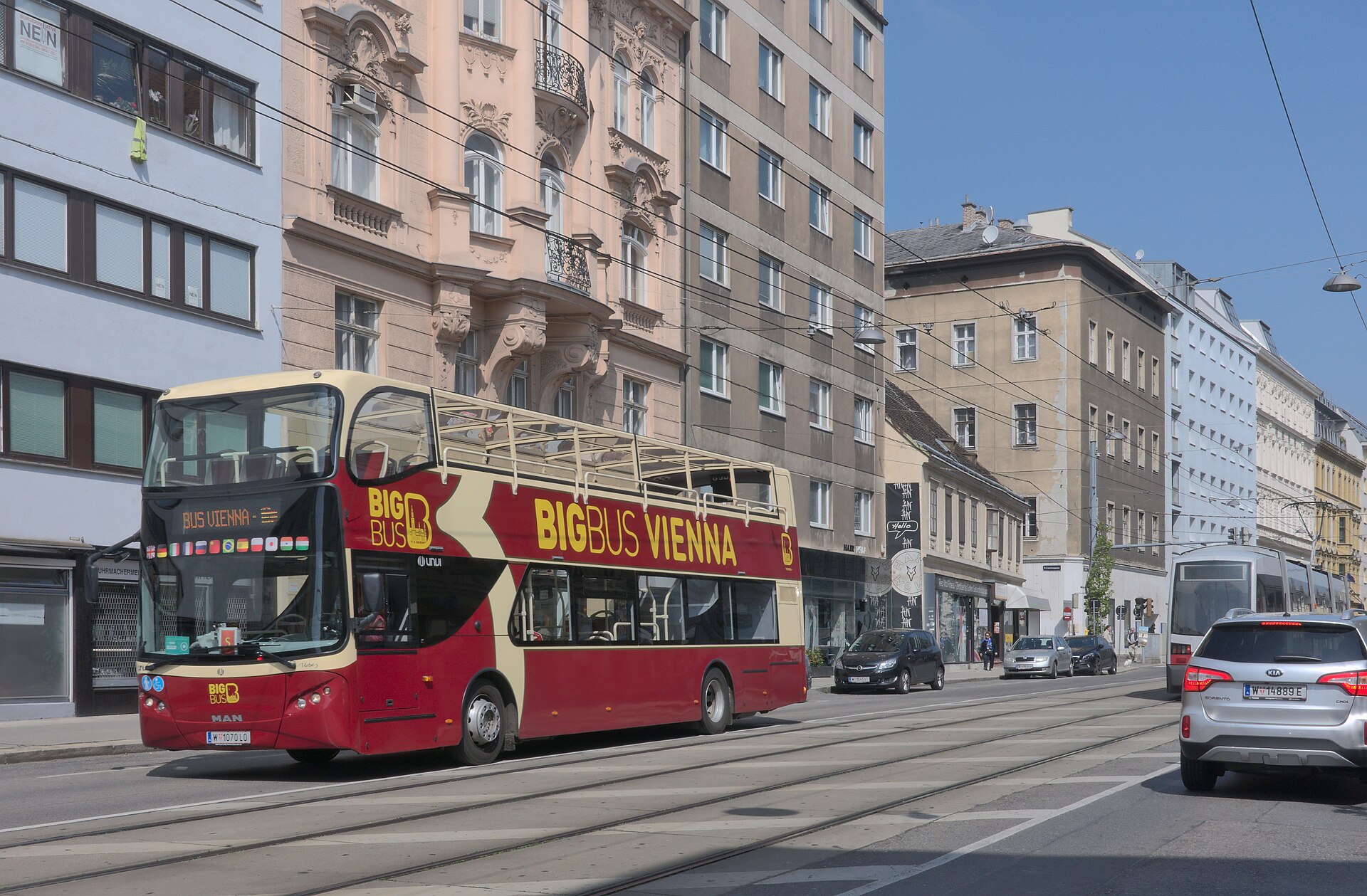
Vienna’s sightseeing buses are legitimate products and some people enjoy them. Big Bus Vienna runs two routes with 25 stops and audio in eight languages, roughly every 20–30 minutes between about 09:15 and 17:30, from around €37 for 24 hours and €45 for 48. Vienna Sightseeing runs four colour-coded routes with 50-plus stops and audio in 19 languages.
The problem is using one as your transport. Vienna has one of the best public transport systems in Europe, and the sights are close together. A 24-hour ticket costs €10.20 (€9.70 in the WienMobil app) and takes you anywhere, frequently, until late at night. The Ringstraße trams pass most of the grand buildings the bus tour points out, and they run every few minutes.
When the bus does make sense: if you have limited mobility, if you are in the city for less than a day, or if you genuinely want the commentary. Otherwise, buy a transport ticket and take tram 1 or 2. Our hop-on hop-off guide compares the operators honestly, and our tram guide explains the Ring lines.
7. The Fiaker, if You Do Not Know the Price
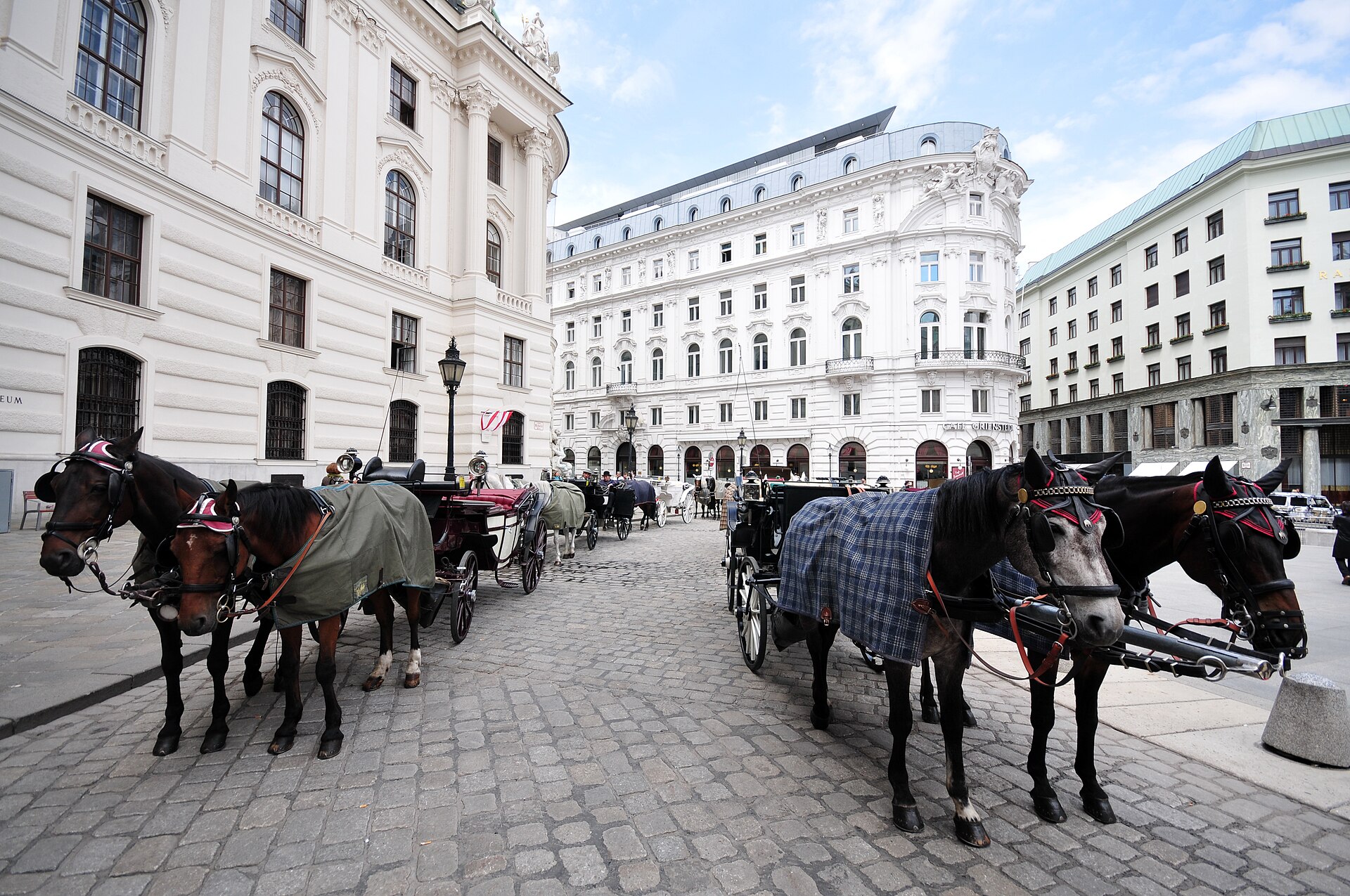
The horse-drawn carriages on Stephansplatz, Michaelerplatz and Albertinaplatz are not a scam — the fares are official and published — but visitors regularly get a shock because they assume the price is per person or misunderstand the length of the tour.
The official 2026 rates are per carriage, not per person, for up to four or five people:
- City centre short tour, about 20 minutes: €60
- City centre long tour, about 40 minutes: €105
- Schönbrunn palace park, about 30 minutes: €95 (late March to late October)
- Zentralfriedhof, 30 minutes: €65; 60 minutes: €110 (mid-March to 1 November)
Split between four people, €60 for twenty minutes is not outrageous. For two people it is expensive for what it is. Agree the tour and the price before you get in, and be aware that drivers are not licensed guides, so the commentary varies from excellent to anecdotal. There is also a live debate about horse welfare in the city, including a legal ban on driving at 35°C. Our Fiaker guide sets out both sides and the practical details.
8. The “Apple Strudel Cooking Class” That Is a Demonstration
The strudel show at Schönbrunn is sold to a great many people who think they are booking a cooking class. It is not one. The Gerstner K.u.K. Hofzuckerbäcker Show, in the vaulted bakery below the café at Schönbrunn, costs €19.90 and includes a roughly 20-minute demonstration in German and English, a hot drink or mineral water and a piece of apple strudel. It runs daily at 11:00, 12:00, 15:00 and 16:00.
As a demonstration with cake, it is fine value and fun for children. As a hands-on class, it does not exist. If you want to cook, book a proper Viennese cooking class; market rates on the booking platforms run roughly €80–160 per person for three to four hours. Our cooking classes guide explains the difference.
9. Souvenirs That Are Not Viennese
Kärntner Straße, the Graben and the streets around Stephansplatz are lined with shops selling Mozart chocolates in violet foil, snow globes, Klimt-printed everything and “Sisi” merchandise. Much of it is made nowhere near Austria, and the mark-ups are cheerful.
Better things to take home
- Coffee beans from a Viennese roaster, with a roast date on the bag. See our specialty coffee guide.
- Augarten porcelain or Lobmeyr glass if you are spending seriously.
- Wachau apricot jam and schnapps, Styrian pumpkin seed oil, Austrian wine.
- A Sachertorte in its wooden box, if you must — at least it is genuinely from here.
- Manner wafers, sold everywhere including supermarkets, which are the Viennese sweet the Viennese actually eat.
Buy food souvenirs in a supermarket or a proper shop rather than in a souvenir boutique, where the same products cost several times more. Our shopping guide has the details.

10. Smaller Traps and Mistakes
Paying for bottled water
Vienna’s tap water is piped from springs in the Alps and is excellent. Restaurants will bring bottled water if you order it, at €3–5. Ask for tap water (Leitungswasser) instead; some places charge a small amount for serving it, which is normal, but many do not. There are public drinking fountains around the city in summer.
Assuming everything is open on Sunday
Austrian shop-opening law keeps shops and supermarkets closed on Sundays and public holidays. The Naschmarkt is closed on Sundays too. Museums, cafés and restaurants stay open. Plan your shopping for Saturday, and remember the weekday public holidays — 26 October, 1 November, 8 December and the rest.
Only drinking at the Bermuda Triangle
The cluster of bars around Ruprechtskirche known as the Bermuda Triangle is the default night out for visitors and stag parties. It is fine, but the 6th, 7th and 8th districts have far better bars at lower prices. See our best bars guide.
Going to a “Heuriger” that is a coach stop
Grinzing has genuine wine taverns and it also has large places geared to coach parties, with accordion music and set menus. The village is worth visiting; just choose carefully, or go to Nussdorf, Neustift am Walde, Stammersdorf or Mauer instead, where the customers are mostly local. Our Heurigen guide explains how a real one works.
Taking a taxi from the airport without agreeing a price
Use the train or a bus, or book a fixed-price transfer. Note that during the S-Bahn closure from September 2026 the CAT runs as a replacement bus and the S7 is short-routed, so check before you travel. Our airport transfer guide has the current fares and our taxi guide covers city taxis.
Buying a full day at the Prater without checking prices
Entry to the Wurstelprater is free, and you pay per ride. That makes it a cheap evening or an expensive one depending on how many times the children go round. See our Prater guide.
Ignoring the free things
The Gloriette hill at Schönbrunn, the palace park, the Volksgarten rose garden, the Augarten, the Danube island, the Naschmarkt as a walk, the churches, the government buildings of the Ringstraße and the views from the Kahlenberg cost nothing. On a two-day trip these are often the memories people keep. See free things to do in Vienna.
Seasonal Traps: Christmas, New Year and Ball Season
Vienna’s winter season brings its own set of avoidable annoyances, mostly caused by not knowing how things work.
Christmas markets
- The mug deposit. Punch and mulled wine are served in a proper mug with a deposit (Pfand) added to the price. Return the mug and you get the deposit back; keep it and you have bought a souvenir. Neither is a swindle, but people regularly think they have been overcharged.
- Assuming they are all the same. Rathausplatz is the biggest and the busiest and the most commercial. The markets at Spittelberg, Am Hof, Freyung, the Karlsplatz art market and Schönbrunn have more character and often better craft stalls. Our Christmas markets guide compares them.
- Turning up in early November. The first markets to open in 2026 are Schönbrunn and Stephansplatz on 6 November; Rathausplatz opens on 13 November, and most others open between 13 and 20 November. A trip on 5 November will find nothing at all.
- Eating dinner at the market every night. It is fun once or twice; it is also one of the most expensive ways to eat in the city.
New Year and the Neujahrskonzert
The Vienna Philharmonic’s New Year’s Day concert is allocated by public ballot more than a year in advance, and tickets run from about €90 to €1,200 at face value. Anything offered to you at short notice at a vast price is being resold. The city’s free alternative is the Silvesterpfad on 31 December, a trail of stages and stalls across the Rathausplatz, Freyung, Am Hof, Graben, Stephansplatz, Kärntner Straße, Neuer Markt and Riesenradplatz. Our New Year’s Eve guide has the details.
Ball season
Between New Year’s Eve and Shrove Tuesday, Vienna holds hundreds of balls. Many sell tickets to the public, though who may attend varies from one organiser to the next. The trap is assuming the Opera Ball — the most famous, the most expensive and the hardest to get into — is the only option, or booking a ball without checking the dress code, which is strictly enforced. Smaller balls like the Kaffeesiederball or the Zuckerbäckerball are more fun and far easier to attend. Our ball season guide explains the etiquette, and note that the Opernball is in February, not January.
Things That Look Like Traps but Are Not
Being sceptical is useful; being cynical costs you a good trip. A few things that get dismissed as tourist traps and should not be.
- The Third Man sewer tour. It sounds like a gimmick and is run by the city’s own sewer utility. €14, May to October, Thursday to Sunday, tickets sold on site only. Excellent. See our Third Man tour guide.
- Stephansdom’s catacombs. €8 for a 30-minute guided tour among the remains of roughly 11,000 people. Genuinely extraordinary.
- The Imperial Crypt (Kaisergruft) at €15, where the Habsburgs are buried in astonishing baroque coffins.
- Trams 1 and 2 along the Ring as sightseeing, on an ordinary transport ticket.
- State Opera standing room. The single best thing you can do in Vienna for under €20.
- Schönbrunn, even in high season. Yes, it is crowded. It is also one of the great palaces of Europe. Book the first slot of the day.
How to Avoid Traps in General
- Buy tickets from the venue or operator, never from someone approaching you in the street.
- Do the arithmetic on any pass before you buy it.
- Walk away from the main axis — Kärntner Straße, the Graben, Stephansplatz — before you eat.
- Check the price per person or per carriage before you commit to anything with horses, boats or bicycles attached.
- Go early. The first hour at any famous sight is worth two hours later in the day.
- Ask what a “concert” actually is: which orchestra, which venue, which seats.
- Use public transport. It is cheap, fast and covers everything in this guide.
For more on getting the most out of a first visit, see our first-time Vienna tips and our money-saving tips.
Frequently Asked Questions
What are the biggest tourist traps in Vienna?
Costumed street sellers of classical concert tickets, picture-menu restaurants near Stephansplatz, sightseeing passes bought without checking the break-even point, long queues at famous coffee houses, and using hop-on hop-off buses instead of the excellent public transport.
Are the Mozart concerts in Vienna a scam?
Not a scam, but the tickets sold by costumed sellers in the street are usually poor value: €70–120 for tourist-grade performances in minor venues. Buy from the venue or the organiser, or go to State Opera standing room for €13–18.
Is the Vienna Pass worth it?
Only if you visit several paid attractions every day. For most visitors, a 24-hour transport ticket (€10.20) for each day of sightseeing, or a 7-day ticket (€28.90) for a longer stay, plus individual entries costs less. Check our break-even analysis before buying.
Is Sachertorte worth it?
Once, for the story. Café Sacher charges €11.50 for a slice with cream, and Demel about €8. It is not the best cake in Vienna and is not worth a long queue.
How much does a Fiaker ride cost in Vienna?
Officially €60 for a short city-centre tour of about 20 minutes and €105 for the long tour of about 40 minutes, per carriage for up to four or five people, not per person.
Is Vienna’s tap water safe to drink?
Yes. It comes from Alpine springs and is among the best city water in Europe. Ask for Leitungswasser rather than buying bottled water.
Do I need to tip in Vienna?
Round up or add about five to ten per cent, and say the total when you pay. It is not the 20 per cent expected in the United States. See our tipping guide.
Is Vienna expensive?
It is a Western European capital, so not cheap, but it is cheaper than Paris, London or Zurich, and public transport, museums and standing-room concerts are unusually good value. See our trip cost guide.
Related Vienna Guides
- First-Time Vienna Tips
- Vienna Money-Saving Tips
- Vienna Safety Guide
- Is the Vienna Pass Worth It?
- Vienna Concert Tickets Guide
- Vienna Fiaker Carriage Ride
- Vienna on a Budget
- Vienna 2-Day Itinerary
Photo Credits
Fiaker carriages waiting in a Hofburg courtyard: 13-05-24-wien-RalfR-146 by Ralf Roletschek, CC BY 3.0, via Wikimedia Commons.
Original Sacher-Torte in its box: Half Sachertorte by SWT666, CC BY-SA 4.0, via Wikimedia Commons.
Kärntner Straße at night: Kärntner Straße Wien at night 2022-08-08 02 by Leonhard Lenz, CC0, via Wikimedia Commons.