Vienna’s Third-Wave Coffee Scene: Specialty Roasters & Where to Find Them
Vienna's specialty coffee scene by neighbourhood: Gota, Jonas Reindl, Kaffemik, Balthasar and more, with addresses, hours, how to order, beans to take home and a coffee walk.
- Vienna’s Specialty Coffee Scene at a Glance
- Third-Wave Coffee vs the Viennese Coffee House
- Gota Coffee: Europe’s Best Coffee Shop
- Neubau and Mariahilf (6th and 7th Districts)
- Alsergrund and Josefstadt (8th and 9th Districts)
- Leopoldstadt (2nd District)
- Wieden and the Innere Stadt
- How to Order in a Specialty Café
- Buying Beans to Take Home
- A Self-Guided Specialty Coffee Walk
- Specialty Café or Coffee House? Our Honest Verdict
- Frequently Asked Questions
- Related Vienna Guides
- Photo Credits
This article contains advertising. Our booking links are routed through a partner that adds commission tracking automatically, so if you book through one we earn a commission from the provider, at no extra cost to you. It never affects what we recommend. Affiliate disclosure
For a city whose name is shorthand for coffee, Vienna was slow to care about the beans. For most of the twentieth century the coffee house was about the room, the newspapers and the right to sit for three hours over one cup; what was in the cup was usually a dark-roasted house blend from one of the big Viennese roasters, heavily softened with milk. That changed in the 2010s, when a handful of small roasters and baristas started serving light-roasted single origins, pour-overs and flat whites in bare, bright little shops in Neubau, Alsergrund and Leopoldstadt. Today the specialty coffee Vienna can offer is a scene in its own right, and one of its cafés has been ranked the best coffee shop in Europe.
This guide covers how third-wave coffee differs from the traditional Viennese coffee house, the specialty cafés and roasters worth crossing the city for, grouped by neighbourhood with addresses and opening hours, how to order, buying beans to take home, a self-guided coffee walk, and an honest view of when a specialty café is the better choice and when you should go to a coffee house instead. Opening hours come from Vienna’s official tourism board listings and the cafés’ own information, checked in September 2026. Small cafés change their hours often, and specialty shops open and close faster than coffee houses, so check before you make a special trip.
Vienna’s Specialty Coffee Scene at a Glance
| Café | Address | Why go | Hours (check before visiting) |
|---|---|---|---|
| Gota Coffee | Mariahilfer Straße 192, 1150 | Ranked best coffee shop in Europe, third in the world | Mon–Fri 07:00–18:00; Sat–Sun 08:00–18:00 |
| Jonas Reindl Coffee Roasters | Westbahnstraße 13, 1070 (roastery café); Währinger Straße 2–4, 1090; Josefstädter Straße 67, 1080 | Vienna’s best-known local roaster, three cafés | Westbahnstraße daily 09:00–17:00; the others Mon–Fri 08:00–17:30, Sat–Sun 09:30–17:30 |
| Kaffemik | Zollergasse 5, 1070 | Tiny, friendly, a Neubau institution | Mon–Fri 08:00–18:00; Sat 10:00–18:00; Sun 12:00–17:00 |
| Kaffeefabrik | Favoritenstraße 4–6, 1040 | Roasts its own, near Karlsplatz | Mon–Fri 08:00–18:00; Sat 10:00–17:00 |
| Balthasar Kaffee Bar | Praterstraße 38, 1020 | Handsome espresso bar in Leopoldstadt | Mon–Fri 07:30–19:00; Sat 09:00–17:00; closed Sun |
| J. Hornig Coffee Bar | Siebensterngasse 29, 1070 | Graz roaster’s Vienna bar, open seven days | Mon–Fri 08:00–19:00; Sat 09:00–19:00; Sun 10:00–18:00 |
| Coffee Pirates | Spitalgasse 17, 1090 | Vienna’s first certified-organic specialty roastery (2012) | Check current hours |
| Wiener Rösthaus | Straße des 1. Mai, Prater, 1020 | Roasting on the premises, beside the Prater | Daily 09:00–18:00 |
Third-Wave Coffee vs the Viennese Coffee House
It helps to understand what you are comparing, because the two traditions are after different things.
The coffee house
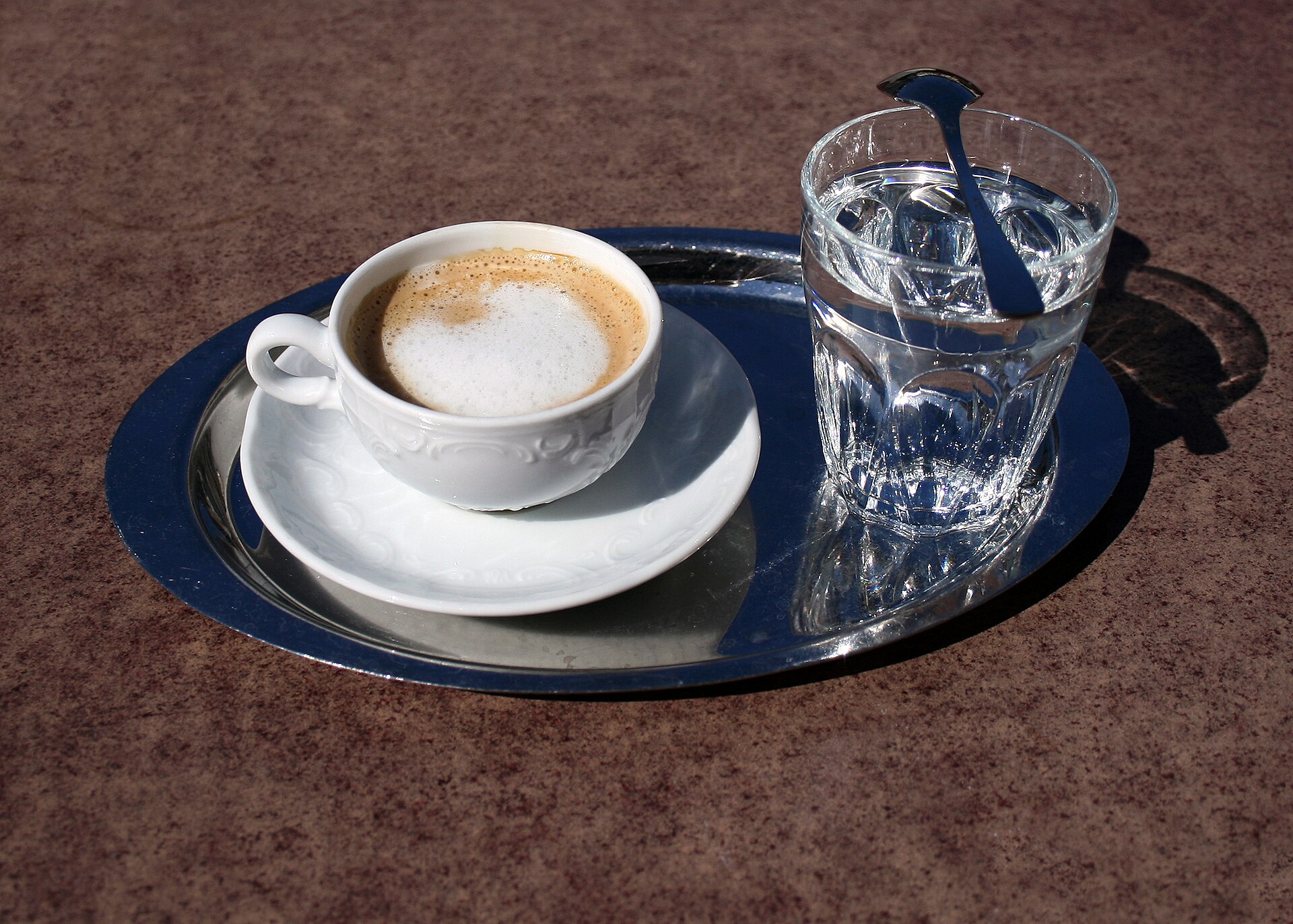
A traditional Viennese coffee house sells time and space. Its coffee is usually a house blend, roasted relatively dark for body and consistency, and the menu is organised around milk and cream: the Melange, the Einspänner, the Franziskaner and a dozen other variations. The beans are rarely named, the origin is rarely mentioned, and nobody expects them to be. You pay for a marble table, a waiter, a glass of water and the right to stay all afternoon. Our Vienna coffee houses guide and Viennese coffee menu guide cover that world in detail.
The specialty café
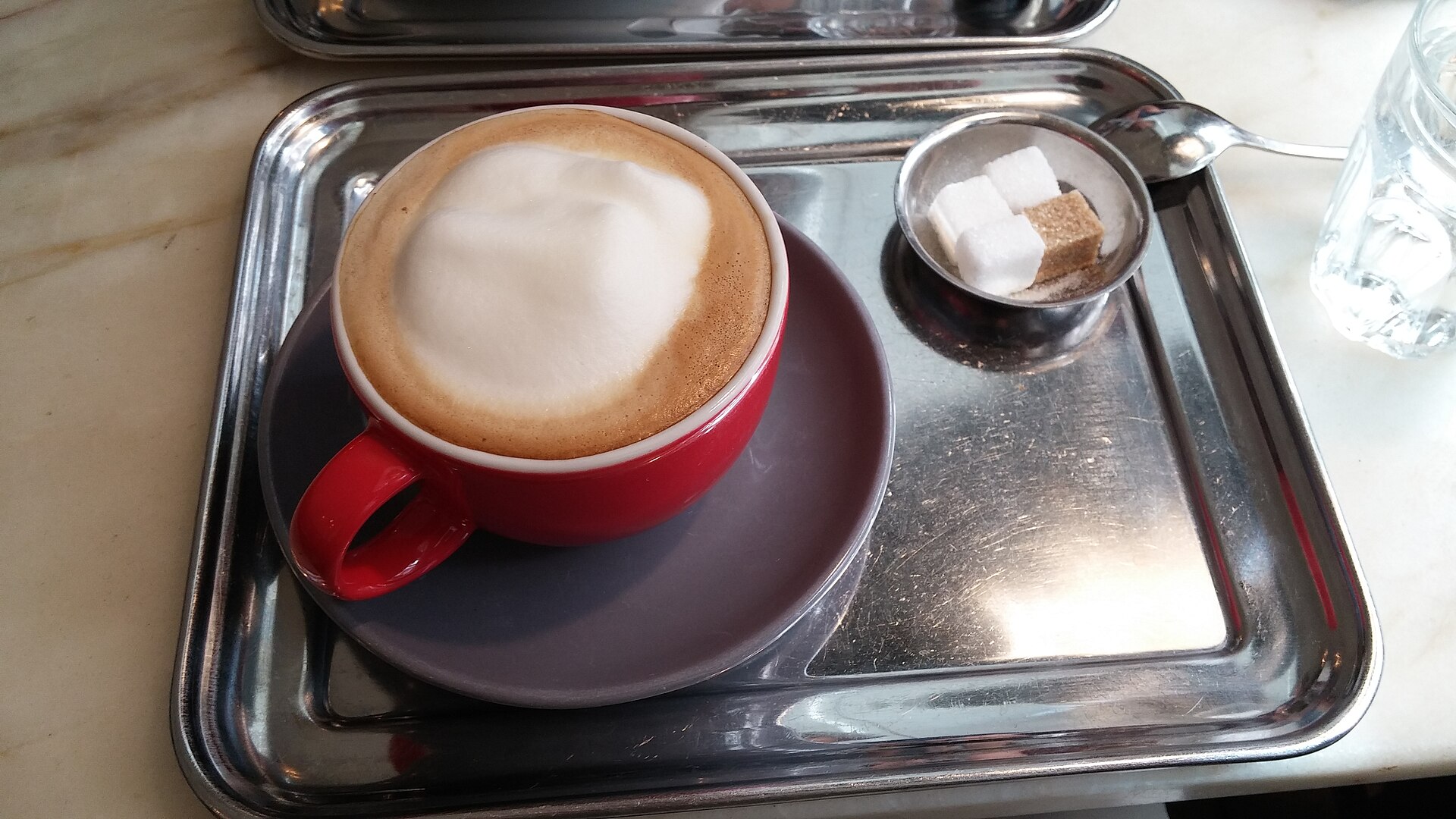
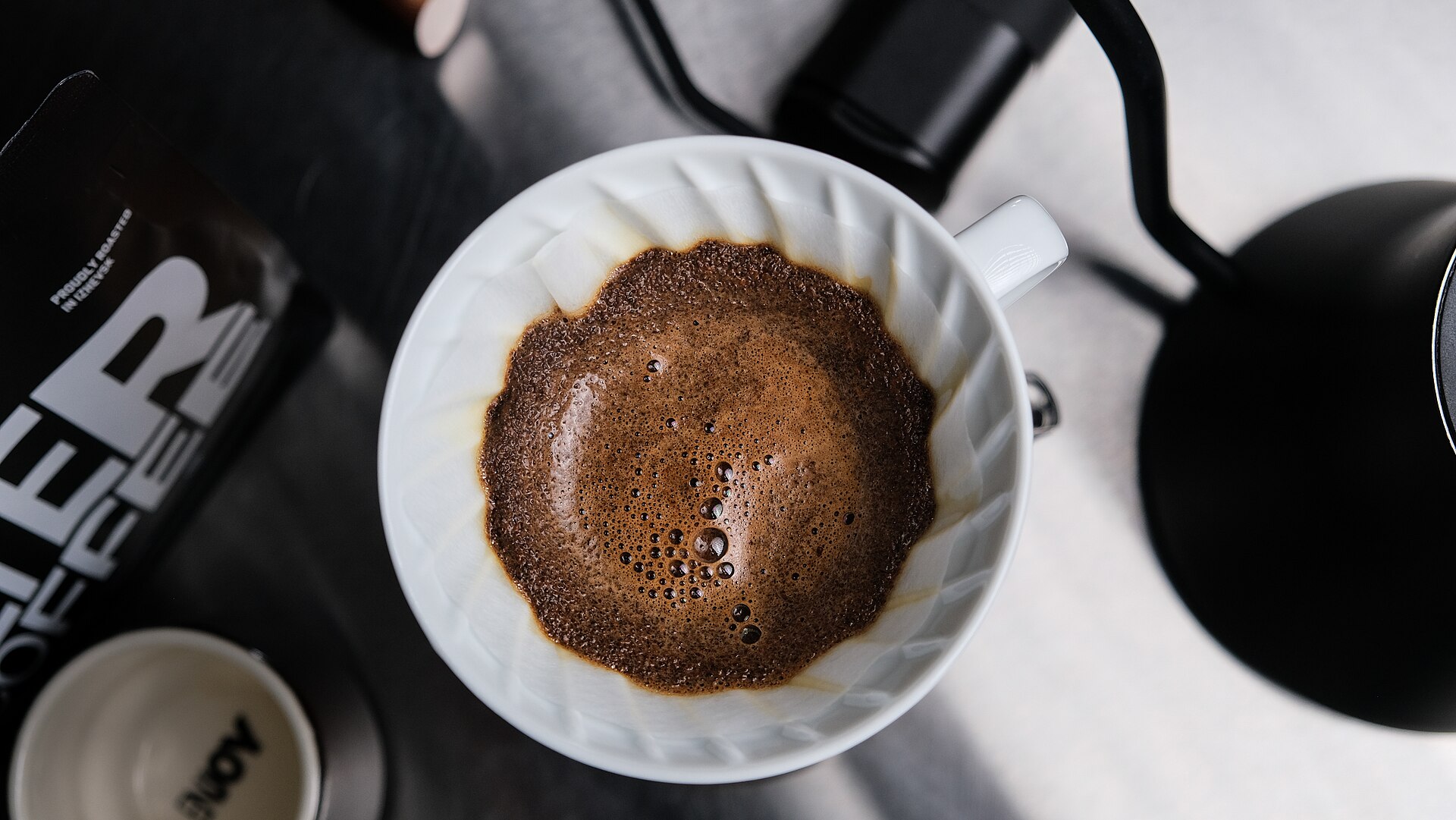
A specialty café sells the coffee itself. The beans are typically single origin or a carefully described blend, often lighter roasted to bring out fruit and acidity, and the menu tells you the farm, the region, the process and sometimes the variety. Espresso drinks are made to Italian and Australian templates — cortado, flat white, cappuccino — and there is usually a filter option made by hand, with a V60, Chemex or AeroPress. The rooms are small, service is at the counter, and people come and go rather than settling in for the afternoon.
Neither is better. They answer different questions. If you want a Viennese experience, go to a coffee house. If you want a remarkable cup of coffee, go to a specialty café. The best Vienna trips include both.
How Vienna got here
Coffee has been in Vienna a long time. The city likes to date it to the Ottoman siege of 1683, when, according to a much-embellished legend, sacks of beans were left behind by the retreating army; the first documented licence to serve coffee was granted to an Armenian merchant, Johannes Diodato, a couple of years later. Over the next two centuries the coffee house became a Viennese institution, and in 2011 UNESCO added Viennese coffee-house culture to Austria’s national inventory of intangible cultural heritage.
What that culture protected, though, was a way of spending time rather than a way of making coffee. Through the twentieth century most cafés bought from large industrial roasters, and the quality of the cup was rarely the point. The specialty movement that swept through Oslo, Melbourne, London and Berlin reached Vienna relatively late, and it arrived as something of a rebellion: small counters instead of marble tables, scales instead of silver trays, and baristas who wanted to talk about fermentation. A decade on, the two worlds coexist comfortably, and several traditional houses have quietly improved their coffee as a result.
Gota Coffee: Europe’s Best Coffee Shop
In 2025, Gota Coffee (also known as Gota Coffee Experts) was ranked third in the world and first in Europe in The World’s 100 Best Coffee Shops, a list that judges cafés on the quality of the coffee and the food, barista skill, service, atmosphere, sustainability and consistency. That put a Viennese café on the international coffee map in a way no coffee house had managed in decades.
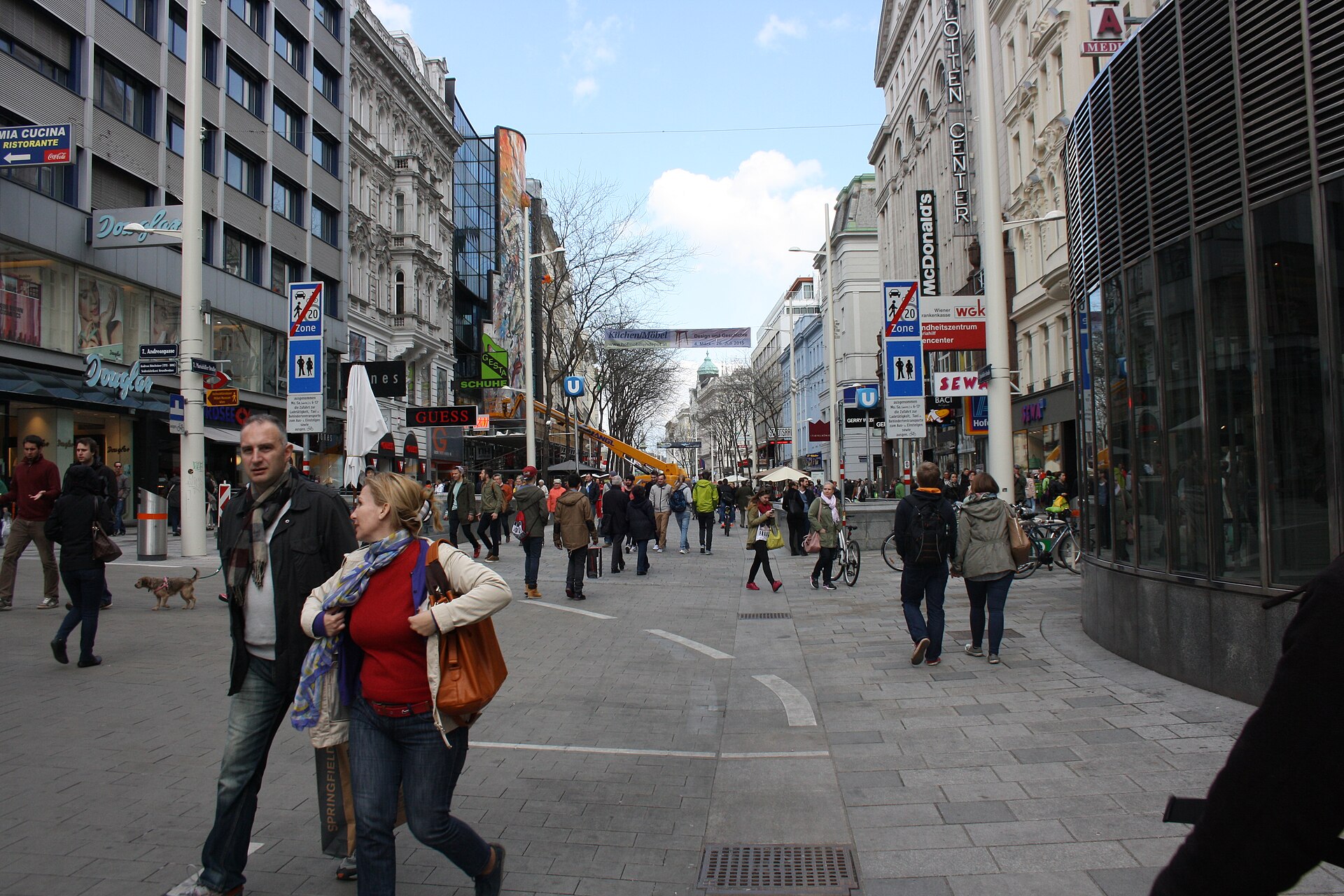
Gota is at Mariahilfer Straße 192, in the 15th district, at the far western end of the city’s great shopping street, well beyond the busy pedestrianised stretch. It is not somewhere you will stumble across; you go on purpose. It is known for its espresso and filter coffee, its espresso tonic and its coffee cocktails. According to the tourism board it opens Monday to Friday 07:00–18:00 and Saturday and Sunday 08:00–18:00.
Getting there: trams 52 and 60 run out along Mariahilfer Straße from Westbahnhof (U3, U6), or you can walk it from Westbahnhof in around fifteen minutes. Vienna City Card holders get 20 per cent off coffee beans. Gota’s coffee is also served at Rosi, a brunch café at Sechshauser Straße 120 in the same part of the city, not far from Schönbrunn.
Is it worth the trip? If you care about coffee, yes. Combine it with a visit to Schönbrunn, which is a short U-Bahn ride further out, or with the independent shops of Mariahilf on the way back into town. If you just want a good flat white, there are excellent options much closer to the centre.
Neubau and Mariahilf (6th and 7th Districts)
The densest cluster of specialty coffee is in the streets north and south of the pedestrianised Mariahilfer Straße, especially around Neubaugasse, Zollergasse, Kirchengasse, Siebensterngasse and Westbahnstraße. It is also Vienna’s design and independent-shopping district, so a coffee crawl here doubles as an afternoon’s browsing. Our Neubau and Mariahilf guide maps the neighbourhood.
Jonas Reindl Coffee Roasters
Jonas Reindl has been roasting since 2014 and is probably the name Viennese coffee people mention first. The owner, Philip Feyer, sources directly and has travelled to the farms he buys from, and the company runs several cafés. The one to see is the café and roastery at Westbahnstraße 13, a bright space where the roasting is done and where you can buy beans; it is listed as open daily 09:00–17:00. The menu changes with the harvests, with a rotating choice of espresso and filter coffees from named farms.
Kaffemik
Kaffemik, at Zollergasse 5 just off Mariahilfer Straße, is small, minimal and friendly, and it was one of the early places to take Vienna’s specialty scene seriously. It was set up by a group of friends from outside the coffee trade and serves beans from rotating guest roasters alongside its own offerings, which makes it a good place to try something new on each visit. Hours are listed as Monday to Friday 08:00–18:00, Saturday 10:00–18:00 and Sunday 12:00–17:00 — one of the few specialty cafés open on a Sunday.
J. Hornig Coffee Bar
J. Hornig is a long-established coffee roaster from Graz, and its Vienna coffee bar at Siebensterngasse 29 is a more polished option than the tiny shops nearby. Beans are roasted in small quantities, and the bar is open seven days a week: Monday to Friday 08:00–19:00, Saturday 09:00–19:00 and Sunday 10:00–18:00. Useful on a Sunday, when many of its neighbours are shut.
Coffee Junkie and others
Coffee Junkie at Kirchengasse 21 serves beans from German roasters, with a full range of filter methods, cold brew and matcha, in a colourful little room. Wandering the side streets of the 7th district will turn up several more small cafés; the good ones are easy to recognise by the grinders, scales and bean bags behind the counter.
Alsergrund and Josefstadt (8th and 9th Districts)
The university district north-west of the Ringstraße has a young population and a strong café culture, and it is close to several sights, including the Votivkirche and the Sigmund Freud Museum.
Coffee Pirates
Coffee Pirates, at Spitalgasse 17 near the old General Hospital campus, opened in 2012 and describes itself as the first organic-certified third-wave coffee shop and specialty roastery in Vienna. It is a roaster’s café first, with a relaxed room that suits the university crowd around it. It is also a good stop if you are visiting the Narrenturm or the university campus in the Altes AKH next door. Check its current opening hours before you go.
Jonas Reindl, Währinger Straße and Josefstädter Straße
Jonas Reindl’s café at Währinger Straße 2–4, right by Schottentor and the university, is the most central of its branches and a good coffee stop on a walk around the Ringstraße. The Josefstädter Straße 67 branch serves the 8th district. Both are listed as open Monday to Friday 08:00–17:30 and Saturday and Sunday 09:30–17:30.
Kaffeemodul, Caffè a Casa and Coffee Break
- Kaffeemodul, Josefstädter Straße 35: a very small bar with a strong list of filter coffees.
- Caffè a Casa, Servitengasse 4A: roasts its own and offers a wide choice of origins, on a pretty street near the Servitenkirche.
- Coffee Break, Berggasse 37: a few doors up from the Sigmund Freud Museum at Berggasse 19, serving an Italian specialty roaster. The obvious coffee before or after the museum; our Sigmund Freud guide covers the visit.
Leopoldstadt (2nd District)
Balthasar Kaffee Bar
Balthasar, at Praterstraße 38, is one of the most handsome specialty bars in the city: a long counter, a La Marzocco espresso machine, good pastries and sandwiches, and a clientele of locals on the way to work. It was opened by the Tyrolean restaurateur Otto Bayer and is a short walk from Nestroyplatz (U1). It is listed as open Monday to Friday 07:30–19:00 and Saturday 09:00–17:00, and it is closed on Sundays and public holidays. Good on the way to the Prater, or on a morning in the Karmelitermarkt area. See our Leopoldstadt guide.
Wiener Rösthaus
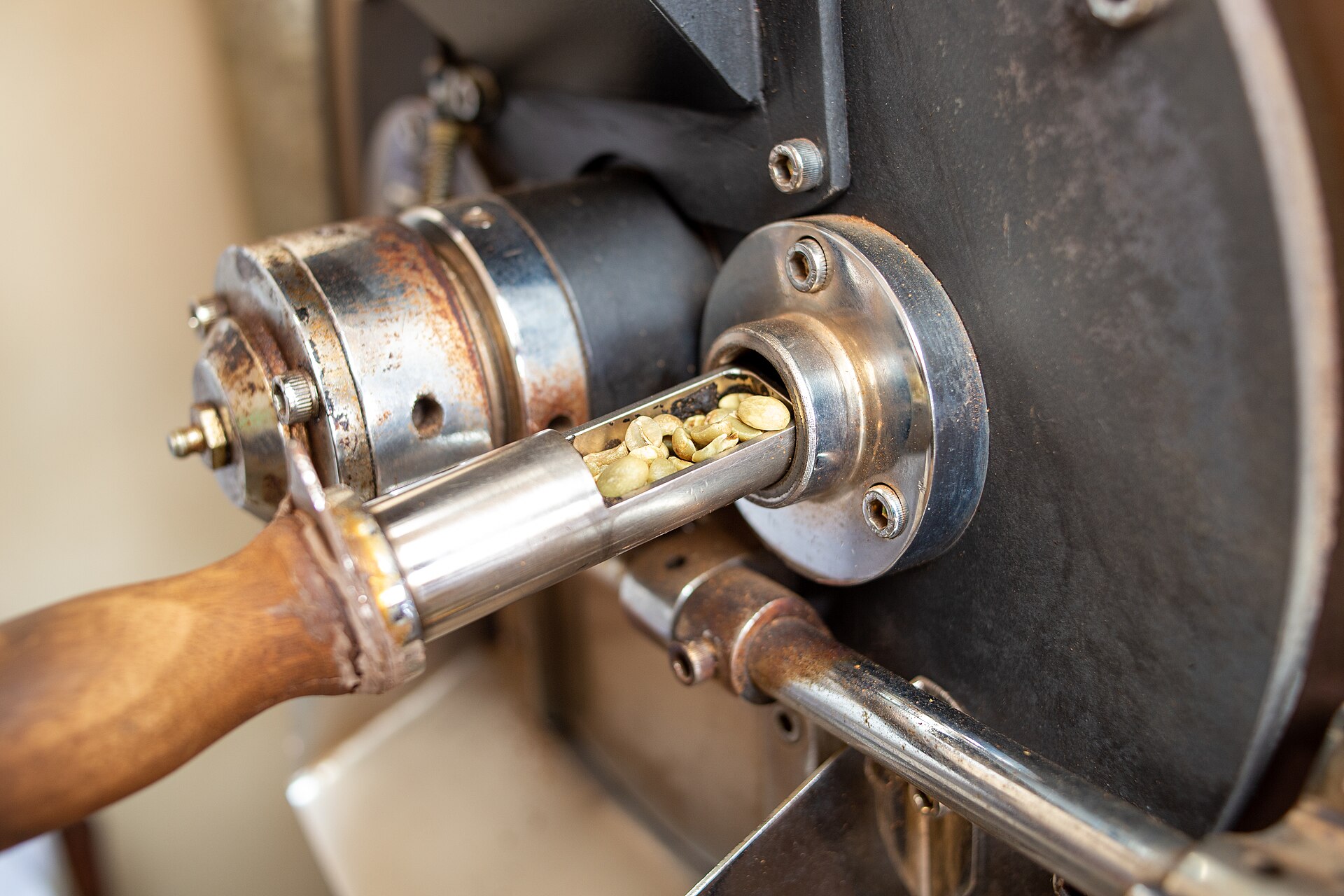
Wiener Rösthaus roasts on the premises in the Prater, on the Straße des 1. Mai, in a shop styled like an old colonial-goods store. It is more of a roaster’s shop than a café, and the best reason to go is to buy beans. It is listed as open daily 09:00–18:00, which makes it easy to combine with the Riesenrad and our Prater guide.
Wieden and the Innere Stadt
Kaffeefabrik
Kaffeefabrik, at Favoritenstraße 4–6, is a few minutes’ walk from Karlsplatz and the Karlskirche and is one of Vienna’s longer-established specialty cafés. It is run by Tobias Radinger and roasts its own coffee. Hours are listed as Monday to Friday 08:00–18:00 and Saturday 10:00–17:00. It is small, so it works better for a quick espresso than for a long stay, and it is an excellent coffee stop before the Wien Museum or the Belvedere.
In the 1st district
The historic centre is still dominated by traditional coffee houses and chains, and specialty coffee is thinner on the ground. Two options:
- Elias Coffee Shop, inside the Almanac Palais hotel at Parkring 14–16, beside the Stadtpark: a curved white-tiled bar with specialty espresso, V60 filter and good cakes.
- CaffèCouture, at Freyung 2 in the Palais Ferstel, was founded by the prize-winning barista Georg Branny and became known for coffee cocktails. Make sure it is open before you plan a visit around it.
How to Order in a Specialty Café
If you are used to specialty cafés at home, you will feel at home here. If you are used to Viennese coffee houses, a few differences are worth knowing.
- Order at the counter. Table service is rare. Order, pay and either wait or give your name.
- Ask about the filter coffee. The filter menu usually changes most often and is where the most interesting beans end up. Baristas are generally happy to explain what is on and recommend something.
- Know your milk. Oat milk is standard. A “cappuccino” or “flat white” means what it means in London or Melbourne, not the whipped-cream version sometimes served in old coffee houses.
- Do not ask for a Melange. Some specialty cafés will make you one, but it is not really their drink. Order a cappuccino or flat white instead.
- English is widely spoken. The specialty scene is young and international.
- Cards are generally accepted, but carry some cash for the smallest shops. Our payments guide explains card acceptance in Vienna.
- Tipping is modest: rounding up or a coin or two in the jar is normal. See the Vienna tipping guide.
On prices: as a reference point, a Wiener Melange costs €6.90 at Café Landtmann, one of the most expensive grand cafés in the city. Specialty cafés are not a budget alternative to coffee houses, and a rare filter coffee can cost more than a standard espresso drink. Check the board before you order.
Buying Beans to Take Home
Freshly roasted Viennese beans make a better souvenir than most things you can buy on Kärntner Straße, and they are light to pack.
- Buy from a roaster — Jonas Reindl, Coffee Pirates, Kaffeefabrik, Wiener Rösthaus, J. Hornig — so you get a roast date on the bag.
- Buy whole beans unless you have no grinder at home; ground coffee loses its aroma quickly.
- Ask for a recommendation for the way you brew at home: espresso, filter, French press or moka pot.
- Use your Vienna City Card at Gota for 20 per cent off beans.
- Packing: sealed bags of coffee beans are fine in hand or hold luggage. Our shopping guide covers other food souvenirs worth taking home.
If you would rather take home the traditional Viennese taste, the historic coffee houses sell their own house blends; Café Hawelka, for example, has its own roastery.
A Self-Guided Specialty Coffee Walk
This route covers four very different cafés, a lot of Vienna’s best independent shopping and some of its most interesting streets. It is about 3–4 km in total. Do not drink a full cup at every stop unless you have an unusually strong constitution: order a small espresso or a cortado and share.
- Kaffeefabrik, Favoritenstraße 4–6. Start near Karlsplatz with an espresso.
- Walk through the Naschmarkt towards Kettenbrückengasse, then cut north up through Mariahilf. Our Naschmarkt guide explains the market.
- Kaffemik, Zollergasse 5. Cross Mariahilfer Straße into Neubau for a filter coffee from the current guest roaster.
- J. Hornig, Siebensterngasse 29. A few minutes away, with seating if you need a rest.
- Jonas Reindl, Westbahnstraße 13. Finish at the roastery café and buy beans to take home.
If you still want more, the U6 from Burggasse-Stadthalle or Westbahnhof gets you within walking distance of Gota. Mind the closing times: most specialty cafés shut between 17:00 and 19:00, much earlier than coffee houses.
Specialty Café or Coffee House? Our Honest Verdict
Visitors sometimes arrive expecting Vienna’s famous coffee houses to serve the best coffee in Europe, and are disappointed. The honest truth is that the coffee in most historic coffee houses is decent but unremarkable, and it is not what they are for. You go to Café Sperl or Café Hawelka for the room, the history and the unhurried ritual, and on those terms they are unbeatable.
If what you want is an exceptional cup — a bright Ethiopian filter, a perfectly textured flat white, an espresso you will still be thinking about at lunch — go to a specialty café. Gota, Jonas Reindl, Kaffemik and the others are as good as anything in Berlin, Copenhagen or London.
What is not worth it: crossing the city to a specialty café for a milky coffee you could get anywhere, or spending your only afternoon in Vienna in a minimalist café that could be in any capital in Europe. If you have time for only one coffee, make it a coffee house. If you have a few days, do both, and notice how differently the two treat the same drink.
Frequently Asked Questions
What is the best specialty coffee shop in Vienna?
By international ranking, Gota Coffee at Mariahilfer Straße 192, which was placed first in Europe and third in the world in The World’s 100 Best Coffee Shops. Jonas Reindl, Kaffemik and Coffee Pirates are also widely rated.
Is the coffee in Viennese coffee houses good?
It is generally decent but traditional: darker-roasted house blends served with milk and cream. The coffee houses are about atmosphere and ritual rather than the beans. For standout coffee, go to a specialty café.
Where can I get a flat white in Vienna?
At any of the specialty cafés in this guide, including Jonas Reindl, Kaffemik, Balthasar, J. Hornig and Kaffeefabrik. Traditional coffee houses may not have it on the menu.
Are specialty cafés in Vienna open on Sundays?
Some are. Gota, Kaffemik, J. Hornig, Wiener Rösthaus and the Jonas Reindl cafés are listed as open on Sundays. Balthasar and Kaffeefabrik are listed as closed. Most close by 18:00 or 19:00.
Where can I buy fresh coffee beans in Vienna?
From the roasters: Jonas Reindl’s roastery café on Westbahnstraße, Coffee Pirates, Kaffeefabrik, Wiener Rösthaus in the Prater, J. Hornig and Gota. Vienna City Card holders get 20 per cent off beans at Gota.
Are specialty cafés cheaper than coffee houses?
Not usually. Expect broadly similar or higher prices for a well-made drink, especially for rare filter coffees. You pay for the coffee rather than the table.
Can I work on a laptop in Vienna’s specialty cafés?
In some. Many are very small and busy, so be considerate at peak times, and ask before settling in for a long session. Mornings on weekdays are usually the easiest.
Related Vienna Guides
- Vienna Coffee Houses Guide
- Viennese Coffee Menu Guide
- Café Sperl and Café Museum
- Café Hawelka
- Breakfast and Brunch in Vienna
- Neubau and Mariahilf Guide
- Vienna Food Guide
- Vienna City Card vs Vienna Pass
Photo Credits
V60 pour-over coffee: Tasty Coffee pourover V60 bloom 2025 by Indigo.udm, CC BY 4.0, via Wikimedia Commons.
Mariahilfer Straße: Fußgängerzone Mariahilfer Straße nach Umbau 1 by Daniel-tbs, CC BY-SA 4.0, via Wikimedia Commons.
Coffee beans in a roasting machine: Closer look at the coffee beans from the coffee roasting machine looking at their progress by Jameswasswa, CC BY-SA 4.0, via Wikimedia Commons.
Melange at Café Diglas: Café Diglas Wiener Melange by Sam Wilson, CC BY-SA 2.0, via Wikimedia Commons.
Melange at Café Hofburg: Café Hofburg Wien 2008 Melange 1 by Manfred Werner (Tsui), CC BY-SA 4.0, via Wikimedia Commons.