Leopoldstadt Vienna Guide: Prater, Cafes & Local Vibes (2026)
Discover Leopoldstadt, Vienna's trendy 2nd district. From the iconic Prater amusement park and the 1897 Riesenrad to the foodie Karmelitermarkt Saturday brunch scene, the Augarten Baroque park, the Donaukanal beach bars, and Vienna's historic Jewish quarter. Plus best hotels, restaurants, and a sample day.

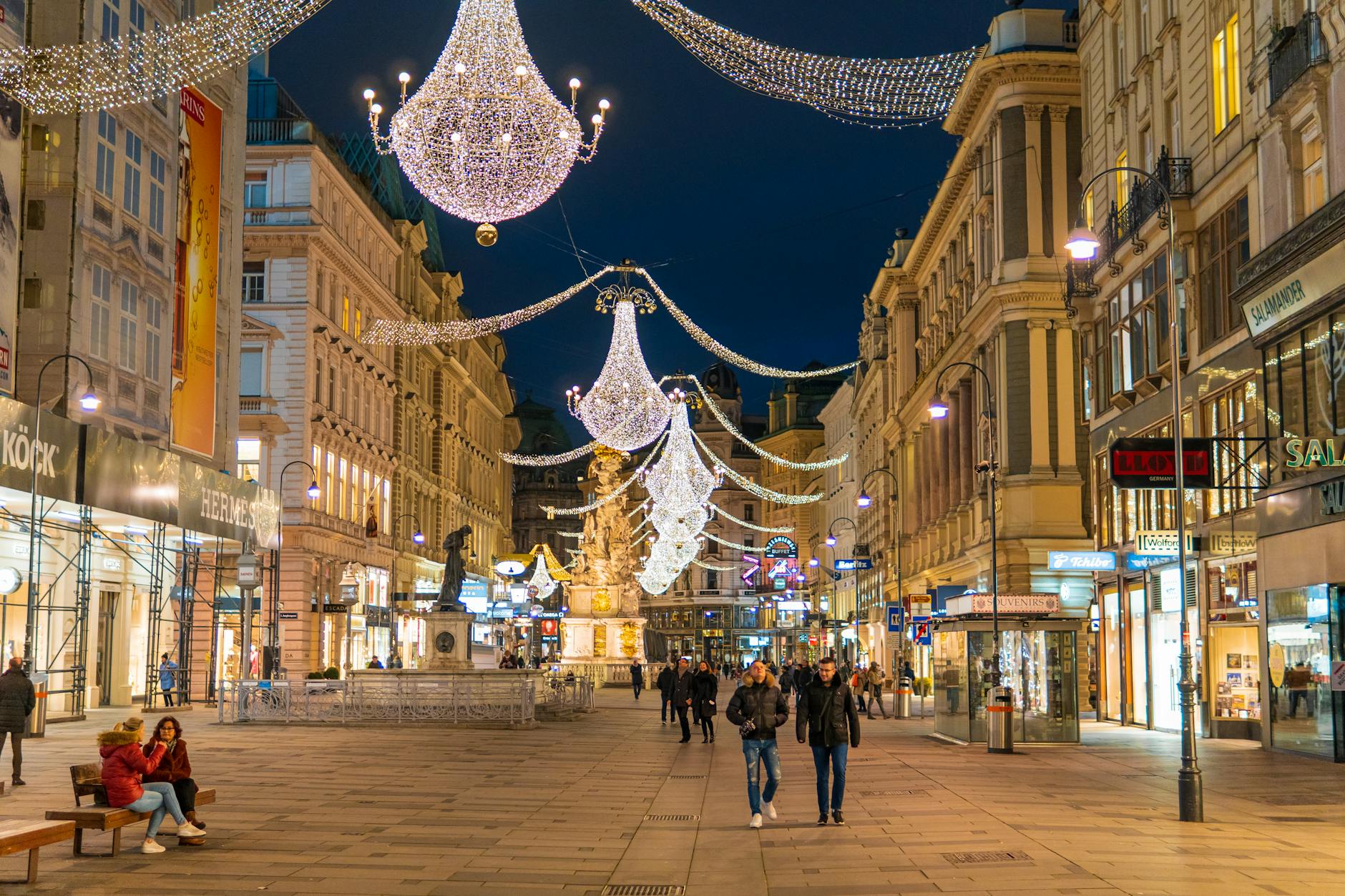
Photo by Anton Uniqueton
- Leopoldstadt at a Glance
- The Top 10 Things to Do in Leopoldstadt
- Best Restaurants in Leopoldstadt
- Where to Stay in Leopoldstadt
- Getting Around Leopoldstadt
- A Sample Leopoldstadt Day
- Karmeliterviertel: A Closer Look
- The Prater: More Than the Riesenrad
- Eating Leopoldstadt: A Deeper Map
- Leopoldstadt for Solo / Long-Stay Travelers
- Practical Leopoldstadt Tips
- Leopoldstadt’s Jewish History in Detail
- Leopoldstadt by Season
- Walking Routes Within Leopoldstadt
- FAQ
- Final Thought: Leopoldstadt Is Where Vienna Lives
- Related Vienna Guides
This article contains advertising. Our booking links are routed through a partner that adds commission tracking automatically, so if you book through one we earn a commission from the provider, at no extra cost to you. It never affects what we recommend. Affiliate disclosure
Leopoldstadt is the 2nd district of Vienna and the city’s most quietly cool neighborhood. It sits between the Donaukanal and the main Danube, anchored by three big assets — the Prater amusement park and forest, the Baroque Augarten, and the foodie-favorite Karmelitermarkt. It’s also the historic center of Jewish life in Vienna, with kosher bakeries, butchers, restaurants, and synagogues alongside trendy cafes, design shops, and the most active summer beach-bar scene in the city.
If the 1st district is Vienna’s grand showpiece, Leopoldstadt is where Viennese themselves spend a Saturday morning. This is the complete Leopoldstadt Vienna guide: best things to do, where to eat, where to stay, and how to combine the district with broader Vienna trip planning. Pair with our where to stay in Vienna.
Leopoldstadt at a Glance
| Best for | Foodies, families, longer-stay travelers, value seekers |
|---|---|
| Vibe | Mix of working-class roots, kosher culture, hip cafes, big parks |
| Hotel range | €100–€350/night (much lower than 1st district) |
| Best transit | U1, U2, S-Bahn — 5 minutes to Stephansplatz |
| Walking distance | 10 minutes from Schwedenplatz to Karmelitermarkt |
The Top 10 Things to Do in Leopoldstadt
1. The Prater (Wurstelprater + Grüner Prater)
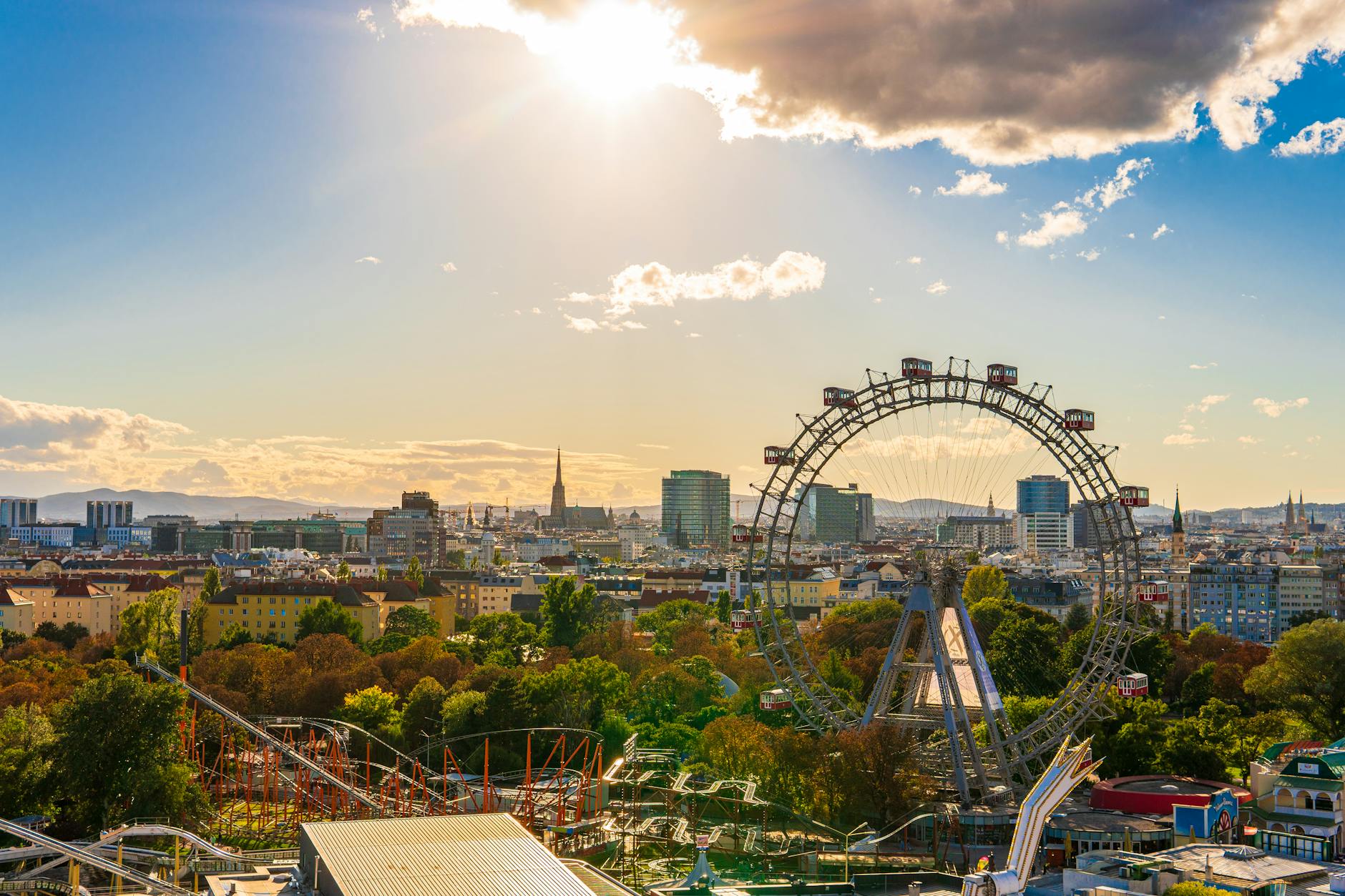
Vienna’s largest urban park combines the famous Wurstelprater amusement park (free entry, rides paid) with the much larger 6-million-m² Grüner Prater — a forested expanse with the long straight Hauptallee, bike paths, beer gardens, and family-friendly meadows. The 1897 Riesenrad ferris wheel is the iconic landmark; ride it once for the views.
2. Karmelitermarkt + Saturday Morning Brunch Crawl
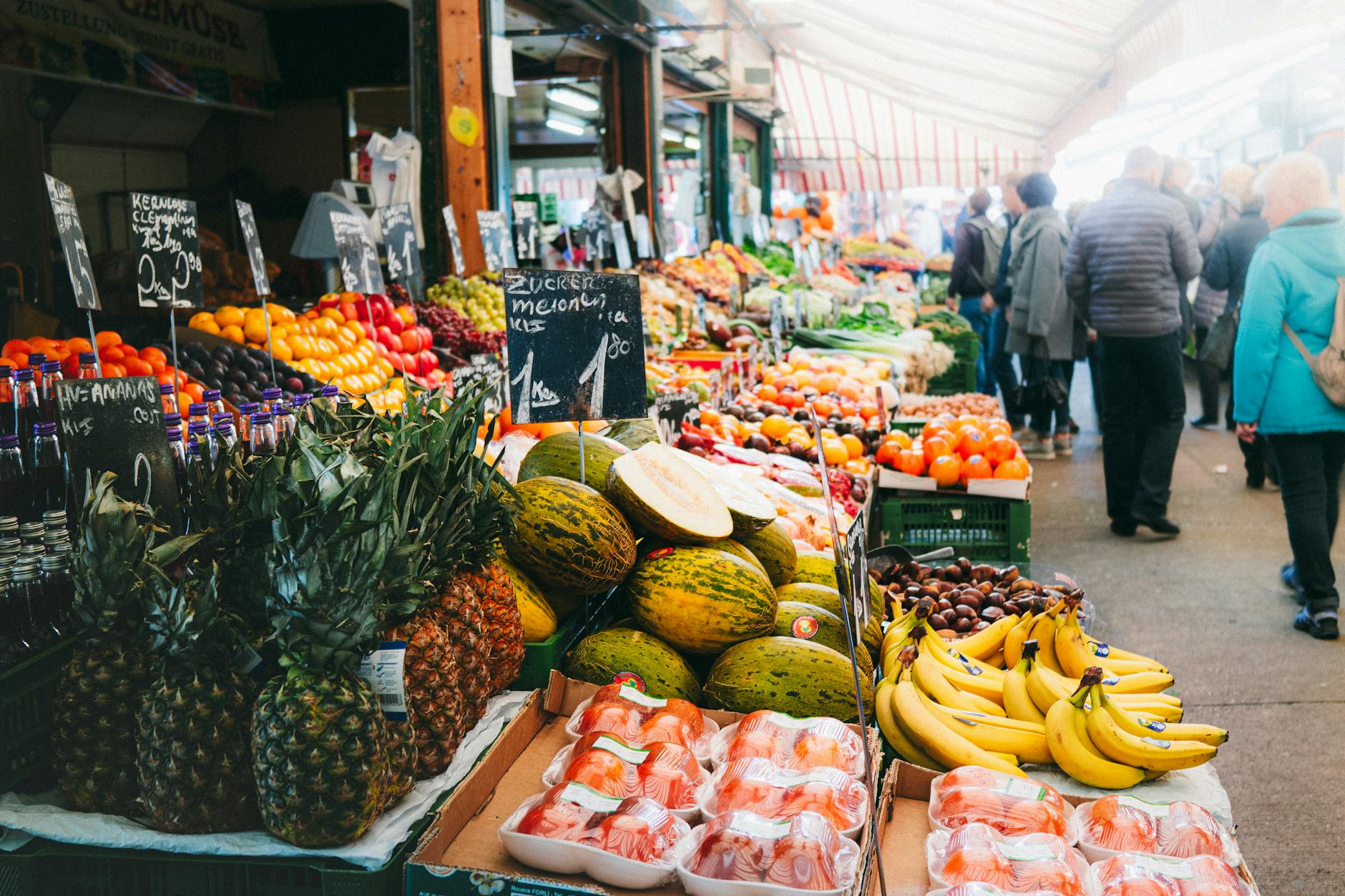
The Karmelitermarkt dates to the 17th century and combines traditional market stalls with trendy cafes — the perfect Saturday morning. Top spots in and around the market: Tewa (Israeli breakfast), Schöne Perle (traditional Austrian), Mochi (modern sushi, the original outpost), Vollpension (cake), Café Sperlhof (board games and beer). Saturday’s farmers’ market is the day to plan around.
3. The Augarten
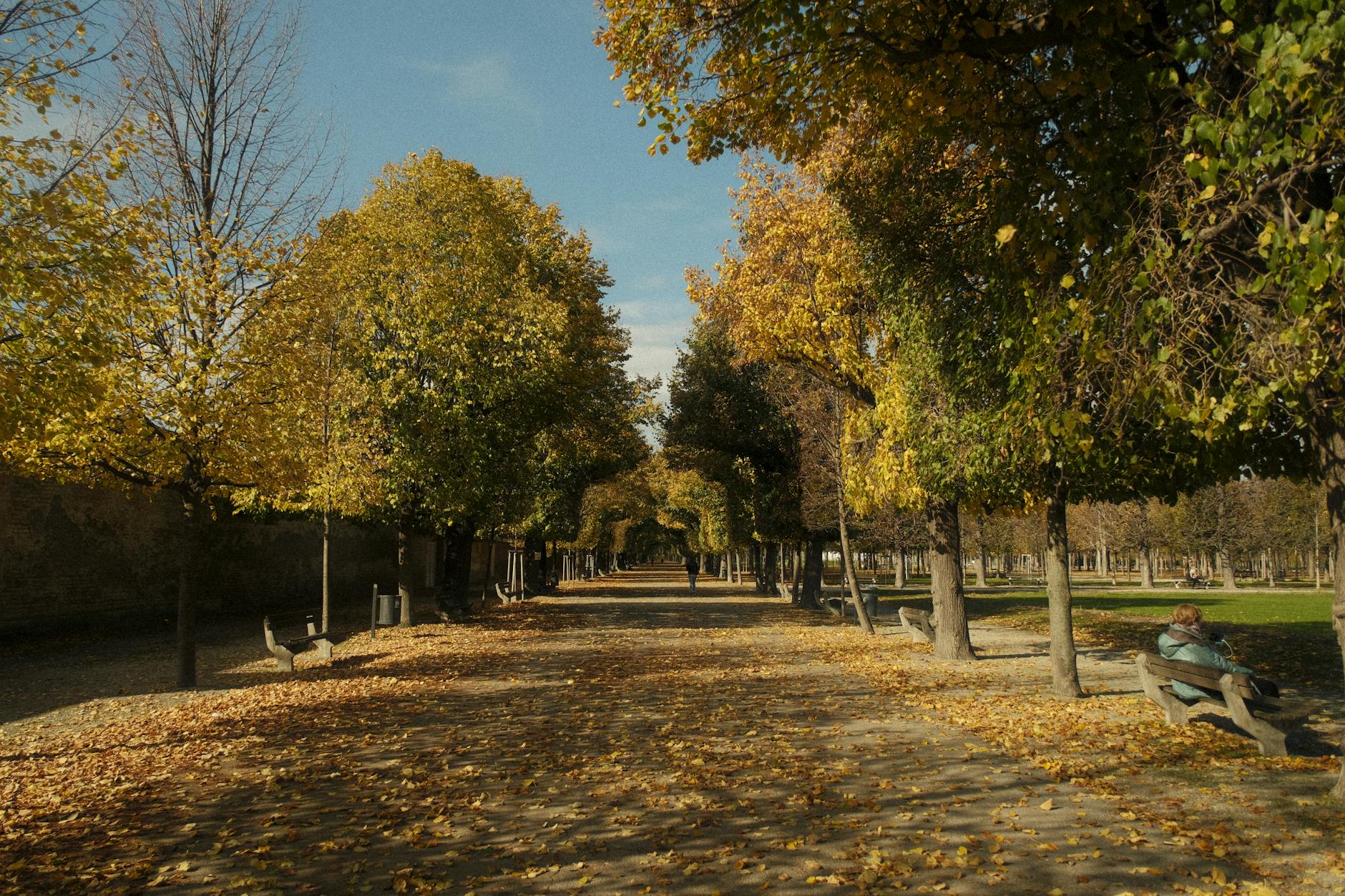
Vienna’s oldest Baroque park (1614), opened to the public by Joseph II in 1775. The Augarten houses the Vienna Boys’ Choir headquarters, the Augarten Porcelain Manufactory and museum, a modern concert hall, plus formal Baroque parterres and tree-lined avenues. Free, almost always quiet.
4. The Donaukanal Beach Bars + Street Art

Leopoldstadt’s side of the Donaukanal hosts the city’s biggest legal-graffiti gallery and the most active summer beach-bar scene. Tel Aviv Beach, Adria Wien, and Strandbar Herrmann all sit along the Leopoldstadt embankment. Best in late afternoon and early evening, May–September.
5. Karmeliterviertel Jewish Heritage Walk
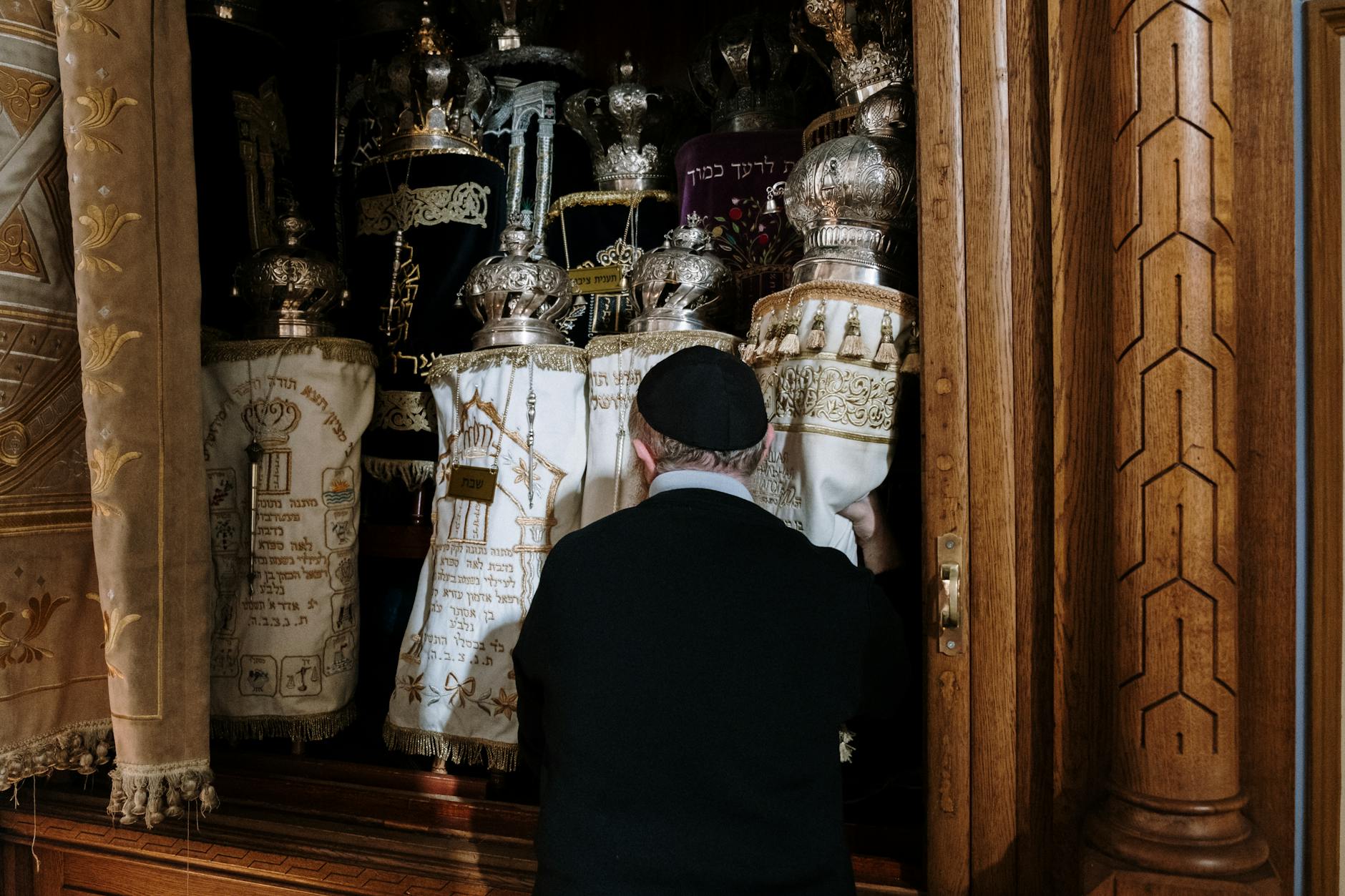
Leopoldstadt has been the center of Jewish life in Vienna for centuries. Walk Im Werd, Karmelitergasse, and the streets surrounding the market for kosher bakeries (Bahur Tov), butchers, the historic Tempelgasse with its 19th-century synagogue ruins, and the Stadttempel synagogue (in the 1st across the canal but historically tied to the Jewish quarter). The Vienna Jewish Museum outpost on Judenplatz extends the story.
6. The Wurstelprater Riesenrad at Sunset
The 1897 Wiener Riesenrad ferris wheel is iconic — the one from Carol Reed’s The Third Man. Best at sunset for the views; book a private candlelit cabin dinner via Riesenrad Restaurant for an exceptional evening (4–8 weeks ahead).
7. The Augarten Porcelain Manufactory
Europe’s second-oldest working porcelain producer (after Meissen), founded 1718. The factory tour shows the entire process; the on-site shop sells seconds at significantly reduced prices. A serious souvenir target for design lovers.
8. The Vorgartenmarkt
A newer daily produce market near the Vorgartenstraße U1 station. Smaller and more local than Karmelitermarkt, with a strong Friday and Saturday farmer presence and an emerging cluster of brunch spots.
9. Cycle the Prater Hauptallee
The 4.4-km tree-lined Hauptallee in the Grüner Prater is one of Vienna’s flat, open cycling rides. Rent at Citybike Vienna stations near the U1 Praterstern.
10. The Praterstraße + Nestroyplatz Shopping Strip
Praterstraße runs from Schwedenplatz toward Praterstern with a mix of antique shops, design stores (Park Vienna outpost), and cafes. The Nestroyplatz square has a Saturday farmers’ market and clusters of indie restaurants.
Best Restaurants in Leopoldstadt
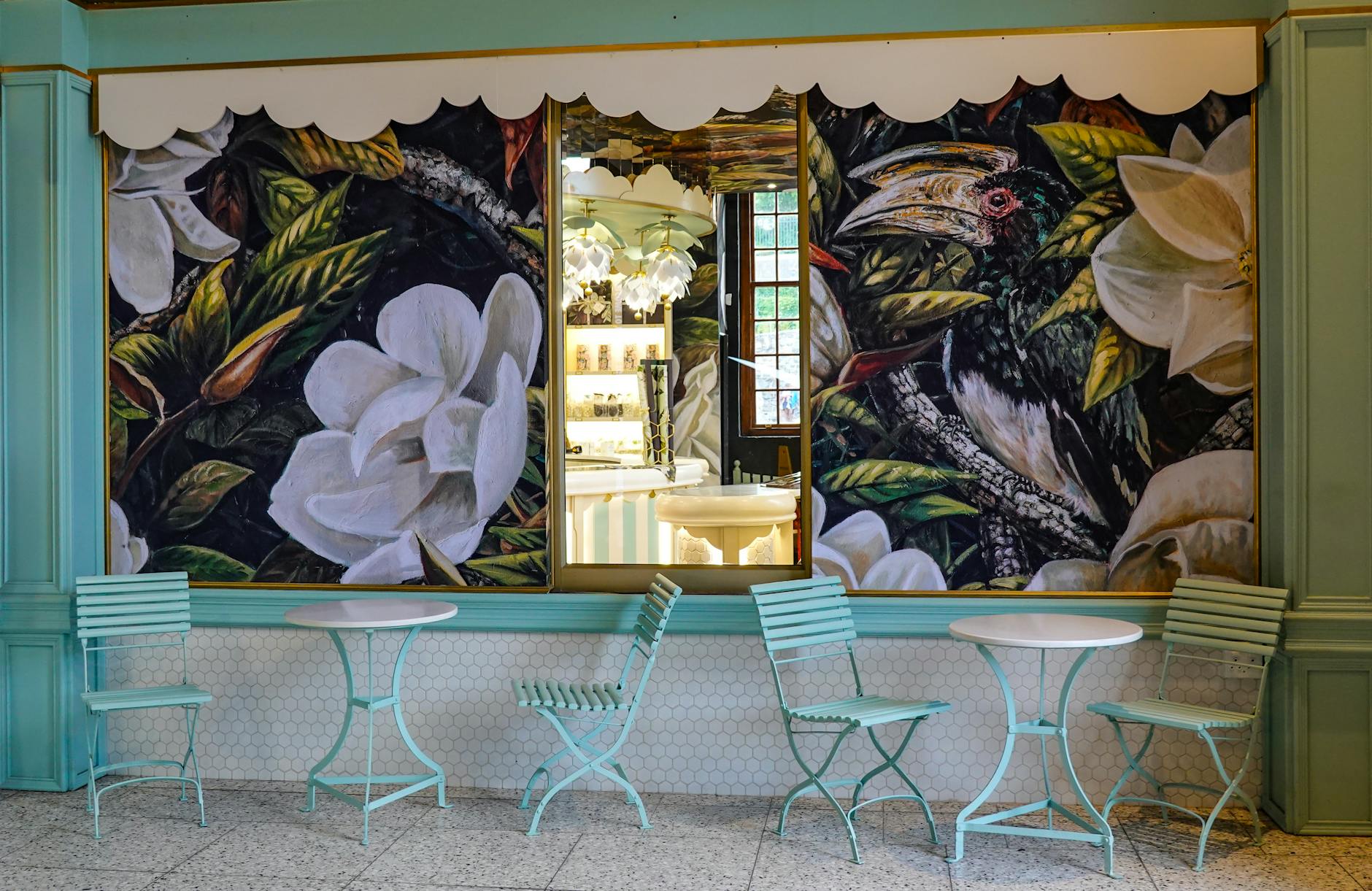
Around Karmelitermarkt
- Skopik & Lohn — modern Austrian in a former Beisl, hand-drawn ceiling, candlelit (Vienna’s most-loved romantic restaurant)
- Mochi — modern sushi, the original outpost (book ahead)
- Tewa — Israeli breakfast and falafel
- Schöne Perle — traditional Austrian breakfast
- Vollpension Karmelitermarkt — cakes baked by Viennese grandmothers
Praterstraße & Nestroyplatz
- Tian Bistro — Michelin-starred vegetarian’s casual outpost
- Eis-Greissler — best ice cream
- Café Ansari — Georgian/Caucasian
- Mraz und Sohn — two Michelin stars (in the 20th but adjacent)
Around the Donaukanal
- Motto am Fluss — restaurant on a barge with Donaukanal views
- Tel Aviv Beach — Mediterranean-themed pop-up beach bar (May–Sept)
- Strandbar Herrmann — well-known cocktails-on-the-canal
Kosher Specialties
- Bahur Tov — kosher bakery
- Aroma — kosher Israeli
- Café Esra — Israeli cafe
Where to Stay in Leopoldstadt
Mid-Range (€110–€220/night)
- Austria Trend Hotel Donauzentrum
- NH Wien Belvedere (just south)
- Austria Classic Hotel Wien (next to Karmelitermarkt)
- Hotel Stefanie — a beloved Praterstraße classic
Boutique (€220–€400/night)
- Hotel Indigo Vienna — design-led, near Donaukanal
- Soho House Vienna — members and guests, very 2nd-district
- Imperial Riding School Renaissance Vienna (in the 3rd, but adjacent)
Why Stay in Leopoldstadt
- 5 minutes to the Inner City via U1 or U2
- Hotel rates 20–30% below the 1st district
- More authentic neighborhood feel than the 1st
- Easy access to the Donaukanal nightlife
- The Karmelitermarkt is a major Vienna highlight on its own
Getting Around Leopoldstadt
- U1 — Praterstern, Nestroyplatz, Vorgartenstraße
- U2 — Schottenring, Taborstraße, Praterstern (interchange)
- S-Bahn at Praterstern connects to the airport
- Walking — Schwedenplatz to Karmelitermarkt is 8–10 minutes; Karmelitermarkt to Praterstern is 12 minutes
- Tram 5 runs through the district
A Sample Leopoldstadt Day
Morning (9 am – 12:30 pm)
Saturday brunch at Karmelitermarkt — Tewa, then walk the farmers’ market with takeaway coffee.
Lunch / Early Afternoon
Walk the streets around Im Werd and Karmelitergasse for kosher bakeries and design shops.
Afternoon
U1 to Praterstern — Riesenrad, walk into the Grüner Prater for green space.
Late Afternoon
Augarten Porcelain Manufactory or Boys’ Choir headquarters; afternoon coffee at the Augarten café.
Evening
Donaukanal sunset drinks at Tel Aviv Beach or Strandbar Herrmann; dinner at Skopik & Lohn or Mochi (book ahead).
Karmeliterviertel: A Closer Look
The Karmeliterviertel — the quarter immediately around the Karmelitermarkt — is the heart of Leopoldstadt’s culture and food scene. The streets to walk:
- Karmelitergasse — the main spine, with the Karmeliter church and several historic cafés
- Im Werd — kosher butchers, bakeries, and the Bahur Tov shop
- Tandelmarktgasse — small antique and vintage shops
- Leopoldsgasse — synagogue-area history and walking tours
- Volkertstraße — emerging design and small-batch restaurant cluster
The Karmeliter quarter has been the historic Jewish district of Vienna for 400+ years. The Stadttempel synagogue across the Donaukanal in the 1st district is still the main working synagogue, but the Karmelitermarkt area has the residential and culinary side of Vienna’s Jewish life — kosher bakeries, butchers, and the small streets that once held the Vienna ghetto.
The Prater: More Than the Riesenrad
Most visitors only see the Wurstelprater amusement park and the ferris wheel. The 6-million-m² Grüner Prater behind the amusement zone is one of Europe’s biggest urban forests, with experiences worth a dedicated half-day.
The Hauptallee
A 4.4-km tree-lined boulevard cutting through the park, planted in 1538. Joggers, cyclists, horse riders, and roller-skaters use it daily. The end-to-end is flat — Vienna’s most-used outdoor exercise space.
Lusthaus
An 18th-century Baroque pavilion at the far end of the Hauptallee — once an emperor’s hunting lodge, now a small café with a long history. Lovely cycle destination.
Krieau & Trabrennbahn
Vienna’s horse-racing track and the Krieau quarter (now developed with student housing and modern restaurants). The track still runs trotting races several times a month.
Liliputbahn
A 1928 miniature railway running 3.9 km through the Prater, popular with families. €3.90 per ride; runs March–October.
Eating Leopoldstadt: A Deeper Map
Beyond the Karmelitermarkt’s headline brunch spots (Tewa, Schöne Perle, Mochi, Vollpension), Leopoldstadt has Vienna’s strongest cluster of mid-range restaurants outside the 7th district.
Modern Austrian
- Skopik & Lohn — Leopoldgasse; hand-drawn ceiling, modern Austrian, Vienna’s most-loved romantic restaurant
- Habibi & Hawara — Israeli-Austrian fusion in a former social-housing storefront
- Vollpension Vorgartenstraße — the smaller, quieter Vollpension outpost
- Konoba — Croatian/Adriatic cuisine, generous portions
International
- Mochi — modern sushi, Karmelitermarkt original
- Mochi Ramen Bar — sister outpost, ramen-focused
- Habibi & Hawara — Israeli mezze
- Café Ansari — Georgian/Caucasian (small but excellent)
- Bahur Tov — kosher Israeli bakery and deli
Coffeehouses & Brunch
- Café Sperlhof — board games, beer, neighborhood feel
- Café Ansari — long mid-morning crowd
- Tewa Karmelitermarkt — Saturday’s busiest brunch
- Schöne Perle — traditional Austrian breakfast in a converted Beisl
Leopoldstadt for Solo / Long-Stay Travelers
The 2nd district is where many long-stay Vienna travelers — exchange students, expats, repeat visitors — end up basing themselves. Reasons:
- Cheaper apartments than the 1st and 7th — typically 15–20% lower per night
- Direct U-Bahn access to the Inner City (U1, U2)
- Real neighborhood feel with active grocery shopping, daily markets, and a residential rhythm
- Strong international community — historic Jewish quarter plus current student and expat density
- Walkable to Donaukanal for summer evenings, Donauinsel beaches, and the Prater
The 2nd district’s quiet residential streets (Volkertviertel, the Stuwerviertel south of Praterstern) are emerging as Vienna’s most rapidly-improving areas for design-led short-term apartment rentals.
Practical Leopoldstadt Tips
- Avoid Praterstern after dark — the U-Bahn station has visible open drug use late at night. Use a different exit if heading to the Prater after dark; or take a taxi the last 200m.
- Karmelitermarkt Saturday brunch peaks 11 am — arrive 9-10 am for shorter waits at Tewa or Schöne Perle
- Donaukanal beach bars are seasonal — open mid-May through mid-September only
- Augarten Porcelain Manufactory tours require advance booking; their seconds shop has factory-direct prices
- Tram 5 connects the district north-south efficiently
- Hotel Stefanie’s restaurant serves one of Vienna’s most underrated breakfasts even for non-guests
Leopoldstadt’s Jewish History in Detail
Leopoldstadt’s identity is inseparable from the history of Vienna’s Jewish community. The neighborhood was Vienna’s Jewish quarter from the 17th century until the Nazi occupation in 1938; before WWII, about 60,000 Jewish Viennese lived in the district — over a third of its population.
Key sites to know:
- Tempelgasse Synagogue ruins — the major Leopoldstadt synagogue, destroyed in the 1938 Kristallnacht pogrom. The site is now a memorial
- Stadttempel (just across the Donaukanal in the 1st) — Vienna’s only synagogue that survived the war (it couldn’t be burned without setting the adjacent buildings on fire); still the main working synagogue
- Bahur Tov on Im Werd — Vienna’s main kosher bakery, family-owned
- Vienna Jewish Museum’s Judenplatz outpost (1st district, but historically tied to Leopoldstadt’s community) — preserved medieval synagogue foundations
- Augarten Park’s Flak Towers — two of the WWII anti-aircraft towers from the Nazi defense of Vienna still stand inside the Augarten, mostly unused
Today, Vienna’s Jewish community of about 12,000 has rebuilt slowly. The Karmeliterviertel is the visible center of that life, with kosher butchers, bakers, religious schools, and the cultural infrastructure that supports practicing Jewish residents.
Leopoldstadt by Season
| Season | What’s Special |
|---|---|
| Spring | Karmelitermarkt’s first patio season; Donaukanal beach bars start opening late April |
| Summer | Peak season — Donauinsel beaches, Prater amusement park, Schweizerhaus beer garden, Donaukanal bars in full swing |
| Autumn | Augarten foliage; Karmelitermarkt at peak farmers’-market quality; Stuwerviertel restaurant openings |
| Winter | Augarten in snow; the Karmelitermarkt’s covered restaurants stay open year-round; the Prater amusement park largely shuts (with limited Christmas events) |
Walking Routes Within Leopoldstadt
The Karmeliter Loop (90 min)
Schwedenplatz → Donaukanal walk → cross to Leopoldsgasse → Karmelitergasse → Karmelitermarkt → Augarten → tram back.
Prater Hauptallee Walk (2 hours)
Praterstern → Riesenrad → enter the Grüner Prater → Hauptallee straight 4.4 km → Lusthaus pavilion → tram/U-Bahn back via the south end.
The 2nd District Restaurant Walk (3 hours)
Schwedenplatz dinner-prep coffee → Skopik & Lohn for dinner → Mochi for late drinks or dessert → walk Donaukanal back. Pair with our broader food articles.
FAQ
Is Leopoldstadt a good area to stay in Vienna?
Yes — particularly if you want a more local neighborhood feel, easy U-Bahn access to the Inner City (5 minutes), and 20–30% lower hotel rates. Best for travelers staying 4+ nights or returning to Vienna.
What is Karmelitermarkt?
The 2nd district’s central market, dating to the 17th century. Daily produce stalls plus Saturday morning farmers’ market and a ring of foodie cafes (Tewa, Schöne Perle, Mochi, Vollpension).
Is the Prater free?
Yes — the entire 6-million-m² Prater (both Wurstelprater amusement park and Grüner Prater forest) is free to enter. Individual rides at the amusement park are paid.
What’s the best day to visit Karmelitermarkt?
Saturday morning — that’s when the full farmers’ market overlaps with regular daily stalls and all the surrounding cafes are at peak.
Is Leopoldstadt safe?
Yes — among the safer Vienna districts. Some loose unease at Praterstern late at night (open drug use visible after 10 pm); avoid that specific small area.
Is Leopoldstadt the Jewish quarter of Vienna?
Historically and currently, yes. The Karmeliterviertel is the center of Vienna Jewish life with kosher restaurants, bakeries, butchers, schools, and synagogues.
Can I walk from Innere Stadt to Leopoldstadt?
Yes — Schwedenplatz to Karmelitermarkt is a 10-minute walk across the Donaukanal bridge. Or take U1/U2 for one stop.
Final Thought: Leopoldstadt Is Where Vienna Lives
The 1st district is Vienna’s postcard; Leopoldstadt is Vienna’s living room. The Karmelitermarkt Saturday brunch, the Donaukanal evening drink, the Augarten porcelain shop, the Riesenrad sunset — all of it adds up to a Vienna trip that feels like a city, not just a checklist. Build at least one Leopoldstadt afternoon into your itinerary.
For more, see our where to stay in Vienna, our things to do in Vienna, and our Vienna food guide.