Naschmarkt Vienna: Complete Guide to Vienna’s Famous Food Market
Navigate Vienna's iconic Naschmarkt like a local. The 130+ stall layout, best food and meze restaurants (Neni, Umar, Tewa), the Saturday flea market strategy (6:30 am–3 pm), what to buy as souvenirs, opening hours, and tips for avoiding the tourist traps. Plus the Otto Wagner Jugendstil walk along Wienzeile.
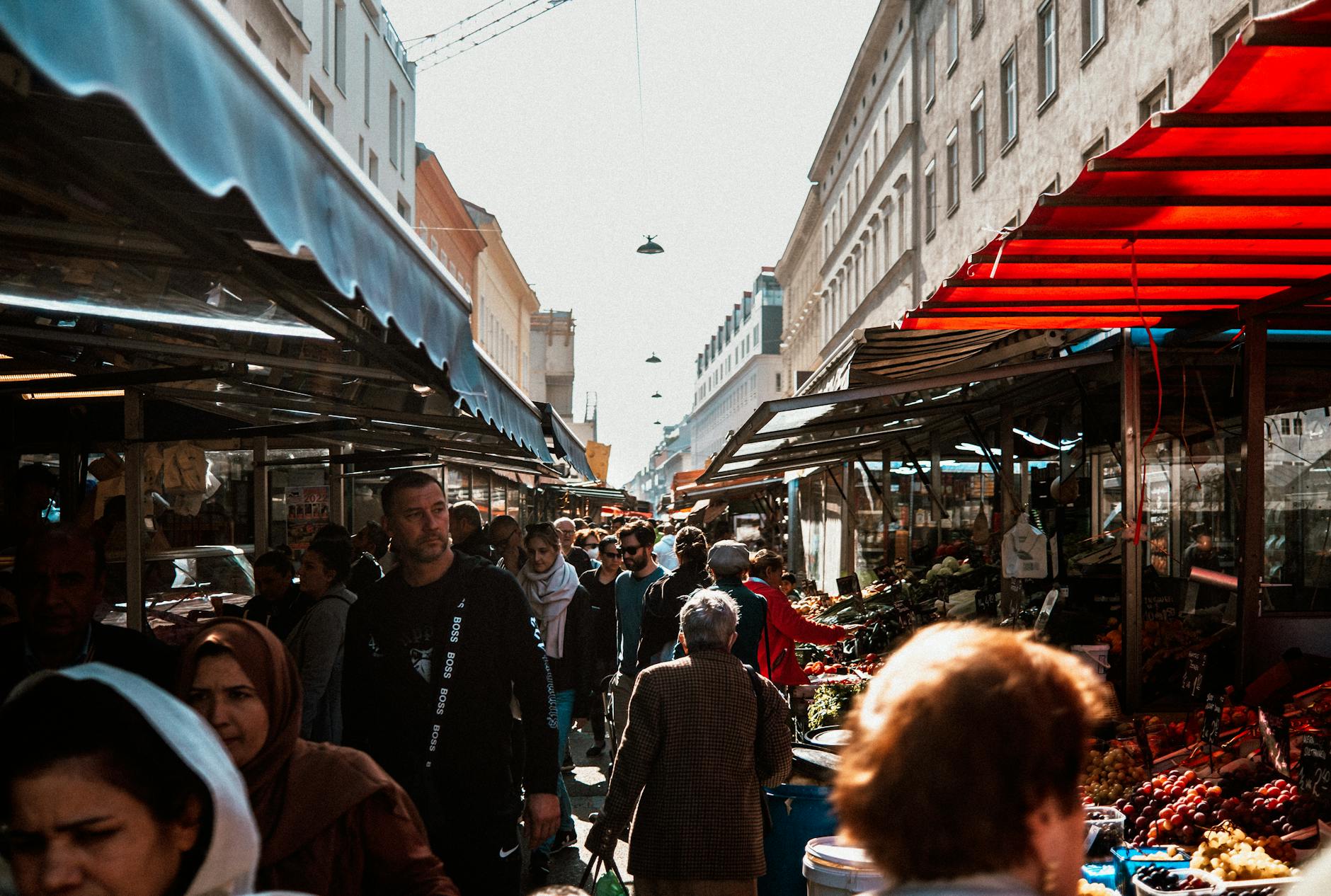
Photo by Fatih Maraşlıoğlu
- Naschmarkt at a Glance
- The History of the Naschmarkt
- Naschmarkt Layout
- Best Stalls at the Naschmarkt
- Best Restaurants at the Naschmarkt
- The Saturday Naschmarkt Flea Market
- What to Buy at the Naschmarkt as a Souvenir
- How to Avoid Naschmarkt Tourist Traps
- Naschmarkt by Day of the Week
- The Naschmarkt + Otto Wagner Walk
- Practical Tips
- A Sample Naschmarkt Saturday
- The Naschmarkt Restaurant Strategy
- Sample Naschmarkt Saturday
- Detailed Naschmarkt Shopping List for Souvenirs
- The Otto Wagner Naschmarkt Walk
- Naschmarkt vs Other Vienna Markets
- The Naschmarkt 2026 Indoor Hall
- The Naschmarkt Photography Code
- FAQ
- Final Tip: The Naschmarkt Is Vienna’s Living Room
- Related Vienna Guides
This article contains advertising. Our booking links are routed through a partner that adds commission tracking automatically, so if you book through one we earn a commission from the provider, at no extra cost to you. It never affects what we recommend. Affiliate disclosure
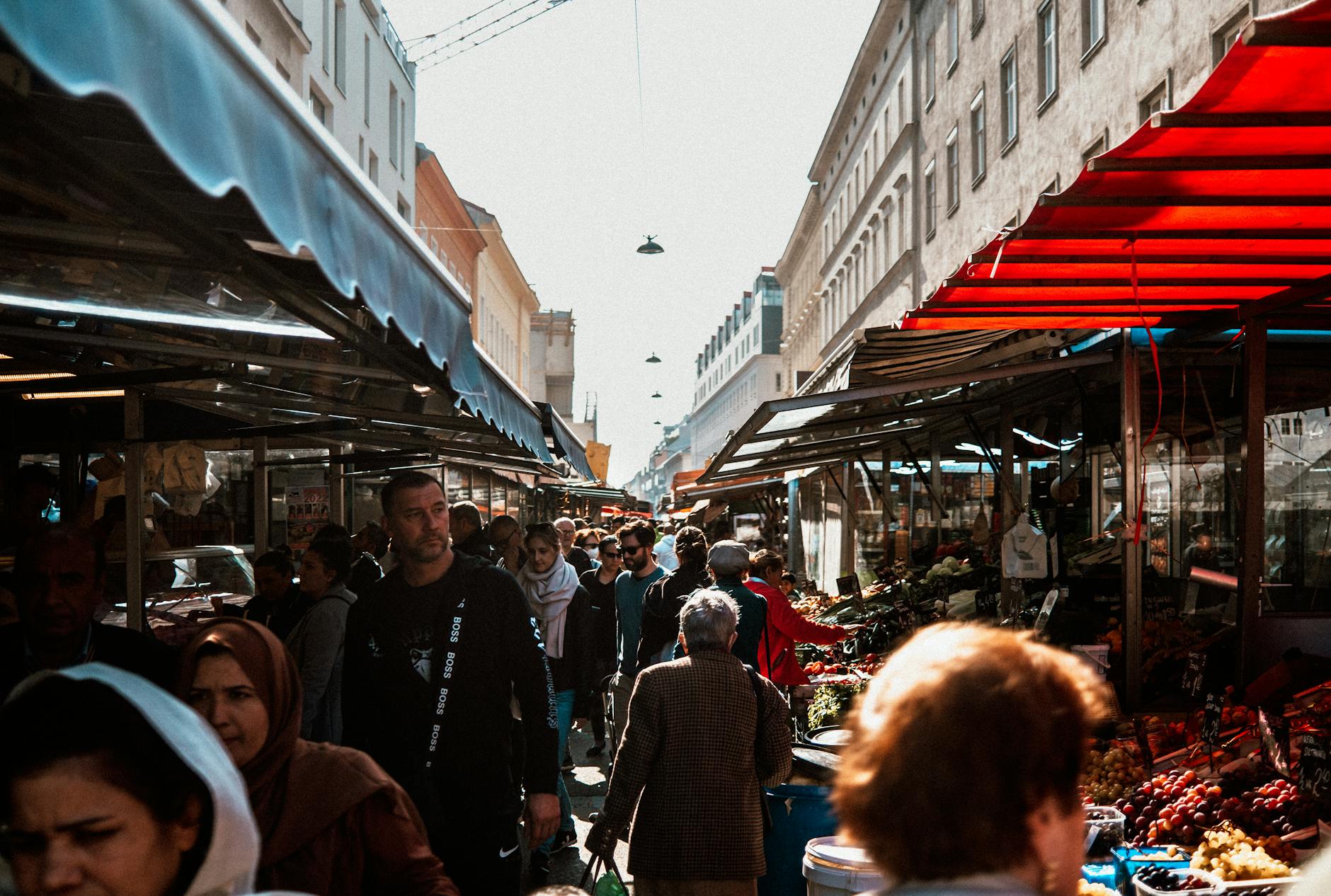
The Naschmarkt is Vienna’s most famous market — and the city’s most reliably touristed. 130+ stalls and restaurants stretch over half a kilometer between Karlsplatz and Kettenbrückengasse, on the bed of the old Wienfluss river. Daily fresh produce, spice merchants, oils and vinegars, fresh fish, fresh flowers, and a ring of restaurants that serve everything from Israeli mezze to Vietnamese pho to Vienna sausages. Saturday adds the city’s biggest flea market, taking over the western section.
This is the complete Naschmarkt Vienna guide: history, layout, the best stalls and restaurants, the Saturday flea market strategy, what to buy as a souvenir, where to avoid the tourist traps, and how to combine the Naschmarkt with broader trip planning. Pair with our Vienna food guide.
Naschmarkt at a Glance
| Best for | Food shopping, Saturday brunches, vintage hunting, photography |
|---|---|
| Hours | Mon–Fri 6 am–7:30 pm, Sat 6 am–6 pm. Closed Sundays. |
| Saturday flea market | 6:30 am–3 pm |
| U-Bahn | U4 Kettenbrückengasse (west) or Karlsplatz (east) |
| Length | ~500 m, half a kilometer end to end |
| Restaurants | ~40 sit-down options + dozens of takeaway stalls |
The History of the Naschmarkt
The Naschmarkt has been Vienna’s central food market since the late 18th century. The current location dates to 1916, when the Wien river was channeled underground and the market relocated to the riverbed. The mid-20th century saw the market shift from purely Austrian produce toward a Middle Eastern, Mediterranean, and Asian character, partly due to immigration patterns.
The name Naschmarkt comes from “Nasch” (snack) — the market was historically a place to graze rather than do full grocery shopping. That character remains today: the Naschmarkt is excellent for sampling, snacking, and one-off ingredient purchases, less so for a full weekly grocery run.
Naschmarkt Layout
The market runs east-to-west between Karlsplatz and Kettenbrückengasse, with the U4 line running underground beneath it.
East Half (Karlsplatz Side)
Mostly produce, spice, oil, and ingredient stalls. Open daily; the most authentic working-market feel. Less restaurant density.
West Half (Kettenbrückengasse Side)
Mostly restaurants and meze bars. The bigger sit-down dining hub, with most of the famous Naschmarkt-name venues clustered here.
Otto Wagner Buildings (Wienzeile)
Two of Vienna’s most photographed Jugendstil buildings frame the western Naschmarkt — the Majolikahaus (Linke Wienzeile 40, ceramic-tile facade) and the Medallion House (No. 38, gold-leaf trim). Always visible while wandering the market.
Best Stalls at the Naschmarkt
Produce & Ingredients
- Käseland — wide cheese selection
- Eishken Estate — fresh fish counter
- Naschmarkt-Deli — sandwiches and Israeli wines
- Stand 121 (Marchfelder Spargel) — seasonal asparagus
- Stand 153 (Krenfass) — horseradish, mustards
Spice & Specialty
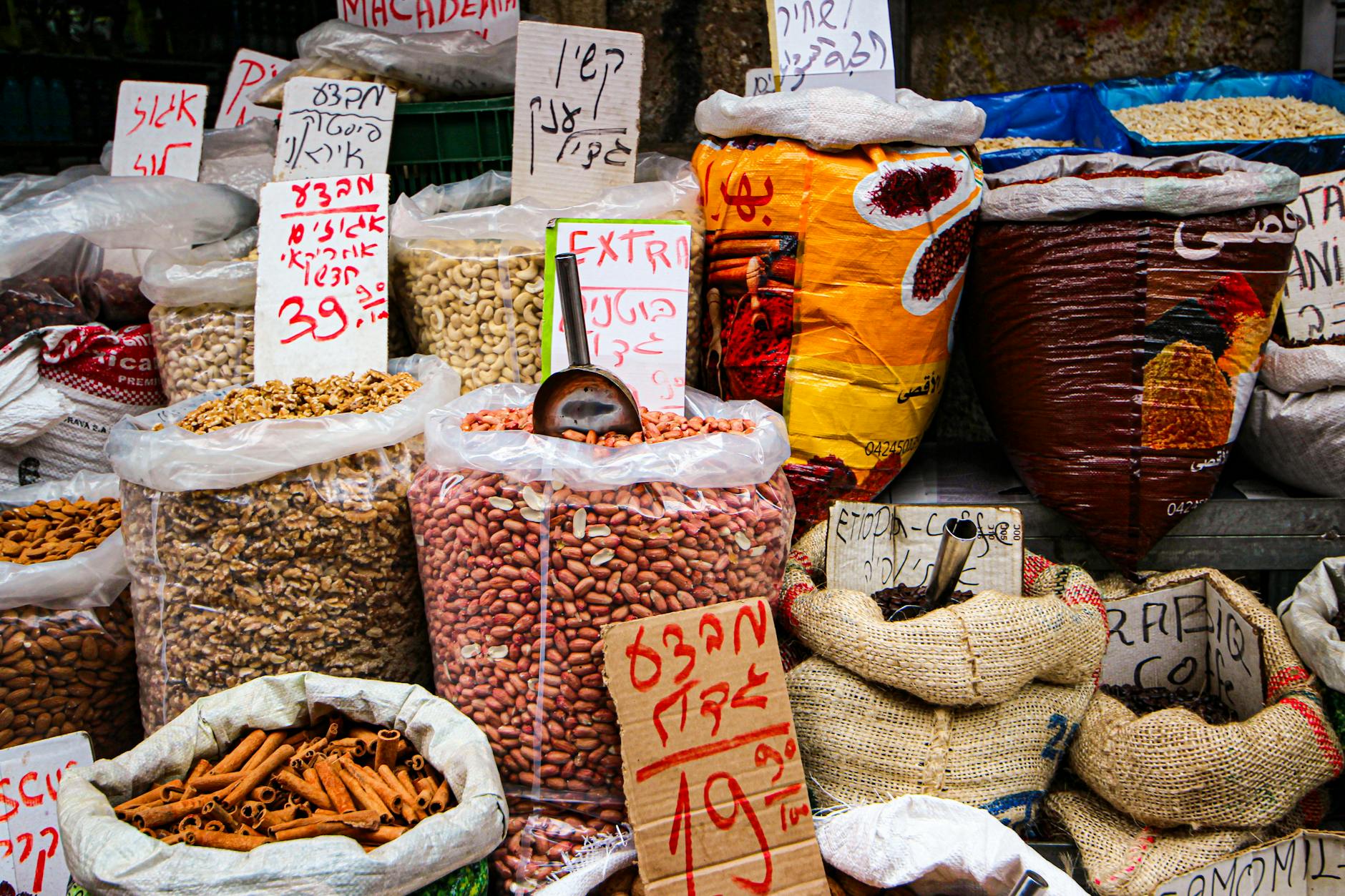
- Stand 38 (Levante) — Middle Eastern spices, dried fruit
- Türkischer Stand — Turkish ingredients, baklava
- Stand 207 (Wachauer Marillen) — Wachau apricot products
- Stand 49 (Steirisches Kürbiskernöl) — pumpkin seed oil
Bakery / Sweets
- Stand 32 (Käseland Bakery) — fresh bread
- Stand 144 (Naschwerk) — local sweets
- Persian Pastry stand — saffron-pistachio specialties
Best Restaurants at the Naschmarkt
For Lunch
- Neni (Stand 510) — modern Israeli-Mediterranean meze; one of Vienna’s most-loved restaurant brands; reservations recommended
- Umar (Stand 76–77) — fresh oysters, fish, seafood
- Tewa (Stand 309) — Israeli falafel and breakfast
- Naschmarkt-Deli (Stand 421) — sandwiches and Israeli wine
- Eishken Estate — sit-down fish counter
- Pho King — Vietnamese pho, very popular at lunch
For Dinner & Drinks
- Neni stays open into the evening
- Naschmarkt-Deli serves wine bar by night
- Erich at the eastern end — bistro with strong wine list
- Wein & Co at Karlsplatz adjacent — wine tasting + small plates
For Quick Bites
- Various Würstelstand at the eastern end — Käsekrainer + bread
- Trzesniewski nearby on Dorotheergasse — Vienna’s classic open-faced sandwich bar
- Aida — Vienna pastry chain
The Saturday Naschmarkt Flea Market
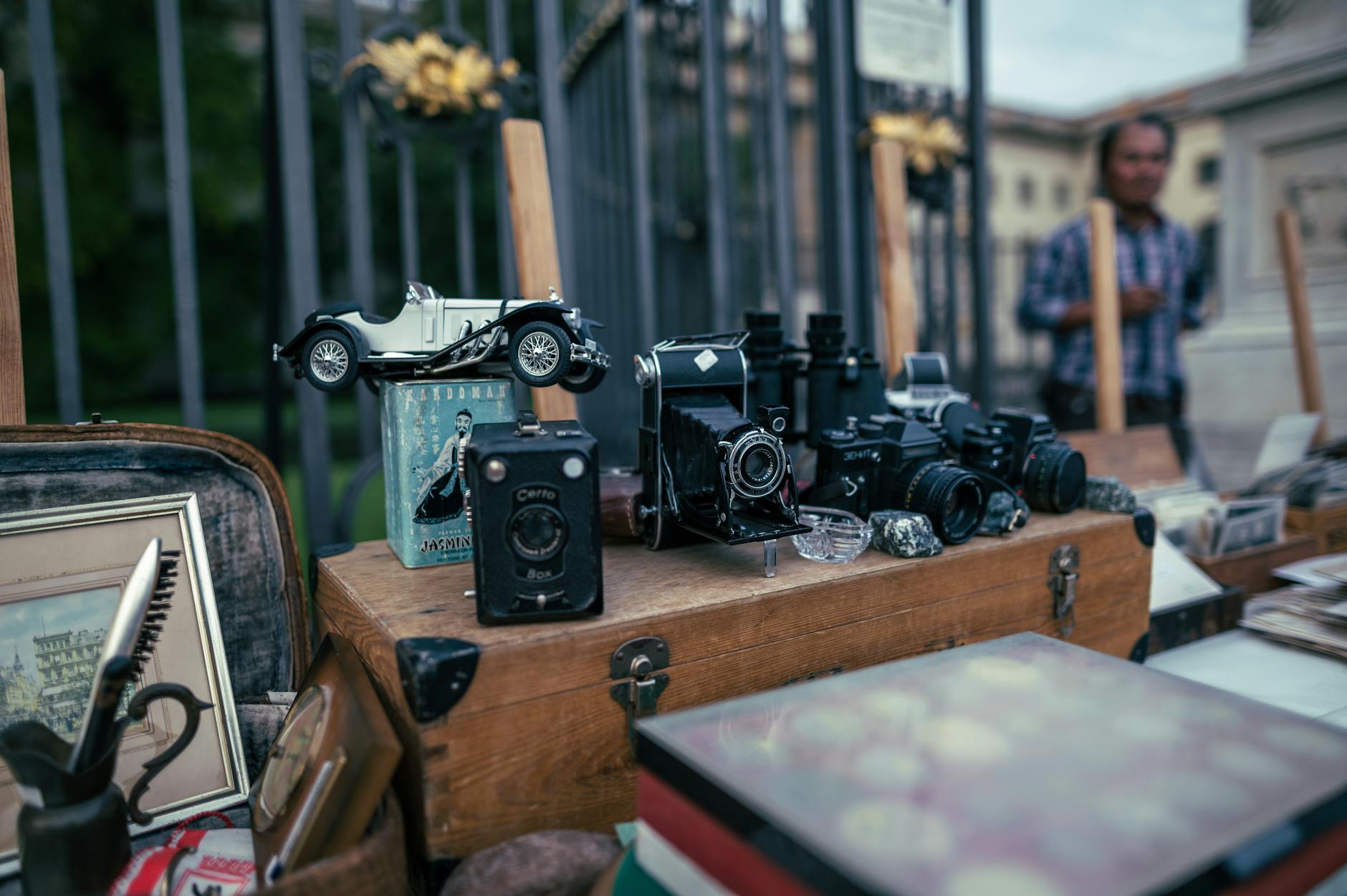
Every Saturday from 6:30 am to 3 pm, the western section of the Naschmarkt transforms into Vienna’s largest flea market. Antiques, vintage clothing, second-hand books, vinyl records, china, glassware, jewelry, vintage Habsburg-era silver, prints, postcards, and the kind of curiosities that fill antique shops elsewhere.
Best Time to Browse
- 6:30–9 am — serious antiquing; best selection
- 11 am–1 pm — most relaxed browsing pace
- After 2 pm — vendors begin packing up; some final-hour deals but reduced selection
Bargaining
Expected. Start at 30–40% below asking; many vendors expect a 20–30% reduction from their initial price. Cash works better than card for negotiation.
What to Look For
- Vintage Vienna porcelain — Augarten, Lobmeyr, and old Bohemian crystal
- Habsburg-era silver — table service, picture frames, jewelry
- Old Vienna prints, maps, postcards
- Vintage Austrian Loden coats and Tracht
- Vinyl records and old books (often German-only)
- Mid-century Austrian design — lamps, ceramics, furniture
What to Buy at the Naschmarkt as a Souvenir
- Wachau apricot jam (Marillenmarmelade)
- Styrian pumpkin seed oil (Kürbiskernöl)
- Marillenschnaps — Wachau apricot schnapps in 100-ml travel bottles
- Sturm in September — partially fermented wine, drink within days
- Vienna mustards — particularly the spicier Krenfass mustards
- Loose-leaf teas from the spice stalls
- Saffron-pistachio sweets from Persian Pastry
- Hand-mixed spice blends from the Levante stalls
How to Avoid Naschmarkt Tourist Traps
- Avoid restaurants with sidewalk touts waving paper menus
- Avoid menus in 7+ languages with photos of every dish
- Verify prices upfront at the Mediterranean and seafood stalls — some have variable per-100-g pricing that runs higher than expected
- The middle stalls (around Stand 200–300) are often the most authentic working stalls
- The very-edge restaurants near U-Bahn entrances tend to be touristier than the middle of the market
Naschmarkt by Day of the Week
| Day | Open | Best For |
|---|---|---|
| Monday | 6 am–7:30 pm | Quietest day; relaxed browsing |
| Tuesday–Thursday | 6 am–7:30 pm | Standard market days; lunches |
| Friday | 6 am–7:30 pm | Pre-weekend buzz; busier evening |
| Saturday | 6 am–6 pm | Flea market + busiest day |
| Sunday | Closed | — |
The Naschmarkt + Otto Wagner Walk
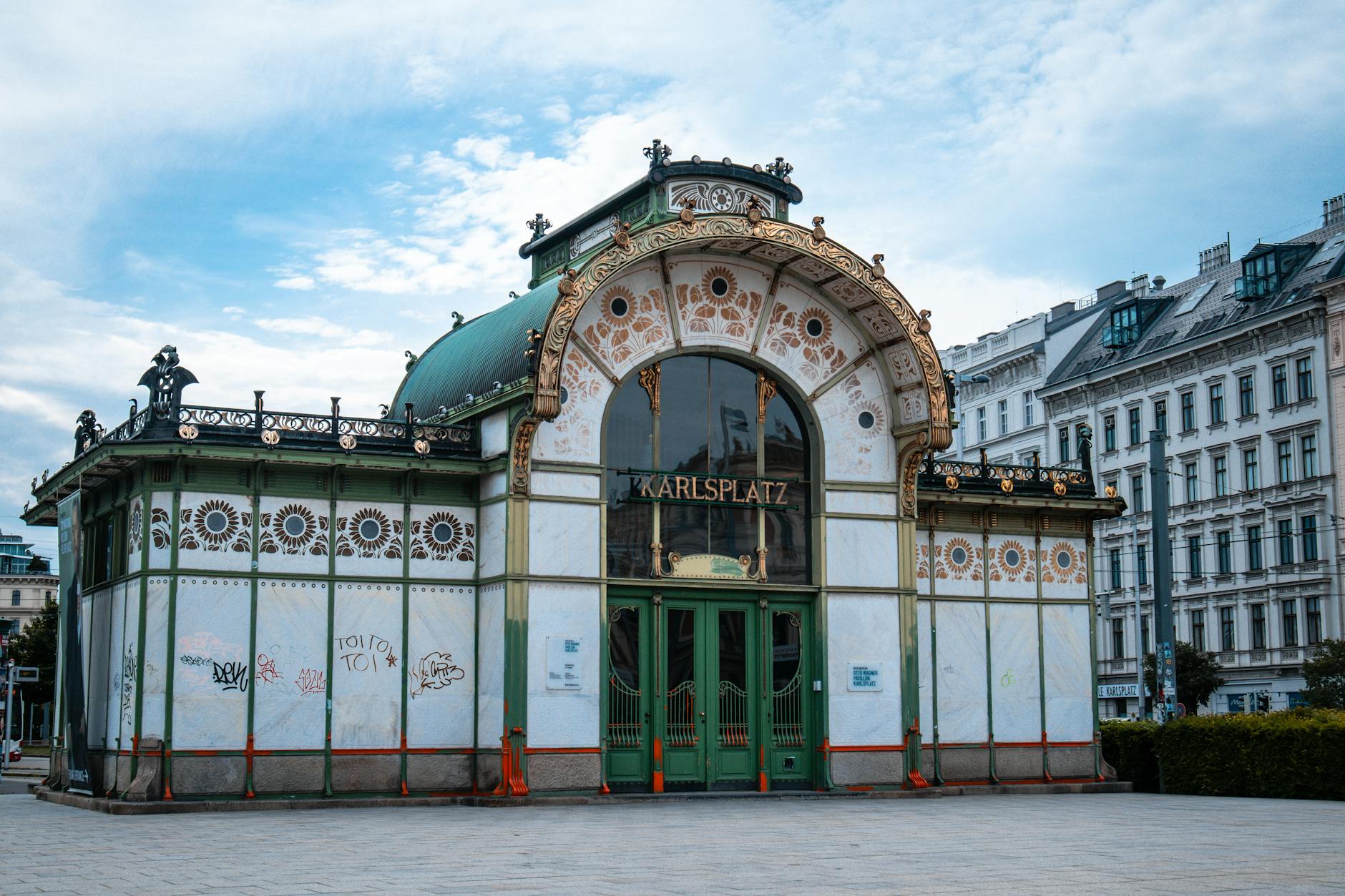
Combine your Naschmarkt visit with the Otto Wagner architectural walk along Wienzeile. Start at Karlsplatz with Otto Wagner’s 1898 Stadtbahn pavilions, walk west along the Naschmarkt’s southern edge, admire the Majolikahaus (No. 40) and Medallion House (No. 38). Add 30–45 minutes to your market visit for the full Jugendstil experience.
Practical Tips
- Carry a tote bag — paper sacks are charged at most produce stalls
- Bring cash — many small stalls have card minimums of €15–€20
- Time your visit late morning for full stall density on weekdays
- Skip Sunday — completely closed
- Saturday brunch crowd peaks at 11 am — arrive 9–10 am for shorter restaurant waits
- Photography is welcome at most stalls; ask before shooting individual vendors
- Tip 5–10% in cash, stated aloud — see our first time visiting Vienna tips
A Sample Naschmarkt Saturday
Morning (8:30 am – 11 am)
Arrive early for the Saturday flea market. Browse antiques and vintage; bargain on at least one item. Stop by Tewa for a falafel breakfast.
Late Morning
Cross to the regular Naschmarkt for produce, spice, and oil shopping. Pick up a small bottle of pumpkin seed oil and a jar of Wachau apricot jam.
Lunch
Neni for Israeli mezze; Umar for oysters; or Pho King for Vietnamese.
Afternoon
Walk Wienzeile to admire the Otto Wagner buildings; cross to the Karlskirche for the dome elevator (€11) or the free interior visit.
The Naschmarkt Restaurant Strategy
The Naschmarkt has 40+ sit-down restaurants and dozens of takeaway stalls. The dining strategy matters because the experiences differ significantly:
For Quick Lunches (€10-€20)
Tewa (Israeli falafel and shakshuka), Pho King (Vietnamese pho), Naschmarkt-Deli (sandwiches and Israeli wine), Würstelstand at the eastern end (€4-€8 sausages).
For Mid-Range Mezze and Casual Dining (€20-€40)
Neni (Israeli-Mediterranean, the famous outpost), Umar (oysters and seafood), Erich (modern bistro at the eastern end).
For Evening / Bar Hopping
Naschmarkt-Deli stays open for evening wine; Tel Aviv Beach (across at the Donaukanal) for summer beach-bar vibe; Wein & Co Karlsplatz for Friday wine tastings.
Sample Naschmarkt Saturday
7:30-9 am
Arrive for the flea market opening. Best antique deals and biggest selection at this hour. Bargain hard — opening prices are 30-50% above what most sellers will accept.
9-10 am
Breakfast at Tewa or Naschmarkt-Deli while the flea market is in full swing.
10-11:30 am
Browse the regular market — produce stalls, spice merchants, oil and vinegar vendors. Buy souvenirs (Wachau apricot jam, Styrian pumpkin seed oil, Vienna mustards).
11:30 am-1 pm
Long lunch at Neni for mezze + wine, or Umar for oysters. The brunch crowd peaks at this hour.
1-2 pm
Walk Wienzeile to admire the Otto Wagner Jugendstil buildings — Majolikahaus (No. 40), Medallion House (No. 38). Cross to Karlsplatz for Karlskirche.
2-3 pm
Final flea market pass before vendors pack up at 3 pm. Last-hour bargains are best for slower-selling items.
Detailed Naschmarkt Shopping List for Souvenirs
- Wachau Marillenmarmelade — Wachau apricot jam in glass jars, typically €6-€10
- Styrian Kürbiskernöl — pumpkin seed oil, dark green, €15-€25 for 250ml
- Wachau Marillenschnaps — apricot schnapps in 100ml travel bottles, €8-€15
- Vienna mustards — Krenfass and similar, €5-€8 per jar
- Loose-leaf spice blends — Naschmarkt spice stalls sell hand-mixed Austrian and Middle Eastern blends
- Persian saffron-pistachio sweets — from the Persian Pastry stand
- Sturm in September only — partially fermented wine, drink within days
- Hand-mixed teas — Schönbichler and similar tea stalls
- Naschmarkt cheeses — particularly the Austrian alpine varieties
- Vintage Augarten porcelain from the Saturday flea market — bargain opportunities
The Otto Wagner Naschmarkt Walk
The Naschmarkt’s western edge runs along Linke Wienzeile, framed by two of Vienna’s most photographed Jugendstil buildings:
- Majolikahaus (Linke Wienzeile 40) — Otto Wagner’s 1898 apartment building with ceramic-tile floral facade. One of the most photographed buildings in Vienna
- Medallion House (Linke Wienzeile 38) — Wagner’s adjacent 1898 apartment block with gold-leaf medallion details
- Wagner’s Karlsplatz Stadtbahn Pavilions — at the eastern end of the Naschmarkt; Wagner’s 1898 metro pavilions with gold sunflower motifs
The 30-minute Naschmarkt + Otto Wagner walk is one of the most rewarding architectural strolls in Vienna.
Naschmarkt vs Other Vienna Markets
| Market | Atmosphere | Best Day | What to Buy |
|---|---|---|---|
| Naschmarkt | Famous, touristy, sit-down restaurants | Saturday morning | Souvenirs, mezze meals, flea-market vintage |
| Brunnenmarkt | Local, Turkish/Balkan, working-class | Weekday late morning | Spices, cheap fresh produce, kebab lunches |
| Karmelitermarkt | Foodie, design-led, trendy | Saturday morning brunch | Artisanal cheese, organic produce, brunch |
| Rochusmarkt | Quieter farmers’ market | Friday-Saturday morning | Regional Austrian producers |
| Kutschkermarkt | Small, atmospheric, residential | Saturday morning | Niche local producers, Saturday brunch |
| Christmas markets | Festive, dense, December only | Weekday evenings | Mulled wine, ornaments, hand-made gifts |
The Naschmarkt 2026 Indoor Hall
The new Naschmarkt Market Hall opened in 2026 — a covered extension on the eastern side of the traditional open-air market. The hall offers year-round indoor browsing, several new restaurants, and a more weather-protected experience during Vienna’s cold months. The hall is particularly useful in November-March when the open-air stalls thin out and the rain makes street browsing miserable. Most travelers don’t yet know about the hall; it’s worth verifying current opening hours and tenant list before visiting.
The Naschmarkt Photography Code
The Naschmarkt is one of Vienna’s most-photographed markets. Several unwritten rules to follow:
- Don’t photograph vendors close-up without asking — many will agree, but the courtesy matters
- Wide stall shots are fine — the colorful spice piles and fresh produce are public market scenes
- Saturday flea market has more relaxed photo norms — vendors expect tourists with cameras
- Best light is mid-morning (9-11 am) when the produce is fresh and the sun isn’t directly overhead
- Avoid photographing other customers at close range — Vienna respects personal photography boundaries more than southern Europe
FAQ
What is the Naschmarkt?
Vienna’s most famous open-air market — 130+ stalls and restaurants stretching half a kilometer between Karlsplatz and Kettenbrückengasse, with daily fresh produce, spices, oils, and a ring of restaurants. Saturday adds Vienna’s biggest flea market.
When is Naschmarkt open?
Mon–Fri 6 am–7:30 pm; Sat 6 am–6 pm. Closed Sundays. Saturday flea market 6:30 am–3 pm.
Is Naschmarkt good for souvenirs?
Yes — Wachau apricot jam, Styrian pumpkin seed oil, Marillenschnaps, Vienna mustards, and the Persian saffron-pistachio sweets are all genuine Vienna takeaways.
What’s the best Naschmarkt restaurant?
Neni for Israeli-Mediterranean mezze; Umar for oysters; Tewa for Israeli breakfast. All require reservations during peak hours.
Is the Naschmarkt expensive?
The restaurants are mid-priced (lunch €15–€25, dinner €30+ with drinks). The food stalls are cheaper. The flea market is bargain-friendly. Avoid the touristy stalls at U-Bahn-side ends.
How long should I plan for the Naschmarkt?
1–2 hours for a basic visit; 3–4 hours for a Saturday flea market + lunch combo; full day if you combine with Otto Wagner walk + Karlskirche.
Can I bring kids to the Naschmarkt?
Yes — kids enjoy the market visually and many stalls offer free samples. The flea market is more challenging with strollers (narrow aisles) but doable.
What’s the best day to visit Naschmarkt?
Saturday for the flea market + brunch combo; Tuesday–Thursday for relaxed weekday browsing.
Final Tip: The Naschmarkt Is Vienna’s Living Room
It’s not the city’s best market for groceries — Brunnenmarkt and Karmelitermarkt beat it on price and authenticity. But the Naschmarkt is the most-visited and most-photogenic, with the strongest restaurant cluster in Vienna and a Saturday flea market that’s one of Europe’s biggest. Build at least one Naschmarkt visit into your Vienna trip — Saturday morning is the canonical move.
For more, see our Vienna food guide, our markets cluster guide, and our first time visiting Vienna tips.
The Naschmarkt’s real difficulty for a visitor is telling the stalls that feed Vienna from the stalls that feed tourists, and the fastest way through it is to shop here with somebody who buys here weekly. Market-visit cooking classes do exactly that, pairing an hour of shopping with three hours in a kitchen afterwards. See our guide to Vienna cooking classes and strudel workshops.