Hofburg Palace Guide: Sisi Museum & Imperial Apartments (2026)
Explore the massive Hofburg complex — Vienna's central imperial palace and, for centuries until 1918, the seat of Habsburg power. Complete guide to the Imperial Apartments, the Sisi Museum (redesigned, opening 19 November 2026), the Crown Jewels in the Imperial Treasury (Schatzkammer), the Spanish Riding School, the Austrian National Library Prunksaal, and how to plan your visit. Plus the Hofburg's inner courtyards, the Hofburgkapelle Sunday Mass with the Vienna Boys' Choir, and ticket combos.
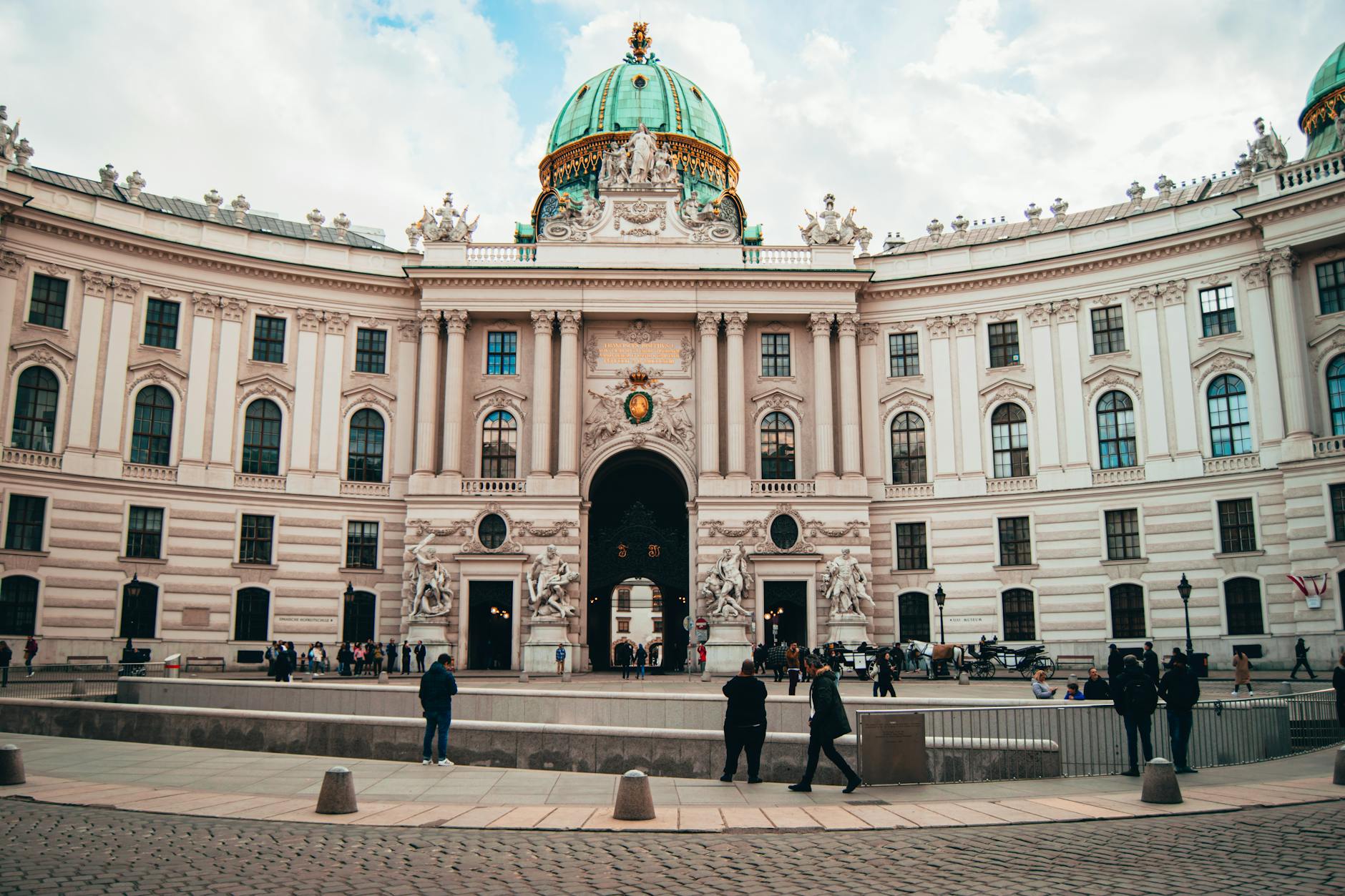
Photo by Mihai Vlasceanu
- Hofburg at a Glance
- Hofburg Ticket Options Explained
- The Hofburg Core Tour: Imperial Apartments + Sisi Museum
- The Imperial Treasury (Schatzkammer)
- The Spanish Riding School
- The Austrian National Library Prunksaal
- The Other Hofburg Museums
- Heldenplatz: The Hofburg’s Public Face
- The Hofburg’s Inner Courtyards
- The Hofburgkapelle and the Vienna Boys’ Choir
- How to Plan a Hofburg Day
- Combining Hofburg with Schönbrunn and Belvedere
- Hofburg Mistakes to Avoid
- FAQ
- Final Tip: The Hofburg Is the Imperial Vienna
- Related Vienna Guides
This article contains advertising. Our booking links are routed through a partner that adds commission tracking automatically, so if you book through one we earn a commission from the provider, at no extra cost to you. It never affects what we recommend. Affiliate disclosure
The Hofburg is Vienna’s beating Habsburg heart — a 240,000-square-meter palace complex of 18 wings, 19 courtyards and 2,600 rooms spanning over 700 years of imperial history. Where Schönbrunn was the summer residence, the Hofburg was the winter residence and the imperial seat from 1438 to 1583 and again from 1612 until 1918. Today it houses several museums, the Spanish Riding School, the Austrian National Library, the Vienna Boys’ Choir’s Hofburgkapelle, the offices of the Austrian President, and OSCE facilities.
For visitors, the Hofburg is best understood as one core ticket: the Imperial Apartments and the Sisi Museum, whose redesigned rooms open on 19 November 2026 (until then the ticket covers the Apartments alone, and the Silver Collection has been closed since April 2023). Add the Imperial Treasury (separate ticket) for the crown jewels, the Spanish Riding School for the white stallions, and the Austrian National Library Prunksaal for its Baroque State Hall. A focused half-day covers the essentials; a serious imperial-Vienna fan can fill 2-3 days here.
This is the complete Hofburg Palace Vienna guide: every ticket option, the Imperial Apartments + Sisi core, the supporting museums, the Treasury, and how to plan a Hofburg day. Pair with our Vienna attractions.
Hofburg at a Glance
| Aspect | Detail |
|---|---|
| Location | 1st district (Innere Stadt), central |
| Imperial Apartments hours | 10 am-4:30 pm until 18 November 2026 (ticket office closes 4 pm); Sisi Museum reopens 19 November |
| Imperial Treasury hours | Wed-Mon 9 am-5:30 pm; closed Tue |
| Spanish Riding School performances | Saturdays + select dates; morning exercise Tue-Fri |
| Allow | Imperial Apartments only until 18 November 2026; the official guided tour of the Apartments and Sisi Museum takes about 60 minutes |
| Built | 13th century to 1913 (Neue Burg, the last major expansion) |
| Number of rooms | ~2,600 across all buildings |
| Museums on-site | Imperial Apts, Sisi Museum (reopens 19 November 2026), Treasury, Austrian National Library, Albertina (adjacent); Silver Collection closed |
Hofburg Ticket Options Explained
1. Sisi Ticket / Imperial Apartments (€15 Adult until 18 November 2026)
The main Hofburg ticket, a timed-entry visit with audio guide. Until 18 November 2026 it covers the Imperial Apartments alone at a reduced €15 for adults and €9 for children 6–18, while the Sisi Museum area is closed; the redesigned Sisi Museum opens on 19 November, when prices change. The Silver Collection has been closed since April 2023. Buy genuine tickets online only at imperialtickets.com.
2. Imperial Treasury (Schatzkammer) (€16 Adult)
Separate ticket. Includes the Imperial Crown of the Holy Roman Empire, the Imperial Crown of Austria, and treasures spanning more than a millennium of European history. Under-19s free.
3. Spanish Riding School Morning Exercise (€17-€29 Adult)
Morning sessions on the dates listed in the school’s calendar. Adult tickets cost €17–€28 in January–March and November and €18–€29 in April–October and December, by seat or standing category. Live training of the Lipizzaner stallions in the historic Winter Riding School. Kid-friendly, lower-pressure than full performances.
4. Spanish Riding School Performance (€26-€245 Adult)
The famous gala performances. Saturday matinees plus selected weekday evenings. In 2026 gala tickets cost €50 standing or €100–€245 seated; standard performances run from €33 to €188 and short performances from €26 to €110. Premium seats go first, so book early.
5. Austrian National Library Prunksaal (€12 Adult)
The Prunksaal (State Hall) is the Baroque heart of the Austrian National Library.
6. Sisi Pass (€60 Adult)
One-year combo including Hofburg (Sisi Ticket) + Schönbrunn Grand Tour + Vienna Furniture Museum. Best for travelers doing all three Habsburg residences. Seasonal price changes apply from 19 November 2026.
Vienna PASS
Includes most major Hofburg attractions: Imperial Apartments, Sisi Museum, Imperial Treasury, Austrian National Library. Verify your PASS coverage.
The Hofburg Core Tour: Imperial Apartments + Sisi Museum
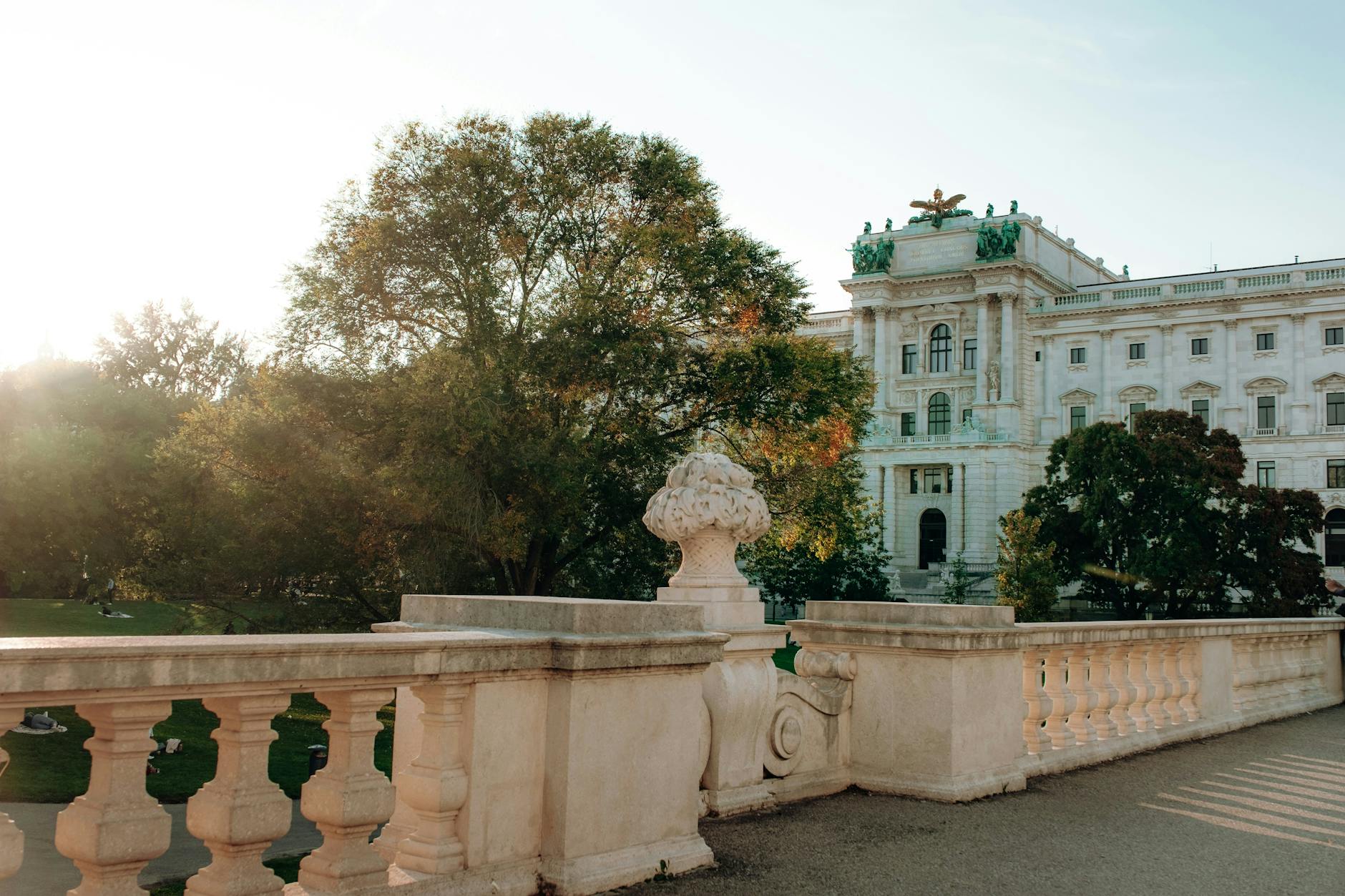
The standard Hofburg visit is a single route through three interconnected exhibitions, although the Silver Collection is closed for now and the Sisi Museum area stays closed until 19 November 2026. The audio guide leads visitors in sequence:
Part 1: The Silver Collection (Silberkammer)
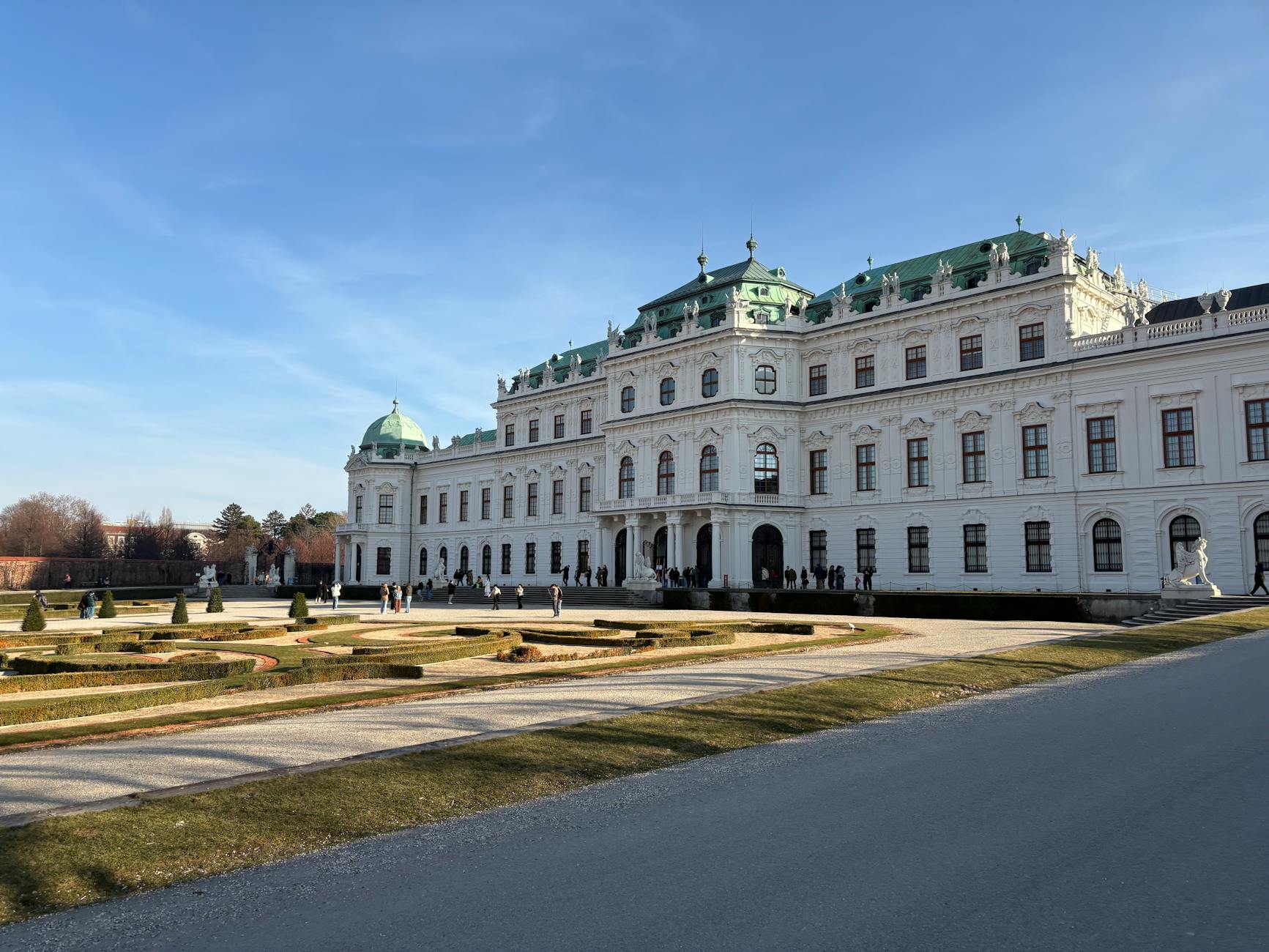
Closed since 1 April 2023 until further notice, the Silver Collection used to be the first stop: a vast display of imperial dining service, from gold and silver flatware and porcelain table settings to ceremonial centerpieces from Habsburg state banquets. Its highlights include the Milan Centerpiece (a massive gilded silver centerpiece commissioned for Emperor Ferdinand’s coronation as king of Lombardy-Venetia in 1838), the Vermeil dining service, and the Vienna porcelain settings.
If it reopens, don’t write off a “silver collection” as dull — the scale and the level of craftsmanship are extraordinary. The pieces tell the story of how state diplomacy actually worked in the Habsburg era; entertaining a visiting monarch was as important as treaties.
Part 2: The Sisi Museum
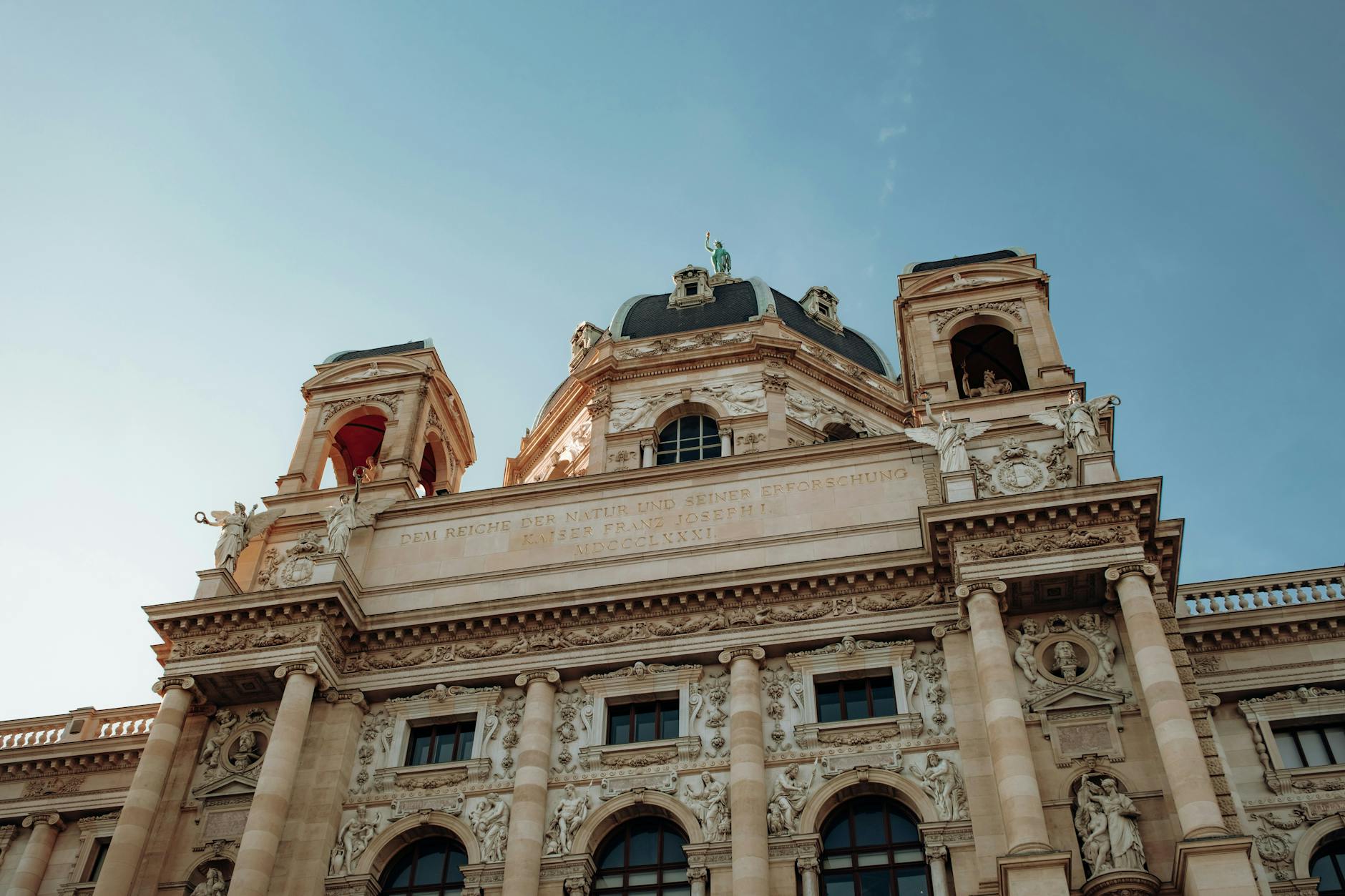
The cultural blockbuster section. Dedicated to Empress Elisabeth (1837-1898) — the obsessive, beautiful, tragic Habsburg empress who married Franz Joseph at 16, became one of Europe’s most photographed celebrities, and was assassinated in Geneva by an Italian anarchist in 1898. The Sisi mythology is to Vienna what Princess Diana is to London.
The museum traces her life through original objects: her wedding dress, her exercise equipment (she kept to strict diets and exercise for a waist of about 51 cm), her favorite paintings, locks of her famously long hair, her death mask, and the file she was murdered with. The personal artifacts give a much deeper sense of her psychology than reading about her — the gymnastics equipment alone is genuinely moving.
The redesigned Sisi Museum, with additional rooms, opens on 19 November 2026. It is the section that captures visitors who arrived expecting “another palace tour.”
Part 3: The Imperial Apartments
The actual residential rooms of Franz Joseph and Sisi — their bedrooms, working offices, private dining rooms, and the audience rooms where they received visitors. The contrast with the Sisi Museum is dramatic: Franz Joseph’s apartments are spartan, with simple wooden desks, a simple iron bed, and minimal decoration. Sisi’s apartments are more ornate but show clear signs of her restless personality.
Standout rooms:
- Franz Joseph’s Bedroom — the simple iron bed of the emperor who reigned for almost 68 years, longer than any other Habsburg emperor of Austria
- Sisi’s Salon — her private sitting room
- The Conference Room — where Franz Joseph held audiences with ministers
- The Imperial Dining Room — set for state dinners
- Sisi’s Gymnasium — exercise rings, climbing apparatus, ladder
The official guided tour of the Apartments and the Sisi Museum takes about 60 minutes. Until 18 November 2026 the Sisi Museum area is closed, so the visit covers the Apartments alone.
The Imperial Treasury (Schatzkammer)
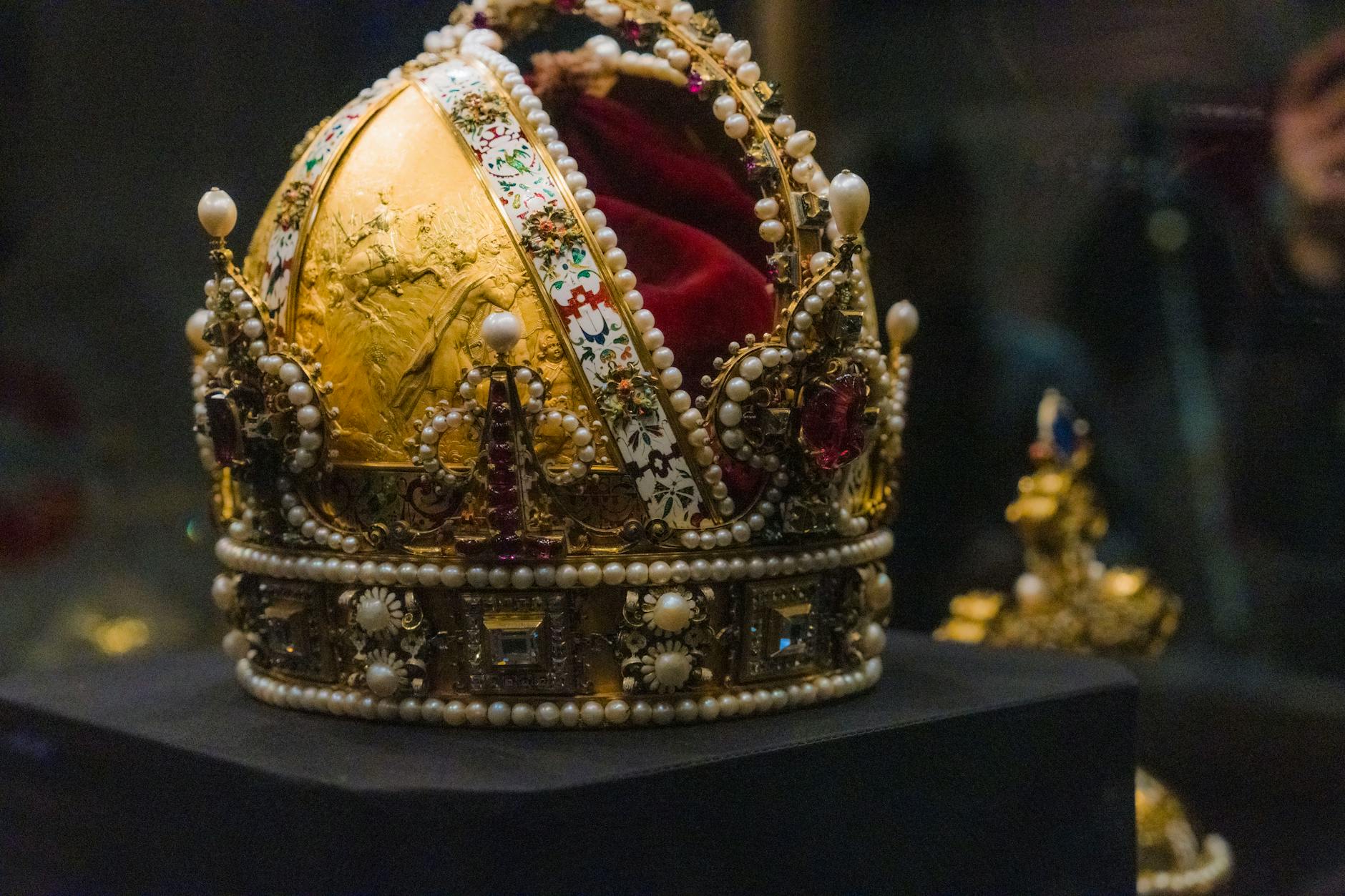
The Imperial Treasury is the Hofburg’s most extraordinary single museum — the working treasury where Habsburg ceremonial regalia, sacred relics, and dynastic objects have been stored for nearly a thousand years. Located in a different wing of the Hofburg, accessed via the Swiss Gate (Schweizertor), the Schatzkammer is a separate €16 ticket but absolutely essential.
Highlights
- The Crown of the Holy Roman Empire — generally dated to the late tenth century and traditionally linked to Otto I, though its exact date and first owner are disputed
- The Imperial Crown of Austria — the 1602 crown of Rudolf II
- The Habsburg crown jewels and ceremonial regalia
- The Order of the Golden Fleece treasures
- The “Unicorn Horn” — actually a narwhal tusk, but presented for centuries as evidence of a unicorn
- The Holy Lance / Spear of Destiny — claimed to be the spear used at the crucifixion (almost certainly medieval)
- Fragments of the True Cross and other relics
- Habsburg coronation robes and ceremonial vestments
- The Cradle of the King of Rome — Napoleon’s gift to his son
The Treasury is divided into Sacred and Secular sections. How long you stay depends on how closely you look, so leave time for both.
The Spanish Riding School
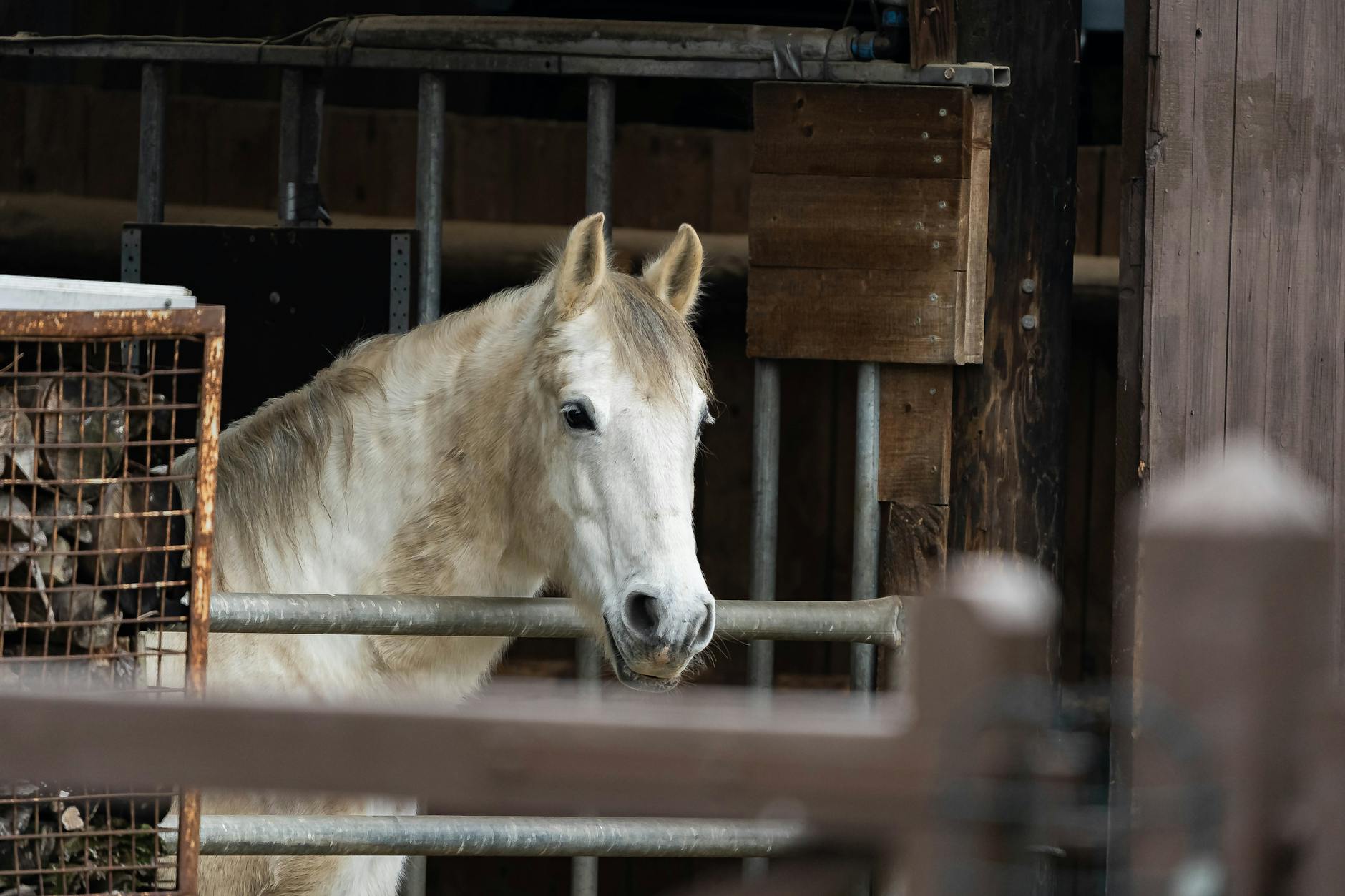
The Spanish Riding School traces its beginnings to a riding ground near the Hofburg first mentioned in a document dated 20 September 1565, and Lipizzaner stallions still train here in classical dressage. The Winter Riding School (Winterreitschule), the indoor arena, was built between 1729 and 1735 under Charles VI for instructing young nobles and training horses for dressage and war; Johann Bernhard Fischer von Erlach designed it, and his son Joseph Emanuel built it.
Performance Options
- Gala Performances (Saturdays + select dates): full hour-long performances with music. In 2026, €50 standing or €100–€245 seated. Book ahead and check availability
- Morning Exercise (Tuesday-Friday in season): training sessions, lower-pressure, kid-friendly. €17–€28 for adults (January–March and November) or €18–€29 (April–October and December), by category
- Guided Tours of the stables and training facilities. €24 adult
- Stallion Performance Combo Ticket: morning exercise + stable tour
The morning exercise is the canonical visit for most travelers — much cheaper than the gala performance, kid-tolerant, and gives a genuine sense of how the training works. Sessions last about an hour, generally 10-11 am, with an extra 11:30 am session on some dates; admission opens 15 minutes before the start, so check the calendar for your session.
The Austrian National Library Prunksaal
The Prunksaal (State Hall) of the Austrian National Library is a Baroque masterpiece commissioned by Emperor Charles VI in 1722. The space is almost 80 meters long and 20 meters high, with ceiling frescoes by Daniel Gran depicting the Apotheosis of Emperor Charles VI, and about 200,000 historical volumes lining the walls.
Entry €12 for adults. Often less crowded than the Imperial Apartments — a quieter Hofburg highlight.
The Other Hofburg Museums
The Albertina (Adjacent)
Connected to the Hofburg complex but operated separately — the Albertina holds one of Europe’s most important graphic arts collections (Dürer, Michelangelo, Rembrandt) plus a Modernist permanent collection (Monet, Klimt, Picasso). €20.90 adult; under-19s free. Allow 2-3 hours. Worth visiting if you have time.
The Ephesos Museum
Within the Hofburg’s Neue Burg wing — archaeological objects from the 19th-century Habsburg excavations of Ephesus. Including a 40-meter reconstructed Parthian Monument frieze. Entry is on the House of Austrian History day ticket, €10 for adults. Often overlooked by visitors.
The Weltmuseum Wien (World Museum)
Vienna’s ethnographic museum, also in the Neue Burg wing. Major collection of objects from the Habsburg-era expeditions. €16 adult. Significant if you’re interested in colonial-era collecting and global history.
The House of Austrian History
Vienna’s modern-history museum opened in 2018, covering Austria’s 20th-century history (1918-present) with strong focus on the Nazi era and post-war reconstruction. €10 adult. Allow 90 minutes.
Heldenplatz: The Hofburg’s Public Face
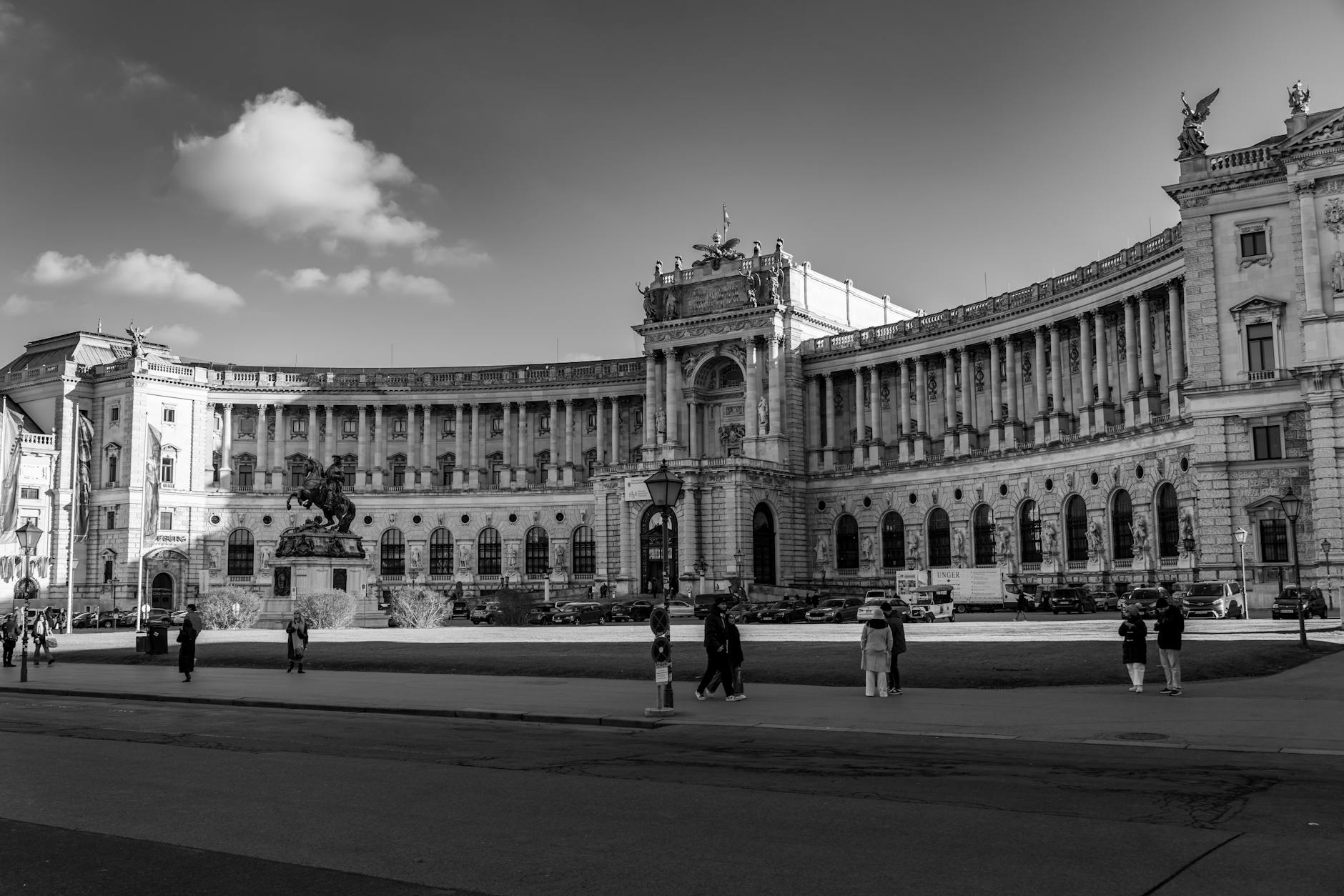
The vast public square Heldenplatz (“Heroes’ Square”) fronts the Hofburg complex. Two equestrian statues — Prince Eugene of Savoy and Archduke Charles — anchor the square. The Neue Burg’s curved façade with the famous balcony where Adolf Hitler announced the 1938 Anschluss looms over the western end. The Volksgarten lies to the north; the Burggarten to the south. The square is one of Vienna’s most photographed public spaces, especially at blue hour.
The Hofburg’s Inner Courtyards
The Hofburg has 19 courtyards. Walking through the public ones is free and gives a sense of the palace’s scale and continuity. Start at the Michaelertor (the main public entrance) and walk through:
- Schweizerhof — the medieval core courtyard, with the 13th-century gate
- In der Burg — the central courtyard with the Franz I monument
- Innerer Burghof — a central courtyard of the palace
- Heldenplatz — already covered above, but the gateway between the Hofburg and the city
The Hofburgkapelle and the Vienna Boys’ Choir
The Hofburgkapelle is the Hofburg’s chapel, where the Vienna Boys’ Choir performs Sunday Mass during the Habsburg religious calendar (September-June). The choir sings alongside members of the Vienna Philharmonic and State Opera Chorus. Seated tickets cost €14, €22, €38 or €52 by category. Some dates feature the Vienna Girls Choir instead, and services last about 60 or 100 minutes, so check the programme for the Sunday you want. One of Vienna’s most underrated Sunday-morning experiences.
How to Plan a Hofburg Day
Compact Half-Day (3-4 hours)
- 10 am: Imperial Apartments, plus the Sisi Museum from 19 November 2026 (audio tour)
- Noon: Lunch nearby (Café Demel, Café Sacher, or Zum Schwarzen Kameel)
- 1:30 pm: Imperial Treasury
Full Day (6-8 hours)
- 9 am: Imperial Apartments, plus the Sisi Museum from 19 November 2026
- 11:30 am: Walk through the Hofburg courtyards
- Noon: Lunch at Plachutta Wollzeile or Café Demel
- 1:30 pm: Imperial Treasury
- 3 pm: Austrian National Library Prunksaal
- 4 pm: Albertina (Modernist permanent collection)
- 5:30 pm: Evening drink at Loos American Bar
Two-Day Hofburg Deep Dive
Day 1: Imperial Apartments + Sisi Museum (from 19 November 2026), Imperial Treasury, Austrian National Library Prunksaal, Albertina. Day 2: Spanish Riding School morning exercise, Weltmuseum Wien or Ephesos Museum, House of Austrian History, evening Hofburgkapelle if Sunday.
Combining Hofburg with Schönbrunn and Belvedere
Three palaces, three distinct experiences:
- Hofburg — imperial daily life and ceremony; the year-round seat of government
- Schönbrunn — Habsburg summer residence; gardens-focused
- Belvedere — Prince Eugene’s palace, now an art museum focused on Klimt and Schiele
For a Vienna trip with focus on Habsburg-era sites, the optimal sequence is Hofburg (Day 1) → Schönbrunn (Day 2) → Belvedere (Day 3). All three are essential, but they don’t substitute for each other.
Hofburg Mistakes to Avoid
- Trying to see everything in one ticket — the Imperial Apartments combo, Treasury, and Spanish Riding School are separate. Plan accordingly
- Buying tickets at the door in peak season — book online for the Imperial Apartments and Treasury
- Skipping the Treasury — the Crown of the Holy Roman Empire alone justifies the visit
- Visiting on Tuesday when the Treasury is closed
- Trying to see Spanish Riding School morning exercise without booking — book ahead and check availability in the school’s calendar
- Underestimating the audio guide pace — the rooms reward a slow walk, so don’t book something tight straight after
- Eating at the on-site cafés when nearby restaurants (Plachutta, Café Demel, Zum Schwarzen Kameel) are significantly better
FAQ
What is the Hofburg?
The Hofburg is Vienna’s main imperial palace complex — 240,000 square meters of buildings that grew from a 13th-century castle. It served as the Habsburgs’ winter residence and was the imperial seat from 1438 to 1583 and again from 1612 until 1918.
What’s the best Hofburg ticket?
The Sisi Ticket covers the main visitor highlights. Until 18 November 2026 it is reduced to €15 for adults and covers the Imperial Apartments alone, because the Sisi Museum area is closed; the redesigned museum opens on 19 November. Add the Imperial Treasury (€16) for the crown jewels.
How long does it take to visit the Hofburg?
Until 18 November 2026 the core tour is the Imperial Apartments alone; the official guided tour of the Apartments and Sisi Museum takes about 60 minutes, and the redesigned Sisi Museum opens on 19 November. Adding the Treasury makes it half a day. A serious Hofburg fan can spend 2-3 full days here including the supporting museums and Spanish Riding School.
Is the Sisi Museum worth visiting?
Yes — even for visitors who arrived skeptical of Sisi mythology. The original objects (her gymnastics equipment, wedding dress, the death-mask, the murder file) deliver a more visceral biographical experience than expected.
Can I see the Crown Jewels at the Hofburg?
Yes — the Imperial Treasury (Schatzkammer) holds the Crown of the Holy Roman Empire (tenth century, exact date disputed), the Imperial Crown of Austria, and Habsburg ceremonial regalia. Separate €16 ticket.
How do I see the Spanish Riding School?
Three options: full gala performances (2026: €50 standing, €100–€245 seated; book ahead); morning exercise sessions of about an hour (€17–€29 for adults depending on season and category, more accessible); guided stable tours (€24). Pick your date from the school’s official calendar.
Is the Hofburg free to walk through?
Yes — the courtyards and Heldenplatz are completely free public spaces. Only the museums and Treasury require tickets.
Can I combine Hofburg with the Vienna PASS?
Yes — Vienna PASS includes Imperial Apartments + Sisi, Imperial Treasury, Austrian National Library Prunksaal, plus several other Hofburg-area museums. Verify your PASS coverage.
What’s the best time of day to visit the Hofburg?
Opening time (10 am until 18 November 2026) — emptiest galleries. Avoid 11 am-2 pm peak crowd window. Late afternoon is also quieter, but the ticket office closes at 4 pm and the rooms at 4:30 pm.
Final Tip: The Hofburg Is the Imperial Vienna
Schönbrunn is the famous palace, but the Hofburg is where Habsburg Vienna actually lived. The Imperial Apartments where Franz Joseph signed orders, the Sisi rooms where she exercised obsessively, the Treasury where the crown jewels were kept, the Hofburgkapelle where the choir still sings on Sundays — these are the working spaces of an empire that ruled from here for centuries, until 1918. A Vienna trip without serious Hofburg time misses the Habsburg story at its source.
For more, see our Vienna attractions, our Schönbrunn guide and Belvedere guide in the supporting cluster, our first time visiting Vienna tips, and our Vienna history and architecture.
Of everything behind the Michaelerkuppel, the Sisi Museum is the section people ask about most and understand least — it shares one ticket with the Imperial Apartments, and until 18 November 2026 its rooms are closed while adults pay a reduced €15 for the Apartments alone, ahead of the redesigned museum’s opening on 19 November. Our Sisi Museum and Imperial Apartments guide breaks down what each part is like, when the coach groups arrive, and whether the Sisi Pass is worth €60.
The door most visitors walk straight past is the one in the corner of the Schweizerhof, and behind it is a thousand-year-old crown, the Holy Lance and the regalia of two empires. Our Imperial Treasury guide covers what is in each of the 21 rooms, the €16 online ticket, and the timed-entry rule in force since 1 April 2026.