Vienna Classical Music: Best Concerts & Venues (2026 Guide)
Vienna classical music concerts guide: Musikverein, Konzerthaus, Vienna Philharmonic, Mozart and Strauss venues, and which tourist concerts to skip.
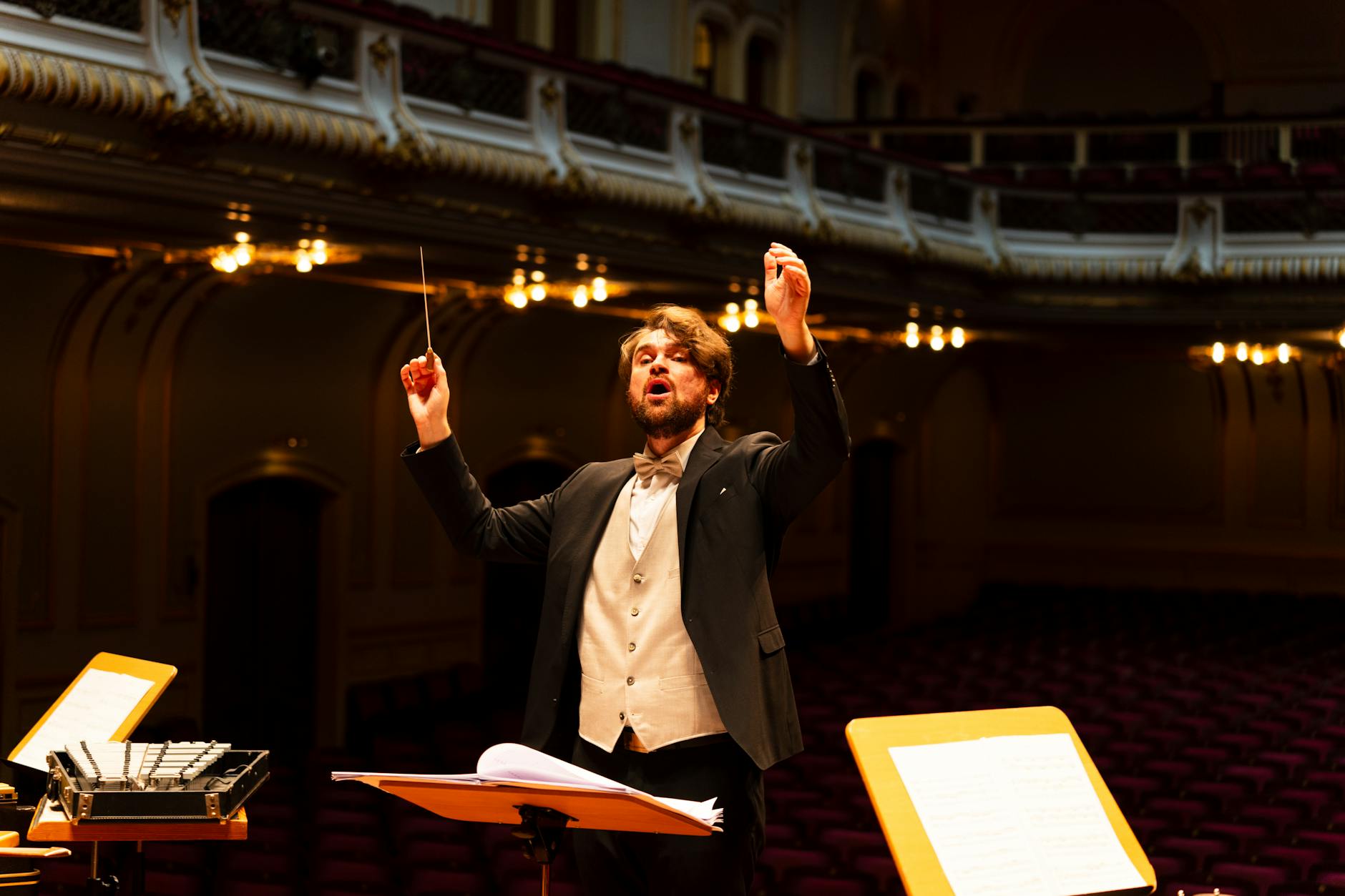
Photo by Jonas Baumann
- Why Vienna Is the Classical Music Capital
- The Two Great Concert Halls
- The Vienna Philharmonic: What You Need to Know
- The Other Resident Orchestras
- Where to Hear Strauss and Mozart (Properly)
- The Strauss New Year’s Day Concert — And Its Tourist Alternatives
- Operetta — Vienna’s Other Musical Tradition
- Where to Find Lieder, Chamber Music, and Smaller Concerts
- How to Choose: A Decision Tree
- How to Buy Tickets Without Getting Scammed
- Practical Logistics
- Common Mistakes
- FAQ
- Related Vienna Guides
This article contains advertising. Our booking links are routed through a partner that adds commission tracking automatically, so if you book through one we earn a commission from the provider, at no extra cost to you. It never affects what we recommend. Affiliate disclosure
Vienna’s classical music scene is unique because the city built the canon — Mozart, Beethoven, Schubert, Brahms, Mahler, Schoenberg, and Strauss all lived and worked here, and the institutions they founded are still the city’s musical core today. But the modern Vienna classical music market is also full of tourist traps: costumed Mozarts selling overpriced tickets, hotel concierges pushing kickback-paying ensembles, and palaces booked nightly for mediocre Mozart-Strauss mashups. This guide helps you navigate to the real thing — the Vienna Philharmonic, the Musikverein, the Konzerthaus, the Volksoper, the Schubert houses — while telling you exactly which “Vienna classical music concerts” advertised on the street to skip.
Why Vienna Is the Classical Music Capital
No other city in the world can claim such an unbroken chain of composer-residents: Haydn (employed by the Esterházys with regular Vienna travel), Mozart (last decade of his life), Beethoven (most of his career, all nine symphonies premiered), Schubert (born here, never left), Johann Strauss father and son (the entire Strauss dynasty), Brahms (35 years as a Vienna resident), Bruckner, Mahler (Court Opera director), Schoenberg, Berg, Webern (the Second Viennese School), and the Strauss family of waltz composers. Combine this heritage with three world-class orchestras (Vienna Philharmonic, Vienna Symphony, Tonkünstler), three professional opera houses, and two purpose-built concert halls of international standing, and you have a city where classical music isn’t a niche tourist activity but a working ecosystem with 350+ professional concerts every season.
For the wider arts context, see our Vienna culture and arts pillar guide.
The Two Great Concert Halls
The Musikverein
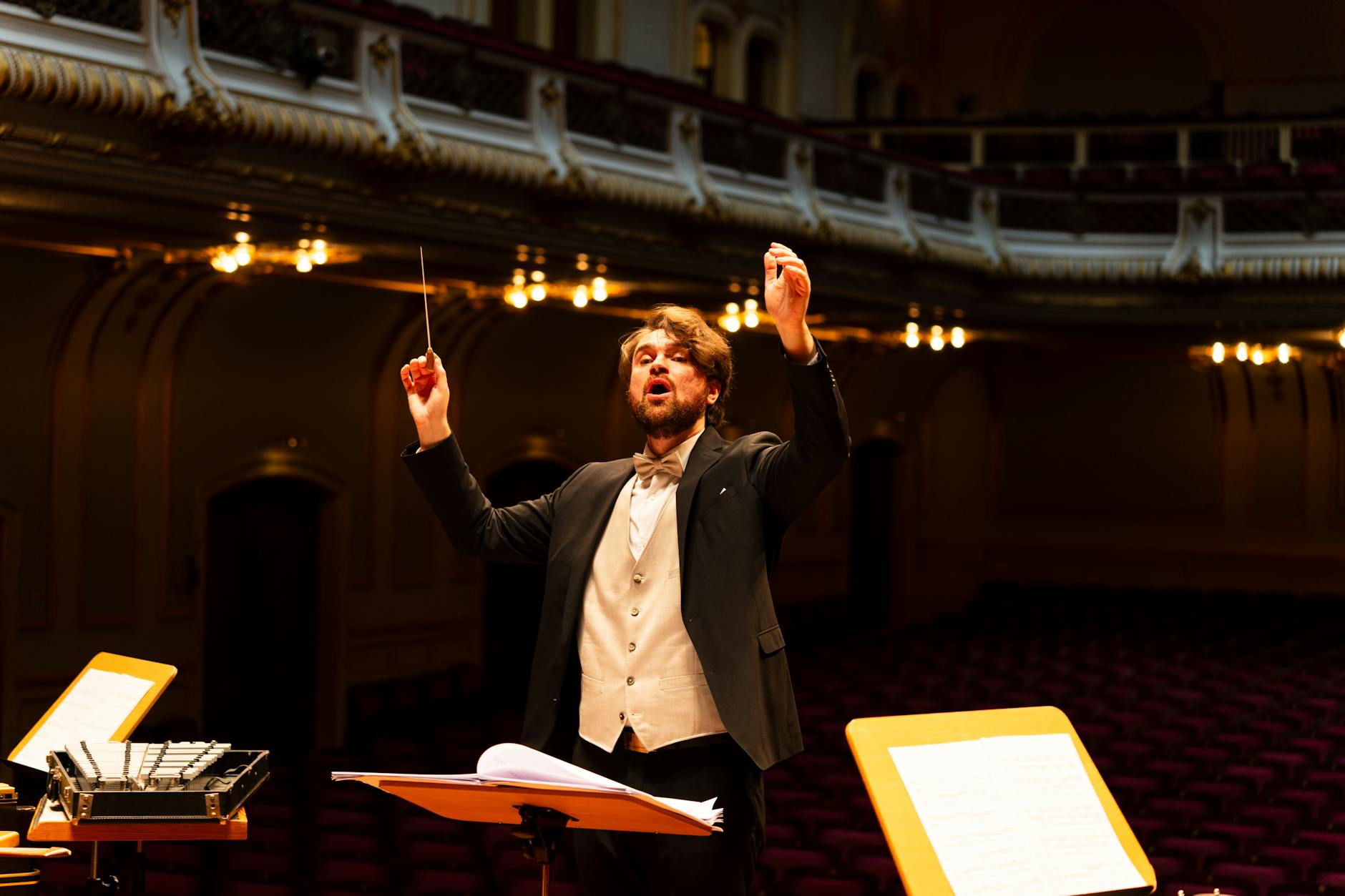
The Musikverein, opened in 1870 by Emperor Franz Joseph, is home to the Vienna Philharmonic and hosts the New Year’s Day Concert that’s broadcast to 90 countries every January 1st. The Golden Hall (Goldener Saal) is the centerpiece — a 1,744-seat rectangular hall with painted ceiling, gold caryatids, and an acoustic considered by recording engineers and musicians to be the finest in the world. Why is it so good? The hall is a “shoebox” shape (long, narrow, high) with diffusive ornamentation on every surface, the audience sits very close to the stage, and the wooden floor and walls resonate as a single instrument. Recordings made here sound different from recordings made anywhere else.
The Musikverein also contains four smaller halls used for chamber music, lieder recitals, and modern programs: the Brahms Hall (601 seats), Glass Hall, Metal Hall, and Stone Hall. See our dedicated Musikverein guide for full ticketing details.
The Konzerthaus
Built in 1913 in a stripped-back Jugendstil style, the Wiener Konzerthaus is the Musikverein’s larger, more programmatically adventurous neighbor. It houses three halls: the Grand Hall (1,840 seats, home of the Wiener Symphoniker), the Mozart Hall (704 seats, ideal for chamber and early music), and the Schubert Hall (336 seats). The Konzerthaus is where you’ll hear the most contemporary programming — Webern festivals, world premieres, jazz crossovers, and the city’s biggest visiting orchestras. The acoustic is excellent though less perfect than the Golden Hall. Konzerthausplatz, U4 Stadtpark.
The Vienna Philharmonic: What You Need to Know
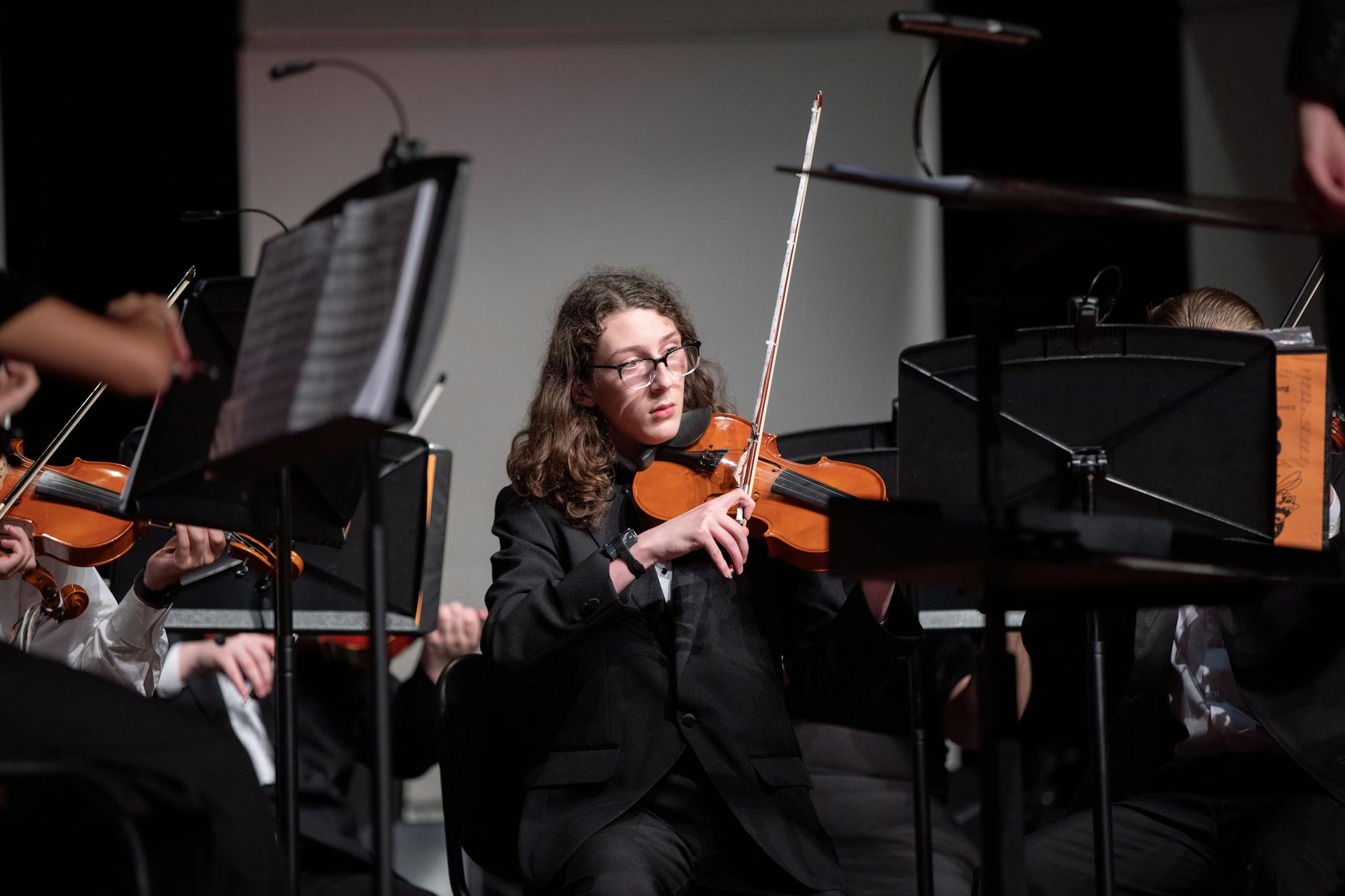
The Vienna Philharmonic is the world’s most prestigious orchestra and one of the hardest tickets in classical music. Founded in 1842 by members of the Court Opera orchestra (today’s Vienna State Opera Orchestra), the Philharmonic operates as a self-governing collective — every member of the Vienna State Opera orchestra can audition, and the Philharmonic chooses its own conductors and programs. The orchestra has no music director; instead, guest conductors lead each cycle.
The Philharmonic performs roughly 40 subscription concerts per season at the Musikverein, plus international tours, the New Year’s Day Concert, the Summer Night Concert (free, outdoor, in Schönbrunn’s gardens, around June 1), and the Salzburg Festival. Subscription tickets are passed within families across generations and almost never come up for sale. Realistic options for visitors:
- Single tickets: A handful are released roughly 3 weeks before each concert. Set a calendar reminder for the release date at wienerphilharmoniker.at.
- Returns and resales: Subscribers who can’t attend release tickets through the official Philharmonic site within days of the concert. Check daily in the week before.
- Schubert Festival concerts: The Philharmonic plays smaller chamber programs each spring at the Musikverein with more accessible ticket releases.
- Free Summer Night Concert: Last Thursday of May or early June — entirely free, picnic basket allowed, around 60,000 visitors a year on the Schönbrunn lawn. The orchestra plays a one-hour program from a pavilion in the gardens.
If you can’t get Philharmonic tickets, the Vienna State Opera orchestra is the Vienna Philharmonic playing opera — same musicians, same sound, far easier tickets. See our Vienna State Opera guide.
The Other Resident Orchestras
Wiener Symphoniker (Vienna Symphony)
Founded 1900, the Symphoniker is Vienna’s second professional orchestra and the Konzerthaus’s resident ensemble — though they also perform regularly at the Musikverein. Different repertoire focus from the Philharmonic: more 20th-century music, more contemporary, more visiting soloists. Tickets are significantly easier to obtain and prices range from €20–90.
Tonkünstler-Orchester Niederösterreich
Based in St. Pölten but performs a full Musikverein and Grafenegg series. Often features bigger-name conductors and soloists than the Symphoniker at slightly lower prices.
Wiener KammerOrchester
Chamber orchestra specializing in Mozart, Haydn, and early Beethoven. Frequent concerts at the Mozarthaus, Konzerthaus’s Mozart Saal, and the Liechtenstein Palace garden.
Where to Hear Strauss and Mozart (Properly)

Vienna’s tourist concert market is dominated by costumed-Mozart performers selling tickets to Strauss-and-Mozart programs in palace venues. Some are reputable; many are emphatically not. The honest tiers:
Tier 1: The Best Tourist-Oriented Mozart-Strauss Concerts
- Schönbrunn Palace Orchestra at the Orangerie: Performing at Schönbrunn since 1996. The Orangerie is the genuine venue where Mozart and Salieri held their 1786 musical contest. Around €55–95, with optional dinner.
- House of Strauss / Casino Zögernitz: Built 1837, where Johann Strauss father conducted. “Best of Strauss” and “Classics of Austria” programs. Higher-quality musicianship than the average tourist concert. €55–110.
- Wiener Mozart Orchester at the Konzerthaus or Musikverein: Generally a step up in quality, though prices reflect the venues (€65–160). Look for the period-costumed productions if you want the visual experience as well as the music.
Tier 2: The Schiff Mozart / Strauss Tier
Smaller venues like the Auersperg Palace, Künstlerhaus, Eschenbach Palace, and the Sala Terrena. These can be either lovely intimate concerts or thinly-staffed tourist productions; quality varies widely. Read reviews of the specific ensemble before booking. Expect €45–90.
Tier 3: Avoid
The costumed street sellers in front of the Opera and St. Stephen’s Cathedral routinely sell tickets to concerts that don’t match what’s advertised — venues smaller than promised, ensembles less experienced than promised, programs cut shorter than promised. If you must take a deal from a street seller, photograph their badge and the ticket office name; if it’s not on the printed ticket, walk away.
The Strauss New Year’s Day Concert — And Its Tourist Alternatives
The Vienna Philharmonic’s New Year’s Day concert at the Musikverein is a global broadcast event. Tickets are distributed by lottery the previous February for a small fraction of demand. Each year roughly 800,000 applications compete for 1,744 seats. Practical access for tourists is essentially zero.
However, the Philharmonic also performs preview concerts on December 30 (the same program with the rehearsal vibe) and December 31 (the live concert). Both go through the same lottery system but with slightly lower demand. Apply at wienerphilharmoniker.at the previous February.
If you can’t get the Philharmonic, the city offers strong alternatives:
- Vienna Symphony at the Konzerthaus, December 31: A full Strauss program with the city’s second-best orchestra. Tickets €60–160 and actually obtainable.
- Volksoper “Die Fledermaus” on December 31: Vienna’s traditional New Year’s Eve theater. Strauss’s operetta in the original setting. €25–100.
- Schönbrunn Palace Orchestra, late December: Multiple Strauss-Mozart programs in the Orangery and the Apothecary’s Garden.
Operetta — Vienna’s Other Musical Tradition
While Mozart and Strauss dominate the tourist market, operetta — lighter, comic musical theater with spoken dialogue — is Vienna’s other native musical art form. Lehár’s Die Lustige Witwe (The Merry Widow), Strauss’s Die Fledermaus, Kálmán’s Csardasfürstin, and dozens of lesser-known works fill the season at the Volksoper. Operetta has melody, spoken jokes, and dancing — it’s the most accessible musical theater Vienna offers and tickets start at €4–5 standing.
The Volksoper (Währinger Straße 78, U6 Volksoper) performs operetta four to five nights a week from September through June. The atmosphere is far less formal than the Staatsoper — t-shirts and casual dress are entirely normal.
Where to Find Lieder, Chamber Music, and Smaller Concerts
Vienna’s chamber music ecosystem extends far beyond the big halls:
- Brahms Saal at the Musikverein: The 601-seat secondary hall hosts lieder recitals (Schubert, Schumann, Wolf) and chamber concerts almost nightly. Less prestigious than the Golden Hall but often higher-quality intimate music.
- Mozart Saal at the Konzerthaus: The Konzerthaus’s chamber hall hosts the Wiener KammerOrchester, period-instrument groups, and contemporary ensembles.
- Schubert houses: The composer’s birthplace at Nußdorfer Straße 54 and his death house at Kettenbrückengasse 6 both host occasional chamber concerts in original Schubert-era settings.
- Liechtenstein Palace garden: Summer chamber concerts in the city’s most under-appreciated Baroque palace garden.
- Sala Terrena at the Deutschordens-Haus: The room where Mozart performed for the German Order in 1781. Now hosts Mozart programs in their original venue.
- Beethoven Pasqualati House: The composer’s apartment on Mölker Bastei hosts occasional chamber concerts amid the memorial museum displays.
How to Choose: A Decision Tree
If you have one classical-music night in Vienna:
- Want the absolute pinnacle: Try for a Vienna Philharmonic Musikverein concert. If unavailable, the Vienna State Opera orchestra (same musicians) at the Staatsoper. If sold out, a Vienna Symphony Konzerthaus night.
- Want Strauss waltzes and Mozart hits in tourist-friendly format: Schönbrunn Palace Orchestra at the Orangerie, or House of Strauss.
- Want operetta (light, comic, dancing): Volksoper, any night.
- Want chamber/lieder/Schubert intimacy: Brahms Saal of the Musikverein or Mozart Saal of the Konzerthaus.
- Want it free: Vienna Philharmonic Summer Night Concert (late May/early June) at Schönbrunn. Or summer Staatsoper outdoor screenings on the plaza.
How to Buy Tickets Without Getting Scammed
- Use the official venue site or known sellers. wiener-staatsoper.at, musikverein.at, konzerthaus.at, volksoper.at, wienerphilharmoniker.at. Each sells its own tickets directly.
- Ticket office aggregators like culturall.com, oeticket.com, and viennaticketing.com handle the smaller venues and ensembles. Markups are minimal.
- Avoid resale sites like ViaGoGo and StubHub for Vienna classical music. Often you’re paying 50%+ above face value for tickets that may not be valid.
- Skip the costumed street sellers entirely. They mark up by 20–80% on tickets that may not match the advertisement.
- Check the venue and the orchestra, not just the program title. “Mozart and Strauss concert” can mean anything from a world-class quartet to an under-rehearsed pickup group.
Practical Logistics
- Concert season: September through June. Limited summer programming in July/August (mostly festival circuit and Schönbrunn).
- Performance times: Most concerts start at 19:30; some at 20:00 or 19:00. Sunday matinées at 11:00.
- Dress code: Smart casual is universal for all venues; black tie only for galas. The Musikverein Golden Hall is the most formal; the Konzerthaus and Volksoper are noticeably more relaxed.
- Arrival time: 20–30 minutes before curtain. Latecomers must wait until the first appropriate break (often 15–20 minutes).
- Length: Most concerts 90–120 minutes including intermission. Wagner and full opera longer.
- Coat check: Mandatory at the Staatsoper, recommended elsewhere. €2–3.
- Photography: Foyers and before-concert only. Never during performance.
Common Mistakes
- Booking the first “Mozart concert” you see advertised — quality varies enormously.
- Buying from street sellers in costume — mark-ups are real and venues are often smaller than advertised.
- Confusing the Vienna Philharmonic (concert orchestra) with the Vienna State Opera Orchestra (opera pit) — same musicians, different repertoire access.
- Going to the Musikverein expecting English subtitles — concerts don’t have surtitles. Opera houses do.
- Underestimating distances — the Musikverein and Konzerthaus are 10 minutes apart; the Volksoper is in the 9th district.
- Showing up to a Brahms Saal recital expecting an orchestra — this is chamber music or solo recital territory.
FAQ
Where can I hear the Vienna Philharmonic?
The Vienna Philharmonic performs at the Musikverein’s Golden Hall, roughly 40 subscription concerts per season plus the New Year’s Day Concert and the free Summer Night Concert at Schönbrunn. The same musicians play opera at the Vienna State Opera as the Vienna State Opera orchestra — easier tickets, same sound.
Are Vienna classical music concerts at palaces worth it?
Quality varies widely. The Schönbrunn Palace Orchestra at the Orangerie, House of Strauss, and Wiener Mozart Orchester are reliable tourist-oriented productions. Many smaller palace concerts (Auersperg, Eschenbach, Sala Terrena) range from excellent to mediocre — check ensemble reviews before booking.
Are the costumed Mozart ticket sellers a scam?
Not strictly scams, but typically mark up tickets by 20–80% and may oversell venues smaller than advertised. Buy directly from the venue website or known aggregators (oeticket, culturall) instead.
What’s the cheapest way to hear classical music in Vienna?
Standing room at the Vienna State Opera starts at €13. Volksoper standing starts at €4–5. The free Summer Night Concert at Schönbrunn (late May/early June) is the world’s biggest free classical-music event. Brahms Saal lieder recitals start at €20.
Do I need to dress up for Vienna concerts?
Smart casual is the universal standard. The Musikverein and Staatsoper trend more formal (dark suit, cocktail dress); the Konzerthaus and Volksoper accept jeans and a nice shirt. Black tie is only for premieres and the Vienna Opera Ball.
When is the Vienna concert season?
September through June. Limited programming runs July and August at outdoor venues (Schönbrunn summer night, Staatsoper plaza streaming) and at the Salzburg Festival 90 minutes away by train.
Should I see opera or a classical concert in Vienna?
If you have one night, see opera at the Vienna State Opera — you get the same Vienna Philharmonic musicians in the pit plus singers, sets, costumes, and the building itself. If you have multiple nights, add the Musikverein for a pure concert experience.
Knowing what is on is half the problem; buying it without being overcharged is the other half. Our guide to Vienna tours and experiences covers the ticket-buying side in detail — official box offices versus resellers, what the costumed street sellers are really charging, and where the honest bargains sit.
Knowing what is on is one problem; buying it without paying five times the local price is another. Our guide to Vienna concert tickets sets out the real price bands venue by venue, how to read a listing that is deliberately vague about who is playing and where, and why standing room beats almost everything else on offer.
Before you buy a concert ticket, an hour with a baton in front of the Vienna Philharmonic is a surprisingly good education — and if you rush them, the first violin stops and says so. Our Haus der Musik and Mozarthaus guide has the floors, the prices and a blunt warning about the costumed sellers outside.