Vienna Wine Country: Best Day Trips to Local Wine Regions (2026)
Vienna wine regions day trip 2026. Gumpoldskirchen, Thermenregion, Carnuntum, Wachau wine country with vineyard walks and Heuriger taverns.


Photo by Heinz Reisenhofer
- Vienna’s surrounding wine regions: an overview
- The Thermenregion wine country
- Gumpoldskirchen: the classic Thermenregion village
- What is a Heuriger?
- What to drink in Austrian wine country
- Sample Thermenregion day trip itinerary
- The Carnuntum wine region
- The Wachau Valley wine experience
- The Weinviertel
- Guided wine tours from Vienna
- Combining wine country with other activities
- Buying wine to bring home
- Best time for Vienna wine country day trips
- Common Vienna wine country mistakes
- Vienna wine country with kids
- Sample 3-day Vienna wine itinerary
- Vienna’s own urban vineyards
- Vienna’s UNESCO-recognized Gemischter Satz
- Wine country safety tips
- Wine appreciation tips for the Heuriger
- Vienna wine festivals and events
- Vienna wine regions FAQ
- Related Vienna Guides
This article contains advertising. Our booking links are routed through a partner that adds commission tracking automatically, so if you book through one we earn a commission from the provider, at no extra cost to you. It never affects what we recommend. Affiliate disclosure
Vienna sits at the heart of one of Europe’s most under-celebrated wine regions, surrounded on three sides by Austrian vineyards growing distinctive Gruner Veltliner, Riesling, Zweigelt, and the rare Sankt Laurent red. While the Wachau Valley to the west gets most international attention, the wine regions immediately south of Vienna, including Gumpoldskirchen, the Thermenregion, and the Carnuntum, offer more accessible day trips with fewer tourists and equally interesting wines. This 2026 guide covers the four main wine areas reachable as Vienna day trips, recommended Heuriger taverns, what to drink, and how to plan a vineyard day without your own car.
Vienna’s surrounding wine regions: an overview
Four distinct Austrian wine regions surround Vienna and are accessible as day trips:
Thermenregion (south of Vienna): Including Gumpoldskirchen, Soos, Bad Voeslau, and surrounding villages. Sweet wines and white blends. 30-50 minutes by tram or car.
Carnuntum (east of Vienna): Including Goettlesbrunn, Hoeflein, Pottendorf. Red wines (Zweigelt, Sankt Laurent). 45 minutes by car or train.
Wachau Valley (west of Vienna): Including Krems, Spitz, Durnstein. World-class Gruner Veltliner and Riesling. 1.5-2 hours by train or boat.
Weinviertel (north of Vienna): Including Mailberg, Hadres, Retz. Vast wine country with traditional cellar tours. 1-2 hours by car or train.
For a day trip without your own car, the Thermenregion (Gumpoldskirchen and Bad Voeslau) is the easiest. For maximum wine variety, the Wachau or a guided multi-region tour is best.
The Thermenregion wine country
The Thermenregion takes its name from the thermal springs that run through this small but historic wine area south of Vienna. The region produces a distinctive blend of white wines (the so-called “Heurigenwein”) and red wines including the rare Sankt Laurent grape.
Major villages and their access from Vienna:
Gumpoldskirchen: 25 km south of Vienna. Reachable by Badner Bahn tram to Baden then short bus, or direct by car. The most famous Thermenregion wine village.
Bad Voeslau: 35 km south of Vienna. Reachable by OeBB train (15 minutes from Baden). Known for sweet Sankt Laurent wines.
Soos: 30 km south of Vienna. Smaller village with several family Heurigers.
Gumpoldskirchen: the classic Thermenregion village
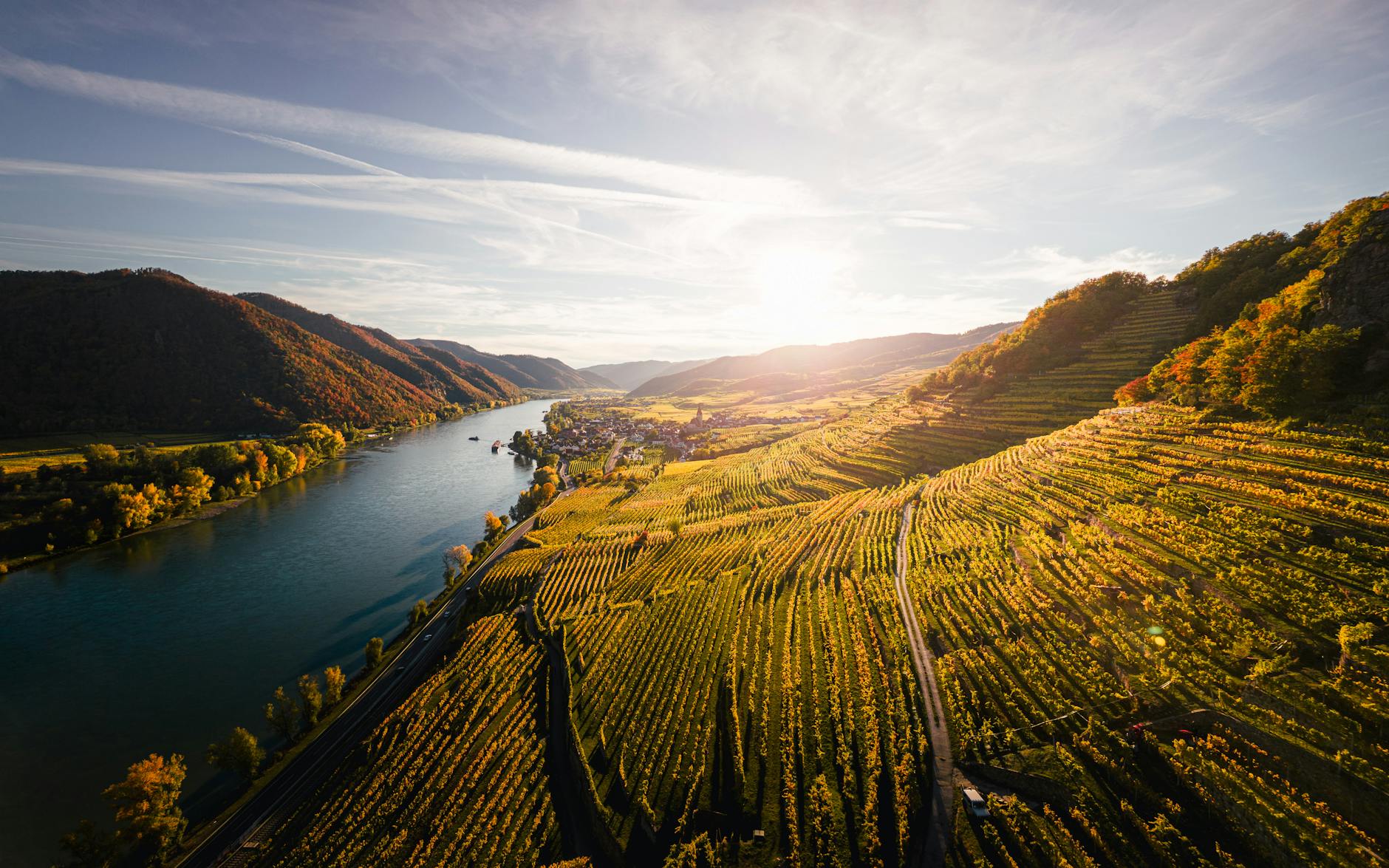
Gumpoldskirchen is a small village of about 4,000 residents with roughly 50 wine producers within a 5-kilometre radius. The village is dominated by sloping vineyards and a charming old core with several wine taverns.
Recommended Gumpoldskirchen Heurigers:
Schlossherrlich: Family-run with terrace seating and traditional cold buffet. 18-25 euros per person.
Heuriger Schreibmair: Famous for sweet wines and traditional Austrian dishes.
Weingut Stadlmann: Producer-owned tasting room with extensive selection.
Heuriger Wieninger: Modern atmosphere with great views.
The signature Gumpoldskirchen wine is the Spätrot Rotgipfler blend, a regional specialty unique to the Thermenregion. Try a flight of 5-6 wines for 12-18 euros to taste the range.
What is a Heuriger?
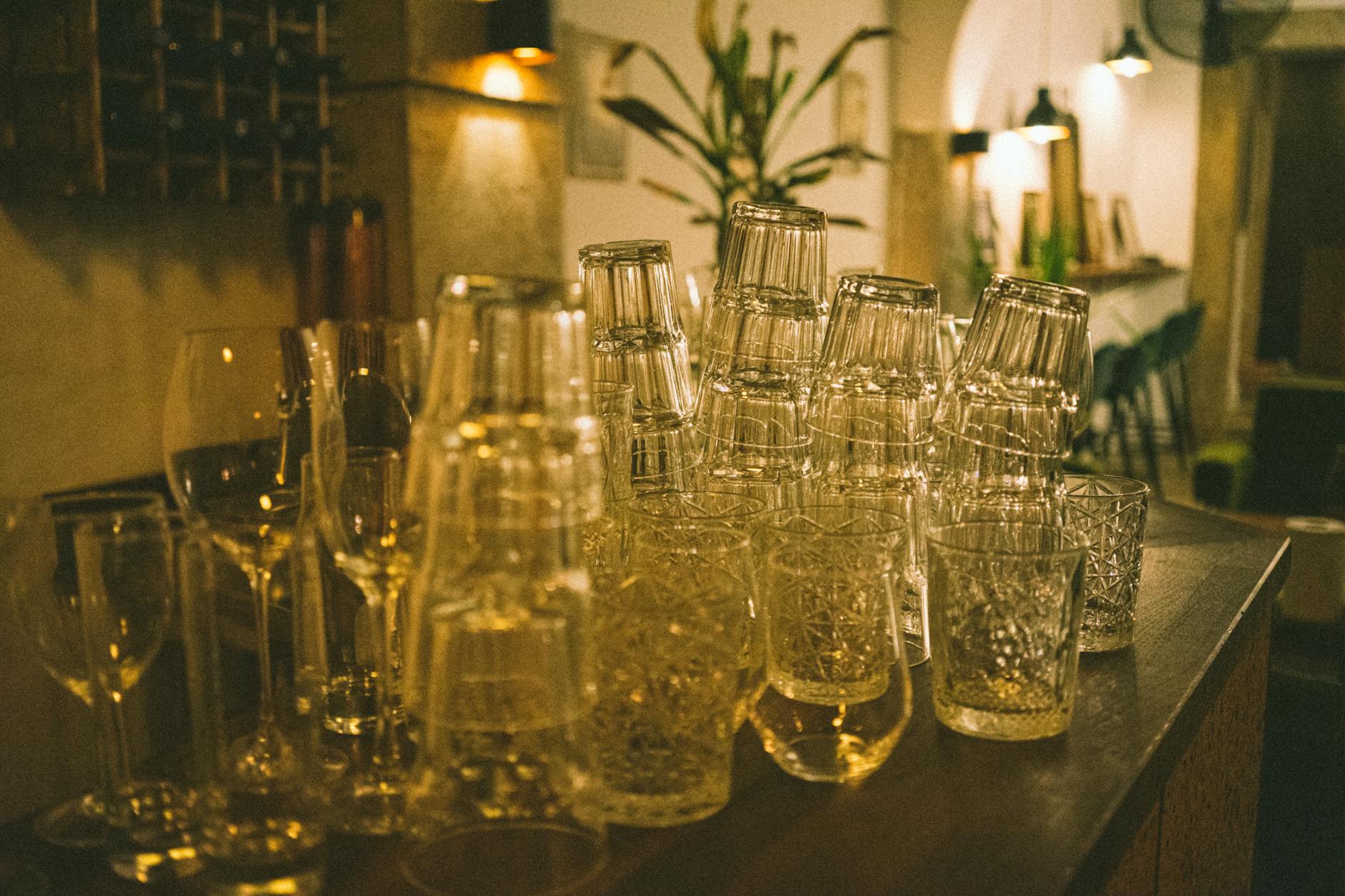
The Heuriger is a uniquely Austrian institution: a wine tavern where the producer serves their own wine, typically from the most recent vintage, alongside a self-service cold buffet of meats, cheeses, breads, and salads.
Heuriger traditions:
The Buschen sign: A pine branch hung over the doorway signals an open Heuriger. The sign is removed when the wine runs out.
House wine only: Heurigers serve only wines they produce themselves. No cocktails, no imported beer (though Austrian beer is sometimes available).
Cold buffet: Self-serve plates of cold meats (Speck, ham), cheese, smoked fish, pickled vegetables, bread, and salads. Pay by the gram or by plate.
Casual atmosphere: Shared tables, often outdoors in summer. Conversations between strangers are common.
Long hours: Many open from late afternoon until 11 p.m. or later.
A typical Heuriger meal for two costs 25-50 euros including 2-3 glasses of wine each. Significantly cheaper than restaurant equivalents.
What to drink in Austrian wine country
White wines
Gruner Veltliner: Austria’s signature white. Crisp, peppery, citrus-driven. Excellent with food.
Welschriesling: Light, fruity white. Heuriger staple.
Riesling: Especially in the Wachau, world-class Rieslings with elegant minerality.
Gemischter Satz: Vienna’s traditional field blend of multiple grape varieties grown together. UNESCO-recognized.
Rotgipfler and Zierfandler: Distinctive Thermenregion grapes producing rich, food-friendly whites.
Red wines
Zweigelt: Austria’s most planted red. Cherry-fruited, soft tannins, excellent with grilled meats.
Blaufrankisch: Bigger, more structured red. Particularly excellent from Burgenland.
Sankt Laurent: Rare, elegant red with character similar to Pinot Noir. The Thermenregion is one of the few places it’s still widely grown.
Pinot Noir (called Blauburgunder): Increasingly excellent in Austria.
Sweet and dessert wines
Beerenauslese and Trockenbeerenauslese (BA/TBA): Late-harvest sweet wines, primarily from Burgenland. World-class.
Eiswein: Ice wine, harvested from frozen grapes. Rare and expensive.
Sturm (autumn): Partially fermented young wine. Available September-October only. Like alcoholic grape juice.
Sample Thermenregion day trip itinerary
10:30 a.m.: Tram from Vienna Oper to Baden (Badner Bahn).
11:30 a.m.: Arrive Baden. Short walk or bus to Gumpoldskirchen (5 km).
12:00 p.m.: Begin walking tour of Gumpoldskirchen vineyards. The “Weinweg” walking path leads through vineyards with marked viewpoints.
1:30 p.m.: Lunch at Heuriger Schlossherrlich or similar. Order a wine flight and cold buffet plate.
3:00 p.m.: Visit a second producer for tasting. Try Weingut Stadlmann or Weingut Aumann.
4:30 p.m.: Walk back to Gumpoldskirchen center.
5:00 p.m.: Bus to Baden.
5:30 p.m.: Spa session at Roemertherme Baden if time, or stop for coffee.
7:00 p.m.: Badner Bahn back to Vienna.
8:00 p.m.: Arrive Vienna for dinner or evening.
This itinerary requires a designated non-drinking driver if going by car. Take the tram if both adults want to taste wine.
The Carnuntum wine region
The Carnuntum lies east of Vienna along the Danube, named for the Roman city of Carnuntum that once stood here. The area produces excellent Zweigelt, Sankt Laurent, and Blaufrankisch reds with international recognition.
Major villages: Goettlesbrunn, Hoeflein, Pottendorf, Bad Deutsch-Altenburg. Accessible by OeBB train (45 minutes from Vienna) or car (35-50 minutes).
Recommended Carnuntum producers:
Weingut Markowitsch: Top-tier modern winery with tasting room.
Weingut Glatzer: Highly rated reds with distinctive character.
Weingut Pittnauer: Biodynamic with cult following.
Weingut Muhr-van der Niepoort: International joint venture producing exceptional wines.
The Carnuntum is perfect for red wine enthusiasts. Many producers offer guided cellar tours plus tasting for 25-50 euros per person.
The Wachau Valley wine experience
The Wachau is internationally famous for its terraced Gruner Veltliner and Riesling vineyards along the Danube. Major villages: Spitz, Weissenkirchen, Durnstein, Krems.
The Wachau day trip is more involved than the Thermenregion, taking 90-120 minutes each way from Vienna. The classic combination is train to Melk, Melk Abbey tour, Danube boat downstream stopping at Durnstein, train back from Krems.
For a Wachau-focused day, see our complete Wachau Valley day trip guide.
Recommended Wachau producers for guided tastings:
Weingut Knoll (Unterloiben): Cult Riesling and Gruner Veltliner.
Weingut Hirtzberger (Spitz): Family operation, world-class wines.
Domaene Wachau (Durnstein): Large cooperative, accessible tasting room.
Weingut Pichler (Loiben): Multiple Pichler family producers, all excellent.
Nikolaihof (Mautern): Biodynamic pioneer.
The Weinviertel
The Weinviertel (literally “wine quarter”) is Austria’s largest wine-growing area, stretching from north of Vienna to the Czech border. Less famous than the Wachau but quietly producing excellent Gruner Veltliner and traditional Austrian whites.
Major villages for day trips: Mailberg, Hadres, Retz. By train from Vienna (1-1.5 hours) plus often a short bus or taxi to village.
The Weinviertel is famous for its “Kellergassen” (cellar lanes) where lines of small wine cellars line traditional village streets. Hadres has the longest Kellergasse in Austria with over 200 cellars.
The Retz Wine Festival in autumn (late August) is a popular day-trip destination during peak season.
Guided wine tours from Vienna
Multiple operators run guided Vienna wine day tours, typically 80-180 euros per person including transport, tastings at 2-3 wineries, and lunch.
Specialty operators:
Vienna Explorer Tours: Small-group wine experiences.
Pannonia Tourist Service: Half-day and full-day tours.
GetYourGuide and Viator: Multiple operators with reviews.
Tours are practical because they include transport (no driving required), curated winery selections, and lunch logistics. Independent self-organized trips are cheaper but require more planning.
Combining wine country with other activities
Wine country day trips combine well with:
Spa visits: Baden’s Roemertherme spa is 5 km from Gumpoldskirchen.
Heuriger meal: Long lunch becomes part of the day, not a separate event.
Vineyard walking: Most regions have marked walking trails through vineyards.
Castle visits: Burg Liechtenstein near Modling is en route to Gumpoldskirchen.
Roman ruins: Carnuntum has excellent Roman archaeological park.
Buying wine to bring home
Wine country wineries sell wine direct, typically at lower prices than Vienna shops. Most wineries ship within Austria; international shipping varies by country.
For carry-on luggage: most flights allow 2 liters of wine in carry-on within Europe. For international flights, check luggage of 1-2 bottles is permitted by most carriers.
Recommended wineries for purchase: any of the producers mentioned above. Buying direct from the winery often allows tasting before purchase, ensuring you’re getting wines you actually like.
Best time for Vienna wine country day trips
April-May: Vines beginning to leaf out. Mild weather. Outdoor terraces opening.
June-August: Peak vineyard season. Heurigers in full swing. Long evenings perfect for outdoor wine drinking.
September-October: Harvest season (Weinlese). New Sturm wine appears. Vineyards turn golden.
November-March: Off-season. Many Heurigers closed. Indoor tasting rooms still operate at major wineries.
Late September through mid-October is the sweet spot: beautiful weather, harvest atmosphere, Sturm available, fewer tourists than summer.
Common Vienna wine country mistakes
Mistake 1: Driving and drinking. If wine tasting is the goal, take the tram or hire a designated driver. Austrian police enforce DUI strictly, especially in wine country.
Mistake 2: Visiting only Wachau. The Thermenregion is closer and equally interesting. Mix it up.
Mistake 3: Skipping the cold buffet at Heurigers. The food is part of the experience and pairs the wines properly.
Mistake 4: Ordering only sweet wines. Austrian dry whites are world-class. Don’t miss them.
Mistake 5: Drinking too fast. Heurigers are meant for slow, all-evening conversations. Pace yourself.
Mistake 6: Visiting in winter expecting Heurigers open. Many Heurigers close November-March. Check ahead.
Vienna wine country with kids
Many Heurigers welcome families with children. Most offer non-alcoholic options (apple cider, juice) for kids. The cold buffet has options children enjoy. Outdoor seating provides space for running.
Children under 16 cannot legally consume wine in Austria; offer juice or fruit drinks instead. The atmosphere is generally relaxed, so brief child noise is tolerated.
Sample 3-day Vienna wine itinerary
For wine-obsessed travelers, a 3-day itinerary that covers multiple regions:
Day 1: Thermenregion. Tram to Baden, taxi or bus to Gumpoldskirchen. Vineyard walking, lunch at Heuriger Schlossherrlich, tasting at Weingut Stadlmann. Return via Baden spa stop.
Day 2: Wachau Valley. Train to Melk, Melk Abbey tour, Danube boat to Durnstein. Wine tasting at Domaene Wachau or hike to castle ruins. Boat or train continuing to Krems. Visit Caricature Museum or Kunsthalle. Train back to Vienna.
Day 3: Carnuntum. Train to Carnuntum area. Visit Weingut Markowitsch or Glatzer for cellar tour and tasting. Roman archaeology park in Petronell-Carnuntum. Lunch at vineyard restaurant. Return to Vienna.
Total estimated cost for two: 350-550 euros including transport, lunches, tastings, and one nice dinner.
Vienna’s own urban vineyards
Often overlooked: Vienna itself has nearly 700 hectares of vineyards within its city limits, making it the only major European capital with significant wine production. Most are in the 19th district (Doebling) and 21st district (Floridsdorf).
The Vienna-grown wine specialty is Gemischter Satz, a UNESCO-recognized traditional field blend grown in multiple grape varieties together. Heurigers in Grinzing, Nussdorf, and Stammersdorf serve the wines directly from local producers.
For visitors who can’t reach the regional wine country, Vienna’s own Heurigers in the 19th district provide an authentic wine experience accessible by U-Bahn and tram.
Vienna’s UNESCO-recognized Gemischter Satz
One of Vienna’s wine heritage achievements is the international recognition of the Gemischter Satz – a traditional field blend where multiple grape varieties are planted, harvested, and fermented together in the same vineyard.
The technique creates distinctive wines that change character year to year as different varieties dominate. Vienna’s Gemischter Satz was recognized by UNESCO in 2013 as part of the city’s intangible cultural heritage.
Where to taste Vienna Gemischter Satz:
Heuriger Zimmermann (Grinzing): Family producer with excellent Gemischter Satz.
Mayer am Pfarrplatz (Heiligenstadt): Beethoven-connected Heuriger with famous Gemischter Satz.
Weingut Wieninger (Stammersdorf): Premium producer with international distribution.
Wine country safety tips
A few safety considerations for wine country days:
If driving, designate a non-drinking driver. Austrian police enforce DUI strictly.
If walking vineyard trails, wear good shoes (paths can be uneven).
Bring water in summer; trails can be hot.
Sun protection (vineyards have minimal shade).
Cash for smaller Heurigers (though most accept cards now).
Don’t drink and cycle, even though cycling is encouraged.
Wine appreciation tips for the Heuriger
If you’re new to Austrian wines, a few orientation tips for the Heuriger:
Order Gemischter Satz: This Vienna specialty is a unique tasting experience not available elsewhere.
Try a flight (Verkostung): Many Heurigers offer 5-6 small pours of different wines for 10-15 euros. Better than committing to a full bottle of an unknown.
Drink white before red: Austrian whites are the strength. Don’t dismiss them.
Match with food: The cold buffet pairs naturally with Austrian wines. Smoked Speck loves a crisp Gruener; cheese loves Riesling.
Don’t be intimidated: Heurigers are casual. Ask questions; producers love to talk about their wines.
Vienna wine festivals and events
Several wine festivals across Vienna and Lower Austria offer concentrated tasting experiences:
Wein and Co Wine Festival (Vienna, June): Wide selection of Austrian wines in central Vienna venues.
Vienna Wine Hiking Day (September): Walking tours of Vienna’s own urban vineyards with tastings at every stop.
Retzer Land Wine Festival (Weinviertel, late August): Largest wine festival in the Weinviertel.
Wachau Marillenfest (April): Apricot blossom festival with wine and food.
Vienna wine regions FAQ
Which Vienna wine region is best for day trips? Thermenregion (Gumpoldskirchen) for ease; Wachau for famous wines; Carnuntum for reds.
Can I do wine country without a car? Yes, especially the Thermenregion (Badner Bahn tram) and Wachau (train + boat).
Do I need to book Heurigers ahead? Walk-in usually works at most. Reserve at famous producers for guaranteed seats on summer weekends.
What does a Heuriger meal cost? 25-50 euros per person for a full meal with 2-3 glasses of wine.
Can I taste wines without buying? Most Heurigers serve by-the-glass and don’t require purchase. At producer tasting rooms, expect a 10-25 euro tasting fee that may be waived with purchase.
Are tastings in English? Major producers and Heurigers welcome English-speaking visitors. Smaller family Heurigers may have less English.
How much wine can I bring back? Within EU, carry-on allows 2 liters; checked luggage essentially unlimited. International varies.
Which Vienna wine is best? Depends on style preference. Wachau Gruner Veltliner is most internationally celebrated; Carnuntum Zweigelt is excellent red value; Thermenregion blends are unique.
Vienna’s surrounding wine regions are one of Austria’s best-kept secrets. Whether you do a self-organized Heuriger day in Gumpoldskirchen, a guided multi-region tour, or extend your Wachau day trip with wine focus, the wine country offers cultural experiences distinct from anything in Vienna itself. The vineyards, the producers, the Heuriger atmosphere, and the wines themselves justify a full day. Combine with our complete day trips from Vienna and Vienna food guide guides for full planning.