101 Best Things to Do in Vienna: The Definitive Guide (2026)
The definitive list of 101 things to do in Vienna — from Schönbrunn Palace and standing-room opera to hidden gems, vineyard hikes, and late-night Käsekrainer. Includes current 2026 prices and insider tips.
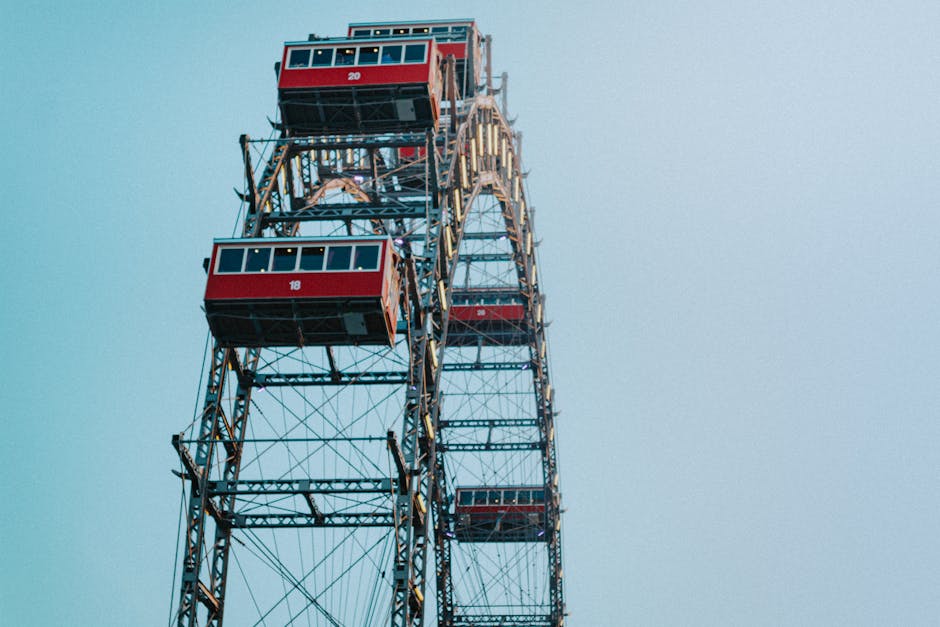
The Riesenrad at Prater — one of 101 unforgettable things to do in Vienna. Photo by Daniel Żabiński.
- Imperial Palaces and Residences (1–10)
- World-Class Museums and Galleries (11–25)
- Historic Churches, Cathedrals and Spiritual Sites (26–33)
- Viennese Food, Coffee, and Culinary Culture (34–48)
- Music, Opera, and Performing Arts (49–58)
- Quirky, Unique, and Unforgettable Experiences (59–70)
- Parks, Outdoors, and Active Vienna (71–82)
- Nightlife, Entertainment, and Modern Vienna (83–91)
- Seasonal Experiences and Markets (92–97)
- Day Trips and Excursions (98–101)
- Frequently Asked Questions
- Plan Your Vienna Adventure
- Related Vienna Guides
This article contains advertising. Our booking links are routed through a partner that adds commission tracking automatically, so if you book through one we earn a commission from the provider, at no extra cost to you. It never affects what we recommend. Affiliate disclosure
This things to do in Vienna guide is the most comprehensive you’ll find anywhere — 101 experiences covering everything from imperial palaces and world-class museums to hidden underground tours, vineyard hikes above the city, and standing-room opera tickets that cost less than a coffee. Vienna has been ranked the world’s most livable city for good reason, and these 101 activities showcase exactly why.
We’ve organized this guide into logical categories so you can quickly find what interests you most. Whether you’re visiting for a long weekend or a full week, traveling on a backpacker’s budget or seeking luxury experiences, there’s something here for every type of traveler. Current 2026 prices and practical details are included throughout.
Imperial Palaces and Residences (1–10)
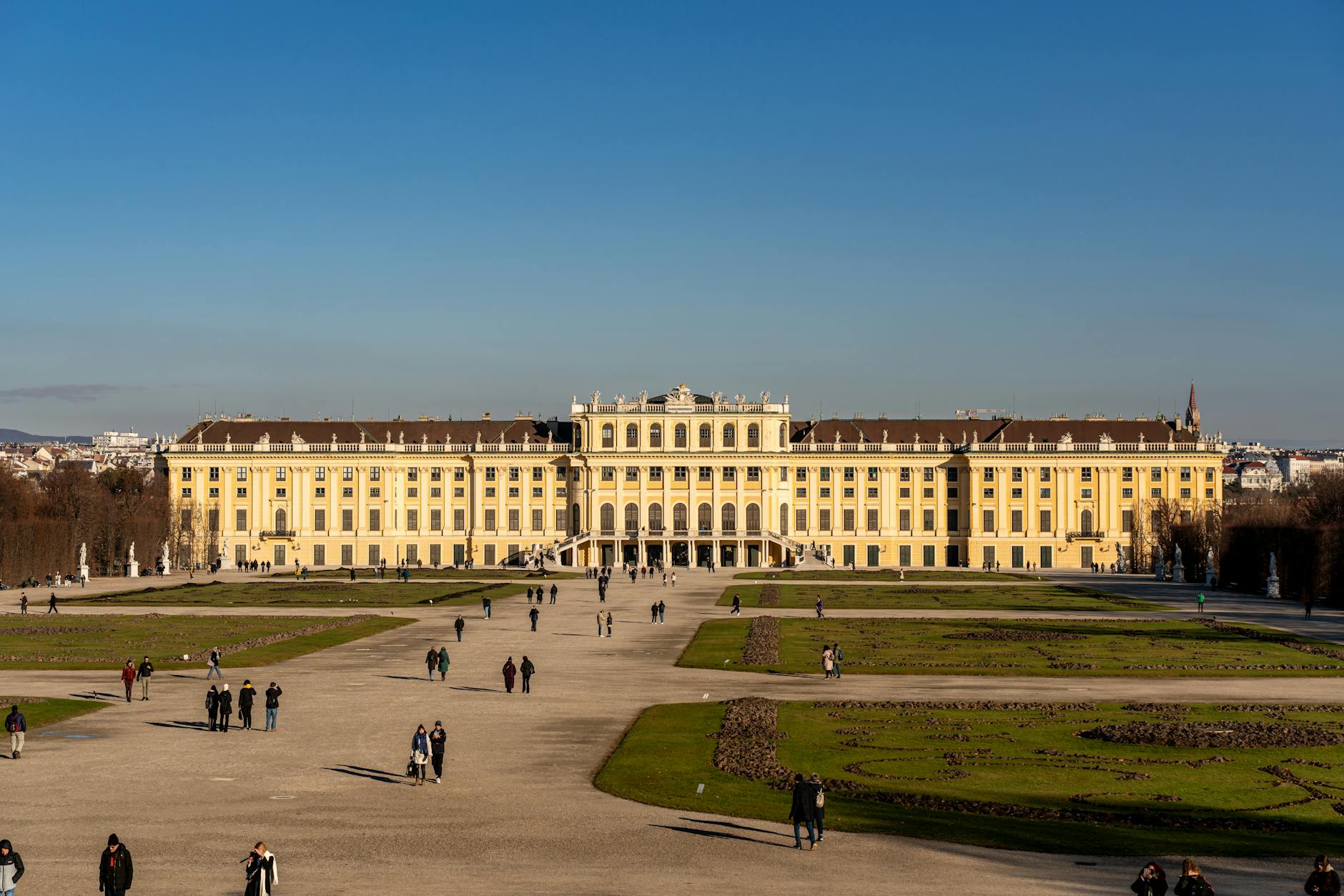
1. Tour Schönbrunn Palace. Vienna’s most-visited attraction was the Habsburgs’ summer residence, with 1,441 rooms. The Imperial Tour covers 22 rooms (approximately €28), while the Grand Tour takes you through 40 rooms (approximately €38). The Sisi Ticket (approximately €43) bundles Schönbrunn with the Hofburg and Imperial Furniture Collection — easily the best value. Arrive before 9:30 AM to beat the crowds. The palace gardens are free and stunning in every season.
2. Explore the Hofburg Imperial Palace. For over 600 years the seat of Habsburg power, this sprawling complex in central Vienna could consume an entire day. The Imperial Apartments and Sisi Museum (approximately €17.50, free under 19) offer an intimate look at how Emperor Franz Joseph and Empress Elisabeth lived. Don’t miss the Imperial Silver Collection, included in the same ticket, with its astonishing tableware displays.
3. See Klimt’s “The Kiss” at the Belvedere. The Upper Belvedere (approximately €17) houses one of Austria’s most important art collections, including Gustav Klimt’s world-famous masterpiece. The Baroque palace itself, built for Prince Eugene of Savoy, is equally impressive. The gardens between the Upper and Lower Belvedere are free and offer one of Vienna’s most photographed views.
4. Visit the Imperial Treasury (Schatzkammer). Hidden inside the Hofburg, the Treasury (approximately €16) holds some of Europe’s most extraordinary artifacts: the Imperial Crown of the Holy Roman Empire, a 2,680-carat Colombian emerald, and the Holy Lance said to have pierced Christ’s side. Often overlooked by visitors who focus on the Apartments, this is one of Vienna’s most awe-inspiring collections.
5. Wander Schönbrunn’s gardens and climb to the Gloriette. The palace gardens are free to enter from 6:30 AM daily. Walk through perfectly manicured parterre gardens, the privy garden, and up the hillside to the Gloriette — a triumphal arch-style structure offering panoramic views over the palace and Vienna’s skyline. The Maze and Labyrinth (included in garden tickets, approximately €8) is especially fun with children.
6. Watch the Lipizzaner stallions at the Spanish Riding School. The world’s oldest riding school has been training these elegant white horses since the 16th century. Morning training sessions (approximately €17, Tuesday–Saturday 10–11 AM) are the most accessible option. Full performances range from €17–€20. The Winter Riding Hall, built in 1735, is breathtaking. Book 2–3 months ahead for weekend performances.
7. Explore the Imperial Furniture Collection. This underrated museum (included in the Sisi Ticket or approximately €12 individually) houses 165,000 objects documenting how the Habsburgs furnished their palaces over centuries. From ornate Baroque pieces to Empress Sisi’s personal furniture, it’s a fascinating window into imperial daily life that most tourists miss entirely.
8. Tour the Liechtenstein Garden Palace. This lesser-known Baroque palace houses one of the world’s most important private art collections, including major works by Rubens, Van Dyck, and Raphael. The palace itself features magnificent frescoes and the famous Hercules Hall. Available primarily through guided tours — check current schedules.
9. Visit the Albertina Palace. This former Habsburg residential palace (approximately €19.90, free under 19) houses one of the world’s most important graphic art collections with masterworks by Dürer, Monet, and Picasso. The Batliner Collection of modern art is outstanding, and the beautifully restored Habsburg State Rooms are included with admission.
10. Discover the Augarten Palace and Baroque Gardens. Vienna’s oldest Baroque garden (free entry) dates back over 300 years. The grounds include the Vienna Porcelain Manufactory, which offers fascinating guided tours (approximately €19–€21, advance booking required). The formal gardens with their clipped hedges and fountains offer a peaceful escape from the city center.
World-Class Museums and Galleries (11–25)
11. Spend a morning at the Kunsthistorisches Museum. One of the world’s great art museums (approximately €23, free under 19), the KHM houses masterpieces by Bruegel, Vermeer, Raphael, Caravaggio, and Velázquez. The Egyptian Collection and Kunstkammer (Chamber of Art and Wonders) are equally compelling. Don’t miss the ornate café under the dome. Plan 3–4 hours minimum. Thursdays open until 9 PM.
12. Explore the Natural History Museum. Directly facing the KHM across Maria-Theresien-Platz, this equally grand building (approximately €14, free under 18) houses everything from dinosaur skeletons to the 25,000-year-old Venus of Willendorf. The Dinosaur Hall and the planetarium are highlights. An annual pass (€44) is excellent value for repeat visitors.
13. See Schiele’s masterworks at the Leopold Museum. The Leopold (approximately €14–€19, free under 19) houses the world’s largest collection of Egon Schiele paintings alongside Klimt and other Austrian Expressionists. The building itself, with its white limestone shell, is a landmark of the MuseumsQuartier. A combo ticket with MUMOK and Kunsthalle Wien (€25, valid 3 days) is good value.
14. Experience contemporary art at MUMOK. The Museum of Modern Art (approximately €18, free under 19, free first Sunday monthly) covers 20th and 21st-century art from Warhol and Picasso to contemporary installations. The dark basalt exterior is as striking as the 10,000+ works inside. Combined with the Leopold, you can see the best of Austrian classical and modern art in a single afternoon.
15. Visit the Secession Building and Klimt’s Beethoven Frieze. This iconic Art Nouveau pavilion (approximately €9–€10, free under 19), topped by its famous golden “cabbage” dome, was built in 1898 as an exhibition space for avant-garde artists. Klimt’s monumental Beethoven Frieze in the basement is the star attraction — a masterpiece of Jugendstil art. Allow 45 minutes to an hour.
16. Explore the Wien Museum for free. Reopened after a major renovation, the Wien Museum at Karlsplatz tells Vienna’s story from Roman origins to the present. The permanent collection is completely free. With outstanding Klimt and Schiele works, Roman artifacts, and an excellent overview of the city’s architectural evolution, this is one of Vienna’s best-value cultural experiences.
17. Get hands-on at the Haus der Musik. This interactive sound museum (approximately €16) spread over five floors makes music history approachable and genuinely fun. You can conduct a virtual Vienna Philharmonic (the orchestra “responds” to your tempo), explore the physics of sound, and learn about Vienna’s greatest composers through multimedia exhibits. Excellent for families.
18. Visit Mozart’s apartment at the Mozarthaus Vienna. The composer’s only surviving Viennese residence (approximately €14) is where he wrote “The Marriage of Figaro.” Three floors of exhibits cover his Vienna years, his music, and his daily life. The building is atmospheric and the audio guide is well-produced.
19. Discover the MAK — Museum of Applied Arts. One of Vienna’s most underrated museums (approximately €19, free under 19, free on Tuesdays 6–9 PM), the MAK covers applied art, design, and architecture from the Middle Ages to the present. The Wiener Werkstätte and Jugendstil collections are outstanding. Each gallery was redesigned by a different contemporary artist, making the exhibition design as remarkable as the objects.
20. Be amazed at the Josephinum — Medical History Museum. Reopened in 2022 after a four-year renovation, this museum houses 1,200 anatomical wax models commissioned by Emperor Joseph II from Florence in the 1780s. Displayed in their original rosewood cases with Venetian glass, these remarkably detailed models were cutting-edge medical education tools. Fascinating and beautifully presented.
21. Explore street art along the Donaukanal. Vienna’s Danube Canal has become one of Europe’s largest open-air galleries, with constantly evolving murals stretching for kilometers. Walk the path between Schwedenplatz and Friedensbrücke for the densest concentration. The annual Calle Libre street art festival (Central Europe’s largest) adds major new works each summer. Completely free.
22. Browse contemporary galleries in Neubau (7th District). Vienna’s most creative district is packed with independent galleries, design studios, and artist-run spaces. Key stops include Galerie Krinzinger on Seilerstätte, Burggasse 21, and the studios along Kirchengasse. Combine with vintage shopping and third-wave coffee for a full afternoon.
23. Visit the Belvedere 21 for contemporary Austrian art. This sleek modernist building (approximately €10, free under 19) near the main Belvedere complex showcases cutting-edge contemporary art. The rotating exhibitions are consistently excellent, and the building itself — with its transparent, light-filled spaces — is architecturally striking.
24. See the world at the Globe Museum. Housed in the beautiful Palais Mollard near the Hofburg, this unique museum displays 240 original Earth, celestial, lunar, and Mars globes alongside interactive mapping displays. You can compare historical globe accuracy with modern satellite data. A genuinely unusual museum experience that takes about an hour.
25. Explore crime history at the Kriminalmuseum. Housed in one of Vienna’s oldest surviving buildings in Leopoldstadt (rebuilt in 1685 after the Turkish siege), this macabre museum documents historical crimes from the Middle Ages to the present. The collection includes evidence from famous Austrian criminal cases and connections to Interpol history.
Historic Churches, Cathedrals and Spiritual Sites (26–33)
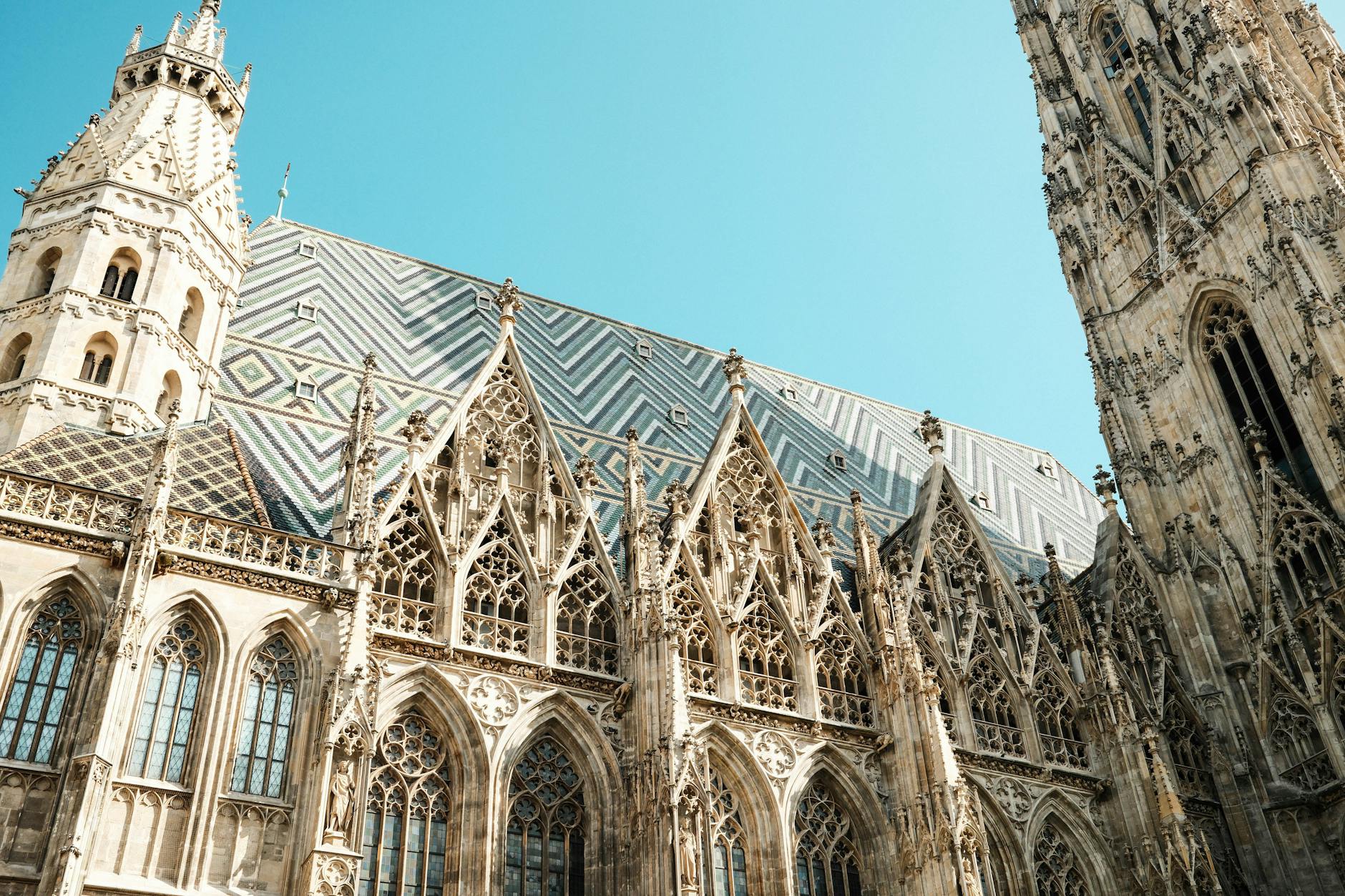
26. Climb St. Stephen’s Cathedral’s South Tower. Vienna’s most iconic landmark (free to enter the nave) rewards those who climb all 343 steps of the South Tower (approximately €7) with the best panoramic views in the city. The catacombs tour (approximately €7, half-hourly) takes you beneath the cathedral to see Habsburg burial vaults and a bone house. The All-Inclusive ticket (approximately €25) covers both towers, catacombs, and treasury.
27. Ride the panorama elevator at Karlskirche. This magnificent Baroque church (approximately €8, free under 10) offers something unique: a panorama lift that takes you 32 meters up inside the dome to examine Johann Michael Rottmayr’s stunning ceiling frescoes at close range. The reflecting pool in front provides one of Vienna’s most photographed compositions.
28. Experience the Kapuzinergruft (Imperial Crypt). Beneath the modest Capuchin Church lies the final resting place of 149 Habsburgs, including Empress Maria Theresa and Emperor Franz Joseph. The elaborate sarcophagi — particularly the stunning double sarcophagus of Maria Theresa and Francis I — are works of art in themselves. A poignant and atmospheric experience.
29. Admire the frescoes at the Jesuit Church. Andrea Pozzo’s illusionistic ceiling in the Jesuitenkirche (free entry) is one of the most astonishing examples of trompe l’oeil painting in Europe. The flat ceiling appears to soar into an impossibly high dome. Stand on the disc in the floor for the perfect viewing angle. An absolute hidden gem near the University.
30. Visit the Peterskirche for a free concert. This intimate Baroque church on Petersplatz (free, donations welcome) hosts regular classical music concerts and organ recitals. The richly decorated interior with its domed ceiling is stunning. Even without a concert, it’s one of Vienna’s most beautiful churches and receives a fraction of Stephansdom’s visitors.
31. Discover Otto Wagner’s Steinhof Church. This Art Nouveau masterpiece (approximately €5, free first Sunday monthly) in the 14th District is considered the world’s first modernist church. Built 1904–1907, its turquoise and gold dome, white interior, and Koloman Moser windows are breathtaking. Worth the trip to the outskirts of the city. Open March–October.
32. See the Light of Creation at the Votivkirche. This neo-Gothic church near the University offers an immersive light show (approximately €17–€27) that transforms the interior into a kaleidoscope of projected imagery. The church itself (free) is one of Vienna’s most impressive Gothic Revival buildings. The museum section (approximately €8.50) is also worth a visit.
33. Explore the Michaelerkirche and its crypt. Opposite the Hofburg, St. Michael’s Church features a fascinating crypt where naturally mummified remains from the 17th and 18th centuries are preserved in their original coffins. The guided crypt tour is genuinely eerie and historically compelling — not for the faint-hearted, but unforgettable.
Viennese Food, Coffee, and Culinary Culture (34–48)
34. Try the definitive Wiener Schnitzel. Vienna’s signature dish — veal pounded thin, breaded, and fried to golden, ruffled perfection. Figlmüller on Wollzeile (since 1905) serves plate-overhanging schnitzels that are legendary. For a less touristy alternative, try Plachutta Gasthaus or Gasthaus Pöschl. Always order vom Kalb (veal) for the authentic version.
35. Eat Tafelspitz at Plachutta. Emperor Franz Joseph’s favorite dish — prime boiled beef served in its aromatic broth with apple-horseradish and chive cream sauces. Plachutta on Wollzeile has built its entire reputation around this dish, offering 10 different cuts. Arrive hungry — the portions are generous.
36. Settle the Sachertorte debate. Visit both Hotel Sacher (the “Original”) and Demel (the “Eduard Sacher”) to taste their competing versions of the world’s most famous chocolate cake. Dense chocolate sponge, apricot jam layer, and dark chocolate glaze. Hotel Sacher’s café is more formal; Demel’s pastry counter is a spectacle in itself.
37. Linger in a traditional Viennese coffee house. Viennese coffee house culture is UNESCO Intangible Cultural Heritage. Order a Melange (Vienna’s cappuccino), settle in with the newspapers on their wooden holders, and embrace the fact that no one will rush you. Café Central, Café Hawelka, Café Sperl, Café Prückel, and Demel each offer distinct atmospheres worth experiencing.
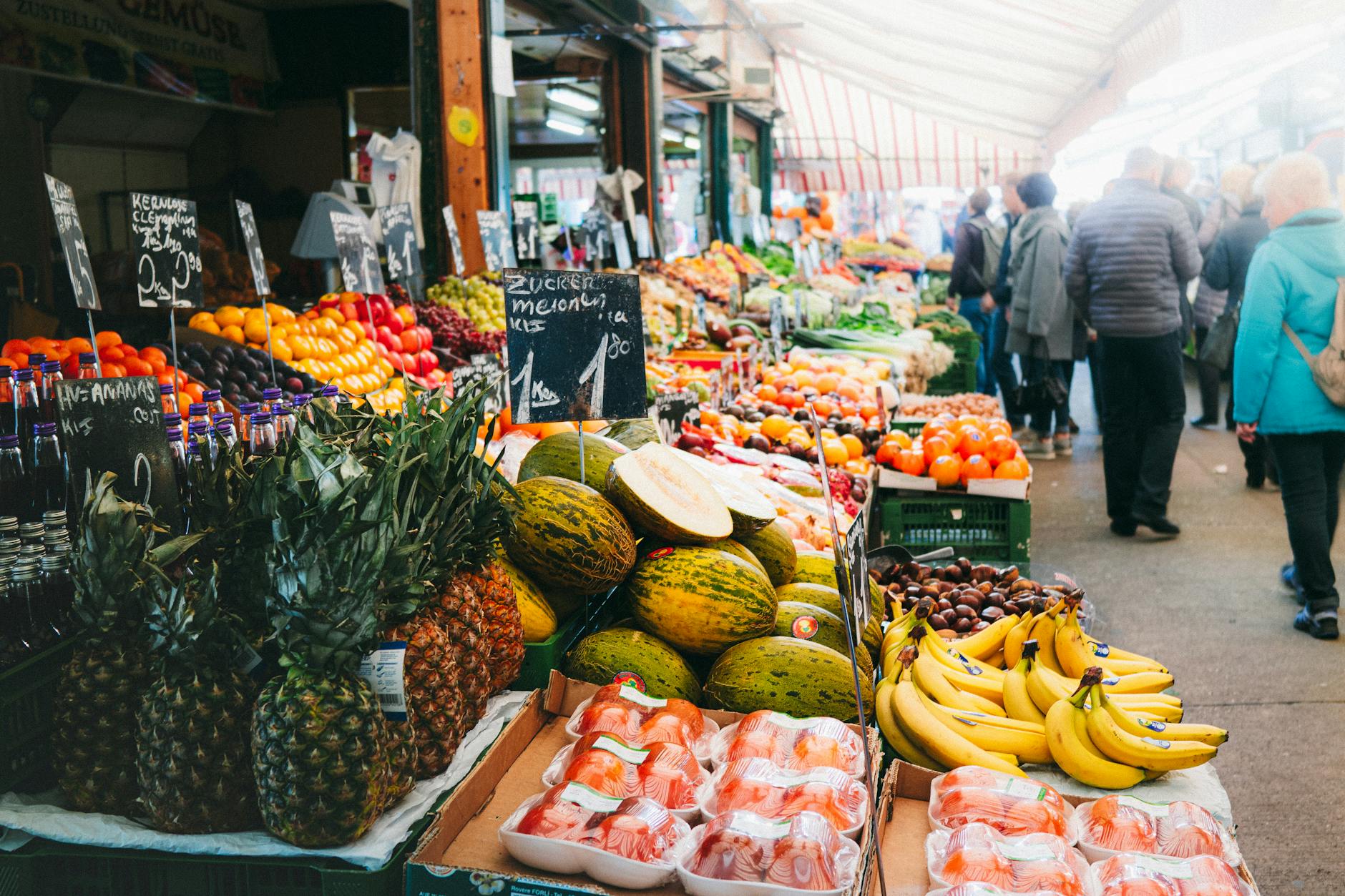
38. Explore the Naschmarkt. Vienna’s most famous market stretches 1.5 kilometers with over 170 stalls selling everything from fresh produce and spices to sushi and Middle Eastern meze. Open Monday–Friday 6 AM–9 PM, Saturday 6 AM–6 PM. The Saturday flea market (from 6:30 AM) adds antiques and curiosities. Have lunch at one of the many restaurant stalls.
39. Eat a Käsekrainer at a Würstelstand. These cheese-filled sausages from Vienna’s legendary sausage stands (UNESCO-recognized tradition since December 2024) are a late-night institution. Bitzinger near the Opera is the most famous, serving Käsekrainer alongside champagne to opera-goers in evening dress. Order with “scharfer Senf” (hot mustard) and a Semmel (bread roll).
40. Order Kaiserschmarrn for dessert. This “Emperor’s Mess” — shredded, caramelized fluffy pancake served with plum compote — is pure comfort food. Café Landtmann and Skopik & Lohn both serve outstanding versions. Despite the name, it works equally well as a full meal.
41. Take an Apfelstrudel-making class at Schönbrunn. The Schauküche (demonstration kitchen) at the Schönbrunn Palace Café offers strudel-making demonstrations where you can learn to stretch the paper-thin dough yourself. It’s hands-on, delicious, and gives you a skill to take home.
42. Discover Vienna’s Beisl restaurant scene. Traditional Beisl restaurants are the Viennese equivalent of French bistros — unpretentious neighborhood joints serving hearty classics at fair prices. Zum Alten Fassl and Silberwirt (both 5th District), Gasthaus Pöschl (1st District), and Glacis Beisl (near the MQ) are all excellent choices for authentic home-style cooking.
43. Visit the Brunnenmarkt in Ottakring. Vienna’s longest street market (nearly 1 km, 170+ vendors) is far more local than the Naschmarkt. The multicultural mix of Turkish, Greek, Balkan, and Austrian vendors creates a vibrant atmosphere with lower prices. Open Monday–Friday 6 AM–9 PM, Saturday 6 AM–5 PM. Saturday morning is peak energy.
44. Browse the Karmelitermarkt. This intimate market in Leopoldstadt (2nd District) is one of Vienna’s oldest. The Friday and Saturday farmers’ market brings the best local produce. The surrounding restaurants and bars stay open until 11 PM, making it a great evening destination too.
45. Drink wine at a Heuriger in the vineyards. Vienna is the only major capital with significant wine production within city limits. Heurigen (wine taverns) in Grinzing, Nussdorf, Neustift am Walde, and Stammersdorf serve this year’s wine alongside cold buffets of meats, cheeses, and spreads. Mayer am Pfarrplatz and Wieninger are both outstanding. Look for the pine branch (Buschen) above the door — it means they’re open.
46. Try Grüner Veltliner at a natural wine bar. Austria’s signature white grape produces crisp, peppery wines that pair beautifully with Viennese cuisine. Wine bars like Vinothek W-Einkehr and Wein & Co offer extensive Austrian wine lists with knowledgeable staff. For something special, seek out Gemischter Satz — a traditional Viennese field blend from mixed grape varieties.
47. Have breakfast at a Viennese institution. A leisurely Viennese breakfast is an experience in itself. Café Landtmann offers elegant breakfast platters. Vollpension (“Full Board”) near Karlsplatz employs grandmothers and grandfathers as bakers, serving their homemade cakes in a cozy, intergenerational setting. Joseph Brot does Vienna’s best artisan bread.
48. Join a food tour through the Naschmarkt. Guided small-group tours (max 10 people, approximately 2 hours) take you through the market with curated tastings of international delicacies, explaining the ingredients, dishes, and cultural history behind each stall. Available in German and English — book in advance.
Music, Opera, and Performing Arts (49–58)
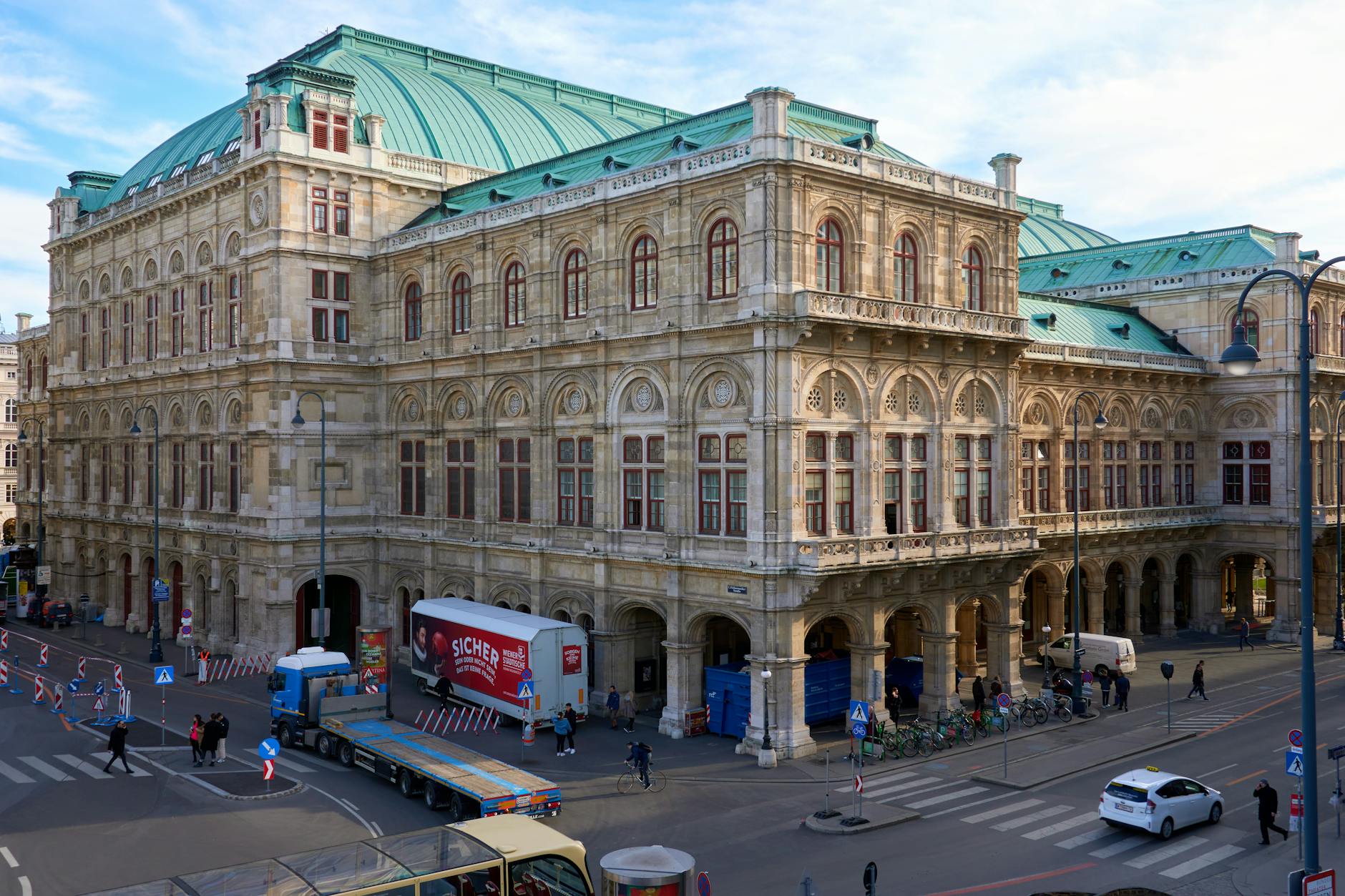
49. See the Vienna State Opera — from standing room. One of the world’s premier opera houses stages over 300 performances per season. Standing-room tickets (€13–€18) go on sale 80 minutes before each performance at the dedicated entrance on Operngasse, or online from 10 AM day-of. The acoustics are excellent from all standing positions, and the experience is genuinely world-class.
50. Attend a concert at the Musikverein’s Golden Hall. This legendary concert hall has the world’s finest acoustics and is home to the Vienna Philharmonic. Regular concert tickets range from €69–€139 (Vienna Mozart Orchestra), but standing-room tickets (approximately €8–€10) are available. Even the building’s ornate interior is worth seeing. Tours are available when there’s no rehearsal.
51. Hear the Vienna Boys’ Choir. The Wiener Sängerknaben perform at the Imperial Chapel (Hofburgkapelle) during Sunday Mass from September to June (approximately €48–€62). Friday afternoon concerts at the MuTh concert hall in the Augarten (from approximately €34) offer a more accessible alternative. Book weeks in advance for Sunday Mass.
52. Watch a morning training session at the Spanish Riding School. Even if you can’t attend a full performance, the morning exercise sessions (approximately €17, Tuesday–Saturday 10–11 AM) let you watch the famous Lipizzaner stallions train in the stunning Baroque Winter Riding Hall. The 1.5-hour guided tours (approximately €24, starting 3:30 PM) go behind the scenes.
53. Discover operetta at the Volksoper. Vienna’s second opera house specializes in operetta, musicals, and accessible productions — a great choice for families or those new to opera. Tickets start from approximately €12, and the atmosphere is more relaxed than the Staatsoper. Johann Strauss operettas performed here feel especially Viennese.
54. Attend a classical concert in a historic setting. Beyond the major venues, Vienna offers concerts in extraordinary settings: the Orangery at Schönbrunn Palace, the Brahms Hall, St. Peter’s Church (often free), and the Konzerthaus. Mozart and Strauss tribute concerts in period costume are tourist-oriented but undeniably entertaining.
55. Experience Vienna’s ball season. From November to Carnival (February/March), over 450 balls are held across Vienna. While the Opera Ball is exclusive, dozens of others welcome visitors — the Kaffeesiederball (Coffee Makers’ Ball), Jägerball (Hunters’ Ball), and various student balls are accessible. Tickets range from €80–€220; formal attire required (ball gown and tuxedo — many hotels arrange rentals). Book months in advance.
56. Visit the Haus der Musik’s virtual conducting experience. The interactive sound museum lets you conduct a virtual Vienna Philharmonic that actually responds to your tempo — speed up too much and the orchestra stops playing entirely. Genuinely engaging for all ages, this is one of Vienna’s most entertaining museum experiences.
57. Catch live music along the Donaukanal in summer. From May to September, the Danube Canal comes alive with outdoor stages, pop-up bars, and live performances ranging from jazz to electronic music. Most events are free. The summer programming at the MuseumsQuartier courtyard (MQ Summer Stage) adds more options from daily evening programs.
58. Attend the Donauinselfest. Held in late June, the Danube Island Festival is one of Europe’s largest open-air music festivals — and it’s completely free. Multiple stages host international and local acts across rock, pop, electronic, folk, and classical genres over three days. Over three million visitors attend annually.
Quirky, Unique, and Unforgettable Experiences (59–70)
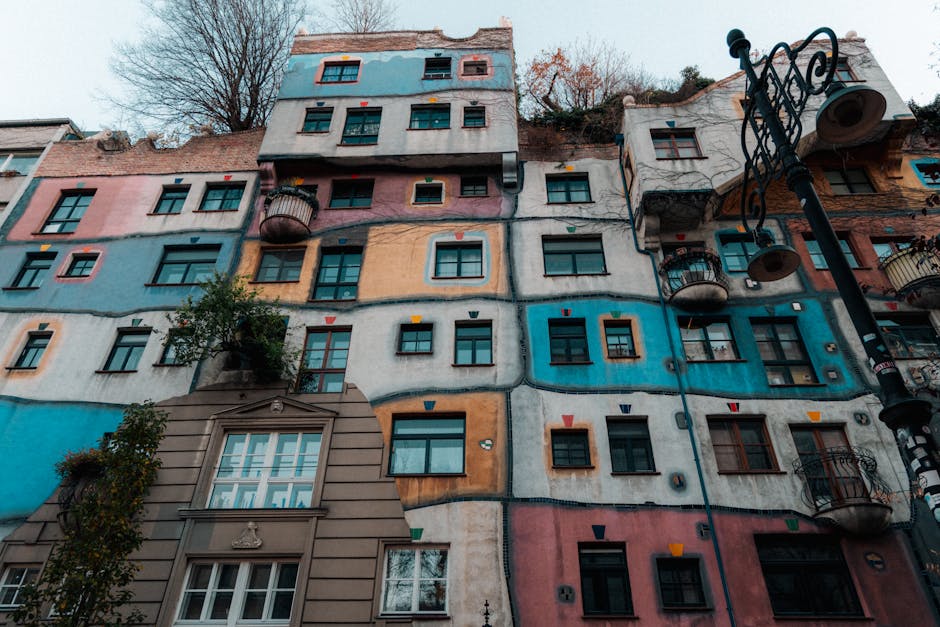
59. Photograph the Hundertwasserhaus. Friedensreich Hundertwasser’s famously colorful apartment building in the 3rd District breaks every architectural convention with its undulating floors, tree-growing rooftops, and mosaic-encrusted facades. It’s a private residence (no interior access), but the exterior is a spectacle. The adjacent KunstHausWien museum has the only permanent Hundertwasser exhibition.
60. Descend into Vienna’s sewers on the Third Man Tour. Follow in the footsteps of Harry Lime through the underground sewers featured in the 1949 film noir classic. Tours depart from Girardipark (approximately €14, reduced €9; May–October, Thursday–Sunday; English tours at 3 PM only). You’ll walk through a working sewer section wearing provided helmets and headlamps. Minimum age 12; book in advance.
61. Visit the dead at the Zentralfriedhof. Vienna’s vast Central Cemetery (free entry) is a pilgrimage site for music lovers. Beethoven, Schubert, Brahms, Johann Strauss II, and Falco all rest here, alongside 330,000 other graves across 2 square kilometers. The Jugendstil Church of St. Charles Borromeo (consecrated 1911) is architecturally magnificent. Fiaker carriage tours are available (approximately €65 for 30 minutes).
62. Ride the Riesenrad (Giant Ferris Wheel). Built in 1897, the Prater’s iconic Ferris wheel (approximately €14.50 adults, €6.50 children) offers slowly revolving panoramic views of the city from its enclosed wooden cabins. The surrounding Wurstelprater amusement park has a nostalgic, old-world charm — free entry, pay per ride. Combined, they make for a delightful afternoon or evening.
63. See the Third Man Museum. This dedicated museum (approximately €10–€12, Saturdays 2–6 PM only) houses 2,500 original exhibits from the 1948 Graham Greene/Carol Reed film, including Anton Karas’s famous film zither, original screenplays, cameras, and 83 international film posters. A must for film buffs. Private tours available other days.
64. Explore the Pathological-Anatomical Museum (Fool’s Tower). Inside the distinctive round “Narrenturm” (Fool’s Tower), built in 1784 as an asylum, you’ll find the world’s largest public collection of anatomical pathology — approximately 50,000 items dating back to 1796. Now part of the Natural History Museum, it’s not for everyone, but it’s utterly unique.
65. Visit the Funeral Museum at the Zentralfriedhof. Only in Vienna would a museum celebrate death with such style. Multimedia stations, historic corpse transport carriages, and over 100 years of exhibits explore Viennese funeral traditions and the concept of the “beautiful corpse” (schöne Leichnam). A surprisingly fascinating experience.
66. Take a Fiaker horse carriage ride. These traditional horse-drawn carriages have clip-clopped through Vienna’s streets for centuries. Short tours (approximately 20 minutes, Old City, approximately €60) and longer routes (approximately 40 minutes, Ringstrasse + Old City, approximately €105) depart from Stephansplatz, Michaelerplatz, and Albertinaplatz. Touristy but undeniably atmospheric, especially at twilight.
67. Watch the changing of the guard at the Hofburg. While less elaborate than London’s equivalent, the ceremonial guard change at the Hofburg offers a free spectacle of military tradition in a magnificent imperial setting.
68. Tour the Schottenstift Abbey Library. This hidden monastic library (approximately €8; guided tours Saturday 2:30 PM) features classical-style halls with treasures on display. One of Vienna’s best-kept secrets for bibliophiles and architecture lovers.
69. Explore underground Roman ruins at Michaelerplatz. Visible through glass panels in the ground right in front of the Hofburg, these excavated Roman ruins from Vindobona (Vienna’s ancient name) give you a free glimpse into the city’s 2,000-year history.
70. Visit the Clock Museum. Over 7,000 timepieces spanning centuries are housed in the historic Palais Obizzi (approximately €8, free first Sunday monthly). Pocket watches, astronomical clocks, and elaborate automata make this a fascinating detour from the usual museum circuit.
Parks, Outdoors, and Active Vienna (71–82)
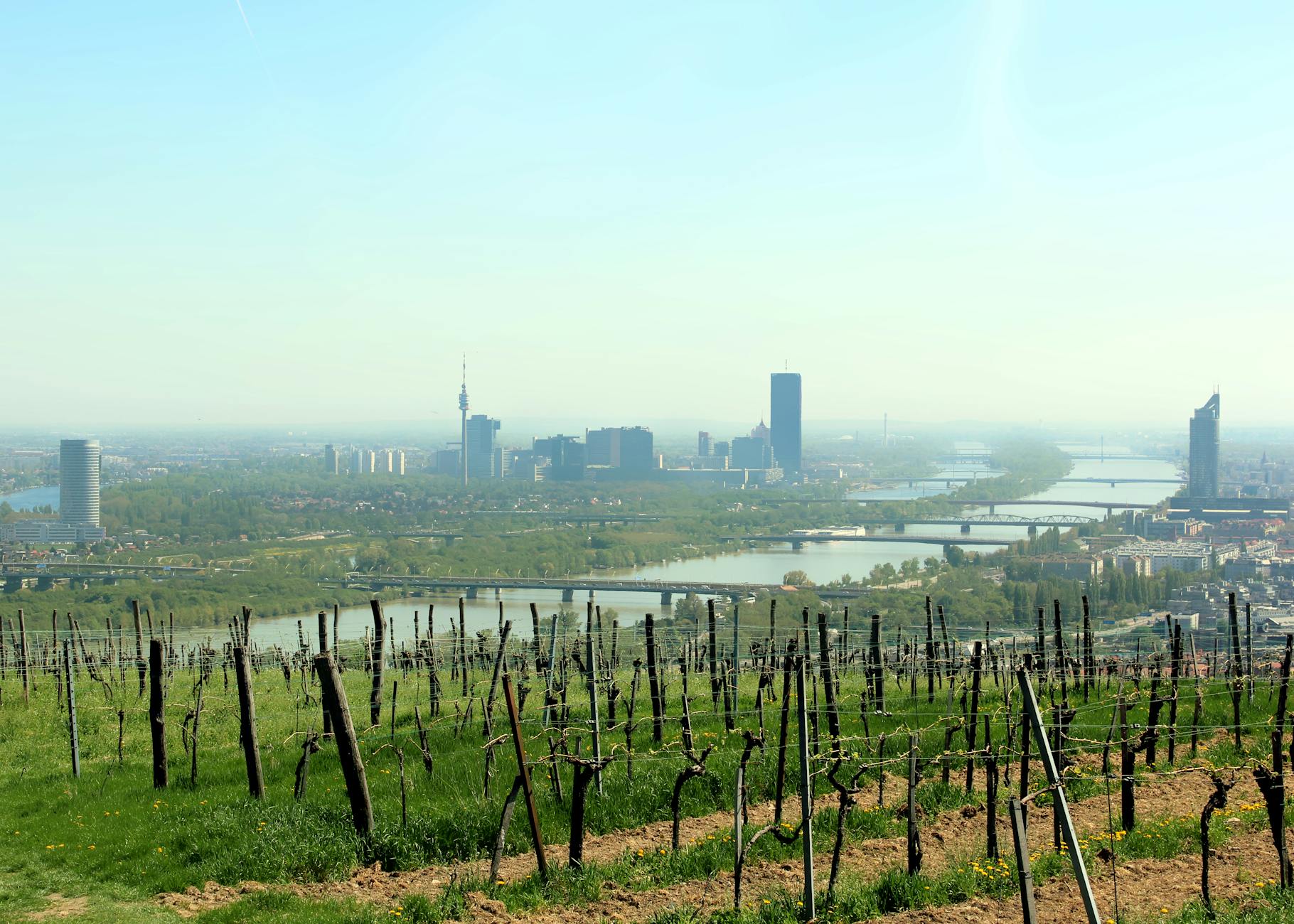
71. Hike through Vienna’s vineyards to Kahlenberg. One of the city’s most rewarding half-day activities: take Tram D to its Nussdorf terminus, then hike through working vineyards up to the Kahlenberg viewpoint. Stop at Heurigen along the way — Wieninger am Nussberg and Sirbu both have exceptional vineyard settings. Best in late summer and autumn during harvest season. Return by Bus 38A.
72. Swim at the Alte Donau. This calm urban lake, separated from the main Danube, has multiple public swimming areas (approximately €5–€8 day admission, or free from natural platforms). Strandbad Gänsehäufel, on its own island, offers beaches, pools, mini golf, paddleboarding, and kayaking. A beloved Viennese summer institution.
73. Cycle the Danube bike path. Part of a major European cycling corridor, Vienna’s section of the Donauradweg is flat, traffic-free, and scenic. WienMobil Rad bike-sharing offers 3,000+ bikes at 200+ stations (€0.75 per 30 minutes). Cycle from the city center along the Donauinsel for a car-free riverside experience.
74. Stroll through the Volksgarten rose garden. Over 3,000 rose bushes (200+ varieties) bloom spectacularly from May to October in this elegant garden next to the Hofburg (free, open 6 AM–10 PM April–October). The Theseus Temple provides a neoclassical backdrop, and the garden offers one of the most romantic spots in the city.
75. Photograph the Strauss statue in Stadtpark. The golden Johann Strauss II monument (free, park open 24/7) is one of the most photographed statues in the world. The surrounding Stadtpark — Vienna’s first public park, opened in 1862 — is a lovely green space for a stroll, with memorials to Schubert, Bruckner, and other composers.
76. Spend a day on the Donauinsel. This 21-kilometer artificial island (free) between the Danube and Neue Donau offers swimming beaches, barbecue areas, volleyball courts, skateparks, cycling paths, and waterside restaurants. The new Arena Beach and Pirate Bay areas (added 2025) expanded the leisure options further. Easily accessible from U1 Donauinsel station.
77. Visit the world’s oldest zoo at Schönbrunn. Tiergarten Schönbrunn (approximately €29 adults, €17 children 6–18, free under 6) was founded in 1752 and has been voted the best zoo in Europe multiple times. The combination of Baroque architecture and modern animal habitats is unique. The giant pandas are the star attraction. Allow 2–4 hours.
78. Relax at Therme Wien. Europe’s largest city thermal bath features 26 pools, 25 saunas and steam rooms, and 2,500 loungers (from approximately €31 entry). The thermal water comes from natural springs. An all-day leisure experience perfect for rainy days or when you need a break from sightseeing.
79. Ice skate at Rathausplatz. The Wiener Eistraum (typically late January–early March) transforms the square in front of City Hall into a magical ice skating paradise with 9,500 square meters of ice surface, romantically lit “dream paths” through trees, and a Sky Rink with panoramic views (approximately €10 entry, €9 skate rental). A free beginners’ rink operates during weekdays.
80. Explore the Lainzer Tiergarten. This vast nature reserve (free entry) in western Vienna was once a Habsburg hunting ground. Now it’s 2,450 hectares of beech and oak forest, meadows, and wildlife including deer and wild boar. The Hermesvilla (Empress Sisi’s retreat) is within the park. Excellent for hiking and a complete escape from the city.
81. Walk the Ringstrasse. Vienna’s grand circular boulevard, built in the 1860s when the medieval city walls were demolished, passes virtually every major institution: the Opera, Parliament, Rathaus (City Hall), Burgtheater, University, Votivkirche, and the twin museums. Tram lines 1 and 2 circle the Ring for a scenic overview. Walking the full 5.3 kilometers takes about 90 minutes.
82. Jog along the Prater Hauptallee. This 4-kilometer chestnut-lined avenue through the Prater park is Vienna’s most popular running route — flat, shaded in summer, and car-free. The wider park offers miles of additional trails. Many Viennese make this part of their daily routine.
Nightlife, Entertainment, and Modern Vienna (83–91)
83. Bar-hop through the Bermuda Triangle. This cluster of bars and clubs around Schwedenplatz in the 1st District has been Vienna’s nightlife epicenter for decades. Quality cocktail bars, dive bars, and clubs pack the narrow streets. Start at one of the classic spots like Bermuda Bräu or Roter Engel and let the evening unfold.
84. Dance at Flex. Vienna’s legendary electronic music club occupies a disused metro tunnel by the Danube Canal. Famous for its world-class sound system and underground atmosphere, Flex has hosted cutting-edge electronic music since 1995. In warm weather, clubbers spill out onto the canal banks. Check the schedule for drum & bass and techno nights.
85. Drink cocktails on a rooftop bar. The Ritz-Carlton rooftop bar offers panoramic city views with innovative cocktails. Das LOFT at the Sofitel, with floor-to-ceiling windows 18 floors up, is another stunner. For a more casual vibe, the 25hours Hotel’s rooftop on Lerchenfelder Straße combines city views with a relaxed atmosphere.
86. Experience Techno Café at the Volksgarten. Celebrating its 30th anniversary in 2026, Volksgarten’s Techno Café runs every Tuesday from late April to September (6 PM–4 AM). The retractable-roof pavilion, set in a garden next to the Hofburg, combines beautiful surroundings with house, disco, and electronic music. A uniquely Viennese summer experience.
87. Hang out at the Donaukanal pop-up bars in summer. From May to September, the canal banks fill with beach bars, food trucks, and DJ sets. Tel Aviv Beach, Adria, and Hafenkneipe are perennial favorites. Most are free entry with affordable drinks. The combination of waterside setting, sunset views, and casual atmosphere is quintessential modern Vienna.
88. See a film at the Rathausplatz summer cinema. From July to September, the square in front of City Hall transforms into a massive open-air cinema, screening films on a giant screen for free. The surrounding food stalls serve international cuisine. Thousands of Viennese gather on summer evenings — bring a blanket or grab a seat early.
89. Take an evening Danube cruise. Sunset and dinner cruises (approximately €45–€176 depending on package) offer a different perspective on Vienna, gliding past illuminated landmarks. Dinner cruises typically run 3–3.5 hours with live music. Panoramic sightseeing cruises (approximately 75 minutes) are a more affordable option.
90. Explore Vienna’s craft beer scene. Beyond the traditional Beisl, Vienna has a growing craft beer culture. 1516 Brewing Company on Schwarzenbergstraße was an early pioneer. Brickmakers brewpub in Margareten and the various taprooms popping up across the 6th and 7th districts offer locally brewed ales and IPAs that contrast delightfully with Vienna’s wine heritage.
91. Watch a play at the Burgtheater. The Austrian National Theatre (founded 1741) is one of the most important German-language stages in the world. Even if your German isn’t strong, the magnificent neo-Baroque building (free to admire from outside, guided tours available) and its ornate ceiling paintings are worth experiencing.
Seasonal Experiences and Markets (92–97)
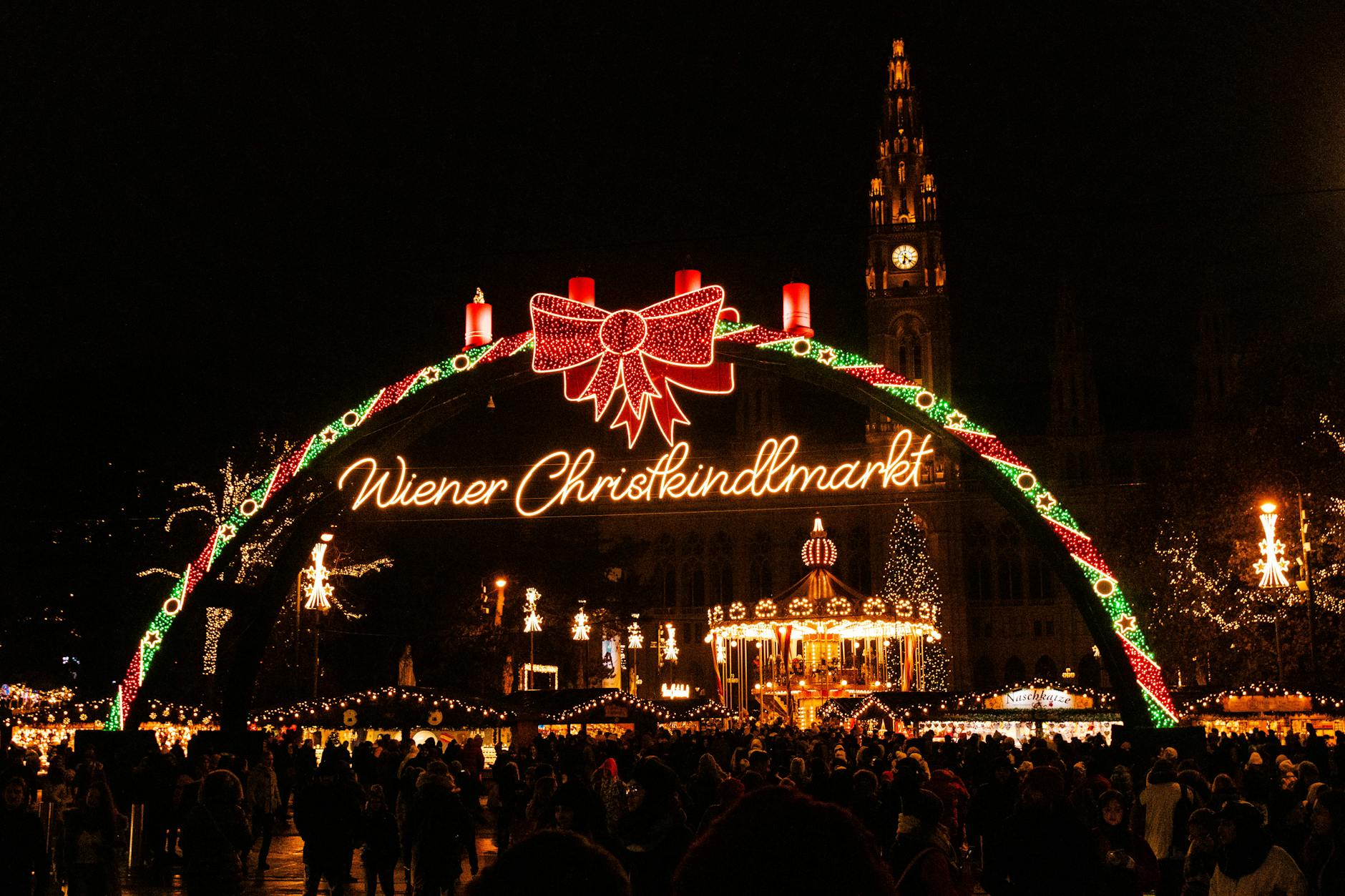
92. Wander the Christkindlmarkt at Rathausplatz. Vienna’s most famous Christmas market (mid-November to late December) features over 150 stalls, an ice skating rink, and a spectacular light display across City Hall’s façade. Drink Punsch (warm punch) or Glühwein (mulled wine), sample roasted chestnuts, and browse handcrafted ornaments. Arrive on weekday evenings for fewer crowds.
93. Discover the Spittelberg Christmas market. Tucked among the cobblestone lanes of the charming Spittelberg quarter (7th District), this artisanal market focuses on handmade crafts, designer gifts, and quality food. More intimate and less commercial than Rathausplatz, it’s a local favorite.
94. Visit the Karlsplatz Advent market. The art and design-focused market in front of the Karlskirche draws a creative crowd with handmade ceramics, jewelry, and designer goods alongside gourmet food stalls. The illuminated Karlskirche creates a spectacular backdrop. Open late November through December.
95. Join the Vienna Wine Hiking Day. The Wiener Weinwandertag (typically late September) opens up routes through the city’s vineyards with wine-tasting stations along the way. Thousands of Viennese participate, making it a wonderful community event. Check wien.info for exact 2026 dates and routes.
96. See the gardens in spring bloom. From late March through May, Schönbrunn’s gardens, the Volksgarten roses (peak in June), and the Augarten come alive with color. The Botanical Garden of the University of Vienna (free) is a hidden gem for plant lovers. Cherry blossoms along the Ringstrasse typically peak in early April.
97. Celebrate New Year’s Eve on the Silvesterpfad. Vienna’s New Year’s Eve Trail (Silvesterpfad) transforms the entire Innere Stadt into a giant party with live music stages, waltz floors, food stalls, and fireworks at midnight. The Danube Tower also offers spectacular views of the citywide pyrotechnics. One of Europe’s most atmospheric New Year’s celebrations.
Day Trips and Excursions (98–101)
98. Cruise the Wachau Valley. This UNESCO World Heritage stretch of the Danube between Melk and Krems (approximately 80 km west) is one of Austria’s most beautiful landscapes. Visit magnificent Melk Abbey (approximately €15), float past medieval castles and terraced vineyards on a DDSG river cruise (approximately €30–€50), and stop in the charming town of Dürnstein. Trains run hourly from Vienna (approximately €18 return).
99. Take a day trip to Bratislava. The world’s closest pair of capital cities are just 65 km apart. Bratislava offers a beautifully restored old town, the UFO observation tower, quirky street sculptures, and excellent Slovak cuisine at a fraction of Viennese prices. The Twin City Liner catamaran (approximately €25–€35) offers scenic Danube views, or take an hourly train (approximately €14 return).
100. Visit Baden bei Wien’s thermal baths. Just 30 minutes south by S-Bahn, this elegant spa town offers thermal baths, beautiful gardens, a compact old town with a casino, and surrounding vineyards. The Römertherme and Thermalstrandbad offer relaxing thermal bathing. The wine route through the surrounding hills is particularly rewarding in autumn.
101. Ride the historic Semmeringbahn. The world’s first mountain railway (UNESCO World Heritage) traverses spectacular Alpine scenery between Gloggnitz and Mürzzuschlag — 16 viaducts, 15 tunnels, and breathtaking mountain views. The journey itself is the attraction. About 1.5 hours from Vienna; combine with hiking around the Semmering Pass for an active day away from the city.
Frequently Asked Questions
How many days do you need to do everything in Vienna?
You certainly can’t do all 101 things in a single trip. Three days covers the essential highlights (palaces, key museums, coffee houses, the Opera). Five days lets you explore neighborhoods, try multiple restaurants, and include some hidden gems. A full week allows day trips and a truly immersive experience. Most visitors return to Vienna — there’s always something new to discover.
What are the best free things to do in Vienna?
Vienna offers many excellent free experiences: entering St. Stephen’s Cathedral, walking the Schönbrunn gardens, exploring the Prater park, strolling along the Donaukanal street art gallery, visiting the Wien Museum’s permanent collection, enjoying the Volksgarten rose garden, picnicking on the Donauinsel, browsing the Naschmarkt (entry is free — just the food costs money), and seeing Roman ruins at Michaelerplatz. Standing in the Stephansplatz watching buskers is free entertainment in itself.
What can you do in Vienna at night?
Vienna’s evenings offer far more than just the Opera. The Bermuda Triangle bar district around Schwedenplatz buzzes nightly. Flex and Volksgarten offer world-class electronic music. Rooftop bars at the Ritz-Carlton and Sofitel provide panoramic views. Summer brings pop-up bars along the Donaukanal and open-air cinema at Rathausplatz. Traditional Heurigen in the vineyard suburbs serve wine until late. And standing-room opera tickets (€13–€18) make a night at the Staatsoper accessible to any budget.
What makes Vienna different from other European capitals?
Vienna’s uniqueness lies in the combination of imperial heritage, living musical tradition, and exceptional quality of life. No other city offers standing-room at one of the world’s great opera houses for €13, has UNESCO-listed coffee house culture, produces wine within city limits, hosts 450+ formal balls each winter, and has been ranked the world’s most livable city for over a decade. The Viennese take their pleasures seriously — from the ritual of a perfect Melange to the tradition of a Sunday Schnitzel — and visitors benefit enormously from this deeply civilized approach to daily life.
Is Vienna good for families with children?
Absolutely. Schönbrunn Palace and Zoo, the Prater amusement park, Haus der Musik, the Natural History Museum, the Maze at Schönbrunn, Donauinsel water play areas, the Circus and Clown Museum, and ice skating at Rathausplatz in winter are all family-friendly. Children under 6 ride public transport free, and under-19s get free admission to most major museums.
Plan Your Vienna Adventure
Whether you check off ten items or all one hundred and one, Vienna rewards curiosity at every turn. Start with the imperial essentials, dive into the coffee house culture, and leave room for the unexpected — a hidden courtyard, an impromptu concert, a conversation at a Heuriger as the sun sets over the vineyards. This is a city built for savoring.
For more detailed coverage, explore our complete Vienna travel guide, our guides to where to stay, Viennese food and dining, top attractions, and visiting Vienna on a budget.
Plenty of the experiences above can be done guided instead of alone, and the price gap between the good and the bad versions is wide. Our guide to Vienna tours and experiences compares every category — walking tours, hop-on hop-off buses, the Fiaker, Danube boats, concerts and day trips — with real prices and an honest verdict on which ones to skip.