Vienna Photography Guide: 30+ Best Photo Spots & Tips (2026)
Capture Vienna's beauty with our complete photography guide — 30+ best Instagram spots and photo locations, ranked by lighting and timing, plus seasonal sweet spots, technical tips, and the underrated angles most visitors miss. Sample sunrise-to-blue-hour itinerary included.
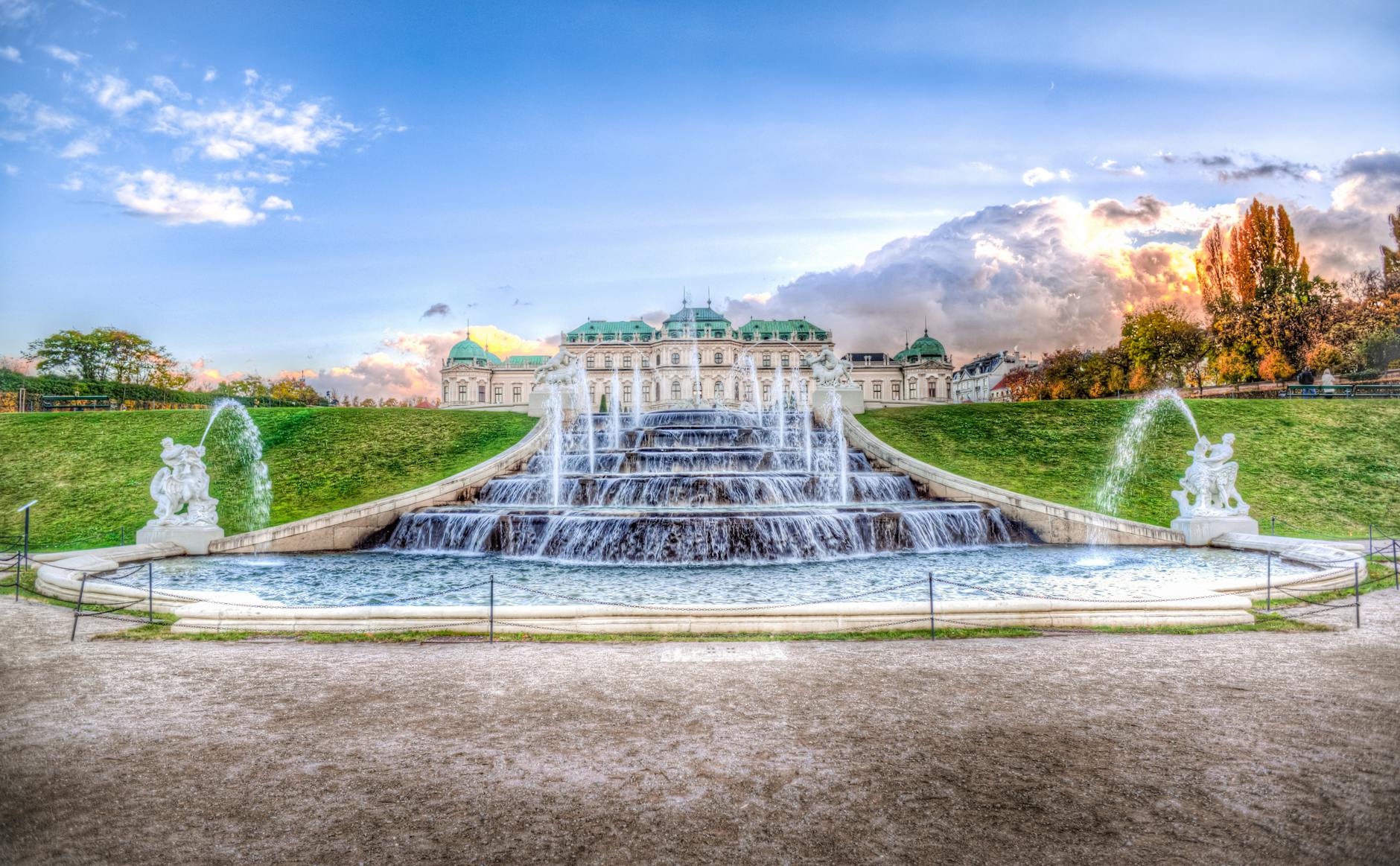
Photo by ClickerHappy
- The 30 Most Instagrammable Spots in Vienna
- Best Photography Times by Spot
- Vienna Photography Tips
- Vienna Photography by Season
- Vienna Underrated Photography Spots
- Equipment & Logistics
- Sample Photo-Day Itinerary
- Frequently Asked Questions
- Final Thought: Vienna Rewards the Slow Photographer
- Related Vienna Guides
This article contains advertising. Our booking links are routed through a partner that adds commission tracking automatically, so if you book through one we earn a commission from the provider, at no extra cost to you. It never affects what we recommend. Affiliate disclosure
Vienna is one of Europe’s most reliably photogenic capitals. Two world-class palaces with reflecting ponds. A baroque church reflecting in its own pool. A 343-stair cathedral tower with the city’s best 360° rooftop view. Otto Wagner’s Jugendstil pavilions. The Hundertwasserhaus’s color riot. The Strudlhofstiege staircase. The Naschmarkt’s stalls. The Donaukanal’s ever-changing street art. Whether you shoot on a dedicated camera or your phone, Vienna delivers.
This is the complete Vienna Instagram spots and photography guide: 30+ best photo locations, ranked by lighting and timing, plus seasonal sweet spots, technical tips, and the 5 most underrated angles most visitors miss. Pair with our things to do in Vienna for trip-planning context.
The 30 Most Instagrammable Spots in Vienna
1. Upper Belvedere Palace + Reflecting Pond

Vienna’s single best photo spot. The Upper Belvedere’s rectangular reflecting pond, with the Baroque palace mirrored in its surface, is the postcard shot. Best at sunrise on a windless morning — water is glassy, gardens are empty, golden light hits the facade. After 10 am, crowds and wind ripples ruin the reflection. Free to walk to (palace ticket only required for interior). Park entrance at Prinz-Eugen-Straße.
2. Karlskirche Reflecting Pool
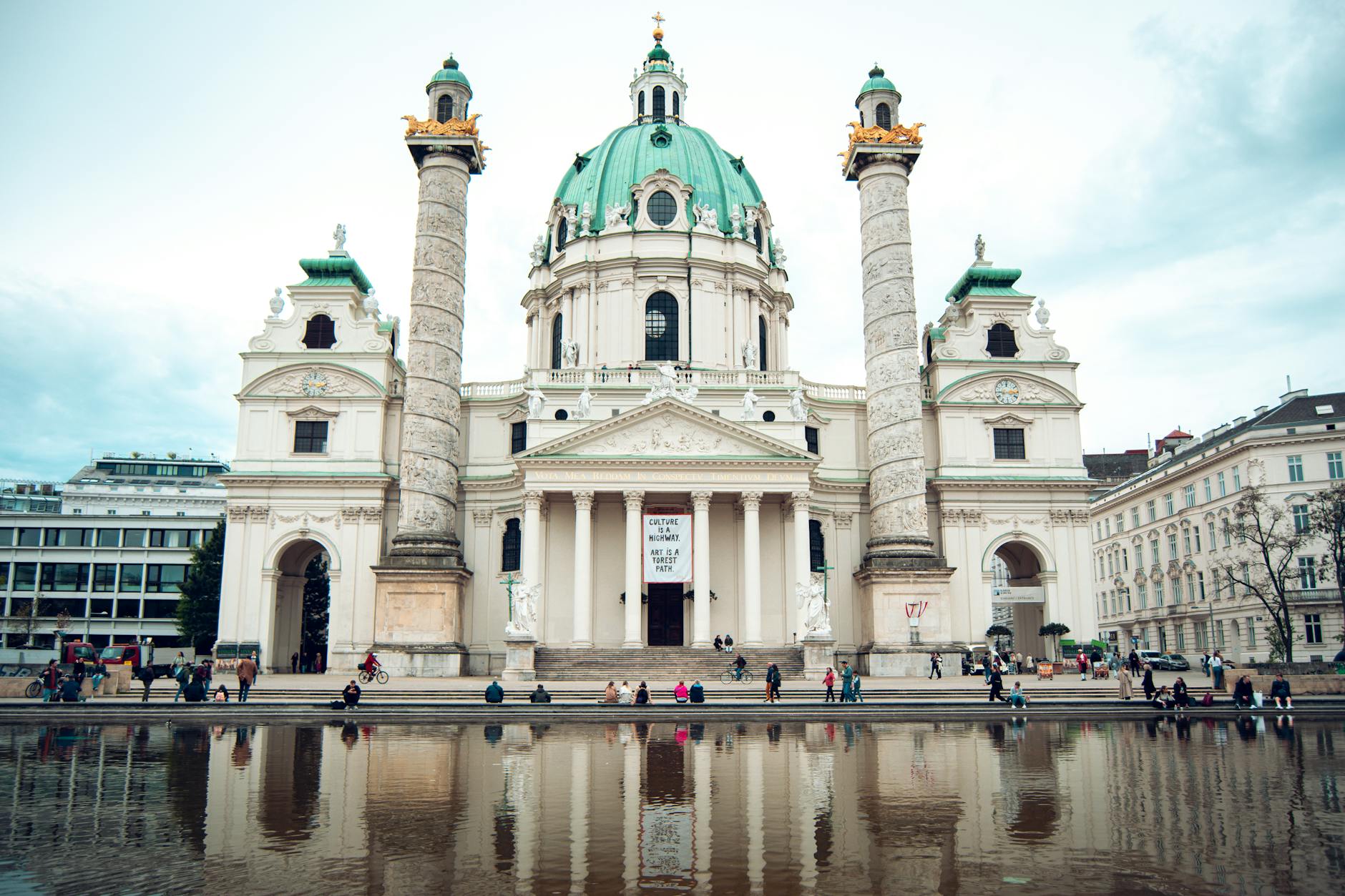
The Karlskirche on Karlsplatz reflects beautifully in the long rectangular pool in front of it. Best at sunset — the green dome glows. The Henry Moore reclining figure sculpture in the pool adds a strong foreground element. Avoid windy days when ripples destroy the reflection.
3. Schönbrunn Palace from the Gloriette
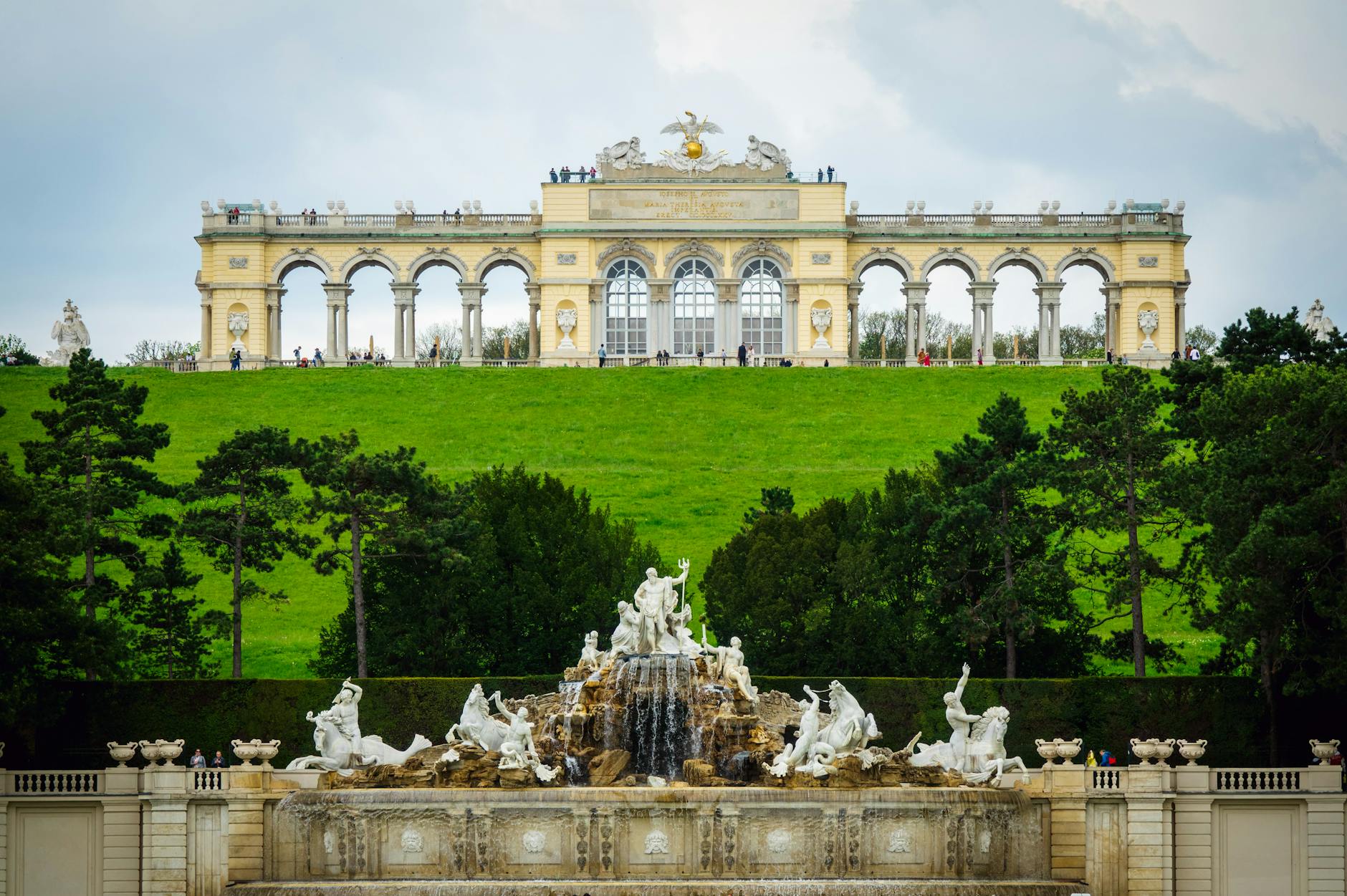
The classic Vienna shot: Schönbrunn Palace framed by the Gloriette colonnade in the foreground, the city skyline behind. Best at sunset, late spring through early autumn. The view from the Gloriette base is identical to the rooftop terrace and free. Allow 25 minutes’ uphill walk from the palace.
4. Stephansdom Tower Rooftop View
The South Tower stair climb (343 stairs) gives Vienna’s best 360° rooftop panorama — the cathedral’s Zickzack mosaic tile roof is the unmistakable foreground. Best at golden hour 60 minutes before sunset. €8.
5. Albertina Terrace + State Opera
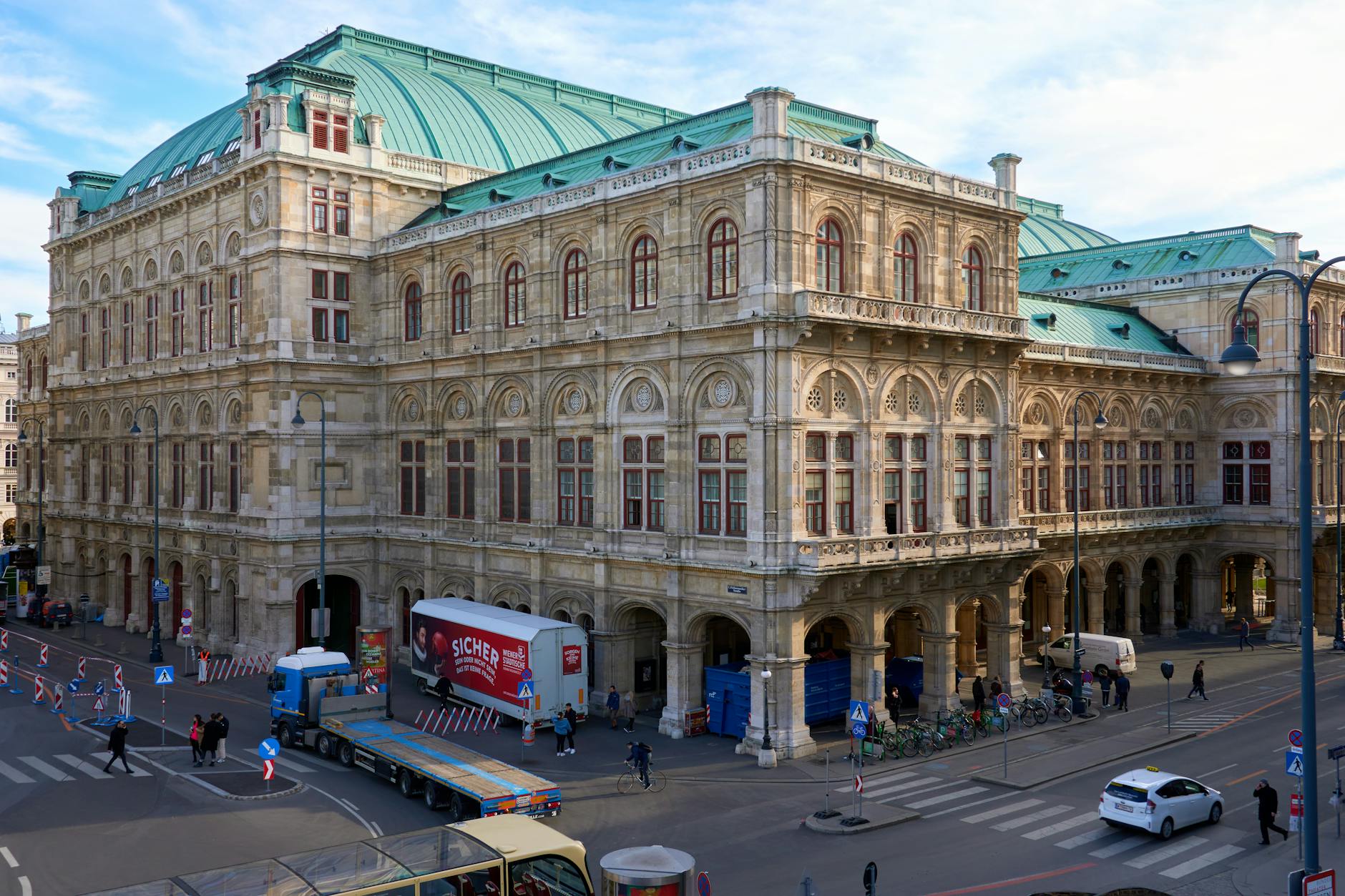
The Albertina Museum’s raised terrace gives Vienna’s best ground-level shot of the State Opera — golden hour bathes the 1869 facade in warm light. Free to walk up; the terrace is publicly accessible without a museum ticket.
6. Hundertwasserhaus
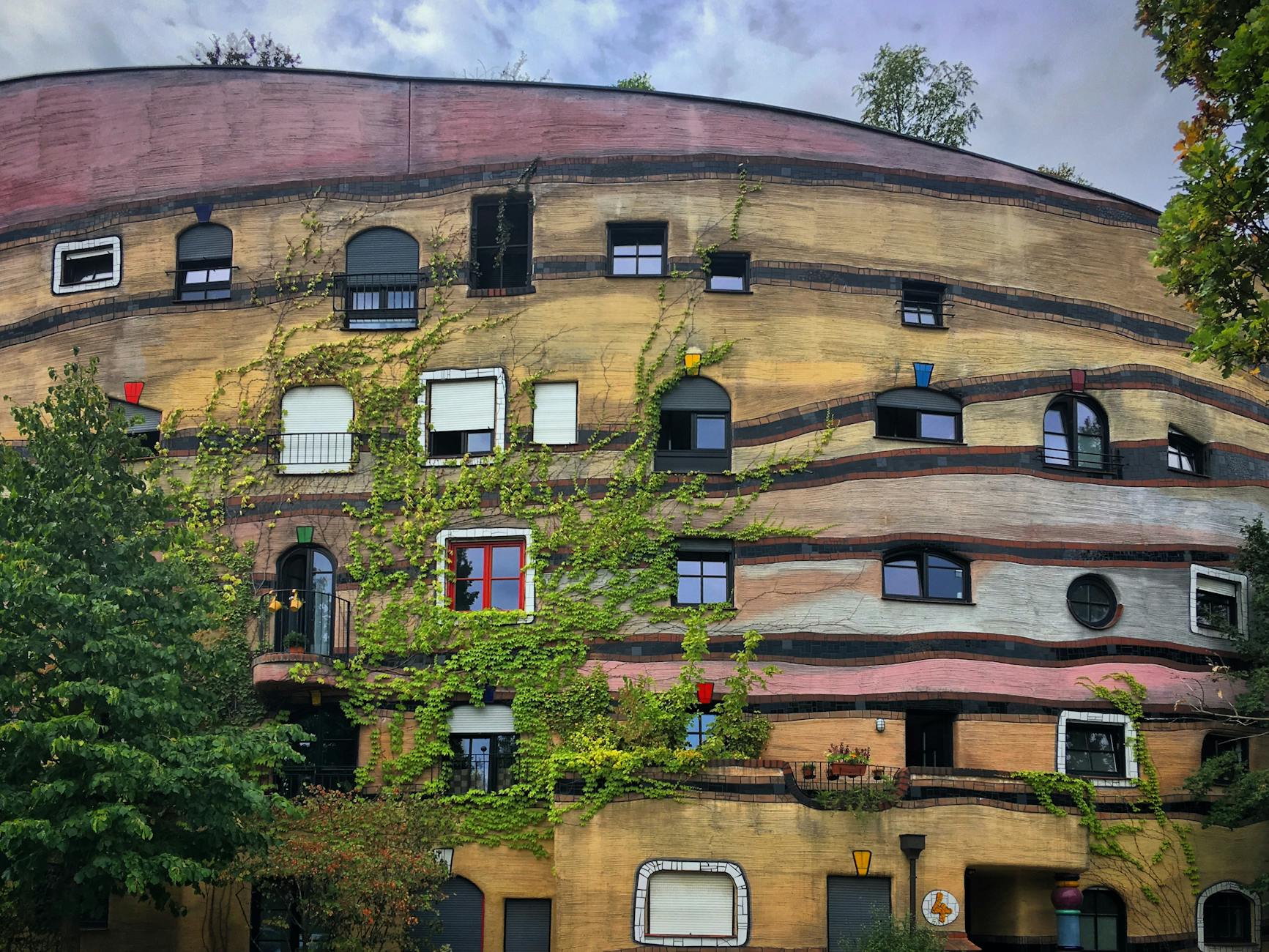
The wildly colorful Hundertwasserhaus social housing block (1985) is Vienna’s most photographed contemporary building — wavy floors, mismatched windows, plants on every balcony, gold onion domes. Shoot from the south corner of Kegelgasse and Löwengasse. Always tourist-busy; mornings give the calmest crowds.
7. Strudlhofstiege Staircase
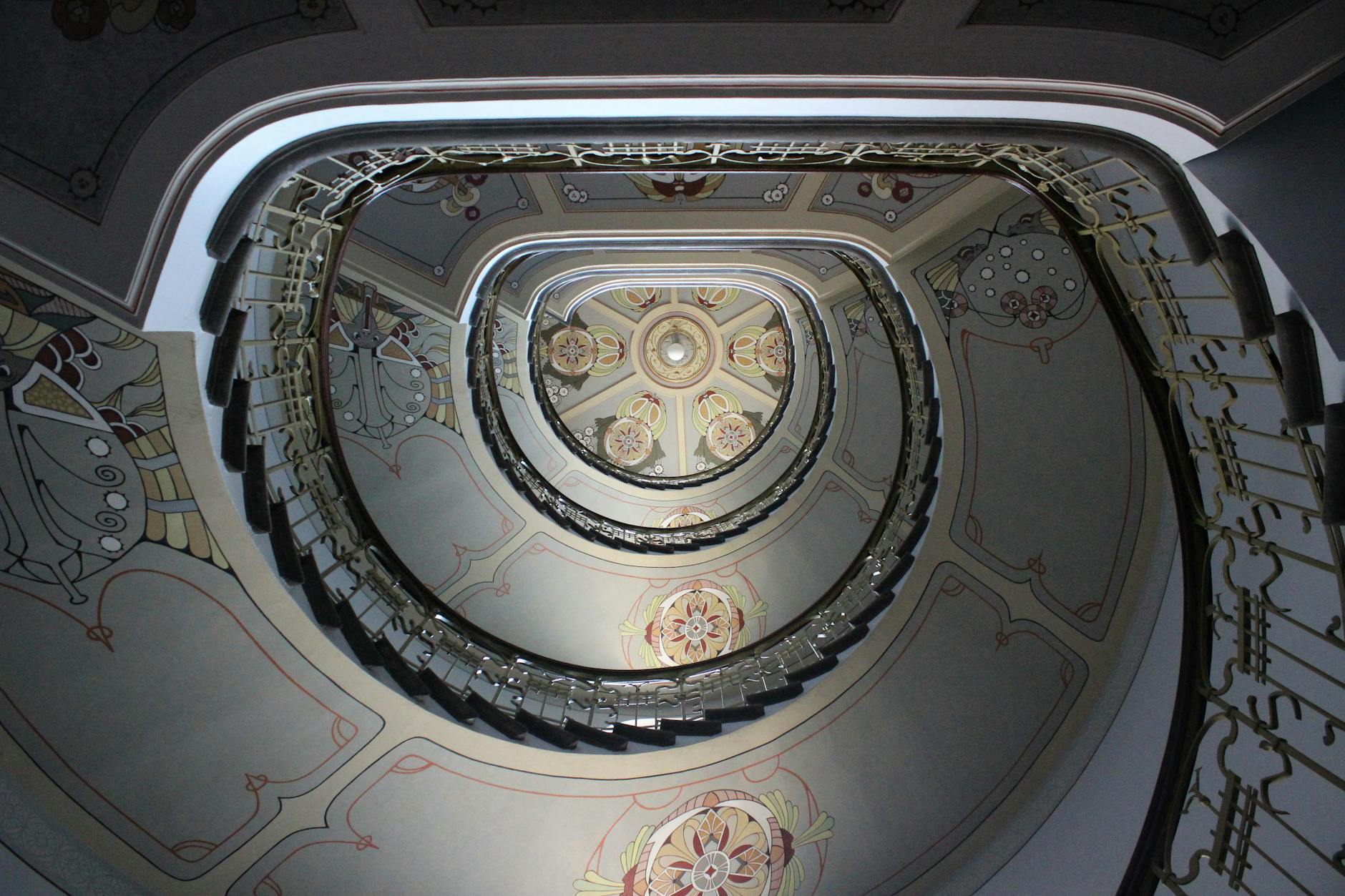
One of Vienna’s hidden Jugendstil treasures. The Strudlhofstiege in the 9th district is a 1910 staircase with curved steps, green wrought-iron railings, ornate lanterns, and stone planters. Free, almost always quiet. Best in late afternoon when low sun grazes the stairs.
8. Naschmarkt Food Stalls
Vienna’s bustling open-air market is a candid-photography goldmine. Best on weekday late mornings (more food stalls), Saturday for the adjacent flea market, golden hour for warm light on stalls. Polite shooting and asking permission for portraits is standard.
9. Otto Wagner Karlsplatz Pavilions
Wagner’s twin 1898 metro pavilions at Karlsplatz are Jugendstil masterpieces. Their gold-leaf details and sunflower motifs photograph beautifully. Best at golden hour with diagonal sun.
10. The Majolikahaus (Otto Wagner Apartments on Wienzeile)
The Majolikahaus at Linke Wienzeile 40, with its floral ceramic facade, is one of the most photogenic Jugendstil buildings in Europe. The adjacent Medallion House (No. 38) has gold-leaf trim. Both shot from the Naschmarkt side.
11. Volksgarten Roses (Late May–June)
The Volksgarten opens its 3,000+ rose bushes around May 25. The Theseus Temple in the middle frames a central composition. Free entry; mornings have the lowest crowds.
12. Schönbrunn Tulips (Late April)
Schönbrunn’s parterre tulip beds peak around April 20–30. Best in early morning before the cruise-ship arrivals at 10 am.
13. Hofburg’s Heldenplatz
Vienna’s grandest public square. The Heldentor archway, the equestrian Prinz Eugen statue, and the Schweizerhof entrance all photograph well. Best at blue hour.
14. Donaukanal Street Art
The 17.3-km Donaukanal embankment is a constantly-changing free outdoor gallery. Best section: Schwedenplatz to Friedensbrücke. Shoot in flat overcast light to avoid harsh shadows on the murals.
15. Café Central Interior
The Gothic-vault interior of Café Central (with the Peter Altenberg papier-mâché statue at the entrance) is one of Vienna’s most photographed coffeehouse interiors. It is closed for renovation until its reopening, scheduled for winter 2026; the temporary DECENTRAL operates at Freyung. Once it reopens, visit early or for an afternoon coffee to shoot when light is even.
16. Demel Window Display
The 1786 court confectioner Demel on Kohlmarkt has theatrical seasonal window displays — chocolate sculptures, marzipan figures, classical Vienna confections. A perfect close-up subject.
17. Burggarten Palmenhaus
Friedrich Ohmann’s Jugendstil Palmenhaus greenhouse (built 1902–1906) has a glass-and-iron facade that photographs beautifully both inside and out. The interior butterfly house adds whimsy.
18. The Vienna State Opera Bar Sign at Night
The illuminated State Opera facade at blue hour, with the side bars lit and the Albertina Terrace in foreground, is one of the most cinematic night shots in central Vienna.
19. Stephansplatz at Blue Hour
Vienna’s central square photographs beautifully when the cathedral is just lit and the sky is still deep blue (15 minutes after sunset). Use a low ISO and brace against a tram pole.
20. Riesenrad in the Prater
The 1897 Riesenrad ferris wheel looks best from a low angle in the late-afternoon golden light. Carnival rides in the foreground add colorful interest. Long exposures of the lit wheel after dark create motion-blur magic.
21. Rathaus Christmas Market
From late November through December 23, the Rathausplatz Christmas market is one of Europe’s most photogenic. The Gothic Rathaus lit at night, ice rink in front, mulled wine stalls in foreground.
22. Kahlenberg Vienna Panorama
The Kahlenberg hill in the Vienna Woods (484m) gives the city’s classic skyline shot — Stephansdom spire visible from across the Danube. Reach via bus 38A. Sunset is the magic hour.
23. Spittelberg Cobblestone Alleys
The 7th district’s Spittelberg quarter photographs like a Vienna of 200 years ago — narrow cobblestone alleys, Biedermeier facades, hanging signs. Best in soft mid-morning light.
24. Setagaya Park (Spring & Autumn)
The Japanese garden in the 19th — koi pond, arched bridge, traditional teahouse. Cherry blossoms in April, blazing red maples in October.
25. The Pestsäule (Plague Column) on the Graben
The 1693 Baroque Plague Column on the Graben has dramatic Baroque tortured figures and golden trim. Best at golden hour from the south side.
26. Peterskirche Interior
Behind the Graben, Peterskirche’s Baroque oval dome is one of Vienna’s most ornate interiors — gold leaf, frescoes, twisting marble columns. Free to enter.
27. Vienna Boys’ Choir Hofburgkapelle
Sunday morning mass at the Hofburgkapelle (Sept–June): the boys’ choir, the Vienna Philharmonic, and the State Opera chorus all in one historic chapel. Photography during mass not allowed but architecture photographs are encouraged.
28. The Pasqualati Haus and Beethoven Memorials
For music photography fans, the small Pasqualati Haus (Beethoven’s apartment on Mölker Bastei) and the various Beethoven memorials around Heiligenstadt make for atmospheric atmospheric subjects.
29. Wachau Valley (Day Trip)
One hour west — terraced vineyards, hilltop ruins like Dürnstein Castle, the blue-and-white Stiftskirche of Dürnstein, Melk Abbey perched above the Danube. Best in late April (apricot blossom) or October (autumn color). See day trips from Vienna.
30. The Mariahilfer Straße Christmas Lights
December’s Mariahilfer Straße light display turns the city’s main shopping street into a glowing tunnel. Wide aperture for the bokeh effect on the strung lights.
Best Photography Times by Spot
| Spot | Best Time | Why |
|---|---|---|
| Belvedere reflection | Sunrise (windless) | Glass-like water + golden light |
| Karlskirche pool | Sunset (windless) | Green dome glows |
| Schönbrunn from Gloriette | Sunset | Side-lit palace |
| Stephansdom rooftop | Golden hour | Warm tile colors |
| State Opera from Albertina | Golden hour / blue hour | Lit facade |
| Hundertwasserhaus | Late morning | Even light, fewer crowds |
| Volksgarten roses | Late May–June morning | Peak bloom + soft light |
| Donaukanal | Overcast or evening | Even light on murals |
| Naschmarkt | Weekday 11 am or Saturday flea market | Color + activity |
| Christmas markets | Blue hour | Lights + sky still visible |
Vienna Photography Tips
1. Shoot Belvedere First
If reflections matter, plan Belvedere for your earliest morning — windless, glass-water, no crowds. Karlskirche second. Both go on a top-priority list.
2. Use the Albertina Terrace as Free Tripod
Public, raised, gives you the State Opera at perfect height without a paid rooftop bar.
3. Phone vs Camera
Most spots in this guide work on phones. The exceptions where a dedicated camera helps: Stephansdom rooftop (zoom), Kahlenberg panorama (long focal), Christmas markets (low light), reflective ponds (manual exposure).
4. Permission for People Shots
Vienna is more privacy-conscious than southern Europe. For portraits at Naschmarkt or in the Spittelberg, a quick “Darf ich?” or eye contact and gesture goes a long way.
5. Carry a Cleaning Cloth
Vienna’s coffeehouses, museums, and Christmas market stalls all create haze on phone lenses. A microfiber cloth saves more shots than tripods.
6. Visit Schönbrunn at Sunrise
Schönbrunn’s gardens open at 6:30 am summer / 7:00 am winter. The first hour is empty, the light is golden, and you’ll have the parterre to yourself.
7. The 300-Year Rule
Most of Vienna’s most photogenic facades are 200–300 years old. Their detailing is best in side-lit golden hour, not high-noon overhead sun.
Vienna Photography by Season
Spring (April–May)
Schönbrunn tulips (peak April 20–30), magnolias and cherry blossoms, Volksgarten roses opening, Setagaya Park cherry blossoms, Easter markets. Best for outdoor reflections (gentle morning light).
Summer (June–August)
Long evenings (sunset 9 pm), Donauinsel beach photography, Prater carnival shots, outdoor Film Festival, MuseumsQuartier evening. Heat haze can soften long-distance shots; shoot early or late in the day.
Autumn (September–October)
Wachau Valley foliage, Setagaya maples, vineyard hikes, golden-hour palace shots. The most flattering light of the year for architecture photography.
Winter (December–February)
Christmas markets at blue hour, snow-dusted Stephansdom, Spittelberg market, Rathausplatz lights. Sunset by 4–4:30 pm makes blue-hour shots accessible during normal sightseeing days.
Vienna Underrated Photography Spots
- The Augarten Porcelain Manufactory courtyards
- Vienna’s U-Bahn stations as art — Karlsplatz, Volkstheater, Stephansplatz
- The Stadtpark Strauss statue at golden hour
- The Loos Haus geometric facade on Michaelerplatz
- Heiligenkreuzerhof courtyard tucked off Schönlaterngasse
- Postsparkasse interior hall — Otto Wagner’s modernist masterpiece
- Wieninger am Nussberg vineyard at sunset
- Spittelberg’s narrow alleys
- Café Sperl billiard tables in low afternoon light
- The Otto Wagner Steinhof Church (Saturdays only, 4–5 pm)
Equipment & Logistics
- Tripods: Allowed in most parks and outdoor spaces. Many museums prohibit tripods inside; ask before setting up.
- Drones: Vienna restricts drone flight in the entire 1st district and within 5 km of Vienna International Airport. Even outside that, palace and Schönbrunn airspace is restricted. Don’t risk it.
- Best lens for Vienna: A versatile 24–105mm or 28–70mm covers nearly every shot. Add a wide 16–24mm for interiors and a 70–200mm for the Kahlenberg panorama.
- Phone: Pixel/iPhone night modes are excellent for blue-hour Vienna; turn on lens corrections for tight Inner City interiors.
Sample Photo-Day Itinerary
Sunrise (6 am – 8 am)
Belvedere reflecting pond → walk gardens to Lower Belvedere → Stephansplatz at first light.
Morning (8 am – 11 am)
Schönbrunn (timed-entry palace + gardens + Gloriette).
Lunch (11 am – 1 pm)
Café Central interior (once it reopens in winter 2026) → Demel window displays.
Afternoon (1 pm – 4 pm)
Otto Wagner trail: Postsparkasse → Karlsplatz pavilions → Wienzeile Majolikahaus → Naschmarkt.
Golden Hour (4 pm – 6 pm)
Karlskirche reflecting pool → Albertina Terrace State Opera shot.
Blue Hour (6 pm – 7 pm)
Stephansplatz lit cathedral → Hofburg Heldenplatz blue hour.
Night
Riesenrad long exposure or a December Christmas market shoot.
Frequently Asked Questions
What are the best Instagram spots in Vienna?
The Upper Belvedere reflecting pond, Karlskirche reflecting pool, Schönbrunn from the Gloriette, Stephansdom rooftop, Hundertwasserhaus, Strudlhofstiege staircase, Volksgarten roses, and the Otto Wagner Karlsplatz pavilions.
What is the most photogenic palace in Vienna?
The Upper Belvedere — Vienna’s classic reflecting-pond shot. Schönbrunn from the Gloriette is a close second.
When are Vienna’s cherry blossoms?
Mid- to late April, with peak around the third week of April. Best at Setagaya Park (19th district) and around the Votivkirche.
Are drones allowed in Vienna?
No — the entire 1st district is a no-fly zone, plus 5 km around Vienna International Airport. Schönbrunn and Belvedere palaces also enforce no-drone rules. Don’t try.
What time should I photograph Schönbrunn?
Sunrise for the empty palace and parterre; sunset for the Gloriette view back over the city.
Where is Vienna’s most underrated photo spot?
The Strudlhofstiege staircase. Almost always quiet, photogenic from any angle, and a strong Vienna-specific image that few visitors know about.
Can I bring a tripod to Schönbrunn?
Tripods are allowed in the gardens but not inside the palace. Same applies to most major museums.
What’s the best lens for Vienna photography?
A 24–105mm or 28–70mm covers most situations. Add a wide 16–24mm for tight Inner City courtyards and a 70–200mm for the Kahlenberg skyline.
Final Thought: Vienna Rewards the Slow Photographer
Vienna isn’t a chase-the-shot city — it’s a sit-and-wait-for-the-light city. The Belvedere reflection requires arriving 30 minutes before the wind picks up. Karlskirche needs the right hour and the right humidity. The Stephansdom rooftop pays you back for the climb only if the haze cooperates. Plan two or three “anchor” sunset and sunrise spots, and let the rest of the day unfold around them. Travelers who slow down come home with photographs that feel like the city — not just photographs of it.
For more, see our Vienna attractions, our things to do in Vienna, and our romantic Vienna for couples.
The best-known frame in the 3rd district is the corner of Kegelgasse and Löwengasse, where the Hundertwasserhaus turns the street into a patchwork of colour, irregular windows and rooftop trees. Go before 09:00 for the light and the quiet, and remember that people live behind those windows. Our guide to the Hundertwasserhaus and KunstHausWien explains how to visit it properly.
For the single most recognisable frame in Vienna — palace, parterre and fountain stacked down the axis with the city behind — you want the Gloriette hilltop at opening time, which costs nothing. Our Schönbrunn gardens and Gloriette guide has the timings, the climb, and the two shots in the park that almost nobody takes.
The reflecting pool on Karlsplatz doubles the church on a windless evening, and the twenty minutes after the floodlights come up are the best of the day for it — free, and usually emptier than golden hour. Our Karlskirche guide has the timings and the angles, along with what the interior is worth once you have taken the shot.
The only long view in Vienna belongs to the Donauturm, because the city keeps its centre low and nothing else competes. Sunset from the 150-metre terrace is the shot; a hazy November afternoon is €18 spent inside a cloud. Our Donauturm guide explains how to tell the difference before you pay.