Vienna Hidden Gems: 20 Secret Spots Only Locals Know (2026)
Go beyond the tourist trail with these 20 hidden gems in Vienna — secret courtyards, neighborhood squares, vineyard taverns, speakeasy bars, and local-only spots that escape the standard guidebooks. Plus a hidden-gem day itinerary and tips for finding more on your own.
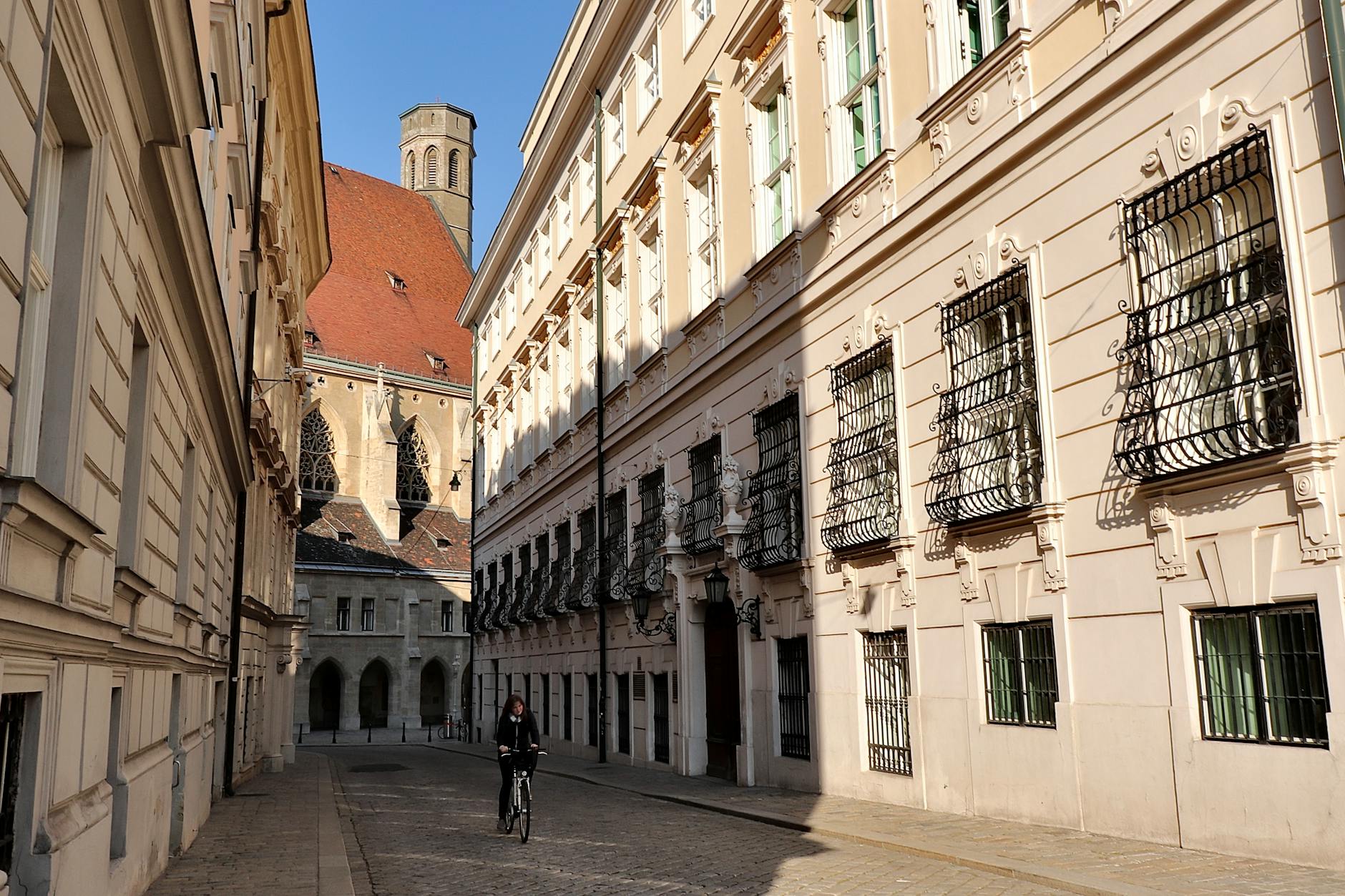
Photo by Nuray
- Why “Hidden Gems” Are Worth the Detour in Vienna
- The 20 Best Hidden Gems in Vienna
- Bonus: 10 More Vienna Hidden Gems
- Hidden Gems by Vienna District
- Hidden Gem Day: A Sample Itinerary
- Best Time to Find Vienna’s Hidden Gems
- Tips for Finding More Hidden Vienna
- Frequently Asked Questions
- Final Thought: Hidden Vienna Is the Real Vienna
- Related Vienna Guides
This article contains advertising. Our booking links are routed through a partner that adds commission tracking automatically, so if you book through one we earn a commission from the provider, at no extra cost to you. It never affects what we recommend. Affiliate disclosure
Vienna’s headline attractions are world-class, but its hidden gems are what locals actually love. The Japanese garden tucked into the 19th district. The cocktail bar with no sign that requires a doorbell. The vineyard hike that ends at a 200-year-old wine tavern. The 1907 secessionist greenhouse with a café most tourists never enter. The narrow medieval alley right off Stephansdom that fewer than one in twenty visitors notice.
This is the complete Vienna hidden gems guide: 20 secret spots off the standard tourist trail, organized by neighborhood and theme so you can fold them naturally into a day already built around the major sights. Pair with our things to do in Vienna to plan a richer trip.
Why “Hidden Gems” Are Worth the Detour in Vienna
Most major European capitals reward only their famous sights — the side streets are forgettable. Vienna is different. Habsburg-era city planning produced a maze of inner courtyards, secret passages, and small civic spaces tucked behind every grand facade. The 7th, 9th, and 19th districts especially preserve a Vienna that residents — not tourists — built. Add the city’s vineyard hills (rare for any major capital) and you get a Vienna that rewards curiosity in proportion to how far you wander.
The 20 Best Hidden Gems in Vienna
1. Setagaya Park (The Japanese Garden Tucked into the 19th)
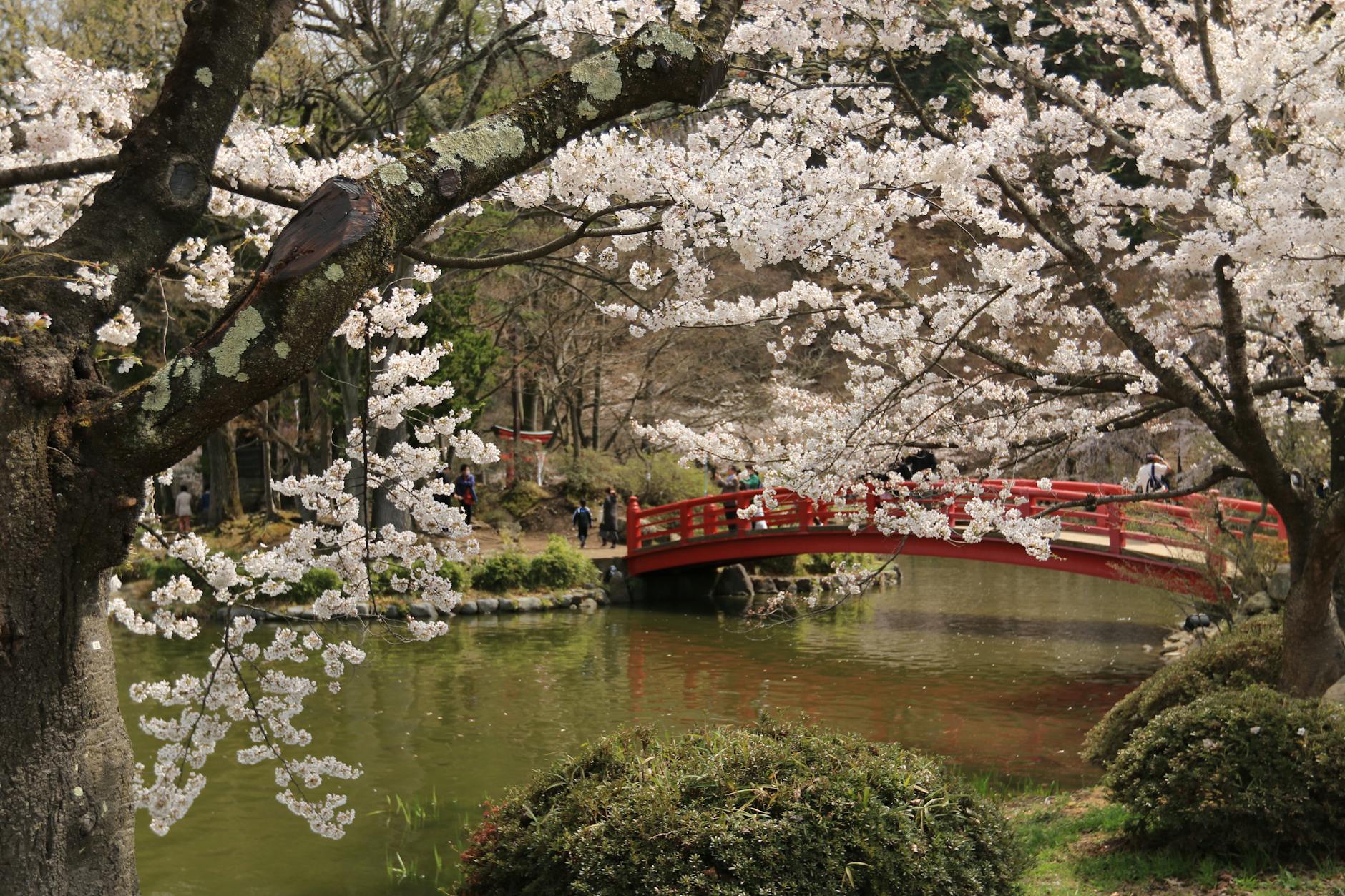
One of Vienna’s most charming small spaces, Setagaya Park in the 19th district is a gift from Vienna’s sister city Setagaya, Tokyo. Koi-filled pond, arched bridges, traditional teahouse, cherry blossoms in April, blazing red maples in October. Free, almost always quiet, and a 5-minute walk from the U4 Heiligenstadt stop.
2. The Hofburg’s Pawlatschen (Hidden Inner Courtyards)
The vast Hofburg complex hides at least eight inner courtyards (Pawlatschen) most visitors never enter. Walk in through the main Michaelertor, then keep going past the Heldenplatz arch into the Innerer Burghof. From there, lesser-used passages lead to the In der Burg courtyard, the Schweizerhof, and the medieval Reichskanzleitrakt corner. All free.
3. The Alte Donau (Vienna’s Local Swimming Spot)
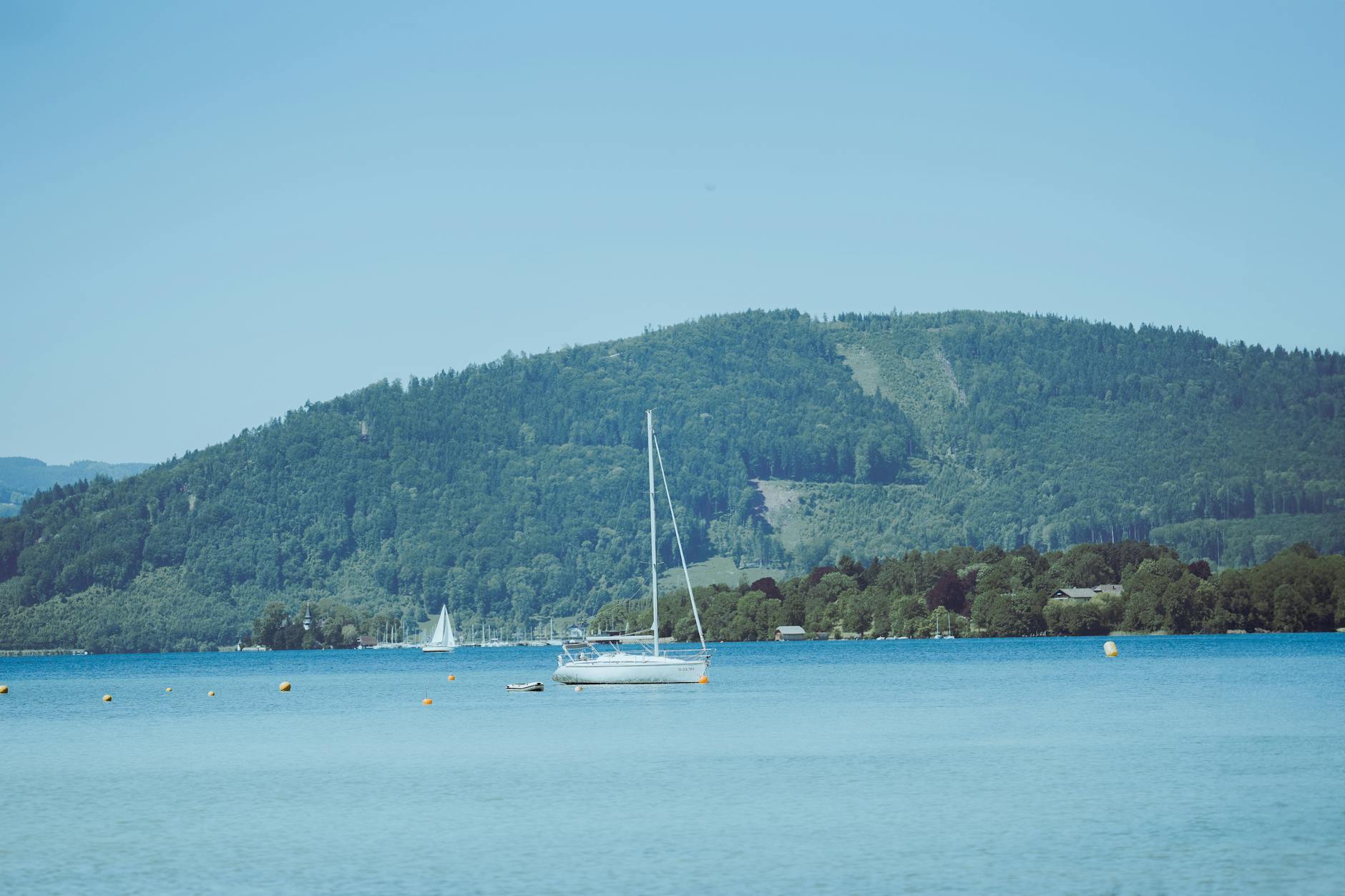
The “Old Danube” is a curving oxbow lake just 15 minutes from the city center on the U1. Vienna locals swim, paddleboard, sail, and rent paddle boats here all summer. Multiple beach areas (Gänsehäufel, Strandbad Alte Donau) charge a small entrance; the open promenades are completely free. Eat at Strandcafé for a perfect Viennese summer afternoon.
4. Wieninger am Nussberg (Hilltop Vineyard with Vienna Views)
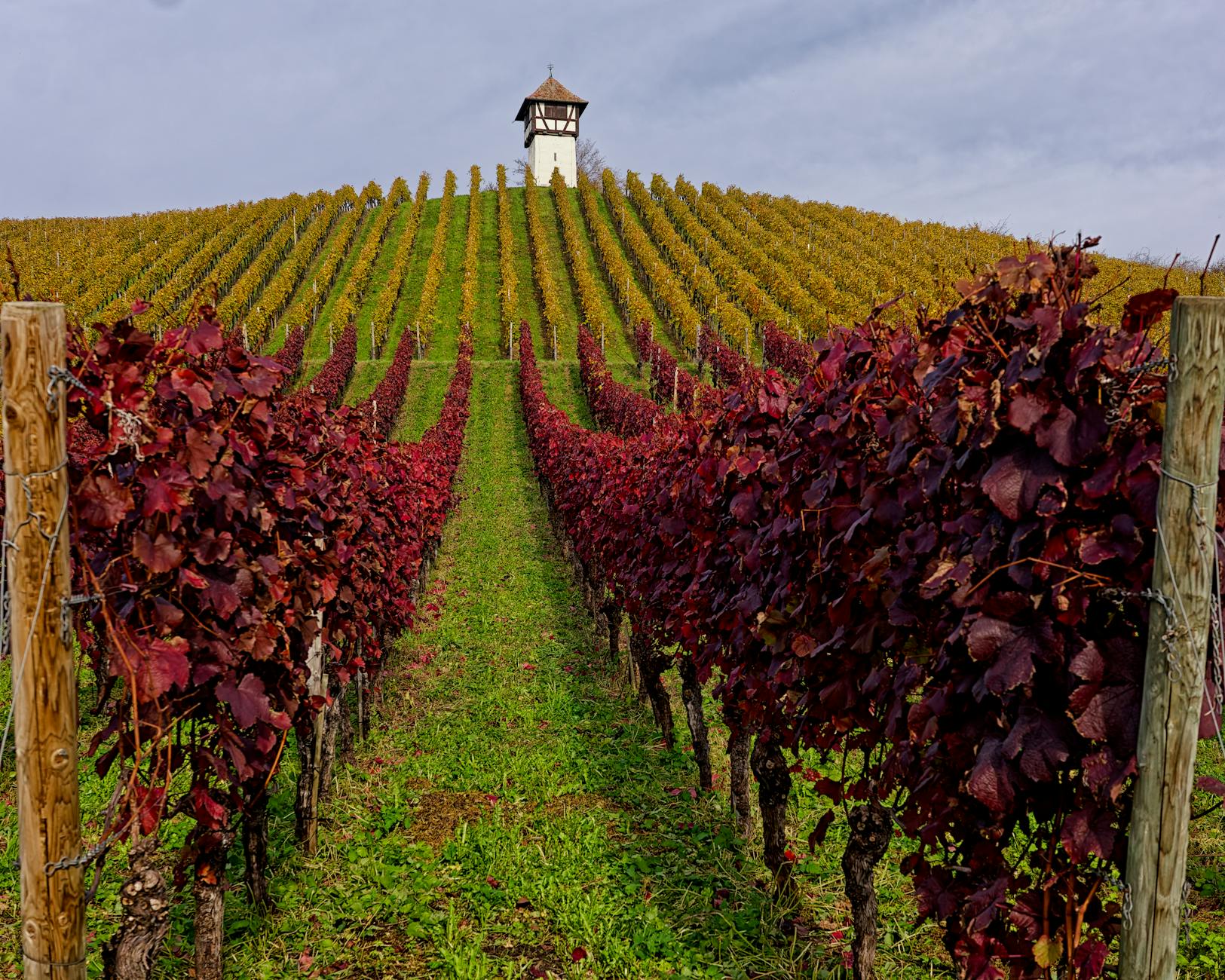
One of the city’s best-kept open secrets. Wieninger am Nussberg is an open-air heuriger on the slopes of the Nussberg vineyards, with picnic tables, a self-service buffet, glasses of crisp Wiener Gemischter Satz, and a panorama down to the Danube and the city center. Open weekends in summer; reach via tram 38 to the end and a 25-minute uphill walk through the vines.
5. The Spittelberg Quarter
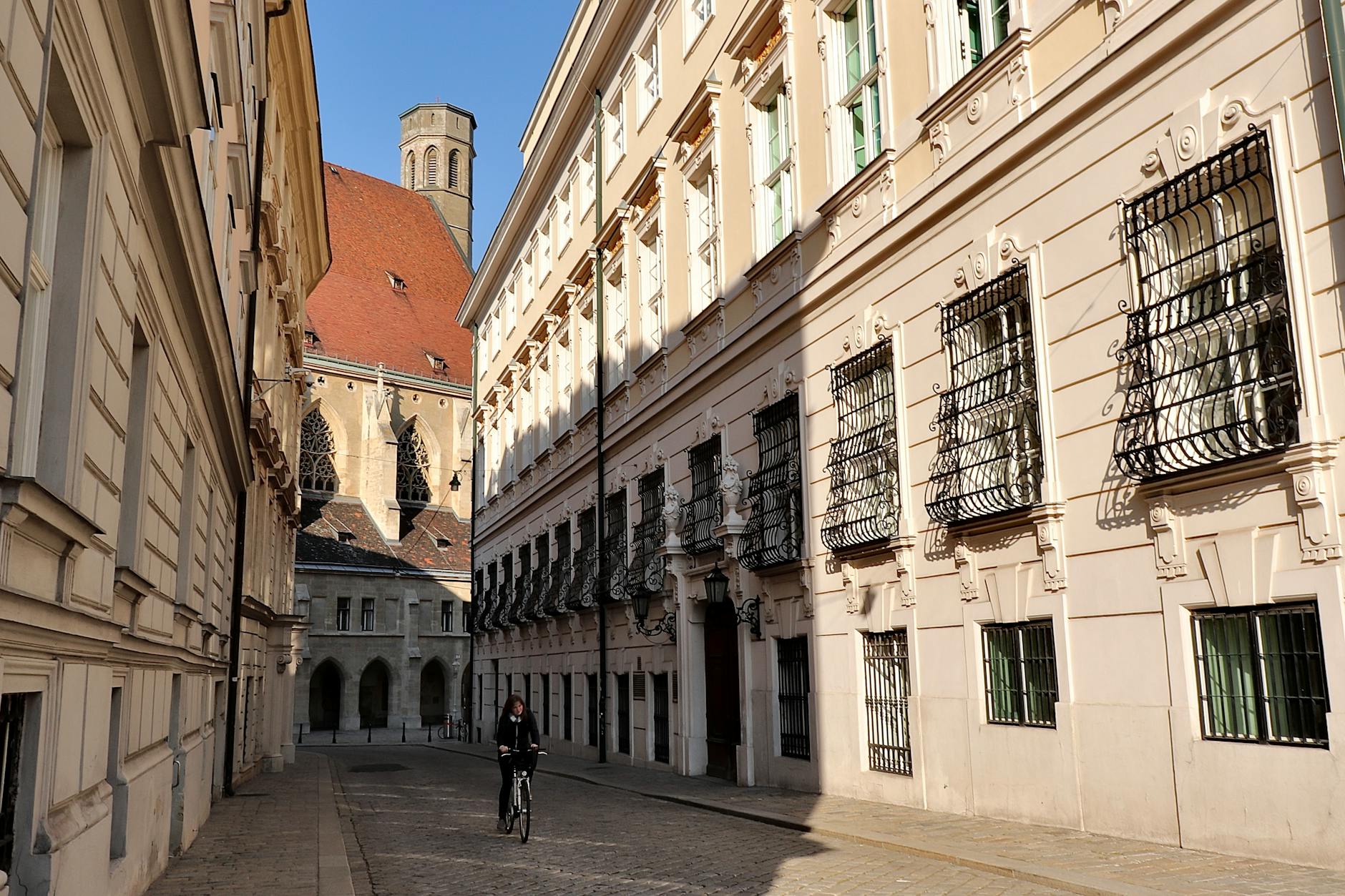
Three blocks of preserved 18th-century alleyways in the 7th district, just behind the MuseumsQuartier. Spittelberg houses dozens of independent design shops, art studios, small cafes, and one of Vienna’s most beautiful November–December Christmas markets. The cobblestone Spittelberggasse alone is worth a 20-minute walk on a slow afternoon.
6. Tür 7 and Krypt (Vienna’s Speakeasy Scene)
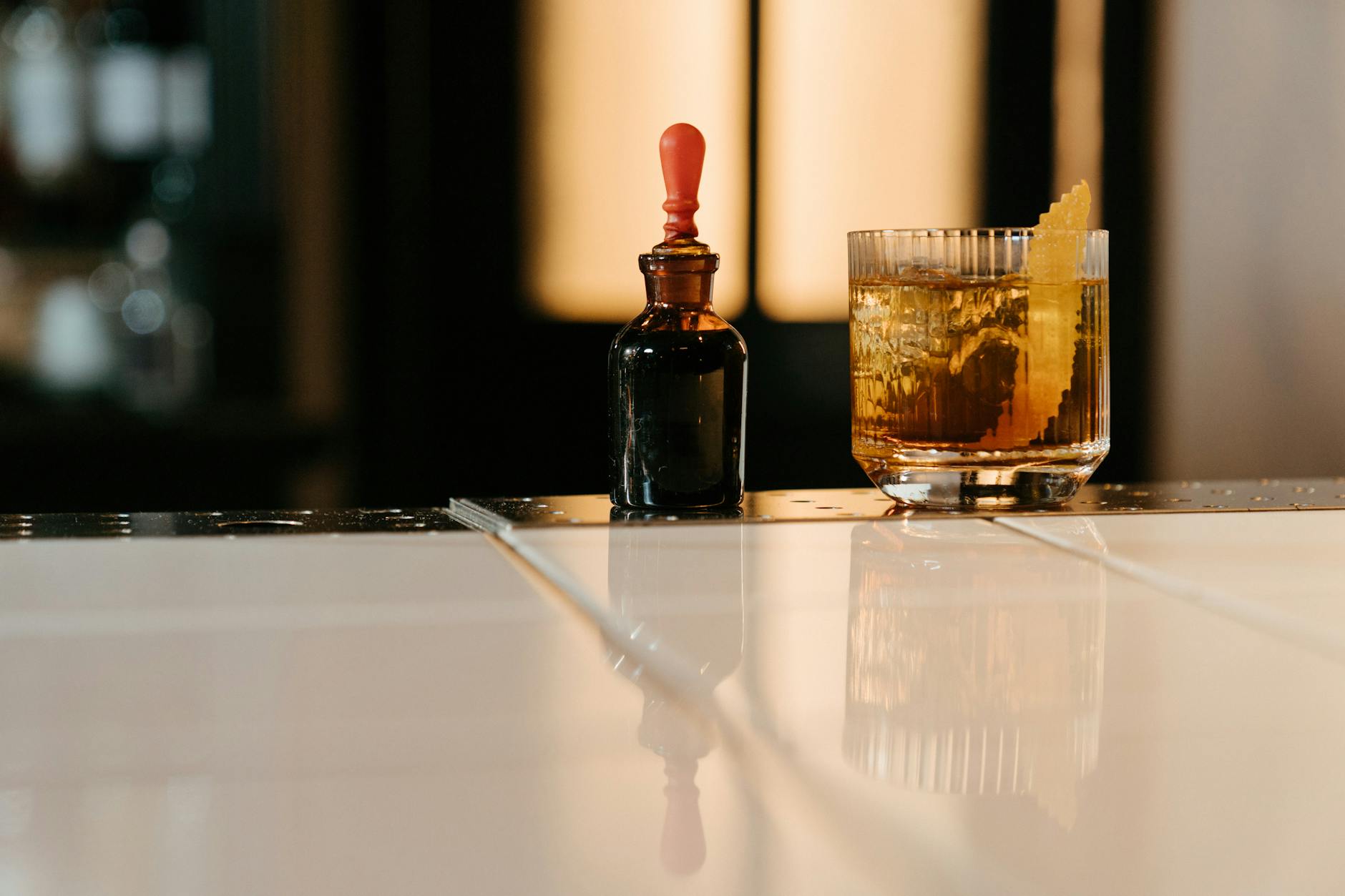
Vienna has a strong unmarked-doorbell cocktail bar tradition. Tür 7 in the 7th has no sign — find Buchfeldgasse 7, ring the bell. Krypt in the 1st is hidden behind a vault-like door near Schottentor. Kleinod Bar is one of the longest-running. Roberto’s American Bar mixes classics in a tiny 1st-district room.
7. The Loos American Bar
Adolf Loos’s 1908 masterpiece is one of the smallest and most architecturally significant bars in the world — barely 25 square meters, all marble, mahogany, and onyx. The Loos American Bar on Kärntner Durchgang is open most evenings and serves classic cocktails to a discerning clientele. Reservations recommended on weekends.
8. Café Goldegg (1910 Coffeehouse, Locals Only)
Tourists pack Café Central; Café Goldegg in the 4th district has the same Belle Époque atmosphere with almost no tourists. Wood paneling, brass fittings, regular customers who’ve been coming for forty years. Take the U1 to Taubstummengasse.
9. The Narrenturm (The “Tower of Fools”)
Built in 1784 as Europe’s first asylum for the mentally ill, the cylindrical Narrenturm is now Vienna’s pathological-anatomical museum, with one of the world’s most extensive specimen collections. Not for the squeamish, but unforgettable. Located in the old University of Vienna grounds in the 9th district.
10. The Schmetterlinghaus (Butterfly House in the Burggarten)
Inside Otto Wagner’s 1907 Jugendstil Palmenhaus in the Burggarten is a small tropical butterfly house with hundreds of free-flying butterflies. Just €8. The architecture itself is one of the most beautiful greenhouse interiors in Europe, even if you skip the butterflies.
11. The Stephansdom Catacombs
Tucked beneath the cathedral, the Stephansdom catacombs hold the bones of 11,000 Viennese plague victims and the embalmed organs of Habsburg royals (whose hearts and bodies are at different locations as Habsburg burial tradition specified). Tours run every 30 minutes; €6.50.
12. The Servitenviertel (Vienna’s Quiet 9th-District Quarter)
Five blocks around the 17th-century Servitenkirche have one of Vienna’s most distinctive village atmospheres — small bookshops, neighborhood cafés (try Café Stein), an excellent Saturday farmers’ market, and a tree-lined square with locals’ kids playing. Take U4 to Roßauer Lände.
13. The Hundertwasserhaus (Less Famous Than the Crowd Suggests)
The Hundertwasserhaus social housing block is on most lists, but the surrounding KunstHausWien museum and the nearby Hundertwasser-Brunnen fountain are usually skipped. The neighborhood (3rd district, near Mitte) is residential and quiet, despite the bus tours that briefly stop at the building.
14. Gugumuck (The Snail Farm and Restaurant)
On the southern fringe of the 10th district, Gugumuck is a working snail farm with an attached restaurant serving its own escargot in dozens of forms. Quirky, local, completely off the standard tourist map. Reservations needed.
15. Tichy (Vienna’s Best Ice Cream)
Family-run since the 1950s, Tichy in the 10th district is famous for its Eismarillenknödel — apricot-dumpling-flavored ice cream. The U1 to Reumannplatz delivers you within 100 meters. A pilgrimage for ice-cream-loving Viennese.
16. Jubiläumswarte (Free Panoramic Tower)
An old weather station turned free observation tower in the Vienna Woods (16th district), the Jubiläumswarte is open 24 hours in summer and gives a panorama of the city without crowds. Reach via tram 49 to its terminus, then a 20-minute uphill walk.
17. The Augarten Porcelain Manufactory
The 18th-century Augarten Porcelain Manufactory is Europe’s second-oldest working porcelain producer (after Meissen). The on-site museum and factory tour give a rare working-craft experience; the gift shop sells seconds at significantly reduced prices. Combine with a walk through the adjacent Augarten park.
18. The Loos Haus (Michaelerplatz)
Adolf Loos’s 1910 commercial building on Michaelerplatz across from the Hofburg is one of the most important buildings in modernist architecture — its bare facade so offended Emperor Franz Joseph that he reportedly stopped using the Hofburg’s main entrance to avoid seeing it. The exterior is free; the interior houses a Raiffeisen bank you can enter.
19. Schloss Hof (The Lesser-Known Habsburg Country Palace)
40 km east of Vienna near the Slovak border, Schloss Hof was Prince Eugene of Savoy’s country estate — a Baroque palace with formal gardens, exotic animals, and seasonal festivals. A worthy half-day trip when Schönbrunn feels too crowded. Train + bus, or seasonal tour buses from Vienna. See our day trips from Vienna.
20. The Beethoven Walk (Beethovengang)
A 4-km marked walking trail in Heiligenstadt where Beethoven repeatedly summered. The trail passes the brook that inspired the Pastoral Symphony, the Beethoven memorial, and ends near the heuriger village of Grinzing. Free, well-signed, and one of the most beautiful summer afternoons you can spend on foot.
Bonus: 10 More Vienna Hidden Gems
- The Heiligenkreuzerhof courtyard in the 1st — a tucked-away medieval square with a fountain and resident cats
- The Pasqualati Haus — Beethoven’s apartment, a small museum few visit
- The Sigmund Freud Museum in his original apartment in the 9th
- The Globe Museum at the Palais Mollard — the world’s largest collection of historical globes
- The Esperanto Museum — quirky and small, in the same Palais Mollard
- The Funeral Museum at the Central Cemetery
- The Phonomuseum — early sound recording history
- The Spittelberg Sunday flea market in summer
- The Donaupark and the Donauturm tower
- The Schubert Geburtshaus — Schubert’s birthplace, a small museum in the 9th
Hidden Gems by Vienna District
1st District (Inner City)
Hofburg Pawlatschen, Heiligenkreuzerhof courtyard, Loos American Bar, Krypt cocktail bar, Café Hawelka.
2nd District (Leopoldstadt)
Augarten Porcelain Manufactory, the Karmelitermarkt, Vollpension intergenerational coffeehouse.
3rd District (Landstraße)
Hundertwasserhaus + KunstHausWien, the Botanical Garden of the University of Vienna.
4th District (Wieden)
Café Goldegg, Naschmarkt’s lesser-known south end (the antique stalls).
7th District (Neubau)
Spittelberg, Tür 7, Kirchengasse design shops, Schau Schau eyewear.
9th District (Alsergrund)
Servitenviertel, the Sigmund Freud Museum, the Narrenturm, the Schubert Geburtshaus.
10th District (Favoriten)
Tichy ice cream, Gugumuck snail farm.
16th District (Ottakring)
Jubiläumswarte, the Brunnenmarkt, Ottakringer Brewery tours.
19th District (Döbling)
Setagaya Park, Wieninger am Nussberg, Beethoven Walk, the entire Grinzing-Nussdorf wine area.
Hidden Gem Day: A Sample Itinerary
Morning
U4 to Heiligenstadt → walk to Setagaya Park (45 min) → continue along the Beethoven Walk through Heiligenstadt vineyards.
Lunch
Heuriger lunch at Mayer am Pfarrplatz or Sirbu (book ahead in summer) — Beethoven once lived here.
Afternoon
Return to the city, U-Bahn or tram → walk through the Spittelberg quarter (1 hour) → coffee at Café Sperl on Gumpendorfer Straße.
Evening
Dinner at Skopik & Lohn in the 2nd district → late drinks at Tür 7 (ring the bell at Buchfeldgasse 7).
This single day touches multiple non-touristy districts and dives into Vienna’s best-kept atmospheric corners. Pair with the broader 5-day Vienna itinerary for a longer trip.
Best Time to Find Vienna’s Hidden Gems
Late spring (April–May) brings cherry blossoms at Setagaya Park; September–October offers heuriger season at peak (Wieninger am Nussberg, Mayer am Pfarrplatz, Sirbu); late November–December surfaces tiny Christmas markets in unusual courtyards (Spittelberg, Karlsplatz, Schloss Schönbrunn). Summer is best for the Alte Donau and Beethoven Walk. Use our best time to visit Vienna to plan around these.
Tips for Finding More Hidden Vienna
- Always look behind a grand facade — most Inner City buildings hide an inner courtyard (Hof) you can usually walk into
- Drift past Stephansplatz — five minutes of unguided walking in any direction lands you in real Vienna
- Use vienna.info’s “Hidden Gems” page for current lesser-known recommendations
- Eat in the 7th, 9th, or 16th at least once — the Inner City has the most touristy restaurants
- Take a tram to its terminus for a low-effort day trip into a new district
- Ask locals “Wo gehen Sie selber?” (“Where do you go yourself?”) — Viennese will give you their actual list
- Skip the hop-on bus — it shows you only the front rows
Frequently Asked Questions
What are the best hidden gems in Vienna?
Setagaya Park, the Hofburg Pawlatschen courtyards, Wieninger am Nussberg vineyard, Spittelberg, Tür 7 cocktail bar, Tichy ice cream, the Narrenturm, the Beethoven Walk, and the Servitenviertel are all consistently recommended by Viennese locals.
Are there hidden gems near Stephansplatz?
Yes — the medieval Heiligenkreuzerhof courtyard, the Loos American Bar, the Mozart Apartment, and the Pawlatschen courtyards inside the Hofburg are all within 10 minutes’ walk and far less touristy than the cathedral itself.
What’s a good non-touristy Vienna neighborhood to wander?
The 7th (Neubau) for design and cafes, the 9th (Servitenviertel and Alsergrund) for residential atmosphere and small museums, and the 19th (Grinzing/Nussdorf/Heiligenstadt) for wine country within city limits.
How do I find Vienna’s speakeasy bars?
Tür 7 (Buchfeldgasse 7, ring the bell), Krypt (Schottentor area), Kleinod, and Roberto’s American Bar are the well-known ones. Most have unmarked entrances; Google Maps lists their addresses but no signs are usually visible from the street.
Is the Hundertwasserhaus a hidden gem?
No — it’s a famous attraction. The genuine hidden gem is the Wieninger am Nussberg vineyard tavern or Setagaya Park, neither of which appears in most guidebooks.
Can I visit Vienna’s vineyards?
Yes — Vienna is the only major capital with working vineyards inside city limits. Take the U4 to Heiligenstadt, tram 38 to Grinzing, or follow the Stadtwanderweg trails. Heurigen are open most weekends; check Wieninger, Mayer am Pfarrplatz, Sirbu, and Hofer for current opening days.
Final Thought: Hidden Vienna Is the Real Vienna
The Habsburg headline attractions — Schönbrunn, Stephansdom, Belvedere — are essential, and skipping them would be a strange way to visit Vienna. But the city’s actual texture lives in its smaller corners: the unsigned doorbells, the vineyard taverns, the tucked-away gardens, the courtyards behind grand 19th-century facades. Travelers who slow down enough to find these end up describing Vienna with the kind of warmth usually reserved for cities they grew up in.
You can do this on a first trip. Pick three hidden gems from this list and weave them into your standard itinerary — Setagaya Park between Schönbrunn and Karlsplatz, Tür 7 after dinner near the Hofburg, the Beethoven Walk on a sunny afternoon between museum days. Each one nudges Vienna away from a checklist trip and toward the kind of trip you’ll be telling people about for years.
For more, see our things to do in Vienna, our first time visiting Vienna tips, and our romantic Vienna for couples.
The strangest thing on this list is arguably not on it at all, because it is underneath the Michaelerkirche: a set of dry vaults where a number of eighteenth-century Viennese mummified naturally and still lie in their coffins in their own clothes. Ten euros, forty-five minutes, and almost nobody in your hotel will have been. See our guide to Vienna’s underground crypts and catacombs for how to get in.
Two streets below the Mölker Bastei there is a recessed doorway on Schreyvogelgasse where a headlight once caught Orson Welles’s face, and almost nobody standing on the Ring above knows it is there. It is free, it is quiet, and it photographs best after dark. Our guide to the Third Man tour and its Vienna locations strings it together with the cemetery, Josefsplatz and the sewer.
Café Hawelka on Dorotheergasse is hardly unknown, but it is the opposite of the gilded grand cafés and far more rewarding on a weekday evening than in the afternoon rush. It has been run by the same family since 1939, the walls are papered with posters from its post-war artists’ years, and the warm plum-filled Buchteln still come out of the oven in the evening. Our guide to Café Hawelka explains when to go and how the table-sharing works.
Few cities can offer a reef shark, a free-flying tanager and a rooftop bar stacked inside a wartime anti-aircraft tower, and Vienna does it in a residential park off Mariahilfer Straße. Our Haus des Meeres guide has the prices, the weekday evening ticket that cuts a third off, and an honest verdict on the crowding.
Out past the UN complex, in a park built on a former municipal tip, stands the tallest structure in Austria with a revolving restaurant near the top of it. Hardly any first-time visitor goes. Our Donauturm guide covers the tower, the Donaupark below it and what else is worth the trip out to the 22nd district.