20 Traditional Viennese Dishes You Must Try (with Photos)
From Tafelspitz to Kaiserschmarrn, discover the 20 essential Viennese dishes every visitor must try. Where to find them, what to expect, and the Habsburg-era food culture that built Vienna's distinctive cuisine — combining Hungarian, Bohemian, Italian, and Balkan influences into a kitchen that's still actively cooked today.
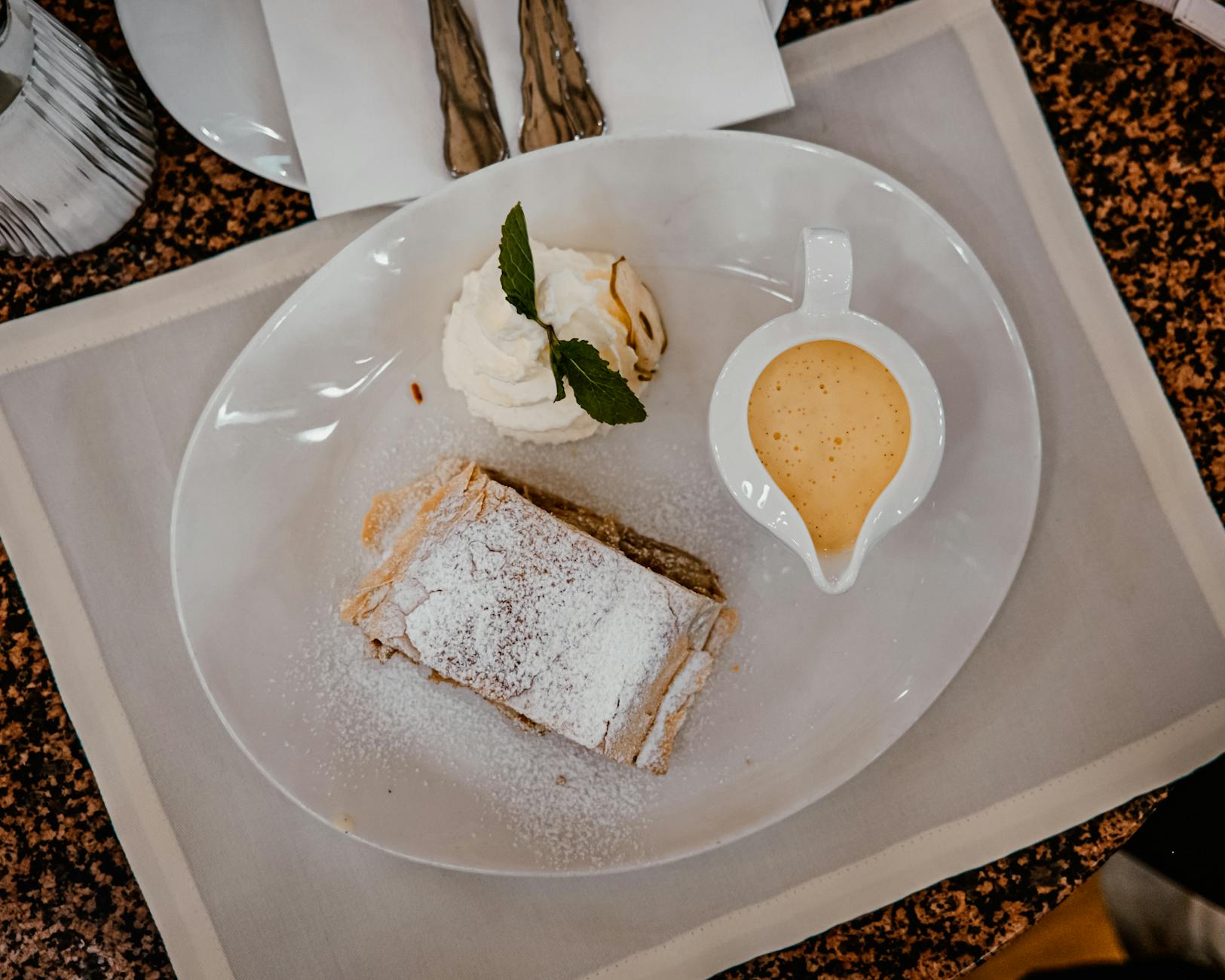
Photo by Fatih Maraşlıoğlu
- The 20 Essential Traditional Viennese Dishes
- Bonus: 5 More Viennese Dishes Worth Trying
- Where to Eat Traditional Viennese Food
- Vienna Food by Time of Day
- Vienna Food Tips
- Vienna’s Soup Tradition
- The Bread & Pastry Tradition
- Traditional Drinks to Pair
- Sample Traditional Vienna Dinner Menu
- How Vienna Cuisine Reflects the Habsburg Empire
- Sweet Vienna Beyond the Headlines
- The Vienna Meal Pacing Convention
- One Final Note on Vienna Food
- FAQ
- Final Thought: Eat Like the Habsburgs
This article contains advertising. Our booking links are routed through a partner that adds commission tracking automatically, so if you book through one we earn a commission from the provider, at no extra cost to you. It never affects what we recommend. Affiliate disclosure
Viennese cuisine is more distinct than most travelers realize. The Habsburg Empire pulled in influences from Hungary (goulash), Bohemia (dumplings), Italy (schnitzel ancestors), and the Balkans (paprika, pepper-stuffed peppers), and reorganized them into a recognizable Vienna kitchen — heavier than French, lighter than German, more theatrical than its neighbors. Empress Sisi obsessed over slim figures while her husband ate Tafelspitz daily for 60 years. The dishes that survived all that are the dishes you’ll find on Vienna menus today.
This is the complete traditional Viennese food guide: 20 essential dishes you should try at least once on a Vienna trip, where to eat the best version of each, and what each dish tells you about the city’s history. Pair with our Vienna food guide.
The 20 Essential Traditional Viennese Dishes
1. Wiener Schnitzel
Vienna’s most famous dish — breaded veal cutlet, pan-fried to golden, served with potato salad and lemon. Best at Figlmüller, Plachutta Wollzeile, or our full Vienna food guide cluster (separate dedicated guide).
2. Tafelspitz
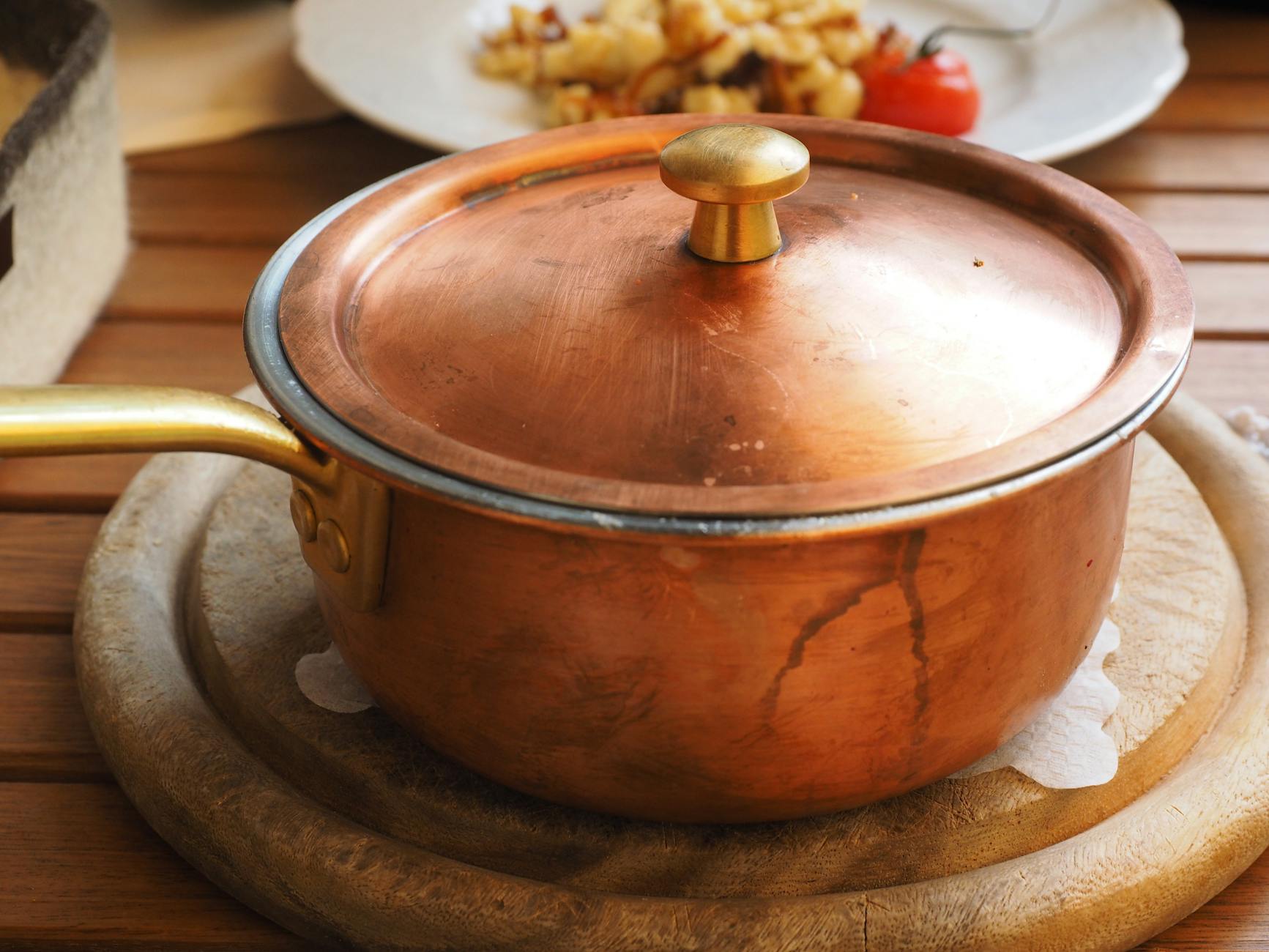
Franz Joseph’s daily lunch for 60 years. Tafelspitz is boiled beef (specifically the rump cut) served in clear broth from a copper pot, accompanied by horseradish, apple-horseradish (Apfelkren), chive cream, parsley potatoes, and root vegetables. The full ritual takes 90 minutes — soup first (bring your own marrow bone), then the beef from the pot. Best at Plachutta Wollzeile (the canonical version) or Lugeck.
3. Wiener Saftgulasch
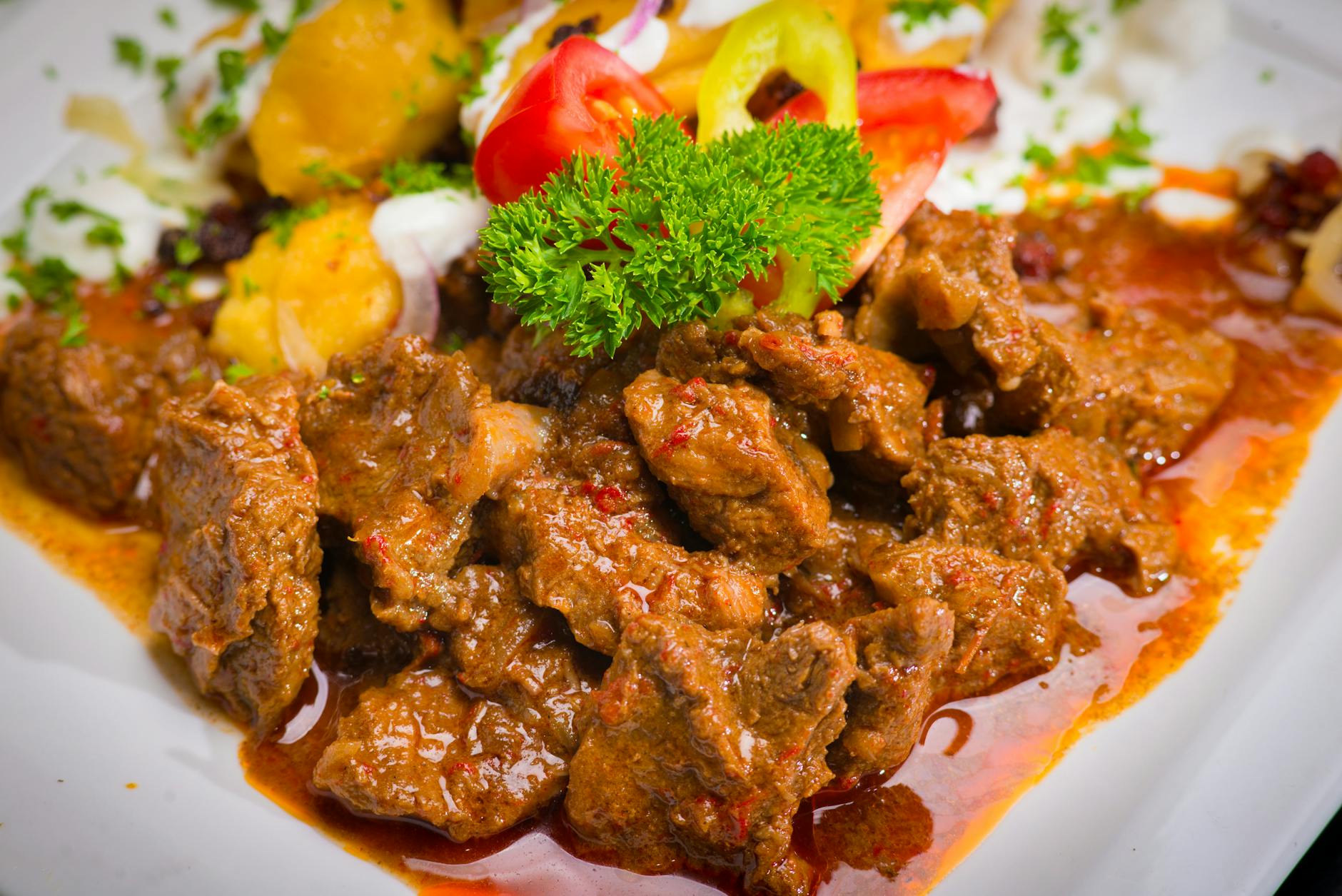
Vienna’s beef goulash is denser and saucier than the Hungarian original — long-braised beef cubes in a paprika-rich gravy, often served with bread dumplings (Semmelknödel) or boiled potatoes. Best at Plachutta, Gasthaus Pöschl, and most traditional Beisl.
4. Kaiserschmarrn

The “Emperor’s Mess” — a fluffy shredded pancake with rum-soaked raisins, dusted with powdered sugar, served warm with stewed plums (Zwetschkenröster) or apple sauce. Born in imperial Vienna; named for the emperor’s slightly disordered presentation. Best at Café Sperl, Café Landtmann, or any traditional Beisl. Often served as a sweet main rather than a dessert.
5. Apfelstrudel
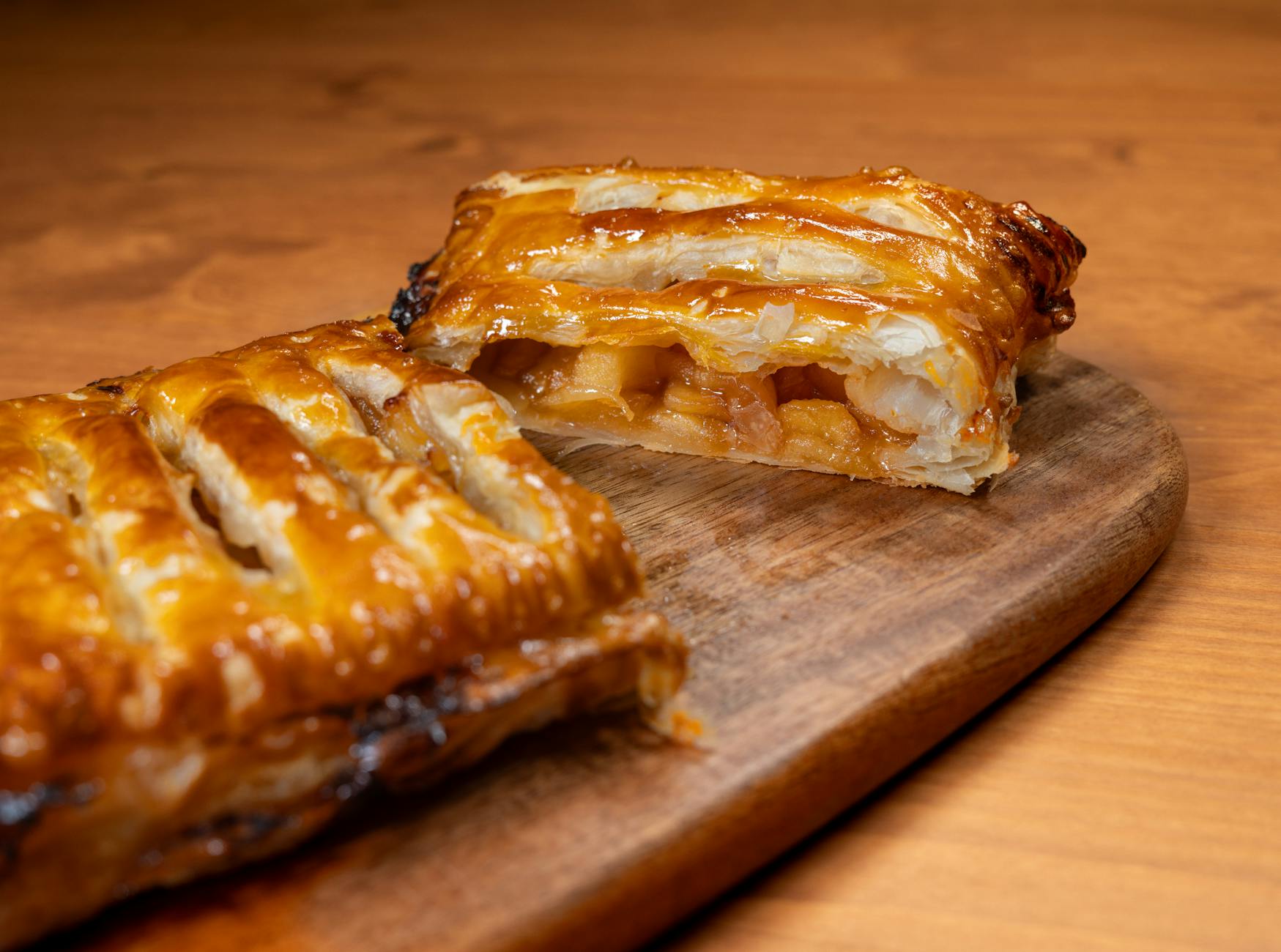
Vienna’s most-exported dessert. Flaky, paper-thin pastry wrapped around spiced apples, raisins, and breadcrumbs, served with vanilla sauce, ice cream, or whipped cream. Best at Demel (in the legendary glass-walled pastry kitchen), Café Central, or any Vienna coffeehouse.
6. Sachertorte
Vienna’s signature chocolate cake. Two layers of dense chocolate sponge separated by apricot jam, glazed in dark chocolate. The “Original Sachertorte” recipe was created in 1832 by 16-year-old Franz Sacher and is legally protected. Best at Café Sacher (the original) or Demel (their version, distinct in details). Detail in our romantic Vienna for couples and dessert guides.
7. Käsekrainer (and other Würstel)
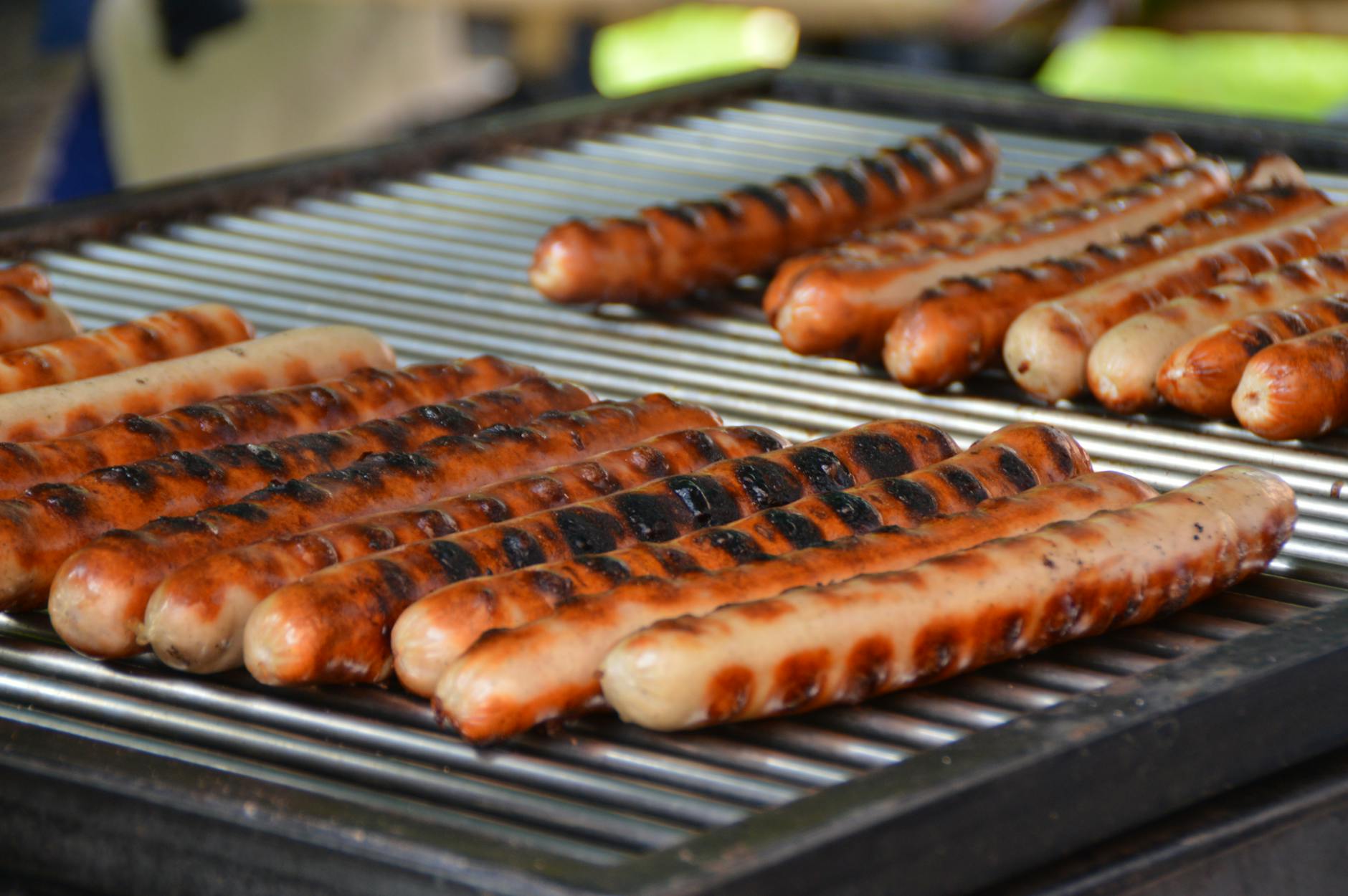
Vienna’s sausage culture is its own institution. The Käsekrainer is a smoked pork sausage stuffed with cheese cubes, traditionally eaten at a Würstelstand (sausage stand) with mustard, horseradish, and a piece of bread (Semmel). Other essentials: Frankfurter (the original, milder than American hot dogs), Bosna (sausage with onions, curry, mustard), and Burenwurst (paprika-spiced). Best at Bitzinger at Albertinaplatz, the Würstelstand am Hohen Markt, or any city-square Würstelstand.
8. Frittatensuppe
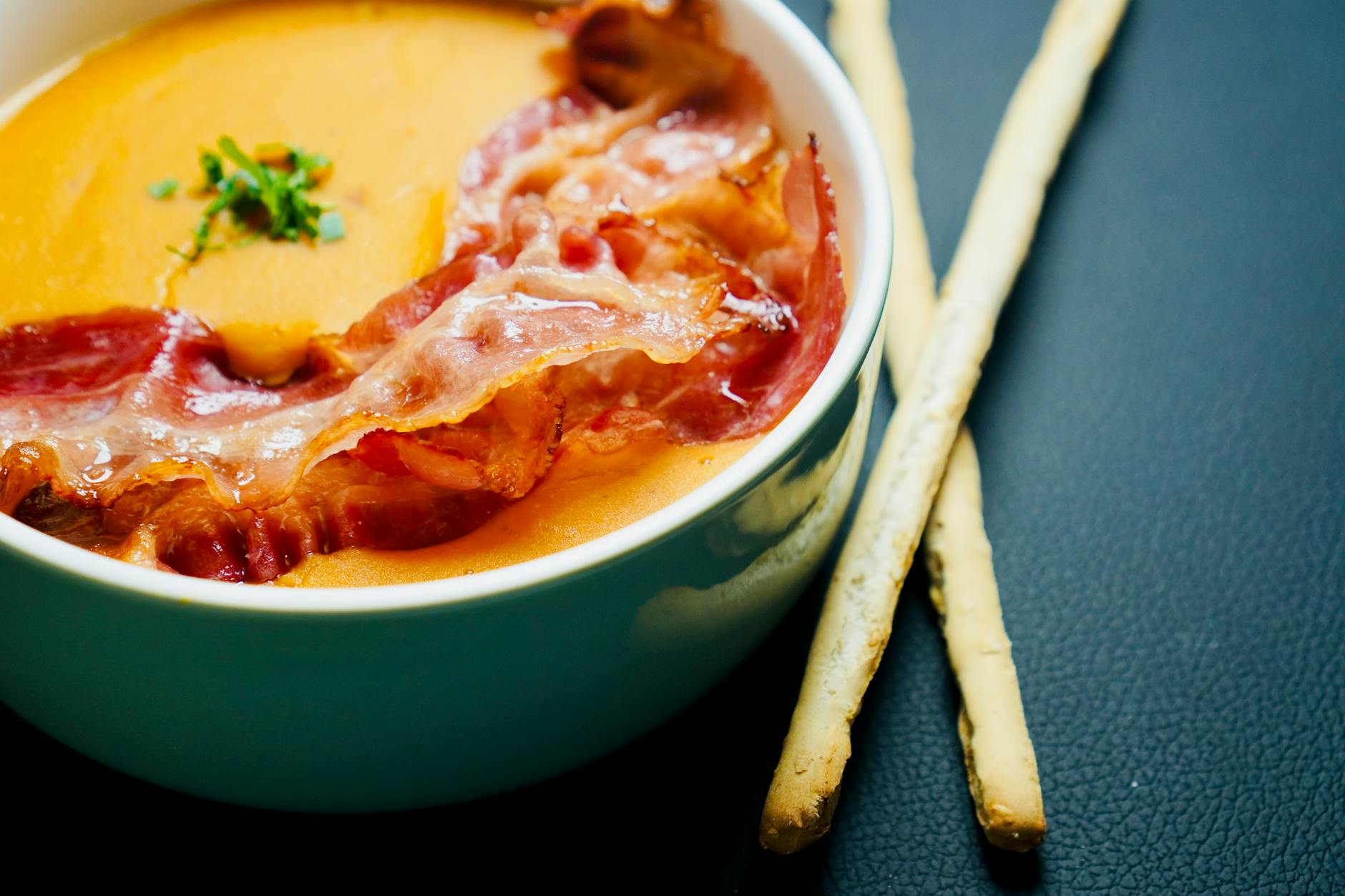
Beef broth with strips of thin sliced pancake — the most quintessentially Viennese starter. Frittatensuppe appears on every traditional Beisl menu and most coffeehouse lunches. Best as a winter starter before a heavy main like Tafelspitz or Schnitzel.
9. Backhendlsalat
Breaded fried chicken on a salad — sounds Americanized, is actually deeply Austrian. Backhendl is the original 19th-century Vienna fried chicken (yes, predating American fried chicken). Served on a green salad with vinegar dressing. Best at Plachutta and most traditional Beisl.
10. Marillenknödel
Wachau apricots wrapped in potato dough, boiled, and rolled in butter-fried breadcrumbs and sugar. Marillenknödel peaks in July–August (Wachau apricot season). Best at Café Sperl, Café Demel, or seasonal heuriger taverns in Grinzing.
11. Tiroler Gröstl
Roast potatoes pan-fried with diced beef or pork, onions, and a fried egg on top. More Tyrolean than Viennese, but appears widely in Vienna. Best at the heuriger taverns and Beisl in colder months.
12. Beuschel
One for the adventurous. Beuschel is a creamy ragout of veal lung and heart in a vinegar-cream sauce, served with bread dumplings. Sounds difficult, eats like a rich stew. A genuine Vienna delicacy. Best at Pfudl, Beim Czaak, or other small Beisl that still keep the dish on the menu.
13. Wiener Erdäpfelsalat
Vienna’s potato salad — vinegar-based, with mustard and finely chopped onion (no mayo). Erdäpfelsalat accompanies Wiener Schnitzel by default. Often the unsung hero of the meal.
14. Topfenstrudel
Strudel dough wrapped around quark cheese (Topfen) and raisins, baked, served with vanilla sauce. Topfenstrudel is the slightly less famous cousin of Apfelstrudel but, for many locals, the better strudel. Best at Demel, Heiner, or Café Central.
15. Germknödel
A dumpling made from sweet yeast dough, filled with plum jam, served warm with vanilla sauce, ground poppy seeds, and melted butter. Germknödel is winter Vienna’s comfort food — it appears at Christmas markets and in heuriger taverns October–March.
16. Buchteln
Sweet yeast buns baked together so they tear apart, traditionally filled with apricot jam (Powidl), and served warm. Café Hawelka is the famous late-night Buchteln stop — they come out hot at 10 pm.
17. Esterházy Torte
Five thin layers of almond meringue with cognac buttercream, topped with the signature feathered fondant pattern. The cake was created in honor of Prince Paul III Anton Esterházy in the 19th century. Best at Café Hawelka, Demel, and most coffeehouses with strong cake selections.
18. Palatschinken
Vienna’s thin pancakes (closer to French crêpes than American pancakes), filled with apricot jam, hazelnut spread, or quark cheese. Palatschinken appear on most Vienna brunch menus.
19. Schinkenfleckerl
A baked pasta dish with diced ham, sour cream, and seasonings — Austrian comfort food at its purest. Schinkenfleckerl is rarely on tourist menus but appears at every authentic Beisl. Best at Pfudl and Gasthaus Wolf.
20. Liptauer
A spread of soft cheese (typically quark) blended with paprika, capers, mustard, onions, and herbs — served with bread, beer, and a glass of wine. Liptauer is the appetizer at every heuriger evening.
Bonus: 5 More Viennese Dishes Worth Trying
- Bauernkrapfen — fried doughnut filled with apricot jam
- Vanillerostbraten — roast beef with onions and garlic in vanilla-tinged gravy
- Krautfleckerl — pasta tossed with sweet-and-sour cabbage, bacon, and paprika
- Reisfleisch — risotto-style pork rice with paprika
- Salzburger Nockerl — meringue dessert (technically Salzburg, but found in Vienna)
Where to Eat Traditional Viennese Food
Iconic / Tourist-Friendly
- Plachutta Wollzeile — the tafelspitz canonical
- Figlmüller — the schnitzel landmark
- Café Sacher — the original Sachertorte
- Demel — pastry display + Topfenstrudel + Apfelstrudel
- Café Central — coffeehouse classics
Local-Feeling Beisl
- Pfudl — small, classic, full traditional menu
- Gasthaus Pöschl — beloved, central, Beuschel and Tafelspitz both
- Gasthaus Wolf (4th) — neighborhood gem
- Beim Czaak — authentic, varied menu
- Glacis Beisl (MuseumsQuartier) — modern Beisl
For Sweet Vienna
- Café Hawelka — late-night Buchteln
- Café Sperl — Kaiserschmarrn and Marillenknödel
- Café Diglas — strong cake selection
- Heiner — pastry shop with breadth
For Sausage Culture
- Bitzinger Albertinaplatz — the most-photographed Würstelstand
- Würstelstand am Hohen Markt
- Würstelstand zum scharfen Rene
Vienna Food by Time of Day
Breakfast
Coffeehouse Frühstück — eggs, butter, jam, ham, croissant, melange. Or a Topfenstrudel + coffee at Demel.
Mid-Morning
A Würstelstand snack — Käsekrainer with mustard, horseradish, and a Semmel.
Lunch
Wiener Schnitzel + Erdäpfelsalat at Figlmüller, or Tafelspitz at Plachutta. Or Frittatensuppe + Backhendlsalat at any Beisl.
Afternoon Coffee
Sachertorte at Café Sacher, Apfelstrudel at Café Central, or Esterházy Torte at Café Hawelka.
Dinner
Beuschel + Knödel at Pfudl, or Gulasch + Spätzle at Gasthaus Pöschl. Light option: Liptauer + Riesling at a heuriger.
Late Night
Buchteln at Café Hawelka after 10 pm.
Vienna Food Tips
- Soup is taken seriously — order Frittatensuppe or Goulaschsuppe as a starter
- Knödel are the carbohydrate — bread dumplings, potato dumplings, plum dumplings all show up
- Vinegar-based potato salad is the standard, not mayo
- Plum jam (Powidl) is the filling for sweet dumplings; not strawberry
- Cake at 4 pm is a real institution — coffeehouse Jause
- Tip 5–10% in cash, stated aloud — see our first time visiting Vienna tips
- Order in German if you can — even basic phrases are appreciated
Vienna’s Soup Tradition
Soup is a major component of Vienna’s traditional menu — far more than most travelers realize. Three essential Vienna soups:
Frittatensuppe
Beef broth with strips of thin pancake (the Frittaten). The most quintessentially Viennese starter. Appears on every traditional Beisl menu.
Leberknödelsuppe
Liver-dumpling soup — a single large dumpling made from minced liver, herbs, and bread, served in clear beef broth. Heartier than Frittatensuppe; often a full meal on a cold day.
Tafelspitz-Suppe
The opening course of a traditional Tafelspitz service — clear beef broth from the same pot the boiled beef will come from. Often comes with bone marrow on toast as an accompaniment.
The Bread & Pastry Tradition
Vienna’s bread tradition predates and underlies its pastry tradition. Essential Vienna bread types:
- Semmel — the classic Vienna roll, served with butter at coffeehouses
- Salzstangerl — salt sticks, the everyday Beisl bread
- Mohnflesserl — braided poppy-seed roll
- Schwarzbrot — dark rye, served with Würstelstand sausages
- Vinschgerl — a flat sourdough originating from South Tyrol
Traditional Drinks to Pair
The beverages that go with traditional Vienna cuisine are part of the tradition:
- Wiener Gemischter Satz — Vienna’s indigenous wine, the locals’ default white
- Grüner Veltliner from Wachau or Kamptal — Austria’s flagship white
- Pilsner — Vienna’s default beer style
- Spritzer (Weißer Spritzer) — Grüner Veltliner cut with sparkling water; very Austrian summer drink
- Almdudler — herbal soda, Austria’s national soft drink
- Mineral water (Vöslauer, Römerquelle) — strongly preferred to tap water in restaurants
- Sturm — partially fermented new wine, late September-October only
Sample Traditional Vienna Dinner Menu
A canonical multi-course Vienna meal you can order anywhere from Plachutta to Pfudl:
- Aperitif: Spritzer or Sekt
- Starter: Frittatensuppe or Liptauer with bread
- Salad: Erdäpfelsalat (vinegar potato salad) or Krautsalat (cabbage salad)
- Main: Wiener Schnitzel + parsley potatoes, OR Tafelspitz + horseradish + chive cream
- Side: Steamed vegetables in butter
- Dessert: Kaiserschmarrn with plum compote, OR Apfelstrudel with vanilla sauce
- Coffee: Melange or Großer Brauner
- Digestif: Marillenschnaps (Wachau apricot schnapps)
Allow 2-2.5 hours for the full meal. Tip 5-10% in cash, stated aloud.
How Vienna Cuisine Reflects the Habsburg Empire
Each dish has a specific imperial origin or trajectory:
- Wiener Schnitzel — likely brought to Vienna by Field Marshal Radetzky from Milan in 1857 (the cotoletta Milanese ancestor), though some food historians dispute the timeline
- Goulash — Hungarian peasant stew that became refined in Habsburg court kitchens, splitting into “Saftgulasch” (Vienna’s denser version) and the lighter Hungarian soup version
- Knödel (dumplings) — Bohemian roots, brought to Vienna by Czech servants in Habsburg households and adapted into both savory and sweet varieties
- Tafelspitz — Franz Joseph’s personal chef Franz Sacher (yes, of the Sachertorte) developed the recipe specifically for the emperor’s tastes
- Apfelstrudel — Turkish/Byzantine pastry tradition that reached Vienna via the Habsburg territories in modern-day Hungary and Romania
- Kaiserschmarrn — multiple origin stories; the most common claims Franz Joseph preferred a slightly messy version of the original Marillen-Schmarrn his cook prepared
- Sachertorte — invented in 1832 by 16-year-old Franz Sacher for Prince Metternich at the Habsburg court
- Liptauer — Hungarian (Slovak) origin, named after the Liptov region; became Vienna’s signature heuriger appetizer
Sweet Vienna Beyond the Headlines
Vienna desserts that often get overlooked but deserve attention:
- Powidltascherl — small plum-jam-filled potato dumplings, boiled and rolled in butter-sugar coating
- Schaumrolle — vacuum cream pastry tube, Demel’s version is canonical
- Mohntorte — poppy seed cake with apricot jam, deeply Habsburg-era
- Linzer Torte — almond pastry with currant jam, lattice top (technically Linz but ubiquitous in Vienna)
- Topfengolatschen — quark-cheese filo pastry, every Anker bakery sells them
The Vienna Meal Pacing Convention
Vienna meal timing follows a slightly slower rhythm than other European capitals. Lunch is typically 1-3 pm; dinner 7-10 pm. Reservations for dinner at quality restaurants are normal even mid-week. Don’t expect the rapid Italian-style turnover; Vienna restaurants give you the table for the evening. Tipping is 5-10% in cash, stated aloud when paying. The waiter brings the bill only when asked (say “Zahlen, bitte”). Most traditional restaurants accept Visa and Mastercard; Amex acceptance is spotty.
One Final Note on Vienna Food
Vienna’s food scene rewards the patient eater. Every traditional dish takes longer to cook than its modern equivalent: real Wiener Schnitzel needs the pan attention, Tafelspitz requires 3+ hours simmering, Apfelstrudel demands proper dough-stretching, Sachertorte ages best on day 2. Restaurants that take Vienna food seriously plate slowly and bill slowly. Sit in a Beisl for 90 minutes, order soup before the main, finish with strudel — that’s the Vienna meal as it should be.
FAQ
What is traditional Viennese food?
Vienna’s signature dishes are Wiener Schnitzel, Tafelspitz, goulash, Kaiserschmarrn, Apfelstrudel, and Sachertorte — plus a wide supporting cast of soups, dumplings, and pastries that emerged from the Habsburg Empire’s mix of Hungarian, Bohemian, Italian, and Balkan influences.
What is Vienna’s national dish?
Wiener Schnitzel is the most-famous and most-recognized. Tafelspitz is arguably more “imperial” — Emperor Franz Joseph ate it daily.
What’s the difference between Vienna goulash and Hungarian goulash?
Vienna’s Wiener Saftgulasch is denser, saucier, more deeply braised — Hungarian goulash is more soup-like with a thinner broth. Both feature beef and paprika as the foundation.
What is Kaiserschmarrn?
Shredded sweet pancake with rum-soaked raisins, served warm with plum compote or apple sauce. The name means “Emperor’s Mess” — supposedly named after Franz Joseph’s slightly disordered preference for the dish.
Are Vienna restaurants vegetarian-friendly?
Increasingly yes. Tian (Michelin-starred vegetarian), Tian Bistro, and Yamm! all serve vegetarian-only menus. Most Beisl have at least 2–3 veggie options.
What’s the best Vienna cake?
Sachertorte at Café Sacher (the original) or Demel (the rival). Esterházy Torte is the second-most-famous. Apfelstrudel and Topfenstrudel are the everyday choices at any coffeehouse.
What’s the most affordable traditional Vienna meal?
A Würstelstand Käsekrainer with bread (€4–€6), a coffeehouse Schnitzelbrot (sandwich, €5–€8), or a Frittatensuppe + simple plate at a small Beisl (€10–€15). The Vienna on a budget guide goes deeper.
Should I try Beuschel?
If you’re an adventurous eater, yes — it’s a genuine Vienna specialty. The veal lung sounds intimidating but eats like a rich, vinegar-touched stew.
Final Thought: Eat Like the Habsburgs
Most cities have one or two famous dishes. Vienna has 20+ that are still actively cooked, eaten, and refined. A complete Vienna trip should include at least: one Wiener Schnitzel meal, one Tafelspitz lunch, one Würstelstand sausage, one coffeehouse Apfelstrudel + Sachertorte afternoon, one heuriger evening with Liptauer and wine, and ideally one Kaiserschmarrn dessert. That’s the Habsburg-era table — still alive in modern Vienna, still served the same way it was 100 years ago.
For more, see our Vienna food guide, our first time visiting Vienna tips, and our coffee houses guide.
One dish on this list is strictly seasonal: Martinigansl, the roast goose eaten around St Martin’s Day on 11 November and served across the city for most of that month. Our guide to Vienna in November covers when to book it and what else the cold half of the Viennese kitchen does best.
No dessert is more tied to Vienna than the Sachertorte, and no dessert has a more tangled history. The Hotel Sacher’s Original has jam through the middle and a round seal; Demel’s has jam only under the glaze and a triangular one, the result of a court settlement in the early 1960s. Our guide to Sacher vs Demel tells the story and suggests a one-afternoon taste test.