Wiener Schnitzel: History, Best Restaurants & Ordering Guide
Everything about Vienna's signature dish. Where to find the best Wiener Schnitzel — Figlmüller, Plachutta, Lugeck, Pfudl, Gasthaus Wolf, and 7 more — plus how to tell quality from tourist traps, the veal vs. pork legal distinction, traditional sides and beer pairings, and the dish's contested 19th-century origin story.
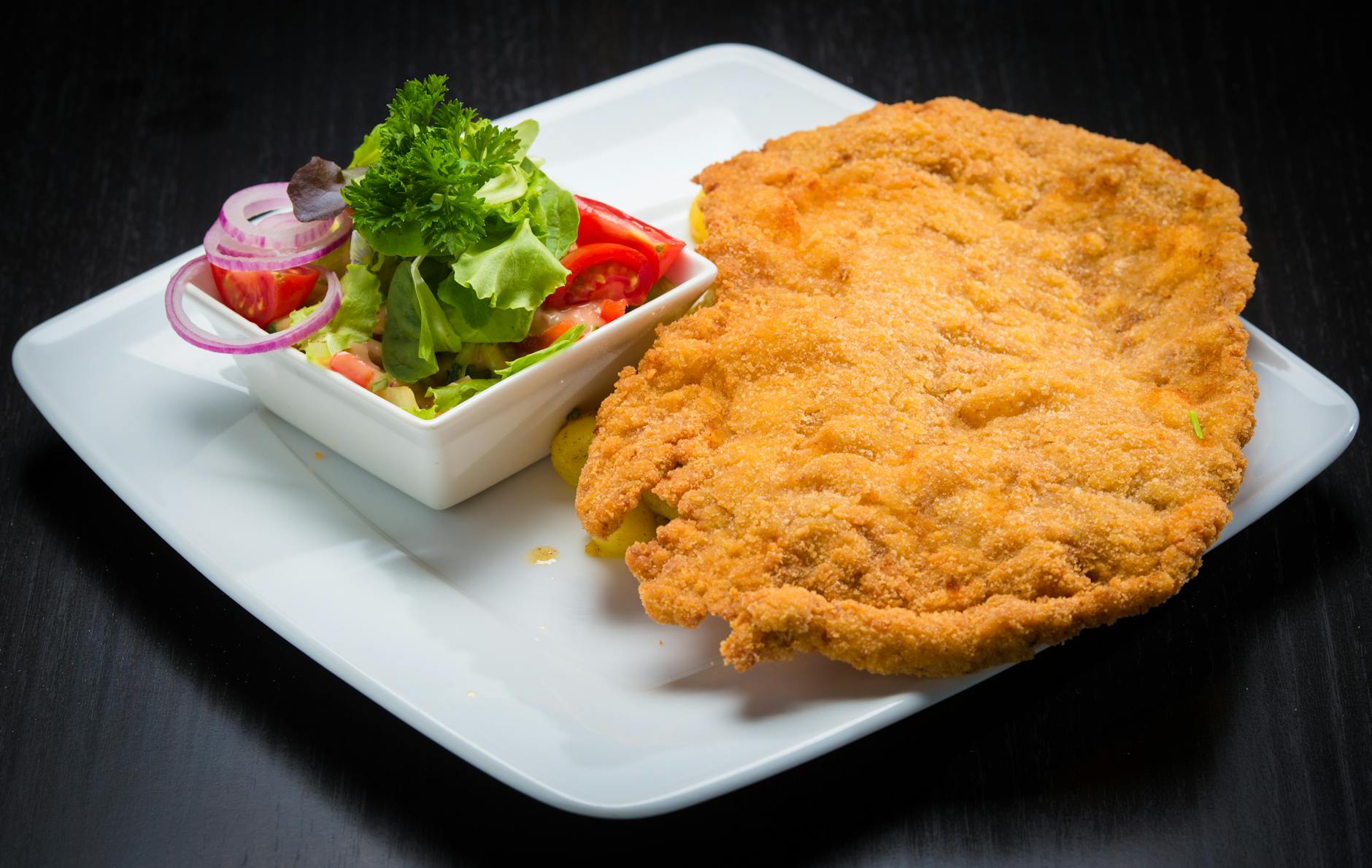
Photo by Novkov Visuals
- What Makes a Real Wiener Schnitzel
- Schnitzel Wiener Art (The Pork Version)
- The 12 Best Wiener Schnitzel Restaurants in Vienna
- Best Schnitzel by Category
- How to Order Wiener Schnitzel Like a Local
- The History of Wiener Schnitzel
- How to Spot a Tourist-Trap Schnitzel
- Wiener Schnitzel vs Other Austrian Schnitzels
- Vienna Schnitzel Day Itinerary
- Wiener Schnitzel Technique Decoded
- Wiener Schnitzel vs Schnitzel Wiener Art: When to Choose Which
- Eight Less-Famous Vienna Schnitzel Restaurants
- Wiener Schnitzel Around Austria (For Comparison)
- Making Wiener Schnitzel at Home
- The Schnitzel Day Plan
- The Wiener Schnitzel Reservation Strategy
- One Last Schnitzel Tip
- FAQ
- Final Thought: Schnitzel Is Vienna at the Table
- Related Vienna Guides
This article contains advertising. Our booking links are routed through a partner that adds commission tracking automatically, so if you book through one we earn a commission from the provider, at no extra cost to you. It never affects what we recommend. Affiliate disclosure
Wiener Schnitzel is Vienna’s signature dish — a breaded, pan-fried veal cutlet so thin it covers the entire plate. The name is legally protected in Austria: only veal qualifies as Wiener Schnitzel; pork versions must be labeled Schnitzel Wiener Art (“schnitzel Vienna style”). The legal distinction matters at restaurants — €18 for the real veal version vs €13 for pork is the standard markup.
This is the complete best Wiener Schnitzel Vienna guide: the dish’s history, what to look for in a quality version, the 12 best restaurants ranked, how to order like a local, and the most common tourist-trap pitfalls. Pair with our Vienna food guide.
What Makes a Real Wiener Schnitzel
The technical requirements:
- Veal (not pork, not chicken) — pounded thin, typically to 4–5 mm thickness
- Three-stage breading — flour, beaten egg, breadcrumbs (Kaiser-roll bread is traditional)
- Pan-frying in butter, clarified butter, or lard — not oil; the fat carries flavor
- Light golden color, slightly puffy — bubbles between meat and breading are a quality marker
- Served with lemon always; no sauce
- Sides: typically potato salad (Erdäpfelsalat), parsley potatoes, or cucumber salad
If your “Wiener Schnitzel” is thick, oily, dark brown, or pre-fried under a heat lamp — you’re at a tourist trap.
Schnitzel Wiener Art (The Pork Version)
Pork schnitzel — Schnitzel Wiener Art — is everywhere in Vienna and is what most Austrians actually eat at home. It’s roughly half the price of the veal version and considered legitimate Austrian cuisine. The legal distinction is just about the marketing name: pork can’t be called “Wiener Schnitzel.”
If your budget is tight or you simply prefer pork’s stronger flavor, order Schnitzel Wiener Art. Don’t let the legal distinction become a quality judgment — many Viennese prefer pork.
The 12 Best Wiener Schnitzel Restaurants in Vienna
1. Figlmüller (Bäckerstraße & Wollzeile)
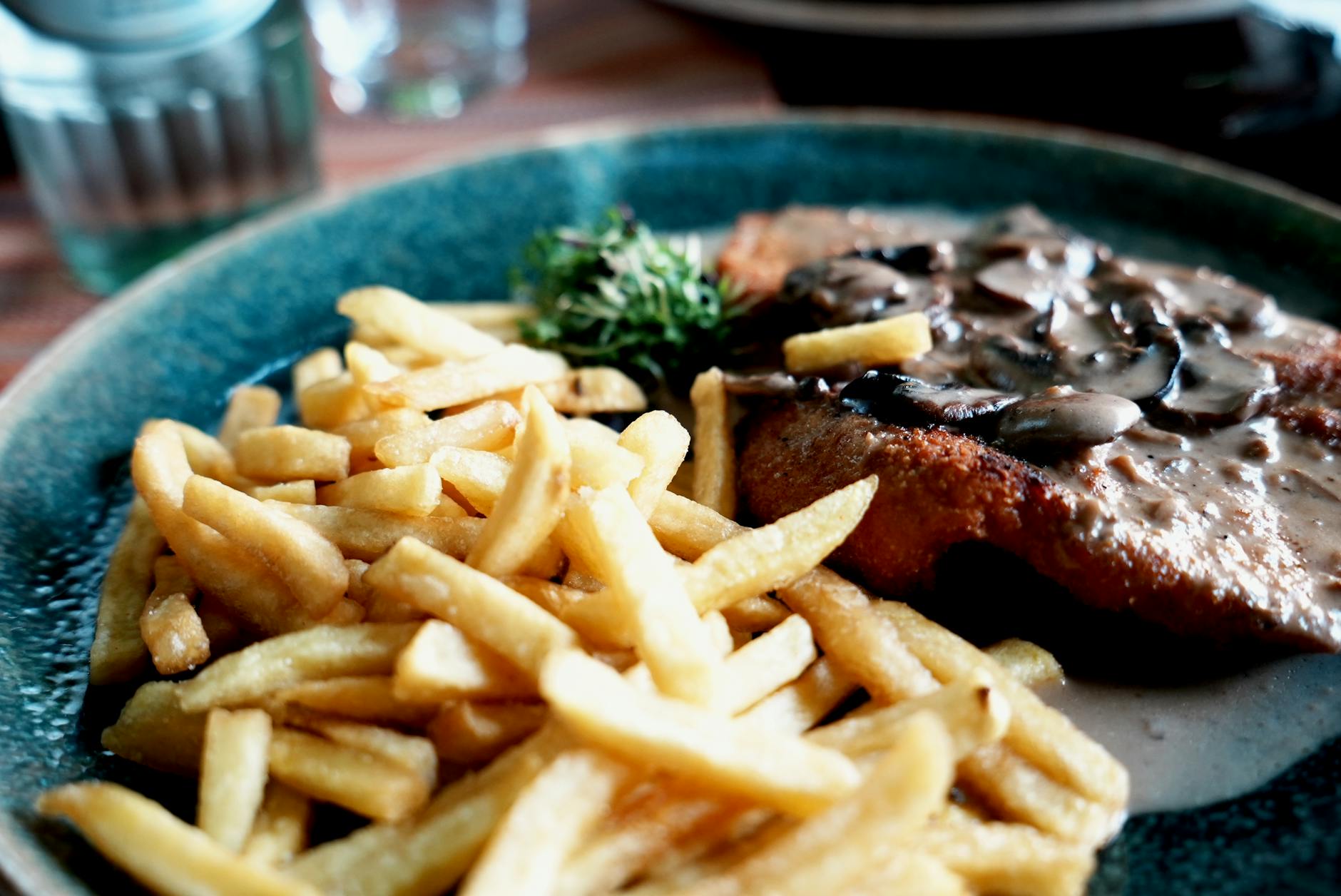
The Vienna schnitzel landmark since 1905. Figlmüller‘s “Original Figlmüller Schnitzel” is famously oversized — pounded so thin it overhangs a dinner plate. The Bäckerstraße location (the original) is smaller and more historic; Wollzeile is larger with shorter waits. €21.90 for the schnitzel; reservations strongly recommended. Note: their famous Figlmüller-Schnitzel is actually pork, not veal — the smaller “real” Wiener Schnitzel from veal is on the menu separately.
2. Lugeck (1st)
The Plachutta family’s modern restaurant near Stephansplatz. Lugeck serves a beautifully prepared Wiener Schnitzel (veal) with traditional sides in a stylish Inner City setting. €25–€30. Easier to get a table than Plachutta or Figlmüller.
3. Plachutta Wollzeile (1st)
Better known for tafelspitz, but Plachutta’s Wiener Schnitzel is excellent — proper veal, perfect breading, unhurried service. €25–€30.
4. Gasthaus Pöschl (1st)
Small, traditional Beisl on Weihburggasse. Pöschl serves an excellent old-school Wiener Schnitzel with pristine sides for €18–€22. Less touristy than Figlmüller but consistently strong.
5. Gasthaus Wolf (4th)
Beloved local spot in the 4th district. Veal Wiener Schnitzel, large portions, very reasonable prices. €17–€22. Worth the short tram ride out of the 1st.
6. Pfudl (1st)
Hidden Beisl on Bäckerstraße — small, regional, exceptional traditional Austrian cooking. Pfudl‘s schnitzel is among the best in Vienna; small dining room means reservations essential.
7. Zum Schwarzen Kameel (1st)
Historic upscale Viennese restaurant near the Kohlmarkt — combines a deli/bar at the front with a more formal dining room behind. Schnitzel here is properly executed and elegant. €25+.
8. Beim Czaak (1st)
Authentic Beisl in the 1st with a strong neighborhood crowd. Schnitzel + potato salad combo at fair prices. €17–€22.
9. Schnitzelwirt (7th)
Famous for absolutely massive portions at low prices. Schnitzelwirt in Neubau is casual, no-frills, and served generations of Viennese students and budget travelers. €13–€17. A different schnitzel experience — bigger and cheaper than the Inner City favorites.
10. Glacis Beisl (MuseumsQuartier, 7th)
Modern Beisl in the MuseumsQuartier courtyard. Glacis Beisl serves an upmarket schnitzel with seasonal sides. €22–€28.
11. Schweizerhaus (Prater, 2nd)
Famous beer garden inside the Prater. Schweizerhaus serves Wiener Schnitzel + house-brewed beer in a giant outdoor setting (open April–October). Great for families and big groups. €18–€22.
12. Steirereck (3rd)
Two Michelin stars; their schnitzel is technically perfect but a small part of a much larger tasting menu. €€€€. Book months ahead.
Best Schnitzel by Category
Most Iconic / Touristy (Worth the Crowds)
- Figlmüller (Bäckerstraße + Wollzeile)
- Plachutta Wollzeile
- Café Sacher’s restaurant
Best for Locals / Less Touristy
- Gasthaus Pöschl
- Pfudl
- Gasthaus Wolf
- Beim Czaak
Best Budget Schnitzel
- Schnitzelwirt (7th) — biggest portions, lowest prices
- Gasthaus Wolf — neighborhood prices
- Würstelstand alternatives if you can’t justify €18+
Best Schnitzel with Atmosphere
- Figlmüller Bäckerstraße — the original, historic interior
- Pfudl — small, intimate Beisl
- Schweizerhaus — outdoor beer garden in summer
- Glacis Beisl — MuseumsQuartier courtyard
How to Order Wiener Schnitzel Like a Local
What to Specify
- Vom Kalb (“from veal”) — confirms you want the real Wiener Schnitzel, not Schnitzel Wiener Art
- Vom Schwein (“from pork”) — the cheaper Schnitzel Wiener Art
- Some restaurants offer chicken or turkey schnitzel — these are NOT traditional
The Standard Sides
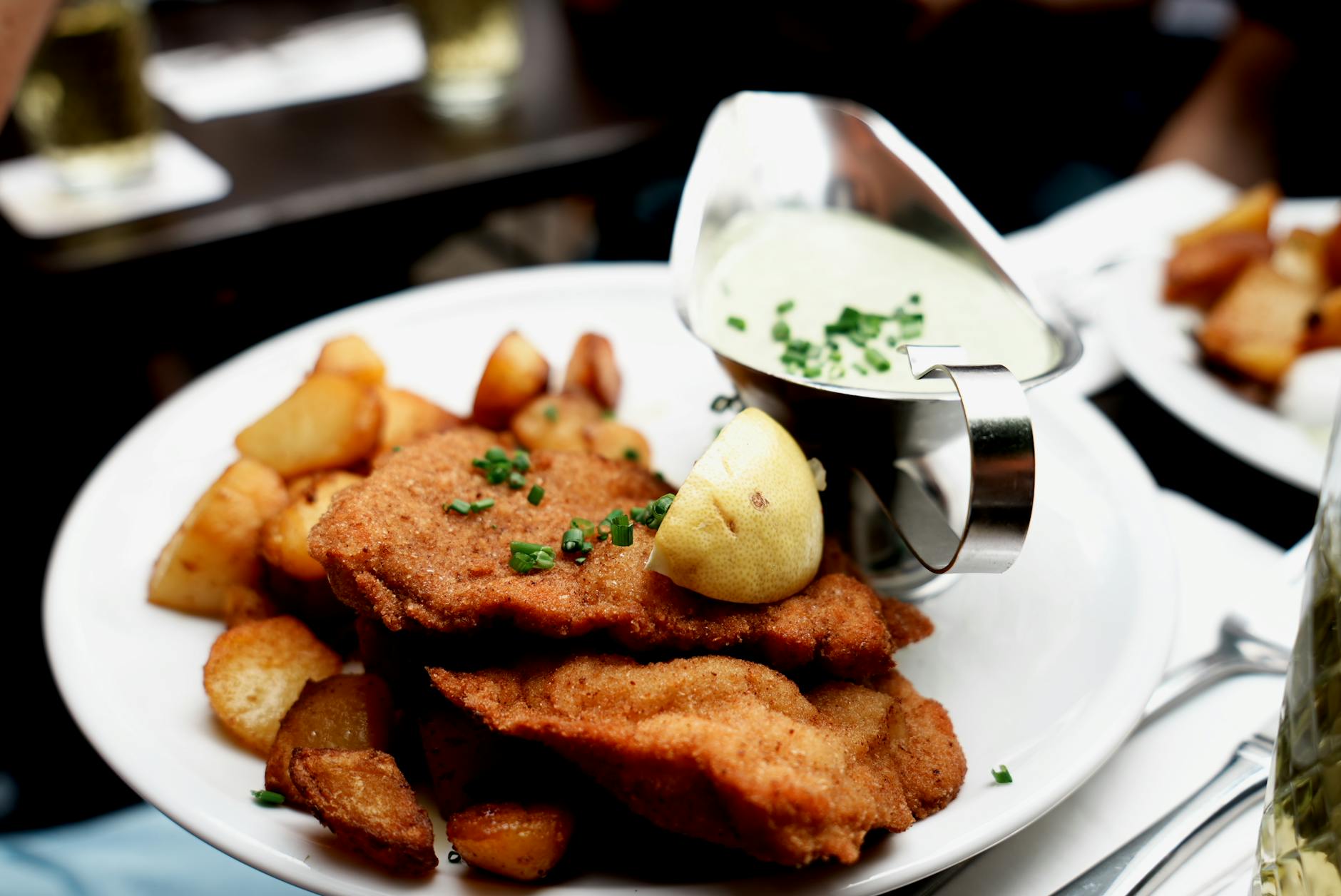
- Erdäpfelsalat — Viennese potato salad with vinegar dressing (not mayo)
- Petersilkartoffeln — boiled parsley potatoes
- Pommes — fries (less traditional)
- Gurkensalat — cucumber salad
- Preiselbeermarmelade — lingonberry jam (the traditional accompaniment)
What to Drink
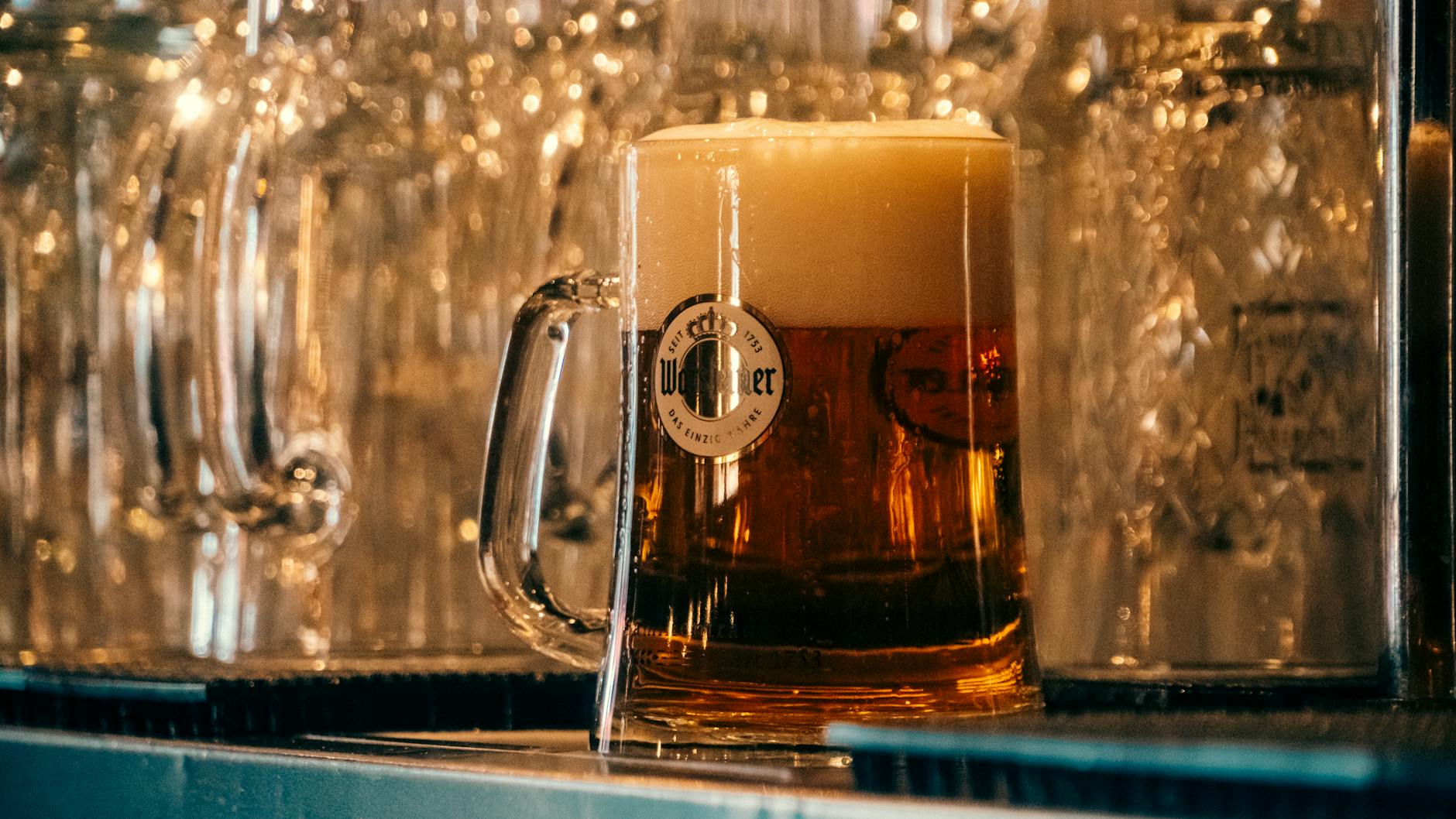
The traditional pairings:
- Pilsner beer — the local default; small (Seidl, 0.3 L) or large (Krügerl, 0.5 L)
- Gemischter Satz — Vienna’s local white wine
- Spritzer — wine + sparkling water; a light Vienna summer favorite
- Mineral water — €2.50–€4 for a half-liter bottle
The Bill Process
- Ask “Zahlen, bitte” when ready to leave
- Tip 5–10% in cash, stated aloud (see our first time visiting Vienna tips)
- Most schnitzel restaurants accept Visa/Mastercard; cash tip preferred even on card payments
The History of Wiener Schnitzel
The dish’s origins are debated. Two leading theories:
- Italian origin — Field Marshal Joseph Radetzky brought the Milanese cotoletta recipe to Vienna in the 1850s. This is the more cited theory.
- Independent Austrian invention — schnitzel-style breaded cutlets exist in many cuisines; Vienna may have developed the dish independently.
Either way, by the late 19th century, Wiener Schnitzel was an established Vienna staple. Figlmüller opened in 1905 and helped cement the modern recipe and presentation.
The “Wiener Schnitzel” trademark protection — that only veal qualifies — was codified in Austrian food law to protect the original dish from cheaper pork imitations.
How to Spot a Tourist-Trap Schnitzel
- Sidewalk touts with paper menus waving you in — walk past
- Photo menus in 7+ languages
- Dark brown, oily, thick schnitzel — real Wiener Schnitzel is light golden and thin
- “Live music” sign with a single accordion player
- €9.90 schnitzel “specials” on Graben — quality matches the price
- No lemon wedge — every authentic Wiener Schnitzel includes lemon
Wiener Schnitzel vs Other Austrian Schnitzels
| Type | What It Is | Where to Try |
|---|---|---|
| Wiener Schnitzel | Veal, pounded thin, breaded, pan-fried | Figlmüller, Plachutta, Pöschl |
| Schnitzel Wiener Art | Pork version of above | Most Beisl; Schnitzelwirt’s specialty |
| Cordon Bleu | Veal/pork stuffed with ham and cheese, breaded | Most Austrian restaurants offer it |
| Backhendl | Breaded fried chicken (different dish) | Plachutta, Beisl across Vienna |
| Tiroler Schnitzel | Pork schnitzel with ham, pepper, onions | Tyrolean-themed restaurants |
Vienna Schnitzel Day Itinerary
Lunch
Figlmüller Bäckerstraße for the iconic plate-spanning Schnitzel. Order beer or Spritzer. Allow 90 minutes.
Afternoon
Walk off the meal — Stephansdom, Graben, Hofburg.
Coffee Stop
Demel for a Sachertorte to chase the meat — the lemony schnitzel pairs surprisingly well with the chocolate.
Dinner
If you’re not yet defeated: Pfudl, Gasthaus Pöschl, or Lugeck for the smaller, more refined veal Wiener Schnitzel.
Wiener Schnitzel Technique Decoded
What separates a great Wiener Schnitzel from a mediocre one comes down to specific technique points. Knowing them helps you assess restaurants:
The Meat
Real Wiener Schnitzel uses veal — specifically a thin cut from the leg, pounded to roughly 4mm thickness. Cheaper restaurants substitute pork (legally must be labeled Schnitzel Wiener Art) or chicken (which is not traditional at all). Veal is paler and finer-grained; pork is more pink. The texture difference is obvious after one bite.
The Breading
Three stages: flour, beaten egg, dried breadcrumbs (preferably from stale Kaiser rolls, hence “imperial breadcrumbs”). The schnitzel goes flour → egg → breadcrumbs in sequence, no shortcuts. The egg should be loose, not stiff; the breadcrumbs should be fine but not powdery.
The Fat
Genuine Wiener Schnitzel is fried in clarified butter (Butterschmalz) or lard — never oil. The fat carries flavor; oil-fried schnitzels taste flat. The temperature is moderate (about 170°C); high heat browns the outside before the inside cooks.
The Puff
The quality marker for a perfectly executed Wiener Schnitzel is the bubbles between the meat and the breading — the “puff” or “Hammelung.” Good chefs achieve this by sliding the schnitzel in the pan while it cooks, which creates small steam pockets that lift the breading away from the meat. Without the puff, you have a flat fried cutlet.
The Plate
Traditional accompaniments: lemon wedge (essential), parsley potatoes or vinegar potato salad, sometimes cucumber salad, lingonberry jam. Never gravy or sauce; never cheese; never garnish-heavy plating. The simplicity is the point.
Wiener Schnitzel vs Schnitzel Wiener Art: When to Choose Which
If price isn’t a concern, the real veal Wiener Schnitzel is the proper choice. If you’re stretching the budget, Schnitzel Wiener Art (pork) is genuinely good Austrian food and what most actual Austrians eat at home. Pork has stronger flavor; veal has more delicate flavor. Some Viennese argue the pork version is actually preferable — the contrast between the breading and the more-flavored meat is more pronounced.
The chicken version (Backhendl) is a completely different dish — closer to American fried chicken in concept, traditionally served on a salad. Don’t order it expecting Wiener Schnitzel.
Eight Less-Famous Vienna Schnitzel Restaurants
- Schnitzelwirt Schmidt (7th, Neubaugasse) — massive portions, low prices, casual
- Gasthaus Wickerl (9th) — neighborhood Beisl, large veal Wiener Schnitzel, fair prices
- Zum Goldenen Engel (4th) — historic Beisl, quality veal version
- Hollerei (15th) — vegetarian schnitzel surprisingly good
- Café Engländer (1st) — schnitzel + brasserie menu, less touristy than Figlmüller
- Gasthaus Pöschl (1st) — small Beisl, traditional veal version
- Heuriger Reinprecht (Grinzing) — schnitzel + heuriger buffet, evening atmosphere
- Schubert Beisl (9th) — local crowd, classic preparation, fair prices
Wiener Schnitzel Around Austria (For Comparison)
If you’re traveling beyond Vienna, the rest of Austria takes schnitzel seriously too. Salzburg’s Café Tomaselli and Bärenwirt serve excellent versions; Innsbruck’s Stiftskeller has a famous oversized schnitzel; the Wachau Valley’s Loibner Hof pairs schnitzel with their own Wachau wines. The Austrian-Italian border (South Tyrol, Carinthia) has slightly different traditions — sometimes thicker, sometimes paired with polenta. The Vienna version remains the canonical reference point.
Making Wiener Schnitzel at Home
Many Vienna travelers ask about replicating the dish at home. The technical requirements:
- Veal cutlet pounded to 4-5mm thickness (use plastic wrap and a meat mallet)
- Flour, beaten egg, dried breadcrumbs (Kaiser-roll based ideal; panko is acceptable substitute)
- Clarified butter or lard for frying — never vegetable oil for authentic flavor
- Moderate heat (170°C / 340°F)
- Slide the schnitzel as it cooks to create steam pockets and the signature puff
- Drain on paper towel briefly; serve immediately with lemon wedge and parsley potatoes
The Schnitzel Day Plan
If schnitzel is a Vienna trip priority, here is a single day built around it:
- Morning coffeehouse breakfast at Café Sperl or Café Hawelka — eggs, ham, melange. Save space for lunch.
- Pre-lunch walk through the Hofburg or Naschmarkt — work up an appetite.
- Lunch at Figlmüller Bäckerstraße for the iconic oversized schnitzel. Reserve ahead.
- Walking the meal off: Stephansdom, Graben, Kohlmarkt window-shopping.
- Late-afternoon coffee at Demel — Sachertorte to chase the meat course.
- Dinner at Pfudl or Gasthaus Pöschl for the smaller, more refined veal schnitzel.
- Digestif: Marillenschnaps or a Spritzer.
Allow recovery the next morning with a long coffeehouse breakfast.
The Wiener Schnitzel Reservation Strategy
Vienna’s most-loved schnitzel restaurants book up quickly. Figlmüller Wollzeile, Figlmüller Bäckerstraße, and Plachutta Wollzeile typically need reservations 2-3 days ahead in peak season; weekend evenings sometimes require 1-2 weeks. Pfudl, Gasthaus Pöschl, and Gasthaus Wolf are smaller and walk-in-friendly only at off-peak hours (early lunch, very early dinner). Booking direct via the restaurant website usually works better than via TheFork or OpenTable for these traditional spots. Don’t over-order on a first schnitzel visit — Figlmüller portions in particular are designed to overhang the plate.
One Last Schnitzel Tip
The single biggest mistake first-timers make is ordering schnitzel at a restaurant with a sidewalk tout. The €9.90 “special” on Graben is the canonical tourist trap — frozen pork, oily breading, no lemon. Real Wiener Schnitzel costs €18-€32 depending on restaurant tier. The Figlmüller-size oversized schnitzel is €21.90; the more refined Plachutta or Pfudl version runs €25-€32. Always look for restaurants without paper menus in seven languages, photographic dish menus, or accordion players promising “live music.”
FAQ
Where is the best Wiener Schnitzel in Vienna?
Figlmüller (Bäckerstraße is the original) for the iconic experience; Plachutta Wollzeile and Lugeck for refined Inner City versions; Pfudl, Gasthaus Pöschl, and Gasthaus Wolf for less-touristy locals’ picks.
Is Wiener Schnitzel veal or pork?
Real Wiener Schnitzel is veal — that’s a legally protected name in Austria. The pork version is called Schnitzel Wiener Art. Pork is roughly half the price and considered legitimate everyday Austrian cuisine.
How much does Wiener Schnitzel cost in Vienna?
€18–€30 for a veal Wiener Schnitzel at quality restaurants. Pork Schnitzel Wiener Art runs €13–€20. Tourist trap “specials” at €9.90 are usually low-quality pork.
Do you need a reservation for Figlmüller?
Strongly recommended — both Wollzeile and Bäckerstraße locations fill up. Walking in often means a 30–60 minute wait. Reservations available online.
What do you drink with Wiener Schnitzel?
Pilsner beer is the local default. Gemischter Satz (Vienna white wine) or a light Spritzer also work. Avoid heavy red wines — they overpower the delicate veal.
What sides come with Wiener Schnitzel?
Traditional sides: Erdäpfelsalat (vinegar potato salad), Petersilkartoffeln (parsley potatoes), Gurkensalat (cucumber salad), and a small dish of Preiselbeermarmelade (lingonberry jam) for dipping.
Is Schnitzel Wiener Art still considered authentic?
Yes — pork Schnitzel Wiener Art is what most Austrians eat at home and is fully legitimate Austrian cuisine. The legal name distinction protects the marketing of “Wiener Schnitzel” specifically.
Can vegetarians eat schnitzel in Vienna?
Many restaurants offer “veggie schnitzel” — usually breaded fried mushroom (Schwammerlschnitzel) or breaded fried celery. Tian Bistro in the 1st makes a celebrated vegetarian version.
Final Thought: Schnitzel Is Vienna at the Table
The dish is one of the great signature European foods — simple, technical, perfected over a century. Eat it at least once during a Vienna trip, ideally at Figlmüller for the iconic version and at one of the smaller Beisl (Pfudl, Pöschl, Wolf) for the local-feeling alternative. Order it with potato salad, drink a beer alongside, finish with cake at a coffeehouse. That’s a Vienna meal you’ll remember.
For more, see our Vienna food guide, our first time visiting Vienna tips, and our romantic Vienna for couples.
If you want to make one properly rather than order one, the two things that separate a real Wiener Schnitzel from a breaded cutlet — enough hot fat for the escalope to float, and the coating puffing away from the meat — are exactly what a Vienna cooking class exists to teach. It is the lesson participants report using most at home. See our guide to Vienna cooking classes and strudel workshops.