Vienna Parks & Gardens: 15 Beautiful Green Spaces to Explore (2026)
Discover Vienna's most beautiful parks and gardens — from the iconic Schönbrunn parterre and Belvedere terraces to the Augarten Baroque park, Stadtpark Strauss statue, the Volksgarten rose garden, Setagaya's Japanese garden, and the Vienna Woods. Activity-by-activity guide plus the perfect garden day.
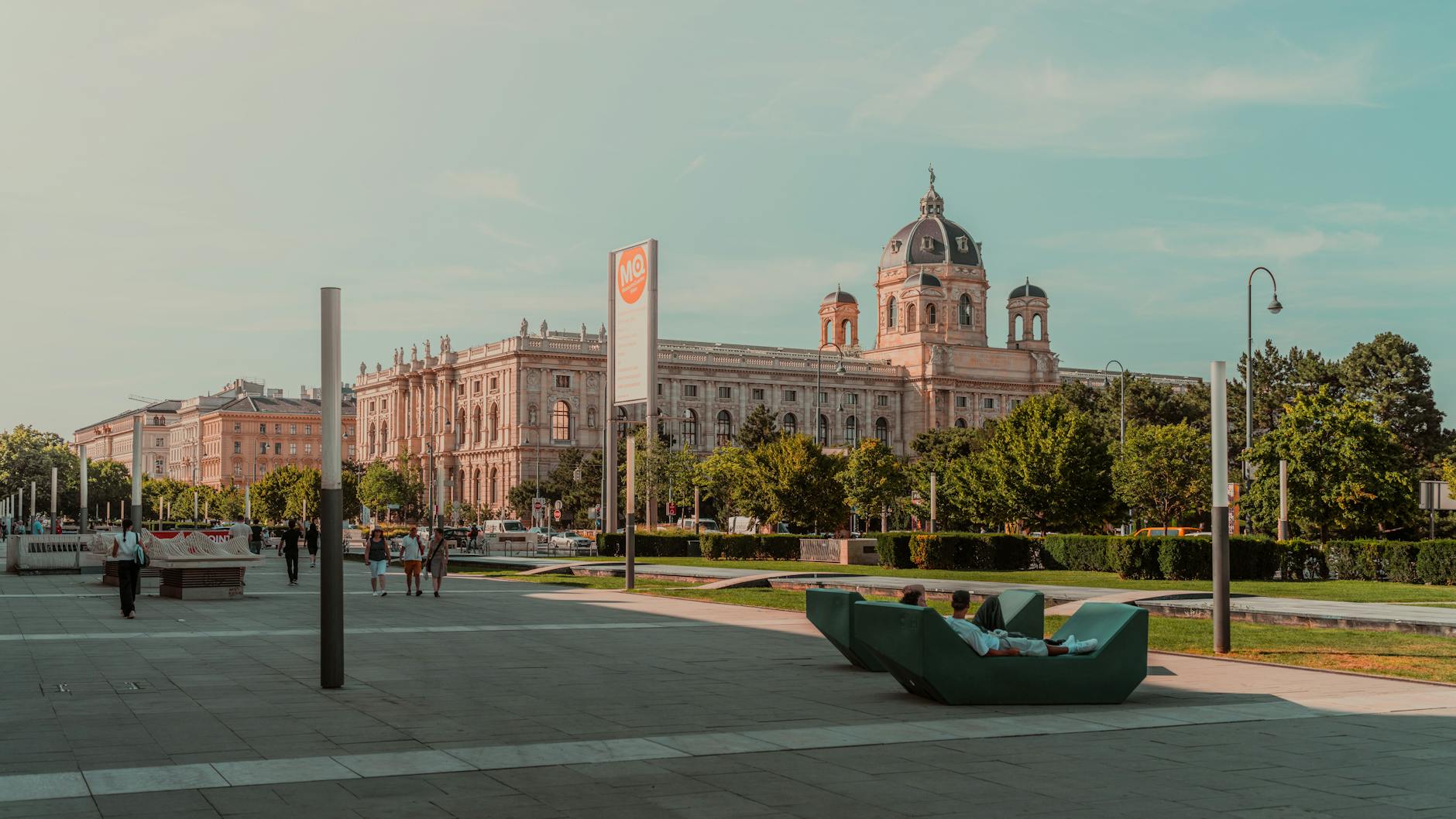
Photo by thorl5
- Why Vienna’s Parks Are Different
- The 15 Best Parks and Gardens in Vienna
- Bonus: 5 More Vienna Green Spaces Worth Visiting
- Vienna Parks by Theme
- Best Time of Year for Vienna’s Parks
- A Sample Vienna Garden Day
- Practical Tips for Vienna’s Parks
- Vienna Parks for Specific Activities
- Frequently Asked Questions
- Final Thought: Vienna’s Parks Are Half the Trip
- Related Vienna Guides
This article contains advertising. Our booking links are routed through a partner that adds commission tracking automatically, so if you book through one we earn a commission from the provider, at no extra cost to you. It never affects what we recommend. Affiliate disclosure
Vienna is one of the greenest capitals in the world. Roughly half the city is green space — woods, vineyards, parks, and gardens — and the city operates over 2,000 public parks. A quarter of those are former imperial gardens, now open to anyone. The result is a city where you’re rarely more than 10 minutes’ walk from a quiet bench, a rose bed, or an open lawn.
This is the complete Vienna parks and gardens guide: 15 best green spaces — from the showpiece Schönbrunn parterre and Belvedere terraces to local favorites like the Augarten, Setagaya Park, and the Volksgarten roses. Pair with our things to do in Vienna for trip-planning context.
Why Vienna’s Parks Are Different
Vienna’s parks aren’t just green relief — they’re an inheritance. The Habsburgs built Schönbrunn, Belvedere, the Augarten, and the Volksgarten as imperial estates, then opened them to the public over the 18th and 19th centuries. The 1860s Ringstrasse demolition added the Stadtpark, the Burggarten, and the Volksgarten to the public footprint. The result is one of the highest concentrations of historic ornamental garden per square kilometer of any European city.
Beyond the imperial parks, Vienna has neighborhood parks in every district, vineyard hills inside the city limits, riverside spaces along the Danube and Donaukanal, and forested escapes just a tram ride away. A Vienna trip that includes 2–3 parks is a very different — and quieter — Vienna trip.
The 15 Best Parks and Gardens in Vienna
1. Schönbrunn Palace Gardens

Vienna’s grandest garden, hands down. The 435-acre Schönbrunn complex includes the formal Baroque parterre with rows of statues, the Neptune Fountain, the Gloriette hilltop colonnade, the Privy Garden, the Crown Prince Garden, the Orangerie, and the Tiergarten Schönbrunn (the world’s oldest continuously operating zoo). The main gardens are completely free — palace ticket only required for interior. Best at sunrise (empty, golden light) or sunset (Gloriette views). Plan 2–3 hours.
2. Belvedere Gardens

Three-tiered formal French Baroque gardens connecting the Upper and Lower Belvedere palaces. Symmetrical hedge mazes, fountains, sculptures, and the famous reflecting pond in front of the Upper Belvedere (Vienna’s best photo spot). Free to walk; museum tickets only required for interior. The Lower Belvedere garden side is usually quieter than the Upper.
3. The Stadtpark

Vienna’s first public park (1862) on the Ringstrasse. The Stadtpark contains the famous gold-leafed Strauss statue (the most photographed monument in Vienna), the Otto Wagner Stadtpark Pavilion, the Wienfluss promenade jogging path, a duck pond, and the Kursalon concert venue. Free, central, open 24/7. Best in late spring (cherry blossoms) and early autumn.
4. The Volksgarten Rose Garden

One of Vienna’s loveliest small gardens. The Volksgarten sits between the Hofburg and the Burgtheater, with 3,000+ rose bushes, the snow-white Theseus Temple in its center, and a permanent kids’ playground. Roses peak in late May through early June. Free entry; mornings are emptiest.
5. The Burggarten
Behind the Hofburg, the Burggarten houses the Mozart monument, Otto Wagner’s 1907 Jugendstil Palmenhaus greenhouse, and the small Schmetterlinghaus butterfly conservatory. Free to enter; the Palmenhaus café serves drinks among the palms. A favorite of locals on lunch breaks.
6. The Augarten (Vienna’s Oldest Baroque Park)
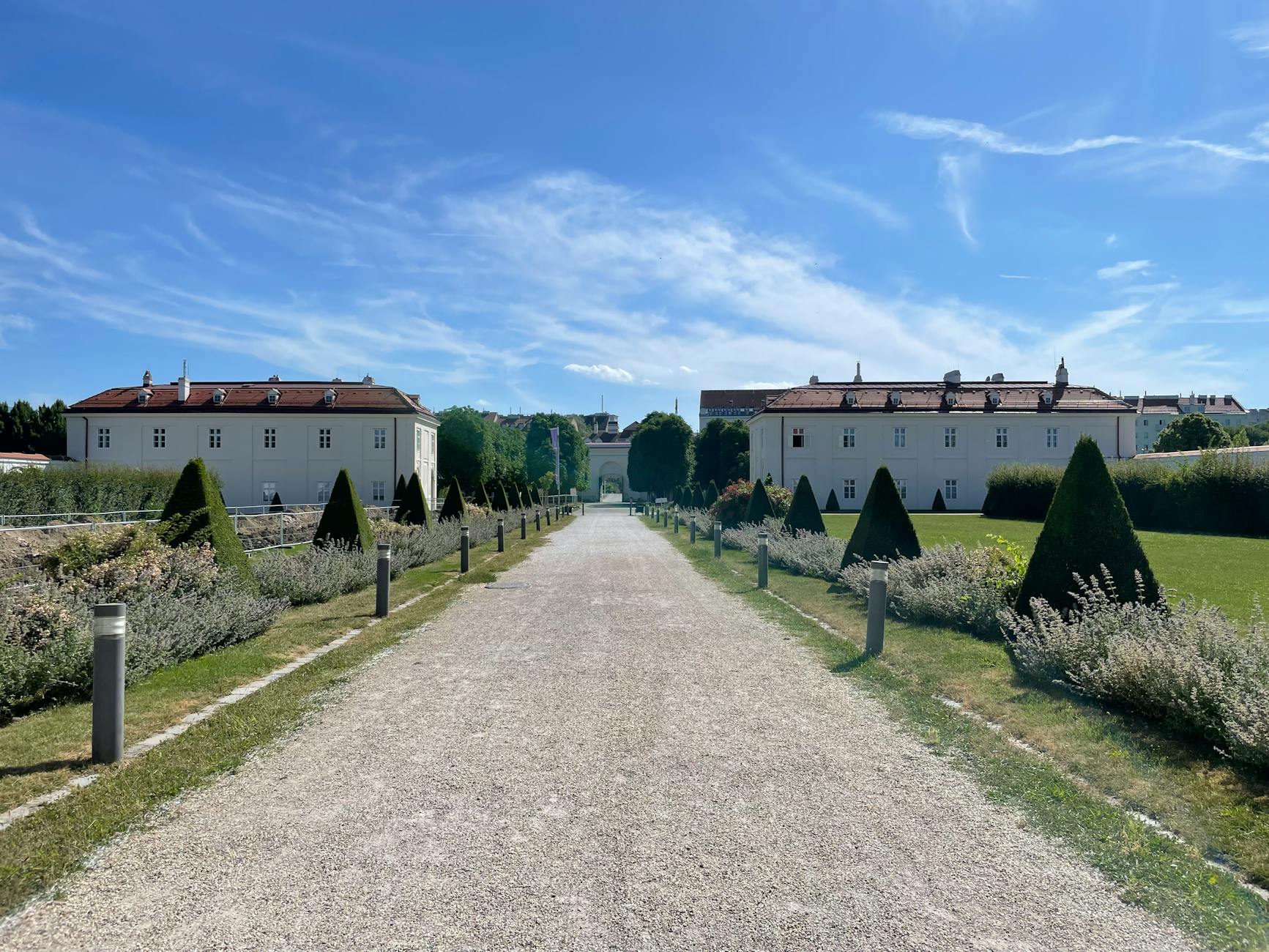
The Augarten dates to 1614 — when Emperor Matthias had a hunting lodge built in what was then almost untouched riverside landscape. The first formal garden was laid out 50 years later. Joseph II opened it to the public in 1775. Today the Augarten houses the Vienna Boys’ Choir headquarters, the Augarten Porcelain Manufactory and museum, and a modern concert hall — alongside formal Baroque parterres, sports facilities, and tree-lined avenues. Free, almost always quiet, and one of Vienna’s most underrated big parks.
7. The Prater (Wurstelprater + Grüner Prater)
Vienna’s largest urban park combines the famous Wurstelprater amusement park (with the 1897 Riesenrad ferris wheel) and the much larger Grüner Prater — a forested expanse with the long straight Hauptallee, bike paths, beer gardens, and family-friendly meadows. Free entry; rides paid. Best in summer for shade and the Donauinsel adjacent.
8. The Donauinsel (Danube Island)
The 21-km artificial island in the middle of the Danube is Vienna’s secret summer weapon. Donauinsel has free beaches, swimming areas, cycling paths, BBQ zones, and weekend food festivals. The annual Donauinselfest in June is Europe’s largest free outdoor festival. Free year-round; ideal in summer.
9. Setagaya Park (Japanese Garden in the 19th)

One of Vienna’s most charming small parks — a gift from sister city Setagaya, Tokyo. Setagaya Park in the 19th district has koi-filled pond, arched bridges, traditional teahouse, cherry blossoms in April, and blazing red maples in October. Free, almost always empty, 5-minute walk from U4 Heiligenstadt.
10. The Kahlenberg & Vienna Woods
Vienna is half-surrounded by the Vienna Woods (Wienerwald) — UNESCO biosphere reserve forest. The Kahlenberg hill rises 484m above the city for the best free panorama. Hiking trails connect Kahlenberg to Leopoldsberg, the Beethoven Walk, and the Grinzing/Nussdorf wine villages. Reach via bus 38A or hike up.
11. The Türkenschanzpark
One of Vienna’s prettiest neighborhood parks, the Türkenschanzpark in the 18th district has artificial lakes, waterfalls, exotic trees, the Paulinen-Warte tower, and a famous statue garden. The name commemorates the 1683 Turkish siege defenses that once stood here. Free, popular with locals, almost no tourists.
12. The Donaupark and Donauturm
North of the Danube, the Donaupark contains the 252m Donauturm tower (Vienna’s tallest structure) with rotating restaurant and observation deck. The park itself has rose gardens, a pond, mini-golf, and a long lawn. Best for the contrast — the modern UN City skyline rising above green space.
13. The Pötzleinsdorfer Schlosspark
An English-style landscape garden with a small palace, ancient trees, and meandering paths in the 18th district. Far from the tourist trail; the wide lawn is perfect for picnics and the kids’ playground is excellent.
14. The Lainzer Tiergarten
A 24-square-km former imperial hunting reserve at the edge of the city. Lainzer Tiergarten has wild boar, deer, and Mouflon sheep roaming through ancient oak forest. Hiking trails, the Hermesvilla (Empress Sisi’s countryside retreat), and the Hubertuswarte tower. Reach via bus 60B from Hütteldorf.
15. The Sigmund Freud Park & University Park
Two adjacent small parks behind the Votivkirche in the 9th district. The Sigmund Freud Park has a chess pavilion popular with locals; the Universität Park has the famous Vienna University main entrance. Free, central, easily combined with a Ringstrasse walk.
Bonus: 5 More Vienna Green Spaces Worth Visiting
- Botanischer Garten der Universität Wien — the University Botanical Garden in the 3rd district, free and excellent for plant lovers
- Heiligenstadter Park — small but beautiful, on the way to the Beethovengang trail
- Resselpark at Karlsplatz — the green tier in front of Karlskirche
- Karmeliterpark — quiet 2nd-district square next to Karmelitermarkt
- Spittelberg Garden — small but lovely between the alleys of the 7th
Vienna Parks by Theme
Best for Roses & Spring Blooms
Volksgarten roses (late May–June), Schönbrunn tulips (late April), Stadtpark cherry blossoms, Setagaya cherry blossoms.
Best for Photography
Belvedere reflecting pond, Schönbrunn from the Gloriette, Setagaya bridge in autumn, Volksgarten Theseus Temple.
Best for Picnics
The Burggarten, the Volksgarten back lawn, the Augarten, Türkenschanzpark, Donaupark.
Best for Running & Cycling
Stadtpark Wienfluss promenade, Donauinsel, Prater Hauptallee, Augarten loops.
Best for Solitude
Setagaya Park, Türkenschanzpark, Lainzer Tiergarten, Augarten quieter sections, the Kahlenberg trails.
Best with Kids
Volksgarten (playground), Stadtpark (duck pond), Donauinsel beaches, Pötzleinsdorfer Schlosspark, Türkenschanzpark.
Best Free Views
Gloriette base at Schönbrunn, Kahlenberg, Belvedere terraces, Hubertuswarte tower in Lainzer.
Best for Couples
Volksgarten roses at sunset, Belvedere garden walks, the Burggarten, Setagaya in cherry blossom season.
Best Time of Year for Vienna’s Parks
April
Schönbrunn tulips peak around April 20–30; Setagaya cherry blossoms around mid-April; Stadtpark cherry blossoms a little later.
May
The most reliable garden month. Volksgarten roses opening, Schönbrunn parterre lush, Belvedere gardens at full bloom, outdoor cafes opening.
June
Roses at peak, longest days, all parks fully open. Donauinsel and Alte Donau swimming season starts.
July–August
Hottest months. Donauinsel, Augarten, and Prater shade preferred over open formal gardens. Outdoor concerts in many parks.
September–October
Vienna’s most photogenic park season. Setagaya maples turn red, Wienerwald hikes at peak color, vineyard heuriger walks at full pace.
November–March
Bare trees but uncrowded paths. The Stadtpark and Schönbrunn after a fresh snow are magical. Christmas markets occupy several parks December.
Pair with our best time to visit Vienna for full seasonal planning.
A Sample Vienna Garden Day
Morning
Schönbrunn Palace gardens at sunrise — empty, golden, magical (free). Walk parterre to Gloriette base. Take U4 back to the city.
Lunch
Burggarten Palmenhaus café among the palms.
Afternoon
Volksgarten roses (peak in May–June), then walk into the Hofburg complex courtyards, finishing at the Albertina terrace.
Late Afternoon
Belvedere gardens — Upper to Lower, with the reflecting pond stop. Sunset light.
Evening
Stadtpark Strauss statue at golden hour, ending at the Kursalon for a classical concert or back to your hotel for a coffeehouse evening.
Practical Tips for Vienna’s Parks
- All public parks are free except certain enclosed sub-zones (Schönbrunn Privy Garden, Belvedere greenhouse special exhibitions)
- Most parks are open 24/7 in summer; some have winter closing hours
- Dogs allowed in nearly all parks; leash required in formal gardens
- BBQ designated zones only — Donauinsel, Augarten have specific spots
- Pack a refillable water bottle — Trinkbrunnen public fountains are scattered throughout most parks
- Public restrooms in major parks cost €0.50–€1 — bring coins
- Strollers and bikes welcome — paths are mostly smooth gravel or paved
- Many parks have free WLAN at major intersections
Vienna Parks for Specific Activities
Yoga & Outdoor Fitness
Augarten and Stadtpark have free outdoor fitness equipment; summer yoga classes meet in the Volksgarten and Prater.
Birdwatching
The Lobau (part of Donau-Auen National Park, just east of Vienna) for waterbirds; Lainzer Tiergarten for woodland species; Augarten for urban species.
Photography
Belvedere reflecting pond at sunrise, Setagaya bridge in autumn, Schönbrunn from the Gloriette at sunset, Volksgarten Theseus Temple.
Quiet Reading
Setagaya Park bench, Türkenschanzpark waterfall area, Augarten ancient avenue, Burggarten Palmenhaus.
Frequently Asked Questions
What is the most beautiful park in Vienna?
Schönbrunn for grandeur, Volksgarten for romance (especially in late May–June rose season), Belvedere for the formal terraces and reflecting pond. The Stadtpark is the most central and walkable.
Are Vienna’s parks free?
Yes — almost all of Vienna’s public parks and palace gardens are completely free. The Schönbrunn Privy Garden charges a small fee, and the Schönbrunn Zoo and the various greenhouses (Palmenhaus, Schmetterlinghaus) are paid attractions, but the gardens themselves cost nothing.
Where can you have a picnic in Vienna?
The Burggarten lawn, the Volksgarten back area, the Augarten avenues, the Donauinsel, Türkenschanzpark, and Pötzleinsdorfer Schlosspark all welcome picnickers. Fully cooked food and a blanket are all you need.
What’s the largest park in Vienna?
The Lainzer Tiergarten (24 km²) is technically the largest. Among more central parks, the Prater (6 km² combined Wurstelprater + Grüner Prater) is the largest, followed by Schönbrunn (1.7 km²).
Can you swim in Vienna’s parks?
The Donauinsel beaches are free public swimming. The Alte Donau has paid beach entrances. The Badeschiff is a floating pool. Most other parks don’t have swimming facilities.
When are Vienna’s cherry blossoms?
Mid- to late April, peaking around April 20. Best at Setagaya Park (19th), around the Votivkirche, and in pockets of the Stadtpark.
What’s the best park for couples in Vienna?
The Volksgarten roses at sunset, the Belvedere gardens, the Burggarten, and the Setagaya Park in cherry blossom season. See our romantic Vienna for couples.
Is the Schönbrunn garden free?
Yes — the gardens, parterre, and walk to the Gloriette base are completely free. Only the palace interior and the Privy Garden require tickets.
Final Thought: Vienna’s Parks Are Half the Trip
Vienna’s headline tourist agenda — palaces, museums, opera — runs indoors. The parks are how you remember the trip. Coffeehouses are essential, but the long afternoon at the Volksgarten is essential too. Schönbrunn’s gardens give you Vienna at its most generous (free, photogenic, vast). Setagaya gives you Vienna at its quietest. The Donauinsel gives you Vienna at its most fun. A Vienna trip that builds in 2–3 park hours per day comes home with the city’s atmosphere intact, not just its attractions.
For more, see our things to do in Vienna, our Vienna attractions, and our romantic Vienna for couples.
These gardens have one obvious peak, and it is narrower than people expect — usually the second and third weeks of October, give or take a fortnight for the year. Our guide to Vienna in October lists which of them are genuinely worth the tram ride when the colour turns.
Vienna’s green spaces are spread far enough apart that seeing several in a day is really a transport question, and the answer is usually two wheels. The Prater, the Donauinsel and the Wienfluss corridor all carry cycle routes that barely touch traffic. For guided options — and for an honest account of when hiring a bike beats booking a tour — see our guide to Vienna bike tours.
Nothing else in the city is on the scale of Schönbrunn’s park — 1.2 square kilometres of baroque landscape with a hilltop colonnade at the end of it, open from half past six in the morning and free. Our guide to the Schönbrunn gardens, Gloriette and Maze covers the walking routes, the quiet corners nobody visits and which gate to arrive at.
The Donaupark is the one most visitors never reach: a large free park laid out for the 1964 garden show on a former rubbish tip, with a lake, a miniature railway, an enormous papal cross and Austria’s tallest structure in the middle of it. Our Donauturm guide covers both the park and the tower.