15 Unique Experiences in Vienna You Won’t Find in Guidebooks (2026)
Skip the tourist crowds and try these 15 unique Vienna experiences — a snail farm restaurant, a 1784 pathology museum, the Schottenkirche Vespers in Latin, the snow globe museum, vineyard heurigen with city views, unmarked speakeasies, and more. Plus tips for layering them into a standard Vienna trip.
Photo by Nuray
- Why Look for Unique Vienna
- The 15 Most Unique Experiences in Vienna
- Bonus: 10 More Unique Vienna Experiences
- Unique Food Experiences in Vienna
- Unique Vienna by Time of Day
- Combining Unique Vienna with the Standard Trip
- Best Time of Year for Unique Vienna
- Practical Tips for Unique Vienna
- Frequently Asked Questions
- Final Thought: Unique Vienna Is Real Vienna
- Related Vienna Guides
This article contains advertising. Our booking links are routed through a partner that adds commission tracking automatically, so if you book through one we earn a commission from the provider, at no extra cost to you. It never affects what we recommend. Affiliate disclosure
Schönbrunn, Belvedere, the Hofburg, Stephansdom — Vienna’s headline attractions are world-class, but they’re also the same five sights every tourist sees. Vienna’s quieter side runs surprisingly deep: a former insane asylum turned pathology museum, a snail farm with a working restaurant, a floating pool moored to the Danube Canal, an evening Vespers service of Latin chant in a 12th-century monastery, a snow-globe museum (yes, Vienna invented them), unmarked speakeasies behind doorbells, and a vineyard hike that ends at a 200-year-old wine tavern.
This is the complete unique things to do in Vienna guide: 15 unusual experiences that won’t show up on the standard tourist map, plus how to fit them into a normal Vienna trip without skipping the essentials. Pair with our things to do in Vienna for everything mainstream.
Why Look for Unique Vienna
Vienna does the standard tourist circuit beautifully — but it does the unusual even better. The same Habsburg-era density that produced the major palaces also produced specialist museums (clocks, snow globes, funerals, esperanto, globes), unusual venues (a working snail farm, a flak-tower aquarium), and small civic experiences (Vespers chant, vineyard hikes, free chamber concerts) that locals know about and visitors usually don’t. A Vienna trip that includes 2–3 of these comes home with stories rather than checklists.
The 15 Most Unique Experiences in Vienna
1. Schottenkirche Evening Vespers (Latin Chant in Candlelight)

Most travelers don’t realize the 12th-century Schottenkirche on Freyung still hosts daily evening Vespers — a twilight prayer service sung in Latin by Benedictine monks in white robes. The candlelit Baroque interior, the medieval Latin chant, the unhurried ritual: it’s one of the most genuinely otherworldly experiences in central Vienna. Free, public, lasts 30 minutes. Times vary by season; check the abbey website.
2. The Narrenturm (Tower of Fools)
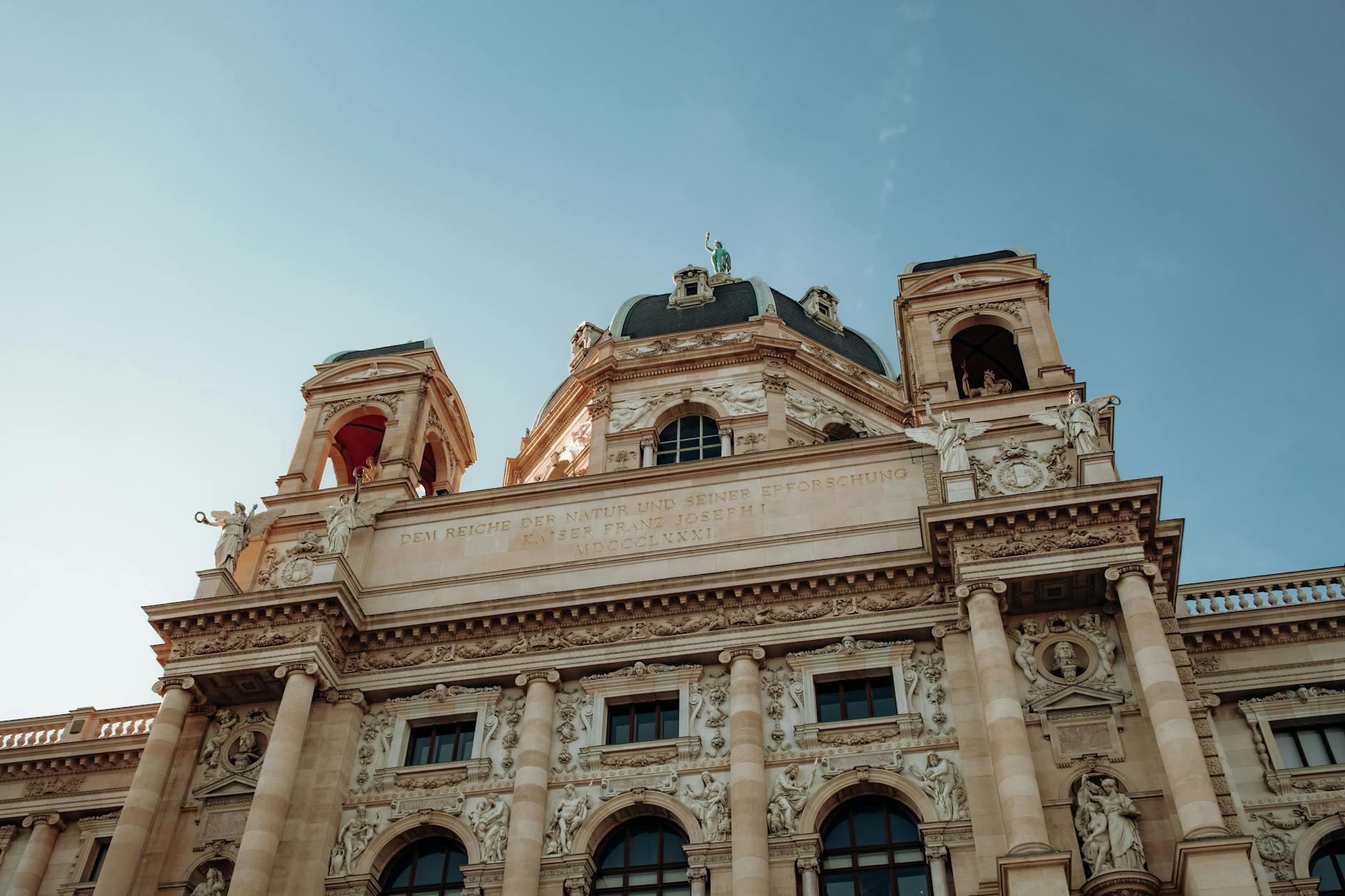
The 1784 cylindrical Narrenturm was Europe’s first purpose-built asylum for the mentally ill. Today it houses Vienna’s pathological-anatomy museum — one of the world’s largest and most unusual collections of preserved human specimens. Not for the squeamish, but unforgettable. €2 entry. In the old University Hospital grounds in the 9th district.
3. Vienna Snow Globe Museum
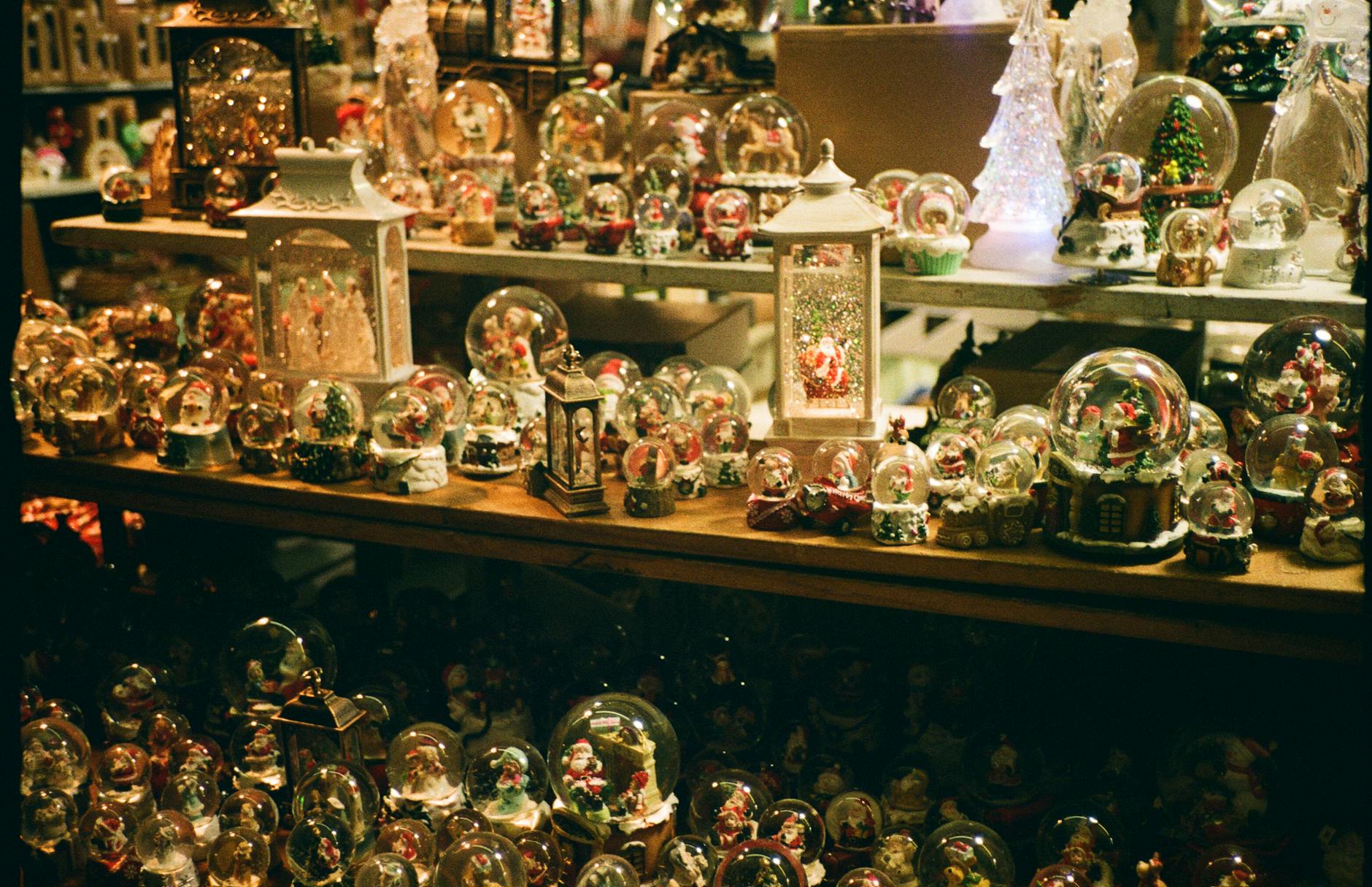
The snow globe was invented in Vienna in 1900 by Erwin Perzy, a surgical-instrument maker, after he tried to make a brighter surgical lamp. The Vienna Snow Globe Museum in the 17th district is small, charming, and run by the Perzy family that still hand-makes globes upstairs. Free entry; reach via tram 43.
4. The Badeschiff Wien (Floating Pool)
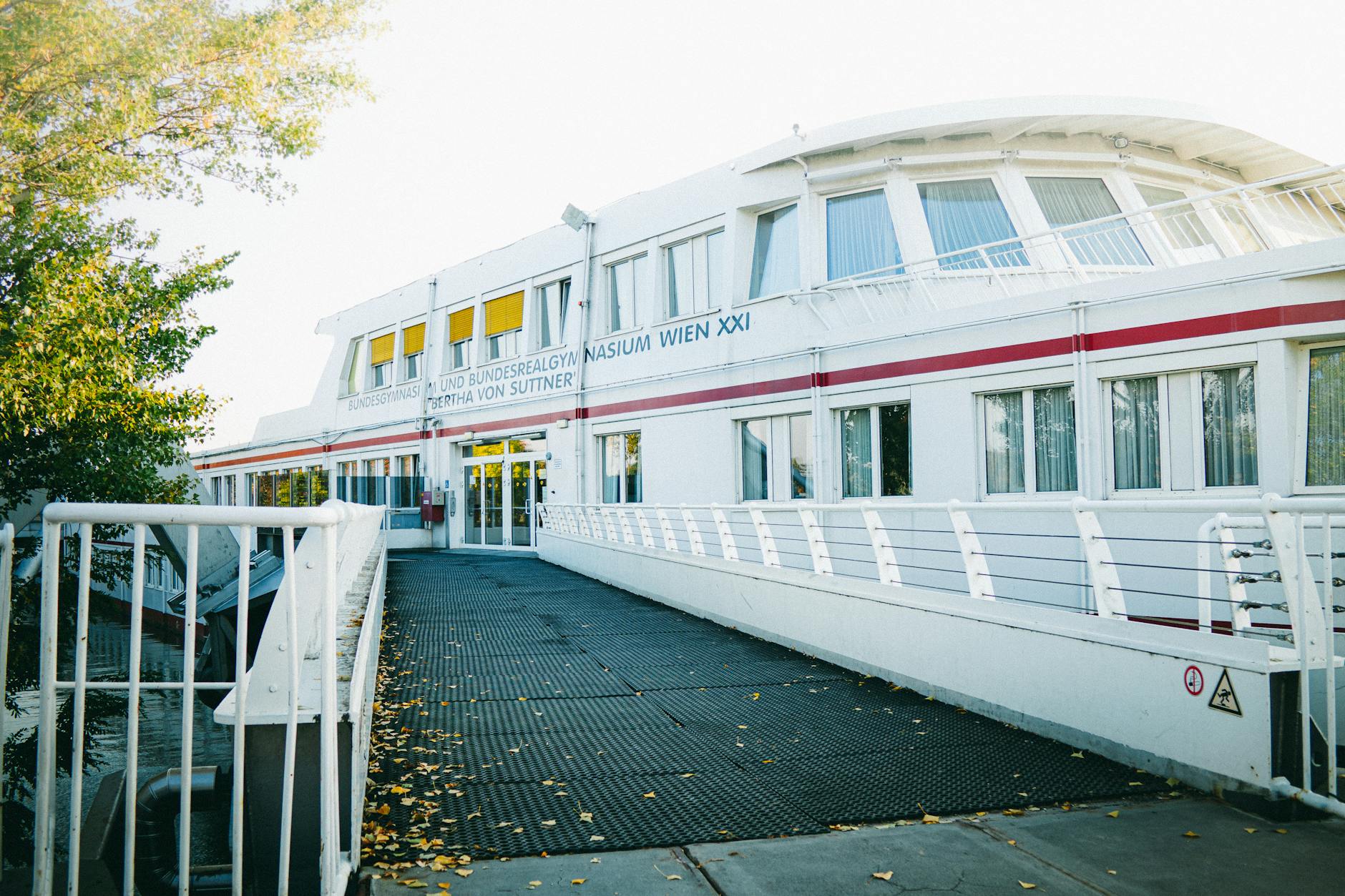
A retired barge moored to the Donaukanal contains a floating swimming pool, bar, restaurant, and sunbathing deck — open from May through September. Locals sunbathe and swim with views of the canal traffic and the Inner City skyline. Around €10 for pool access. Take U1 or U4 to Schwedenplatz.
5. Gugumuck (The Snail Farm and Restaurant)
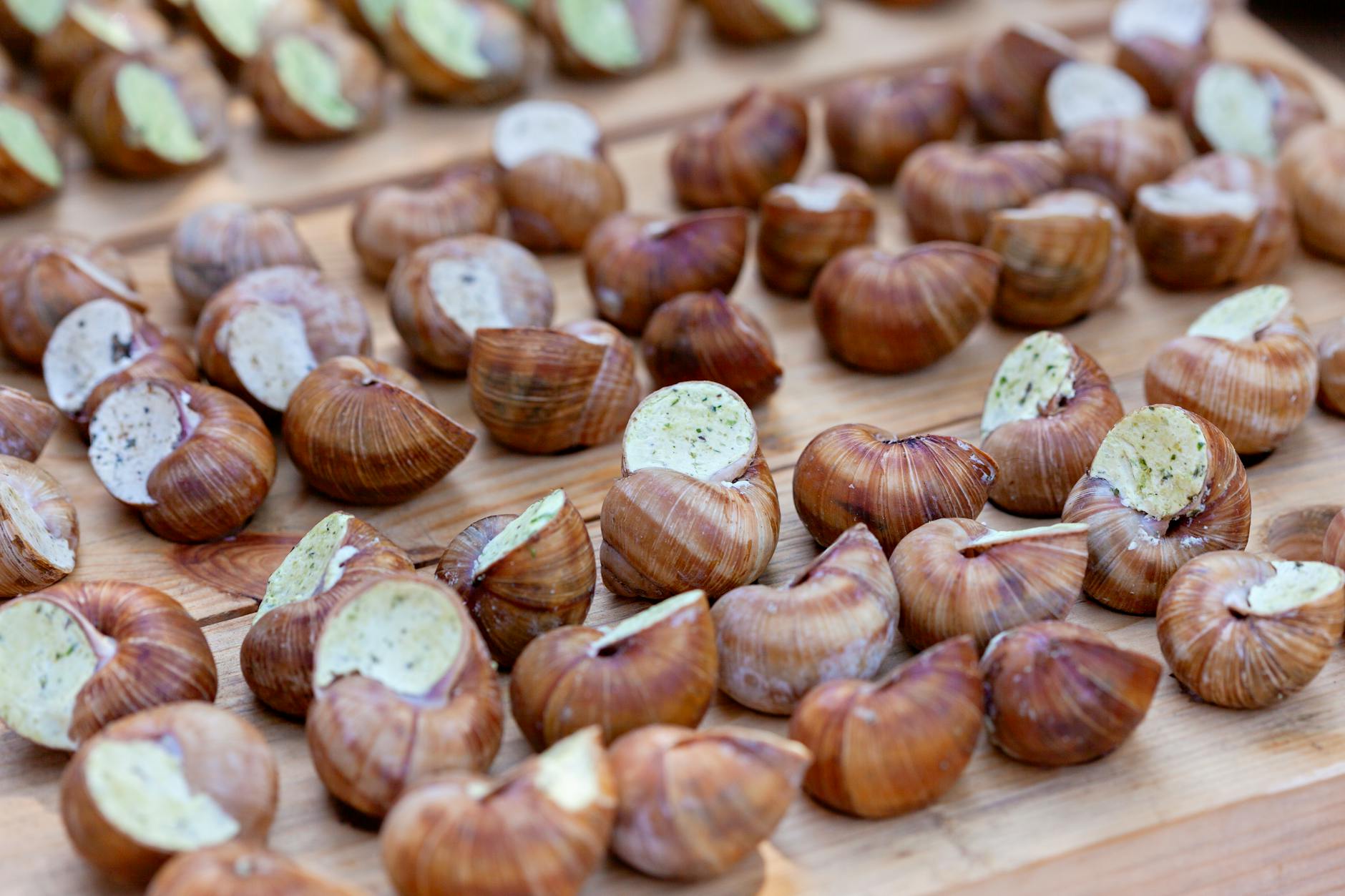
On the southern fringe of the 10th district, Gugumuck is a working snail farm with an attached restaurant serving its own escargot in two dozen forms — from classic Burgundy butter to snail goulash. Tour the farm (yes, you’ll meet the snails), then sit down for a multi-course snail menu. Reservations needed; one of the most genuinely unusual meals in Europe.
6. Tür 7 (and Vienna’s Speakeasy Scene)
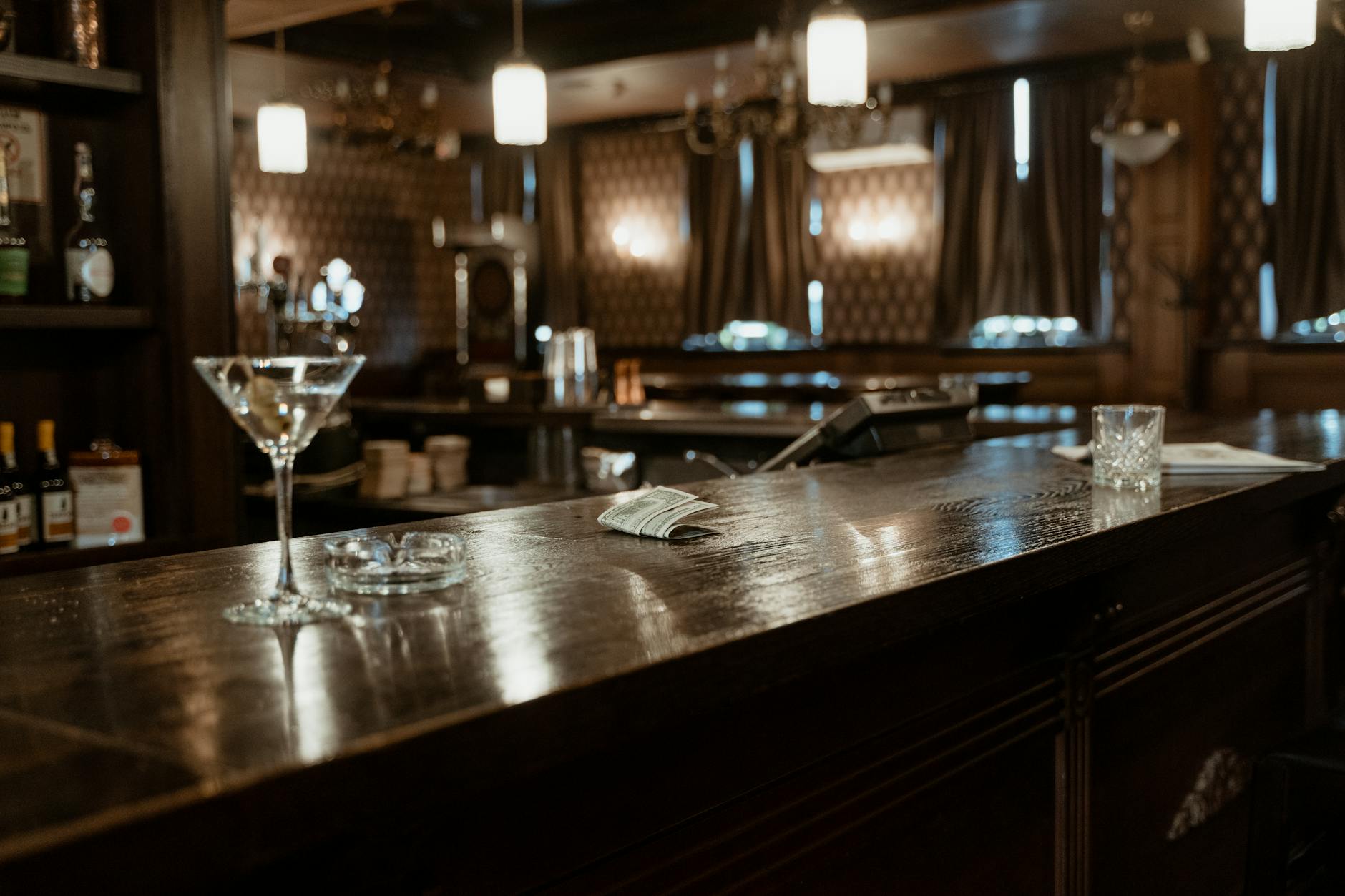
Vienna has a strong speakeasy tradition. Tür 7 at Buchfeldgasse 7 has no sign — find the building, ring the bell, wait for the unmarked door to open. Inside: a small candlelit room, classic cocktails, and a quiet local clientele. Krypt (Schottentor area) hides behind a vault-like door. Kleinod is the longest-running. Roberto’s American Bar mixes classics in a tiny 1st-district room.
7. The Loos American Bar
Adolf Loos’s 1908 American Bar near Kärntner Straße is one of the smallest and most architecturally significant bars in the world — barely 25 square meters, all marble, mahogany, and onyx. The Loos American Bar serves classic cocktails to a discerning clientele. It looks unchanged since the day it opened. Reservations recommended on weekends.
8. The Funeral Museum (Bestattungsmuseum)
At Vienna Central Cemetery (one of Europe’s largest, with 3 million graves), the Bestattungsmuseum traces Vienna’s elaborate Habsburg-era death rituals — coffin types, mourning dresses, hearses, and the famous “death certificate prince” administrative tradition. Surprisingly engaging, and free entry (cemetery itself is also free and worth a separate walk).
9. The Vienna Clock Museum (Uhrenmuseum)
Tucked into one of Vienna’s oldest houses near the Schulhof, the Uhrenmuseum displays nearly 1,000 clocks dating back centuries — including an astronomical clock built in 1679. Three floors of mechanical genius, almost always quiet.
10. Globe Museum + Esperanto Museum (Palais Mollard)
Two of Vienna’s quirkiest museums share the same building. The Globe Museum holds the world’s largest collection of historical globes — Earth and celestial — including a 1610 globe of the moon. Next door, the Esperanto Museum documents the made-up language and the small but fierce community of Esperanto speakers. Both surprisingly good. €6 combo.
11. Wieninger am Nussberg (Vineyard Heuriger with City View)
Vienna is the only major capital with working vineyards inside city limits. Wieninger am Nussberg is an open-air heuriger on the Nussberg hill — picnic tables among the vines, glasses of crisp Wiener Gemischter Satz, panoramic views back to the city. Open weekends summer–autumn. Reach via tram 38 + a 25-minute uphill walk.
12. The Vienna Boys’ Choir Sunday Mass at the Hofburgkapelle
Sunday morning (Sept–June) at the Hofburgkapelle: the Vienna Boys’ Choir, Vienna Philharmonic, and State Opera chorus all in one Habsburg chapel. Tickets €10–€38, book 4 weeks ahead. One of those uniquely Vienna experiences that makes a Sunday memorable.
13. The Schmetterlinghaus (Butterfly House)
Inside Otto Wagner’s 1907 Jugendstil Palmenhaus in the Burggarten lives a small tropical butterfly conservatory — hundreds of free-flying butterflies in a climate-controlled glass-and-iron Victorian space. €8.
14. The Augarten Porcelain Manufactory
The Augarten Porcelain Manufactory is Europe’s second-oldest working porcelain producer (after Meissen), founded in 1718. The factory tour shows the entire process from raw kaolin to hand-painted finishing, and the on-site shop sells seconds at significant discount. The setting — inside the historic Augarten park — is itself an attraction.
15. The Otto Wagner Steinhof Church
Otto Wagner’s 1907 Kirche am Steinhof is a masterpiece of Jugendstil architecture — gold dome, stained glass, ergonomic pews specifically designed for psychiatric patients (the church serves the Steinhof psychiatric hospital). Open for visits Saturday 4–5 pm only. Reach via U6 to Ottakring + bus 47A.
Bonus: 10 More Unique Vienna Experiences
- Vienna’s Third Man Tour — the underground sewers from Carol Reed’s 1949 film noir
- The Vienna Pneumatic Tube Mail system tour at the Postcommunication Museum (still partly working until 2005)
- The Sigmund Freud Museum in his original 19th-district apartment
- The Phonomuseum — early sound recording
- The Vienna Crime Museum — historic criminal cases of Vienna
- The Hofburg’s Imperial Silver Collection — six rooms of court silver, surprisingly engaging
- The Vienna Sewer Museum & Tour in summer
- The Wien Museum’s Karlsplatz preserved Roman ruins underground
- Madame Tussauds Vienna — yes, but with a unique Habsburg/Sisi/Mozart cast
- Vienna’s Time Travel attraction — touristy but uniquely Vienna in subject (Habsburgs, plague, the Turkish siege)
Unique Food Experiences in Vienna
- Tafelspitz at Plachutta — boiled-beef ritual served in copper pots from the table
- Käsekrainer at Bitzinger Würstelstand — cheese-stuffed sausage at the most photographed Würstelstand
- Marillenknödel at Café Sperl — Wachau apricot dumplings, a deeply local dessert
- Tichy ice cream’s Eismarillenknödel — apricot-dumpling-flavored ice cream in the 10th district
- Schaumrolle at Demel — vacuum-cream pastry roll
- Esterházy torte at Café Hawelka — almond cake with the signature curved white frosting
- Buchteln at Café Hawelka — sweet yeast buns served only at midnight
- Backhendlsalat at any Beisl — fried-chicken salad, deeply Austrian, deeply good
- Sturm at the Naschmarkt in September — partially fermented wine, a local autumn tradition
- Wachau apricot products at the Hotel Sacher tea service
For broader food exploration, see our Vienna food guide.
Unique Vienna by Time of Day
Early Morning
Schottenkirche morning Mass + Schönbrunn at sunrise (gardens are empty until 10 am).
Late Morning
Vienna’s quirky museums (Snow Globe, Clock, Globe + Esperanto) are best when crowds peak elsewhere.
Lunchtime
Gugumuck snail farm lunch, Tichy ice cream, Wieninger am Nussberg vineyard buffet.
Afternoon
Narrenturm (open mostly afternoons), the Funeral Museum, free Peterskirche concert, Schmetterlinghaus.
Evening
Schottenkirche Vespers (one of the most uniquely Vienna evening experiences), Vienna State Opera standing room, heuriger evening in Grinzing or Nussdorf.
Late Night
Tür 7 cocktail bar (after 8 pm), Loos American Bar, Café Hawelka late hour.
Combining Unique Vienna with the Standard Trip
The trick is layering — pick 2–3 unique experiences and weave them through your existing Vienna days:
Day 1 (Standard + 1 Unique)
Morning: Schönbrunn. Lunch in town. Afternoon: Hofburg + Sisi Museum. Add: Schottenkirche Vespers at twilight before dinner.
Day 2 (Standard + 1 Unique)
Morning: Belvedere. Late morning: Naschmarkt. Lunch. Add: Vienna Snow Globe Museum in the afternoon → coffeehouse → opera evening.
Day 3 (Standard + 2 Unique)
Morning: Stephansdom + Inner City walk. Add: Globe Museum + Esperanto Museum at the Palais Mollard. Afternoon: Wieninger am Nussberg vineyard hike for sunset. Evening: Tür 7 cocktail bar.
Best Time of Year for Unique Vienna
- Spring (April–June): Setagaya cherry blossoms, vineyard walks, the Schmetterlinghaus butterflies
- Summer (June–August): Badeschiff floating pool, Donauinsel, vineyard heurigen at full pace, outdoor cinema
- Autumn (Sept–Nov): Wieninger am Nussberg at peak, autumn foliage in Setagaya, vineyard harvest season
- Winter (Dec–Feb): Christmas markets in unusual locations (Spittelberg, Karlsplatz, Schloss Schönbrunn), ball season unique evening events
Practical Tips for Unique Vienna
- Many specialist museums close Mondays — verify before going
- Reserve at Gugumuck — small restaurant, fills weeks ahead in summer
- Speakeasy hours are usually 7 pm onwards — Tür 7 fills by 9 pm on weekends
- Steinhof Church visits are Saturday 4–5 pm only
- Vienna Boys’ Choir Mass requires 4-week advance booking
- The Schottenkirche Vespers schedule varies seasonally; check the Schottenstift website
- Most quirky museums are €5–€10 — none are expensive
Frequently Asked Questions
What are the most unique things to do in Vienna?
The Narrenturm pathology museum, the Vienna Snow Globe Museum, Gugumuck snail farm, Schottenkirche Vespers, Wieninger am Nussberg vineyard, the Badeschiff floating pool, Tür 7 speakeasy, and Otto Wagner’s Steinhof Church are the most consistently recommended off-the-tourist-trail experiences.
Can you swim in Vienna?
Yes — at the Badeschiff floating pool, the Alte Donau, the Donauinsel beaches, and at multiple public thermal baths (Therme Wien, Amalienbad). Vienna takes urban swimming surprisingly seriously.
Is Vienna nightlife unique?
The speakeasy scene (Tür 7, Krypt, Kleinod, Loos American Bar) is genuinely distinct, as is the heuriger evening tradition in Grinzing and Nussdorf. Standing-room opera at €15 is uniquely Vienna. See our Vienna nightlife.
What’s the strangest museum in Vienna?
The Narrenturm (pathology / former insane asylum) and the Funeral Museum tie for strangest. Both are surprisingly accessible and well-curated.
Can I visit a working vineyard in Vienna?
Yes — Vienna is the only major capital with working vineyards in city limits. Wieninger am Nussberg, Mayer am Pfarrplatz, and Sirbu in Grinzing/Nussdorf are all reachable by U-Bahn + tram or bus, and most are open to visitors at least on weekends.
Is the Vienna snail farm restaurant real?
Yes — Gugumuck on the southern fringe of the 10th district is a working snail farm with an attached restaurant serving its own escargot. Reservations required.
What’s the most unusual evening experience in Vienna?
The Schottenkirche Vespers — Latin chant by white-robed monks in candlelight. Free, public, deeply atmospheric. Most travelers don’t know it exists.
Final Thought: Unique Vienna Is Real Vienna
The Habsburg headline tour is essential, but the version of Vienna that locals love most lives one layer down: the snail farm, the candlelit Vespers, the vineyard hike that ends at sunset, the unmarked speakeasy doorbell, the snow globe museum run by the family that invented snow globes. Pick two or three of these on a normal Vienna trip and you’ll come home talking about them more than the palaces. They cost almost nothing, they’re easy to fit in, and they shift the trip from a checklist to a story.
For more, see our things to do in Vienna, our first time visiting Vienna tips, and our Vienna nightlife.
Of everything on this list, the Fiaker is the one that exists nowhere else in quite this form — a licensed seventeenth-century cab trade with its own exemptions in the city’s traffic law. Our guide to Fiaker rides in Vienna covers the real prices, the routes and the welfare debate.
Few cities let you buy a ticket into their own sewer system, and fewer still make a good afternoon of it. Vienna’s sewer utility runs guided descents into the channels used in The Third Man for €14, complete with helmet, headlamp and the original spiral staircase from the film — though only May to October and only Thursday to Sunday. See our guide to the Third Man tour in Vienna for how to get a place.
Breakfast under the vaults of Café Central at 07:30 on a weekday, before the queues arrive, is one of the city’s quieter pleasures: the most photographed coffee house in Vienna with half its tables empty. The café has been closed for renovation since March 2026 and is due back in autumn 2026. Our guide to Café Central explains when to go and what to order.