First Time in Vienna? 15 Essential Tips from Locals (2026)
First-time visitor guide to Vienna with 15 essential tips: validate your transit ticket (or face a €105 fine), book Schönbrunn ahead, tip in cash and out loud, take coffeehouses slowly, and 11 more local rules that'll make your trip run smoothly.
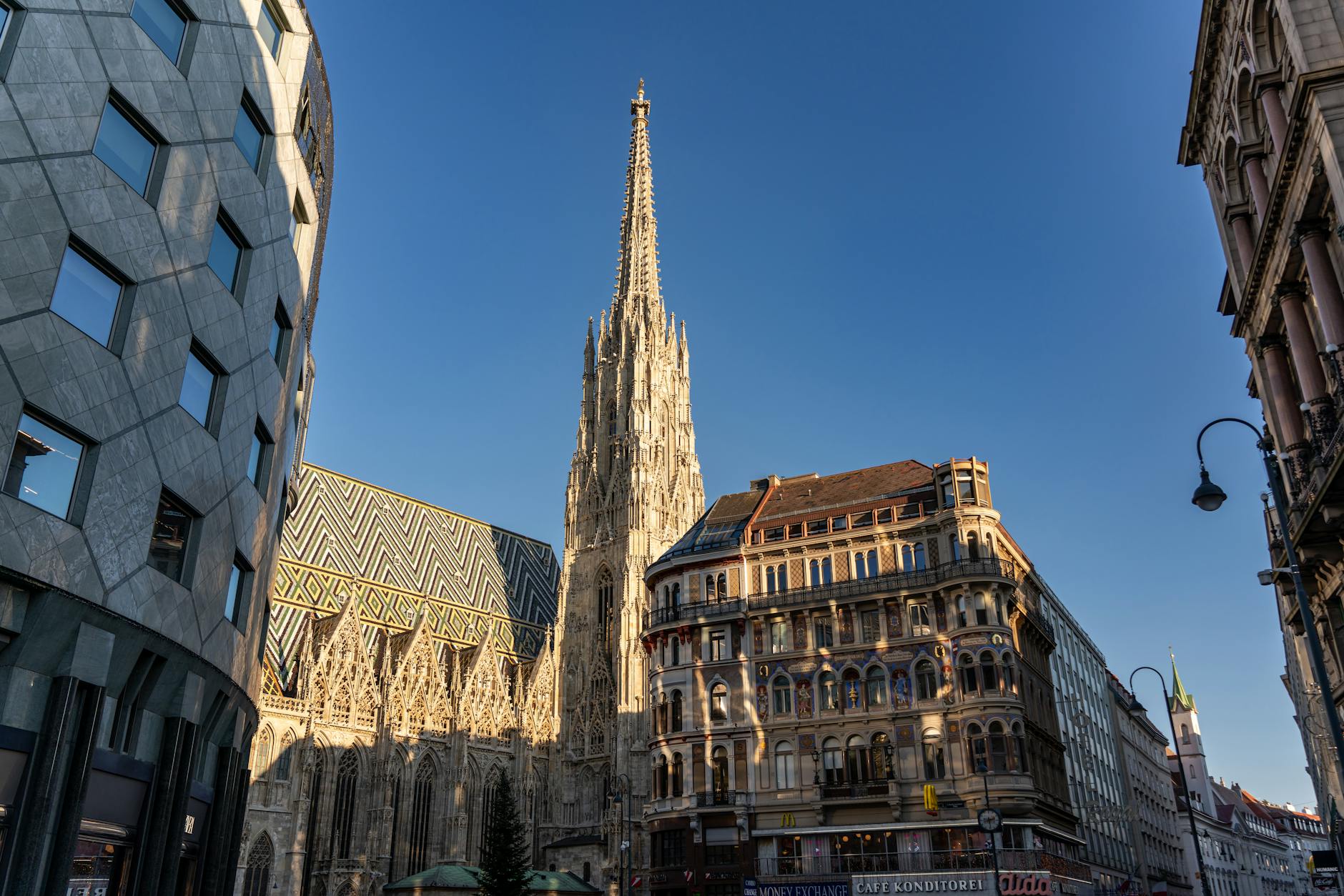
Photo by Vladimir Srajber
- 1. Validate Your Transit Ticket Before Boarding — Always
- 2. Book Schönbrunn Palace Tickets Online in Advance
- 3. Most Shops Are Closed on Sundays
- 4. Carry Cash for Restrooms, Markets, and Small Cafes
- 5. Don’t Drink to “Cheers” Without Eye Contact
- 6. Tip 5–10%, Stated Aloud, in Cash
- 7. Don’t Tip the Coffeehouse Server with a Credit Card
- 8. The Quiet Hours Rule Is Real
- 9. Punctuality Is Non-Negotiable
- 10. Skip the Touristy Restaurants in the 1st District (Mostly)
- 11. Take a Coffeehouse Slowly — That’s the Point
- 12. Pick the Right Vienna Pass — or None
- 13. The €15 Opera Standing-Room Ticket Is the Best Deal in Town
- 14. Don’t Climb Stephansdom’s South Tower If You Have Knees
- 15. Build in a Day Without a Plan
- Bonus Tips: 10 Quick First-Timer Wins
- Common Mistakes That Catch First-Time Visitors
- Vienna Cultural Etiquette: Quick Reference
- Useful German Phrases for First-Time Visitors
- Money & Card Tips
- Safety & Health
- Frequently Asked Questions
- Final Thought: Slow Vienna Beats Fast Vienna
- Related Vienna Guides
This article contains advertising. Our booking links are routed through a partner that adds commission tracking automatically, so if you book through one we earn a commission from the provider, at no extra cost to you. It never affects what we recommend. Affiliate disclosure
Vienna is one of the easiest European capitals to visit — but it’s also one of the easiest to visit slightly wrong. The city runs on quietly enforced norms (validate your transit ticket, tip in cash and out loud, no shorts at the opera) and a few logistical gotchas (Sunday closures, Schönbrunn timed tickets, paid public restrooms) that catch first-time visitors off guard.
These 15 essential first time in Vienna tips are the ones I’d want a friend to know before their plane landed at VIE. They’re sourced from Vienna locals, frequent visitors, and the small mistakes nearly every first-timer makes. Apply even half of them and your trip will run smoother than 90% of the tourists you’ll see at Stephansplatz.
1. Validate Your Transit Ticket Before Boarding — Always
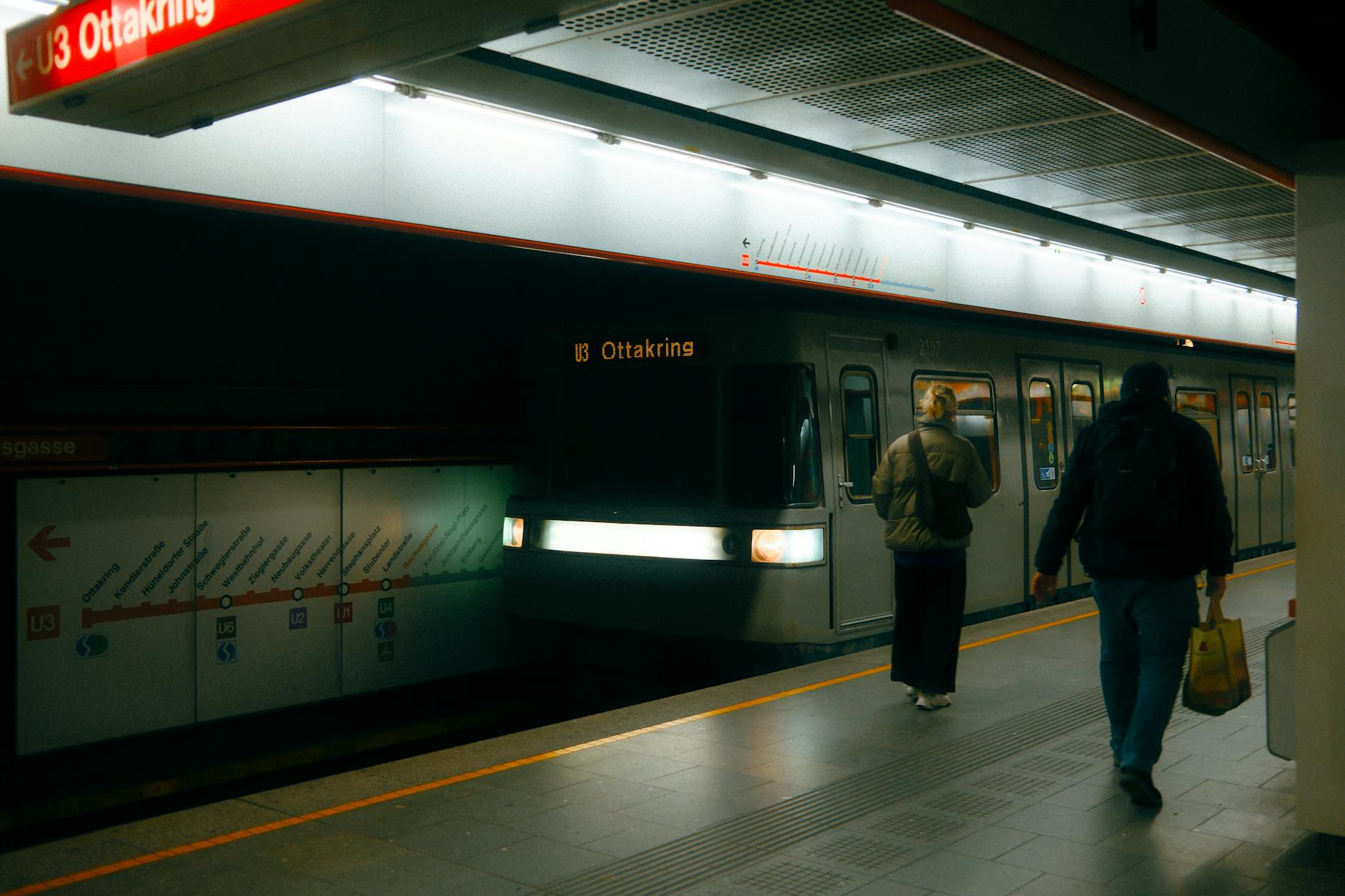
Vienna’s U-Bahn (subway), tram, and bus network runs on an honor system with random checks. There are no turnstiles. Buy a ticket, then validate it in the blue stamping machines on the platform (for U-Bahn) or just inside the door (for trams and buses) the first time you use it. Single-use tickets are stamped once; 24/72/168-hour tickets are stamped only once at the start.
Plainclothes inspectors check tickets routinely, especially on lines U1, U2, U3, and U6. The fine for an unvalidated or missing ticket is €105, payable on the spot — no warnings, no negotiation, no exceptions for tourists. Keep your ticket until you exit the system. Full ticket info in our Vienna transport guide.
2. Book Schönbrunn Palace Tickets Online in Advance
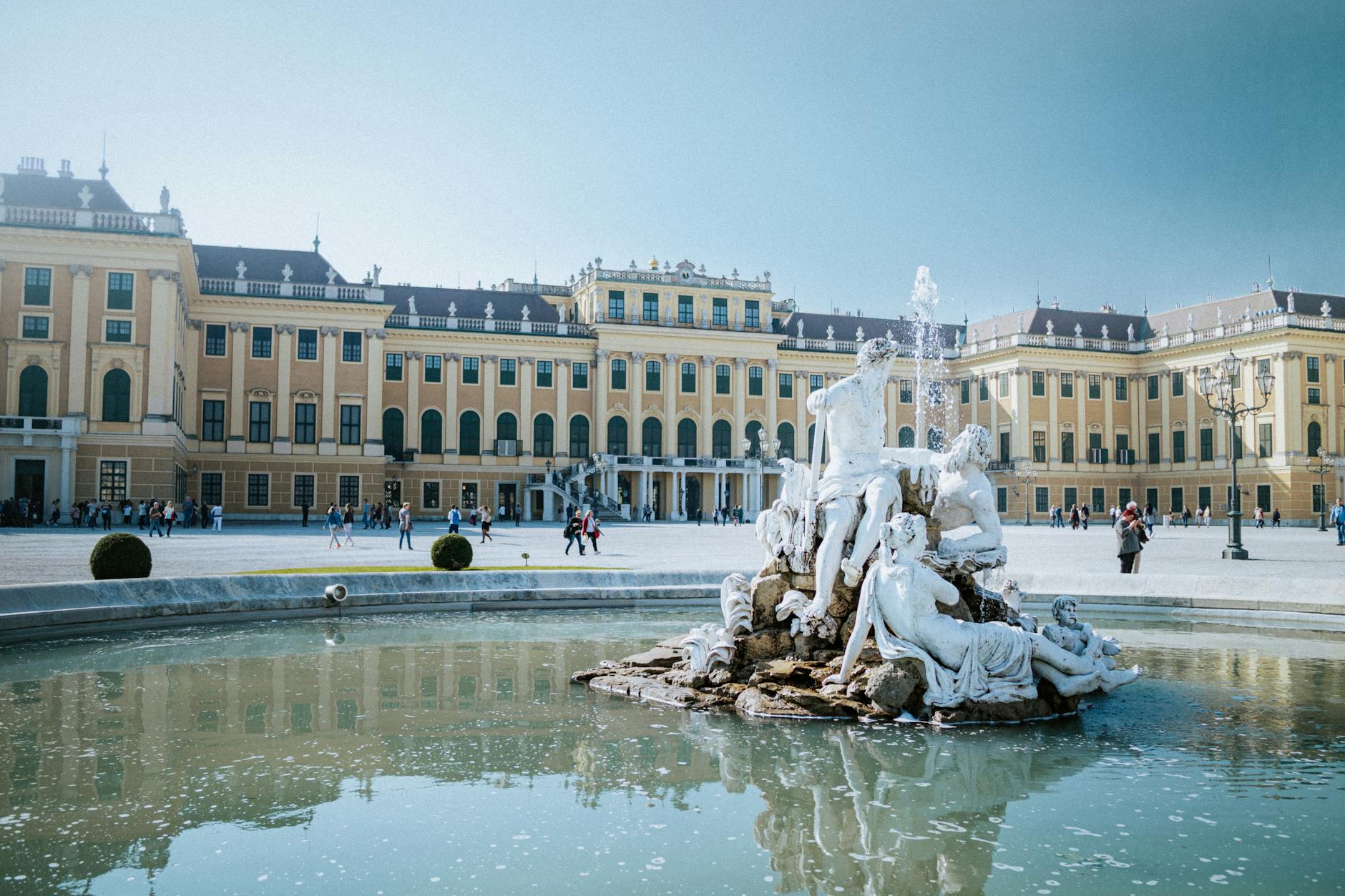
Schönbrunn now operates on timed-entry tickets only. In peak season (May–October, December), morning slots routinely sell out 5–10 days ahead. Walking up to the ticket office is no longer a viable plan.
Book through the official site (schoenbrunn.at) for the Grand Tour ticket — covers 40 rooms with audio guide. Aim for an 8:30 or 9:00 am entry to beat the cruise-ship crowds that arrive around 10:30. The gardens are free and need no ticket, so you can wander the grounds even if your palace slot is later in the day.
The same advice applies to the Spanish Riding School performances and morning exercise tours, and to popular opera and Musikverein programs. For €15 standing-room opera tickets, the strategy is different — show up at the side entrance 90 minutes before curtain.
3. Most Shops Are Closed on Sundays
Austria’s restrictive shop-closing laws mean almost every supermarket, clothing store, and pharmacy is closed all day Sunday. Smaller shops also close around 6 pm Saturday and don’t reopen until Monday morning.
What stays open Sunday: restaurants, cafes, museums, palaces, public transport, gas stations, and railway-station supermarkets (Hauptbahnhof, Westbahnhof, and Praterstern have full Spar or Billa stores open until 9–11 pm). Some bakeries and flower shops open Sunday morning. Plan your shopping for Saturday morning at the latest, or hit a station supermarket if you forget toothpaste on Sunday night.
4. Carry Cash for Restrooms, Markets, and Small Cafes
Vienna is increasingly card-friendly, but several situations still demand cash:
- Public restrooms: €0.50–€1 at most train stations, museum entrances, and street-level WCs (the cleaner, attended ones).
- Würstelstand sausage stalls: Many take cash only.
- Naschmarkt small vendors: Card minimums often €15–€20.
- Older cafes: Some small Beisl and traditional coffeehouses still prefer or require cash.
- Tips: Stated aloud at the table, given in cash on top of the cash bill (see tip #6 below).
Carry €100–€200 in mixed denominations, including a few €1 and €2 coins. ATMs (called Bankomats) are everywhere; use those attached to a bank rather than freestanding “Euronet” yellow ATMs which charge significant fees.
5. Don’t Drink to “Cheers” Without Eye Contact
When clinking glasses, Austrians make eye contact with everyone they toast — and it’s a sincerely meant social gesture, not a curiosity. Saying “Prost!” without looking each person in the eye is considered rude (and, by superstition, brings seven years of bad luck in love).
Equally important: don’t take the first sip until everyone has been toasted. At a restaurant, this can mean a five-second pause that feels longer than it is. Just go with it.
6. Tip 5–10%, Stated Aloud, in Cash
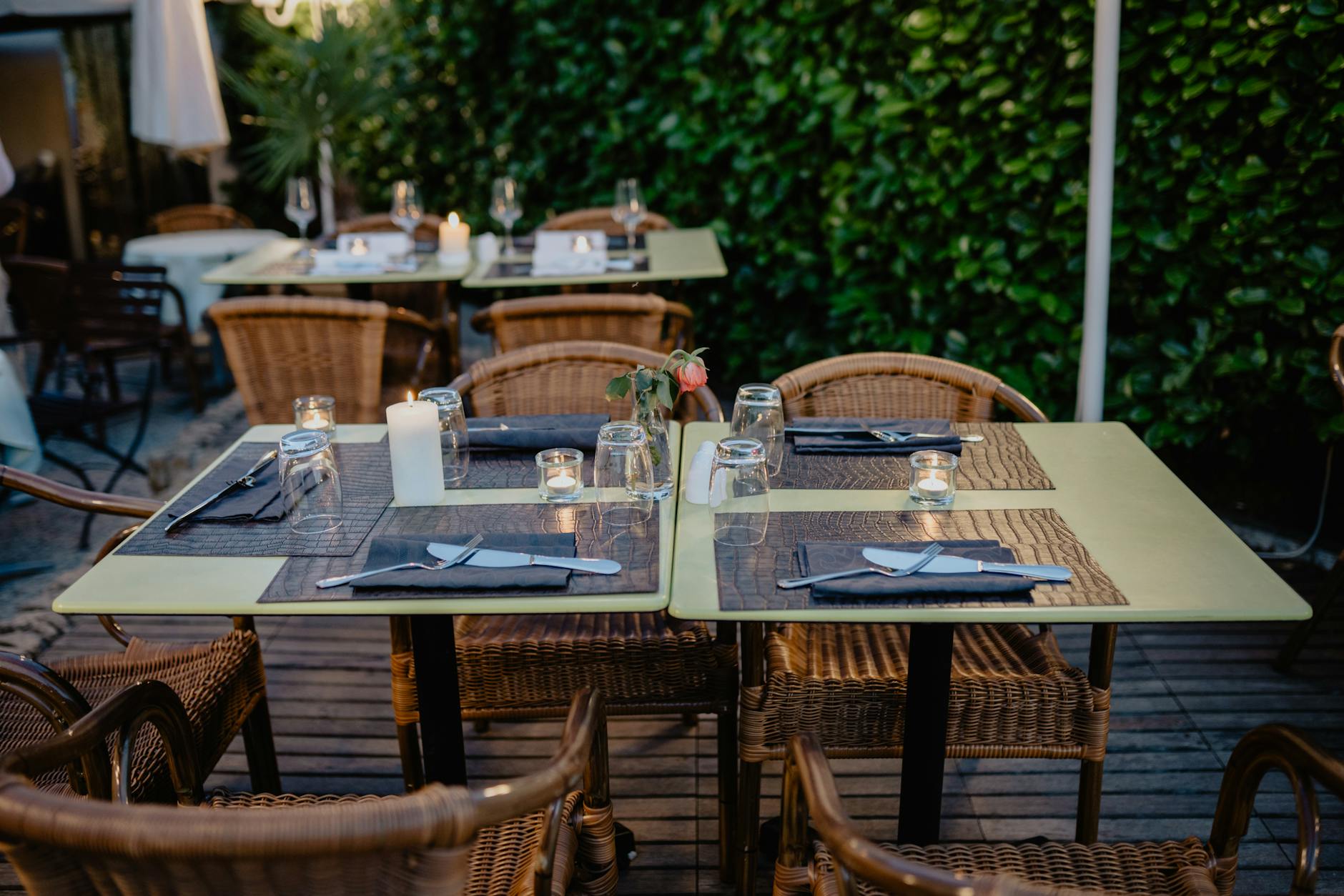
Service is included in the bill, but locals add 5–10% on top — stated aloud when paying, not written on the receipt. The mechanics:
- The server brings the bill (or tells you the total).
- You say the total plus the rounded-up tip: bill of €23.40 → say “Fünfundzwanzig” (twenty-five) and hand over €30.
- The server gives change minus the stated total.
For card payments, leave the tip in cash on the table. Vienna’s card terminals don’t routinely have a tip line, and even when they do, locals strongly prefer cash tips. Round up €1–€2 at cafes for one drink, 10% at sit-down dinners.
7. Don’t Tip the Coffeehouse Server with a Credit Card
Vienna’s coffeehouses are unionized in their habits. Pay with card if you must, but leave a small cash tip on the saucer when you leave. The waiter — formally addressed as Herr Ober — has been working those tables since the Habsburg era (figuratively, sometimes literally), and a card tip would feel cold-hearted.
8. The Quiet Hours Rule Is Real
From 10 pm to 6 am Monday through Saturday, and all day Sunday, Vienna enforces Ruhezeit (quiet hours). In apartment buildings — and most Vienna hotels are in renovated historic apartment buildings — that means no music, no loud conversations on the phone, no rolling suitcases through hallways at 1 am.
Locals don’t hesitate to call the police on disruptive neighbors. As a tourist, you’re more likely to get a sharp knock on the door first, but err on the side of quiet, especially in residential districts (the 4th, 7th, 8th).
9. Punctuality Is Non-Negotiable
If a tour, restaurant reservation, or concert says 7:30 pm, the doors close at 7:30 pm. Many opera and Musikverein performances physically lock latecomers out until intermission — and the Vienna Philharmonic’s New Year’s Concert is famously implacable about this.
Plan to arrive 10–15 minutes early for any reservation or ticketed event. Vienna’s transit is reliable enough that you can.
10. Skip the Touristy Restaurants in the 1st District (Mostly)
The 1st district has many genuinely great restaurants — but several aggressive touts at Graben and Stephansplatz steer tourists into mediocre, overpriced “Wiener Restaurants” that locals avoid. Rules of thumb:
- If a host is on the sidewalk waving you in with a paper menu, walk past.
- If the menu is in seven languages with photographs of every dish, walk past.
- If you can hear a single instrument labeled “live music” through the door, walk past.
Reliable Inner City picks: Plachutta Wollzeile (tafelspitz), Figlmüller Bäckerstrasse (schnitzel), Zum Schwarzen Kameel, Glacis Beisl, Pfudl, and Beisl Lipizzaner. For broader food guidance see our Vienna food guide.
11. Take a Coffeehouse Slowly — That’s the Point
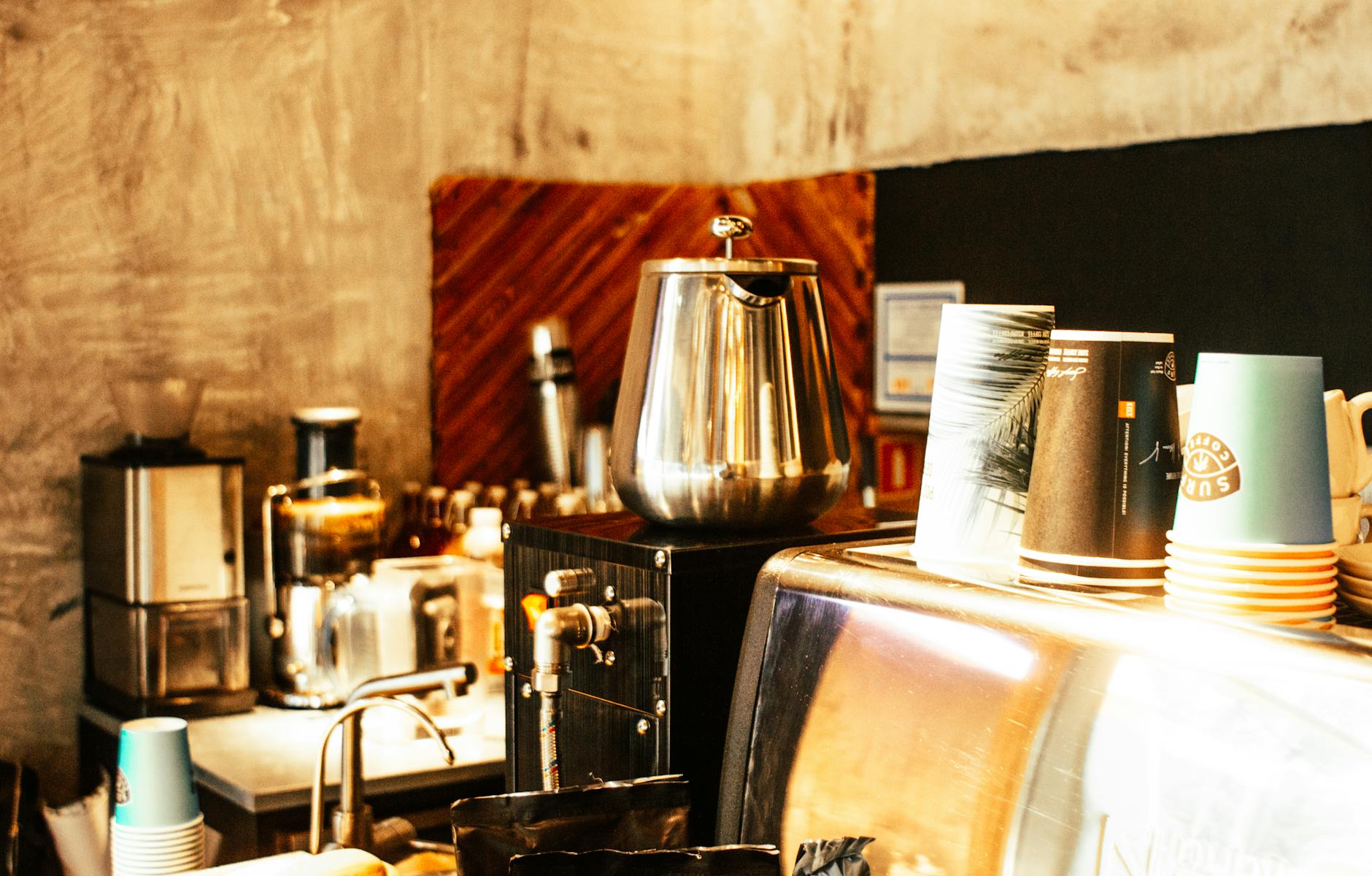
A Viennese coffeehouse isn’t a Starbucks. The unwritten contract: you order one drink (often €5–€8) and you can sit, read, talk, or work for hours. The waiter will come exactly twice — once for the order, once for the bill — unless you actively wave them down.
Trying to order quickly, drink quickly, and leave quickly is the most common first-timer error. The coffeehouse is the experience. Order a melange (Vienna’s espresso-with-frothed-milk), a slice of cake, ask for a newspaper from the rack, and stay for at least an hour. Café Central, Café Sperl, Café Hawelka, and Café Bräunerhof are all strong starter picks.
12. Pick the Right Vienna Pass — or None
Two main passes confuse first-time visitors:
- Vienna PASS (1/2/3/6 days): Free entry to 60+ attractions including Schönbrunn, Belvedere, and the Hofburg. Worth it if you’re packing 6+ paid attractions into the timeframe. Expensive (€95 for 3-day adult).
- Vienna City Card: Cheaper (€17–€44 for 24–72 hours including transit). Gives only discounts at attractions (10–25%), not free entry. Worth it for budget-conscious travelers who’ll do 2–4 paid attractions.
If you’re doing 1–2 attractions, just buy individual tickets. The full math is in our Vienna on a budget guide.
13. The €15 Opera Standing-Room Ticket Is the Best Deal in Town
Vienna State Opera sells about 500 standing-room (Stehplatz) tickets 80 minutes before each performance at the Operngasse side entrance. They cost €15 (Parterre/Balcony) or €18 (Galerie). The catch: you have to line up in person, and the queue starts forming 90+ minutes before sale.
Tips: arrive at least 90 minutes before sale time, bring a scarf to “claim” your spot at the railing once inside, and dress smart-casual — even standing-room visitors should look the part. Most performances are 2.5–4 hours; you can leave at intermission if your feet give out. We cover this in detail in our Vienna opera and classical music guide.
14. Don’t Climb Stephansdom’s South Tower If You Have Knees
Stephansdom has two ways up: the North Tower (elevator, €6.50, less spectacular view) and the South Tower (343 stairs, €5.50, far better view). Our advice: most first-time visitors underestimate the climb. The stairs are tight, twisty, and built for shorter Habsburg-era humans. Halfway up, you cannot turn around — the staircase is single-file with descending traffic.
If you have any knee, hip, or claustrophobia issues, take the elevator. If you’re fit, the South Tower view is unmatched. Either way, both close earlier than the cathedral itself (typically 5:30 pm).
15. Build in a Day Without a Plan
Most first-time itineraries cram Vienna into a checklist: Schönbrunn, Belvedere, Hofburg, Stephansdom, Naschmarkt, Prater, opera. By Day 3 you’re tired, museum-saturated, and missing the city’s actual personality.
Block out half a day with no plan. Pick a neighborhood — Neubau (7th), Spittelberg, Servitenviertel (9th), or Karmelitermarkt (2nd) — and walk. Have a long lunch at a Beisl. Sit at a coffeehouse for two hours. The travelers who come back from Vienna talking about the place rather than the photos all built in this kind of unstructured day.
Bonus Tips: 10 Quick First-Timer Wins
- Drink the tap water — Vienna’s comes from Alpine springs and is excellent.
- Use the U-Bahn after 8 pm — runs until midnight, and 24 hours on Friday and Saturday nights.
- Don’t jaywalk — locals strictly wait for the green Ampelmännchen, and you’ll get sharp looks if you don’t.
- Carry a small bag — most museums require larger bags to be checked at the cloakroom.
- Buy a 24/72/168-hour transit pass rather than single tickets — break-even is just three rides.
- Greet shopkeepers with “Grüß Gott” in Austria, not “Guten Tag” — the latter sounds German rather than Austrian.
- Avoid taxi pickup at Stephansplatz — Bolt and the regular taxi apps are cheaper and easier than the rank.
- Ride the Hop-On bus only if you must — it’s almost always slower than the U-Bahn for actually moving around the city.
- Check the museum’s free-day calendar — many open free on the first Sunday of the month.
- Carry a packable umbrella in any month, plus the right shoes (see our Vienna packing list).
Common Mistakes That Catch First-Time Visitors
Trying to See Everything in 2 Days
Vienna’s three big palaces — Schönbrunn, Hofburg, Belvedere — each deserve at least half a day. Trying to compress into a weekend leads to exhausted, half-remembered checklist tourism. See our planning resources for trip length advice.
Underestimating Walking Distances
Inner City attractions look close on a map but the cobblestones slow you to ~3 km/h. A “20-minute walk” can take 35 in real life. Plan accordingly.
Visiting at Lunchtime
Major attractions are most crowded between 11 am and 2 pm — exactly when most visitors arrive. Go at opening (typically 9 am) or after 3 pm.
Paying €15+ for a Mediocre Schnitzel at a Tourist Trap
Real schnitzel costs €17–€22 at a proper restaurant. €9–€12 versions on the Graben are typically frozen or hammer-thinned and oily. The €4.50 Würstelstand Käsekrainer is honestly more authentic Vienna than the bargain schnitzel.
Not Booking a Heuriger Visit
Vienna is one of the only major capitals with working vineyards inside the city limits. Skipping a heuriger evening in Grinzing or Nussdorf — for a glass of Grüner Veltliner and roasted meats — is a classic missed opportunity.
Tipping with a Card or Adding Tip After the Fact
State the rounded-up amount aloud before the server processes the payment, in cash. Forgetting this earns gentle but visible disappointment.
Vienna Cultural Etiquette: Quick Reference
Greetings
Austrians greet shopkeepers, café owners, and even fellow elevator passengers with “Grüß Gott” (in formal contexts) or “Hallo” (informal). Leaving without a “Auf Wiedersehen” or “Tschüss” feels abrupt.
The Formal/Informal Switch
Use Sie (formal “you”) with everyone over 25 you don’t know. Younger people often use du (informal) but follow their lead.
Dining
Hands above the table, both knife and fork held throughout the meal (continental style). Don’t switch hands. Wait for everyone to be served before starting.
The Bill
Ask “Zahlen, bitte” (pay, please) when ready. Servers will not bring it unprompted; expecting them to is a frequent first-timer frustration.
Public Behavior
Vienna runs quiet. Inside voices on the U-Bahn, on the tram, in restaurants. Phone calls in public transport are rare.
Useful German Phrases for First-Time Visitors
| English | German | Pronunciation |
|---|---|---|
| Hello (formal) | Grüß Gott | GROOS-got |
| Goodbye | Auf Wiedersehen | OWF VEE-der-zayn |
| Please | Bitte | BIT-tuh |
| Thank you | Danke | DAHN-kuh |
| Excuse me | Entschuldigung | ent-SHOOL-di-goong |
| Yes / No | Ja / Nein | YA / NINE |
| Cheers | Prost | PROHST |
| The bill, please | Zahlen, bitte | TSAH-len BIT-tuh |
| Do you speak English? | Sprechen Sie Englisch? | SHPRESH-en zee ENG-lish |
| I would like… | Ich hätte gern… | ish HET-tuh gairn |
You won’t need much — most Viennese under 60 speak excellent English, especially in tourist-facing roles. But greeting and thanking in German earns goodwill instantly.
Money & Card Tips
- Currency: Euro (€)
- Card acceptance: Visa and Mastercard widely accepted; Amex spotty at smaller cafes; Apple Pay and Google Pay almost everywhere.
- Cash backup: €100–€200 for incidentals.
- ATM fees: Free at bank-attached ATMs (Erste Bank, Raiffeisen, BAWAG, Bank Austria). Avoid yellow Euronet ATMs — fees can hit 8%.
- Tipping: 5–10% in cash, stated aloud.
- VAT refund: Possible on purchases over €75 from a single store on the same day, for non-EU residents. Process at the airport before checking bags.
Safety & Health
Vienna is consistently ranked one of the safest large cities in the world. Standard precautions apply:
- Pickpockets target tourists at Stephansplatz, Karlsplatz, U1/U6 trains, and Schönbrunn entrance lines. Keep wallets in front pockets and bags zipped.
- Vienna’s tap water is excellent — no need to buy bottled.
- Pharmacies (Apotheke) are excellent but closed Sundays. Check the rotating Bereitschaftsapotheke (on-call pharmacy) sign at any closed Apotheke for the nearest open one.
- Emergency numbers: 112 (general EU emergency), 144 (medical), 133 (police), 122 (fire).
- Travel insurance with EHIC equivalent is recommended; care at Vienna’s General Hospital (AKH) is excellent but billed at private rates without insurance.
Frequently Asked Questions
Is Vienna a good city for first-time visitors?
Excellent — Vienna is compact, very safe, has world-class public transit, and is welcoming to English speakers. It’s one of the easiest European capitals for a first European trip.
How many days do I need for a first Vienna visit?
Three to five days. Three covers the major palaces and Inner City; five lets you add a day trip and discover non-touristy neighborhoods. See our Vienna travel guide for a full breakdown.
Do people in Vienna speak English?
Almost universally in tourist-facing roles, restaurants, hotels, and museums. Older locals and outside the 1st/6th/7th districts may have less English; a few German phrases ease the conversation.
What is the biggest mistake first-time visitors make in Vienna?
Trying to see too much in too few days, and rushing through coffeehouses. The second-biggest is forgetting to validate transit tickets and getting fined €105.
Is Vienna expensive?
Mid-range — comparable to Munich, cheaper than Zurich and Stockholm, more expensive than Prague or Budapest. Public transit, museums, and supermarket food are reasonable; sit-down restaurants and hotels reach Western European prices. See our Vienna on a budget for cost-saving strategies.
What time do shops close in Vienna?
Most shops close 6–8 pm Monday–Friday and around 6 pm Saturday. Closed all day Sunday except restaurants, cafes, museums, and railway-station supermarkets.
What is the dress code in Vienna?
Smart casual covers most situations. Avoid athleisure indoors and shorts at cultural venues. Detailed dress guide in our Vienna packing list.
What’s the best month for a first Vienna trip?
May or September. Mild weather, gardens or autumn color, full cultural calendar, manageable crowds. December for Christmas markets if you don’t mind cold.
Can I see Vienna in 2 days?
You can hit the absolute headlines (Schönbrunn, Hofburg, Stephansdom) in 2 days, but it’ll feel like a checklist. Add a third day at minimum.
Final Thought: Slow Vienna Beats Fast Vienna
The travelers who come back from Vienna talking about the place — not just photographing it — usually share one habit: they slow down. They sit at coffeehouses for two hours instead of twenty minutes. They linger at one museum room instead of walking past three. They eat dinner at 8 pm instead of 6:30. They take the long route home along the Ringstrasse rather than the U-Bahn.
Vienna rewards that pace. It was built — physically, culturally, atmospherically — for slow attention. Apply these 15 tips to handle the logistics, then let the city set the speed for everything else.
Ready to plan? Start with our Vienna travel guide, decide your dates with our best time to visit Vienna, and pick a base from our where to stay in Vienna.
One more first-timer trap worth naming: the costumed sellers pushing “exclusive” Mozart concerts on Kärntner Straße and outside the opera house. Never buy from them. Our guide to Vienna tours and experiences explains what the legitimate concerts cost and why State Opera standing room at €13–18 beats all of them.
Your first hour in Austria happens at Schwechat, and a couple of decisions there set the tone for the whole trip: use a cash machine rather than an exchange desk, decline the offer to be charged in your own currency, and know which train is actually running. All of it is in our complete Vienna Airport guide.
If you do only one guided thing in Vienna, do it on the first morning: a tip-based walking tour makes everything you look at afterwards more legible. Our guide to free walking tours in Vienna covers where they meet, what to tip and how to avoid the fifty-person August version.
A small piece of arrival knowledge that saves a first-timer real confusion: Vienna Airport is one connected building, not several, and the terminal number where you check in has nothing to do with the lettered gate you depart from. Terminal 2 shows on old maps and checks nobody in. Our guide to Vienna airport terminals unpicks it in two tables.
One more thing worth reading before you arrive: the handful of traps that catch first-timers every year, from costumed ticket touts on Kärntner Straße to Fiaker fares that are quoted per carriage rather than per person, and the famous café queues that are never worth an hour of a short trip. Our guide to Vienna tourist traps and mistakes to avoid has the details and the alternatives.