Vienna Nightlife & Entertainment: Complete Guide to Bars, Clubs & Evening Culture (2026)

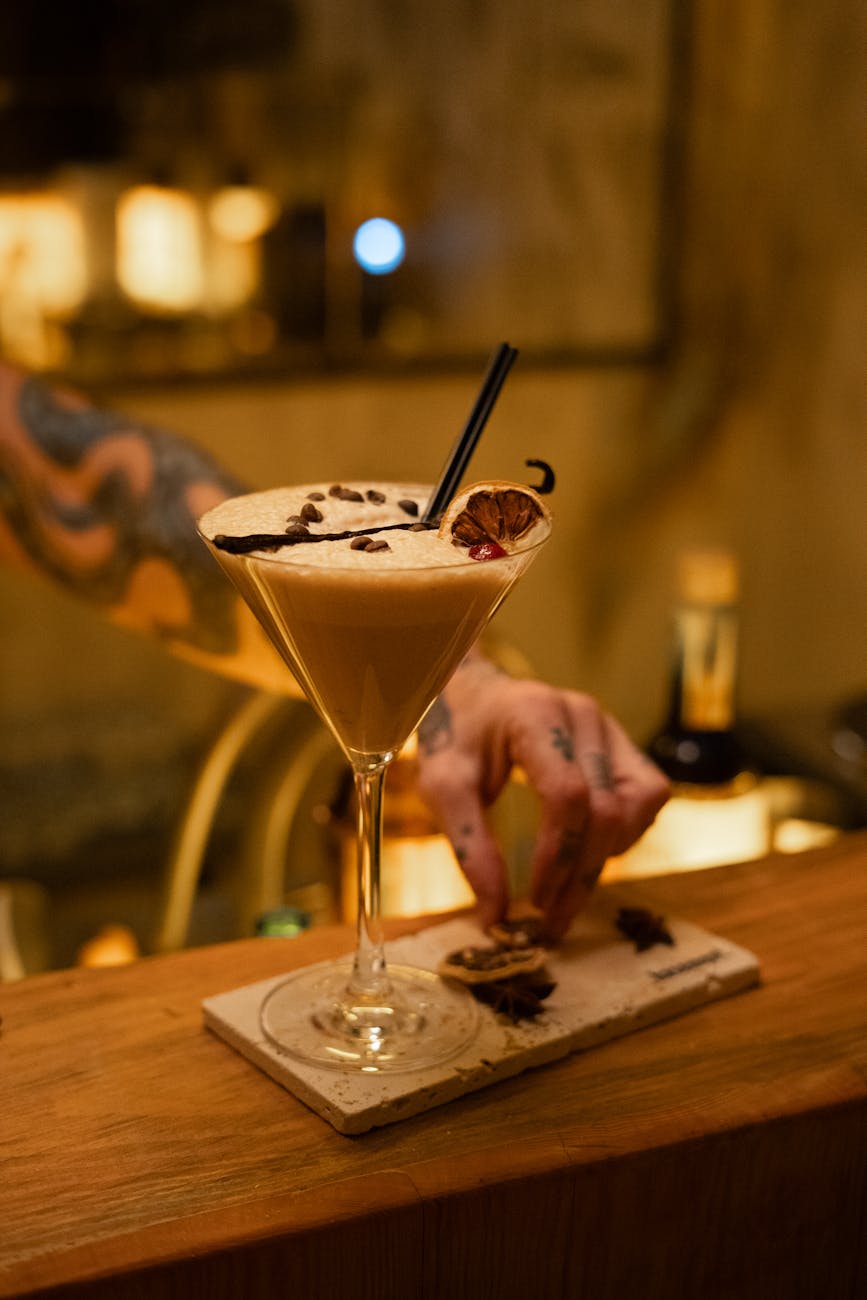
Vienna's cocktail scene rivals any European capital — craft bars are thriving across the city
- Vienna’s Best Nightlife Neighborhoods
- Heurigen: Vienna’s Wine Tavern Tradition
- Vienna’s Club Scene: From Techno to Indie
- Live Music & Jazz in Vienna
- Rooftop & Cocktail Bars
- Evening Entertainment Beyond Bars & Clubs
- Practical Tips for Vienna Nightlife
- A Word on Viennese Bar and Drinking Culture
- Seasonal Nightlife Calendar
- Where to Find Vienna Nightlife Information
- Related Vienna Guides
This article contains advertising. Our booking links are routed through a partner that adds commission tracking automatically, so if you book through one we earn a commission from the provider, at no extra cost to you. It never affects what we recommend. Affiliate disclosure
Vienna nightlife is a fascinating blend of old-world elegance and cutting-edge cool that surprises many first-time visitors. While the city is rightly famous for its classical music heritage and grand coffeehouses, after dark Vienna reveals an entirely different personality — from centuries-old wine taverns nestled in vineyard hills to thumping techno clubs housed in former industrial spaces along the Danube Canal. Whether you’re sipping a Grüner Veltliner at a candlelit Heuriger, dancing until dawn at one of Europe’s most respected electronic music venues, or catching a world-class jazz set in a basement club, Vienna’s after-dark scene is remarkably diverse, surprisingly affordable, and always infused with the city’s unique character.
This comprehensive guide covers everything you need to know about going out in Vienna — the best neighborhoods for bar-hopping, the legendary Heurigen wine tavern tradition, the club scene from techno to indie, live music venues, rooftop bars with panoramic views, and all the practical tips you need to navigate the Viennese night with confidence.
Vienna’s Best Nightlife Neighborhoods
Understanding Vienna’s nightlife geography is essential for planning a great evening out. Unlike cities where nightlife concentrates in a single district, Vienna spreads its after-dark offerings across several distinct neighborhoods, each with its own character, crowd, and soundtrack. The Inner City (1st District) offers historic bars and elegant lounges within walking distance of major landmarks. The Gürtel corridor pulses with underground energy in converted railway arches. The Donaukanal provides open-air revelry in summer, while the outer districts — particularly the 17th, 19th, and 21st — hide the treasured Heurigen wine taverns. Knowing which neighborhood matches your mood can make the difference between a good night and an unforgettable one.
The Bermuda Triangle (Bermudadreieck) — 1st District
Vienna’s most famous bar district occupies a tight cluster of narrow lanes near Schwedenplatz in the historic center. The Bermuda Triangle earned its nickname because people who enter tend to “disappear” for the entire evening, hopping between its densely packed bars, pubs, and small clubs. The area roughly encompasses Seitenstettengasse, Rabensteig, and the surrounding streets.
Key venues include: Krah Krah (one of Vienna’s best beer bars with over 50 varieties), Bermuda Bräu (a lively brewpub with a young crowd), Roter Engel (a cabaret-style bar with live music), and Joanelli (cocktails in a stylish setting). The Bermuda Triangle gets busy from around 9 PM on weekends and stays lively until 2–4 AM. It’s the most accessible nightlife area for visitors — central, walkable, and varied enough that you can find everything from quiet wine bars to thumping dance spots within a few minutes’ walk.
The Gürtel Club Mile — 8th/16th/17th Districts
Stretching along the elevated U6 metro line, the Gürtel (literally “belt”) has been transformed from a gritty urban highway corridor into one of Europe’s most unique club strips. The arches beneath the Otto Wagner–designed railway viaduct — originally built in the 1890s — now house an eclectic row of bars, clubs, and music venues. The area around the Josefstädter Straße and Thaliastraße U6 stops is the epicenter.
Essential Gürtel venues: Chelsea (indie rock, Britpop, and alternative music in a legendary brick-arch venue), B72 (electronic music and DJ nights), Rhiz (experimental electronic music and sound art), and the Loop (cocktails and a chilled atmosphere). The Gürtel scene typically kicks off around 10 PM and runs until 4 AM or later. Getting there is easy — just take the U6 to Josefstädter Straße or Thaliastraße.
The Danube Canal (Donaukanal) — Summer Hotspot
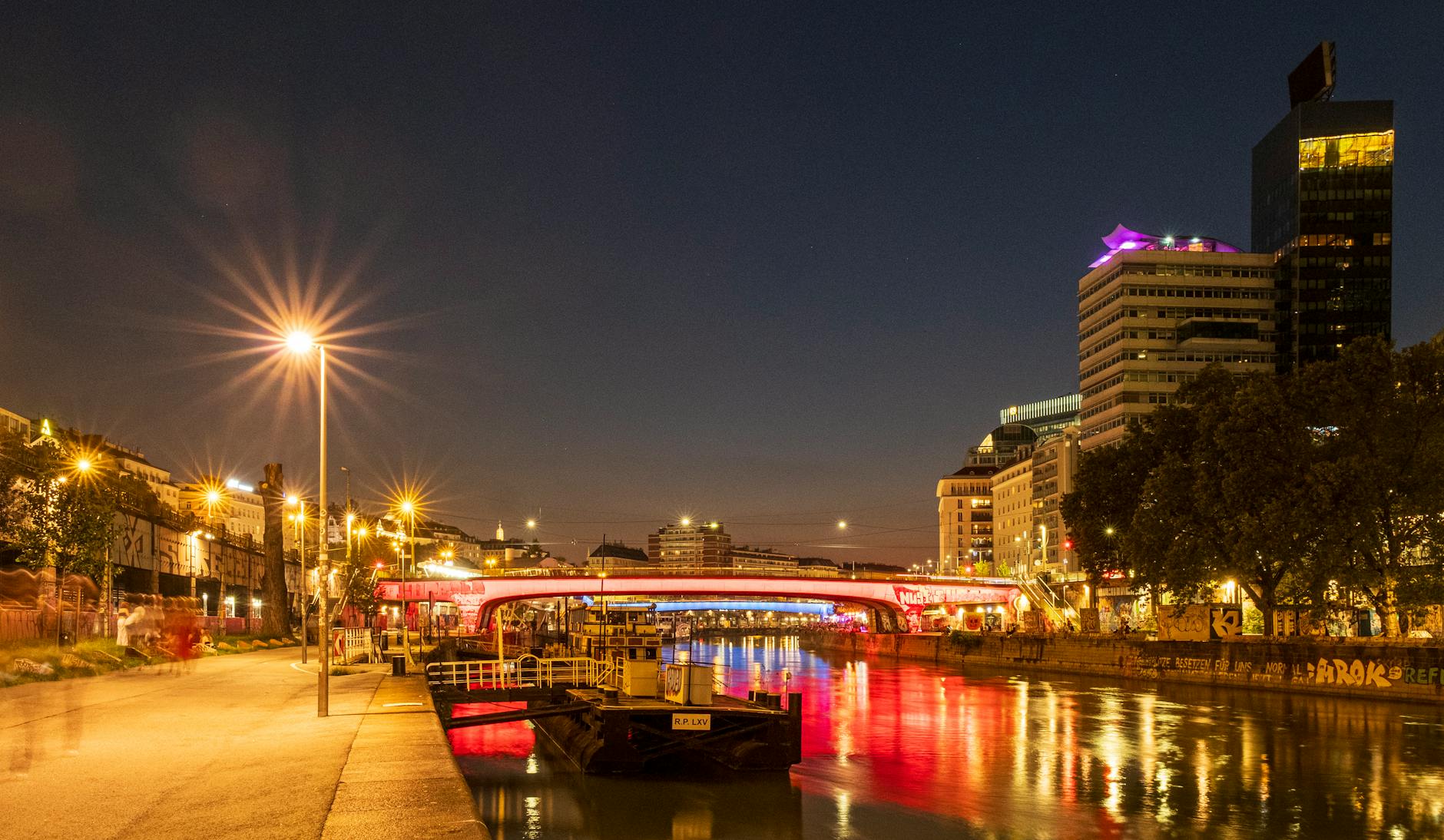
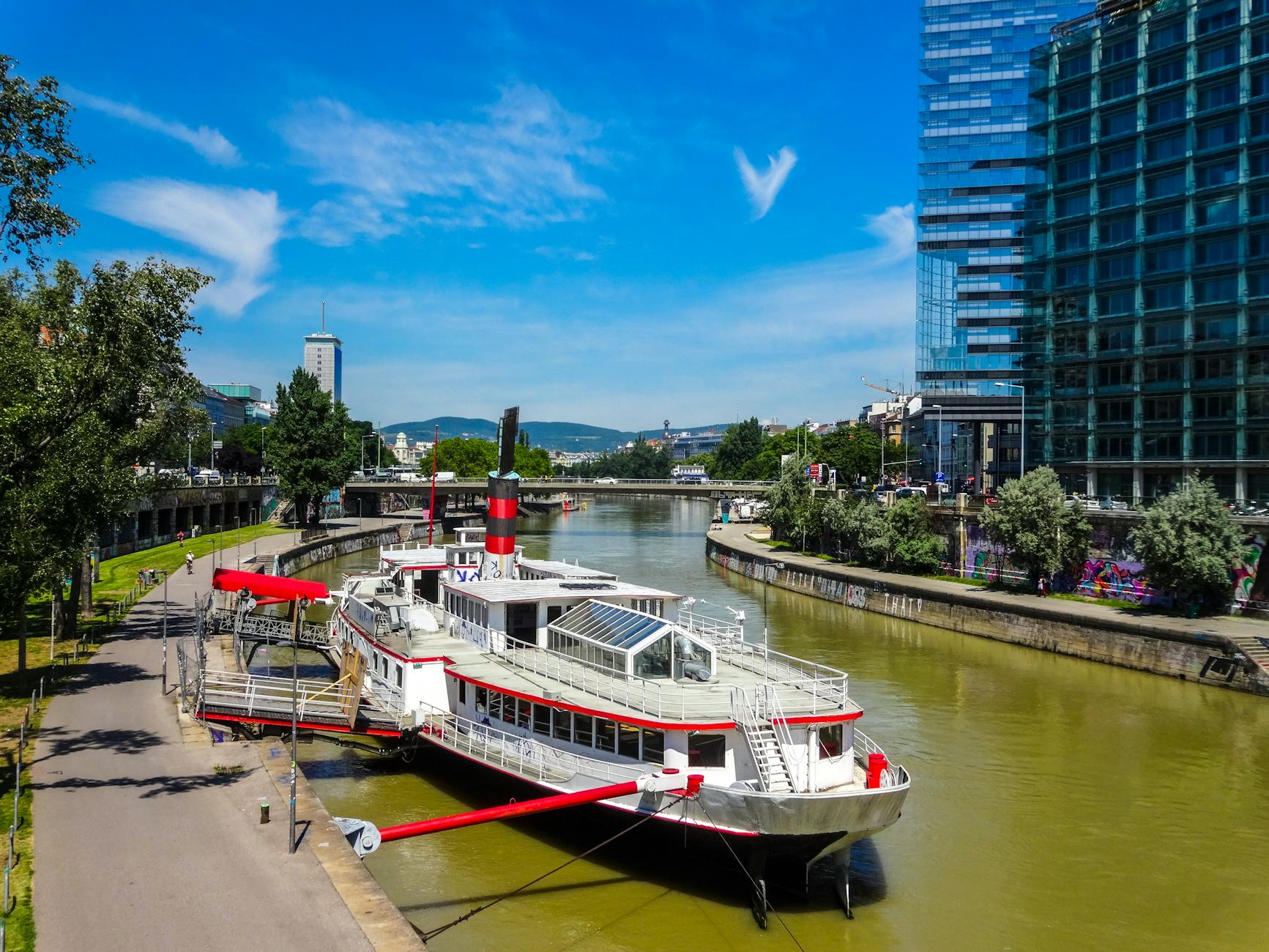
From May through September, the banks of the Donaukanal transform into Vienna’s most vibrant outdoor nightlife zone. Beach bars, pop-up clubs, food trucks, and art installations line both sides of the canal between Schwedenplatz and Rossauer Lände. What was once a neglected waterway is now the beating heart of Vienna’s summer social scene.
Must-visit spots: Strandbar Herrmann (the original canal beach bar with sand, loungers, and DJ sets), Adria Wien (Mediterranean-inspired bar with a terrace right on the water), Tel Aviv Beach (trendy bar with Israeli-inspired food and cocktails), and Badeschiff (a floating pool and bar that’s as much about the scene as the swimming). The Donaukanal bars typically open from late afternoon and stay busy until well past midnight on warm evenings. Arrive by sunset for the best atmosphere — watching the city lights reflect on the water while DJs spin is quintessentially Vienna in summer.
Naschmarkt & Freihausviertel — 4th/6th Districts
The area around Naschmarkt (Vienna’s famous food market) and the neighboring Freihausviertel is home to some of the city’s most sophisticated bars and a lively restaurant scene that transitions seamlessly into evening entertainment. The narrow streets south of the market — particularly Schleifmühlgasse and Pressgasse — have become a hub for wine bars, cocktail lounges, and creative dining.
Highlights: Café Drechsler (legendary late-night/early-morning café that’s been serving Vienna’s night owls since 1919), Aux Gazelles (North African–themed bar and club in a former bank vault), and the many wine bars along Schleifmühlgasse. On Saturdays, the Naschmarkt itself runs a morning flea market, making the area perfect for a full day-to-night experience.
Heurigen: Vienna’s Wine Tavern Tradition
No guide to Vienna nightlife would be complete without the Heurigen — traditional wine taverns that serve the current vintage (“heuriger” means “this year’s”) from Vienna’s own vineyards. This is a nightlife tradition that exists nowhere else in the world in quite this form, and it’s one of the most authentic Viennese experiences you can have.
How Heurigen Work
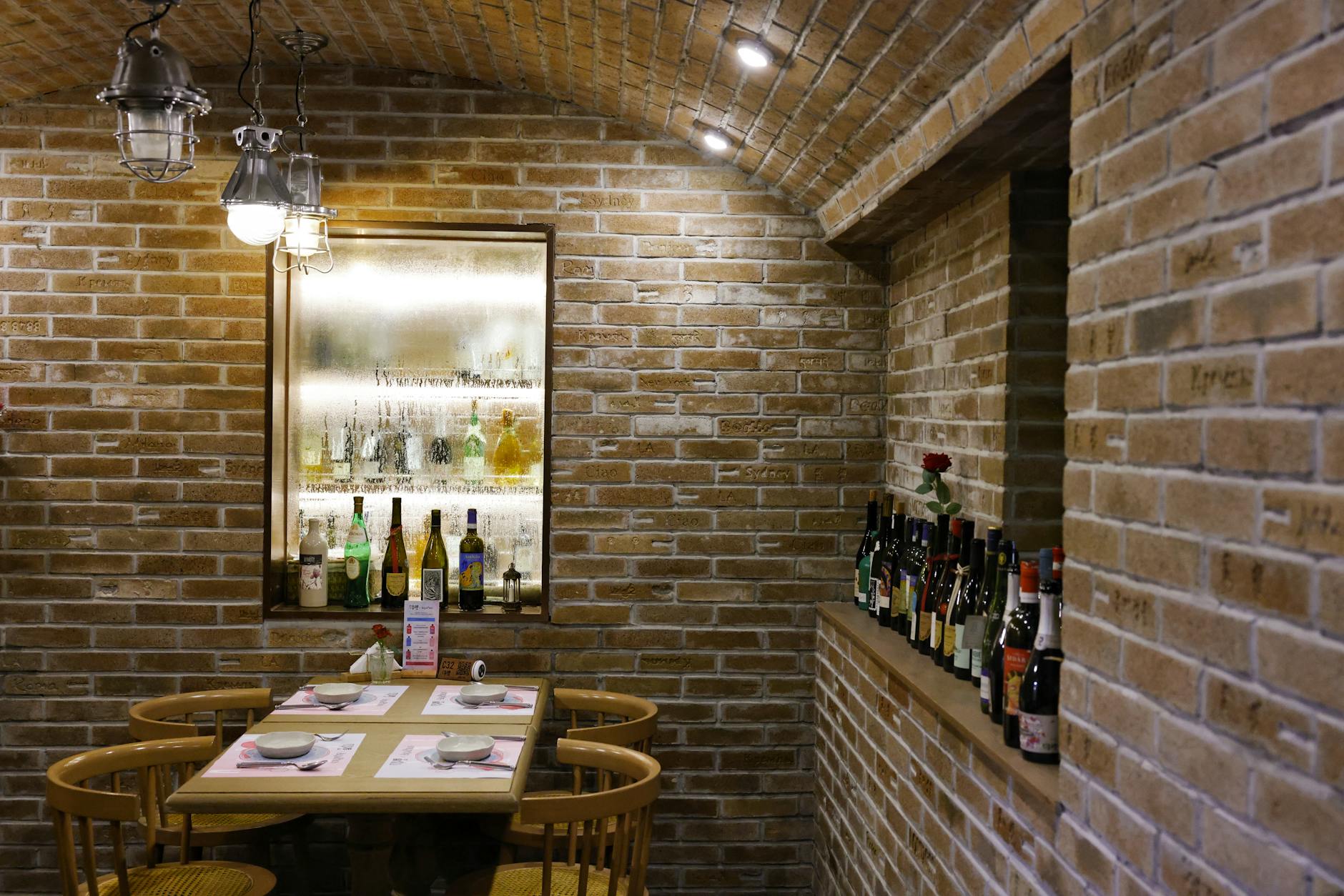
A traditional Heuriger is identified by a pine branch (Buschen) hung above the door — the signal that the tavern is open and serving the new wine. Many Heurigen are only open for a few weeks at a time (called “ausgesteckt”), rotating throughout the year. The wine comes exclusively from the tavern’s own vineyards, and food is typically served buffet-style — cold cuts, spreads (Liptauer, Grammelschmalz), cheeses, pickled vegetables, bread, and sometimes warm dishes.
The atmosphere is relaxed and communal. You sit at long wooden tables, often in a garden under chestnut or walnut trees, ordering wine by the quarter-liter (Viertel) or eighth-liter (Achtel). Prices are remarkably affordable — a Viertel of house wine typically costs €3–€5. Many Heurigen feature live Schrammelmusik (traditional Viennese folk music played with violin, guitar, and accordion) on weekend evenings.
Best Heurigen Districts
Vienna is one of the few capital cities in the world with working vineyards within its borders — around 700 hectares producing approximately 2.4 million liters of wine annually. The Heurigen are concentrated in the vineyard-covered hills on the northern and eastern edges of the city, mostly in the 17th, 19th, and 21st districts. Each wine village has its own character, and part of the fun is discovering your favorite. The traditional Heuriger season runs roughly from March through October, though some operate year-round.
Grinzing (19th District): The most famous Heurigen village, nestled at the foot of the Kahlenberg hill. Grinzing’s main street is lined with wine taverns, many with beautiful garden seating and vineyard views. It’s the most touristy option but also the most picturesque. Take tram 38 to the end of the line.
Neustift am Walde (17th District): Less touristy than Grinzing with excellent wines and a more local atmosphere. Fuhrgassl-Huber and Schübel-Auer are two outstanding choices — both with gorgeous terraced gardens overlooking Vienna.
Stammerdorf (21st District): The largest wine-growing area within Vienna’s city limits, on the eastern bank of the Danube. Stammersdorf has the most authentic, local-feeling Heurigen with very affordable prices. Wieninger and Göbel are highly regarded producers.
Nussdorf (19th District): A charming village atmosphere with several excellent Heurigen along Kahlenberger Straße. Schreiberhaus is one of the most historic, operating since 1751.
Vienna’s Club Scene: From Techno to Indie
Top Electronic Music Clubs
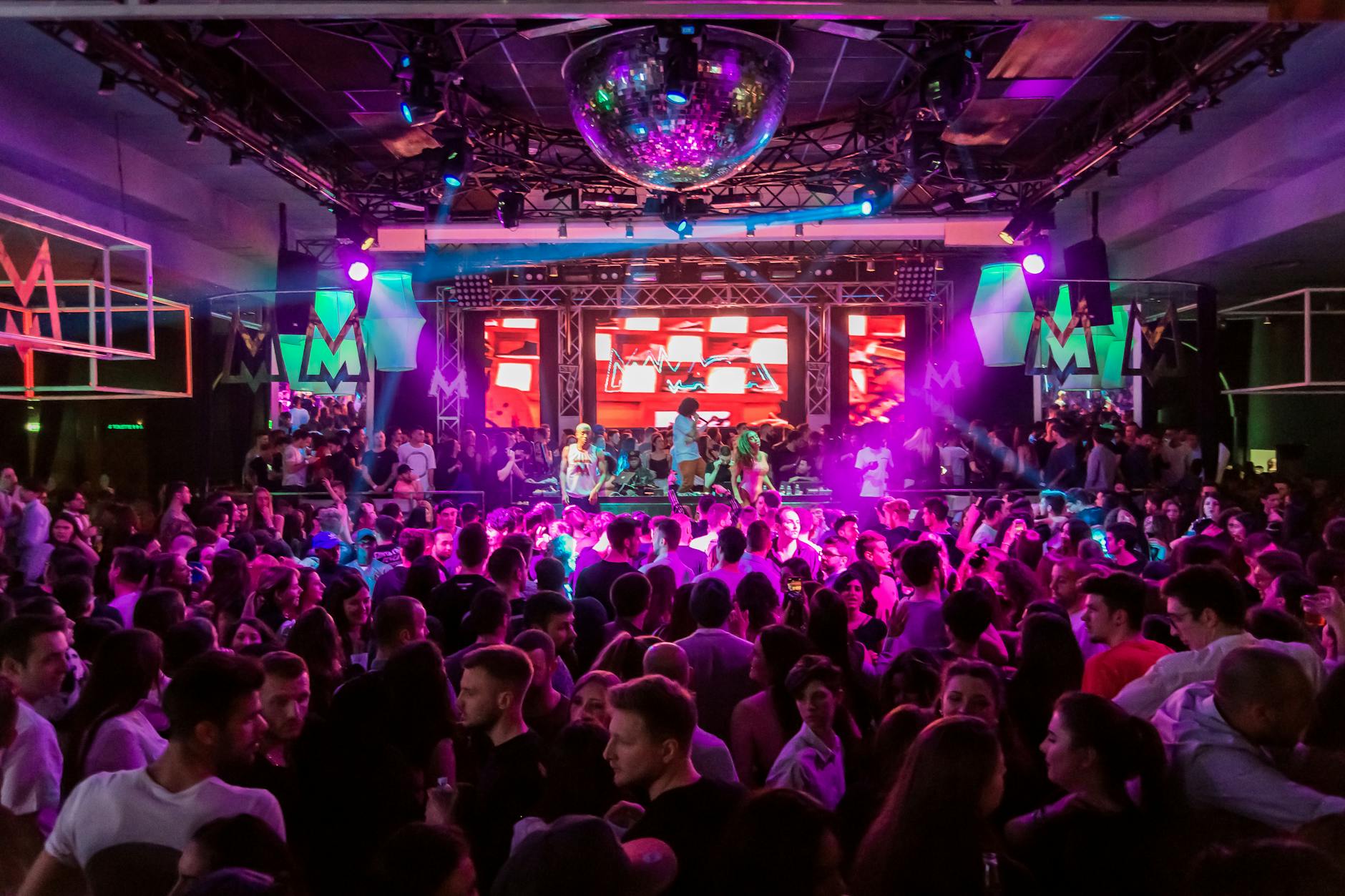
Vienna’s electronic music scene has grown significantly over the past two decades, earning the city a solid reputation alongside Berlin, Amsterdam, and Tbilisi as a destination for quality techno, house, and experimental electronic music. The scene benefits from relatively affordable rents (compared to Western European capitals), which keeps venues viable and cover charges reasonable. Several Viennese labels — including Editions Mego, Cheap Records, and Affine Records — have gained international recognition, and the city regularly hosts touring acts from the global electronic circuit.
Grelle Forelle: Located on the Donaukanal, Grelle Forelle (literally “Bright Trout”) is Vienna’s most respected electronic music club. The industrial-chic space hosts international and local DJs across techno, house, and experimental electronic genres. The sound system is outstanding, the crowd is knowledgeable, and the programming consistently excellent. Open Thursday through Saturday, with doors typically at 11 PM. Cover charges range from €10–€20 depending on the lineup.
Flex: An institution of Vienna’s underground scene since 1995, Flex occupies a space beneath the Augartenbrücke on the Donaukanal. Known for its powerful sound system (one of the best in Europe) and its commitment to quality electronic music, Flex hosts everything from techno and drum & bass to live indie and experimental acts. The low-ceilinged, concrete interior creates an intense, immersive atmosphere. Cover is typically €8–€15.
Pratersauna: Set in a converted public sauna near the Prater, this club features multiple rooms, an outdoor garden area, and a pool that’s open in summer. The programming leans toward house and techno, with regular appearances by international headliners. The unique setting and outdoor space make it particularly popular in warmer months.
Sass Music Club: A smaller, more intimate venue in the city center (Karlsplatz area) with a focus on quality house music. Sass attracts a dressed-up crowd and has a more exclusive feel than the canal-side clubs. The sound system punches well above its weight for the venue’s size.
Alternative & Indie Venues
Fluc + Fluc Wanne: Located at the Praterstern, this two-room venue hosts everything from punk and noise to experimental electronic music. The upstairs (Fluc) has a bar and concert space; the downstairs (Wanne) is a club. It’s reliably eclectic and beloved by locals.
Das Werk: Located near the Donaukanal in the 12th District, Das Werk is a relative newcomer that has quickly earned a reputation for forward-thinking programming. The venue combines a main room for DJs with a separate live performance space, and the outdoor terrace is popular in summer. Cover charges are typically €8–€12.
Arena Wien: A former slaughterhouse complex in the 3rd District that’s been an alternative culture center since 1976. Arena hosts live concerts (from indie to metal to world music), outdoor cinema in summer, and club nights. The large courtyard is a summer highlight.
WUK: Short for Werkstätten- und Kulturhaus, this massive former locomotive factory in the 9th District houses rehearsal spaces, galleries, and a concert hall. WUK programs range from experimental theater to punk concerts to world music — it’s a cornerstone of Vienna’s alternative cultural landscape.
Live Music & Jazz in Vienna
Jazz Clubs
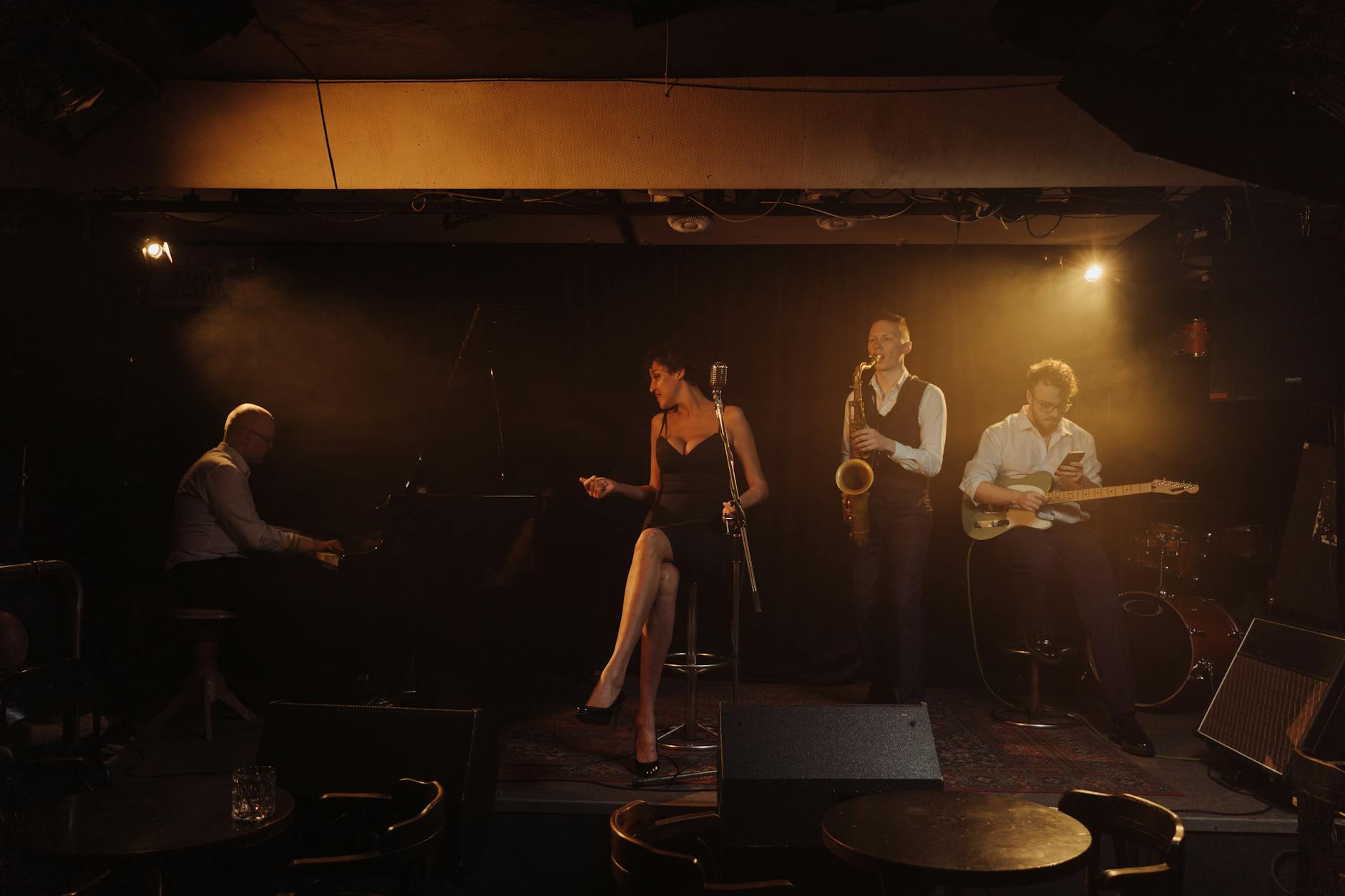
Vienna’s relationship with jazz runs deep. The city was one of the first European capitals to embrace the genre after World War II, and legendary figures like Joe Zawinul (co-founder of Weather Report) were born here. Today, Vienna supports a thriving jazz scene that ranges from straight-ahead swing and bebop to free improvisation and jazz-electronic fusion. The city’s three main jazz clubs each offer a distinct atmosphere, and catching a set at any of them is a highlight of Vienna after dark.
Porgy & Bess: Vienna’s premier jazz club, located in a beautifully converted cinema in the 1st District. Porgy & Bess programs an impressive range of jazz, world music, and experimental acts — from established international artists to emerging local talent. The acoustics are excellent, sight lines are good from almost every seat, and the bar serves quality drinks. Shows typically start at 8:30 or 9 PM. Tickets range from €15–€35.
Jazzland: Operating since 1972 in a brick-vaulted cellar beneath Ruprechtskirche (Vienna’s oldest church), Jazzland is one of Europe’s oldest jazz clubs. The intimate, atmospheric setting — you’re literally in a medieval cellar — hosts traditional and modern jazz, blues, and swing. It’s the kind of place where you might find yourself just a few meters from a world-class musician.
ZWE: A small, dedicated jazz bar in Landstraße (3rd District) that programs nightly live jazz in an intimate setting. The crowd is a mix of serious jazz enthusiasts and curious visitors, and the quality of musicianship is consistently high.
Live Music Venues
Konzerthaus & Musikverein: For classical music, these two legendary concert halls offer world-class performances nearly every evening. The Musikverein’s Golden Hall (home of the New Year’s Concert) has acoustics considered among the best in the world. Standing-room tickets at the Musikverein start at just €6–€8, making world-class classical music remarkably accessible.
Szene Wien: A mid-sized concert venue in the 11th District that books an eclectic range of international touring acts — rock, pop, hip-hop, reggae, and everything in between. Good sound, good sight lines, and a solid local reputation.
Gasometer: Four massive former gas tanks in the 11th District have been converted into apartments, shops, and event spaces. The venue inside hosts larger concerts and events, with a capacity of around 4,000.
Rooftop & Cocktail Bars
Best Rooftop Bars
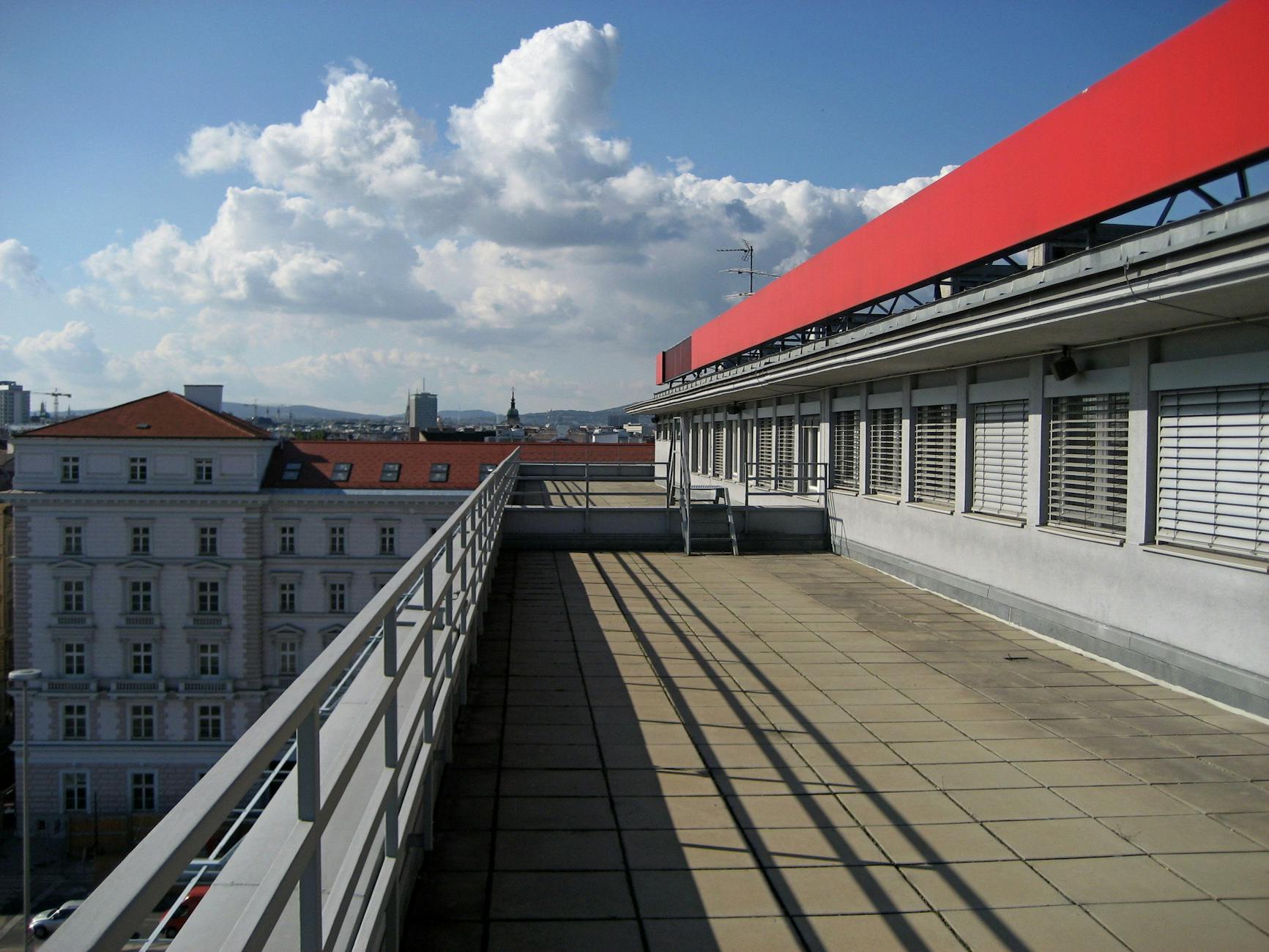
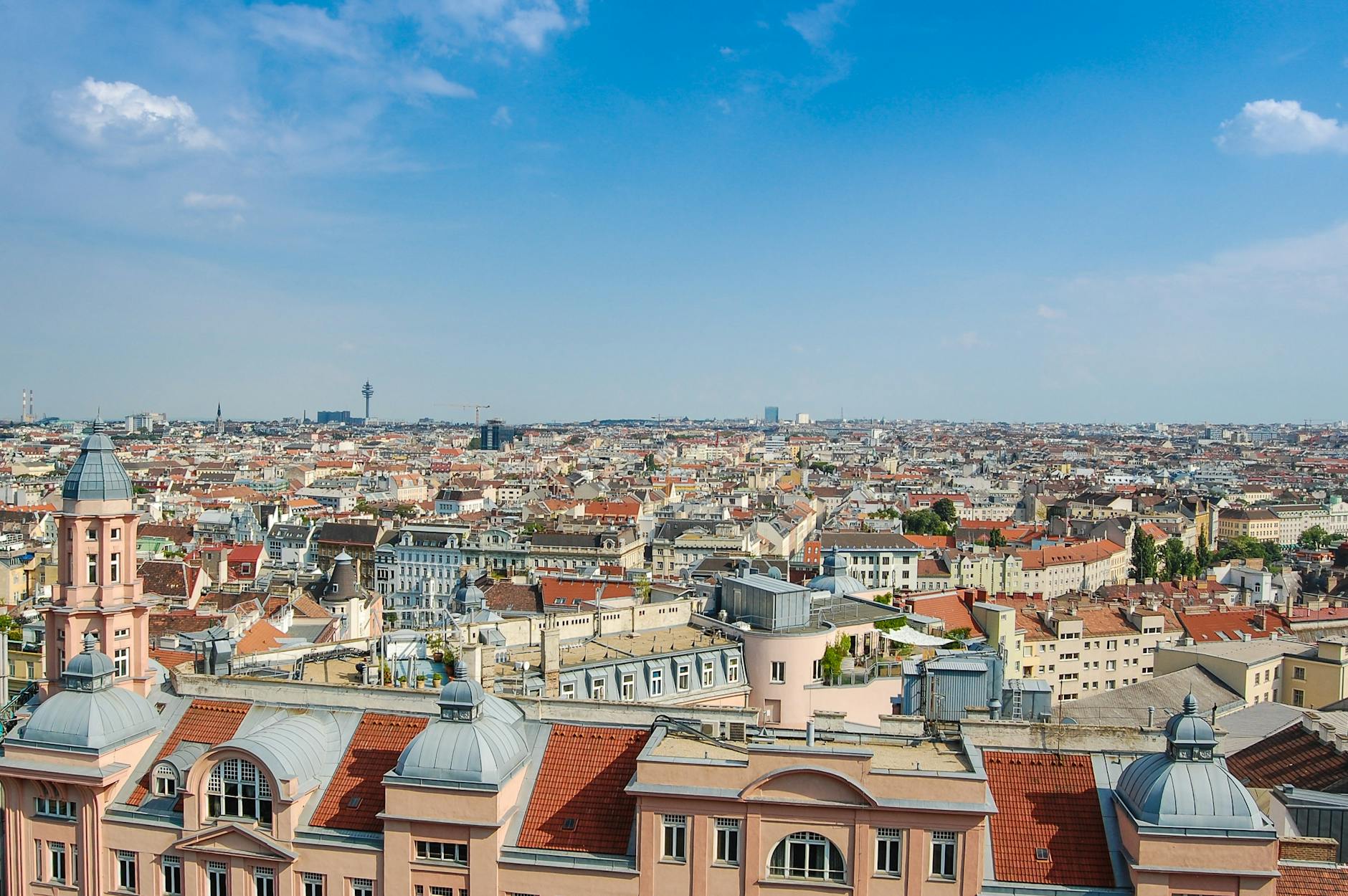
Vienna’s relatively low skyline — mandated by building height restrictions that preserve the dominance of the St. Stephen’s Cathedral spire — means that even modestly elevated rooftop bars offer sweeping views across a sea of baroque rooftops, church domes, and distant hills. The rooftop bar scene has expanded considerably in recent years, with several hotels and new developments adding sky-high drinking spots. Most operate year-round, with heated terraces and blankets making winter visits feasible. Sunset drinks on a Vienna rooftop, watching the city’s spires turn golden, rank among the city’s most memorable experiences.
Das LOFT (Sofitel Vienna Stephansdom): On the 18th floor of Jean Nouvel’s striking glass tower, Das LOFT offers arguably the best panoramic view in Vienna. Floor-to-ceiling windows provide 360-degree views over St. Stephen’s Cathedral, the Danube, and the Vienna Woods. The cocktail menu is sophisticated, and the ceiling features a stunning art installation. Smart casual dress code applies. Cocktails run €15–€20.
Atmosphere Rooftop Bar (The Ritz-Carlton): Perched atop the Ritz-Carlton on the Ringstraße, this elegant bar offers views over the Stadtpark and the city center. The terrace is particularly stunning at sunset. Expect premium pricing (cocktails €18–€22) and a well-dressed crowd.
25hours Hotel Rooftop (Dachboden): A more relaxed, creative rooftop option near the MuseumsQuartier. The “Dachboden” (attic) has a bohemian-chic atmosphere with vintage furniture, quirky decor, and views over the museum district. It’s more affordable than the luxury hotel rooftops and attracts a younger, artsy crowd.
Best Cocktail Bars
Barfly’s: Hidden on a quiet street in the 6th District, Barfly’s has been serving some of Vienna’s best cocktails since 1986. The bartenders are true mixologists, and the intimate, dimly lit space has a timeless speakeasy feel. No menu — tell them what you like and they’ll craft something perfect.
The Sign Lounge: Located near Stephansplatz, The Sign is consistently ranked among Vienna’s top cocktail bars. The menu changes seasonally and features creative concoctions alongside perfectly executed classics. The vibe is sophisticated but not stuffy.
Roberto American Bar: Designed by legendary architect Adolf Loos in 1908, this tiny gem (the bar seats just 20 people) on Kärntner Durchgang is as much a cultural landmark as a bar. The marble walls, onyx ceiling, and mirrored panels create an impossibly elegant atmosphere in a space barely bigger than a walk-in closet. Order a dry martini and soak in over a century of history.
Evening Entertainment Beyond Bars & Clubs
Vienna’s evening culture extends far beyond drinking establishments. As one of the world’s great cultural capitals, the city offers an extraordinary range of evening entertainment that doesn’t require stepping into a bar or club. From standing-room opera tickets at a fraction of the price to late-night coffeehouses that have hosted artists and writers for over a century, Vienna rewards those who look beyond the conventional nightlife options.
Vienna State Opera & Volksoper
Attending a performance at the Vienna State Opera (Wiener Staatsoper) is one of the city’s definitive evening experiences. The opera house presents around 300 performances per season across approximately 60 different productions. Standing-room tickets go on sale 80 minutes before each performance for just €13–€15 — one of the world’s greatest cultural bargains. Queue early (45–60 minutes before sale time) for the best positions.
The Volksoper offers operetta, musicals, and lighter opera in a more relaxed atmosphere. It’s an excellent introduction to Viennese musical theater, with strong productions at lower prices than the Staatsoper.
Cinema & Late-Night Culture
Theater an der Wien: This historic theater in the 6th District — where Beethoven’s “Fidelio” premiered in 1805 — now serves as Vienna’s dedicated opera house for new productions and rarely performed works. It offers a more adventurous program than the Staatsoper and tickets are generally easier to obtain.
Burg Kino: This classic cinema near the Opera shows English-language films, including regular screenings of “The Third Man” — the iconic 1949 film noir set in post-war Vienna. Watching it in Vienna adds an unforgettable dimension to the experience.
English Theatre Vienna: Europe’s oldest English-language theater, staging professional productions in a beautifully restored venue in the 8th District. Productions range from contemporary plays to classics, and the quality is surprisingly high for an expat theater.
Late-night coffeehouses: Vienna’s coffeehouse tradition extends well into the evening. Café Hawelka (open until midnight, famous for its Buchteln pastries served from 10 PM), Café Korb (with a basement event space hosting readings and performances), and Café Prückel (across from MAK with a retro 1950s interior) all provide atmospheric alternatives to bars.
Practical Tips for Vienna Nightlife
Whether this is your first night out in Vienna or you’re a returning visitor looking to explore new spots, these practical tips will help you make the most of the city’s after-dark offerings. Vienna is one of the easiest European capitals to navigate at night — safe, well-connected by public transport, and with a welcoming attitude toward visitors. A few insider tips, however, can elevate your experience from tourist-level to local-level.
When to Go Out
The rhythm of a Vienna night follows a distinct pattern that differs from many other European cities. Viennese people tend to dine later and go out later than visitors might expect, and the night builds gradually rather than starting all at once. Understanding this rhythm helps you avoid empty bars at 8 PM and missed opportunities at 2 AM.
Viennese nightlife starts later than you might expect. Restaurants fill up around 7–8 PM, bars get busy from 9–10 PM, and clubs don’t really get going until midnight or later. Many clubs stay open until 5–6 AM, and some after-hours spots continue into the morning. On weekends, the streets around Schwedenplatz and the Gürtel are still busy at 3 AM.
What to Wear
Vienna’s dress code varies dramatically by venue. The Bermuda Triangle and Donaukanal bars are casual (jeans and sneakers are fine). Gürtel clubs tend toward alternative/creative dress. For cocktail bars like Das LOFT, Roberto American Bar, or The Sign, smart casual is expected — collared shirts, nice shoes, no sportswear. Clubs like Grelle Forelle and Flex have no strict dress code but attract a stylish crowd. If you’re attending the opera or a classical concert, smart casual to semi-formal is appropriate.
Getting Around at Night
Vienna’s public transport runs 24 hours on Friday and Saturday nights (all U-Bahn lines operate through the night). On other nights, NightLine buses replace the U-Bahn from 12:30 AM until around 5 AM, running every 30 minutes on routes that cover the major nightlife areas. Taxis are reliable and metered — expect to pay €10–€20 for most trips within the center. Uber operates in Vienna alongside traditional taxis.
Costs & Tipping
Vienna is moderately priced for nightlife compared to cities like London or Paris. A beer (0.5L) costs €4–€6 in most bars, a glass of Austrian wine runs €4–€8, and cocktails range from €10–€18 depending on the venue. Heurigen are the best value — a Viertel of wine for €3–€5. Club cover charges are typically €8–€20. Tipping in bars is simple: round up to the nearest euro for beers, or add about 10% for table service.
Safety Tips
Vienna is one of the safest cities in Europe, and this extends to its nightlife. The main areas — Bermuda Triangle, Gürtel, Donaukanal — are well-lit and well-populated until late. Standard precautions apply: keep valuables secure, stick to well-traveled areas, and use official taxis or rideshare apps rather than unmarked cars. The Praterstern area can feel less safe late at night, so exercise normal caution there.
Age Restrictions & ID
The legal drinking age in Vienna is 16 for beer and wine and 18 for spirits. Most clubs enforce an 18+ or sometimes 21+ door policy. Carry photo ID (passport or national ID card) — bouncers do check, especially if you look young. Austrian law prohibits smoking indoors in all bars and clubs (since November 2019), so venues have designated outdoor smoking areas.
A Word on Viennese Bar and Drinking Culture
Austrian drinking culture is civilized, social, and deeply integrated into daily life. The concept of Gemütlichkeit — a warm, convivial coziness — pervades every aspect of Viennese nightlife, from the Heuriger garden to the cocktail lounge. People come to bars and taverns as much for conversation and connection as for the drinks themselves. It’s common to spend an entire evening at a single venue, nursing drinks over long conversations rather than rushing through a pub crawl. The Viennese approach to drinking prioritizes quality over quantity, atmosphere over spectacle.
Wine dominates the Viennese palate — the city is proudly a wine city, and the local Grüner Veltliner, Gemischter Satz (a traditional Viennese field blend), and Zweigelt are served in nearly every bar and restaurant. Beer is also popular, with Ottakringer as the local brewery and a growing craft beer scene. Ordering is typically done at your table (not at the bar), and it’s customary to say “Zahlen, bitte” (check, please) when you’re ready to leave. The bill comes to your table and you pay the server directly, tipping by rounding up.
Seasonal Nightlife Calendar
Spring (March–May): Bar and restaurant terraces reopen, Donaukanal bars begin setting up, Heurigen gardens welcome the first warm evenings. The Wiener Festwochen festival brings special evening performances.
Summer (June–August): Peak season for outdoor nightlife. Donaukanal beach bars, rooftop terraces, and Heurigen gardens are at their best. The Donauinselfest (June/July) is Europe’s largest free open-air music festival. Open-air cinema at Rathausplatz runs nightly.
Autumn (September–November): The wine harvest brings Sturm (partially fermented grape juice) to Heurigen — a seasonal delicacy. The Viennale film festival adds late-night screenings and parties. Indoor club season ramps up.
Where to Find Vienna Nightlife Information
Staying current with Vienna’s nightlife scene is easier than you might think. The Falter weekly newspaper publishes the most comprehensive events listings in the city — pick up a copy at any newsstand (German only, but the listings are easy to parse). The English-language Vienna Würstelstand blog covers nightlife and culture with an insider perspective. For club nights specifically, Resident Advisor lists all electronic music events in Vienna with DJ lineups and ticket links. The Wien.info official tourism website maintains an events calendar with English descriptions. And for Heurigen, the website heurigen.wien shows which wine taverns are currently “ausgesteckt” (open and serving).
Many venues also post their programs on Instagram, making it a useful tool for last-minute planning. Follow venues like @grelleforelle, @flex_cafe, @porgyandbesswien, and @chelsea_vienna for real-time updates on lineups and special events.
Winter (December–February): Christmas markets provide atmospheric evening entertainment through December. Ball season (January–March) offers a uniquely Viennese formal nightlife experience. Indoor venues, cozy wine bars, and late-night coffeehouses come into their own.