Vienna on a Budget: Save Money Without Missing Out (2026)

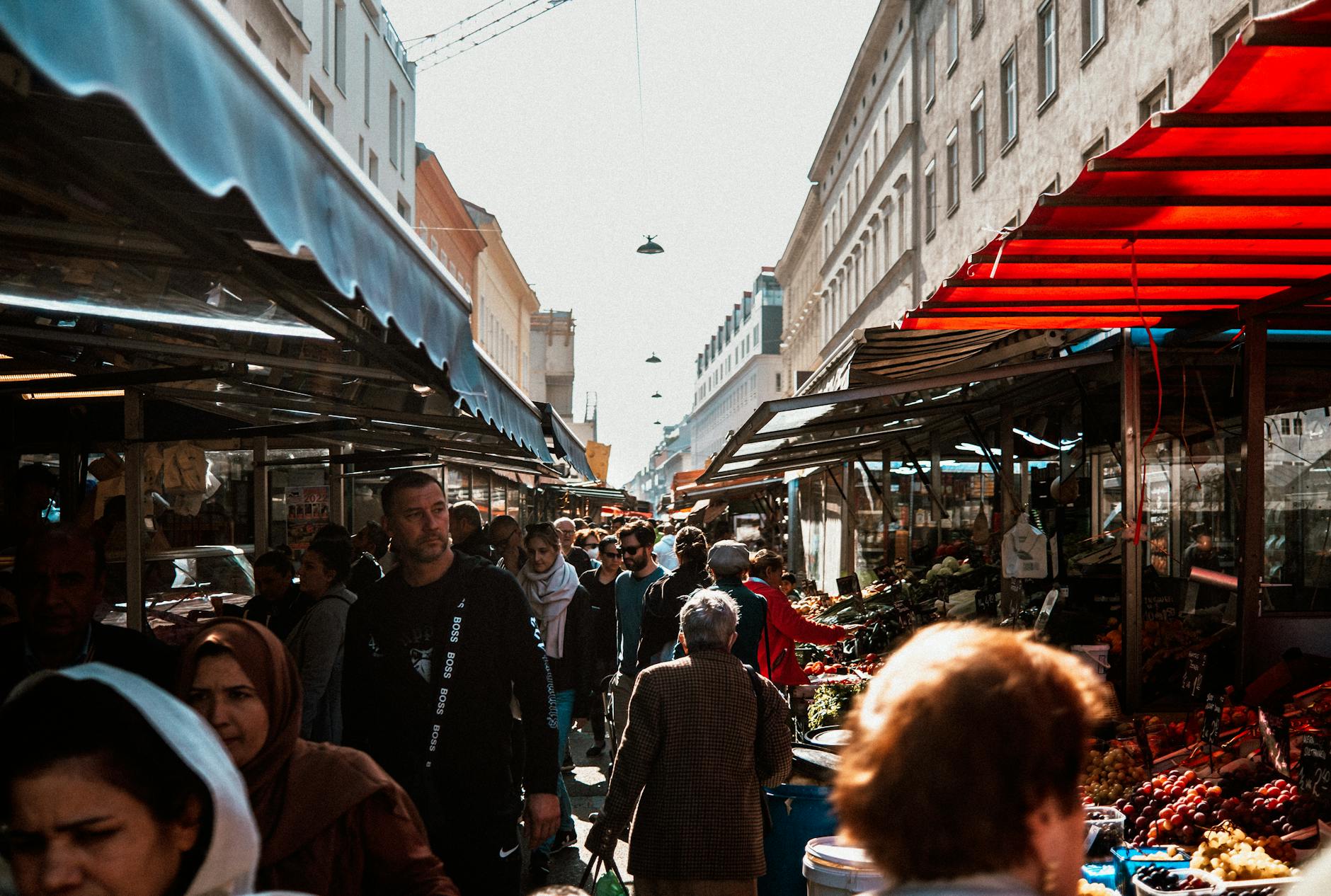
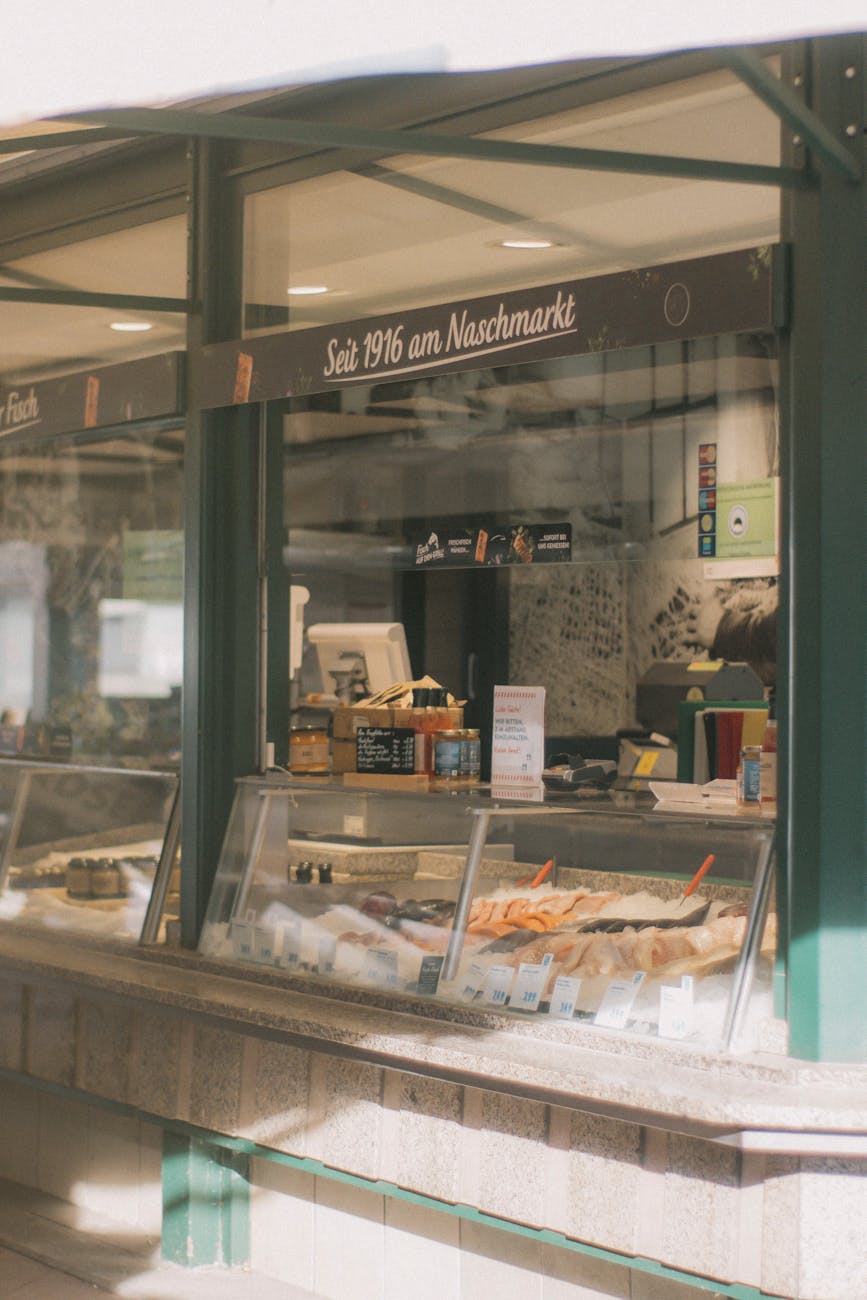
Vienna's Naschmarkt — affordable street food and local atmosphere
- Free Attractions in Vienna: World-Class Culture for Zero Cost
- Budget-Friendly Accommodation
- Eating Cheaply in Vienna
- Budget Transport Tips
- Cheap Cultural Experiences
- Budget Nightlife
- Vienna City Card and Discount Passes: Are They Worth It?
- Sample Budget Itinerary: 3 Days for Under €180
- Seasonal Budget Tips
- Money Mistakes to Avoid
- Free Walking Tours
- Coffeehouse Culture on a Budget
- Shopping on a Budget
- Free Technology and Connectivity
- Day Trips on a Budget
- Budget Travel with Kids
- Tipping and Hidden Costs to Watch For
- Budget Apps and Resources
- Free Viewpoints and Photography Spots
- Student and Youth Discounts
- Water in Vienna: A Free Luxury
- Earning Free Entry: Volunteering and Cultural Exchanges
- Related Vienna Guides
- Vienna Budget Travel: Final Thoughts
This article contains advertising. Our booking links are routed through a partner that adds commission tracking automatically, so if you book through one we earn a commission from the provider, at no extra cost to you. It never affects what we recommend. Affiliate disclosure
Vienna on a budget might sound like a contradiction — after all, this is the city of imperial palaces, world-class opera, and legendary coffeehouses. But here’s a secret that seasoned travelers know: Vienna is one of Europe’s most rewarding cities for budget-conscious visitors. With dozens of free museums and galleries, beautiful parks that cost nothing to explore, affordable public transport, and a thriving street food scene, you can experience the very best of Vienna without emptying your wallet. This comprehensive guide shares every money-saving strategy, free attraction, and budget-friendly tip you need for an unforgettable 2026 visit.
While Vienna isn’t the cheapest European capital (that honor goes to cities further east), it offers extraordinary value compared to peers like Paris, London, or Zurich. The key is knowing where to look. A budget traveler in Vienna can comfortably spend €60–€90 per day including accommodation, meals, transport, and sightseeing — and with the right planning, even less. From free first-Sunday museum access to €10 standing-room opera tickets, Vienna rewards the savvy traveler with the same grandeur it offers everyone else.
Free Attractions in Vienna: World-Class Culture for Zero Cost
Parks, Gardens, and Outdoor Spaces
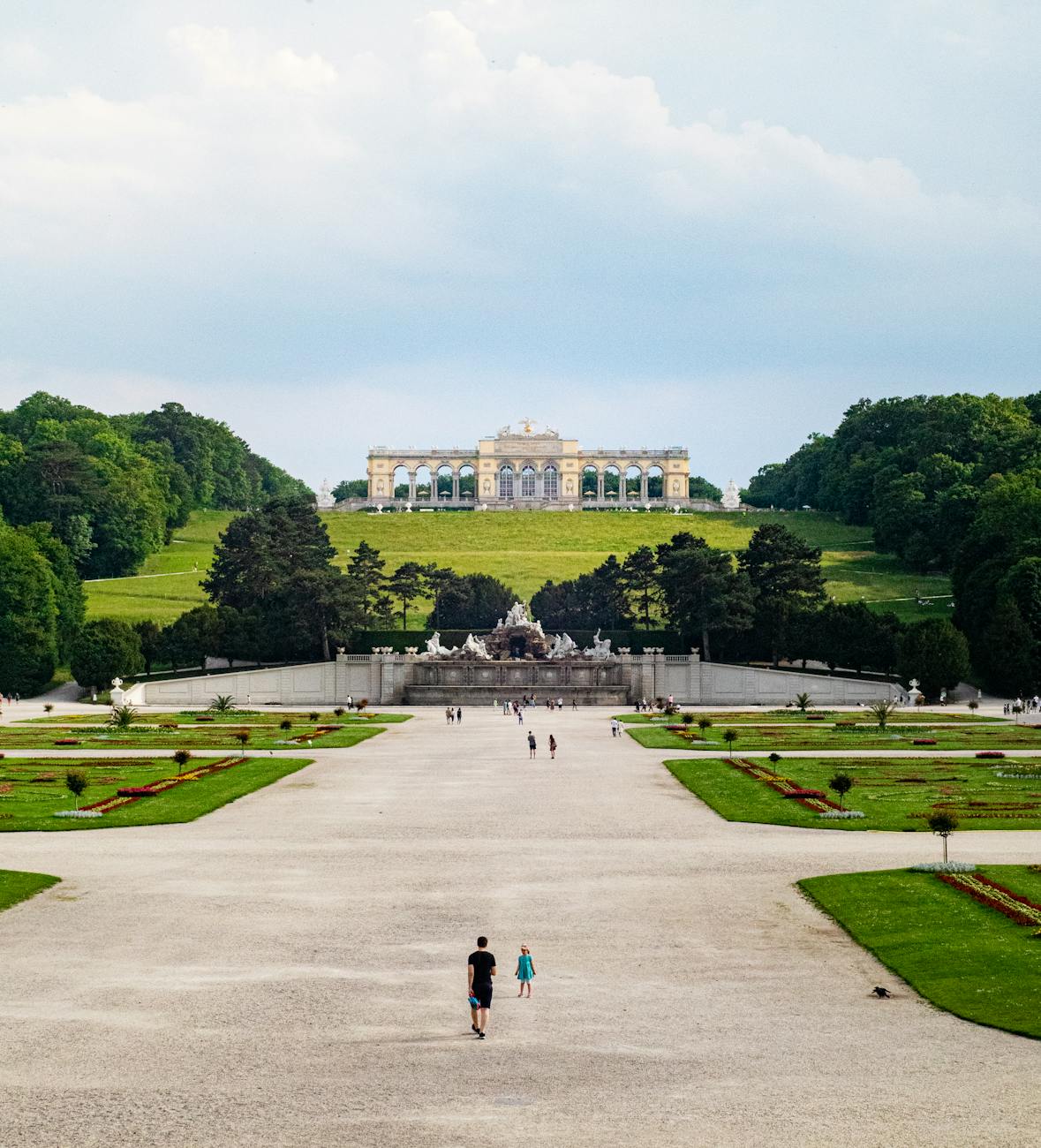
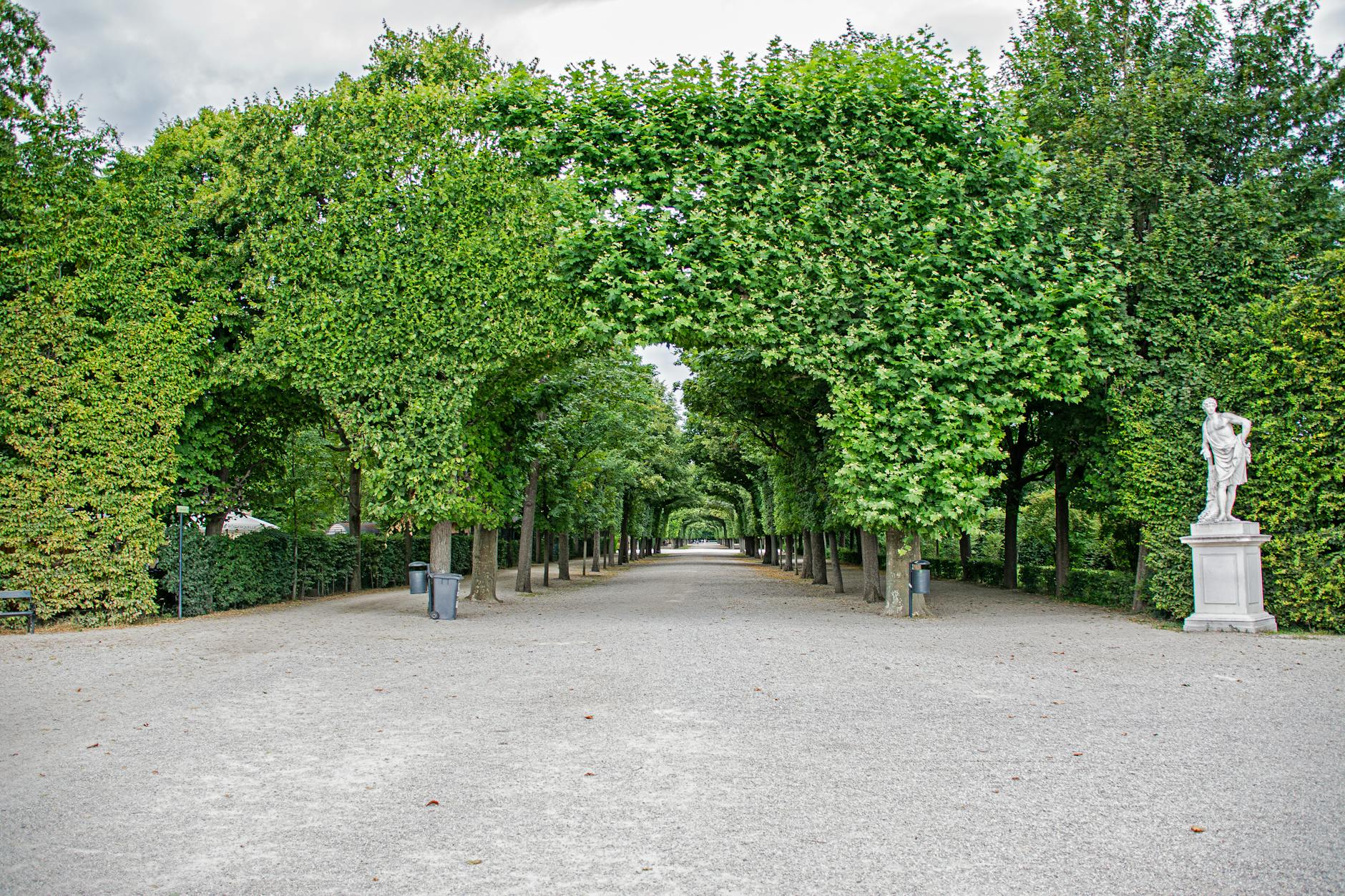
Vienna’s green spaces are some of Europe’s finest — and they’re all completely free. Schönbrunn Palace Gardens are the crown jewel: 160 hectares of impeccably landscaped grounds, fountains, classical ruins, and the walk up to the Gloriette with its panoramic views of the city. You could easily spend half a day here without paying a cent (the palace interior requires a ticket, but the grounds don’t).
The Belvedere Gardens offer another stunning free experience — baroque terraces descending between the Upper and Lower Belvedere palaces, with views of St. Stephen’s Cathedral against the Vienna skyline. Stadtpark is home to the famous gilded Johann Strauss statue and is perfect for a midday rest. The Volksgarten (People’s Garden) beside the Hofburg features thousands of roses in summer and a beautiful Temple of Theseus. Augarten, with its porcelain factory and wartime flak towers, is one of the oldest baroque gardens in Vienna and rarely crowded.
Free Museums and Gallery Days
One of Vienna’s best budget secrets is first Sunday free admission. On the first Sunday of every month, many state-owned museums offer free entry. This includes world-class institutions like the Belvedere (home to Klimt’s The Kiss), Albertina Modern, the Museum of Military History, the Natural History Museum, and the Kunsthistorisches Museum. Plan your trip to include a first Sunday and you could save €50–€80 in museum entry fees alone.
Several attractions are always free: St. Stephen’s Cathedral (the main nave — tower and catacombs have small fees), all Catholic churches throughout the city (many are architectural masterpieces), the Rathaus (City Hall) building and its regular free events, the Austrian Parliament guided tours, and the Zentralfriedhof (Central Cemetery) where Beethoven, Mozart (cenotaph), Schubert, Brahms, and Strauss are buried.
Free Walking Routes
Vienna’s most impressive sights are its buildings, and admiring them costs nothing. The Ringstraße — the grand boulevard circling the old city — passes the State Opera, Hofburg Palace, Parliament, Rathaus, Burgtheater, University, Museums Quarter, and Stadtpark. Walk the entire 5.3 km loop for a masterclass in 19th-century architecture. Alternatively, wander the narrow lanes of the Innere Stadt (1st District), exploring baroque courtyards, medieval alleyways, and hidden passages that open onto stunning squares.
Budget-Friendly Accommodation
Hostels
Vienna has excellent hostels with dorm beds starting from €15–€30 per night. The best options include Wombat’s City Hostel (two locations near Naschmarkt and Westbahnhof, with great social atmosphere and modern facilities), Hostel Ruthensteiner (consistently top-rated, with a beautiful garden courtyard and musical instruments for guests), and a&o Hostels (multiple Vienna locations, dorms from €12/night, clean and efficient). The MEININGER Hotels chain offers a hybrid hostel-hotel concept with both dorm beds and private rooms at reasonable prices.
Budget Hotels and Apartments
For those preferring private rooms, budget hotels in Vienna’s outer districts (10th, 15th, 16th, 20th) offer doubles from €50–€80/night with excellent public transport connections. Short-term apartment rentals can be even better value for groups or families — a well-located 2-bedroom apartment might run €80–€120/night, splitting to just €20–€30 per person.
Accommodation Money-Saving Tips
Stay outside the Ring. Districts 2–9 offer significantly lower prices than the 1st District while remaining walkable or a quick U-Bahn ride from everything. Book mid-week. Weekend rates are often 20–30% higher. Visit in shoulder season. January–March (excluding New Year) and November offer the lowest accommodation prices. Consider outer districts with U-Bahn access. A hotel next to a U-Bahn station in the 10th or 12th district puts you 15 minutes from the center at half the price.
Eating Cheaply in Vienna
Street Food and Markets
The Naschmarkt is Vienna’s most famous market, stretching over a kilometer with stalls selling fresh produce, spices, cheese, olives, and prepared foods. While sit-down restaurants within the market can be pricey, the takeaway stands offer excellent value — falafel wraps for €4–€5, Asian noodle boxes for €6–€7, and fresh fruit smoothies for €3–€4. On Saturdays, the adjoining flea market is perfect for browsing.
Vienna’s ubiquitous Würstelstand (sausage stands) are the classic budget meal. Found on almost every major corner, they serve Käsekrainer (cheese-filled sausage), Bratwurst, and Bosna (a spiced Balkan sausage in a roll) for €3.50–€5.50. The most famous are Bitzinger near the State Opera and Zum Scharfen René at the Prater.
Budget Restaurants and Lunch Deals
Many Viennese restaurants offer Mittagsmenü (lunch menus) — two or three courses for €8–€13, available from roughly 11:30 AM to 2:30 PM. This is the same food served at dinner for half the price or less. Look for handwritten signs outside restaurants advertising the daily menu.
University canteens (Mensa) are open to the public and serve full meals for €5–€8. The Mensa at the University of Vienna (1st District) and TU Wien are both centrally located. Ethnic restaurants in areas like Brunnenmarkt (16th District) and Reumannplatz (10th District) serve generous portions of Turkish, Vietnamese, Indian, and Middle Eastern food for €6–€10.
Self-Catering and Supermarkets
Austrian supermarkets are affordable and well-stocked. Hofer (Austria’s Aldi) and Lidl offer the lowest prices, while Billa and Spar are everywhere and slightly pricier but still reasonable. A day’s groceries — bread, cheese, cold cuts, fruit, and drinks — can be assembled for €8–€12. Many parks have benches ideal for picnicking, and the Danube Canal waterfront is a particularly scenic lunch spot.
Budget Transport Tips
Vienna’s public transport is already affordable, but smart choices save even more:
The Weekly Pass hack: At just €17.10, the weekly pass (Monday to Monday) costs the same as a 72-hour ticket. If your stay spans a Monday, this is unbeatable.
Walk the center: The entire Innere Stadt is compact enough to walk. Save transit trips for reaching outer districts like Schönbrunn or the Prater.
S7 over CAT: The S7 train from the airport costs €4.40 versus €14.90 for the City Airport Train, taking only 10 minutes longer.
WienMobil Rad: Vienna’s bike-sharing system gives you the first 30 minutes free on every ride. For short hops between attractions, cycling is literally free.
Tram sightseeing: Lines 1 and 2 loop around the Ringstraße, passing all the grand buildings — a DIY sightseeing tour for the price of a single ticket.
Cheap Cultural Experiences
Opera and Classical Music on a Budget
Attending the Vienna State Opera doesn’t require deep pockets. Standing room tickets go on sale 80 minutes before each performance for just €13–€15 — for the same production that seated audience members pay €150–€300 to watch. The trick: arrive at least 60 minutes early to queue, and bring a scarf to tie to the railing (this marks your standing spot — a long-standing Viennese tradition).
The Volksoper (People’s Opera) stages operetta, musical theater, and ballet with standing room tickets from €7. The Musikverein — home of the Vienna Philharmonic and that famous golden concert hall — offers standing room for select concerts starting at €6. Free organ concerts take place regularly at St. Stephen’s Cathedral, the Augustinerkirche, and other churches throughout the city.
Free Events and Festivals
Vienna hosts remarkable free events throughout the year. The Donauinselfest (Danube Island Festival) in late June is one of Europe’s largest open-air music festivals — three days, multiple stages, completely free. The Film Festival at Rathausplatz runs from late June through September, screening operas, ballets, and concerts on a giant outdoor screen in front of City Hall, with free seating and food stalls. The Wiener Philharmoniker Summer Night Concert at Schönbrunn attracts over 100,000 people to a free outdoor performance in the palace gardens.
Budget Nightlife
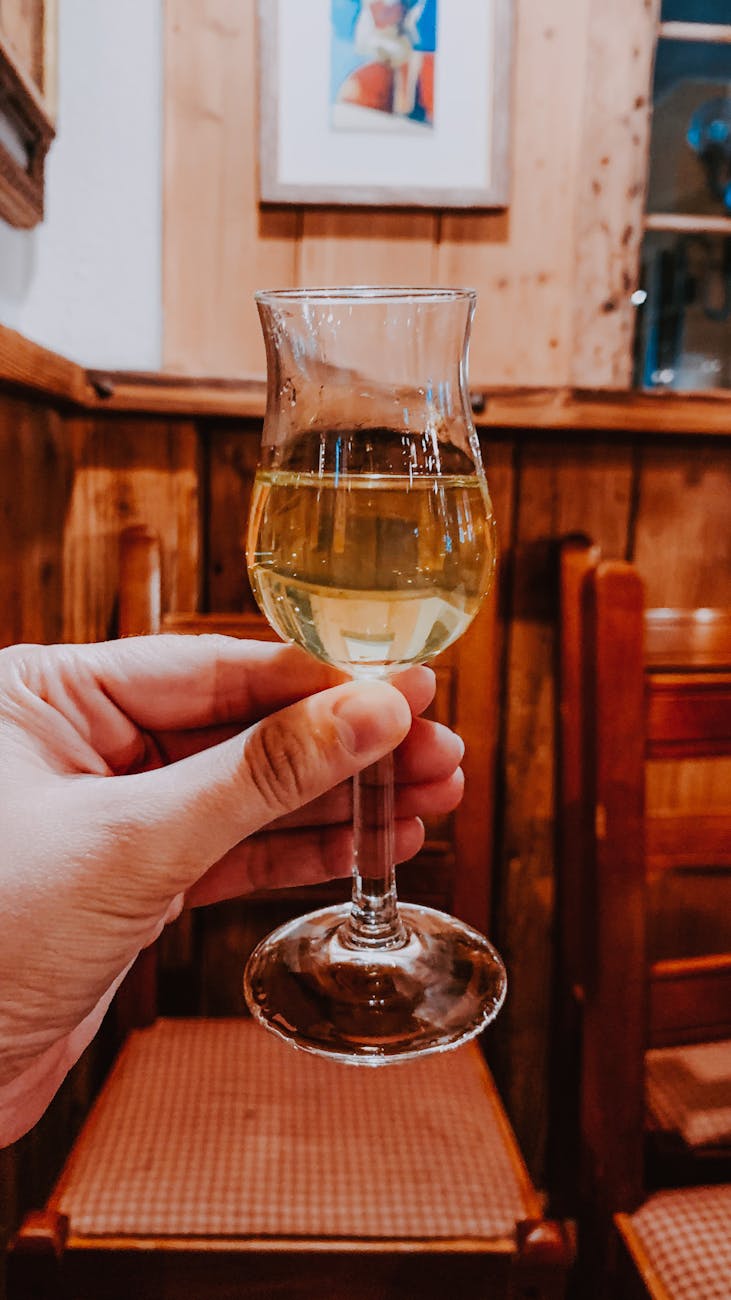
Vienna’s nightlife doesn’t have to be expensive. Heurigen (wine taverns) in neighborhoods like Grinzing, Neustift am Walde, and Stammersdorf serve locally produced wine starting at €3–€4 per Viertel (quarter liter), often accompanied by affordable self-service buffets of traditional cold meats, spreads, and breads. These are working vineyards and the atmosphere is uniquely Viennese.
The Danube Canal area (especially the Strandbar Herrmann and adjacent bars) offers a casual, affordable drinking scene during warm months. In winter, Bermuda Triangle (the bar district around Schwedenplatz) has happy hours and affordable drink specials. The Gürtellokal scene — bars built into the arches beneath the U6 elevated railway along the Gürtel — is alternative, affordable, and authentically local.
Vienna City Card and Discount Passes: Are They Worth It?
The Vienna City Card (from €17/24 hours) bundles unlimited public transport with 10–30% discounts at over 200 attractions. Whether it’s worth it depends on your plans: if you’ll visit 3+ paid attractions and use public transport daily, the card pays for itself. If you’re focusing on free attractions and walking, skip it.
The Vienna Pass (from €79/1 day) offers free entry to 70+ attractions including skip-the-line access. This is expensive but can save money if you’re planning an intensive museum/palace itinerary — particularly if you want to visit Schönbrunn, the Hofburg Treasury, Belvedere, and the Kunsthistorisches Museum in a short stay. Calculate your individual admission costs before committing.
Sample Budget Itinerary: 3 Days for Under €180
Day 1 — The Free Day (€20)
Morning: Walk the Ringstraße loop, admiring the Opera, Parliament, Rathaus, and Hofburg from outside. Enter St. Stephen’s Cathedral (free). Afternoon: Stroll through the Innere Stadt’s medieval lanes to the Danube Canal. Grab a Würstelstand lunch (€5). Cross to Schwedenplatz and explore the canal’s street art. Evening: Queue for standing room at the State Opera (€13). Grab a kebab on the walk home (€5). Transport: Weekly pass pro-rated ~€2.50/day.
Day 2 — Imperial Vienna (€25)
Morning: Take the U4 to Schönbrunn and spend the morning in the free gardens. Walk up to the Gloriette. Afternoon: U-Bahn to the Naschmarkt for a takeaway lunch (€6). Browse the stalls and nearby vintage shops. Evening: Visit Prater park (free entry) and enjoy the atmosphere around the Riesenrad. Dinner at a university Mensa (€7). Transport: Covered by weekly pass.
Day 3 — Museums and Culture (€15)
If it’s a first Sunday: Visit the Kunsthistorisches Museum and Belvedere for free. If not: Explore the MuseumsQuartier courtyard (free), Rathaus interior (free), and churches. Afternoon: Picnic lunch in the Volksgarten with supermarket supplies (€5). Wander through Spittelberg’s cobblestone streets. Evening: Join a free walking tour (tip €5–€10). Self-catered dinner at your hostel (€5).
Total for 3 days: Accommodation (hostel dorm 3 nights × €25 = €75) + Activities and food (€60) + Transport (weekly pass €17.10) = approximately €152. That’s Vienna — palaces, opera, markets, museums — for about €50 per day.
Seasonal Budget Tips
Spring (April–May): Shoulder season with lower hotel prices. Parks are blooming and outdoor events begin. Easter markets are free to browse.
Summer (June–August): Free outdoor cinema at Rathausplatz, Donauinselfest, Danube Island swimming and sunbathing. Accommodation peaks in July–August, but hostels remain affordable.
Autumn (September–October): Wine harvest season means Heurigen are at their best with Sturm (young wine). Mild weather for walking. Prices moderate after summer.
Winter (November–March): Lowest accommodation prices (except Christmas/New Year). Christmas markets are free to enter. Museums are warm refuges. January sales offer great shopping deals.
Money Mistakes to Avoid
Don’t eat in tourist traps near Stephansplatz. Walk two blocks in any direction for prices that are 30–50% lower. Don’t take the CAT from the airport — the S7 gets you there almost as fast for a third of the price. Don’t buy water at tourist sites — Vienna’s tap water comes from Alpine springs and is exceptional; bring a reusable bottle. Don’t ride the Fiaker horse carriages (€80–€110 for a short ride) — the tram around the Ring costs €3.20 and passes the same buildings. Don’t skip the lunch menus — dinner at the same restaurant can cost double.
Free Walking Tours
Several companies offer free walking tours of Vienna, operating on a tip-based model. These are genuinely excellent — guides are often history students or local enthusiasts who bring the city to life. The most popular tours cover the Old Town (meeting at Albertinaplatz), the Jewish Quarter history, and themed tours covering music, art, or dark history. Tours run daily, last 2–2.5 hours, and you tip what you feel the tour was worth (€5–€15 is typical). Companies include Free Walking Tour Vienna and Good Vienna Tours.
You can also create your own free walking tour using the Vienna Tourist Board’s downloadable audio guides and walking route maps, available from wien.info. These cover themed routes like “On the Trail of the Third Man” (Graham Greene’s famous Vienna noir story) and “Vienna Art Nouveau,” guiding you past Jugendstil gems throughout the city.
Coffeehouse Culture on a Budget
Vienna’s legendary coffeehouses are a UNESCO-recognized cultural institution, and experiencing them doesn’t require a fortune. While a Melange (Vienna’s cappuccino equivalent) costs €4.50–€6.50 depending on the café, here’s the key insight: you’re never rushed. Viennese coffeehouse culture is built on the idea of lingering — you can sit for hours over a single coffee, reading the free newspapers provided on wooden racks. That €5 coffee buys you an afternoon of people-watching, reading, and soaking up atmosphere in a stunning interior. It’s one of the best-value experiences in the city.
For cheaper coffee, try the Aida chain — Vienna’s pink-branded café institution with locations across the city. Coffee starts at €3.50 and their cakes are €3–€4. Or visit third-wave coffee shops like Jonas Reindl, Kaffeefabrik, or Café Couture, where quality espresso-based drinks run €3–€4 and the vibe is more casual than the grand coffeehouses.
Shopping on a Budget
Vienna offers plenty of affordable shopping if you know where to look. The Saturday flea market at the Naschmarkt end is a treasure trove of vintage clothing, antiques, vinyl, and curiosities — arrive early for the best finds and be prepared to haggle. Brunnenmarkt in the 16th District is Vienna’s longest street market and much more affordable than the Naschmarkt, with excellent Middle Eastern and Turkish groceries, spices, and fabrics.
For affordable clothing, Mariahilfer Straße (Vienna’s main shopping street) has all the major European chains — H&M, Zara, Primark, and more. The Carla shops (run by Caritas) and other second-hand stores throughout the city offer quality vintage clothing at very low prices. If you’re looking for souvenirs, skip the overpriced tourist shops near Stephansplatz and try the museum shops (you don’t need museum entry to access many of them) or the Christmas market stalls in season.
Free Technology and Connectivity
Budget travelers will appreciate Vienna’s excellent free WiFi coverage. The city provides free WiFi throughout the 1st District’s main tourist areas, and all U-Bahn stations offer complimentary connectivity. Most cafés and restaurants have free WiFi, and all public libraries provide free internet access along with a quiet place to sit.
Vienna’s public libraries are themselves a budget secret — the Hauptbücherei (Main Library) at Urban-Loritz-Platz is architecturally stunning, with floor-to-ceiling windows offering panoramic views over the city rooftops. Entry is free, and it’s a peaceful spot to rest, charge devices, and use the internet on a rainy day.
Day Trips on a Budget
If you want to venture beyond Vienna without breaking the bank, several destinations are reachable for very little. Bratislava is just an hour away by train (€15–€20 round trip if booked in advance via ÖBB Sparschiene), and it’s significantly cheaper than Vienna for food and drinks. The Badner Bahn tram to Baden bei Wien costs just a regular Vienna transit zone fare for the first few stops, taking you to a charming spa town in about an hour.
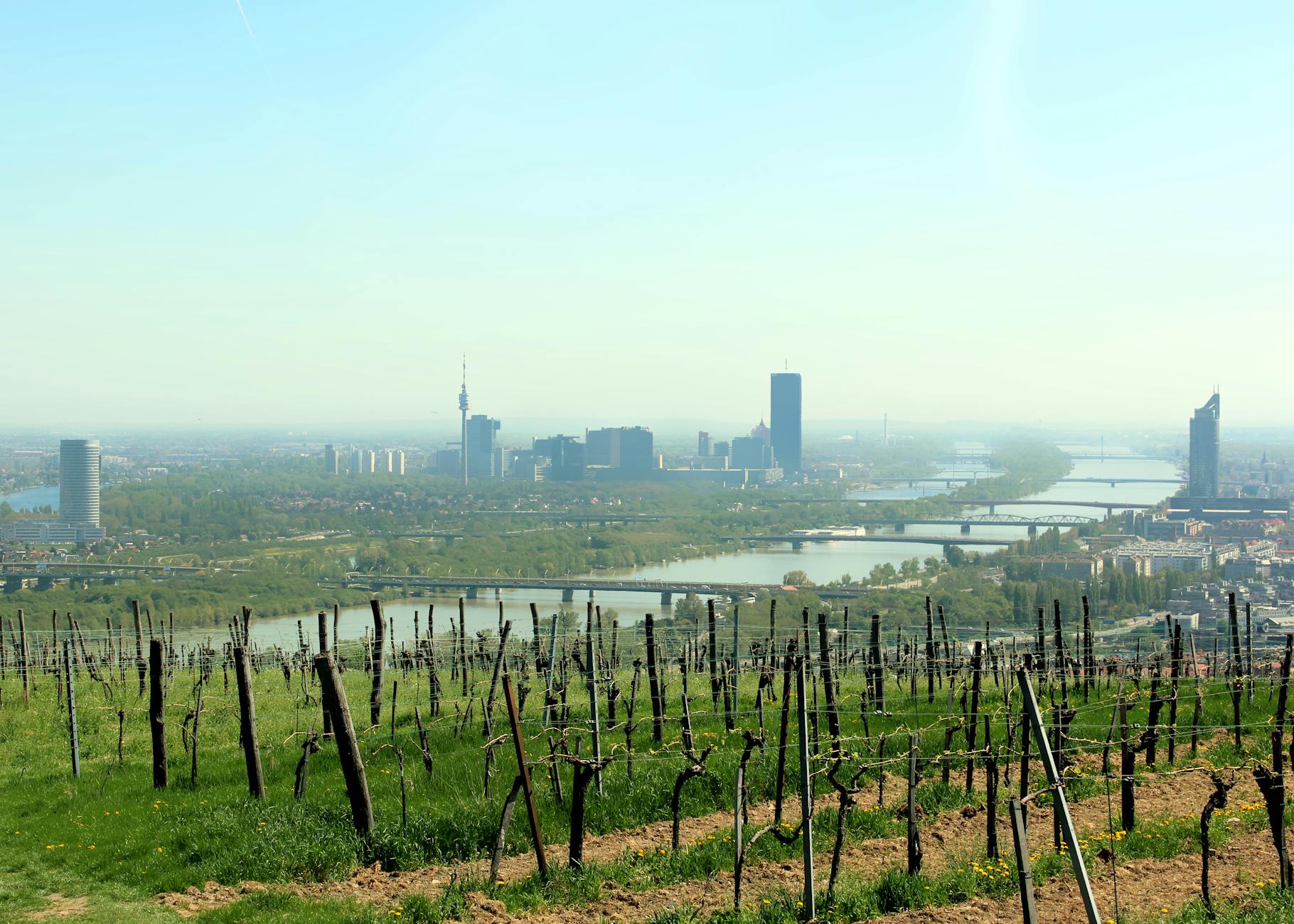
The Lobau (part of the Donau-Auen National Park) is reachable by U-Bahn and bus — a wild, forested floodplain right on Vienna’s doorstep with swimming lakes, hiking trails, and virtually no tourists. Kahlenberg and Leopoldsberg in the Vienna Woods are reachable by bus from the city center (covered by your transit pass) and offer spectacular views over the Danube valley — pair it with a visit to a Heuriger wine tavern in Grinzing on the way down.
Budget Travel with Kids
Vienna is family-friendly even on a budget. Children under 6 ride public transport free, and kids under 15 ride free on Sundays, holidays, and during Vienna school holidays (including summer). The Prater park is free to enter — you only pay for specific rides, and simply walking through the park with its old-growth chestnut trees is delightful. Many playgrounds throughout Vienna are excellent, particularly the adventure playground in the Augarten and the water play area at Wasserturm in the 10th District.
Danube Island is a paradise for families in summer — free swimming, playgrounds, cycling paths, and barbecue areas stretch along the 21-kilometer island. The Haus des Meeres aquarium in a converted WWII flak tower offers reduced family tickets. And the Zoom Kindermuseum at MuseumsQuartier has occasional free entry events — check their website for scheduled open days.
Tipping and Hidden Costs to Watch For
Understanding Vienna’s tipping and pricing customs prevents budget surprises. Tipping in restaurants is expected but modest — round up to the nearest euro or add 5–10% for good service. Simply state the total you want to pay when handing over money (e.g., say “zwölf” / twelve if the bill is €11.20). In cafés, rounding up by 50 cents to €1 is normal.
Watch for: Cover charges (Gedeck) of €1–€3 at some traditional restaurants — this covers bread and a small side. Water is not automatically free in restaurants — if you want tap water, ask for “Leitungswasser” (tap water), though not all restaurants provide it willingly. Opt for a “Soda Zitron” (soda with lemon) for about €2.50 as an affordable alternative. And always check if a price is per person (“pro Person”) or per portion — especially at Heurigen buffets.
Budget Apps and Resources
WienMobil — Buy the cheapest tickets and plan efficient routes. Too Good To Go — Rescue unsold food from bakeries, restaurants, and supermarkets for €3–€5 (very popular in Vienna, with dozens of participating businesses). Wien zu Fuß — Walking route planner showing the best pedestrian paths. Mundraub — Maps public fruit trees and berry bushes around Vienna where you can forage legally for free. Willhaben — Austria’s largest classifieds site for second-hand everything.
Free Viewpoints and Photography Spots
Vienna offers spectacular views that cost nothing to enjoy. The Gloriette at Schönbrunn provides a sweeping panorama of the palace gardens and the Vienna skyline — while the terrace café charges for refreshments, standing at the colonnade is free. Kahlenberg (accessible by bus 38A from Heiligenstadt U-Bahn station) offers a bird’s-eye view of the Danube valley, the city, and on clear days, the Slovak border. The viewpoint at the Haus des Meeres rooftop (accessible via the building’s exterior elevator for a small fee) captures the city against a backdrop of the Vienna Woods.
For photography enthusiasts, some of the most iconic free shots include the Belvedere Palace reflected in its pool (best at sunrise before crowds arrive), St. Stephen’s Cathedral from the Graben pedestrian street, the Parliament building at golden hour, and the colorful Hundertwasserhaus (viewed from outside for free, though the nearby museum charges entry). The Danube Canal street art between Schwedenplatz and Friedensbrücke is Vienna’s most photogenic outdoor gallery — ever-changing murals stretching hundreds of meters along both banks.
Student and Youth Discounts
If you’re under 26 or hold a valid student ID (ISIC card recommended), Vienna becomes even more affordable. Most museums offer 50% student discounts, and some attractions have special youth pricing. The Vienna State Opera sells discounted tickets to students and those under 27 — €15 for seats that would normally cost €50+, available through their app from 2 hours before each performance.
If you’re staying longer, a semester ticket from Wiener Linien (available to students enrolled at a Vienna university) covers six months of unlimited public transport for approximately €75 — extraordinary value for exchange students or long-term visitors.
Water in Vienna: A Free Luxury
One of Vienna’s most overlooked budget advantages is its tap water. Vienna’s water comes directly from Alpine springs in the Styrian and Lower Austrian Alps, traveling over 100 kilometers through two historic aqueducts to reach the city. It’s consistently rated among the best-tasting tap water in Europe — better than most bottled water, and completely free.
The city has installed over 1,000 free public drinking fountains throughout the city, including elegant historical ones and modern refill stations. In summer, temporary drinking fountains and Trinkbrunnen (mobile water stations) appear in parks and at events. Bring a refillable water bottle and you’ll never need to buy water. This single habit can save €5–€10 per day compared to buying bottled water.
Earning Free Entry: Volunteering and Cultural Exchanges
For longer-stay budget travelers, Vienna offers opportunities to earn free experiences. Several hostels offer work-exchange programs through platforms like Workaway and Worldpackers — a few hours of reception work or housekeeping per day in exchange for free accommodation. Cultural institutions occasionally seek volunteer help for events and exhibitions, sometimes offering free entry or behind-the-scenes access in return.
Vienna’s Open House Wien event (usually September) opens normally inaccessible buildings — private residences, government offices, architectural studios, and corporate headquarters — for free guided tours. It’s one of the best free events in the city’s calendar for architecture enthusiasts and curious visitors alike.
For about €15 a head, a tip-based walking tour is the best-value guided experience in the city, and it saves you money afterwards by telling you what is worth paying to go inside. Our guide to free walking tours in Vienna covers the operators and the timings.
The biggest single line in a Vienna budget is usually the flight, and it is also the one where the old advice has stopped working — Austria’s air transport levy puts a floor under every fare and two low-cost carriers have retrenched here since 2025. Travelling in early November or January, booking six to ten weeks out and pricing Bratislava alongside Vienna will do more for your budget than anything else. See our guide to cheap flights to Vienna.
Related Vienna Guides
- How Much Does a Trip to Vienna Cost? Complete Budget Breakdown
- Free Museums & Attractions in Vienna
- Cheap Eats in Vienna
- Vienna Student & Youth Travel Guide
- Vienna Money-Saving Tips
- Vienna Currency, ATMs & Payment Guide
- Is the Vienna Pass Worth It? Detailed Cost Analysis
- Vienna Safety Guide
- Do You Speak English in Vienna? Language Tips for Tourists
- Best Day Trips from Vienna
- Where to Stay in Vienna
Vienna Budget Travel: Final Thoughts
The beauty of visiting Vienna on a budget is that you don’t actually miss much. The grandeur of the architecture, the serenity of the parks, the sound of a church organ echoing through a baroque nave, the taste of a Käsekrainer at midnight — these experiences cost little or nothing. The expensive version of Vienna and the budget version share the same streets, the same views, and the same atmosphere. The palaces are just as impressive from the outside, the gardens are just as beautiful, and the coffee tastes exactly the same whether you’re a backpacker or a billionaire.
With thoughtful planning, strategic timing around first Sundays and free events, and a willingness to eat where locals eat rather than where tourist menus beckon, Vienna delivers one of Europe’s most rewarding city breaks — at a price that respects your wallet. Start with the free experiences, add the affordable gems, and save your spending for the one or two paid experiences that truly excite you. That’s how you do Vienna on a budget without missing a thing.